
NEW
Font size
 Worksheets
Topic 3: Biomolecules
Total questions: 50
Worksheet time: 35mins
What is the monomer of Carbohydrates?
Amino Acid
Monosacharrides
Fatty Acids
DNA/RNA
What is the monomer of lipids?
Amino Acids
Monosaccharides
Fatty Acids
DNA/RNA
What is the monomer of proteins?
Amino Acids
Monosaccharides
Fatty Acids
DNA/RNA
What is the monomer of nucleic acids?
Amino Acids
Monosaccharides
Fatty Acids
Nucleotides
What is the function of a carbohydrate?
Control rates of reactions, form muscle and bones
Provide long term energy, protection, waterproofing, and insulation.
Main source of energy and is quick.
Store and transmit genetic information.
What is the function of lipids?
Control rates of reactions and forms muscle and bones.
Main source of energy.
Energy storage, protection, waterproofing and insulation.
Store and transmit genetic information.
What is the function of proteins?
Main source of energy.
Energy storage, protection, waterproofing and insulation
Store and transmit genetic information.
Control rates of reactions and form muscles and bones.
What is the function of nucleic acids?
Main source of energy.
Energy storage, protection, water proofing, and insulation.
Control rates of reactions and form muscles and bones.
Store and transmit genetic information.
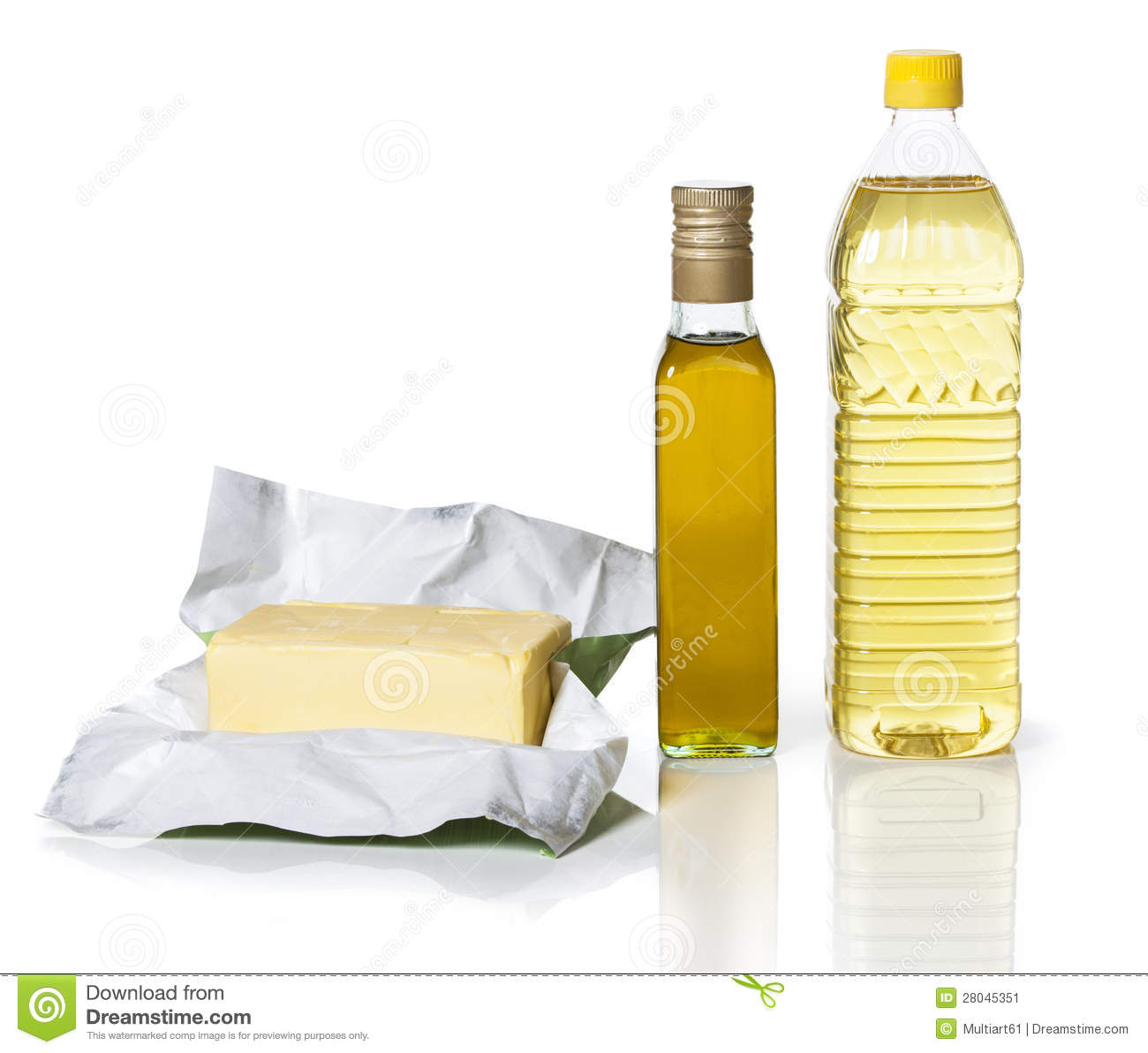
What is an example of a lipid?


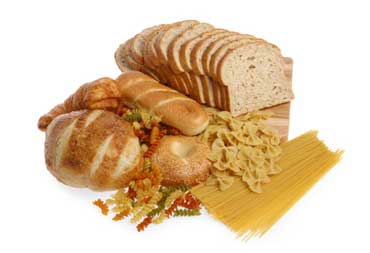
What is an example of a carbohydrate?


What is an example of a protein?


What is an example of a protein?
What is an example of a nucleic acid?


What macromolecule is classified as an enzyme?
Carbohydrate
Protein
Nucleic Acid
Lipids
What does an enzyme do for reactions?
Act as catalysts to speed up reactions.
Act as catalysts to slow down reactions.
Act as catalysts to keep reactions stable.
What are examples of carbohydrates?
triglycerides, waxes, fat, and oils
form polypeptides such as antibodies, enzymes, and hormones
glucose, fructose, cellulose, and lactose
DNA and RNA
What are examples of proteins?
triglycerides, waxes, fats, and oils
form polypeptides such as antibodies, enzymes, and hormones
glucose, fructose, cellulose, and lactose
DNA and RNA
What are examples of lipids?
triglycerides, waxes, fats, and oils
form polypeptides such as antibodies, enzymes, and hormones
glucose, fructose, cellulose, and lactose
DNA and RNA
What are examples of nucleic acids?
triglycerides, waxes, fats, and oils
form polypeptides such as antibodies, enzymes, and hormones.
glucose, fructose, cellulose, and lactose
DNA and RNA
The cell membrane of a cell consists of
protein molecules arranged around 2 layers
two layers of lipids with embedded proteins built in
lipid molecules positioned between two carbohydrate layers
protein molecules which are made of sugar

Which of the following conclusions can be drawn from the graph?
The optimum temperature is 20C
The optimum temperature is 38C
The enzyme's activity continually increases as temperature increases.
The enzyme's activity continually decreases as temperature increases.

What elements (monomers) make up a protein?
C, H, O
C, H, O, N, (S)
C, H, O, N, P
How how carbohydrates and lipids similar?
both contain C, H, O, N, P and store energy
both contain C, H, O, N and give energy
both contain C, H, O, N, S and store energy
both contain C, H, O and give energy
What is the key role (function) of carbohydrates?
energy storage
immunity, muscles, structure for tissues, cell metabolism
instant energy for cells and body functions
genetic information (heredity)

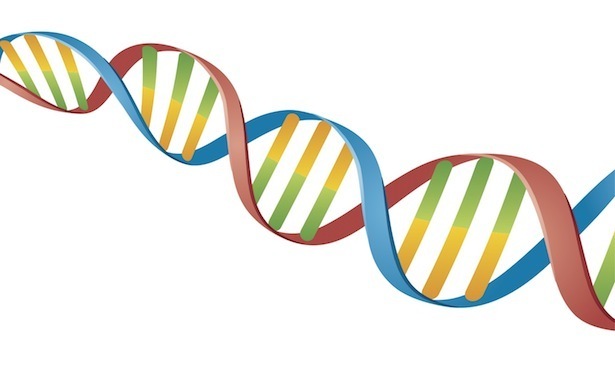
Name this structure
double helix
nucelotide
twisted ladder
hydrogen bond


What is the function of the molecule shown?
make up cell membranes
energy storage in humans
energy shuttle
speed up chemical reactions


Which would be unsaturated?
A
B
C

Which structure is saturated fat?
A
B
C

