
 Worksheets
патфиз ноуп
Total questions: 145
Worksheet time: 1hrs 13mins
?????????A 25-year-old man is brought to the hospital with nitrite poisoning. What changes in blood gas composition are characteristic in this case?
blood oxygen capacity 14%, carboxyhemoglobin oxyhemoglobin content 96%, arterio-venous difference 0.8 vo1% oxyhemoglobin content 97%, arterio-venous difference 12.7 vol%
blood oxygen capacity 14%, carboxyhemoglobin oxyhemoglobin content 96%, arterio-venous difference 0.8 vo1% oxyhemoglobin content 97%, arterio-venous difference 12.7 vol%
A 72-year-old woman is being examined. Densitometry of the femur is performed to assess bone density. The T- criterion is minus 2.7. The blood analysis reveals an increased calcium content. Violation of bone tissue metabolism may be associated with excessive oduction of the following biologically active substance:
antidiuretic hormone
somatotropic hormone
osteoprotegerin
cortisol
insulin
A patient has had bilateral chronic pyelonephritis for many years. After 17 years from the onset of the disease, he has a persistent increase in blood pressure. What type of arterial hypertension has developed in the patient?
essential hypertension
neurogenic hypertension
renovascular hypertension
hemodynamic hypertension
renoprive hypertension
Pseudoallergic reactions differ from allergic reactions:
obligatory production of class E immunoglobulins
absence of pathophysiological stage
absence of immunological stage
absence of pathochemical stage
milder clinical manifestations
Patient B., 9 years old, complains of general weakness, pain in bones and joints. He is registered with the diagnosis of sickle cell anaemia. Erythrocytes instead of normal discoid shape have the shape of sickle and crescent. The preservation of the shape of red blood cells and their ability to undergo significant deformations and recover their shape depend on:
mitochondria
peroxisomes
cytoskeleton
lysosomes
ribosomes
The patient has proteinuria more than 3 g/day, hypoproteinemia, hypoalbuminemia, dysproteinemia, edema, dyslipoproteidemia. What syndrome has developed in the patient?
nephrotic syndrome
infectious inflammatory syndrome
nephritic syndrome
renal failure syndrome
urinary syndrome
On examination of a newborn premature baby from a complicated pregnancy, cyanosis, dyspnea with involvement of accessory muscles are observed. What is the leading pathogenetic factor in the pathogenesis of respiratory distress syndrome of newborns?
upper airway obstruction
respiratory center damage
hemodynamic pulmonary edema
surfactant insufficiency
pulmonary dysfunction
A man works in a factory and comes into contactwith nickel- plated products. 2-3 months ago he developeditchy rashes on the skin of both hands. The man became irritable, his sleep became disturbed. An examination was carried out. No pathology on the part of internal organs was revealed. Application test with nickel sulphate was positive. The test for inhibitiof macrophage migration with a preparation containing nickel was also positive. What type of hypersensitivity does the patient's allergy belong to?
stimulatory (type V)
reactive (type I)
delayed-type hypersensitivity (type IV)
cytotoxic (type II)
immunocomplex (type III)
Frank-Starling heterometric mechanism is important in the compensation of heart failure occurring in:
mitral stenosis
small-circle hypertension
aortic coarctation
aortic valve insufficiency
hypertension
A patient has been diagnosed with human immunodeficiency virus (HIV) during an examination. Which immune cells are damaged by HIV?
lymphocytes
T-helper cells
T-killers
B-lymphocytes
leukocytes
What disorders may occur in partial hypofunction of the anterior lobe of the pituitary gland:
acromegaly
diabetes mellitus
gigantism
emaciation
hypogonadism
Hypoglycemia with insulin excess occurs due to:
transmembrane glucose transport disorders
activation of glucose utilization by cells
glycogenolysis activation
insufficiency of the disaccharidases that break down carbohydrates
activation of gluconeogenesis
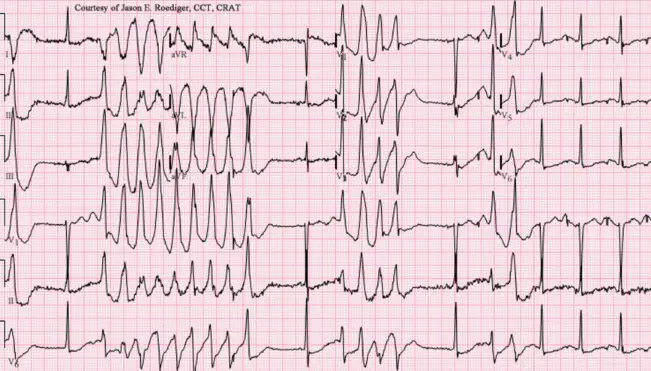
A patient with severe bradycardia associated with sinus node dysfunction and accompanied by pathological prolongation of QT interval had syncope. ECG showed the following cardiac rhythm disturbance:
polymorphic ventricular extrasystole
ventricular tachycardia like torsade de pointes
paroxysmal ventricular tachycardia
sinus node weakness syndrome
paroxysmal supraventricular tachycardia
Pulmonary hypoventilation compensates for acidbase disturbances in:
non-gas alkalosis
metabolic acidosis
excretory acidosis
gas acidosis
gas alkalosis
A leftward shift of the oxyhemoglobin dissociation curve occurs when:
acidosis, fever.
hуpercapnia, hypothermia
acidosis, increased 2,3-diphosphoglycerate in erythrocytes.
alkalosis, fever
increased pH, hyperthermia
The myocardial form of heart failure occurs when:
myocardial infarction
true polycythemia
aortic insufficiency
aortic coarctation
primary arterial hypertension
A 27-year-old woman notes weight gain, oligomenorrhea for 6 months. Wide purple striae on the skinof the thighs and abdomen. BP - 150/100 mm Hg. Fasting plasma glucose - 7.3 mmol/l. MRI of the pituitary gland revealed an adenoma with endo-, supra-, parasellar growth. Cortisol and ACTH levels are elevated. Most probable diagnosis:
Itcenko-Cushing's syndrome
hypothalamic syndrome
primary hyperaldosteronism
exogenous obesity
Itcenko-Cushing's disease
Patient M., 20 years old, came to the clinic with complaints of weakness, dyspnea on physical exertion, feeling of paresthesia in the extremities. During examination, the patientwas found to have worm infestation. Blood analysis: hemoglobin content 100 g/l, erythrocytes 12 microns in diameter, large hypersegmented neutrophils are detected in the blood smear. What kind of anemia is present in this patient?
B-thalassemia
iron deficiency anemia
posthemorrhagic anemia
B12-deficiency anemia
sickle cell anemia
Within 2 days the patient noted increasing weakness, vomiting "coffee grounds", black-colored stools. From anamnesis: he has= been suffering from peptic ulcer disease for 10 years. 2vweeks ago pain in the epigastric region appeared 30 minutes after eating. He relieved the pain with heat. During examination the presence of Helycobacter pylori in the gastric mucosa was found. Objectively: skin was pale. BP 90/55 mm Hg. Pulse 120 pe minute. Abdomen is soft, moderately painful in the epgastric region. What is the role of Helycobacter pylori in the development of peptic ulcer disease?
causes hyposecretion of HCI
increases the blood supply to the stomach wall
produces cytotoxins
inhibits the development of ulcerative defects
inhibits the synthesis of prostaglandins
A 46-year-old man, no consciousness, no reflexes, systolic pressure 40 mmHg, diastolic pressure 0 mmHg. Name the stage of the terminal condition:
preagonia
agony
clinical death
biological death
terminal pause
Increased excretion of urine with low specific gravity is seen with decreased production of the hormone:
anterior lobe pituitary hormone
posterior lobe of the pituitary gland oxytocin.
anterior pituitary lobe TTG
pituitary posterior lobe ADH
anterior pituitary lobe ACTH
A 30-year-old female patient has a heart defect. Her condition worsened 2 weeks ago after angina. Pulse 96 per min, arrhythmic. HR 130 beats per min. BP 90/60 mm Hg. I tone at the apex of the heart is weakened, a descending systolic murmur is heard behind it. In blood leukocytes 9.6×10⁹/L, ESR 25 mm/hour, C-reactive protein +++. ECG showed frequent supraventricular extrasystoles. What is the leading pathogenetic factor underlying the development of arrhythmia in the patient?
blockade of lipid peroxidation processes
inactivation of lysosomal enzymes
Na/K-ATPase deficiency.
free-radical oxidation inhibition
Ca+ deficiency in the cytoplasm
A 43-year-old man complains of dyspnea on physical exertion, pain in the heart area of a pressinature, a feeling of heart palpitations. To determine the nature of pathological changes in the heart, it is necessary to know the structural and functional features of the cardiovascular system of a healthy person. What factor can reduce cardiomyocyte stretching?
decreased venous return
increased atrial contraction force
ncreased ventricular wall pliability
increased total blood volume
increased negative intrathoracic pressure
Patient N., 33 years old, with complaints of increased anxiety, sleep disturbance, dyspeptic disorders, for which she has been treated by a gastroenterologist without results. Over the last six months she has lost five kilograms. What is the leading pathogenetic factor underlying this mental health disorder in the patient?
cortical neuronal degeneration
nerve fiber demyelination
pathotro phogen in formation
deafferentation of cortical neurons
forming generator of pathologically enhanced excitation in brain neurons
Patient G. was admitted with a complaint of pain in the lumbar region, thirst, swelling under the eyes, headache, elevated body temperature. The symptoms appeared 14 days after tonsillitis. Objectively: swellings on the face and lumbar region, BP - 180/90 mm Hg. Pasternatsky's symptom (+). Urine analysis: color - yellow; microscopy of urine sediment: transparency - turbid; erythrocytes - 12-17 in a field of view; specific gravity - 1,029; cylinders - hyaline 3-44 in a field of view;
diabetes insipidus
acute pyelonephritis
diabetes mellitus
acute glomerulonephritis
kidney stone disease
The patient has hypovolemic shock. Lactate level is 6.6 mmol/l. What ABS disorder develops in this case?
gas acidosis
nephase metabolic alkalosis
gas alkalosis
non-gasic metabolic acidosis (ketoacidosis)
non-gasic metabolic acidosis (lactacidosis)
The ECG shows a significant increase in the PQ interval. This indicates that the conduction of excitation is slowed in:
Purkinje fibers
atria
ventricles
atrioventricular node
Hiss bundle
Myocardial hypertrophy, as an unbalanced form of growth in chronic heart failure, manifests:
decreased cardiomyocyte surface area
increased angiogenesis in the myocardium.
decreased sympathetic innervation density
increased ability of myosin fibers to utilize ATP
increased growth of subcellular organelles
The stage of completed myocardial hypertrophy and relatively stable hyperfunction (according to F.Z.Meerson) is characterized by:
bioenergetics disorder, decreased minute volume
diastolic dysfunction, myocardial sclerosis
tonogenic dilatation, increased stroke volume
systolic dysfunction, myocardial dystrophy
myogenic dilatation, edema.
A woman with a 4.5-year-old child came to the urology department of the hospital. The boy complained of difficulty urinating. During examination, the urologist revealed phimosis of the penis and testicular cryptorchidism on the left side. What disorder can be caused by the left testicle not descending into the scrotum?
tumor process
inflammation of a testicle in the abdomen.
overheating of the testicle
testicular hypertrophy
testicular hydrocele
A 45-year-old woman came to the polyclinic. She complains of symmetrical pain in the wrist joints of both hands, swelling, morning stiffness. In the blood test leukocytosis, C-reactive protein is elevated, ESR is accelerated. Anticitrulin antibodies are detected. Radiologically, erosions of the articular surfaces are detected. What are the immune defense?
cytolytic and granulomatous
reactive and stimulatory.
anaphylactic and precipitin
immunocomplex and cell-mediated
reactive and cytotoxic
A patient is seen by an endocrinologist. Age 27 years, height 227 cm. Intense growth has been noted since early childhood. Currently, the patient has complaints of severe headaches, joint pain, and difficulty walking. The size of the body and limbs are proportional, facial features are enlarged. Radiography of the upper and lower extremities revealed the presence of thin neocostenised metaphyseal plate, bones are deformed, there are signs of osteoporosis. What is the mechanism of action of the hormone, violation of synthesis and secretion of which
anabolic effect through activation of tyrosine kinases
accumulation of inositol-3-phosphate and calcium ions in the cell
changes in the activity of phosphodiesterases and regulatory enzymes
metabolic effect through activation of cyclic GMP
regulatory effect through activation of responsive elements
A patient has a brain tumor accompanied by dyspnea. pH 7.48; pCO2 23 mmHg; SB 23.6 mmol/I; BB 50.5 mmol/I; BE - 1.8 mmol/l. Determine the type of acid-base disturbance:
decompensated metabolic acidosis
subcompensated non-gas exogenous acidosis
uncompensated gas acidosis
subcompensated excretory acidosis
subcompensated gas alkalosis
A patient with kidney disease has swelling of the face, legs, and elevated blood pressure. Which hormone increases the absorption of sodium and water from the tubules of the nephron?
aldosterone
insulin
vasopressin
parat hormone
renin
Oxyhemoglobin content in arterial blood -70%, carbon dioxide tension in arterial blood - 48 mmHg, MVB-4I/min, LVC (lung vital capacity)-1.8 l. These changes are charadteristic of hypoxia:
respiratory
exogenous, hypobaric form
circulatory
tissue
hemic
In Fallot's tetrad, right ventricular hypertrophy occurs due to:
right ventricular outflow tract obstruction
pulmonary artery orifice dilation
of bleeding out through an open foramen ovale
aortic stenosis
hypovolemia of the great circulation
Sex hormones can be produced in:
in the tubular zone of the adrenal cortex
in the cortex of the adrenal cortex
neurohypophysis
in the bundle zone of the adrenal cortex
in the medulla of the adrenal gland
1 type of allergic reactions according to the Jell and Coombs classification is called:
cytotoxic
cell-mediated
receptor-mediated
reactive
immunocomplex
A 45-year-old man was admitted to the cardiac surgery department with acute myocardial infarction due to thrombosis of the left anterior descending coronary artery. Endovascular thrombectomy was performed, the thrombus was removed. Blood flow was restored, but left ventricular contractility remained reduced. That's because the cardiomyocytes in the affected area are showing
activation of lysosomal enzymes
accumulation of lactic acid, lactacidosis
increase in superoxide dismutase and Na+
decrease in creatine phosphokinase activity
increase in free radicals and Ca++
A 70-year-old patient was hospitalized with decompensation of CHF (chronic heart failure). Objectively: acrocyanosis, marked edema on the lower extremities, ascites, moist rales in the lungs, hepatomegaly. Blood gas composition: PaO2 = 75 mmHg, SaO2 = 90%, PvO2 = 15 mmHg, SvO2= 29%, a/v difference O2 = 9.8 vol%, MVB = 2.8 l/min. What type of hypoxia has developed in the patient?
hypoxia overload
tissue
hemic
substrate hypoxia
mixed
The patient is being examined. He has chanted speech, horizontal nystagmus, unsteady gait, constant shaking of the trunk and limbs, unsteadiness in the Romberg pose, lack of commo movements of the limb muscles. In which pathology of the nervous system can these symptoms be observed?
Parkinson's disease
cerebellar lesion
lesion of the medulla oblongata
hippocampal lesion
Alzheimer's disease
A 6-year-old child developed hives after drinking Mango juice. Which of the following are mediators of thistype of allergic reaction:
histamine, leukotrienes, prostaglandins.
leukotrienes C4, D4, endothelin.
lysosomal enzymes, cathepsins B
components of the complement system, free radicals
lymphokines, tumor necrosis factor.
Gastric resection leads to the development of:
isoimmune hemolytic anemia
chronic posthemorrhagic anemia
B12-deficiency anemia
Minkowski-Schoffar disease
aplastic anemia
Which hormone is involved in the reabsorptiof water by the distal tubules and in the collecting tubules?
adrenocorticotropic hormone
cortisol
insulin
antidiuretic hormone
aldosterone
The patient has acute blood loss. pH 7.19; pCO230 mmHg; SB 14.0 mmol/l; BB 35.0 mmol/I; BE - 12.0 mmol/l. Determine the type of acid-base disturbance:
Gas acidosis with metabolic alkalosis
gas and metabolic acidosis
gas alkalosis
metabolic alkalosis
non-gasic metabolic acidosis with respiratory alkalosis
Initial link in the pathogenesis of inflammatory, toxic, and allergic edema:
increase in glomerular filtration for protein
iincreased wall permeability
lymphogenic factor
decreased cardiac output
hypoproteinemia
Patient I., 45 years old, complains of pronounced facial swelling, dull pain in the lower back, decreased urine output, and increased BP up to 175/110 mmHg. These complaints have been bothering her for 15 years. The most probable mechanism of blood pressure increase in the patient:
decreased catecholamine production
increased production of prostaglandins
activation of the renin-angiotensin-aldosterone system
increased production of kinins
hyperproteinemia
Patient R., 57 years old, miner, complains of dyspnea on exertion and at rest with difficulty in breathing, severe weakness. On examination: pO2 - 45 mm Hg; pCO2 - 55 mm Hg. What pathogenetic factor is the leading one in the development of respiratory failure in the patient?
pleural effusion
respiratory dysregulation
disruption of gas diffusion across the alveolar-capillary membrane
alveolar hyperventilation
increased surfactant secretion
Patient K., 13 years old, complains of "hungry", night and late pains, which are helped by taking a solution of baking soda or a small amount of food. The patient also complains of heartburn, vomiting at the height of pain, unstable stools. The patient has been ill for 3 years, exacerbations occur in late fall. In the intervals betweexacerbations feels satisfactory. Objectively: the abdomen is slightly tense and painful in the right half of the epigastric region. What factoris more important in the pathogenesis of this type of digestive system pathology?
increased secretion of mucus and bicarbonate anions
prostaglandin E2 hypersecretion
acid-peptic aggression
increase of protective properties of the intestinal mucosa
cholecystokinin hypersecretion
Hemodynamics of the small circle of circulation in tetrad of Fallot is characterized by:
small-circle hypertension.
normal pulmonary blood flow
collateral pulmonary blood flow.
poor pulmonary blood flow.
increased pulmonary blood flow
A rightward shift of the oxyhemoglobin dissociation curve occurs when:
hуpocapnia, decreased 2,3-diphosphoglycerate in erythrocytes.
fever, hypocapnia
fever, acidosis.
hypothermia, alkalosis
fever, hypercapnia.
Patient B., 7 years old, complains of itching, redness and dryness of the skin, especially in the area of the folds of the hands and feet. Exacerbations 3-4 times a year, especially after ingestion of milk, eggs, peanuts, fish. Serum levels of total and specific Ig E are high. Father has bronchial asthma, nother has allergic rhinoconjunctivitis. In the pathogenesis of the inflammatory process in this form of skin pathology is important:
Increased levels of antimicrobial peptides in the skin
skin infiltration with polymorphonuclear neutrophils
B-cell-mediated delayed-type hypersensitivity
overproduction of cytokines (IL-4, IL-5, IL-13)
excess filaggrin in the stratum corneum of the skin
A 62-year-old woman complains of increasing dyspnoea. Orthopnoea position. History of arterial hypertension for many years. What caused the patient's heart failure?
pericardial damage
resistance overload
volume overload (preload)
Primary cardiomyocyte damage
damage to the heart valve apparatus
B12-deficiency anemia develops in:
excessive intake of animal products
an inherited deficiency of the protein spectrin
gastropathies
long-term use of androgenic steroids
chronic blood loss
Patient N., 57 years old, came to the hospital with complaints of headaches, nausea, vomiting. He has been suffering from chronic pyelonephritis for 30 years. Objectively: edemas on legs and face. Persistent increase in BP up to 220/130 mm Hg. Indicate the leading pathogenetic factor of BP increase:
increased production of catecholamines
activation of the renin-angiotensin-aldosterone system
increased filtration in the renal tubules
renaissance mechanism
increased production of kinins
A 37-year-old patient was admitted to thospital with complaints of dyspnea and tachycardia. Patient's medical history includes rheumocarditis, combined mitral valve defect. What pathogenetic factor underlies respiratory dysfunction in the patient?
obstructive hypoventilation
precapillary pulmonary hypertension
alveolar hyperventilation
impaired diffusion of gases across the alveolar-capillary membrane
postcapillary pulmonary hypertension
Patient complains of general weakness, heaviness in the left subcostal area. In the general blood analysis: hemoglobin - 85 g/l, erythrocytes - 2.7×10¹²/l; leukocytes - 68×109/l: eosinophils - 9%, basophils - 12%. myeloblasts - 3%, promyelocytes - 5%, myelocytes - 10%, metamyelocytes - 12%, band neutrophils - 10%, segmented neutrophils - 30%, lymphocytes - 8%, monocytes - 1%; platelets - 90×109/l. Bone marrow cytogenetic study: t (9;22). The patient has the following typical form of disorders of the hematopoiesis system:
acute myeloblastic leukemia
myeloid leukemoid reaction, neutrophilic.
myelotoxic agranulocytosis
chronic myelocytic leukemia
myeloma disease
In rheumatoid arthritis, pannus formation leads to:
enhance angiogenesis
inhibition of fibroblast proliferation
osteosclerosis
cartilage destruction
inhibition of the autoimmune process
The patient has massive blood loss. Respiration is shallow, with a rate of 28 per 1 minute. HR - 120 per 1 minute, blood pressure 80/50 mm Hg. Hemoglobin 67 g/l, erythrocytes 2,0×10¹²/l. Blood gas composition: PaO2 - 55, Va02 - 12 vol%, a/v difference in oxygen content - 10.2 vol%, BOC - 8.9 vol%. What type of hypoxia developed in the patient?
mixed (hemic + circulatory)
mixed (hemic + circulatory + respiratory)
mixed (hemic + circulatory + tissue)
mixed (hemic + tissue + respiratory)
mixed (hemic + tissue)
A boy, 8 years old, with early secondary sexual characteristics was admitted to the endocrinological department. He has pronounced musculature, facial and pubic hair. Which gland of internal secretion is disturbed in the patient?
neurohypophysis
thymus gland
thyroid gland
pineal gland
pancreas
A boy has consumed 5 tablets of phenobarbital. Which type of respiratory failure will develop?
neuromuscular
centrogenic
thoraco-diaphragmatic
obstructive
restrictive
Patient I., 36 years old, has been suffering from inflammation of mucous membranes of maxillary sinuses for more than a year. Over the last two weeks, his general condition worsened: body temperature fluctuated between 37.5 and 38.50C, headaches increased, breathing through the nose became difficult. The mucous membrane of the nasal passages is sharply hyperemic and edematous. On the blood side, neutrophilic leukocytosis and elevated sedimentation rate were noted. What causes the development of swelling of nasal passages in the patient?
emigration
infiltration
alteration
proliferation
exudation
A 25 year old woman approached a gynecologist about infertility. Which hormone deviation can lead to infertility?
testosterone
oxytocin
estrone
prolactin
progesterone
An elderly patient with hypertensive crisis was admittedto the emergency room. In the emergency room blood pressure - 200/100 mmHg, HR - 100 per 1 minute, although during transport to the hospital the woman's pulse rate increasedto 200 per 1 minute. ECG: sawtooth F waves, equal duration of RR intervals, shortered QRST. In AVL lead, bifurcated R teeth, in V5, V6 leads - T inversion. What cardiac rhythm disorder does the patient have?
rhythm from the A-V node
atrial flutter
ventricular torsade de pointes tachycardia
paroxysmal supraventricular tachycardia
ventricular extrasystole, allorhythmia (trigeminia)
A 58-year-old man is admitted to the cardiac surgery department with severe pressing pain behind the sternum lasting more than thre hours. Taking nitroglycerin was ineffective. On ECG:ST segment elevation in leads II, III, V. Total number of leukocytes in blood - 9.9×10°/1, ESR - 27 mm/h. Which of the biological markers is the mos reliable for diagnostics of cardiomyocyte damage?
myoglobin
lactate dehydrogenase 1, 2
creatine kinase MM
troponins T, I
ALAT, AsAT.
The patient has coma of the 2nd degree. Objectively: no consciousness, arterial hypotension (BP 65/30 mm Hg), temperature 39.70C, marked tachypnoea and tachycardia. The patient's general condition gradually worsened due to a long-standing tonsillopharyngitis complicated by follicular sore throat. Laboratory examination revealed: respiratory alkalosis, non-gaseous metabolic acidosis, hypercalcaemia, hyperkalemia, bacteraemia. State the characteristic acute phase response index:
transferrin
angiotensin-II
C-reactive protein
albumin
troponin
Patient K. has impaired fine voluntary movements. What structures of the central nervous system are associated with these disorders?
cerebellum, medulla oblongata
medulla oblongata and spinal cord
motor cortex, red nuclei
motor cortex, pyramidal system
basal nuclei, cerebellum
Adrenal cortex hormone deficiency can be caused by:
insufficient production of the pituitary hormone ACTH
overproduction of the pituitary hormone antidiuretic hormone
overproduction of hypothalamic corticoliberin hormone
insufficient production of pituitary hormone STH
insufficient production of the pituitary hormone TTH
Hypoosmolar hyperhydration develops when:
profuse diarrhea and repeated vomiting.
heavy intake of seawater
profuse sweating and salivation
increased production of antidiuretic hormone
aldosterone overproduction
In immunocomplextype allergic reactions, antibodies of the type synthesized:
sensitized T-lymphocytes
immunoglobulins G1, 3
reactants
immunoglobulin G 4
immunoglobulin
Laboratory analysis of pleural cavity fluid revealed: opaque, pH - 5.5. protein content - 5%, microscopy revealed a large number of neutrophils. What exudate is characterized by these changes:
hemorrhagic
serous
putrefactive
fibrinous
purulent
A 32-year-old man was admitted to the clinic two years after a spinal cord injury. He complains of leg muscle spasticity. On examination: lower spastic paraplegia. Moderate hypotrophy of muscles. Bilateral Babinski's symptom. What pathogenetic factor underlies the formation of leg muscle spasticity in the patient?
autoimmune process
nerve fiber demyelination
free radical formation
deafferentation of cortical neurons
deficiency in inhibition of cortical neurons
During Iron deficiency anemia is observed:
increased fatigue, hemorrhagic syndrome, smear - microspherocytes
Increased fatigue, normal color score, pancytopenia
weakness, pale jaundiced skin color, hyperchromia, smear - megalocytes
weakness, pallor, decreased color index, smear - microcytes
jaundice, splenomegaly, reticulocytosis, hyperbilirubinemia
A 53-year-old man was admitted to the intensive care unit in a state of confused consciousness, with marked pallor of the skin, cold sticky sweat. BP 60/40 mm Hg. ECG showed ST segment elevation in I, III, aVL, V5-V6 leads. In blood analysis, Alanintransferase, Lactate dehydrogenase, creatine phosphokinase, troponin T are incresed. What type of shock has developed in the patient?
toxemic
psychogenic
hypovolemic
traumatic
cardiogenic
The presence of small and sparse islets of Langerhans with sclerosis and lymphocytic infiltration in the pancreas is characteristic of:
gestational diabetes
non-sugar diabetes
insulin resistance
type 2 diabetes
type 1 diabetes
Increased blood pressure - impaired oxygen supply to tissues -> cerebral hypoxia -> activation of the hypothalamic-pituitary-adrenal system -> secretion of catecholamines - vasospasm -> increased blood pressure. This is an example of one of the essential features in pathogenesis:
relations of specific and nonspecific mechanisms
cause-and-effect relationships
vicious circle
the relationship between local and general processes
main link
In traumatic surgical interventions, septic shock with hyperproduction of endotoxins, obstetric DIC syndrome, the development of thrombinemia with the appearance of a large number of loose microthrombi in blood vessels is initiated:
activation of the primary anticoagulant system
the formation of pathologic anticoagulants
activation of platelet hemostasis
formation of tissue factor+factor VIla complex
decreased endothelial thromboresistance
Identify the patient's syndrome: arterial hypertension, proteinuria less than 3 g/day, hematuria:
urinary syndrome
nephritic syndrome
nephrotic syndrome
renal failure syndrome
infectious inflammatory syndrome
A 46-year-old woman has been working for more than 10 years in a weaving mill, dyeing shop, where aniline dyes are used. She complained of frequent urination, macrohematuria. On examination, a tumor of the bladder. What group of carcinogens do these dyes belong to?
aminoazo compounds
organochlorine compounds
polycyclic aromatic hydrocarbons
immunosuppressants
nitroso compounds
A patient with diabetes mellitus has loss of consciousness. Cussmaul's breath with the smell of acetone in the exhaled air, sharp dryness of the skin, tongue, lips, oral mucosa, skin turgor and elasticity are sharply reduced. These signs indicate the development of the following type of coma:
hyperosomolar
hyperlactacidemic
neurogenic
hypoglycemic
ketoacidotic
Patients with chronic heart failure have an increased sensitivity to exercise. This is an example
specific reactivity
species reactivity
individual reactivity
biological reactivity
group reactivity
In the occurrence of pathologic gastroesophageal reflux is significant:
locking action of the diaphragmatic legs against the cardia
presence of large amounts of mucus in the refluxate transient
relaxations of the esophageal-gastric junction
decreased esophageal clearance
high basal tone of the lower esophageal sphincter
Left ventricular heart failure is characterized by the development of:
hepatomegaly
systolic arterial hypertension
high central venous pressure
cervical vein pulsations
congestion in the small circulation
A patient with poliomyelitis is on artificial ventilation. the doctor mistakenly set the ventilation rate high. Howill PO2, PCO2, pH change?
PO2 is lowered, PCO2 is significantly reduced, pH is lowered
PO2 normal or slightly increased, PCO2 significantly decreased, pH increased
PO2 is decreased, PCO2 is significantly increased, pH is elevated
PO2 normal or slightly increased, PCO2 significantly decreased, pH decreased
PO2 is decreased, PCO2 is significantly increased, pH is decreased
The patient complains of constant headaches, frequent heart palpitations, high blood pressure (BP). BP at rest is 150/100 mm Hg, pulse rate is 85 per min. However, when performing physical exertion or emotional stress, the patient has increased sweating, BP rises to 210/140 mm Hg and more, pulse increases to 130-140 per min, blood glucose rises to 8.8-10 mmol/l. Biochemical blood analysis: insulin, T3 and T4 levels are normal; norepinephrine level is increased. These signs are in favor of:
hypercorticism
pheochromocytomas
type 2 diabetes
Addison's disease
hyperaldosteronism
The patient is given detoxification infusion therapy. He was infused with 3500 ml of 5% glucose. Blood plasma osmolality is 265 mosmol/I. What type of water-salt metabolism disorder has developed?
isoosmolar hyperhydration
hyperosmolar dehydration
hypoosmolar dehydration
isoosmolal dehydration
hypoosmolar hyperhydration
A young man was injured in a car accident. Objectively: on the right arm muscle tone and amplitude of movements are reduced, flaccid reflexes; on the right leg reflexes are increased, positive Babinski reflex. Reflexes on the left arm and leg are not changed. Where is the centre of the lesion presumably located?
spinal ganglion
brain stem
alpha-motoneurones
peripheral nerves
spinal cord
During ragweed blooming people experience sneezing, runny nose, bundant liquid nasal discharge, swelling of the mucous membrane. Patients have difficulty in nasal breathing, the sense of smell becomes worse. What are these manifestations associated with?
neutrophil degranulation
precipitin formation
Ig E formation
complement activation
Ig G1-3 formation
A patient with excessive circulating blood volume and hypervolemia developed edema syndrome. What pathogenetic factor plays the leading role in the development of edema in this case?
oncotic
lymphogenic
membranogenic
hydrodynamic
neuroendocrine
A patient was brought to the emergency department with prolonged crush syndrome that developed as a result of a building construction accident. On examination, there was mard weakness, pallor of the skin, tachycardia, arterial hypotension. In the patient's history, the absence of chronic kidney disease. Laboratory studies: blood creatinine level - 318.5 umol/l, blood urea level - 18.9 mmol/l, urine analysis - oliguria, urine color red-brown, a large amount of myoglobin and protein was found. What condition has the patient
acute nephritic syndrome
nephrotic syndrome
acute renal failure syndrome
infectious inflammatory syndrome
urinary syndrome
Blood examination revealed increased activity of ALT, AST, CFC (creatinphospokinase), troponins, myoglobin was detected. What cells are damaged?
osteocytes
cardiomyocytes
adipocytes
neurons
hepatocytes
A three-year-old child has had extensive hematomas and nosebleeds after injuries since early childhood. He was admitted to the hospital with complaints of pain in the right knee joint after a fall on the asphalt. The joint is enlarged in volume, sharply painful, the volume of movements is significantly limited. What is the mechanism of hemostasis disorder in the child?
increase in anticoagulant activity of blood
hereditary procoagulant deficiency
thrombocytopathy
impaired synthesis of endothelial prostaglandins
plasminogen activation
In Itsenko-Cushing's disease and Itsenko-Cushing syndrome, the development of osteoporosis is due to the fact that excessive glucocorticosteroids:
inhibits the expression of RANKL
increases the activity of osteoblasts
reduces urinary excretion of calcium.
increases osteoclast apoptosis.
suppresses osteoprotegerin expression
Acute phase response protein, an indicator of inflammation indicating the acuteness and severity of inflammatory disease:
immunoglobulin E
albumin
alpha-tocopherol
interleukin-10
C-reactive protein
The hemodynamic essence of tthe open ductus arteriosus is:
development of hypovolemia of the small circulatory circle
obstruction of blood flow from the left ventricle to the aorta
constant arterial blood flow into the small circle of the circulation
constant arterial blood flow into the great circulation
pulmonary vasoconstriction
Indicate the type of respiratory failure that occurs after a snake bite:
neuromuscular
obstructive
central
restrictive
thoraco-diaphragmatic
The patient complains of headache, irritability, rapid fatigability, pain in the right subcostal region, itching of the skin. Examination revealed: jaundice of skin and mucous membranes, liver enlargement, pain on palpation, BP - 80/40 mmHg, HR - 46 beats/min. Blood showed: increase in direct bilirubin, stercobilin was absent in feces. What is the mechanism of bradycardia development in this case?
the effect of indirect
the effect of bile acids on the sinus node
reduction of slow sodium channels
activation of L-type calcium channels
acceleration of spontaneous slow diastolic depolarization
In the later stages of rheumatoid arthritis, the leading role is played:
Infiltration of the synovial membrane by CD4+
T cells autoimmune mechanisms
increased production of rheumatoid factor
pannus' ability to invade
protein citrullination
Patient A., 38 years old, was found to have diffuse kidney damage accompanied by massive edema, marked polyuria, proteinuria, and hyperlipidemia. The most probable cause of hyperlipidemia:
anuria
pyuria
nicturia
proteinuria
leukocyturia
Patient K., 13 years old. Excretes up to 15 liters of urine per day. Urine is light-colored, density 1.002-1.005, no sugar in the urine. Blood glucose is 5.5 mmol/l. What is the mechanism of polyuria in the child?
decreased renin secretion
decreased insulin secretion
decreased vasopressin secretion
decreased aldosterone secretion
increased erythropoietin secretion
A young man, 18 years old, is admitted to the hospital with croup pneumonia. There are chills, gooseflesh skin. Temperature has risen to 38.5 degrees. Name the stage of fever:
stadium fastigii
stadium decrementi
fever stage
fever pitch
low-temperature stage
The patient complains of pain in the epigastrium, which usually occurs 1.5-3 hours after a meal. During oral contrasting of of the digestive canal, a "niche" symptom was detected on the radiograph. This is characteristic of:
achalasia cardia
peptic ulcer disease.
gastroesophageal reflux disease.
irritable bowel syndrome
dyspeptic syndrome
Type 1 allergic reactions according to the Jell and Coombs classification develop when:
ragweed blooms
autoimmune hemolytic anemias
transfusion of blood of incompatible blood type
homograft rejection
serum administration
Increased filtration in the renal glomerules is seen in:
increased pressure in the capsule of the glomerules
increase in the thickness of the glomerule membrane
increase in the hydrostatic pressure of the capillaries of the glomerules
increased oncotic blood pressure
increased blood viscosity
Patient K. A 48-year-old patient complains of severe pain in the joints of the lower extremities at night. Examination over the knee joints and in the cartilage of the ear shells revealed painless nodular masses of different sizes. Blood analysis: increased uric acid. What pathology does the patient have?
pyrophosphate arthropathy, phosphaturia.
pyrophosphate arthropathy, hypercalcemia.
Gout, oxalate deposits in the cartilage of joints
rheumatoid arthritis, hyperuricemia
gout, hyperuricemia
A high arterio-venous oxygen difference is characteristic of:
tissue hypoxia
exogenous hypoxia
hemic hypoxia
respiratory hypoxia
circulatory hypoxia
Examination of the patient's eye by an ophthalmologist revealed a pronounced inflammatory reaction: reddening of the conjunctiva, dilation and hyperemia of mucosal capillaries, edema. The patient's visual function is impaired, there is decrease of vision and presence of 'shroud before the eyes'. What contributes to the process of exudation in the patient?
capillary permeability reduction
reduction of hydrodynamic pressure in capillaries
decrease in osmotic pressure in the focus of inflammation
hyperosmia in the focus of inflammation
increased oncotic blood pressure
A patient after an ischemic stroke has signs of motor aphasia (understands everything but cannot speak). Post-ischemic changes are localized in the temporal lobe. Which center is affected in the patient:
Brock Center
Wernicke Center
vasomotor center
motor center
respiratory center
A 26-year-old patient underwent coronary angiography. Hemodynamically significant stenosis of the left descending coronary artery was detected. Total cholesterol content - 20 mmol/L, LDL cholesterol - 8.6 mmol/l. Parents and older brother have hypercholesterolemia. What can be associated with lipid metabolism disorder in this patient?
Phospholipid synthesis in the liver is impaired
impaired cleavage of chylomicrons by lipoprotein lipase
the number of receptors for HDL on the membrane of hepatocytes is reduced
decreased number of LDL receptors on the cell membrane
increased LDL formation, lipoprotein lipase deficiency
A patient has multiple rib fractures: on the left 4-8 ribs, on the right 8-12 ribs. Breathing is difficult. What type of hypoxia has developed?
fabric
exogenous
circulatory
respiratory
hemic
A patient has follicular sore throat. Which immunoglobulins are usually the first to be activated in the immune response to an antigen and activate complement?
IgA, IgE
IgD, IgG
IgM, IgA
IgM, IgE
IgM, IgG
The patient has pronounced edema. On examination, the total protein content is 40 g/l, albumin content is 16 g/l. What pathogenetic factor led to the development of edema in this case
decreased aldosterone production
decrease in oncotic blood pressure
reduction of water filtration in microvessels
strengthening the drainage function of lymphatic vessels
increase in effective oncotic suction force
A 60-year-old patient has been seeing a cardiologist for 15 years for arterial hypertension. Recently, he has noticed deterioration of his general well-being. He has heart palpitations, it has become more difficult for him to reach the target level of blood pressure when taking antihypertensive drugs. What pathogenetic factor contributes to the stabilization of arterial hypertension?
increased left ventricular ejection fraction
increased activity of NO - cGMP signaling pathway
increase in total vascular resistance of vessels
decreased stiffness of the walls of resistive vessels
pulse pressure drop
A patient in a psychiatric clinic has pronounced anxiety disorders and insomnia. What pathogenetic factor (disturbances of interneuronal interactions) causes the development of this condition?
pathological system
pathological conditioned reflex
generators of pathologically enhanced excitation (GPEE)
remodeling the dynamic stereotype of neural processes
pathological determinant in autonomic centers
Hyperglycemia is seen in:
renal diabetes
prolonged fasting
increased concentration of counterinsulin hormones
lowering catecholamines
insulin overdose
Increased residual lung volume, normal total lung capacity, decreased forced vital capacity, and decreased Tiffno index are characteristic of respiratory failure:
diffusion type
obstructive
restrictive
perfusion
centrogenic
At an appointment with an endocrinologist, a woman B., 59 years old, complained of weight gain, swelling of the face, arms and legs. On examination: glucose - 4.1 mmol/l; cholesterol - 9.5 mmol/l, TTG level - 8.3 μIU/ml. What disorder of function and which endocrine gland are the patient's vital signs associated with?
sex gland hypofunction
hypothyroid function
parathyroid hyperfunction
adrenal gland hyperfunction
thyroid hyperfunction
An example of group reactivity is that newborn babies usually do not get measles, chickenpox, mumps and scarlet fever. This is due to the fact that at this age in children:
increased metabolism
imperfect thermoregulatory mechanisms
have antibodies received from the mother through the placenta and milk
actively functioning immune system
high level of leucocytes in the blood
Which class of immunoglobulin has the ability to fixate on basophils and mast cells?
Ig A
Ig D
Ig E
Ig G
Ig M
Women are more likely to develop heart failure. Specify the type of reactivity:
species
group
specific
individual
immunological
Patient A., 35 years old, was brought to the hospital unconscious, in a state of diabetic coma. Noisy deep breathing is observed. What is the cause of Kussmaul's respiration in the patient?
diaphragmatic nerve injury
increased blood pressure
increased oxygen content in the blood
impaired innervation of respiratory muscles
intoxication of the respiratory center with ketone bodies
The patient has high blood pressure for a prolonged period. In the pathogenesis of arterial hypertension is important:
RAAS activation
activation of the kallikrein-kinin system
activation of NO - soluble guanylate cyclase - cGMP signaling pathway
decreased sensitivity of vascular myocytes to pressor agents
decrease in the activity of the sympatho-adrenal system
Which of the following refers to anticellular mechanisms of anti-blastoma resistance?
NK-lymphocyte stimulation
relative autonomy of tumor growth
relative autonomy of tumor growth
restoration of the upper limit of the number of cell divisions
detachment of a group of tumor cells from the primary tumor focus
A patient with severe influenza has acute laryngeal edema. pH 7.30; PaCO2 69 mmHg; SB 28.9 mmol/l; BB 60.1 mmol/l; AB 39.7 mmol/l; BE + 5.0 mmol/l. Determine the type of ABS disturbance:
uncompensated gas acidosis, compensation by alkalosis
uncompensated gas alkalosis, compensation by non-gas acidosis
decompensated metabolic acidosis, compensation by gas acidosis
subcompensated excretory acidosis, compensation by gas acidosis
subcompensated non-gas exogenous acidosis, compensation by gas alkalosis
The patient is given detoxification infusion therapy. He was infused with 3500 ml of 5% glucose. Blood plasma osmolality is 265 mosmol/l. What type of water-salt metabolism disorder has developed?
isoosmolal dehydration
isoosmolar hyperhydration
hyperosmolar dehydration
hypoosmolar hyperhydration
hypoosmolar dehydration
Patient M., 36 years old, complains of pain when swallowing, weakness, sweating, headache. Body temperature is 38.80C. The pharyngeal mucosa is hyperemic, edematous, covered with grayish plaque. Leukocytes in blood 15× 109/l, leukocytic formula: Basophils-0%, Eusinophils-2%, metamyelocytes-4%, band neutrophils-10%, segmented neutrophils-68%, Monocytes-2%, ESR -20 mm/h. Pulse 98/min, HR-26/min. What causes the development of arterial hyperemia in inflamed tissue?
clotting
by the action of inflammatory mediators
by irritation of the vasoconstrictor nerves
decreased vascular permeability
venous outflow disorder
Patient G., 30 years old, has mitral valve insufficiency with regurgitation fraction of 73%. The skin is pale, acrocyanosis, edema on the lower extremities. Respiratory rate - 24 min-1, heart rate - 110 min-1, blood pressure - 95/70 mm Hg, hepatomegaly. These objective signs are in favor:
dilated cardiomyopathy
ischemic myocardial damage
absolute coronary artery disease
overloading the myocardium with increased blood volume
overloading the heart with increased vascular resistance.
In type 2 allergic reactions, antibodies are produced to:
mast cells
low molecular weight tissue proteins
altered cell membrane components
soluble proteins
plant pollen
Patient N., 42 years old, was admitted to the clinic with an attack of clonic convulsions and vomiting. Convulsive contraction predominantly in flexor muscles, sardonic smile on the face. Blood calcium content is reduced to 2mmol/l, blood phosphorus content is elevated. Pulse 112 beats/min. BP 130/80 mmHg. Traces of thyroidectomy are visible on the patient's neck. What gland dysfunction can be assumed?
parathyroid hyperfunction
parathyroid hyporfunction
pancreatic hyperfunction
thyroid hyperfunction
thyroid hypofunction
A hiker ascending a mountain began to feel worse (headaches, dizziness). What do you attribute these changes to?
Hypoxemia, hypercapnia, gas acidosis
hypoxemia, hypercapnia, gas alkalosis
hypoxemia, hypocapnia, gas alkalosis.
Hyperoxemia, hypercapnia, gas acidosis
hyperoxemia, hypocapnia, gas alkalosis
Patient, 55 years old, body mass index - 37.7 kg/m2. Voice is quiet, speech is slowed down. The face is amicable, with smoothed folds. The skin is pale, dry, edematous. HR - 50 min-1, BP - 90/50 mm Hg. Total cholesterol - 5.97 mmol/l, LDL cholesterol - 4.7 mmol/L, free T3 - 1.9 pmol/L, T4 - 5.1 pmol/L, TTG - 10.125 μIU/mL. Determine the type of obesity:
primary obesity
leptin obesity
endocrine obesity
abdominal obesity
alimentary-constitutional obesity
The development of lymphoedema is facilitated by:
increased oncotic blood pressure
increased pressure in the superior vena cava
strengthening the drainage function of lymphatic vessels
depressurization of the portal vein system
lowering oncotic pressure in tissues
A 45-year-old man, gastric cancer, 10% weight loss. What stage of carcinogenesis does this patient's condition correspond to?
initiations
progressions
transformations
infiltrations
promotions
A patient has a decreased prothrombin index (PTI), increased international normalized ratio (INR), and increased fibrinogen level. What type of peripheral circulation disorder may develop?
thromboembolism
paradoxical embolism
arterial hyperemia of the neurotonic type
compression venous hyperemia
coronary stasis
Ischaemia was simulated in the experiment. As a result, swelling of cells and pycnosis of nuclei were detected in the affected tissue. The mechanism of cell swelling is related to:
activation of superoxide dismutase
increase in intracellular potassium.
increase in Na-K-ATPase activity
increased Ca-ATPase activity.
increase in intracellular sodium
A 35-year-old patient was brought by an ambulance team with blood loss. He traumatized soft tissues of the thigh while working with a chainsaw. Objectively: the patient is restless, skin is cold and moist to the touch; HR - 26/min, HR - 110 beats/min. BP - 80/50 mm Hg. What pathologic condition of the cardiovascular system has developed in the patient?
aseptic shock
cardiogenic shock
anaphylactic shock
hypovolemic shock
psychoemotional shock
Cell swelling and membrane damage occurs in:
of potassium leaving the cell
of calcium leaving the cell
a decrease in hydrogen ions in the cell
sodium accumulation in the cell
the accumulation of potassium in the cell
The coagulogram of a patient with acute pancreatitis revealed signs of increased activity of the fibrinolytic system, decreased prothrombin index (PTI), increased international normalized ratio (INR). This indicates a violation:
primary hemostasis
1 phase of blood coagulation
2 phases of blood coagulation
3 phases of blood clotting
blood clot retraction
Patient R., 37 years old, suffering from Crohn's disease for 3 years, complains of pain along the course of the large intestine, general weakness, stools with mucus, weight loss, increased body temperature up to 37.2°C. General blood analysis: erythrocytes - 4.0× 10¹²/l, Hb - 120 g/l, CI - 0.85, leukocytes - 10.8× 10⁹/l, ESR - 29 mm/h. What causes the development of pain along the course of the large intestine?
clotting
by the formation of E prostaglandins
by irritating the nerve endings with H+ ions.
increased tissue temperature
decreased vascular permeability
Patient K., 65 years old, came to the outpatient clinic with complaints of pain and morning stiffness in the symmetrical joints of the hands. From anamnesis it is known that the patient has been suffering from rheumatoid arthritis for 7 years. The examination revealed swelling and increase of local temperature in the area of the joints of the hands. What is the pathogenetic factor of local temperature rise in inflammatory reaction?
stasis
arterial hyperemia
venous hyperemia
embolism
ischemia
The essence of the promotion stage of carcinogenesis:
accelerating the maturation of tumor cells
increasing signs of morphological atypism
transformation of normal cells into malignant cells
transition of the monoclonal stage to the polyclonal stage
clonal proliferation of transformed cells
A 40-year-old man was found to have hyperhomocysteinemia. This metabolic disorder is a factor predisposing to the development of:
stasis
arterial hyperemia
venous hyperemia
venous thrombosis
arterial thrombosis
vPatient A., 38 years old, was found to have diffuse kidney damage accompanied by massive edema, marked proteinuria, hyperlipidemia, dysproteinemia. What is the mechanism of proteinuria in this syndrome?
decreased glomerular filtration
increased tubule reabsorption
lesions in the podocytes of the renal tubules
decreased intrarenal pressure
increased secretion in the tubules of the kidneys
The patient complains of frequent palpitations, which especially increase with physical and emotional load. On ECG the rhythm is correct, P teeth are determined before each QRS complex, the shape of QRS complexes is not changed, duration of PQ interval is 0.14 sec. HR is 110 per 1 minute. What arrhythmia has developed in the patient?
sinus arrhythmia
sinus tachycardia
Wolff-Parkinson-White syndrome
paroxysmal supraventricular tachycardia
atrial fibrillation, tachysystolic form
A boy, age 4 years, is seen with a diagnosis of Bruton's Agammaglobulinemia. He often suffers from various infectious diseases. Over the last year he has been sick 3 times with pneumonia, otitis media, sinusitis, meningitis. What cells and antibodies are decreased in Bruton's agammaglobulinemia?
reduced number of T-lymphocytes, reduced production of Ig A, IgM, Ig G
reduced number of T-lymphocytes, reduced production of Ig A, IgM, Ig G
reduced number of B-lymphocytes, reduced production of Ig A, IgM, Ig G
reduced number of B-lymphocytes, reduced production of Ig E, IgM, Ig G
reduced number of B-lymphocytes, reduced production of Ig D, Ig E, Ig G

