
 Worksheets
Wound Assessment
Total questions: 78
Worksheet time: 39mins
Why is frequent wound assessment important in wound management?
To determine the type of treatment required and promote maximal healing
To avoid documenting the wound characteristics
To reduce the need for any treatment
To ignore the cause of the wound
What should a health care professional do to determine the progress of wound healing?
Compare the wound to the previous assessment
Only assess the wound once
Ignore previous assessments
Wait until the wound is fully healed before reassessing
A patient’s wound shows no improvement after several assessments. What is the most appropriate next step for the health care professional?
Consider alternative options or consult a wound care specialist
Continue the same treatment without changes
Stop all treatments immediately
Ignore the lack of progress
How does comparing current and previous wound assessments help in wound care?
It helps determine progress toward healing
It delays the healing process
It increases the risk of infection
It is not necessary for wound management
Why is wound assessment considered vital in patient care?
To formulate a plan of care, gauge healing progress, and judge therapy effectiveness
To avoid using any medical equipment
To ensure the wound is always covered
To reduce the need for medication
Which of the following best describes an informed wound assessment?
It is guided by observation, questioning, physical examination, and clinical investigation
It is based only on the patient's self-report
It is performed only once at the beginning of care
It ignores clinical investigation
How does the dynamic nature of wound assessment affect patient care planning?
The plan of care must change as the wound changes, whether healing or stalled
The plan of care remains the same regardless of wound changes
Wounds do not need to be reassessed regularly
The plan of care is only updated after complete healing
A patient’s wound is not healing as expected. According to the principles of wound assessment, what should a healthcare provider do?
Reassess the wound and adjust the plan of care accordingly
Continue with the original plan without changes
Discharge the patient immediately
Ignore the lack of progress
When performing a wound assessment, what is the primary reason for noting the anatomic position of the wound on the body?
To identify the location for targeted treatment.
To determine the patient's age.
To assess the patient's overall health.
To decide the type of medication to prescribe.
Which of the following is NOT a common type of wound mentioned in wound assessment?
Burn wounds
Pressure wounds
Venous wounds
Arterial wounds
A patient presents with a wound on their foot that is related to diabetes. Based on the wound assessment guidelines, how should this wound be classified?
Neuropathic/diabetic foot ulcer
Venous wound
Arterial wound
Pressure wound
During a wound assessment, why is it important to note the etiology (cause) of the wound?
To help determine the most appropriate treatment plan.
To estimate the patient's recovery time.
To identify the patient's dietary needs.
To decide the patient's room assignment.
Why is it important to note the presence or absence of odour during a wound assessment?
It helps determine the patient's age.
The presence of odour may indicate infection.
It shows the wound is healing properly.
It is required for legal documentation only.
When assessing the peri-wound area, which of the following should be evaluated?
The patient's blood pressure
The temperature, colour, and integrity of the skin surrounding the wound
The patient's heart rate
The size of the wound only
An OT is assessing a patient's wound and notes a strong odour. What should the nurse consider as a possible cause?
The wound is healing well
The patient has a fever
The wound may be infected
The patient is dehydrated
Which type of wound drainage is characterized by being clear or light yellowish in color?
Sanguineous drainage
Serosanguineous drainage
Purulent drainage
Serous drainage
A wound is producing thick, yellow, pale green, or white drainage. What does this most likely indicate?
The wound is healing normally
The wound is infected
The wound is bleeding
The wound is dry
If a wound is draining bright red fluid, what type of drainage is this, and what does it indicate?
Serous drainage; indicates plasma leakage
Sanguineous drainage; indicates fresh bleeding
Serosanguineous drainage; indicates a mix of blood and serous fluid
Purulent drainage; indicates infection
An OT observes pink drainage from a wound. Using your knowledge of wound exudate, explain what this type of drainage suggests about the wound.
The wound is infected and producing pus
The wound is leaking only plasma
The wound is producing a mix of blood and serous fluid
The wound is actively bleeding
When assessing wound exudate, why is it important to describe the amount, color, and consistency?
It helps determine the patient's age
It provides evidence for wound healing or infection
It is required for insurance purposes
It is only necessary for surgical wounds
When assessing a wound, which dimensions should be measured according to hospital policy?
Width, depth, and length
Height, circumference, and color
Temperature, width, and odor
Length, color, and temperature
Why is it important to assess for a sinus tract, tunneling, or induration during wound assessment?
To determine the presence of underlying complications that may affect healing
To measure the temperature of the wound
To identify the color of the wound
To check the patient's blood pressure
Which of the following best describes a full-thickness wound?
It involves only the epidermal layer.
It involves both the dermis and epidermis.
It involves only the subcutaneous tissue.
It involves only the muscle layer.
How would you differentiate between a full-thickness and a partial-thickness wound during an assessment?
By checking if the wound is infected.
By determining if both the dermis and epidermis are involved or only the epidermal layer.
By measuring the wound size.
By noting the color of the wound.
Why is it important to describe the type and percentage of tissue in the wound base during wound assessment?
To determine the patient's age.
To select the appropriate wound care and monitor healing progress.
To decide if surgery is needed.
To estimate the cost of treatment.
Why might bacteria found on the skin or in a wound not always cause problems for a patient?
Because all bacteria are harmless
Because it depends on a number of conditions
Because wounds are always sterile
Because bacteria cannot survive on skin
Explain how the International Wound Infection Institute (IWII) framework could help healthcare professionals assess the risk of infection in a wound.
By providing a binary system of infected or not infected
By expressing bacterial levels and activities along a continuum, allowing for more nuanced assessment and intervention
By ignoring bacterial presence in wounds
By focusing only on visible symptoms
Which of the following best describes wound contamination?
The presence of proliferating microbes that cause a strong host response
The presence of non-proliferating microbes within a wound at a level that does not evoke a host response
The absence of any microbes in a wound
The presence of only viral particles in a wound
Why are virtually all open wounds contaminated with microbes from the time of wounding?
Because wounds are always sterile environments
Because microbes are introduced during the healing process
Because the environment and endogenous secretions introduce microbes immediately after wounding
Because antibiotics are not used immediately
Which of the following is NOT a source of contamination for chronic wounds?
Endogenous secretions (natural flora)
Exogenous microbial sources
Poor hand hygiene by health-care clinicians
Sterile surgical instruments
Explain how the host defences respond to bacterial contamination in wounds, and name the process involved.
The host ignores bacteria, allowing them to multiply
The host defences respond swiftly to destroy bacteria through a process called phagocytosis
The host defences create a physical barrier only
The host defences use antibiotics to destroy bacteria
Which of the following best describes colonization in the context of wound healing?
The presence of microbial organisms in a wound that causes a strong host reaction and delays healing.
The presence of microbial organisms in a wound that undergo limited proliferation without evoking a host reaction.
The complete absence of microbial organisms in a wound.
The rapid proliferation of microbes that always leads to infection.
Why does microbial growth during colonization not impede or delay wound healing?
Because the microbes are always beneficial to the wound.
Because microbial growth occurs at a non-critical level.
Because the wound is completely sterile.
Because the host immune system is not functioning.
A patient’s wound is found to have microbial organisms present, but there is no sign of a host reaction and healing is progressing normally. Based on this information, what is the most likely explanation?
The wound is infected.
The wound is colonized.
The wound is sterile.
The wound is necrotic.
What is a characteristic of local infection in terms of its containment?
It spreads throughout the entire body
It is contained in one location, system, or structure
It only affects the bloodstream
It is always present in multiple organs
How do local wound infections often present in chronic wounds?
As obvious and severe symptoms
As subtle signs that can be considered covert signs of infection
As immediate and intense pain
As rapid healing of the wound
Explain how the signs of local infection in chronic wounds may progress over time. Use evidence from the material to support your answer.
The signs remain subtle and never change
The signs may develop into the classic overt signs of infection
The signs disappear without intervention
The signs always result in immediate systemic infection

At what bioburden level per gram of tissue does critical colonization cross into infection?
10^3 bacteria per gram
10^4 bacteria per gram
10^5 bacteria per gram
>10^6 bacteria per gram

Why does healing become impeded at a bioburden level of >106 bacteria per gram of tissue?
Because the tissue becomes too dry
Because the immune system is not activated
Because the high bacterial load overwhelms the tissue's ability to heal
Because there is not enough oxygen in the tissue
Which of the following best describes a spreading infection?
The invasion of surrounding tissue by infective organisms that spread from a wound.
The healing of tissue after a wound has closed.
The reduction of bacteria in a wound by antibiotics.
The formation of scar tissue after an injury.
Which of the following tissues or structures may be involved in a spreading infection?
Only the skin surface
Deep tissue, muscle, fascia, organs, or body cavities
Only the outermost layer of the wound
Only the blood vessels near the wound
A patient presents with signs and symptoms that extend beyond the border of a wound. Using your understanding of spreading infection, what should you consider as a possible cause?
The wound is healing normally.
Micro-organisms have proliferated and spread to surrounding tissues.
The patient is experiencing an allergic reaction.
The wound is not infected at all.
Which of the following best describes a systemic infection?
An infection that remains localized at the site of a wound.
An infection that spreads throughout the body via the vascular or lymphatic systems.
An infection that only affects the skin surface.
An infection that is caused by viruses only.
Which of the following are signs of a systemic infection?
Localized redness and swelling only
Systemic inflammatory response, sepsis, and organ dysfunction
Mild fever and headache
Itching and minor pain at the wound site
A patient presents with sepsis and organ dysfunction after a wound infection. Using your understanding of systemic infection, explain why these symptoms indicate a more serious condition than a localized infection.
Because sepsis and organ dysfunction show that the infection is limited to the wound area.
Because these symptoms indicate that micro-organisms have spread throughout the body, affecting multiple systems.
Because these symptoms are unrelated to infection.
Because only viral infections can cause these symptoms.
Why is it important to recognize the signs of wound infection early?
It allows you to alert your MD to the infection as soon as possible.
It helps you avoid all types of injuries.
It guarantees that you will not need any treatment.
It prevents you from ever getting a wound.
Suppose you notice signs of infection in a wound. What should be your next step to ensure proper healing?
Alert your MD as soon as possible so they can intervene with the appropriate treatment.
Ignore the signs and wait for the wound to heal on its own.
Cover the wound and avoid seeking medical advice.
Only seek help if the wound becomes extremely painful.
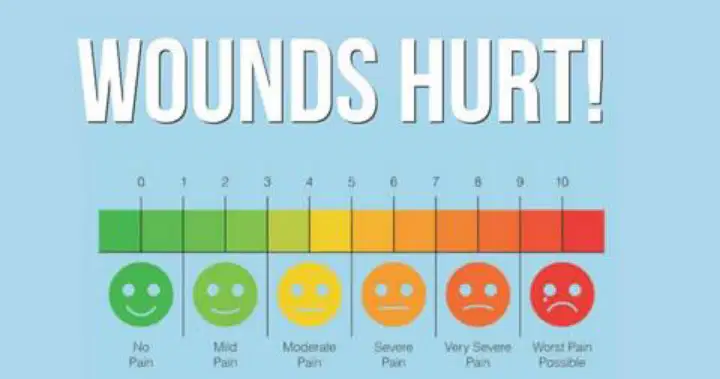
If a wound is healing properly, what should happen to the pain over time?
The pain should gradually subside.
The pain should remain constant.
The pain should get worse.
The pain should come and go randomly.
A patient reports that their wound pain has not decreased and they are also experiencing body aches. What should you consider as a possible explanation?
The wound may be infected.
The wound is healing normally.
The patient is imagining the pain.
The wound is healing faster than expected.
Analyze the relationship between pain level and wound healing. Why is it important to monitor changes in pain over time?
Increasing or constant pain may indicate infection and poor healing.
Pain level does not relate to wound healing.
Decreasing pain always means infection.
Pain should always be ignored during healing.
Which of the following best describes the term "malaise" as used in the context of feeling unwell?
A sense of feeling weak, under the weather, or generally uncomfortable.
A sudden sharp pain in a specific area.
A temporary loss of memory.
A strong desire to eat certain foods.
How can symptoms of nausea or diarrhea be interpreted in the context of infection, based on the information provided?
They can indicate that the infection is beginning to affect other body systems.
They always mean the infection is limited to the stomach.
They are unrelated to infection.
They suggest the infection is completely cured.
What does it mean if an infected wound has localized fever?
The wound feels significantly warmer than surrounding areas.
The wound is cooler than the rest of the body.
The wound is dry and itchy.
The wound is not painful.
Which of the following is a sign that an infection may be spreading in the body?
Whole body temperature of over 100 degrees Fahrenheit.
Localized redness around the wound.
Decreased body temperature.
Absence of pain at the wound site.
A patient presents with a wound that feels much warmer than the surrounding skin, but their overall body temperature is normal. What does this most likely indicate?
The wound has localized fever, but the infection may not have spread.
The infection has spread throughout the body.
The wound is healing properly.
The patient is experiencing an allergic reaction.
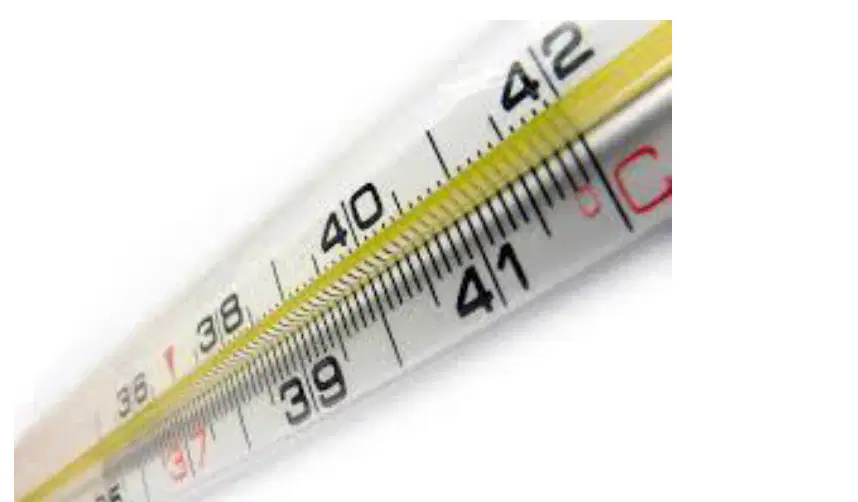
If a patient’s whole body temperature rises above 100 degrees Fahrenheit after developing an infected wound, what should a healthcare provider consider?
The infection may be spreading beyond the wound site.
The wound is healing and no further action is needed.
The patient is experiencing a normal immune response.
The patient is dehydrated.
Why is inflammation considered normal at the beginning stages of wound healing?
Because it helps to prevent infection by killing bacteria
Because it is a natural part of the body's healing process
Because it indicates that the wound is not healing properly
Because it always leads to complications
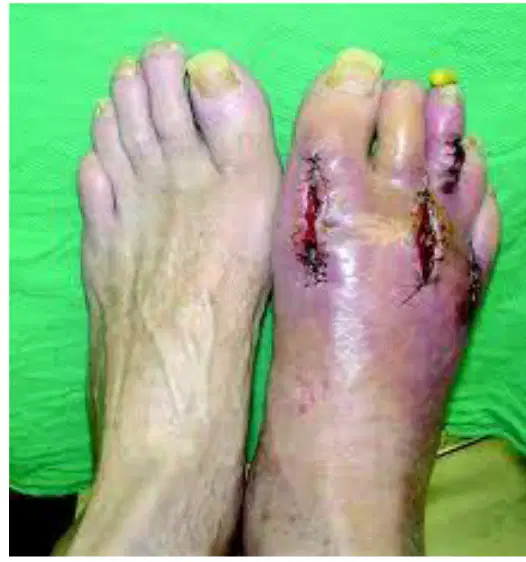
A patient presents with persistent swelling at a wound site several days after injury. Using your reasoning skills, what would be the most appropriate next step?
Ignore the swelling as it is always normal
Advise the patient to wait a few more weeks
Assess for signs of infection or other complications and seek medical attention if necessary
Recommend applying ice only
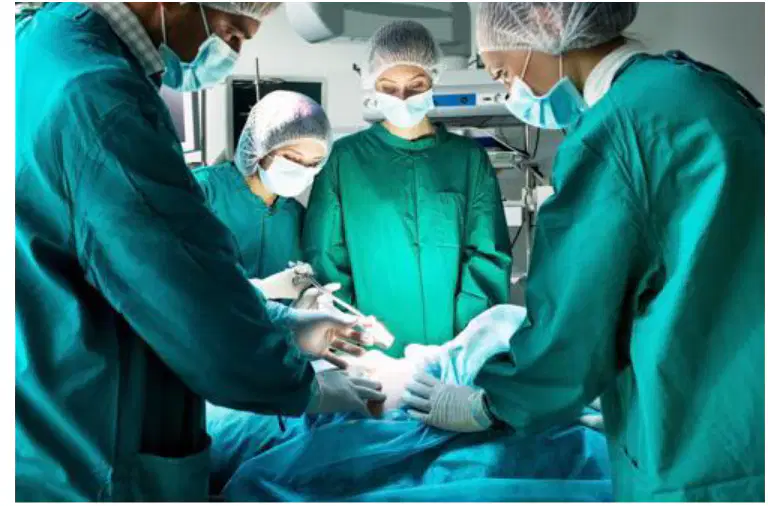
Which of the following best describes how surgical site infections develop?
When germs contaminate the surgical wound
When the patient does not take antibiotics
When the surgery is performed too quickly
When the patient eats before surgery
Which of the following actions could most likely introduce germs to a surgical site?
Using unclean hands or surgical tools
Wearing sterile gloves
Disinfecting the surgical area
Using new surgical instruments
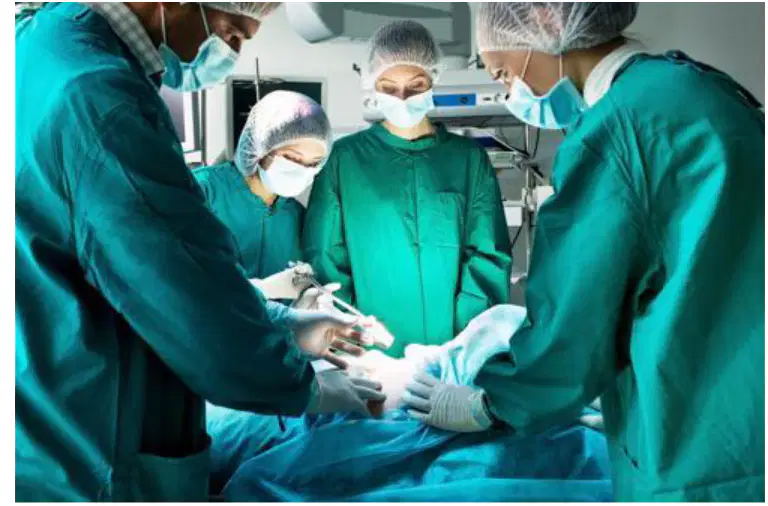
Explain why it is important for surgical staff to maintain cleanliness during surgery. Use evidence from the information provided.
To prevent germs from contaminating the surgical wound and causing infection
To make the surgery faster
To reduce the cost of surgery
To ensure the patient is comfortable
Which of the following best describes when a surgical site infection (SSI) typically occurs?
At or near the point of incision within 30 days of the procedure
Only during the surgical procedure itself
Several months after the surgery, regardless of the incision site
Only if the patient has a pre-existing infection
What are some potential consequences of surgical site infections?
Prolonged hospital stays, readmissions, additional operations, and increased medical costs
Immediate recovery and discharge
Reduced need for medical care
Decreased risk of future infections
Why is it important for healthcare providers to monitor for surgical site infections within 30 days of a procedure?
Because infections can occur at or near the incision site during this period, leading to serious complications
Because all infections are visible immediately after surgery
Because patients are not at risk after 30 days
Because it is required by law in all countries
What is a relatively normal sign in wound exudate, according to the provided information?
Slightly yellow exudate
Discolored drainage with a foul odor
Thick, gooey pus
Greenish exudate
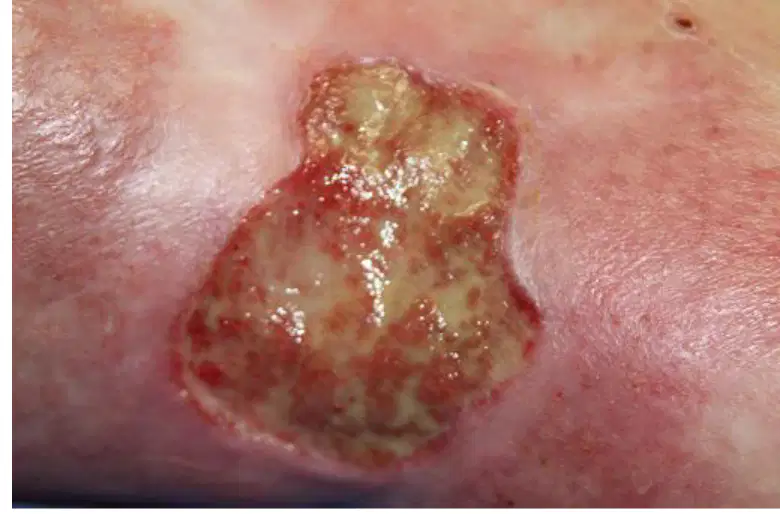
A wound that emits a foul odor and has discolored drainage is most likely:
Infected
Healing normally
Experiencing dehydration
Not a cause for concern
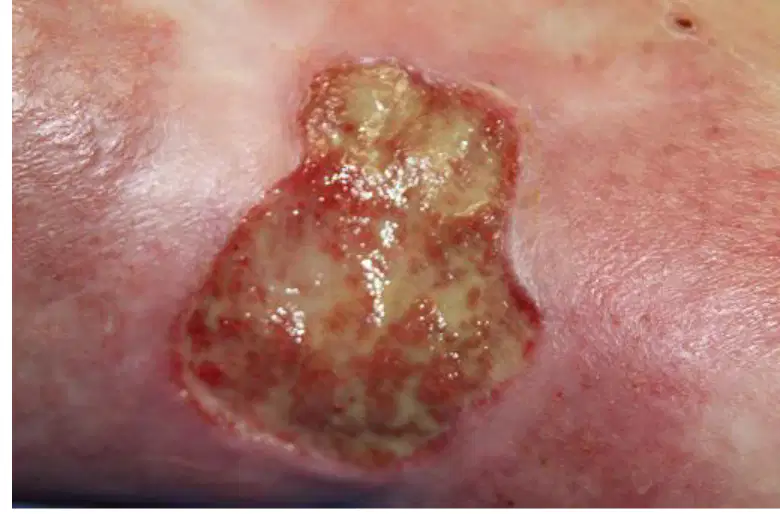
Analyze the difference between normal and abnormal wound drainage based on the information provided. Which scenario would require further medical attention?
Slightly yellow exudate with no odor
Oozing thick, gooey liquids with a foul odor
Minimal clear drainage
Dry wound with no exudate
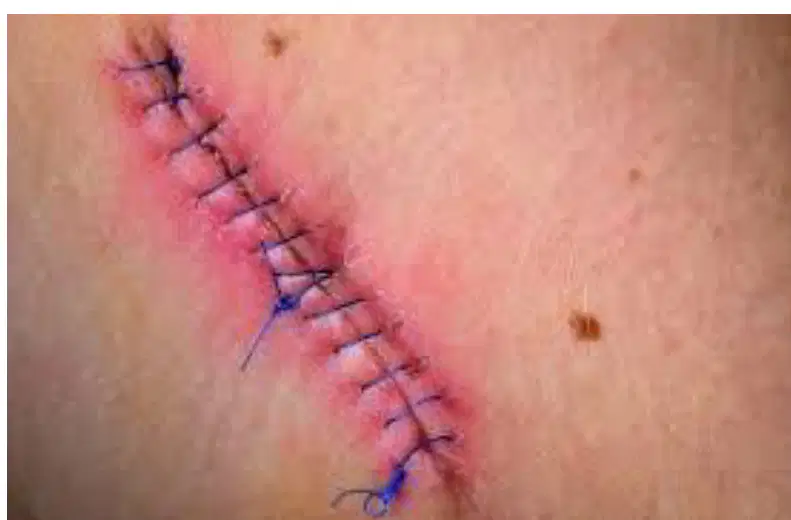
What does persistent redness around a wound for more than five to seven days after the initial injury most likely indicate?
The wound is healing normally.
The wound is infected.
The wound is drying out.
The wound is bruised.
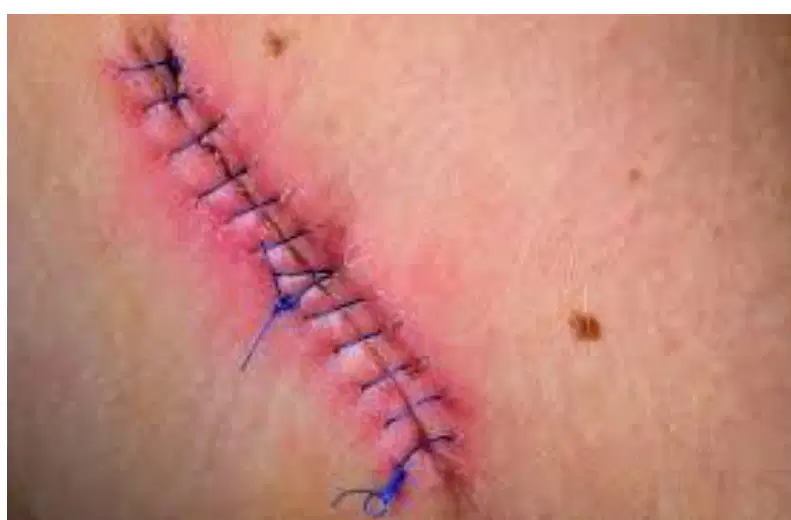
If the red color around a wound begins to spread in streaking patterns to other areas of the body, what does this most likely suggest?
The infection could be getting worse.
The wound is healing faster.
The wound is not affected.
The wound is developing a scar.
A patient visits you with a wound that has been red for eight days since the injury, and the redness is spreading in streaks. What should you infer and recommend as the next step?
The wound is healing and no action is needed.
The wound is likely infected and medical attention is required.
The wound is bruised and will resolve on its own.
The wound is dry and needs moisturizing.
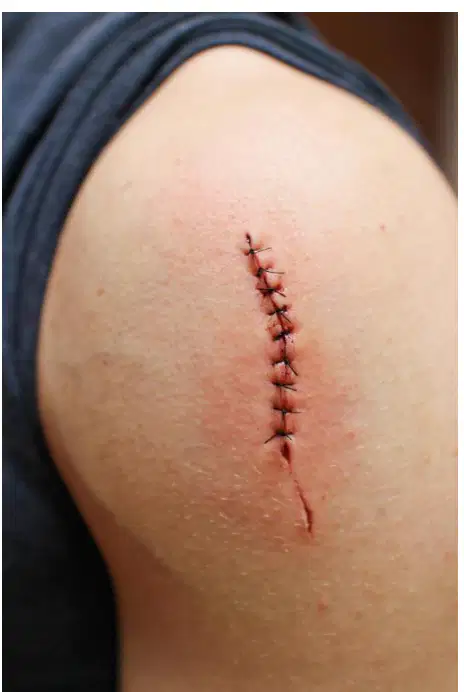
Doctors classify surgical site infections as superficial when they occur in which area?
In the area of the skin where the incision was made
Deep inside the muscle tissue
In the bloodstream
In the internal organs
A patient presents with drainage from a surgical incision and reports swelling and warmth at the site. Based on this information, what type of infection is most likely present?
Superficial surgical site infection
Systemic infection
Respiratory infection
Bone infection
Explain why doctors consider pain, swelling, or warmth at the site of a surgical incision as important signs when diagnosing superficial infections.
These are common signs of infection that indicate the body's response to bacteria at the incision site
They always indicate a deep tissue infection
They are unrelated to infection and are normal after surgery
They only occur in viral infections
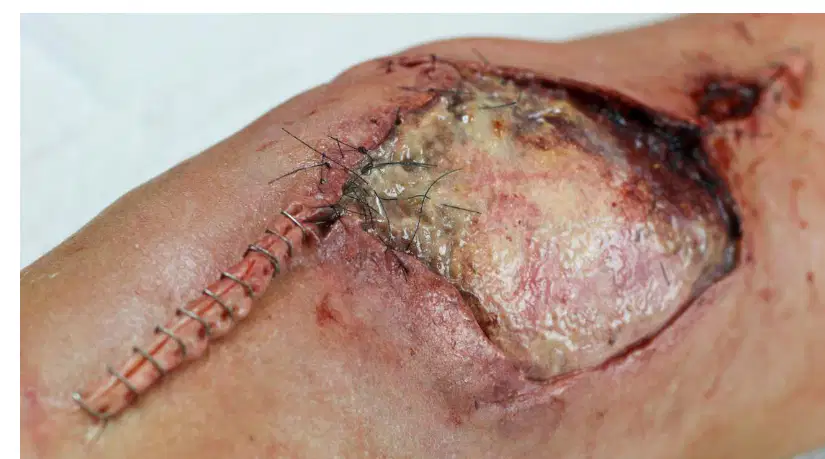
Which of the following best describes a deep incisional surgical site infection?
An infection that develops only on the skin surface of the incision.
An infection that develops beneath the incision area and affects the surrounding muscle and tissue.
An infection that occurs in the bloodstream far from the incision site.
An infection that only affects the sutures used in the incision.
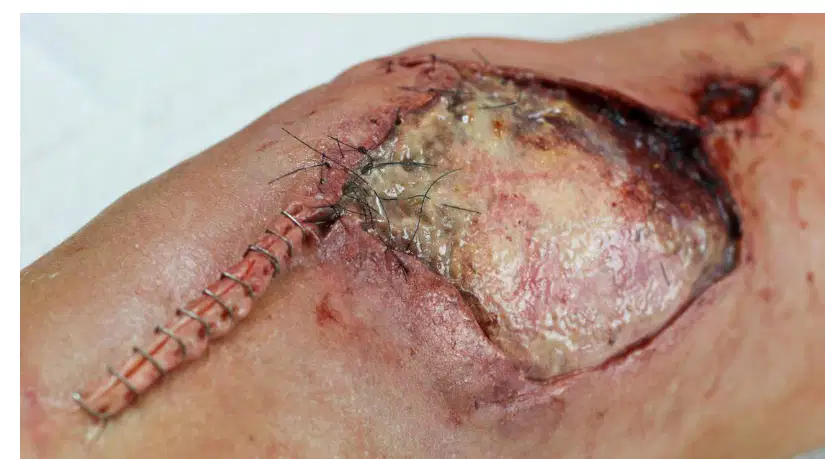
A patient develops an infection after surgery that affects the muscle and tissue beneath the incision. What reasoning supports classifying this as a deep incisional infection rather than a superficial one?
The infection is limited to the skin surface.
The infection is present only in the sutures.
The infection involves deeper tissues such as muscle and tissue beneath the incision.
The infection is caused by an allergic reaction.
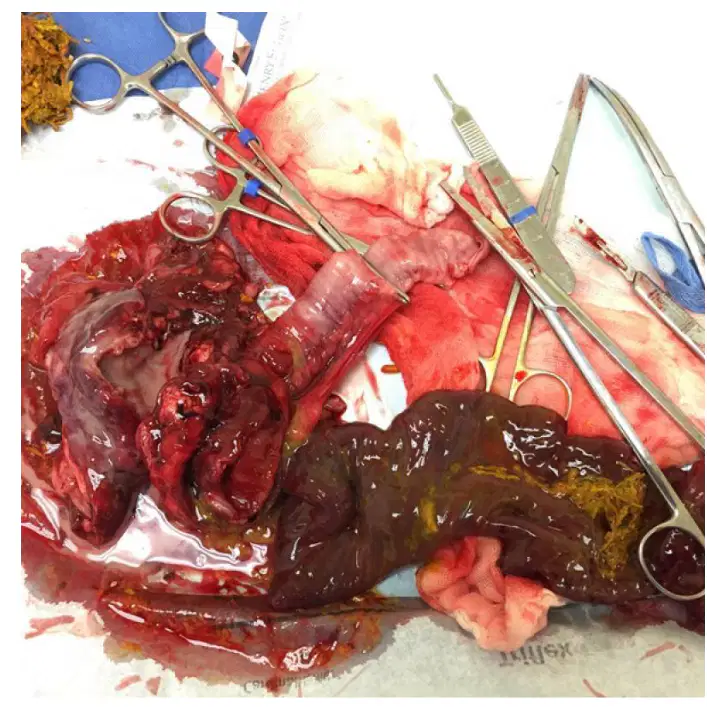
A patient develops an abscess with excess drainage after surgery. Using reasoning, what should a healthcare provider suspect?
The patient is recovering normally
The patient has a muscle tear
The patient may have an organ/space surgical site infection
The patient has a skin rash
Why is it important to review and follow your hospital policy when performing wound assessment?
Because hospital policies are always outdated
To ensure you are following the correct procedures for that specific skill
To avoid having to document your actions
Because it is optional for healthcare professionals
An OT is about to perform a wound assessment in a hospital. What should be their first step according to best practice?
Begin the assessment immediately
Review and follow the hospital policy regarding wound assessment
Ask the patient for their opinion on the wound
Skip the assessment if the wound looks minor

