
Font size
 Worksheets
Chapter 10 Review Assignment
Total questions: 90
Worksheet time: 46mins
Biotechnology is the artificial modification of _______ material to produce new functions or compounds.
genetic
plastic
mineral
thermal
Traditional use of biotechnology in agriculture is _______ breeding.
selective
random
chemical
mechanical
Modern biotechnology involves manipulation of DNA at which level?
Cellular level
Molecular level
Organism level
Population level
Since when has modern biotechnology, involving manipulation of DNA at the molecular level, been in use?
1950s
1960s
1970s
1980s
Which of the following is a major application of biotechnology in medicine?
Genetically modified crops
Vaccines and antibiotics
Fermentation
Enzymes in detergents
What are the main tasks in biotechnology related to nucleic acids?
Extract, manipulate, analyze nucleic acids (DNA and RNA)
Synthesize proteins from carbohydrates only
Measure the pH of cell membranes
Study the behavior of lipids in water
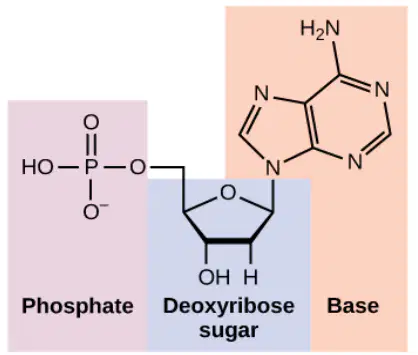
Nucleotides are made up of which three components?
Sugar, phosphate, nitrogenous base
Sugar, lipid, amino acid
Phosphate, fatty acid, protein
Nitrogenous base, carbohydrate, enzyme
Which of the following is double-stranded and has complementary base pairing with hydrogen bonds?
DNA
RNA
mRNA
Genome
What is the complete DNA set in a eukaryotic nucleus called?
Genome
Chromosome
Gene
Nucleolus
Which type of nucleic acid is single-stranded and exits the nucleus or cytoplasm?
DNA
RNA
Genome
Thymine
What is the key focus in gene expression studies?
mRNA
DNA
Lipids
Carbohydrates
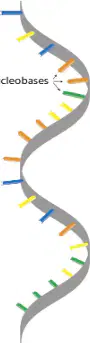
Which nucleobase is found in RNA but not in DNA?
Thymine
Uracil
Adenine
Guanine
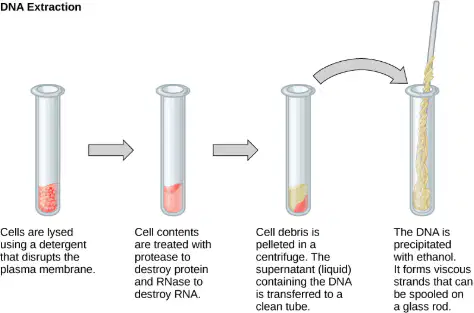
What is the first step in the isolation of nucleic acids (DNA extraction)?
Cell lysis: detergent disrupts membrane
DNA precipitation with alcohol
RNA removal by RNase
Protein digestion with protease
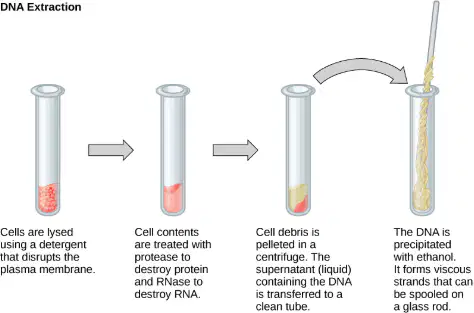
Which enzyme is used to destroy proteins during DNA extraction?
Amylase
Protease
Lipase
Ligase
During DNA extraction, what is the purpose of centrifugation?
To separate debris so that DNA remains in the liquid (supernatant).
To break down the DNA into smaller fragments.
To add color to the DNA solution.
To increase the temperature of the sample.
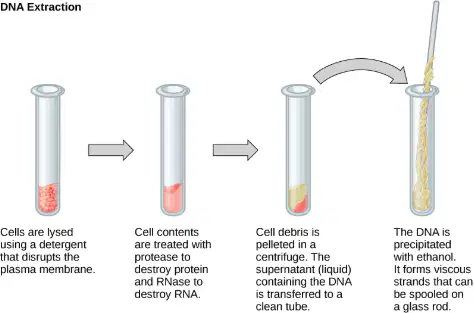
Ethanol is used in the DNA extraction process to ________ DNA as viscous strands.
isolate (precipitate)
dissolve
degrade
color
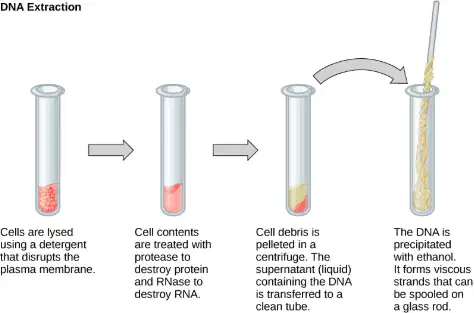
What forms viscous strands that can be spooled on a glass rod during DNA extraction?
DNA
Protein
Lipid
Starch

What is the purpose of gel electrophoresis?
To separate nucleic acid fragments by size and charge
To amplify DNA
To sequence proteins
To synthesize RNA
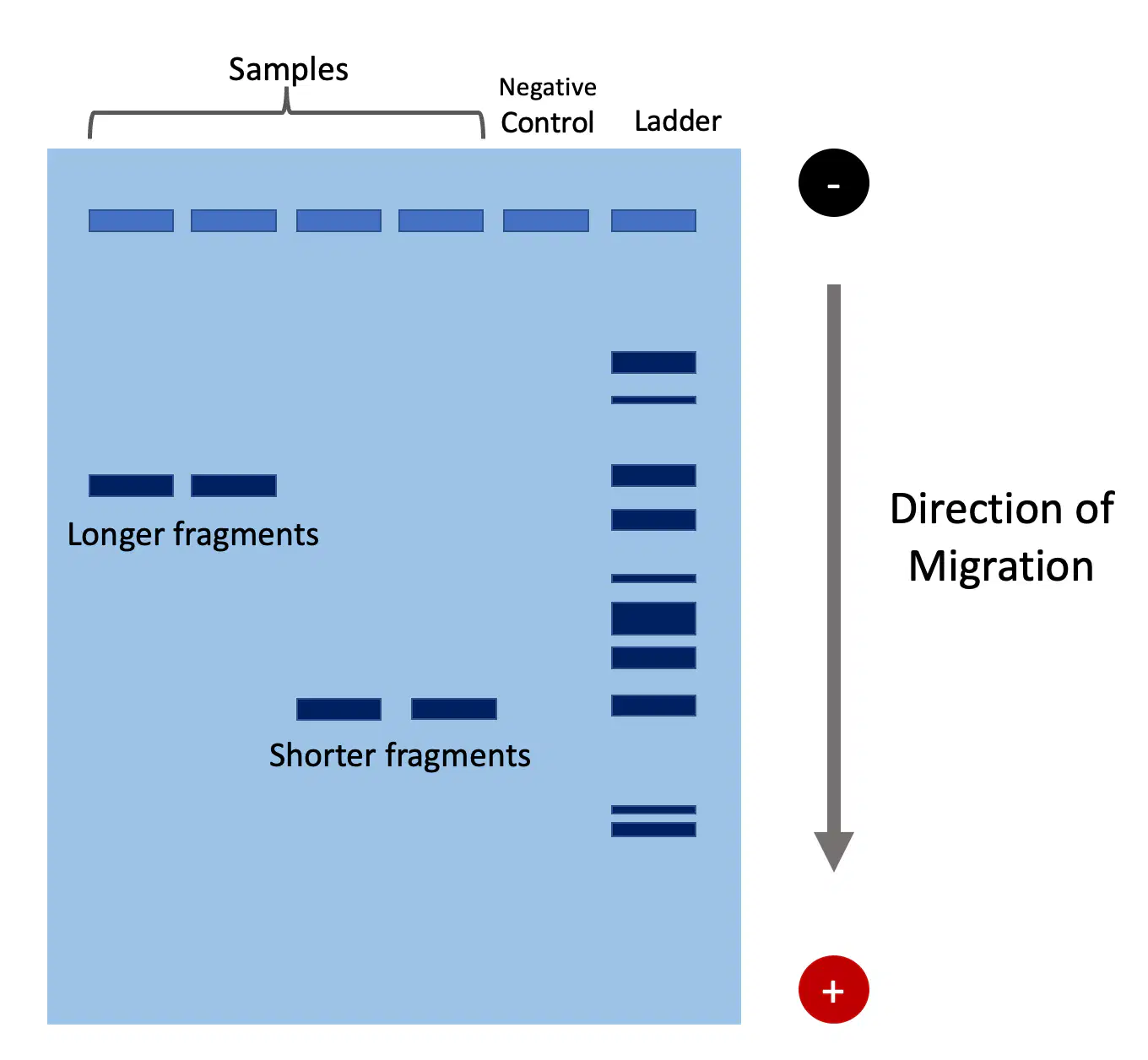
Which direction does DNA/RNA move when an electric field is applied in gel electrophoresis?
Positive to negative end
Negative to positive end
Top to bottom
Left to right

In gel electrophoresis, smaller fragments travel _______ through the gel than larger ones.
faster
slower
sideways
backwards

What is used to visualize DNA fragments in gel electrophoresis?
Heat
Staining and UV light
Sound waves
Magnetic field
In gel electrophoresis, what does a band represent?
A specific fragment size
A varied fragment size
A protein
An enzyme
Uncut DNA appears as a _______ band at the top of the gel in gel electrophoresis.
large
small
faint
multiple
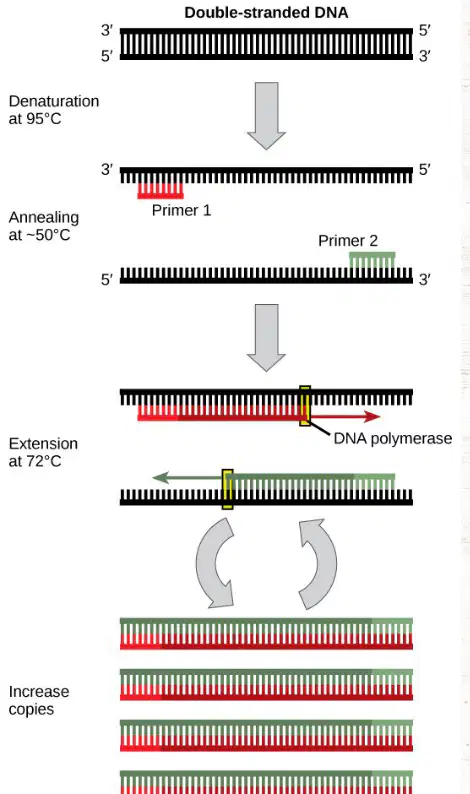
What is the main purpose of the Polymerase Chain Reaction (PCR) technique?
To destroy DNA
To rapidly amplify specific DNA regions
To sequence proteins
To create RNA from DNA
Which of the following is NOT required for a PCR reaction?
DNA sample
Primers (short DNA sequences)
RNA polymerase
Free Nucleotides (A, T, C, G)
Fill in the blank: PCR requires a heat-stable enzyme called _________.
DNA polymerase
Ligase
Helicase
Primase
Which of the following is an application of PCR?
Forensics
Cooking
Painting
Welding
PCR can be used for paternity testing.
True
False
During the PCR process, what is the role of primers?
Primers are short DNA sequences that provide a starting point for DNA synthesis.
Primers are enzymes that synthesize new DNA strands.
Primers are long RNA molecules that degrade DNA.
Primers are proteins that unwind the DNA helix.
What is cloning?
Creating a genetic copy
Mixing two genes
Destroying DNA
Producing energy
What does reproductive cloning involve?
Copying small DNA fragments
Whole organism
Producing insulin
Mixing genes
Molecular cloning is the process of ________ small DNA fragments.
copying
destroying
coloring
shrinking
In the context of cloning human genes, what major breakthrough used bacterial plasmids to treat diabetes?
Human genome sequencing
Synthetic insulin production from cloned DNA
Discovery of bacteria
Invention of the microscope
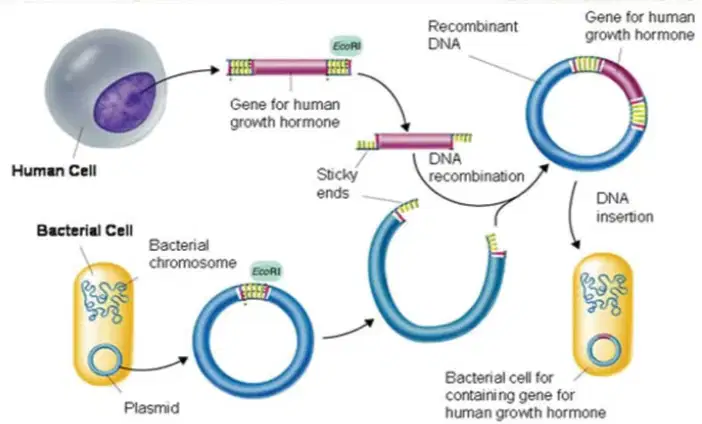
What is inserted into the plasmid during the molecular cloning process?
Human genome
Gene of interest
Bacteria
Insulin
What is the main purpose of molecular cloning?
To destroy genes
To replicate and study genes, produce proteins (e.g., insulin)
To mutate DNA
To create viruses
Which enzymes act as molecular scissors that recognize specific palindromic sequences and make staggered cuts leaving sticky ends?
Ligase
Polymerase
Restriction enzymes
Helicase
Sticky ends allow easy insertion of a DNA fragment into a ________ vector from bacteria for recombination.
plasmid
chromosome
ribosome
mitochondria
Recombinant DNA (plasmid) is introduced into bacterial host for ________.
replication
digestion
photosynthesis
fermentation
As bacteria divide, foreign DNA is copied with plasmid DNA and produces ________ proteins.
recombinant
native
denatured
incomplete
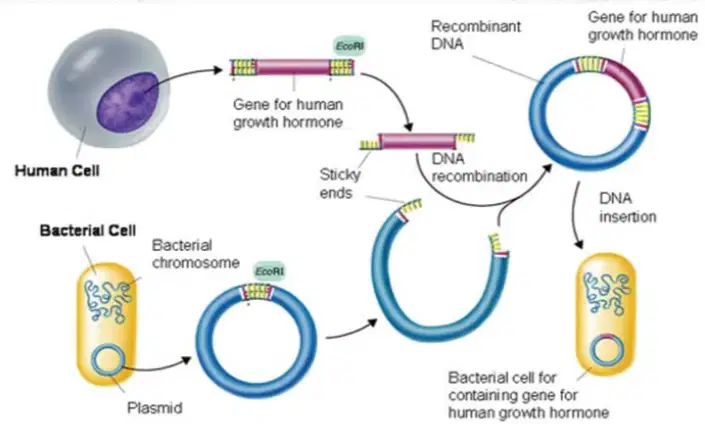
The role of bacterial plasmids and restriction enzymes in molecular cloning is:
to insert and cut DNA fragments for gene cloning
to synthesize proteins directly from DNA
to replicate RNA molecules in the cytoplasm
to degrade unwanted proteins in the cell
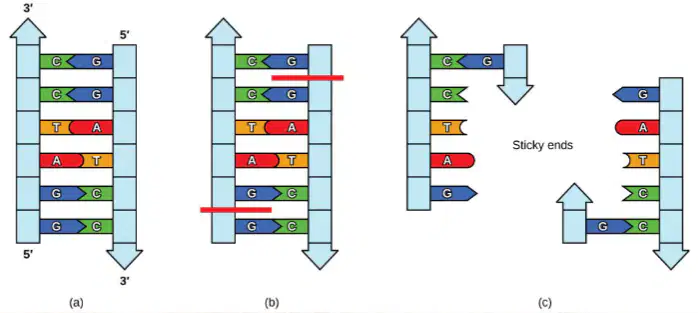
In this six-nucleotide restriction enzyme recognition site, notice that the sequence of six nucleotides reads the same in the 5' to 3' direction on one strand as it does in the 5' to 3' direction on the complementary strand. This is known as a _________.
palindrome
inversion
translocation
duplication
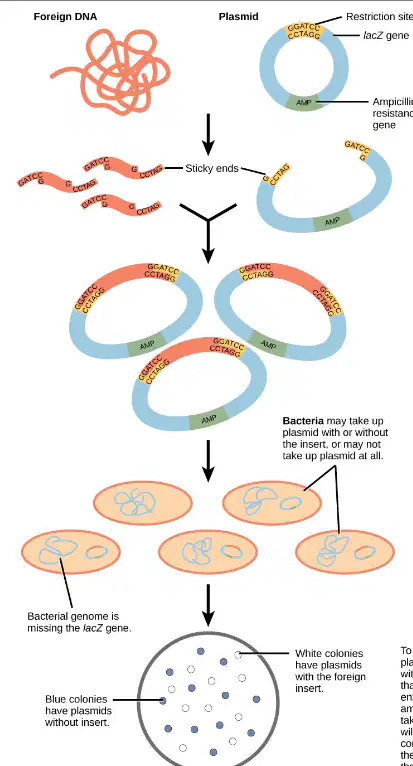
What is the function of the ampicillin resistance gene in the plasmid during molecular cloning?
To allow bacteria to survive in the presence of ampicillin
To make the plasmid blue
To destroy foreign DNA
To cut the DNA
In molecular cloning, a DNA fragment is inserted into a plasmid vector from bacteria for recombination.
True
False
What happens to recombinant DNA (plasmid) after it is created in the molecular cloning process?
It is introduced into a bacterial host for replication.
It is immediately destroyed by restriction enzymes.
It is used directly for protein synthesis in vitro.
It is sent for DNA sequencing without further processing.
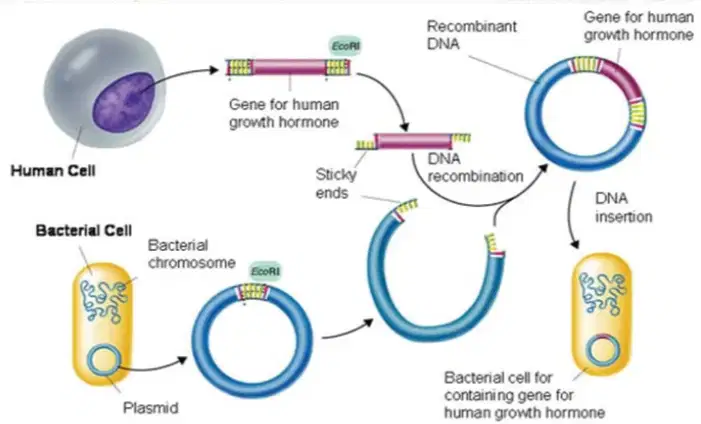
What is the role of bacterial plasmids and restriction enzymes in molecular cloning?
They are used to recombine bacterial DNA with human gene selected for cloning and gene expression.
They are used to break down proteins into amino acids.
They are responsible for the replication of viral RNA in host cells.
They are used to synthesize carbohydrates from simple sugars.
What is the definition of reproductive cloning?
Creation of a genetically identical copy of a multicellular organism using biotechnology
Creation of a genetically different organism using sexual reproduction
Creation of a genetically identical copy using natural reproduction
Creation of a genetically identical copy using mutation
Which of the following is NOT a step in the process of nuclear transfer cloning?
Remove nucleus from egg cell
Insert diploid nucleus from donor somatic cell
Stimulate egg to divide and develop into an embryo
Fertilize egg with sperm
Fill in the blank: The first success in reproductive cloning was Dolly the sheep, cloned in ____ and lived for 6 years.
1996
1999
2001
1992
What is a key requirement for early development in nuclear transfer cloning?
Donor sperm
Egg cytoplasm
Artificial hormones
Extra chromosomes
Which of the following is an application of reproductive cloning?
Cloning animals such as goats and horses
Producing genetically modified crops
Creating new species
Treating bacterial infections
Fill in the blank: Notable scientists Freda Miller and Elaine Fuchs discovered _________.
skin stem cells
insulin
penicillin
DNA structure
Which of the following is an ethical concern related to reproductive cloning?
Cloning humans
Increasing crop yield
Reducing pollution
Improving animal nutrition
Stem cell research for therapeutic use is an application of reproductive cloning.
True
False
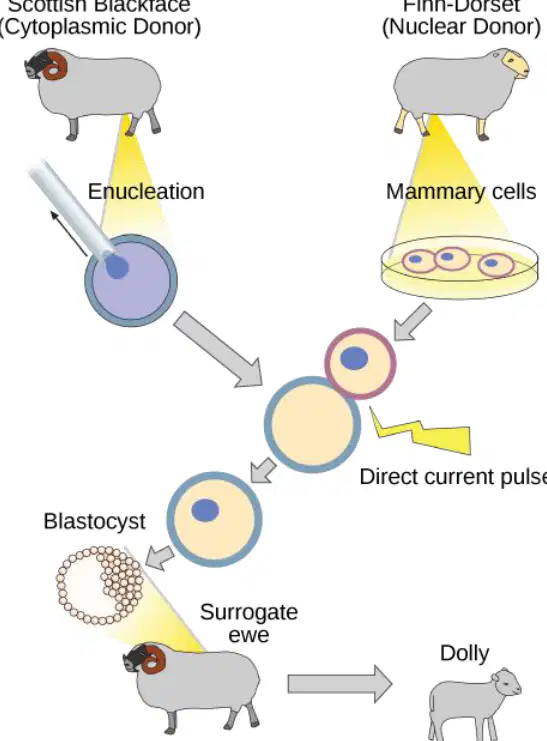
What is the process called when the nucleus is removed from a donor egg cell?
Enucleation
Fertilization
Transcription
Translation
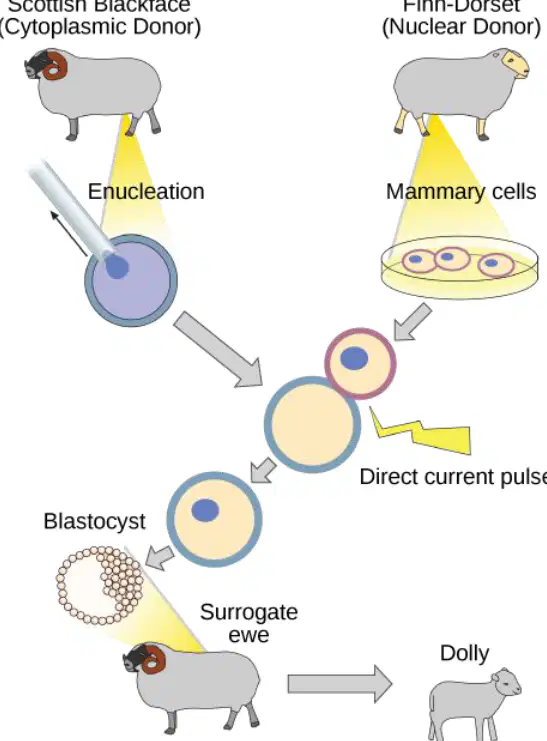
The nucleus for cloning Dolly was taken from which type of cell?
Skin cell
Mammary cell
Blood cell
Egg cell
What is recombinant DNA?
DNA that is naturally occurring in organisms
Foreign DNA inserted via vectors through molecular cloning
DNA that is only found in plants
DNA that cannot be modified
A GMO (Genetically Modified Organism) is an organism that ________ recombinant DNA.
receives
destroys
ignores
replicates
What is a transgenic organism?
An organism that cannot be genetically modified
A GMO that carries DNA from a different species
A plant that produces its own DNA
A bacteria that is not used in research
Genetic engineering has been used in bacteria, plants, and animals since the 1970s.
True
False
Two purposes of genetic engineering applications are:
Producing medicines and improving crop yields
Building bridges and designing cars
Generating electricity and purifying water
Teaching languages and writing novels
Reverse genetics involves gene mutation, deletion, or ________ to study gene function.
overexpression
transcription
translation
replication
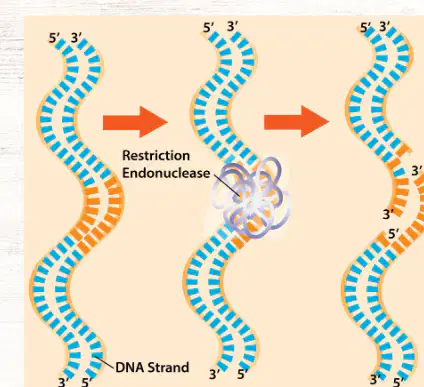
What is the function of restriction endonuclease in genetic engineering?
It repairs DNA
It cuts DNA at specific sites
It synthesizes new DNA
It transports DNA into the cell
Genetic testing detects heritable diseases before treatment.
True
False
What is an example of genetic diagnosis?
BRCA testing for breast & ovarian cancer.
Blood glucose testing for diabetes.
ECG for heart rhythm analysis.
X-ray for bone fractures.
Prenatal testing screens embryos for ________.
disease-causing genes
eye color
height
musical ability
Gene therapy introduces healthy (non-mutated) genes into affected cells.
True
False
Gene therapy is delivered via ______ vectors, such as adenovirus.
viral
bacterial
fungal
chemical
What is the main aim of gene therapy in genetic disorders?
To replace missing or faulty proteins in genetic disorders.
To increase the rate of cell division in all cells.
To introduce new diseases to study their effects.
To enhance physical appearance regardless of genetics.
What is the main purpose of vaccines?
To prevent illness by boosting the immune response before natural exposure to the pathogen.
To cure diseases after infection has occurred.
To provide immediate pain relief from symptoms.
To replace the need for a healthy diet and exercise.
Which of the following statements is true about modern vaccines?
They are produced using only weakened microbes.
They are produced through biotechnology.
They do not use microbial genes.
They are not effective against viruses.
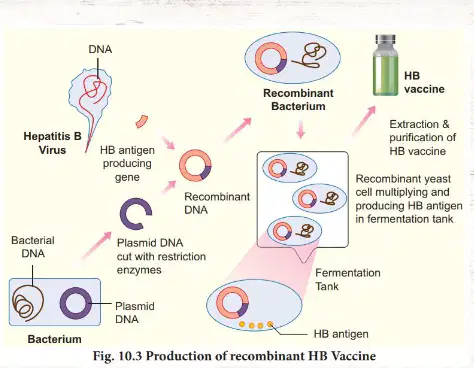
What is the role of recombinant yeast cells in the production of the HB vaccine?
Recombinant yeast cells multiply and produce HB antigen in the fermentation tank.
Recombinant yeast cells act as adjuvants to enhance immune response.
Recombinant yeast cells are used to purify the HB vaccine after production.
Recombinant yeast cells are used to inactivate the HB virus in the vaccine.
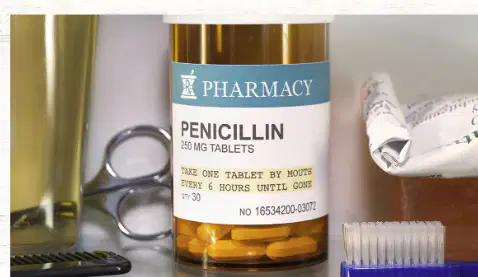
What do antibiotics do?
Kill viruses
Kill bacteria
Kill plants
Kill animals
Antibiotics such as penicillin are naturally produced by which type of microorganisms?
Bacteria
Fungi
Viruses
Algae
A biomarker would be best defined by which of the following?
the color coding of different genes
a protein that is uniquely produced in a diseased state
a molecule in the genome or proteome
a marker that is genetically inherited
Which branch of biology involves the study of entire genomes, including all genes, their sequences, and interactions, and is made possible by advances in DNA sequencing technology?
Molecular biology
Microbiology
Genomics
Physiology
What is genome mapping?
The process of editing genes to cure genetic diseases
The study of how organisms interact with their environment
The method of identifying the locations of genes and sequences on a DNA molecule
The analysis of protein structures and their functions
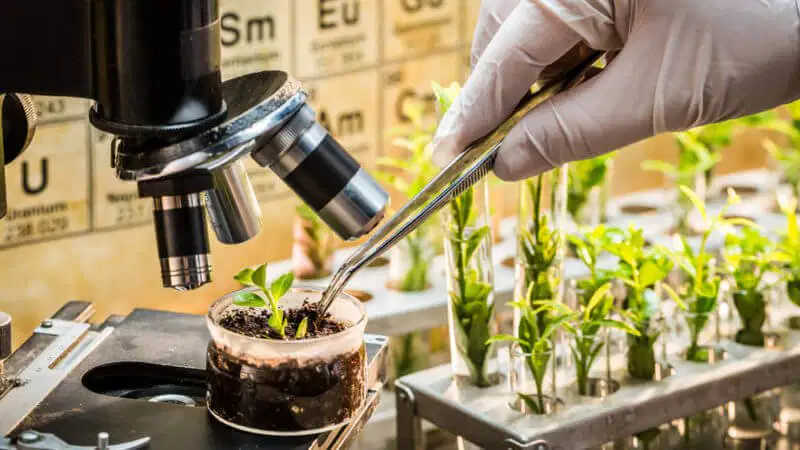
Which use of biotechnology most benefits agriculture?
producing human vaccines
producing disease/insect resistant crops
producing new medicines from bacteria
producing enzymes to eliminate pollutants
What are some examples of biotechnology being used in agriculture?
Crop irrigation
DNA fingerprinting
Gentically modified crops
Crop rotation

What is this technique an example of?
chromatography
gel electrophoresis
genetic engineering
What is metagenomics primarily used to study?
The genetic material of entire microbial communities from environmental samples
The DNA of a single isolated organism
The structure of eukaryotic chromosomes
The process of protein synthesis in plants
What is the primary goal of a Genome-Wide Association Study (GWAS)?
To identify genetic variants associated with specific traits or diseases
To clone entire genomes
To produce recombinant proteins
To sequence only mitochondrial DNA
Which type of genetic marker is most commonly used in GWAS?
Plasmids
Restriction enzymes
Single Nucleotide Polymorphisms (SNPs)
Short tandem repeats (STRs)
Which of the following best describes the mitochondrial genome in humans?
A linear DNA molecule found in the chloroplast
A circular DNA molecule found in the mitochondria
A linear DNA molecule found in the nucleus
A circular RNA molecule found in the cytoplasm
What is a unique feature of mitochondrial DNA (mtDNA) inheritance in most animals?
It is inherited equally from both parents
It is randomly inherited from either parent
It is inherited only from the father
It is inherited only from the mother
Which of the following is a common application of mitochondrial genomics?
Tracing maternal ancestry and population migrations
Measuring protein synthesis rates
Determining blood glucose levels
Identifying bacterial species in soil
Which of the following best describes proteomics?
The study of DNA sequences
The large-scale study of proteins, including their structures and functions
The study of lipid synthesis
The analysis of carbohydrate metabolism
Which technique is commonly used to separate proteins in proteomics research?
Gel electrophoresis
Polymerase chain reaction (PCR)
DNA sequencing
Restriction digestion
What is the main goal of proteomics in biological research?
To study the structure of cell membranes
To analyze mRNA expression only
To clone genes of interest
To identify and quantify all proteins expressed in a cell or organism
What is the primary function of the Cas9 protein in the CRISPR/Cas9 system?
To degrade proteins
To cut DNA at a specific location
To synthesize RNA molecules
To replicate DNA strands
Which of the following is a major application of CRISPR/Cas9 in biotechnology?
RNA splicing
Cellular respiration
Protein folding
Gene editing

