
 Worksheets
physics forces and substances
Total questions: 71
Worksheet time: 53mins
sodium+chlorine =
(a)
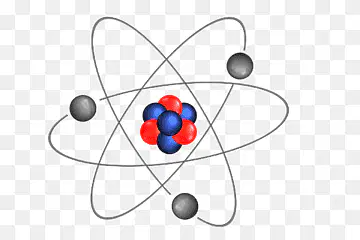
how many protons are there(answer in numbers like 1 2 3)
(a)
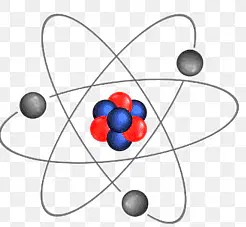
how many neutrons are there numerical
(a)
name 2 particles in the nucleus
proton
electron
neutron
(a) +bromine = iron bromide
copper + (a) =copper oxide
magnesium+chlorine=
(a)
nitrogen+ (a) = nitrogen dioxide
the list is increasing in potassium
sodium
calcium
iron
silver
gold
(a)
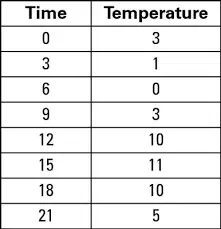
What type of graph can be used to make this
bar
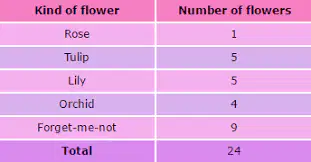
what graph is this
bar
line
burning magnesium with oxygen makes
(a)
sodium+chlorine makes sodium chloride what is/are the reactant/s
sodium
chlorine
sodium chloride
sodium+chlorine
calcium carbonate + nitric acid turns into calcium nitric +carbon monoxide + water
true
false
metals react with dilute acid to make two products what are the 2 products
oxygen
a compound that dissolves in water
hydrogen
calcium
all the metals that react with water to form 2 products what are the 2 products
an acid
oxide or hydroxide
carbon
hydrogen
what happens when you put sodium in water
it explodes
it becomes very cold
it bubbles a lot
it becomes a liquid
which are the 3 most reactive metals in the list of gold,zinc,sodium,potassium,magnesium,iron,copper,calcium
gold zinc and copper
potassium sodium and calcium
gold magnesium and potassium
sodium potassium and magnesium
nitrogen monoxide reacts with oxygen to make
(a)
an (a) substance is one that does not take part in chemical reactions
what is displacement/time
(a)
velocity x time
displacement
speed
distance
hours
A runner runs his race at a steady speed. it takes him 20 seconds to run 100meters is his velocity= 10m/s
total distance/total time=
(a)
friction water and air resistance thrust tension upthrust weight tension and reaction are contact forces
what is a device that is used for measuring forces (force (a) )
what units are used to measure forces
(a)
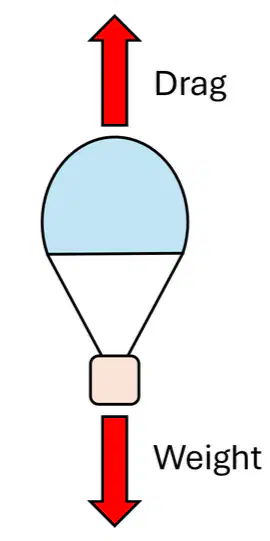
If weight is larger than drag/air resistance what happens? the object goes (a)
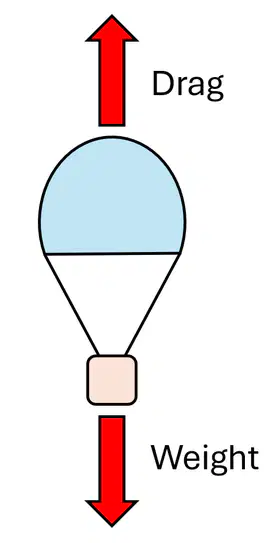
If the drag/air resistance is equal to the weight what will happen?
it will fall faster
it will move at a constant speed
it will stop moving and levitate in the air
it will slow down
mass x gravitational field strength =
(a)
Balanced forces are two or more forces acting on an objects where the net forces is zero
the number of significant figures to which a value
(a)
reaction time is the time taken for the brain to process information
what are contact forces
contact forces only act when objects are in contact
contact forces only act when objects are not in contact
contact forces only act when objects are close to each other
contact forces only act when objects are only moving
magnetic forces, gravitational forces, electrostatic forces and nuclear force are all
(a)
what can change a shape speed and direction
(a)
what is a place without air
(a)
gravitational forces act between any objects that have mass on earth,this force is called upthrust this force acts toward the centre of the earth it pulls you down basically the force pulls you towards the earth
true
false
A baby has a mass of 5.5kg.Calculate it's weight on Earth.example(33 Newtons)
(a)
If a car travels 150 kilometers in 2 hours, what is its average speed?
75 km/h
60 km/h
80 km/h
90 km/h
Which of the following is a non-contact force?
Friction
Magnetic force
Tension
Normal force
What happens to the speed of an object when the net force acting on it is zero?
It remains constant
It increases
It becomes zero
It decreases
A cyclist travels 120 kilometers in 4 hours. What is his average speed?
60 km/h
50 km/h
30 km/h
40 km/h
When an object is in free fall, what force is acting on it?
Normal force
Weight
Friction
Magnetic force
What is the result of applying a force to an object at rest?
It will accelerate at a constant speed
It will remain at rest
It will move in the opposite direction
It will start moving
What type of force is responsible for keeping planets in orbit around the sun?
Gravitational force
Friction
Magnetic force
Electrostatic force
What is the primary force that causes objects to fall towards the Earth?
Gravitational force
Magnetic force
Electrostatic force
Frictional force
Which of the following is an example of a non-contact force?
Magnetic force
Tension
Friction
Normal force
what is a word for distance moved per second/min/hr
(a)
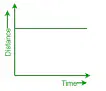
the object is
(a)
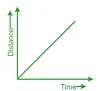
the object is _____ at a ______
(a)
Which of the following statements about energy is true?
Energy cannot be transferred
Energy is always lost in transformations
Energy can be created and destroyed
Energy can only be transformed from one form to another
Which of the following forces can act at a distance without physical contact?
Normal force
Tension
Gravitational force
Friction
What is the effect of increasing the mass of an object on the gravitational force acting on it?
It makes the object float
It increases the gravitational force
It has no effect
It decreases the gravitational force
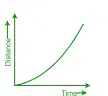
the speed of this object is increasing it is accelerating
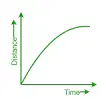
speed of this object is decreasing it is accelerating
If a train travels 300 kilometers in 5 hours, what is its average speed?
70 km/h
80 km/h
90 km/h
60 km/h
acceleration is
when an object stops moving
when an object starts moving
when the speed of something changes
when an object has moved
acceleration=
change in speed/time
time/change in speed
speed/distance
displacement. x total time taken
change in speed
final speed-starting speed
final speed+starting speed
final speed/starting speed
final speed x starting speed
if the acceleration is -5m/s2 what word can you say it is
(a)
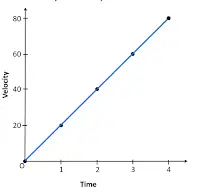
what do we get to know with the graph
the acceleration is constant
the acceleration is speeding up
the line is acceleration is decreasing
what is terminal velocity
terminal velocity is when an object cannot go any faster because the force thats pulling him back is slower to the forward force
terminal velocity is when an object cannot go any faster because the force thats pulling him back is equal to the forward force
terminal velocity is when an object cannot go any slower because the force thats pulling him back is equal to the forward force
terminal velocity is when an object cannot go any faster because the force thats pulling him back is stronger to the forward force
streamlining reduces
air resistance
friction
water resistance
uptrust
centripetal force is a force that
keeps an object moving in a rectangle
makes an object faster
keeps an object moving in a circle
slows down an object
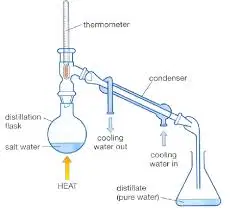
what is this graph
(a)
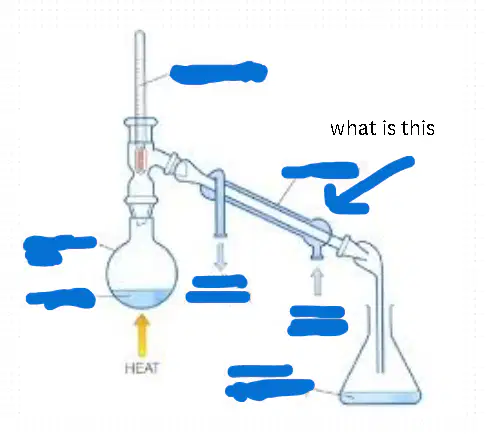
WHAT IS THIS
(a)
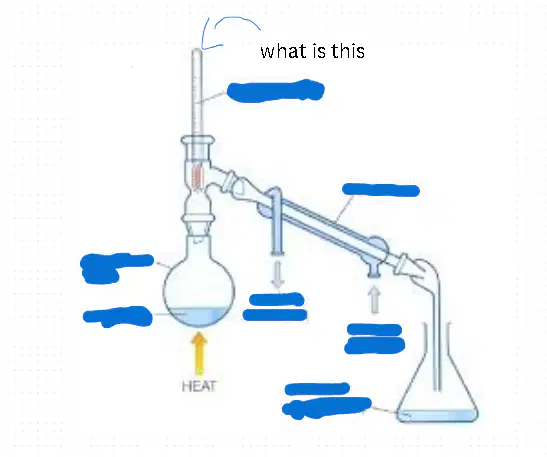
WHAT IS THIS
(a)
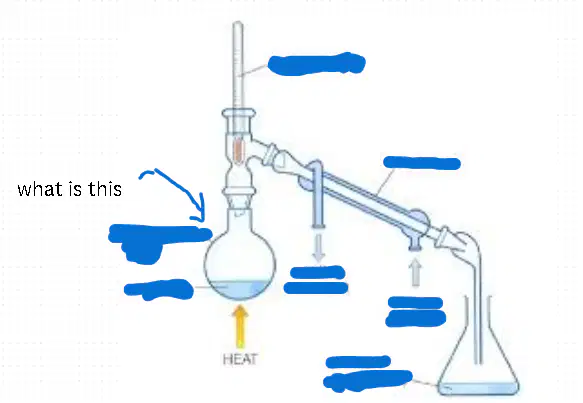
what is this
(a)
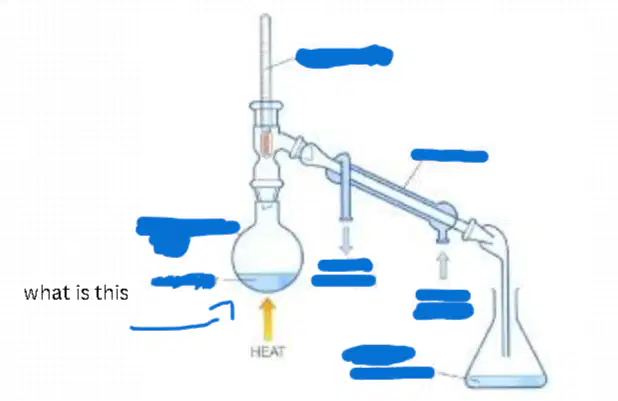
what is this
(a)
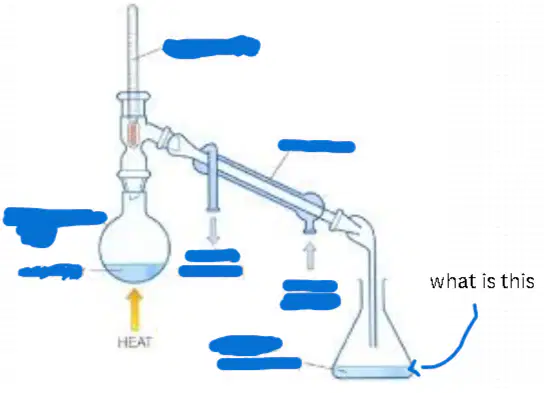
is this pure water
(a)

