
 Worksheets
Motor Preferences Quiz
Total questions: 60
Worksheet time: 30mins
What is meant by a person's "movement signature" according to the provided material?
A universal way everyone moves
A unique pattern based on perception, environment, task, consequences, and previous experiences
The fastest way to complete a task
The most efficient movement for all people
How do motor preferences help in the development process?
By making everyone move the same way
By allowing for individualized growth based on unique movement signatures
By ignoring previous experiences
By focusing only on communication
A coach wants to improve training economy for their athletes. According to the material, why should they consider motor preferences?
Motor preferences reduce the need for individualized training
Motor preferences help optimize training by aligning with each athlete's unique movement signature
Motor preferences are only important for injury prevention
Motor preferences make training more complicated
Which of the following characteristics is most associated with aerials?
Prefer more flexion, weight more behind, lower body dominant movers
Prefer more extension, weight more forward, upper body dominant movers
Like to be in the ground, muscular driven
Primarily use anterior muscle chain
What is a key difference between terrestrials and aerials in terms of muscle chain usage?
Terrestrials primarily use the posterior muscle chain
Aerials primarily use the anterior muscle chain
Terrestrials primarily use the anterior muscle chain
Both use the same muscle chain equally
How can movement preferences be influenced, according to the material?
Preferences are permanent and cannot be changed
Preferences can be manipulated through training
Only genetics determine preferences
Preferences change randomly over time
Which of the following best describes "Axial" movement?
Prefers arms and legs closer to the center of the body; may feel the center of the body more than the limbs in movement; PROXIMAL; move in the sagittal plane
Prefers arms and legs away from the center of the body; may feel arms, hands, legs, feet more than center of the body in movement; DISTAL; move in the frontal plane
Involves only the movement of the hands and feet
Refers to movement only in the transverse plane
What is a characteristic of "Large" movement as described in the material?
Prefers arms and legs closer to the center of the body
May feel arms, hands, legs, feet more than center of the body in movement; DISTAL; move in the frontal plane
Only involves movement of the torso
Always moves in the sagittal plane
If a movement is described as "proximal" and occurs in the sagittal plane, which type of movement is it most likely to be?
Large
Axial
Distal
Rotational
Explain how the preference for "axial" versus "large" movement might affect the bat path during a swing. (DoK Level 3)
Axial preference may result in a shorter bat path with hands closer to the body, while large preference may result in a longer bat path with hands farther from the body.
Both preferences always result in the same bat path.
Axial preference leads to a more linear bat path, while large preference leads to no bat path.
Large preference always results in a shorter bat path.
If you were to analyze the mechanics of an axial pitcher, which of the following players from the material would be most appropriate to study?
Max Scherzer
Jacob DeGrom
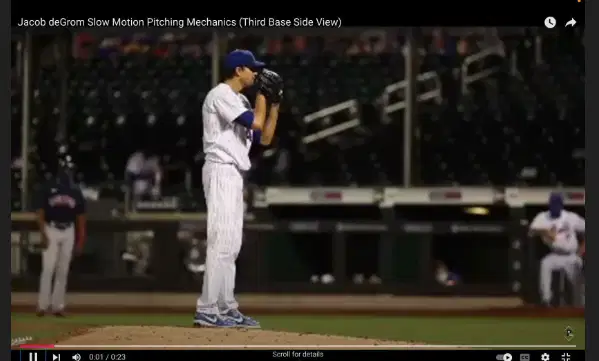
Which of the following athletes is shown as a large pitcher in the provided material?
Josh Donaldson
Jacob DeGrom
Mike Trout
Bryce Harper
If you were to analyze the mechanics of a large pitcher and a large hitter, which two athletes from the material would you study?
Jacob DeGrom and Josh Donaldson
Mike Trout and Bryce Harper
Bobby Witt Jr and Max Scherzer
Which of the following best describes a vertical preference in body organization?
Preferring to organize the body and limbs in a more vertical fashion; vertical shapes/lines excite the brain
Preferring to organize the body and limbs in a more horizontal fashion; horizontal shapes/lines excite the brain
Preferring to keep the body still during movement
Preferring to use only the lower limbs during movement
If a coach wants to analyze the effects of vertical and horizontal preferences on a player's swing, which aspects should they consider according to the material?
Pitchers Hand Break, Arm Slot, Plane of Rotation, Hitting Stance, Bat Path
Foot Placement, Eye Movement, Breathing, Glove Position
Running Speed, Jump Height, Flexibility, Endurance
Ball Color, Uniform Design, Field Size, Weather
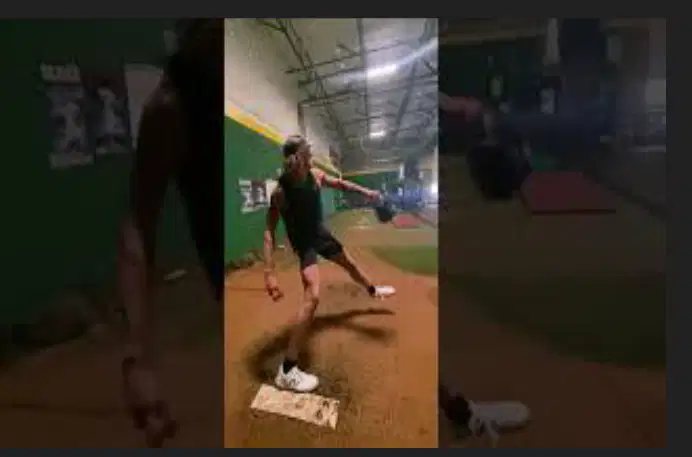
Which of the following athletes is shown as an example of a vertical pitcher in the provided material?
Ken Griffey Jr.
Tyler Glasnow
Babe Ruth
Derek Jeter

Who is highlighted as a vertical hitter in the provided material?
Tyler Glasnow
Ken Griffey Jr.
Jackie Robinson
Mike Trout
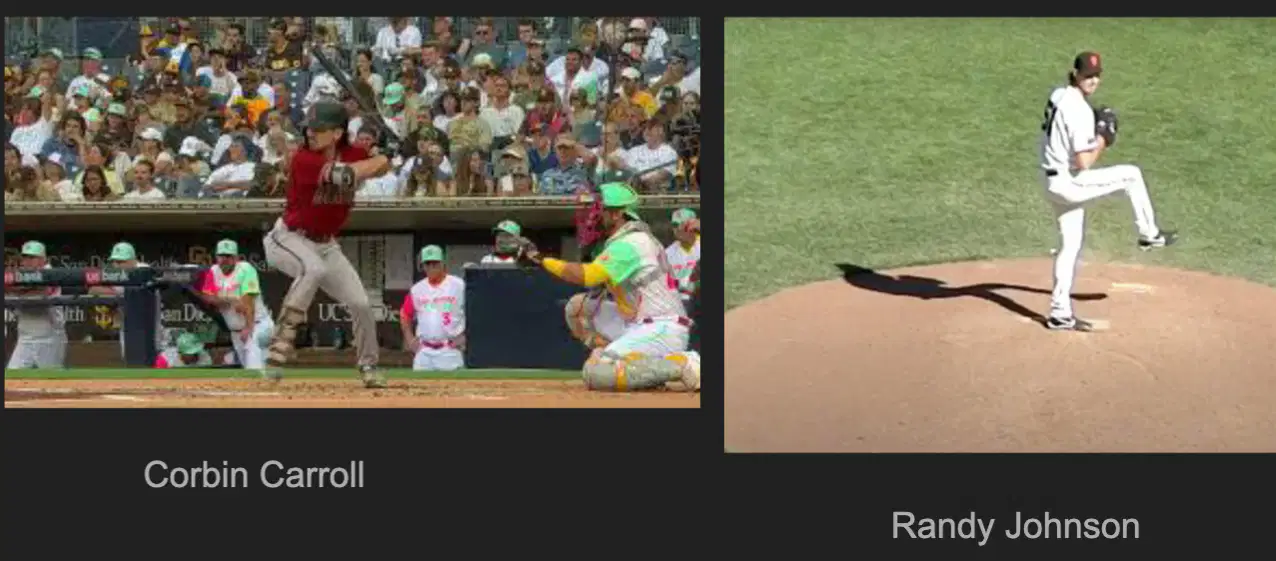
What is the main topic presented on this page?
Vertical Pitchers / Hitters
Horizontal Pitchers / Hitters
Diagonal Pitchers / Hitters
Rotational Pitchers / Hitters
Which of the following best describes the "extension leg" in movement?
The leg that prefers to be in more extension
The leg that is always in flexion
The leg that is never used for balance
The leg that is always stationary
What is one of the effects of the extension leg on movement in the swing or throw?
Stride length/direction
Arm speed
Head position
Grip strength
According to the material, what should be respected when considering the extension leg during movement?
Individual preferences
Uniform technique for all
Ignoring leg position
Only using the front leg
Which of the following is NOT listed as an effect of the extension leg on movement in the swing/throw?
Best balance point
Front leg action in the swing and throw
Arm rotation speed
Back leg action in the swing and throw
Why might an athlete not need to "get into" the back leg and "brace" on the front leg, according to the material?
Because preferences for leg use should be respected
Because it is always better to use the back leg
Because the front leg is weaker
Because balance is not important
How does the extension leg influence whether an athlete is a front side or back side hitter?
It affects their movement and balance preferences
It determines their arm strength
It changes their eye coordination
It has no effect on hitting style
Which shoulder is referred to as the "motor shoulder" in the context of initiating rotation in a swing or throw?
The shoulder that guides direction
The shoulder/side of the body that tends to initiate rotation
The shoulder that remains stationary
The shoulder that follows through after the swing
What is the primary role of the opposite shoulder during a swing or throw?
To initiate rotation
To provide power
To guide or sight for direction and then get out of the way
To remain tense throughout the movement
Which of the following is NOT listed as an effect on movement in the swing or throw?
How much counter-rotation in the load
Glove side in pitching
Leg position at ball release in pitching
One hand vs. two hand finish in hitting
Why is it important to "load" the motor shoulder before initiating a swing or throw?
To increase the speed of the follow-through
To ensure the opposite shoulder stays in place
To prepare the body to initiate rotation effectively
To keep the arms relaxed
How might the position of the body at ball release in pitching be influenced by the motor shoulder?
It determines the grip on the ball
It affects the direction and power of the throw
It has no effect on pitching
It only affects the follow-through

Based on the images, what is a likely focus when comparing the front motor shoulder in pitchers and hitters?
The role of the front shoulder in generating power and control in both pitching and hitting
The color of the uniforms worn by players
The number of fans in the stadium
The type of baseball equipment used
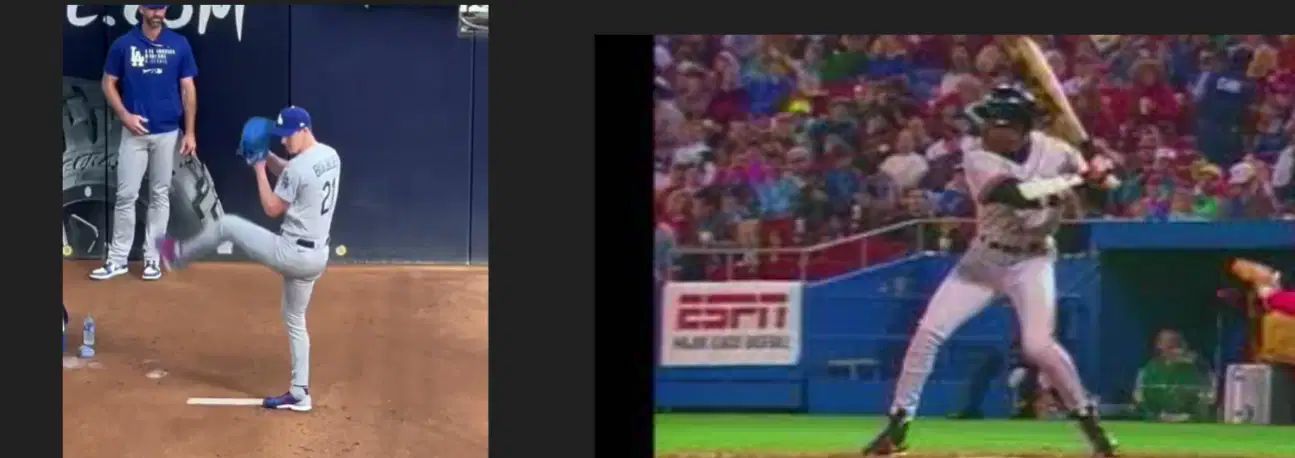
What is the main topic discussed in the provided material?
The importance of nutrition in sports
Back Motor Shoulder in Pitchers / Hitters
The history of baseball
Types of baseball equipment
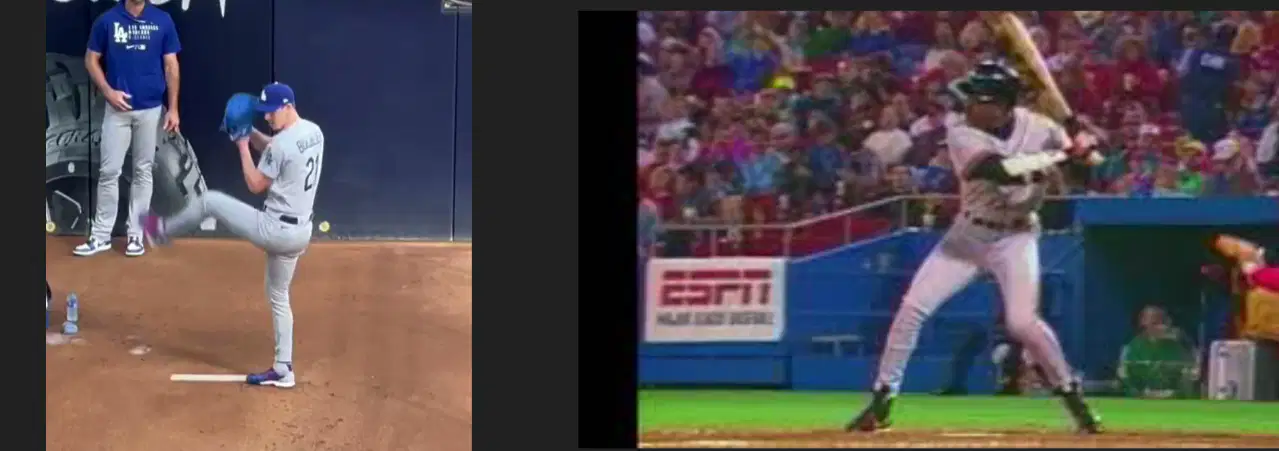
Based on the images, what is a likely similarity between the actions of pitchers and hitters as suggested by the material?
Both use the same type of glove
Both rely on the back motor shoulder for power and movement
Both stand in the same position on the field
Both use the same batting stance
Which of the following best describes a "disassociated" mobile point in the spine?
Low mobile point, lower and upper half move together
High mobile point, lower half and upper half can disassociate, creating hip/shoulder separation more naturally
High mobile point, lower and upper half move together
Low mobile point, lower half and upper half can disassociate
What is a key effect of having an "associated" mobile point in the spine during movement?
Greater hip/shoulder separation
Lower and upper half move together, resulting in less hip/shoulder separation
Increased risk of injury
Enhanced flexibility in the upper body only
Which of the following is NOT listed as an effect of movement in the swing/throw?
Amount of hip/shoulder separation
Injury prevention
Training and mobility
Increased muscle mass
How does the location of the mobile point in the spine affect hip/shoulder separation?
A high mobile point increases hip/shoulder separation
A low mobile point increases hip/shoulder separation
The location of the mobile point does not affect hip/shoulder separation
Both high and low mobile points decrease hip/shoulder separation
Why is understanding associated and disassociated movement important for athletes?
It helps them choose the right sports equipment
It affects injury prevention, training, and mobility
It determines their diet plan
It only matters for non-athletes
What is the primary function of the Motor Eye?
To pick up potential danger and track objects
To improve color vision
To enhance peripheral vision
To increase night vision
Which of the following statements is true about the Motor Eye?
It is always the same as the visually dominant eye
It can be the same or different from the visually dominant eye
It is never the same as the visually dominant eye
It is unrelated to tracking objects
Why must the Motor Eye be able to see the baseball during play?
To ensure accurate tracking and response to the ball
To improve hearing ability
To reduce fatigue
To increase running speed
How might a coach use knowledge of a player's Motor Eye to improve their performance? (DoK Level 3)
By adjusting the player's stance to ensure the Motor Eye can see the ball
By changing the color of the baseball
By increasing the number of practice sessions
By providing new uniforms
What is the main difference between global and focal vision?
Global vision focuses on details first, then the big picture; focal vision focuses on the big picture first, then the details.
Global vision focuses on the big picture first, then the details; focal vision focuses on the details first, then the big picture.
Both global and focal vision focus on the big picture first.
Both global and focal vision focus on details first.
Which of the following best describes how global or focal vision affects movement in sports like baseball?
It determines the color of the ball.
It affects where hitters look to find the ball, how hitters see spin or trajectory, and how pitchers use visual cues for command.
It only affects the speed of the ball.
It only affects the size of the bat.
A hitter in baseball is trying to decide whether to focus on the spin or the trajectory of the ball. Which aspect of vision is being utilized?
Peripheral vision
Focal vision
Night vision
Tunnel vision
Explain how the way we see and interact with our environment can influence athletic performance, using the concepts of global and focal vision. (DoK Level 3)
By only focusing on the color of the equipment.
By using global vision to understand the overall play and focal vision to track specific details like the ball’s movement, athletes can improve their performance.
By ignoring visual cues entirely.
By only listening to the coach’s instructions.
Which of the following statements is true regarding pronators and supinators? (multiple answers)
All aerials are supinators.
All aerials are pronators.
All terrestrials are pronators.
All terrestrials and aerials are both pronators.
What is an easy way to distinguish between aerial and terrestrial motor preference?
By their swing
By their arm path
By whether they are pronators or supinators
By their size
Explain how understanding pronation and supination can impact injury prevention in sports.
It helps athletes choose better shoes.
It allows for better pitch design and bat manipulation, reducing strain and preventing injuries.
It increases the speed of the swing.
It makes the game more entertaining.
Which point on the Move Dial is considered the best for balance, coordination, and stability?
Point 1
Point 2
Point 3
Point 4
In aerial movements, where is Point 1 located on the extension leg?
Heel of the extension leg
Forefoot of the extension leg
Forefoot opposite of the extension leg
Ankle of the extension leg
For terrestrial movements, where is Point 1 found on the extension leg?
Forefoot of the extension leg
Heel of the extension leg
Forefoot opposite of the extension leg
Toe of the extension leg

Which point on the Move Dial is described as the worst for balance, coordination, and stability?
Point 1
Point 2
Point 3
Point 4

In aerials, what part of the extension leg corresponds to Point 4?
Forefoot of the extension leg
Heel of the extension leg
Forefoot opposite of the extension leg
Toe of the extension leg

For terrestrials, where is Point 4 located in relation to the extension leg?
Heel of the extension leg
Forefoot of the extension leg
Forefoot opposite of the extension leg
Ankle of the extension leg
Which of the following is NOT listed as a key motor preference in pitching according to the material?
Aerial or Terrestrial
Vertical or Horizontal
Associated or Disassociated
Fast or Slow
Which of the following is a characteristic of aerial pitchers according to their motor preferences in pitching?
Work quick, uptempo
Work slow, methodical
Be low to the ground
Stick the finish
What is a tendency of terrestrial pitchers in terms of stamina?
Get tired quicker
Have more stamina
Look "jumpy"
Spin out of the finish
Which of the following best describes the finish of a terrestrial pitcher?
Spin out of the finish
Stick the finish
Look "jumpy"
Work quick, uptempo
A pitcher who is described as "jumpy" and tends to get tired quicker is most likely to be:
A terrestrial pitcher
An aerial pitcher
A ground-based hitter
A methodical batter
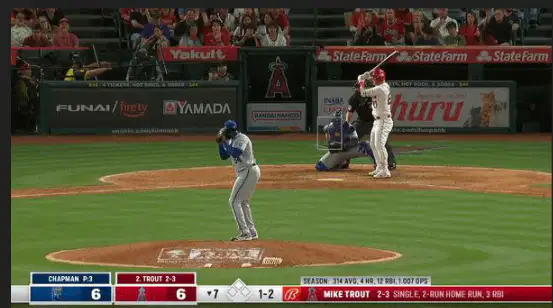
Which visual cue might help you identify a terrestrial pitcher from the images?
Pitcher appears low to the ground and methodical
Pitcher looks "jumpy" and spins out of the finish
Pitcher is standing upright and quick
Pitcher is not visible on the mound

