
 Worksheets
SCIENCE - AUGUST PART 2ND GRADE
Total questions: 100
Worksheet time: 48mins
Habitats provide all of the following, EXCEPT...
Food
toys
Water
Shelter

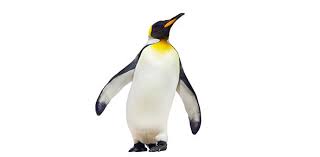
What is the main reason why Penguin belongs to arctic?
They like to play with snow
There's plenty of fish in the sea to eat
There's lots of snow

What is the habitat of a Scorpion?
arctic
aquatic
desert
forest

desert
mountain

polar region
mountain
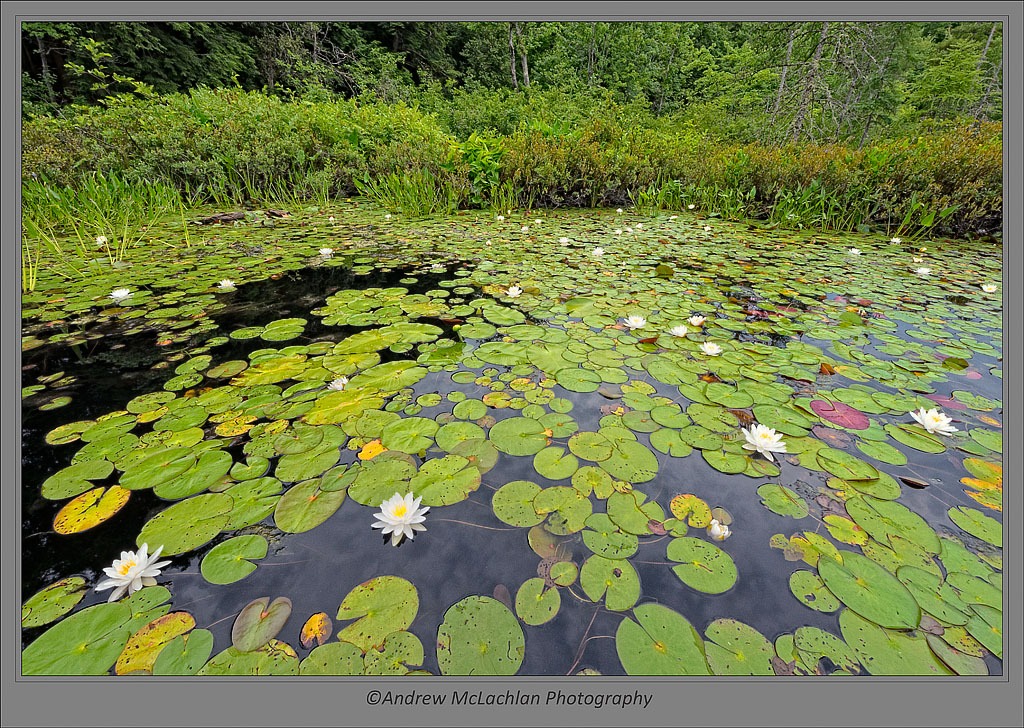
Where does this animal live?
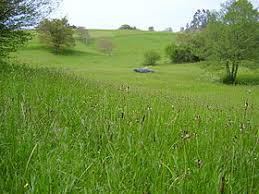
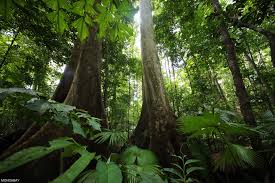
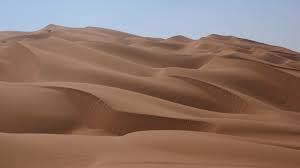
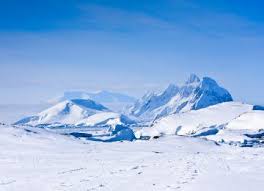
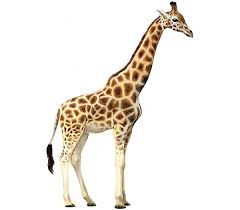
Where does this animal live?
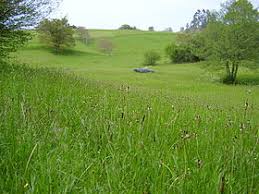
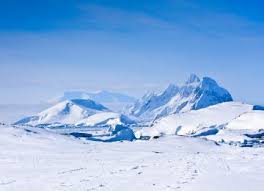
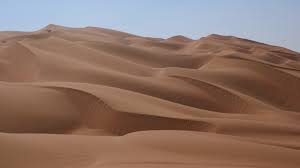
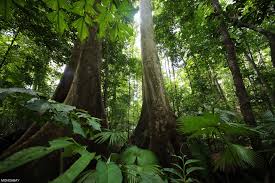
What habitat has the most amount of trees?
Forest
Desert
Aquatic
Arctic


Small habitat that similar to forest is....
natural reservation
freshwater
polar habitat

Animal that live on the ground is....
ant and worm
elephant and giraffe
reptile and amphibian

A ... is the place where living things lived.
home
house
habitat

An ... is everything surround the living things.
animal
environment
air

Habitat provide ... and shelter for living things.
mood
food
enemy

Tree provide warm and ... environments for birds.
shady
cold
wet

The soil provide animals ... environment to live in.
hot
moist
wet

The camel live in the hot and ... environments.
water
wet
dry

Rubbish are ... because it can injure animals.
danger
clean
good

We keep our environment cleaned by ....
put the rubbish in the trash bin
throw out the rubbish from the window
throw the rubbish into the river
Roots grow...
up towards the sunlight
down into the soil
Stems grow...
up towards sunlight
down into the soil
The plant life cycle starts over when seeds from a plant end up in soil.
False
True
Flowers are grown in what stage?
seedling stage
young adult stage
shoot stage
adult stage
True or False: Photo means light.
True
False
What 3 things do plants need for the process of photosynthesis?
Sunlight, oxygen and sugar.
Water, soil and oxygen.
Sunlight, carbon dioxide and water.
Sunlight, soil and water.
What color is chlorophyll?
Green
Blue
Red
Purple
Sunlight is the main source of energy that drives photosynthesis process.
True
False
Plants benefit animals & atmosphere by producing ________.
Oxygen
Carbon dioxide
Stomata
Chlorophyll
What are the two products of photosynthesis?
Oxygen and carbon dioxide.
Oxygen and sugar.
Sunlight and sugar.
The main source of energy for all life comes from ________
The Earth.
The Moon.
The Sun.
The food we eat/make.
What is a producer?
Organisms that can make their own food.
Organisms that can break down dead organisms.
Organisms that eats other organisms for food and energy.
What part of the plant soaks up water for photosynthesis?
Roots
Petals
Leaf
Stem
True or False: Animals can make their own food inside themselves.
True
False

Animals, plants, and human are called...
God's Creation
Non-Living Things
Things
Living Things
The example of non-living thing is...


Plants and animals need .... to stay alive. (choose the answers completely, or more than one)


In order to grow and develop, plants and animals need...
Car and phone
Clothes and water
Sunlight and spoon
Sunlight and water

The parts of plants are...
Root, leg, head, and flower
Root, stem, leave, and flower
Eyes, leg, hand, and mouth
Which leave that has hand shape?


Which leave that has smooth texture?


Which leave that has toothed leave?


Which one is the soft stem?


Which one is the fibrous root?


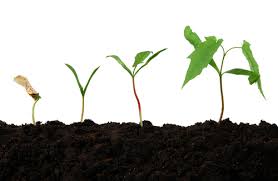
The picture shows "Life Cycle of Plants", but there is one stage that is missing. What is the stage?
Seed
Sprout
Seedling
Plant

Mention 3 body parts of the cat in the picture!
Horn
Paw
Beak
Tail
Whisker
According to the food, chicken eats worms and seeds. So chicken is called...
Herbivore
Carnivore
Omnivore

Elephants only eat plants. So elephants are called...
Herbivore
Carnivore
Omnivore

Dog is giving birth to their child. So, dog is called...
Oviparous
Viviparous
Ovoviviparaous

Birds are called oviparous because birds are...
Laying eggs
Giving birth
Laying eggs and giving birth

The body cover of cat is...
Feather
Scale
Fur

Fish breathe with...
Fins
Gills
Scales
Eyes

The picture shows the development of a dog. What stage that is missing?
Puppy
Adult
Adolesence

Where does a lion live?
On land
In water
A place where plants and animals live and grow naturally is called a ______________.
Soil
Sky
Habitat
Land

Where does this animal live?
Mountain
Desert
Tundra
Ocean
Which of these is a nonliving part of a forest?
Mushroom
Soil
Worm
Tree

Where does this animal live?


Which habitat is very dry, has very little plant life, and is too hot to support many animals?
Stream
Forest
Desert
Polar region
What habitat has the most amount of trees?
Forest
Desert
Tundra
Savanna
Snow and ice. Very cold.
Not much lives in me.
What habitat am I?
Ocean
Polar region
Forest
Desert
A desert habitat is wet.
True
False

The symbol above is appointed to ...
Sunny
Windy
Rainy
Stormy

The clothing shown here is best worn when the weather is...
Cool
Windy
Rainy
Hot
Evelyn, Aria, and Sophia went on a field trip to a forest. They observed various living organisms and nonliving components interacting with each other. Based on this, how would they define an ecosystem?
An ecosystem is a community of living organisms in conjunction with the nonliving components of their environment.
An ecosystem is a term used to describe the process of photosynthesis in plants.
An ecosystem is a type of computer software used for managing databases.
An ecosystem is a group of people working together towards a common goal.
Name three types of ecosystems.
Terrestrial ecosystems, aquatic ecosystems, and arboreal ecosystems
Forest ecosystems, ocean ecosystems, and mountain ecosystems.
Urban ecosystems, tundra ecosystems, and rainforest ecosystems.
Polar ecosystems, grassland ecosystems, and coral reef ecosystems.
What is a forest ecosystem?
A forest ecosystem is a community of plants, animals, and microorganisms that interact with each other and their physical environment within a forested area.
A forest ecosystem is a community of animals and microorganisms that interact with each other and their physical environment within a forested area.
A forest ecosystem is a community of plants and microorganisms that interact with each other and their physical environment within a forested area.
A forest ecosystem is a community of plants and animals that interact with each other and their physical environment within a forested area.
What is a desert ecosystem?
A desert ecosystem is a type of ecosystem that is characterized by high rainfall, moderate temperatures, and dense vegetation.
A desert ecosystem is a type of ecosystem that is characterized by low rainfall, extreme temperatures, and sparse vegetation.
A desert ecosystem is a type of ecosystem that is characterized by low rainfall, moderate temperatures, and dense vegetation.
A desert ecosystem is a type of ecosystem that is characterized by high rainfall, extreme temperatures, and dense vegetation.
What is a freshwater ecosystem?
A freshwater ecosystem is a type of ecosystem that includes bodies of water such as deserts and tundras, where the water has low salt concentration.
A freshwater ecosystem is a type of ecosystem that includes bodies of water such as oceans and seas, where the water has low salt concentration.
A freshwater ecosystem is a type of ecosystem that includes bodies of water such as swamps and marshes, where the water has high salt concentration.
A freshwater ecosystem is a type of ecosystem that includes bodies of water such as lakes, rivers, ponds, and streams, where the water has low salt concentration.
What is a marine ecosystem?
A marine ecosystem is a term used to describe a type of boat used for fishing in the ocean.
A marine ecosystem is a type of weather pattern that occurs in the ocean.
A marine ecosystem is a collection of rocks and sand in the ocean.
A marine ecosystem is a collection of living organisms and their interactions within the marine environment.
What are the living components of an ecosystem called?
Non-living components
Abiotic factors
Inorganic factors
Biotic factors
What are the non-living components of an ecosystem called?
biotic factors
abiotic factors
living components
organic factors
How do plants contribute to an ecosystem?
Plants contribute to an ecosystem by causing soil erosion and disrupting the water cycle.
Plants contribute to an ecosystem by producing oxygen, providing food and shelter, regulating the water cycle, and reducing soil erosion.
Plants contribute to an ecosystem by providing shelter for animals but not food or oxygen.
Plants contribute to an ecosystem by producing carbon dioxide and depleting oxygen levels.
How do animals contribute to an ecosystem?
Animals contribute to an ecosystem by pollination, seed dispersal, nutrient cycling, population control, and maintaining balance.
Animals contribute to an ecosystem by causing destruction and imbalance.
Animals contribute to an ecosystem by depleting resources and disrupting the food chain.
Animals contribute to an ecosystem by spreading diseases and causing harm.
Which animal have no legs?


I live in water and on land. I eat meat. I've got sharp teeth. I'm green. What am I?



