
 Worksheets
level 1 Key trades
Total questions: 65
Worksheet time: 33mins
The main tradespeople you are likely to come across on site are: Plumber, Electrician, Carpenter, Bricklayer, and Plasterer. Fill in the blank: A person who installs and repairs pipes is called a _______.
Plumber
Electrician
Carpenter
Bricklayer
The main tradespeople you are likely to come across on site are: Plumber, Electrician, Carpenter, Bricklayer, and Plasterer. Which of the following is responsible for electrical wiring and systems on site?
Plumber
Electrician
Carpenter
Bricklayer
A person who works with wood to build and repair structures is called a _______.
Carpenter
Plumber
Electrician
Mason
The main tradespeople you are likely to come across on site are: Plumber, Electrician, Carpenter, Bricklayer, and Plasterer. Which of the following tradespeople is responsible for building walls with bricks?
Plumber
Electrician
Bricklayer
Plasterer
The main tradespeople you are likely to come across on site are: Plumber, Electrician, Carpenter, Bricklayer, and Plasterer. A person who applies plaster to walls and ceilings is called a:
Plasterer
Electrician
Carpenter
Bricklayer
What are plumbers responsible for installing within a domestic property?
Electrical wiring
Hot and cold water systems, central heating systems, sanitation and drainage systems
Carpets and flooring
Windows and doors
Name two examples of appliances or systems that plumbers may work on in a domestic property.
bathroom suite, radiators, boilers, controllers
televisions, computers, printers, scanners
microwaves, toasters, blenders, coffee machines
wardrobes, beds, sofas, dining tables
What is the main responsibility of an electrician in a domestic property?
Installing plumbing pipes
Installing the wiring for lighting and power supply
Painting walls
Repairing roofs
Electricians are responsible for installing the wiring for the _______ and power supply in a domestic property.
lighting
plumbing
roofing
flooring
Select two items that electricians install as part of their job in a domestic property.
Light switches and sockets
Curtains and carpets
Bookshelves and wardrobes
Kitchen utensils and plates
According to the passage, what are carpenters responsible for installing within a domestic property?
A) Electrical wiring
B) Wooden fixtures
C) Plumbing pipes
D) Tiles
Carpenters can also be known as _______.
joiners
painters
plumbers
electricians
Which of the following is NOT mentioned as work that a carpenter can do?
Hanging doors
Windows installation
Timber roof structures
Painting walls
Carpenters are responsible for installing all the wooden fixtures within a domestic property.
True
False
According to the information provided, what are bricklayers responsible for installing?
Electrical wiring
Brickwork, stonework, and concrete blocks
Plumbing pipes
Roof tiles
The responsibilities of a bricklayer include installing the internal and external walls of the property.
True
False
Fill in the blank: Bricklayers are responsible for installing all the _______, stonework, and concrete blocks as required.
brickwork
plumbing
wiring
roofing
Select two areas of a property that a bricklayer may work on.
Walls and chimneys
Windows and doors
Roofs and ceilings
Floors and carpets
According to the passage, what are plasterers responsible for?
Painting walls
Carrying out all the plastering within the property on the walls and ceilings
Installing electrical wiring
Plumbing repairs
Name one task that plasterers may perform, as mentioned in the passage.
dry lining, textured finishes, coving, or rendering external walls
installing electrical wiring
fixing plumbing leaks
operating heavy machinery
Electric shocks are a real hazard on a construction site and within a customer’s property.
True
False
What are some ways to avoid an electric shock when using electrical equipment?
Looking after electrical equipment, carrying out regular inspections of electrical equipment, and using electrical equipment correctly.
Wearing rubber gloves only when using computers.
Turning off the lights in the room before using any equipment.
Using electrical equipment with wet hands to test insulation.
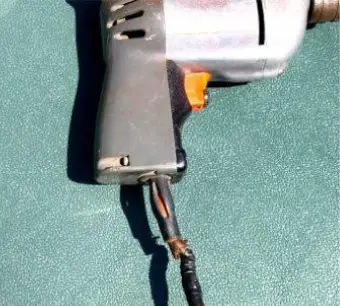
Which of the following is NOT a recommended way to avoid electric shocks?
Regular inspections of electrical equipment
Ignoring damaged equipment
Correct use of electrical equipment
Looking after electrical equipment
What is a common hazard when performing 'hot work' such as welding and soldering in plumbing?
Burns
Cuts
Drowning
Freezing
To avoid burns during plumbing work, the correct use of ______ will be required.
PPE
paint
adhesive tape
measuring tape
You can receive a burn from which of the following?
Chemicals
Electric shock
Both A and B
Neither A nor B
The use of warning signs may be required to avoid burns in plumbing work.
True
False
What is a common hazard in working life mentioned in the passage?
Burns
Cuts and abrasions
Electric shock
Noise
According to the passage, many cuts and abrasions to the hands, arms, and body can be avoided by the correct use of _______.
PPE
water
paint
gloves
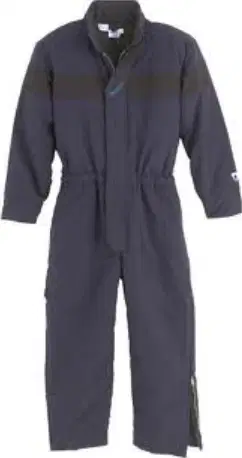
What does the image below represent in the context of avoiding hazards at work?
PPE (Personal Protective Equipment)
Casual clothing
Sportswear
Uniform for a chef
What can seriously affect the operative’s lungs during activities such as grinding, using powder, or creating sawdust?
Dust inhalation
Water exposure
Loud noise
Sunlight
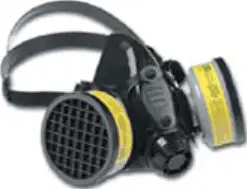
What should be used to protect against dust inhalation when grinding, using powder, or creating sawdust?
A dust mask or face mask
Safety goggles
Ear plugs
Rubber gloves
The correct breathing apparatus should be used for the specific situation when working in dusty environments.
True
False
Why is working at heights considered a hazard?
Because it is always safe
Because falling, even a short distance, can cause serious injury
Because it is easy to do
Because it does not require training
Good training in the use of ________ is essential for all tradespeople. (Fill in the blank)
access equipment
paint brushes
office chairs
kitchen utensils
Good training in the use of access equipment is not important for tradespeople working at heights.
True
False
According to the passage on Hazards: Lifting and Carrying, what is a real hazard when lifting and carrying items on site?
Getting wet
Back injury
Sunburn
Noise exposure
According to the passage on Hazards: Lifting and Carrying, correct training in manual handling and the correct use of PPE would ______ the risk.
minimise
increase
ignore
multiply
According to the passage on Hazards: Lifting and Carrying, damage can occur when lifting incorrectly, carrying items that are too heavy, or accidentally dropping items on your foot.
True
False
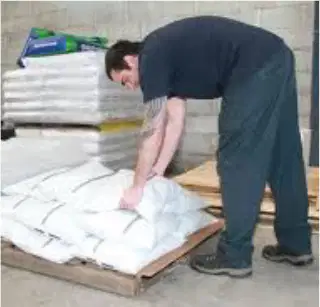
One risk associated with lifting a heavy item, according to the passage on Hazards: Lifting and Carrying, is:
Back injury
Improved posture
Increased energy
Better balance
According to the passage, what are solvents commonly used for on site?
Painting walls
Cleaning and joining plastic components
Mixing cement
Lubricating metal parts
Training in the correct use of solvents is required and following the manufacturer's recommendations is essential.
True
False
Fill in the blank: Solvents are used on site quite often and create significant _______.
hazards
profits
colors
repairs
Why is it important to avoid mixing cleaning chemicals on site?
It saves time
It could result in dangerous vapours
It makes cleaning easier
It is recommended by the manufacturer
Chemicals that create vapours must be used in ________ areas and in accordance with the manufacturer’s recommendations.
well-ventilated
enclosed
dark
humid
Vapours from various chemicals used on site can be harmful.
True
False
What is asbestos?
A) A type of metal used in plumbing
B) A fibrous material that was commonly used in the construction trade and is highly dangerous
C) A cleaning agent
D) A type of wood
If asbestos is suspected to have been found on site, what should you do?
Continue working
Ignore it
Stop work and report it to your supervisor
Try to remove it yourself
Fill in the blank: Asbestos is a ______ material that was commonly used in the construction trade and has been found to be highly dangerous.
fibrous
metallic
plastic
granular
What is a hazard created by many of the power tools commonly used on site?
Vibration
Noise
Heat
Dust
In especially bad cases, what syndrome could be caused by vibration from power tools?
Carpal tunnel syndrome
White finger syndrome
Tennis elbow
Asthma
Power tools should be used only for short periods and with _________.
regular breaks
no supervision
wet hands
maximum speed
Correct training and the use of PPE can reduce the risk from vibration.
True
False
Noise can be a hazard, especially when using power tools. What can excess noise do to your hearing?
Improve your hearing
Permanently damage your hearing
Make you sleepy
Have no effect
Noise can be a hazard, especially when using power tools. Excess noise can permanently damage your hearing and leave your ears ______ when you have finished work. Fill in the blank.
ringing
itchy
cold
blocked
Noise can be a hazard, especially when using power tools. What is one way to reduce the risk of injury from noise hazards?
Ignore the noise
Use correct training and PPE
Work faster
Remove all tools

The image below shows a type of PPE. What is this PPE used for?
Protecting your hands
Protecting your eyes
Protecting your ears
Protecting your feet
According to the passage on hazards, where can extreme temperatures be experienced in the workplace?
In a customer's loft on a hot summer's day
Outside during winter
Both A and B
Only in industrial coolers
Extreme temperatures in the workplace can be caused by ________ or industrial dryers.
industrial coolers
office fans
water dispensers
desk lamps
Prior to work starting, what needs to be chosen to protect against adverse weather conditions according to the passage on hazards?
The correct PPE (Personal Protective Equipment)
The right type of machinery
The appropriate signage for the site
The correct type of fuel for equipment
The use of sunblock may be included as part of the correct PPE for adverse weather conditions in the workplace.
True
False
According to the passage, which of the following actions can help avoid slips, trips, and falls on site?
Leaving tools on the floor
Tidying up after yourself
Not informing the customer
Leaving trailing leads
Fill in the blank: Storing items ______ and informing the customer can help avoid slips, trips, and falls.
neatly
randomly
carelessly
hastily
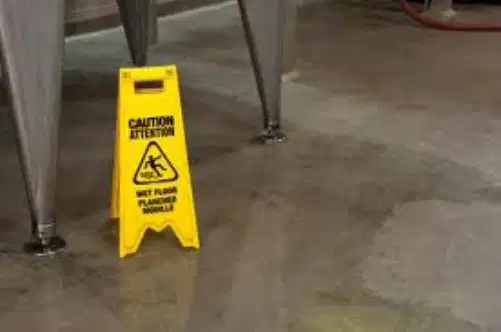
Look at the image of the yellow caution sign. What is the purpose of placing this sign on the floor?
To warn people about a wet floor and prevent slips and falls.
To indicate a fire exit is nearby.
To show where to place cleaning supplies.
To mark a reserved parking spot.
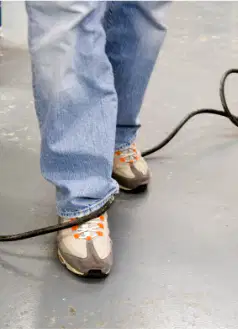
Why is it important not to leave trailing leads on the ground?
Because they can cause people to trip and fall.
Because they can increase the room temperature.
Because they can make the floor slippery.
Because they can damage electronic devices.

