
Font size
 Worksheets
Self-versus Non-Self
Total questions: 98
Worksheet time: 49mins

Refer to the diagram titled 'Self-versus Non-Self'. Which of the following is recognized as 'non-self' by the immune system cell?
Self cell
Non-self cell
Immune system cell
All of the above

Refer to the diagram titled 'Self-versus Non-Self'. The immune system cell recognizes and responds to cells that are identified as _________.
non-self
self
neutral
friendly

Refer to the diagram titled 'Self-versus Non-Self'. True or False: The immune system cell attacks self cells.
True
False
Georgia is the #2 state in the United States with the Highest Rates of HIV.
True
False
List three aspects related to HIV mentioned in the slide: Diagnoses, Deaths, and ________.
Prevalence
Vaccination
Antibiotics
Allergies
What type of virus affects the immune system in HIV/AIDS?
Bacteriophage
Retrovirus
Adenovirus
Herpesvirus
Which cells does HIV target and destroy?
Red blood cells
Platelets
CD4 white blood cells (T Cells)
B cells
CD4+ T-cells become ______ to make new viral particles daily.
'HIV factory'
'immune boosters'
'antibody producers'
'virus killers'
As HIV infection progresses, what happens to the CD4+ T-cell count and viral load?
CD4+ T-cell count rises, viral load falls
CD4+ T-cell count falls, viral load rises
Both rise
Both fall
The immune system weakens as HIV progresses.
True
False
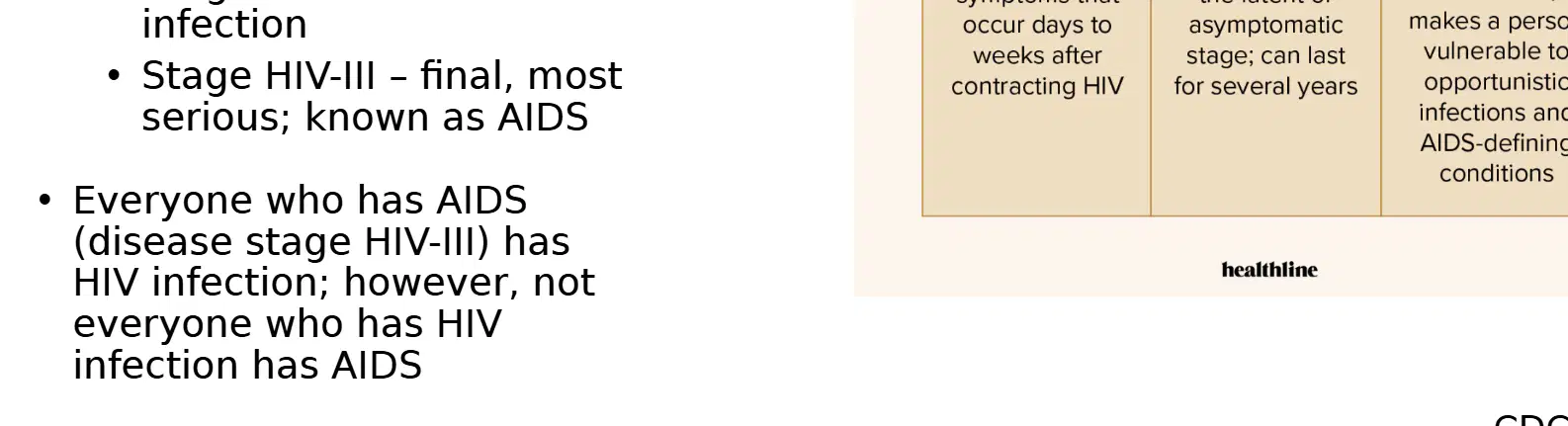
True or False: Everyone with HIV has AIDS.
True
False
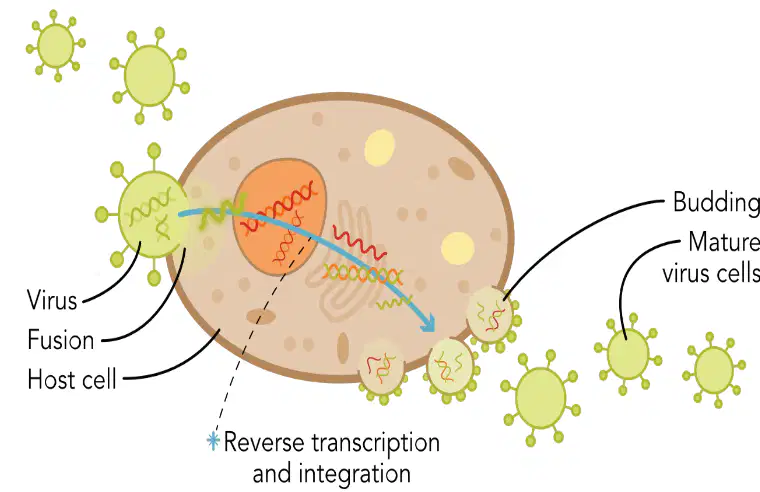
In the diagram, what process is indicated by the arrow labeled 'Reverse transcription and integration'?
Virus entry
Viral RNA conversion to DNA and integration into host genome
Budding of new virus
Destruction of host cell
Which of the following body fluids can spread HIV?
Blood
Semen
Rectal fluids
Vaginal fluids
All of the above
HIV can be transmitted through breastmilk (perinatally).
True
False
Which of the following is NOT a way HIV is transmitted?
By casual contact
Blood (parenterally)
Semen
Vaginal fluids
HIV can be spread by sharing household utensils, towels, linens, or toilets.
True
False
HIV can be transmitted via mosquitoes or insects.
True
False
Fill in the blank: HIV is spread through infected ________ contact.
body fluid
air
sweat
saliva
Is HIV/AIDS considered a worldwide epidemic?
True
False
Which of the following is a population at risk for HIV/AIDS?
People engaging in sexual activities
People who exercise regularly
People who eat healthy
People who read books
Sharing ________ increases the risk of HIV/AIDS transmission. (Fill in the blank)
drug needles
clothes
books
food
The use of ________/alcohol is a risk factor for HIV/AIDS.
drugs
fruits
exercise
books
Incarceration is listed as a risk factor for HIV/AIDS.
True
False
HIV/AIDS leads to a ________ immune system.
weakened
strong
improved
enhanced
Fill in the blank: People with HIV/AIDS are more likely to get ________ infections and cancers.
opportunistic
bacterial
hereditary
congenital
Which of the following disorders are people with HIV/AIDS prone to?
Tuberculosis
Diabetes
Fungal infection
Lung cancer
Fill in the blank: People with HIV/AIDS are prone to ________ infection complications.
Salmonella
Tuberculosis
Influenza
Chickenpox
Dementia is one of the disorders people with HIV/AIDS are prone to.
True
False
True or False: Hypertension is not associated with HIV/AIDS.
True
False
Fill in the blank: People with HIV/AIDS are at higher risk for ________, a viral infection causing sores.
Herpes
Influenza
Tuberculosis
Malaria
Fill in the blank: ________ is a skin condition that people with HIV/AIDS may be prone to.
Eczema
Psoriasis
Vitiligo
Rosacea
Which of the following is a condition associated with AIDS?
Cytomegalovirus (CMV)
Diabetes
Asthma
Hypertension
Which of the following is a condition associated with AIDS?
Kaposi sarcoma
Influenza
Arthritis
Migraine
Which of the following is a condition associated with AIDS?
Lymphoma
Pneumonia
Anemia
Epilepsy
Which of the following is a condition associated with AIDS?
Tuberculosis
Bronchitis
Scoliosis
Cataract
Which of the following is a condition associated with AIDS?
Heart failure
Stroke
Appendicitis
Glaucoma
Name one psychosocial impact of HIV/AIDS on overall health.
Psychosocial
Respiratory
Digestive
Musculoskeletal
What is an important aspect of managing HIV/AIDS related to prevention?
Health Promotion and prevention
Surgical intervention
Ignoring symptoms
Limiting physical activity
What should be considered for people with HIV/AIDS as they age?
Considerations for aging
Increased physical activity only
Avoiding all medications
Ignoring regular check-ups
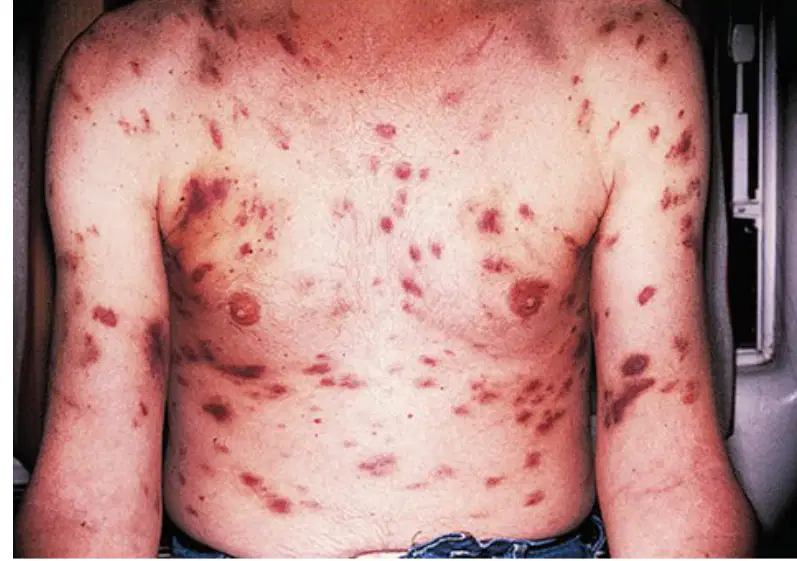
What condition is shown in the images below?
Psoriasis
Kaposi’s Sarcoma
Melanoma
Eczema
What type of test can be done at home to detect HIV?
OraQuick In-Home HIV test
Blood Pressure Monitor
Pregnancy Test Kit
Glucose Meter
Which test measures the number of copies of HIV in the blood?
Viral load testing
CD4 count
ELISA test
Western blot
CD4 counts measure the blood level of which type of cells attacked by HIV?
Lymphocytes
Erythrocytes
Platelets
Neutrophils
Antigen/antibody testing measures the level of HIV antibodies and antigens.
True
False
What does Genetic Resistance Testing (GART) help to identify?
Mutations that are no longer responding to the antiretroviral agents
The viral load in the patient’s blood
The patient’s immune response to HIV
The duration of HIV infection
Which of the following is NOT a related condition test for HIV/AIDS?
CBC with differential
Lipid Profile
Blood sugar test
QuantiFERON TB testing
Other tests may be performed to monitor toxicities from which type of drugs?
Antiretroviral drugs
Antihistamine drugs
Analgesic drugs
Antacid drugs
According to the CDC Recommendations for Annual HIV Testing and One-Time Screening, you should be tested annually for HIV if you have which of the following?
A) A sexually transmitted infection
B) Use injection drugs
C) Consider yourself at risk
D) All of the above
According to the CDC Recommendations for Annual HIV Testing and One-Time Screening, women of childbearing age with which of the following identifiable risks should be tested for HIV?
Used injection drugs
Engaged in sex work
Had sexual partners who were infected or at risk
Had sexual contact with men from countries with high HIV prevalence
All of the above
According to the CDC Recommendations for Annual HIV Testing and One-Time Screening, you should be tested for HIV if you received a blood products transfusion between ______ and ______.
1978 and 1985
1986 and 1992
1993 and 2000
2001 and 2008
According to the CDC Recommendations for Annual HIV Testing and One-Time Screening, you should plan to get tested for HIV if you plan to get married.
True
False
According to the CDC Recommendations for Annual HIV Testing and One-Time Screening, you should be tested for HIV if you are undergoing medical evaluation or treatment for symptoms that may be HIV related.
True
False
According to the CDC Recommendations for Annual HIV Testing and One-Time Screening, you should be tested for HIV if you have been or are in a correctional institution such as jail and prison.
True
False
According to the CDC Recommendations for Annual HIV Testing and One-Time Screening, you should be tested for HIV if you are a sex worker or have had sex with a sex worker.
True
False
According to the CDC Recommendations for Annual HIV Testing and One-Time Screening, in the absence of any of the above conditions, you should be tested (screened) once if you are between the ages of ______ and ______ years.
18 and 65
13 and 64
21 and 70
25 and 60
According to the CDC Recommendations for Annual HIV Testing and One-Time Screening, as part of routine prenatal screening, you should be tested for HIV when you are _______.
pregnant
over 50 years old
a healthcare worker
traveling internationally
Which confirmatory tests are mentioned for HIV detection?
PCR and ELISA
Western Blot and ELISA
PCR and Western Blot
Antigen/antibody combination only
Newer antigen/antibody PCR combination (fourth generation tests) detects HIV in 99% of people within ____ to ____ days of exposure.
13 to 42
1 to 7
30 to 90
50 to 120

What is the window period for the Nucleic Acid Test (NAT)?
10-33 days
1-3 days
50-70 days
100-120 days
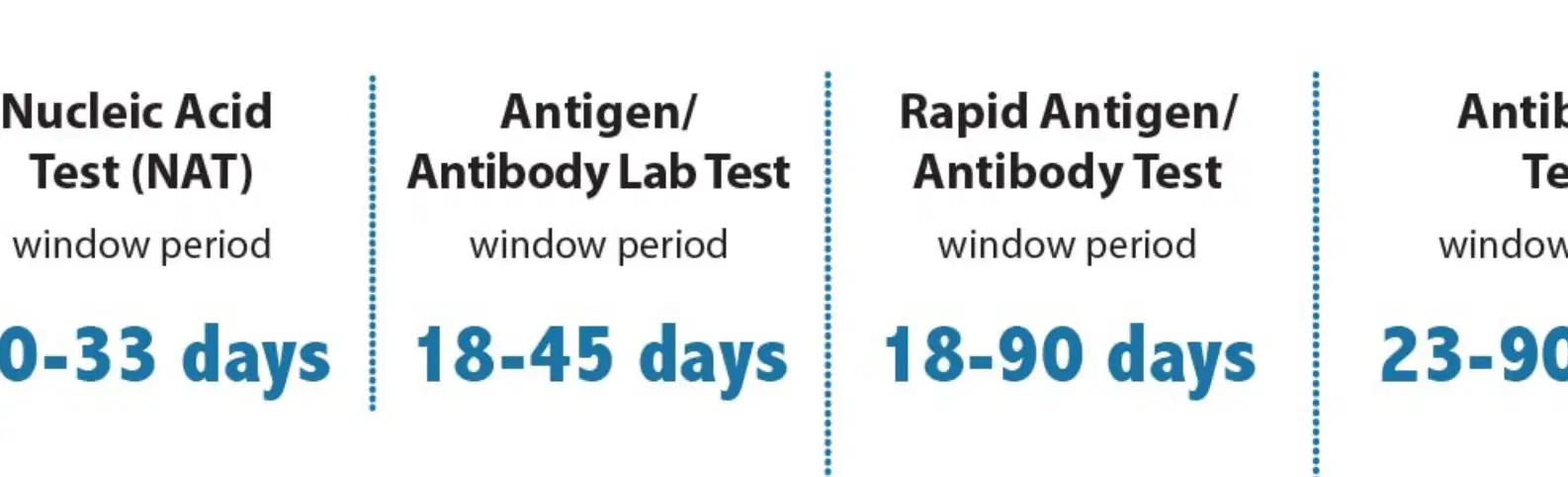
What is the window period for the Antigen/Antibody Lab Test?
18-45 days
2-7 days
60-90 days
120-180 days
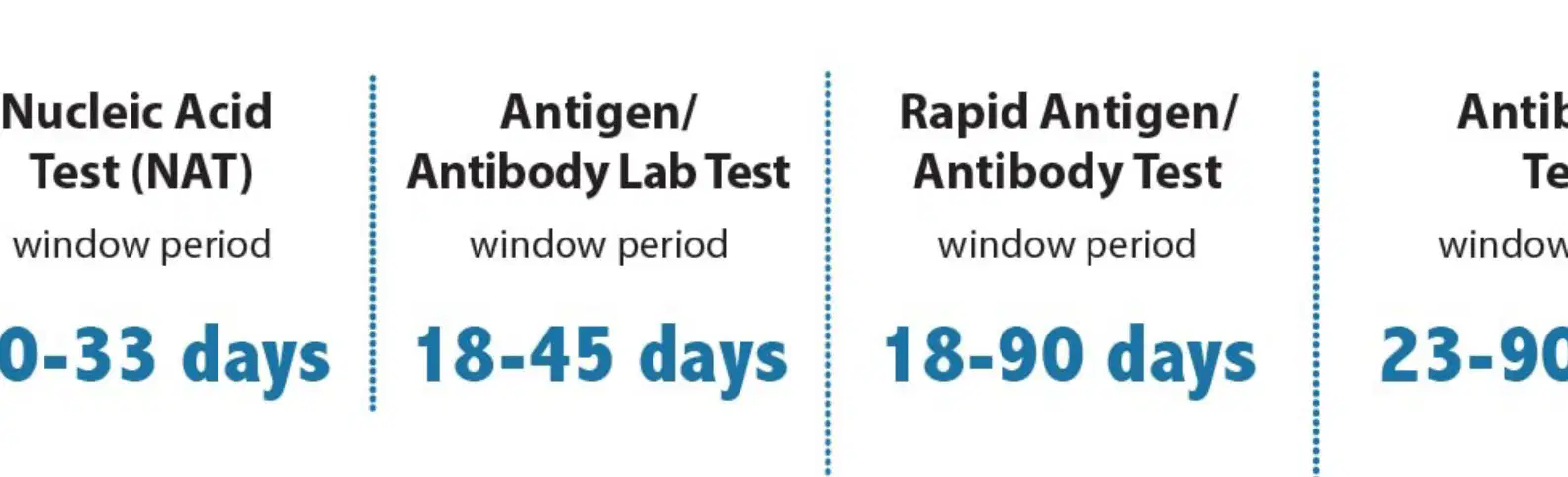
What is the window period for the Rapid Antigen/Antibody Test?
18-90 days
1-7 days
91-180 days
7-14 days
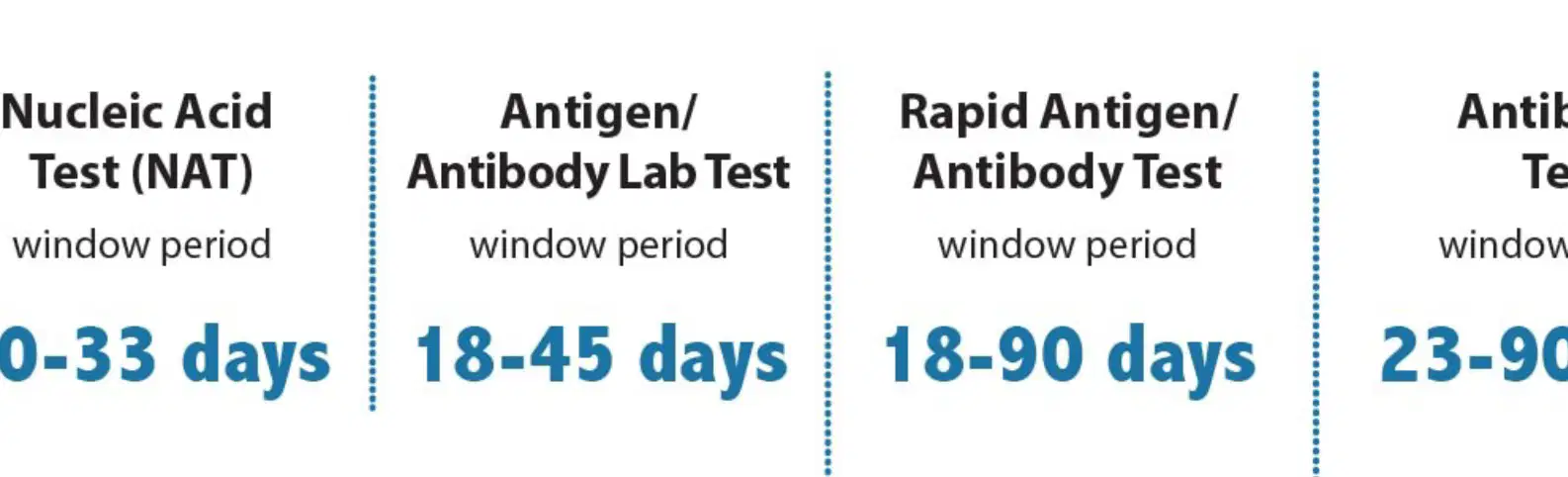
What is the window period for the Antibody Test?
23-90 days
1-7 days
91-180 days
181-365 days
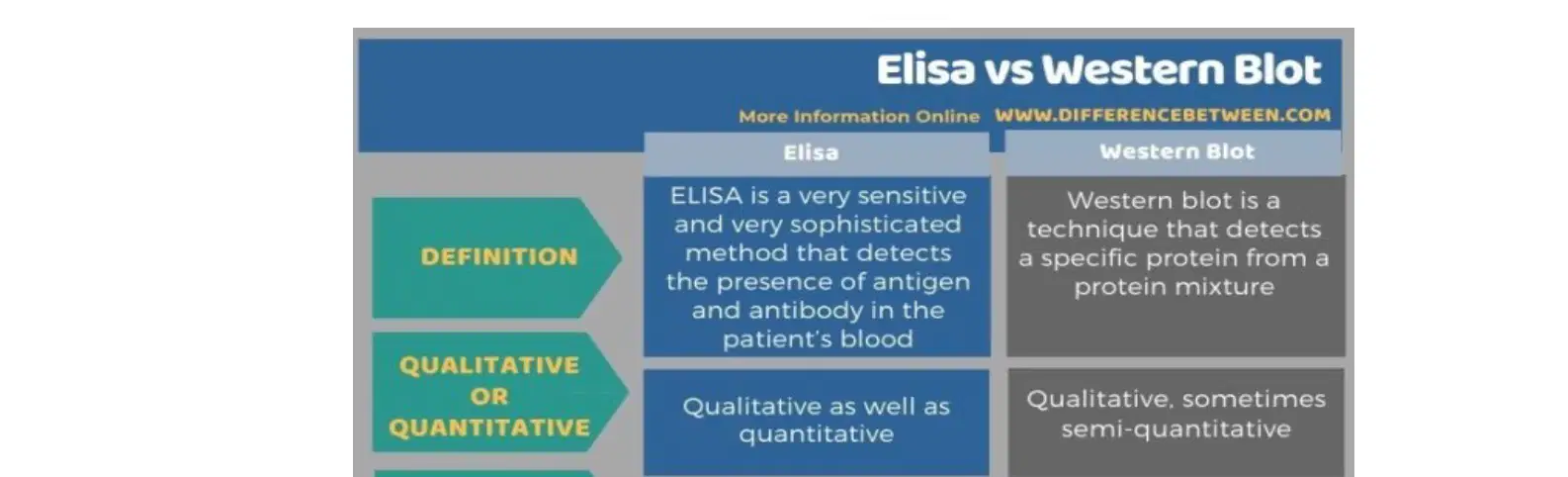
Which of the following best describes the definition of Elisa?
A technique that detects a specific protein from a protein mixture
A very sensitive and sophisticated method that detects the presence of antigen and antibody in the patient's blood
A method that uses gel electrophoresis
A cost-effective protein test
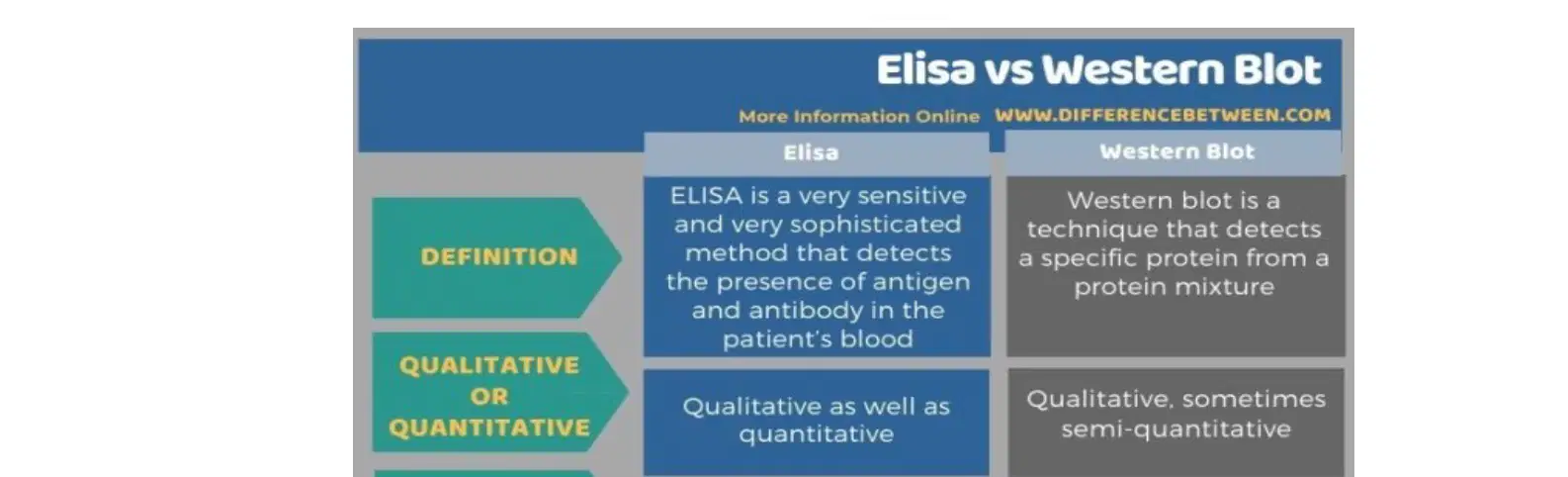
Which of the following best describes the definition of Western Blot?
A technique that detects a specific protein from a protein mixture
A very sensitive and sophisticated method that detects the presence of antigen and antibody in the patient's blood
A method that does not use gel electrophoresis
A cost-effective protein test

Which of the following is true about the qualitative or quantitative nature of Elisa?
Qualitative only
Quantitative only
Qualitative as well as quantitative
Semi-quantitative only
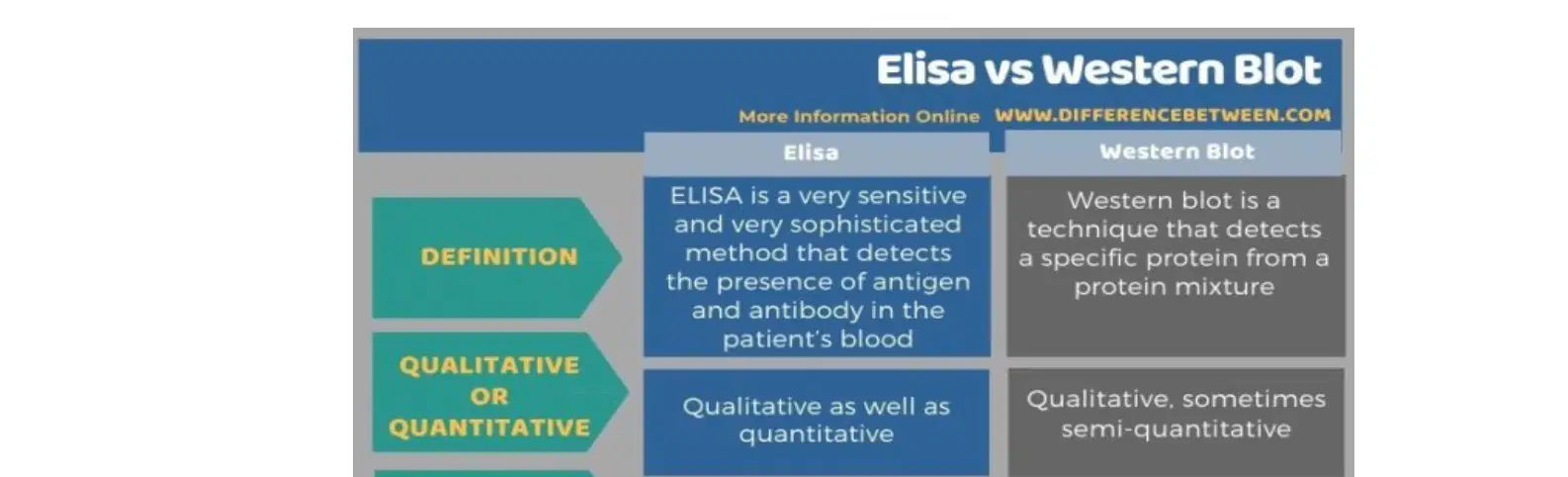
Which of the following is true about the qualitative or quantitative nature of Western Blot?
Qualitative, sometimes semi-quantitative
Quantitative only
Qualitative as well as quantitative
Only qualitative
Which method is more cost-effective?
Elisa
Western Blot
Can you rely on symptoms to tell if you have HIV?
Yes
No
The only way to know for sure if you have HIV is to _________?
get tested
ask a friend
wait for symptoms
guess based on how you feel

The only way to know for sure if you have HIV is to get tested.
True
False
Which of the following is an immunologic indication to assess for in a physical assessment?
Dry skin
Low white blood cell counts
Cough
Diarrhea
Which of the following is an integumentary indication to assess for in a physical assessment?
High blood immunoglobulin levels
Poor wound healing
Seizures
Tuberculosis
Which of the following is a respiratory indication to assess for in a physical assessment?
A) Cough, shortness of breath
B) Weight loss
C) Lymphadenopathy
D) Night sweats
Which of the following is a GI indication to assess for in a physical assessment?
Diarrhea
Seizures
Cytomegalovirus
Kaposi's sarcoma
Which of the following is a central nervous system indication to assess for in a physical assessment?
Headache
Dry skin
Tuberculosis
Nausea
Which of the following is a protozoal-like opportunistic infection?
Toxoplasmosis
Candidiasis
Cytomegalovirus
Kaposi's sarcoma
Which of the following is a fungal infection to assess for in a physical assessment?
Candidiasis
Giardiasis
Herpes simplex virus
Hodgkin's lymphoma
Which of the following is a bacterial infection to assess for in a physical assessment?
Mycobacterium avium complex
Varicella-zoster virus
Kaposi's sarcoma
Night sweats
Which of the following is a viral infection to assess for in a physical assessment?
Cytomegalovirus
Cryptococcosis
Weight loss
Seizures
Which of the following is a malignancy to assess for in a physical assessment?
Kaposi's sarcoma
Cough
Diarrhea
Toxoplasmosis
Fill in the blank: A low CD4+/CD8+ ratio (<2) is an example of an ________ indication.
immunologic
neurologic
metabolic
cardiac
Fill in the blank: Night sweats are an example of an ________ indication.
integumentary
respiratory
cardiac
gastrointestinal
Fill in the blank: Weight loss is a ________ indication.
GI
Cardiac
Renal
Dermatological
Fill in the blank: Seizures are a ________ system indication.
central nervous
digestive
respiratory
circulatory
Fill in the blank: Cryptosporidiosis is a type of ________ infection.
protozoal-like opportunistic
bacterial
fungal
viral
Fill in the blank: Pneumocystis jiroveci pneumonia is a type of ________ infection.
fungal
bacterial
viral
parasitic
Fill in the blank: Tuberculosis is a type of ________ infection.
bacterial
viral
fungal
parasitic
Herpes simplex virus is a type of ________ infection.
viral
bacterial
fungal
parasitic
Fill in the blank: Non-Hodgkin's lymphoma is a type of ________.
malignancy
infection
fracture
allergy
Fill in the blank: AIDS wasting syndrome is a possible ________ of HIV/AIDS.
complication
prevention
origin
cure
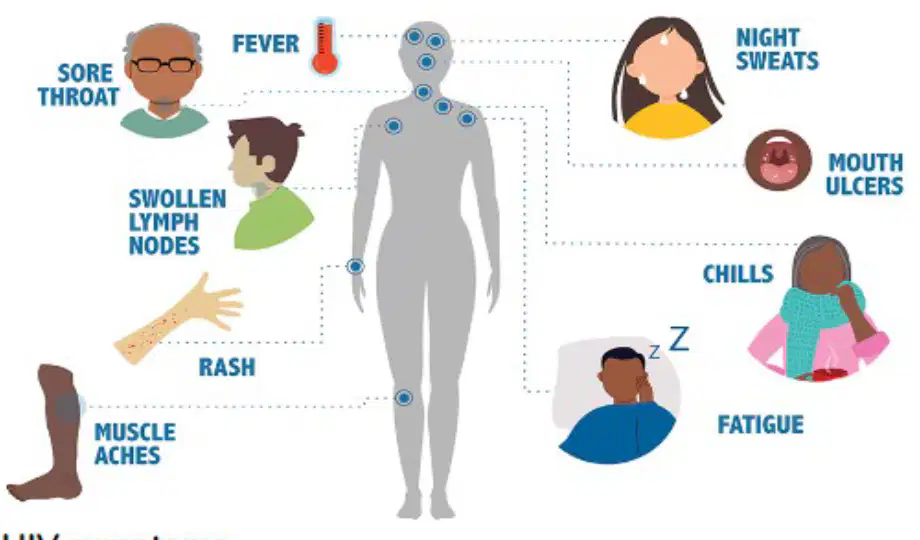
Which of the following is NOT a symptom that may appear within 2-4 weeks of HIV infection?
Fever
Headache
Rash
High blood pressure
Fill in the blank: Initially, HIV infection is usually _________
asymptomatic
symptomatic
fatal
painful
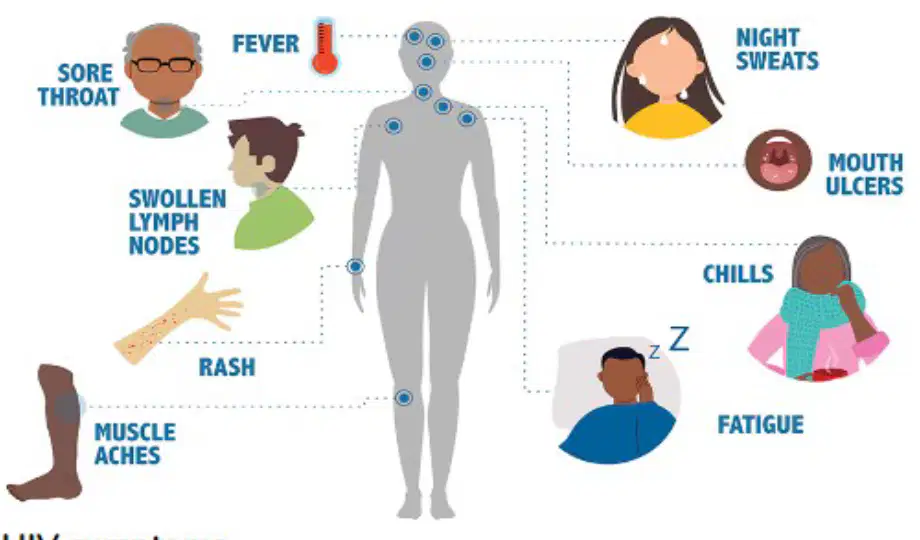
Which of the following symptoms are associated with the progression of HIV/AIDS?
Swollen lymph nodes
Weight loss
Night sweats
All of the above
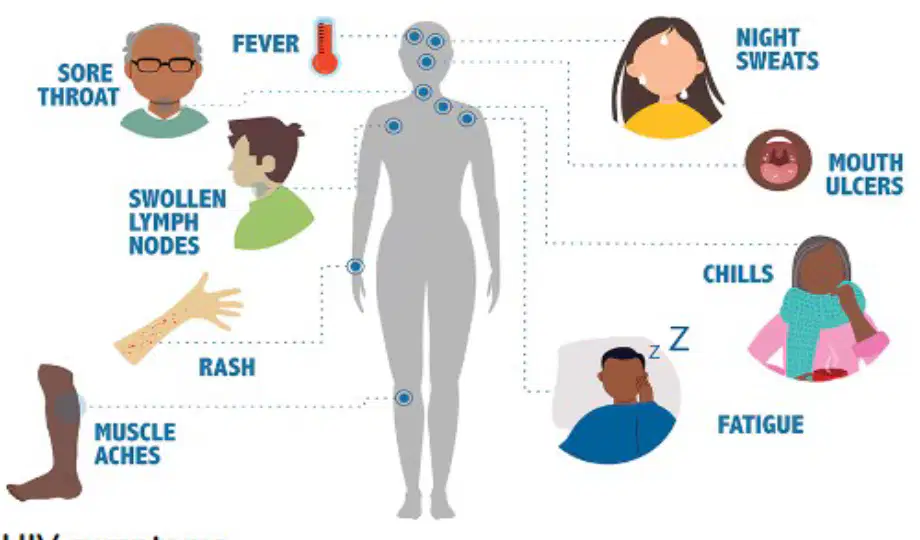
Rash and sore throat are possible early manifestations of HIV infection.
True
False
With progression, HIV/AIDS may cause ________, diarrhea, cough, and muscle aches.
fever
rash
headache
nausea
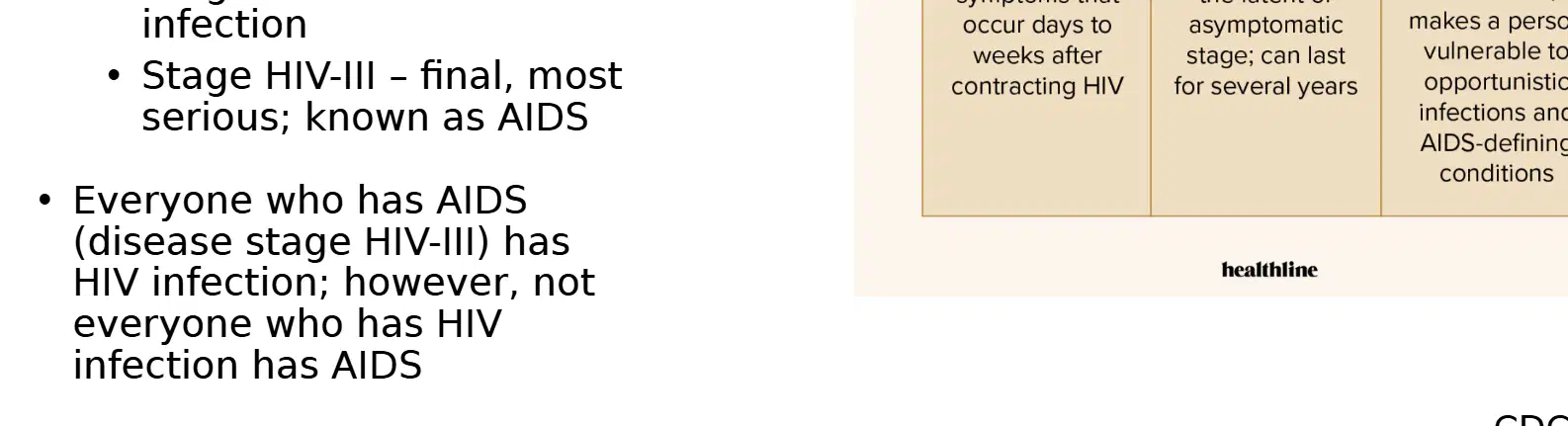
Which of the following is the first stage of HIV infection?
Chronic HIV
AIDS
Acute HIV
Latent HIV
Fill in the blank: Stage HIV-III is the final, most serious stage of HIV infection and is known as _____
AIDS
Hepatitis
Tuberculosis
Malaria
When the CD4 cell count falls below 200 cells/mm3 in an HIV-infected person, it indicates:
AIDS diagnosis
Complete recovery
HIV is cured
No change in health status

