
NEW
Font size
 Worksheets
Week 1 Review DAP
Total questions: 35
Worksheet time: 18mins
Where did evidence show that teeth were fastened together with gold during ancient times?
Egypt
Greece
China
India
The profession of dental assisting has evolved over time in which of the following ways?
It has expanded to include more specialized duties and advanced technology.
It has remained unchanged since its inception.
It has become less important in dental practices.
It has eliminated the need for formal training.
According to the information provided, the Chinese used silver paste for fillings how many years before the Western world?
500 years
1000 years
2000 years
1500 years
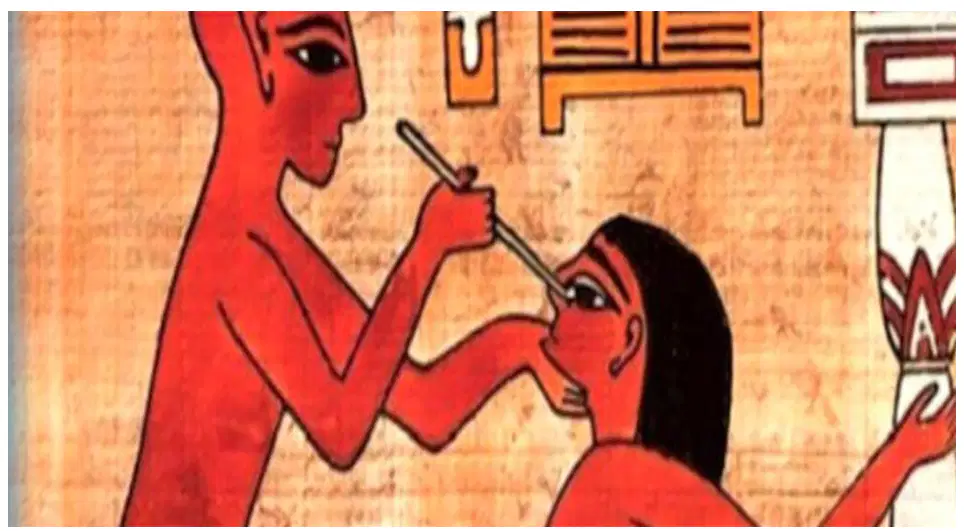
According to the Greeks, the practice of medicine and dentistry was based on worship of what?
Priesthood
Science
Royalty
Nature
Radiographs of mummified Thuya, mother-in-law of which Pharaoh, show indicators of gum disease?
Pharaoh Amenhotep III
Pharaoh Ramses II
Pharaoh Akhenaten
Pharaoh Tutankhamun
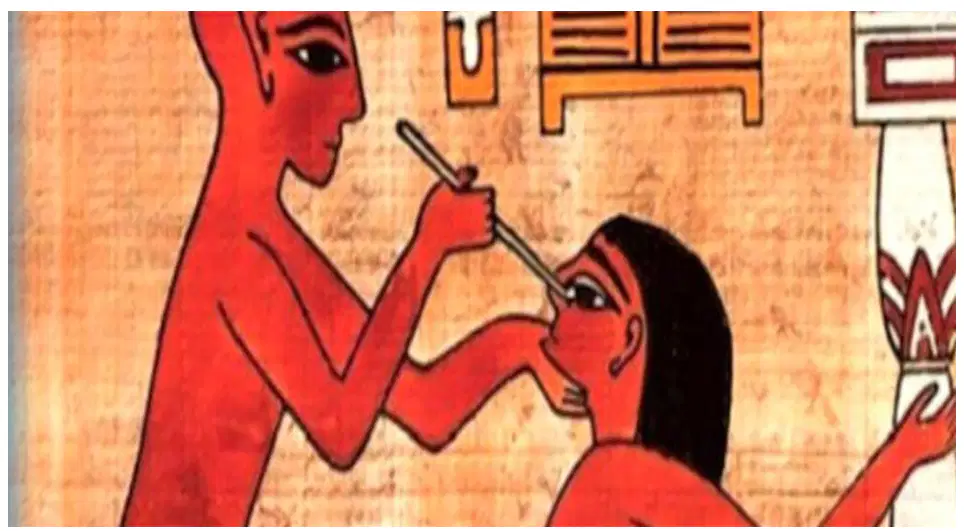
What did the Greeks use for dental hygiene?
Dentifrice and mouthwash
Olive oil and honey
Charcoal and lemon juice
Saltwater and rose petals
According to the information provided, there is evidence of dentistry in China as long ago as which year?
500 BC
2000 BC
1500 AD
1000 BC
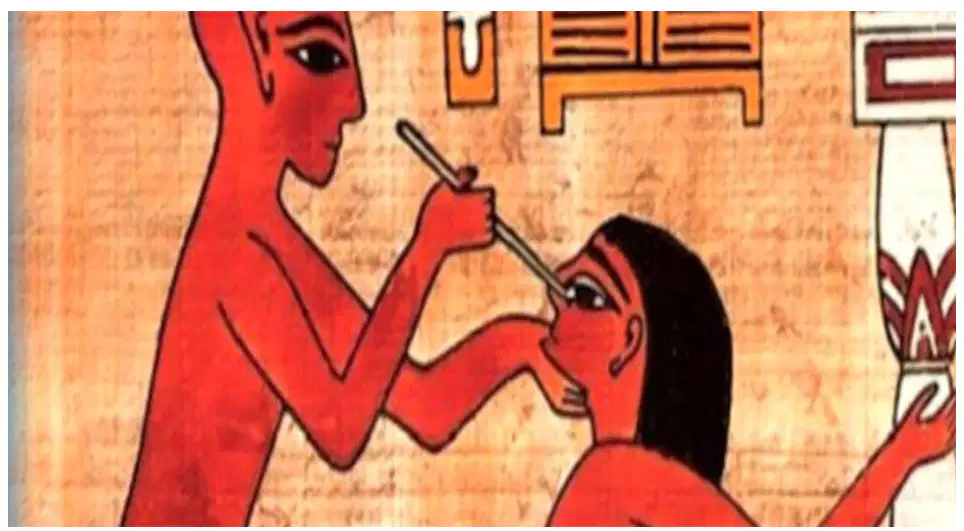
Greek writings show descriptions of what two aspects related to teeth?
Teeth formation and treatment of disease
Tooth color and taste
Tooth jewelry and decoration
Tooth size and number
According to the information about Rome, what did Roman medical texts contain?
Extensive writings about dental treatment
Recipes for cooking
Maps of the Roman Empire
Poetry collections
Romans had a high regard for oral hygiene.
True
False
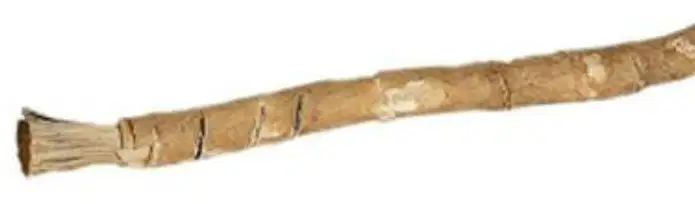
During the time of the Romans, what did many people believe was responsible for toothaches?
Toothworm
Sugar
Bacteria
Cold weather
During the Middle Ages and the Renaissance (500-1700), why was dental health important to the upper class?
It was required by law
Oral health, white teeth, and fresh breath were fashionable
It prevented all diseases
It was a religious practice
Fill in the blank: During the Middle Ages and the Renaissance (500-1700), barbers were divided into two groups: surgeons for complex procedures and ________ for bleeding, tooth extraction, routine hygiene, and shaving.
barber-surgeons
apothecaries
alchemists
blacksmiths
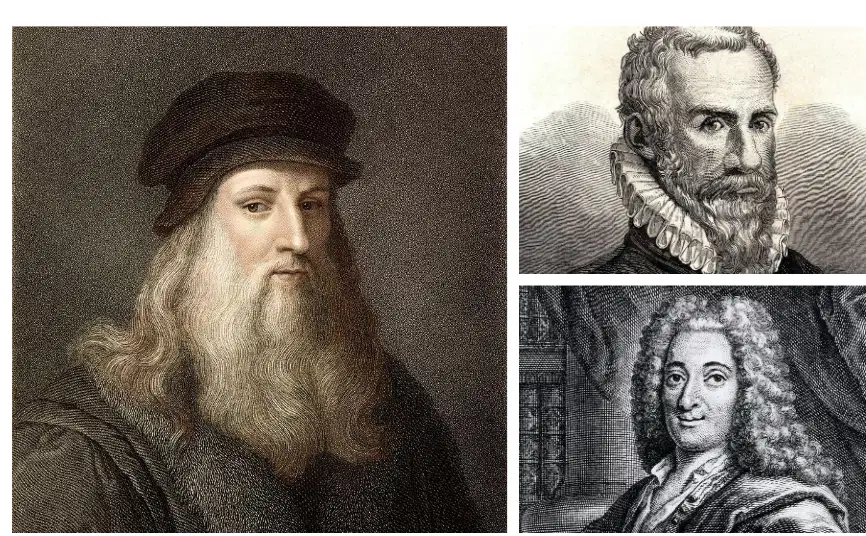
Who is considered the founder of modern dentistry?
Ambroise Paré
Pierre Fauchard
Leonardo da Vinci
John Hunter
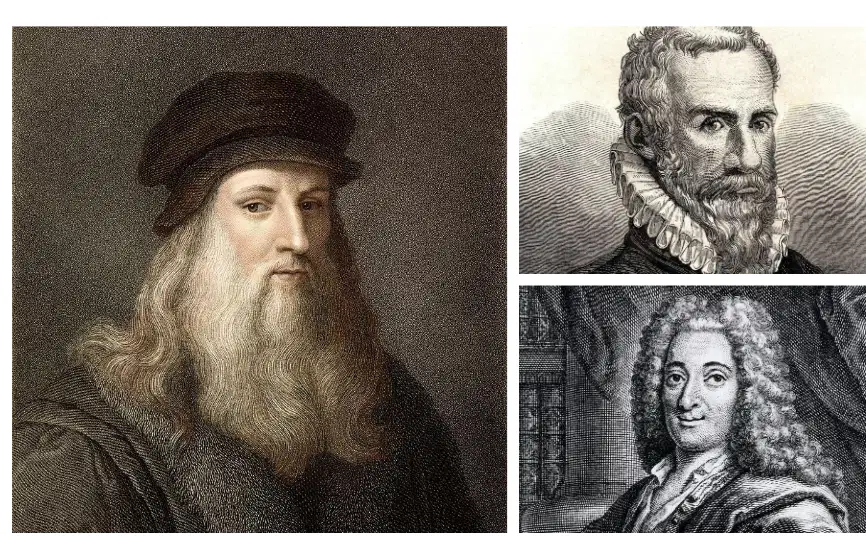
Who studied human anatomy and sketched every part of the human body during the Middle Ages and the Renaissance?
Ambroise Paré
Pierre Fauchard
Leonardo da Vinci
Andreas Vesalius
What skill were Romans known for in dental care?
Restoring decayed or missing teeth
Inventing toothpaste
Making jewelry
Building chimneys
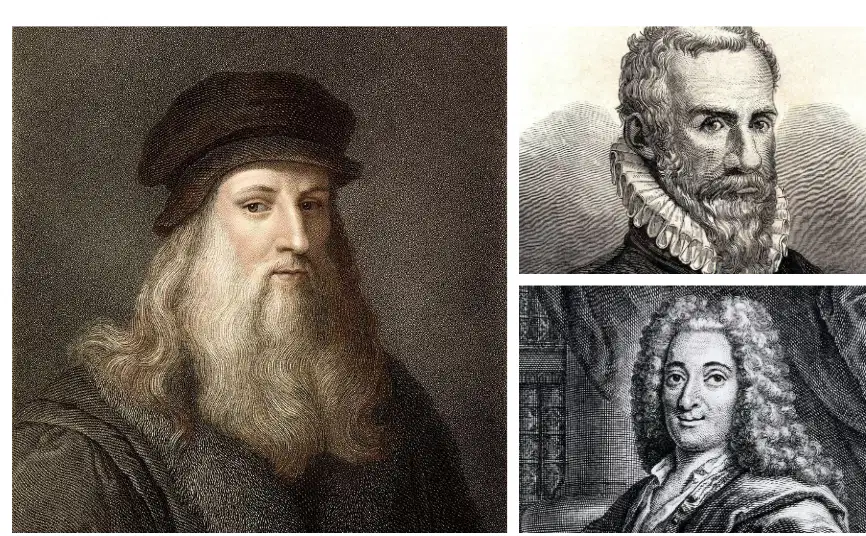
Who was the first to differentiate between molars and premolars?
Leonardo da Vinci
Ambroise Paré
Pierre Fauchard
Hippocrates
According to the information about the 18th Century (1701-1800), what were diets heavy with?
Sugar, sweet tea, wine, and alcohol
Vegetables and fruits
Meat and dairy
Grains and nuts
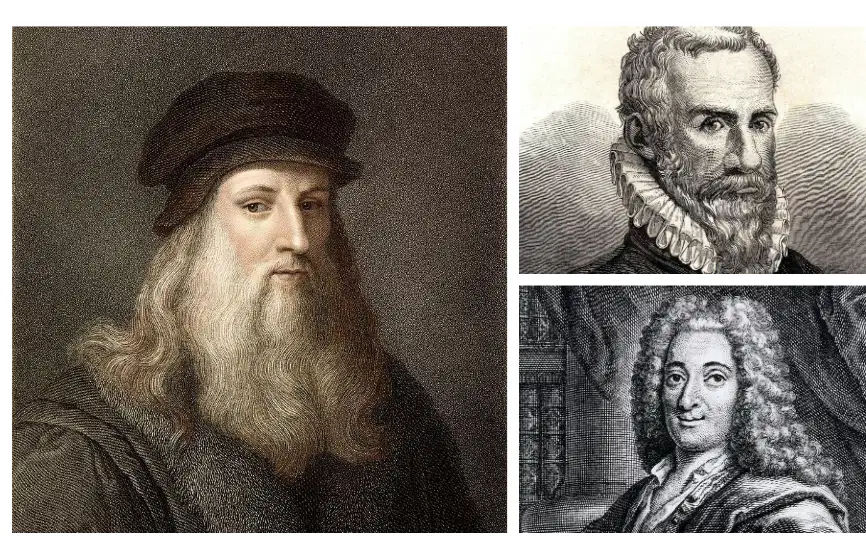
Pierre Fauchard is also known as the _________.
Father of Modern Dentistry
Father of Modern Surgery
Father of Modern Medicine
Father of Modern Pharmacology
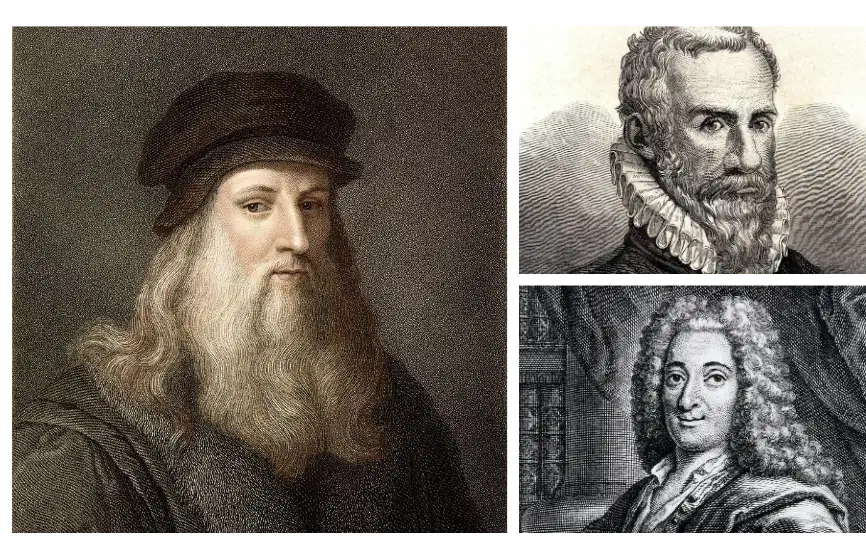
Who developed dentistry as a profession independent from medicine?
Leonardo da Vinci
Ambroise Paré
Pierre Fauchard
Andreas Vesalius
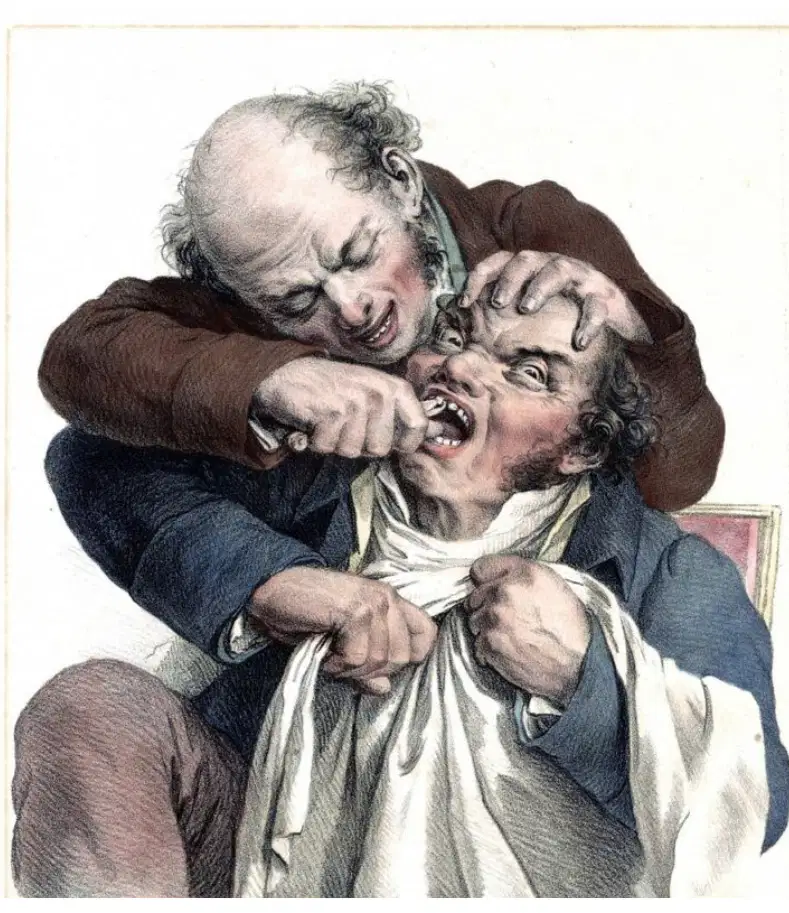
Tooth decay and barbaric dental care were common in the 18th Century (1701-1800).
True
False
In the 18th Century (1701-1800), there was ________ formal education in dentistry.
limited
extensive
mandatory
advanced
Name one notable individual in dentistry in the 18th century.
John Baker
Louis Pasteur
Pierre Fauchard
William Morton
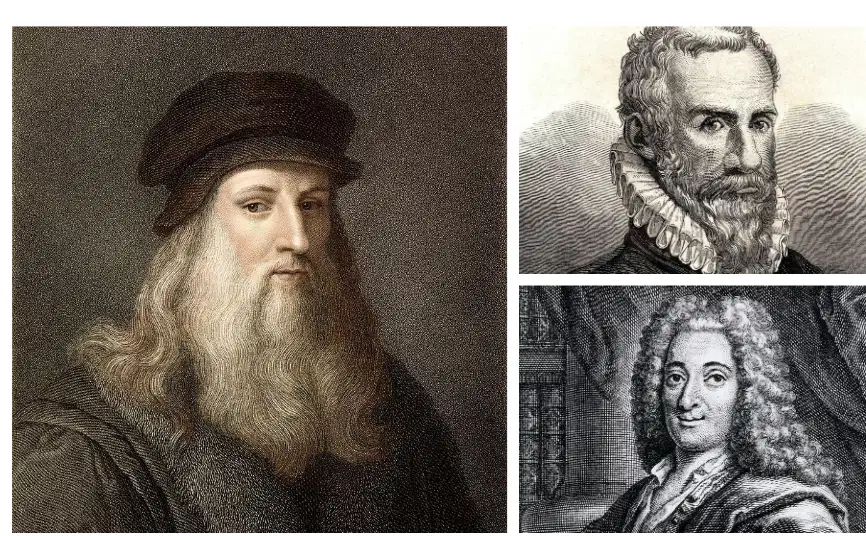
Who is known as the father of modern surgery?
Pierre Fauchard
Ambroise Paré
Leonardo da Vinci
William Harvey
Name one notable individual in dentistry in the 18th century.
Horace Hayden
Pierre Fauchard
G.V. Black
Edmund Kells
Which century is known as 'The Birth of a Profession' for dentistry, where it moved away from medicine and achieved its own identity?
17th Century
18th Century
19th Century
20th Century
Who became the first woman dentist in the United States?
Emeline Robert Jones
Lucy Hobbs Taylor
Clara Barton
Elizabeth Blackwell
What was the main emphasis shift in dentistry during the 19th century?
From tooth preservation to tooth extraction
From tooth extraction to tooth preservation
From surgery to medicine
From medicine to surgery
Toothpaste in a tube was developed during the 19th century.
True
False
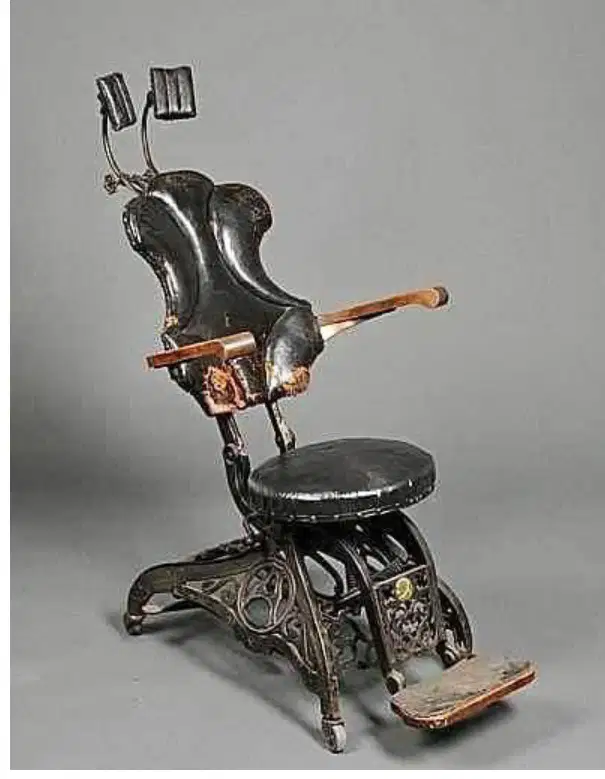
Name one major advance in dentistry during the 19th century shown in the image.
First reclining dental chair
Introduction of fluoride toothpaste
Invention of electric toothbrush
Discovery of dental X-rays
Wilhelm Conrad Roentgen was the founder of _________?
X-rays
Toothpaste
Floss
the dental telescope
Name one notable woman in dentistry from the following list:
Lucy Hobbs-Taylor
Helen E. Myers
Mary Smith
Anna Johnson
In the 18th and early 19th centuries, dental schools throughout the world did not accept ______ students. (Fill in the blank)
female
international
graduate
young
Who were some of the women that broke barriers in dental education?
Lucy B. Hobbs-Taylor and Nellie E. Pooler Chapman
Clara Barton and Florence Nightingale
Elizabeth Blackwell and Marie Curie
Amelia Earhart and Sally Ride
The MDA textbook was coauthored by 2 women, Torres and Ehrlich in what year?
1978
1976
1981
1985

