
 Worksheets
Topic 1.4-1.7 Practice Quiz
Total questions: 64
Worksheet time: 39mins
Which elements are found in all carbohydrates?
Carbon, hydrogen, oxygen
Carbon, nitrogen, oxygen
Carbon, hydrogen, nitrogen
Carbon, phosphorus, oxygen
What is the monomer unit of proteins?
Monosaccharide
Amino acid
Nucleotide
Fatty acid
Which of the following is a function of nucleic acids?
Energy storage
Information storage and transfer
Structural support
Catalyzing reactions
Which element is found in all nucleic acids but not in all carbohydrates?
Hydrogen
Nitrogen
Oxygen
Carbon
Which of the following is an example of a polysaccharide?
Glucose
Starch
Glycerol
Cholesterol
Which of the following best describes a saturated fat?
Contains double bonds between carbon atoms
Contains only single bonds between carbon atoms
Is liquid at room temperature
Is a polymer of amino acids
What is the primary structure of a protein?
The sequence of amino acids
The folding into alpha helices and beta sheets
The overall 3D shape
The association of multiple polypeptides
Which of the following is a monomer of nucleic acids?
Monosaccharide
Nucleotide
Fatty acid
Amino acid
Which element is found in proteins but not in carbohydrates or lipids?
Nitrogen
Oxygen
Hydrogen
Carbon
Which of the following is a function of lipids?
Catalyzing chemical reactions
Long-term energy storage
Genetic information storage
Immediate energy source
Which of the following best describes a dehydration reaction?
Breaking a polymer into monomers by adding water
Joining monomers to form a polymer by removing water
Breaking a polymer into monomers by removing water
Joining monomers to form a polymer by adding water
Which structural difference distinguishes DNA from RNA?
DNA contains uracil, RNA contains thymine
DNA contains deoxyribose, RNA contains ribose
DNA is single-stranded, RNA is double-stranded
DNA contains phosphate, RNA does not
Which of the following best explains why unsaturated fats are liquid at room temperature?
They have more hydrogen atoms
They have kinks in their fatty acid chains due to double bonds
They are made of amino acids
They have no carbon atoms
Which level of protein structure is directly affected by hydrogen bonding between backbone atoms?
Primary
Secondary
Tertiary
Quaternary
Which of the following is a correct pairing of a biomolecule and its monomer?
Carbohydrate - fatty acid
Protein - amino acid
Lipid - nucleotide
Nucleic acid - monosaccharide
Which of the following best describes the quaternary structure of a protein?
The sequence of amino acids
The folding of a single polypeptide chain
The association of multiple polypeptide chains
The formation of alpha helices
Which of the following is a difference between DNA and RNA nucleotides?
DNA nucleotides contain ribose; RNA nucleotides contain deoxyribose
DNA nucleotides contain thymine; RNA nucleotides contain uracil
DNA nucleotides contain uracil; RNA nucleotides contain thymine
Both contain the same nitrogenous bases
Which of the following is a property of phospholipids that makes them important in cell membranes?
They are completely hydrophobic
They have both hydrophilic and hydrophobic regions
They are made of nucleotides
They are polymers of glucose
Which of the following best explains the role of hydrolysis in the digestion of proteins?
It joins amino acids together
It breaks peptide bonds by adding water
It removes water to form peptide bonds
It forms disulfide bridges
Which of the following is a correct match between a biomolecule and an example?
Carbohydrate - cholesterol
Lipid - triglyceride
Protein - cellulose
Nucleic acid - insulin
A student is given a sample and told it contains carbon, hydrogen, oxygen, and nitrogen, but no phosphorus. Which biomolecule could it be?
Nucleic acid
Protein
Lipid
Carbohydrate
A mutation causes a change in the primary structure of a protein. Which levels of protein structure could be affected as a result?
Only primary
Primary and secondary
All levels (primary, secondary, tertiary, quaternary)
Only tertiary and quaternary
Given the following sequence: adenine, ribose, phosphate group, which type of nucleic acid is this nucleotide most likely a part of?
DNA
RNA
Protein
Lipid
A food contains molecules with long hydrocarbon chains and a carboxyl group at one end. Which type of biomolecule is this?
Protein
Nucleic acid
Fatty acid (lipid)
Carbohydrate
If a cell needs to quickly access energy, which biomolecule will it most likely break down first?
Lipid
Protein
Carbohydrate
Nucleic acid
A scientist discovers a molecule with the formula C6H12O6 . Which class of biomolecule does this most likely belong to?
Protein
Carbohydrate
Lipid
Nucleic acid
A mutation changes a single base in a DNA sequence from adenine to guanine. What is the most direct effect of this change?
The primary structure of a protein may change
The secondary structure of a protein will change
The lipid composition of the cell will change
The carbohydrate content of the cell will increase
A student adds water to a disaccharide and observes the formation of two monosaccharides. What type of reaction has occurred?
Dehydration synthesis
Hydrolysis
Polymerization
Denaturation
Which of the following best explains why phospholipids form bilayers in water?
Their hydrophobic tails avoid water while hydrophilic heads interact with water
They are completely hydrophobic
They are made of amino acids
They are polymers of glucose
A researcher finds a molecule that contains carbon, hydrogen, oxygen, nitrogen, and phosphorus. Which biomolecule could this be?
Carbohydrate
Lipid
Protein
Nucleic acid


The process illustrated in the figure is called:
condensation
protein synthesis
hydrolysis
dehydration synthesis
Which of the following shows the 3 parts of a nucleotide of a DNA molecule?
Phosphate, ribose, adenine
Phosphate, amino acid, thymine
Phosphate, deoxyribose, guanine
Phosphate, ribose, valine
What type of bond links amino acids together in a protein?
Peptide bond
Glycosidic bond
Ester bond
Phosphodiester bond
Which of the following best describes the function of cellulose in plants?
Enzyme catalysis
Structural support
Energy storage
Genetic information transfer

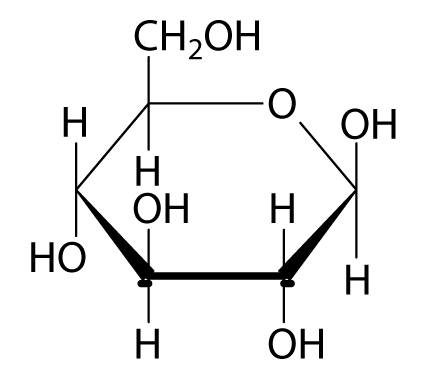
Label the image with the best word.
Fatty acid
Nucleotide
Amino acid
Glucose
Protein
What part of amino acid varies from one amino acid to the next?
Amino Group
Carbon Group
Carboxylic Group
R Group
Which of the following does not correctly match the biomolecule with its monomer (building block)?
Protein: is made up of amino acids
Nucleic acid: is made up of amino acids
Nucleic acid: is made up of nucleotides
Carbohydrate: is made up of monosaccharides
how a macromolecule is constructed?
What does "structure= function" mean?
The shape of something will determine its job, or what it can do
A building will tell you what you need to graph in your calculator
The shape of something will determine what it is made of
Which of the following biomolecules typically contains both nitrogen and phosphate?
Lipid
Protein
Nucleic Acid
Carbohydrate


Which macromolecule is composed of Carbon, Hydrogen, Oxygen, Nitrogen, and Phosphorus
carbohydrates
lipids
nucleic acids
proteins


Primary Structure
Secondary Structure
Tertiary structure
Quaternary Structure
Sequence of amino acids
Primary Structure
Secondary Structure
Tertiary structure
Quaternary Structure
Regions stabilized by hydrogen bonds between atoms of the polypeptide backbone
Primary Structure
Secondary Structure
Tertiary structure
Quaternary Structure

Regions stabilized by hydrogen bonds between atoms of the polypeptide backbone
Primary Structure
Secondary Structure
Tertiary structure
Quaternary Structure
Three-dimensional shape stabilized by interactions between side chains
Primary Structure
Secondary Structure
Tertiary structure
Quaternary Structure
Hydrophobic interaction. As a polypeptide folds into its functional shape, amino acids with hydrophobic (nonpolar) side chains usually end up in clusters at the core of the protein, out of contact with water.
Primary Structure
Secondary Structure
Tertiary structure
Quaternary Structure
Covalent bonds called disulfide bridges may further reinforce the shape of a protein. Disulfide bridges form where two cysteine monomers, which have sulfhydryl groups (¬SH) on their side chains, are brought close together by the folding of the protein.
Primary Structure
Secondary Structure
Tertiary structure
Quaternary Structure

Primary Structure
Secondary Structure
Tertiary structure
Quaternary Structure
Association of two or more polypeptides
Primary Structure
Secondary Structure
Tertiary structure
Quaternary Structure
Overall protein structure that results from the aggregation of two or more polypeptide subunits.
Primary Structure
Secondary Structure
Tertiary structure
Quaternary Structure

Primary Structure
Secondary Structure
Tertiary structure
Quaternary Structure

