
 Worksheets
Biology Intermediate Final Competition Quiz
Total questions: 117
Worksheet time: 2hrs 40mins
Which type of cells do all sense organs contain?
ciliated
effectors
mesophylls
receptors
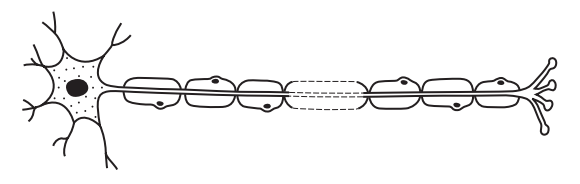
The diagram shows a cell.
What type of cell is shown?
ciliated cell
motor neurone
relay neurone
sensory neurone
A bright light suddenly shines into a person’s eyes.
What happens?
The lenses become more concave.
The lenses become more convex.
The pupils become larger.
The pupils become smaller.
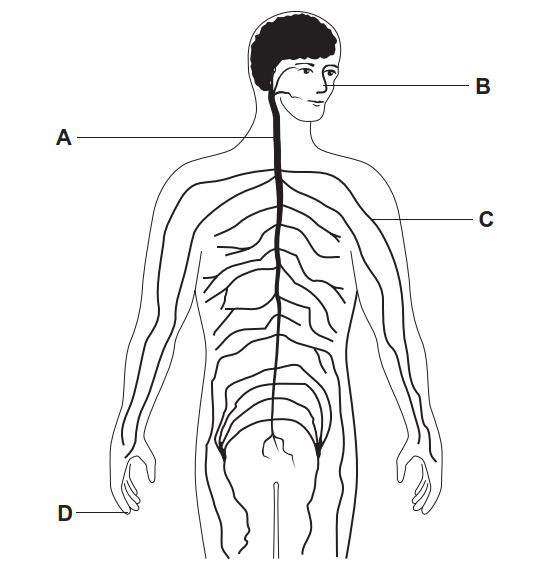
The diagram shows the human nervous system.
Which letter indicates a part of the central nervous system?
A
B
C
D
Which list describes the correct sequence of a simple reflex arc?
A receptor, relay neurone, motor neurone, sensory neurone, effector
B receptor, relay neurone, sensory neurone, motor neurone, effector
C receptor, sensory neurone, motor neurone, relay neurone, effector
D receptor, sensory neurone, relay neurone, motor neurone, effector
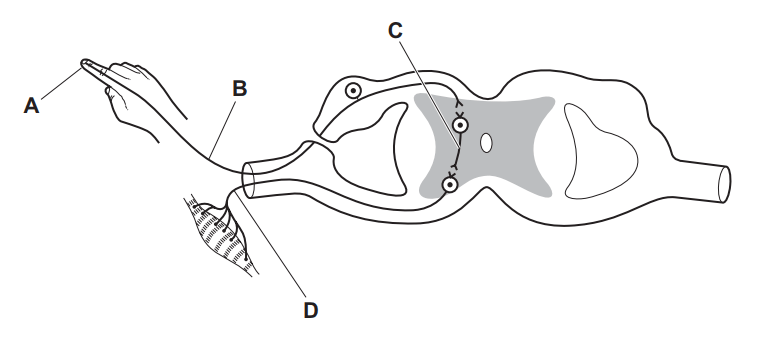
The diagram shows a simple reflex arc.
Which labelled part is the sensory neurone?
A
B
C
D
How can we best describe a nerve impulse?
An electrical signal that passes along nerve cells called neurones
A chemical signal that is transferred to an electrical signal
An electrical charge that travels in nerve endings
Brain's response to an unfavourable change
Which of the following are involuntary actions?
I Riding a bicycle
II Heart beat
III Blinking eye
IV Peristalsis
I and II
I and III
II and IV
III and IV
Which statement about light receptors in the retina of a normal human eye is correct?
The cones only work in dim light
The rods are found in the fovea.
There are three types of cones.
There are three types of rod.
What is the job of the optic nerve?
To carry nerve impulses to the brain
To convert light to electrical signal
To react to too much light
To help bending light
What is the chemical used by a neuron to transmit an impulse across a synapse to another nerve cell?
Neurotransmitters
Synapse
Threshold
Impulse
Which of the following are the external stimuli?
Sugar level
Light intensity
Osmotic pressure of blood
Cholesterol level
Responses are carried out by organs or tissues known as
Stimulus
Responses
Effectors
Receptor

What does the peripheral nervous system consist of?
the brain and spinal cord
the brain and nerves
the nerves outside the brain and spinal cord
the spinal cord only

Letter B is the:
Glomerulus
nephron
renal artery
ureter

In what region of the kidney does filtration take place?
Medulla
Cortex
Pelvis
Ureter

What part of the urinary system is indicated by the arrow?
ureter
urethra
bladder
kidney

Which artery supplies the kidney with oxygenated blood?
Hepatic
Coronary
Renal
Carotid
Letter B is the:
Glomerulus
nephron
renal artery
ureter
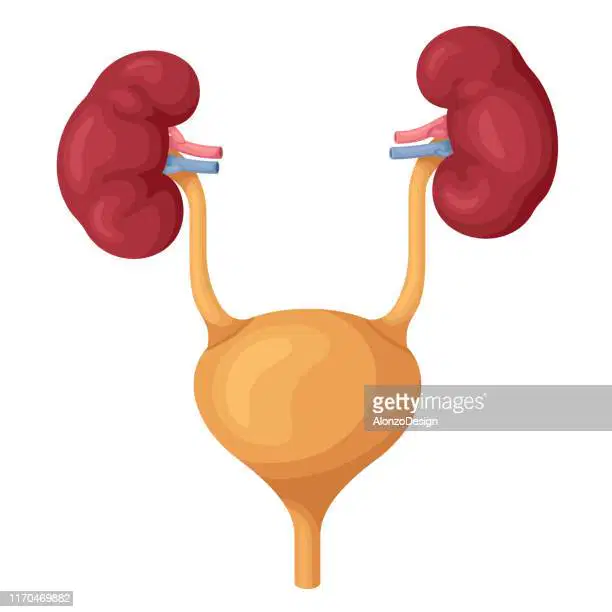
Urine flows down the ureters and into the (a) , where it is stored.

(a) is removed from the blood by the kidneys. The kidneys also remove excess water and excess ions from the blood, and produce urine.
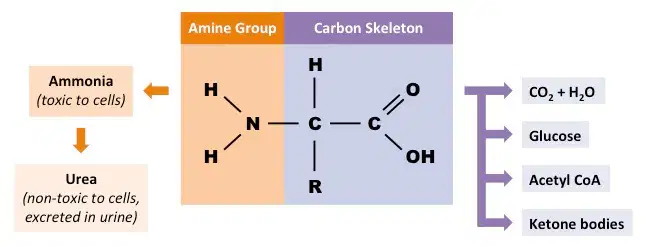
The part containing the energy is kept, turned into carbohydrate and stored. The rest, which is the part that contains nitrogen, is turned into urea. This process is called _______.
deamination
homeostasis
filtration
excretion

This figure shows part of the human excretory system. What is the structure numbered 6?
bladder
kidney
urethra
ureter
This figure shows part of the human excretory system. What is the structure numbered 7?
bladder
kidney
adrenal gland
renal artery
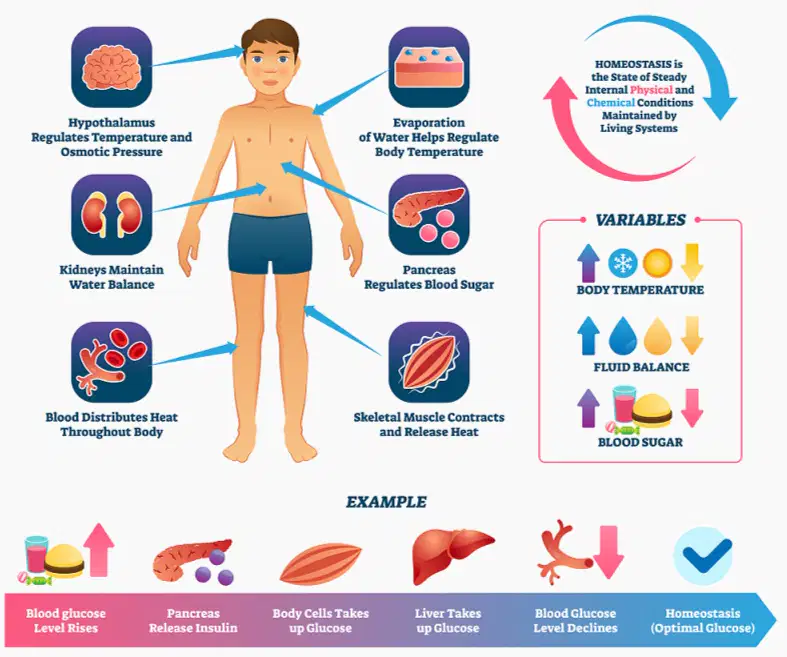
Which is a definition of homeostasis?
the excretion of urea by the kidneys
the maintenance of a constant internal environment
the reduction of blood glucose concentration by insulin
the removal of carbon dioxide from the lungs
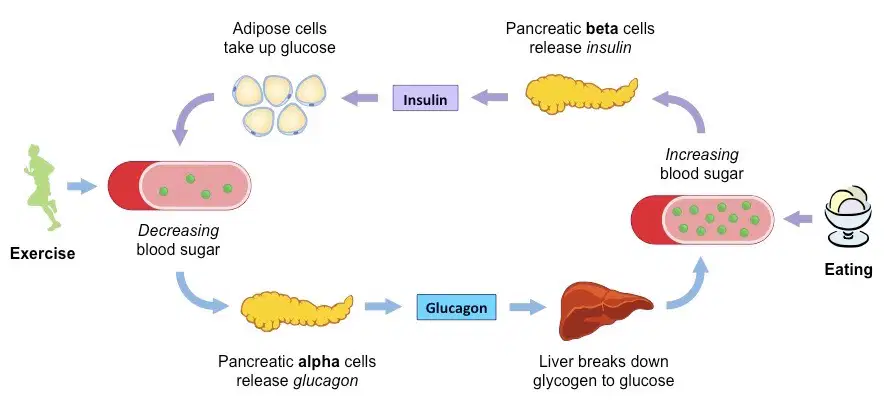
When the blood glucose level rises above the normal range, the secretion of ______ triggers the uptake of glucose from the blood into body cells, decreasing the blood glucose concentration.
insulin
adrenalin
glucagon
oestrogen
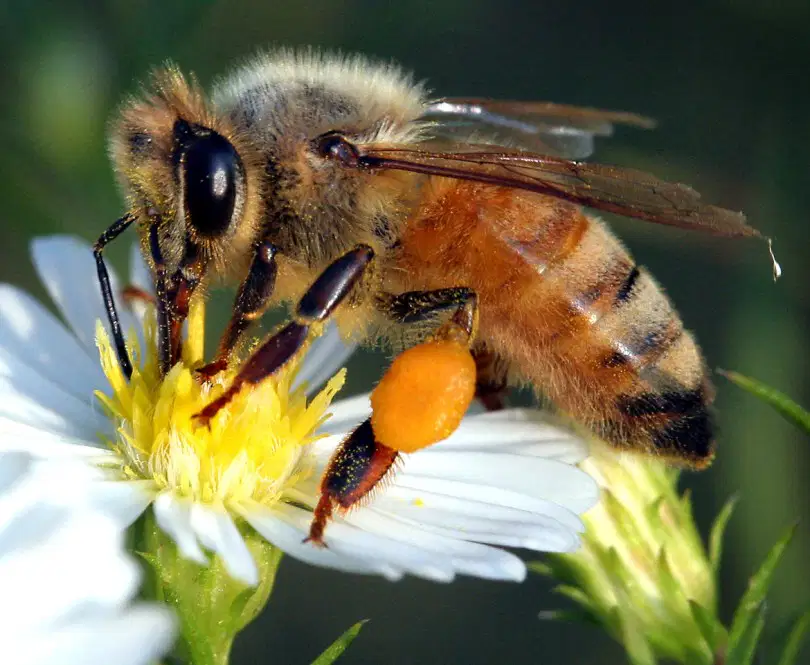
When bees fly from flower to flower what are they doing for the plant?
Asexual reproduction
Pollination
Photosynthesis
Vasculation
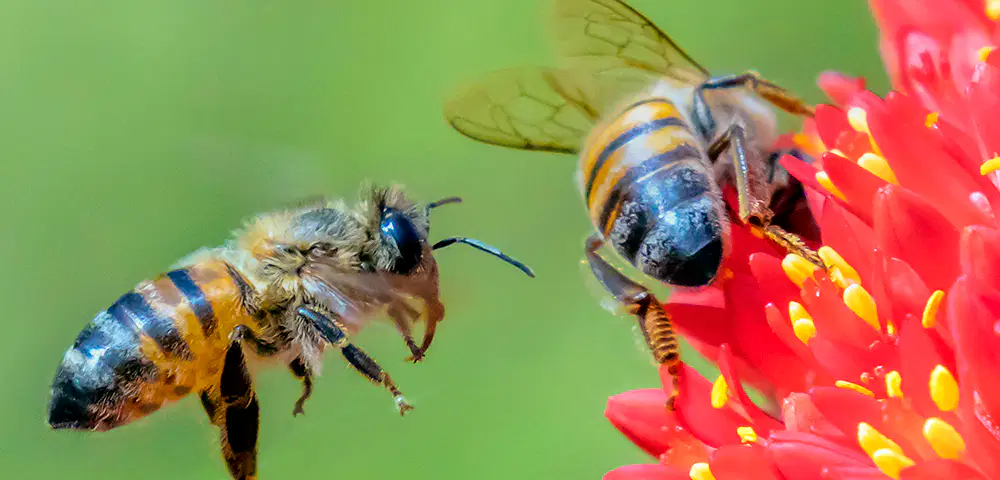
Bees help pollinate plants by picking up pollen. From Which part of the plant does the bee pick up pollen?
stamen
carpel
petal
sepal

What is the main function, or job of the flower?
to make seeds for new plants (reproduction)
to help in the process of photosynthesis
to make chlorophyll
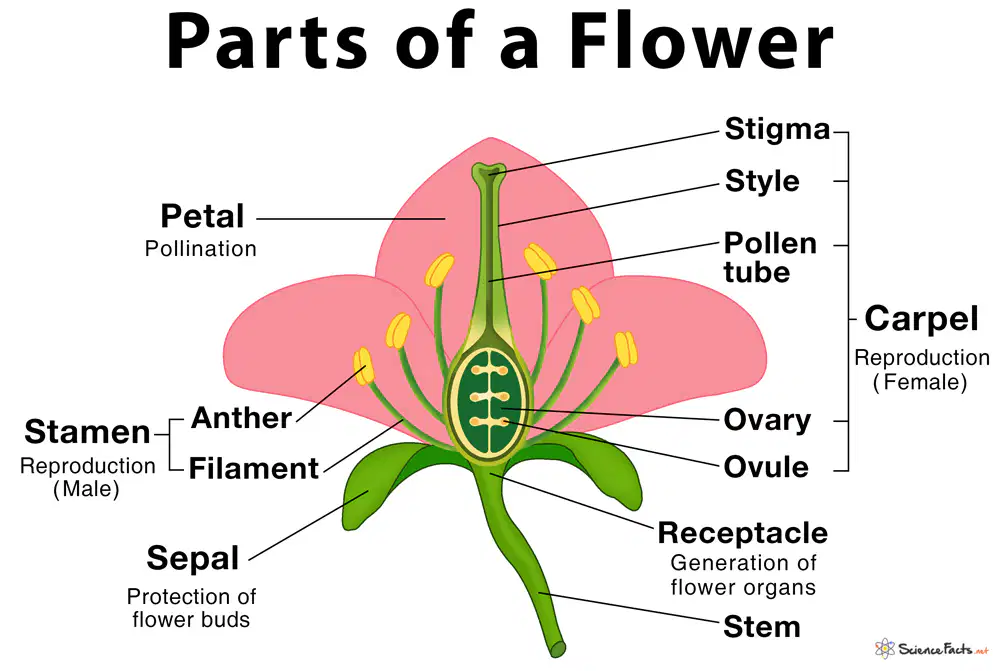
What is the the female reproductive part of a flower
carpel
stamen
sepal
petal
The combining of egg and sperm in animals and plants is a type of asexual reproduction.
True
False

A type of reproduction that only involves only one parent:
Asexual Reproduction
Sexual Reproduction
Diverse
Uniform

When gametes are being made, cells divide in a different way, called _____.
meiosis
mitosis
pollination
germination
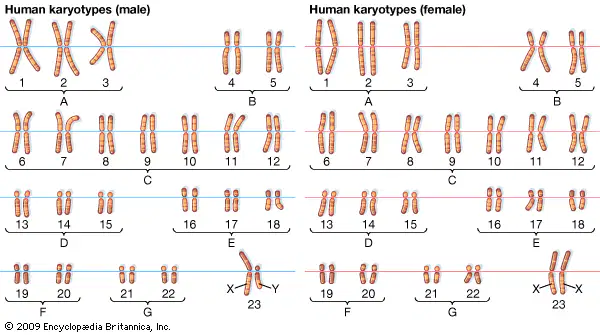
A cell or a nucleus that has two complete sets of chromosomes is said to be _____.
haploid
diploid
gamete
nucleus
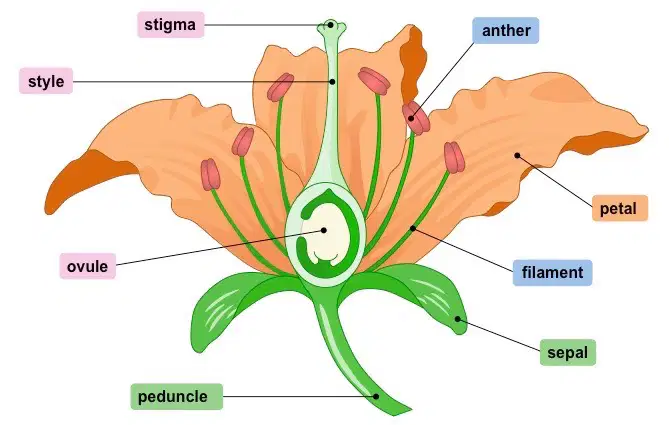
This is the structure of a simple (a) .
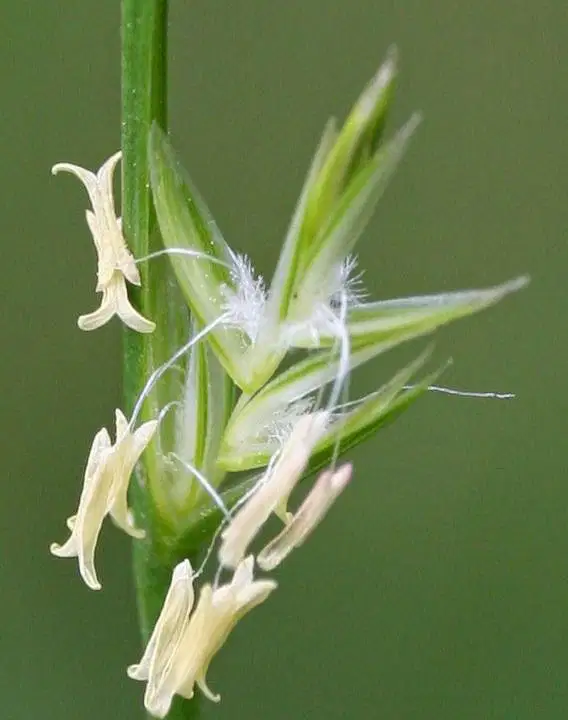
In some plants, it is the ___ which carries the pollen between flowers. This is a grass flower, which is an example of a ____-pollinated 风媒传粉 flower.
(a)
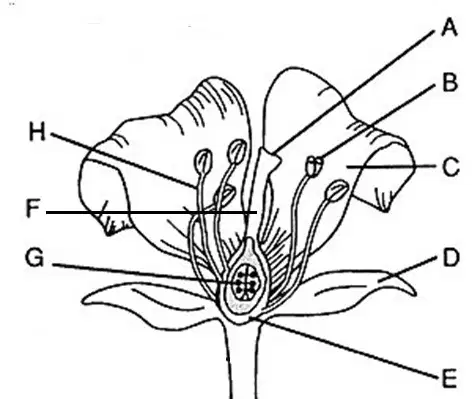
A
Stigma
B
Anther
C
petal
D
sepal
E
ovary
Reorder the following for plant sexual reproduction:
Pollen is dropped on the stigma
pollen tubes begin to grow into the style
male gamete fuses with the female gamete
a zygote is formed
The fruit and/or seed begins to grow

Where do eggs form, this starts before a girl is born and when born a girl will have thousands of eggs that are partly developed?
ovaries
testes
uterus
fallopian tube

amniotic sac
is a strong membrane that surrounds the fetus
umbilical cord
transports blood to and from the fetus and the placenta
fetus
when an embryo has developed most of its organs.
placenta
where substances are exchanged between the mother's blood and the embryo's blood.
implantation
when the embryo sinks into the thick spongy lining of the uterus
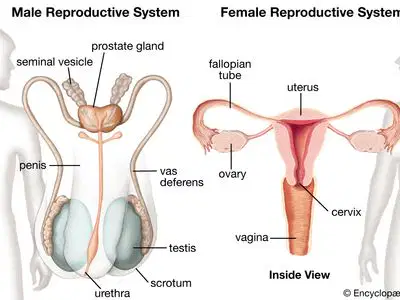
What area of the testis are sperm made?
ovaries
tubules
epididymus
fallopian tubes
Place these in the proper order:
ovulation
egg meets sperm in the oviduct
slowly zygote travels towards the uterus
implantation occurs
embryo and placenta grow
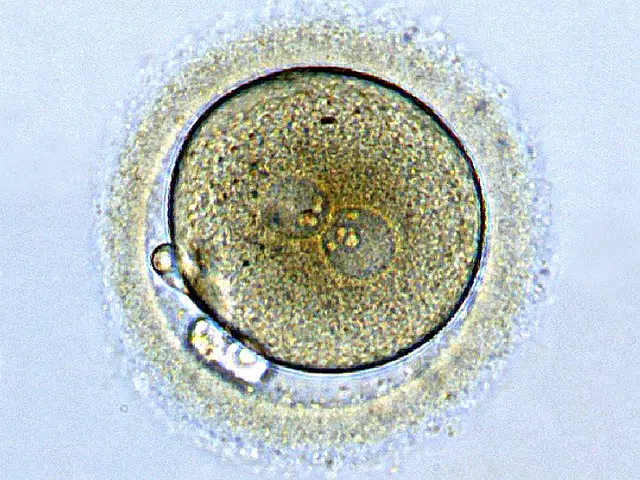
Choose the proper definition of zygote:
When the sperm and the egg nucleus have fused together.
when the egg leaves the ovary
when the sperm leaves the testis
when the embryo starts forming the placenta
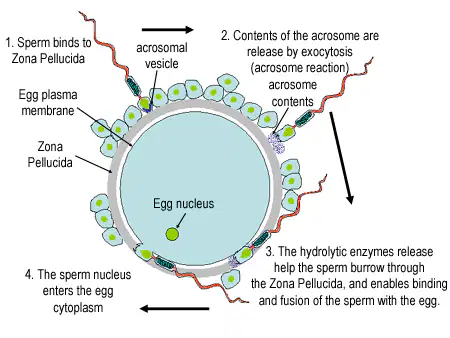
Place in the proper order of the fertilisation process:
sperm cell contacts jelly coat surrounding the egg cell
acrosome is activated
digestive enzymes released and jelly coat is digested.
Head of sperm pushes through to cytoplasm of egg
nucleus of sperm fuses with nucleus of egg.

How long does the multi-step process of fetilization take to complete:
about 1 hour
about 7 days
about 24 hours
about 9 months

The liquid that surrounds the growing fetus is called:
amniotic fluid
semen
umbilical cord
morula

The gland that produces a fluid called semen:
prostate gland
cervix
bladder
testis

Eggs can move using the flagellum an adaptation to help them swim.
True
False
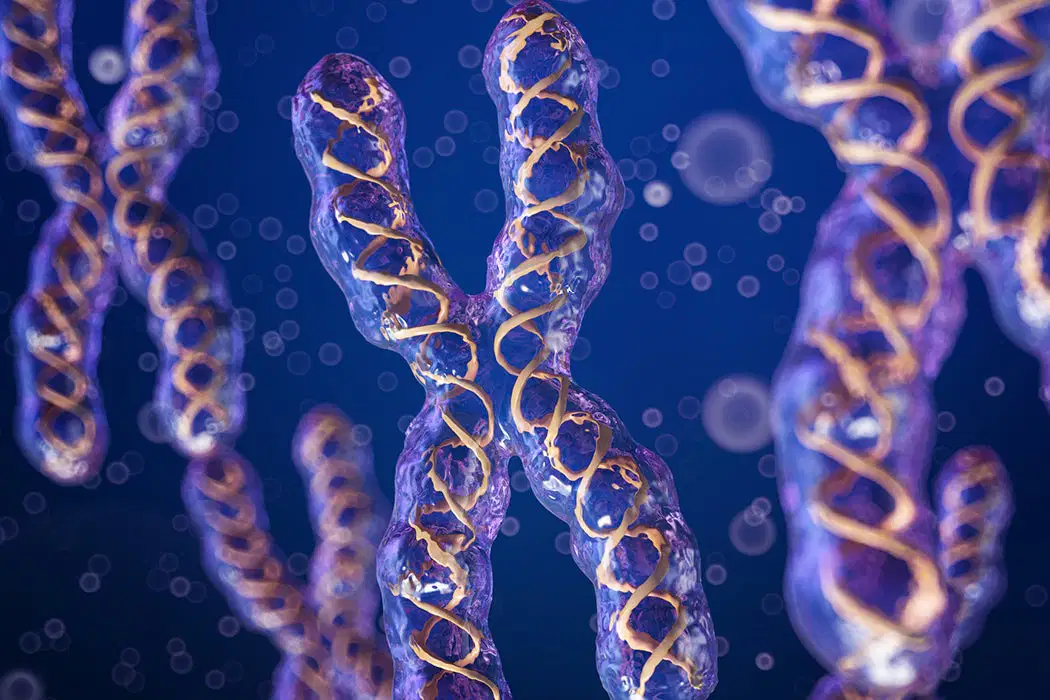
A (a) is a thread-like structure made up of (b) . (c) are found in the (d) of each cell.
chromosome
DNA
Chromosomes
nucleus

A part of a DNA molecule with the instructions for making one kind of protein is called a (a) .
A complex molecule containing the genetic information that makes up the chromosomes.
DNA
A single-stranded nucleic acid that contains the sugar ribose
RNA
In (genetics) an organism or cell having two sets of chromosomes or twice the haploid number
Diploid
In (genetics) an organism or cell having only one complete set of chromosomes
Haploid
two identical chromosomes that split and contain the same genetic material
Chromatids

(a) produces new (b) to make the body grow (c) , or to (d) damaged cells.
Mitosis
cells
larger
replace
Which sex chromosomes are found in the gametes of a man?
X or Y
X only
Y only
none
Click on the area where you are expected to find DNA.

What do you inherit genes from?
Your parents
The food you eat
Your brothers and sisters
The activities you do

A part of a (a) molecule with the (b) for making one kind of (c) is called a (d)
DNA
instructions
protein
gene
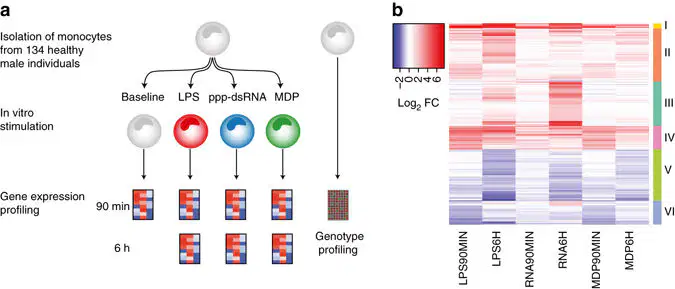
What are the different forms of a gene called?
chromatid
centromere
allele
diploid
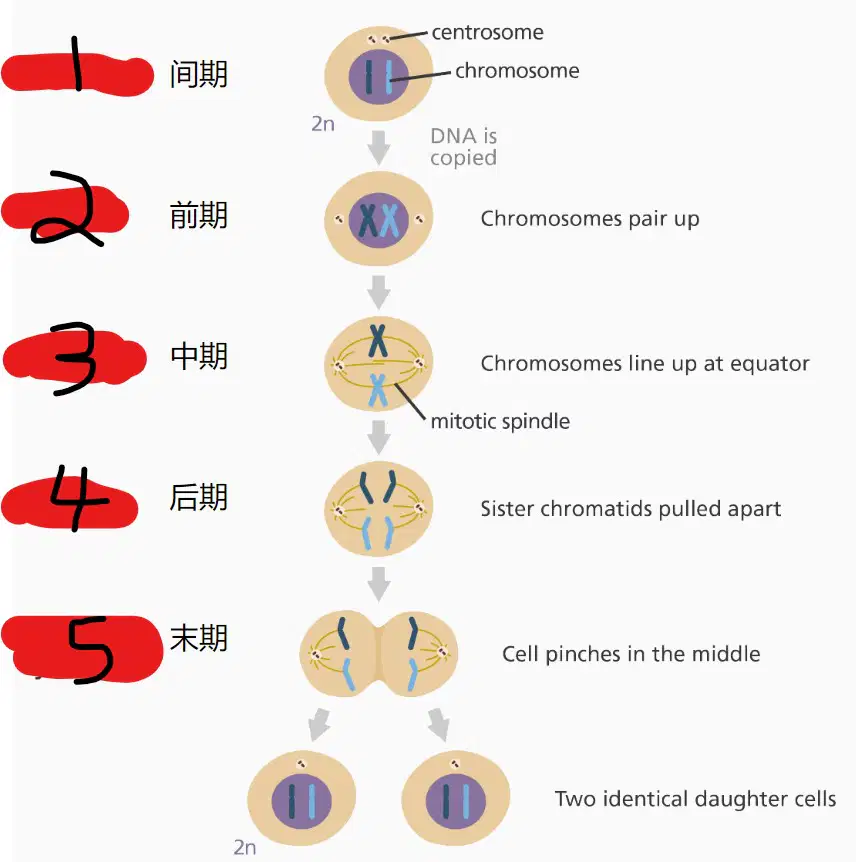
Please match the nembers in the picture to the phases of mitosis.
1
interphase
2
prophase
3
metaphase
4
anaphase
5
telophase & cytokenisis
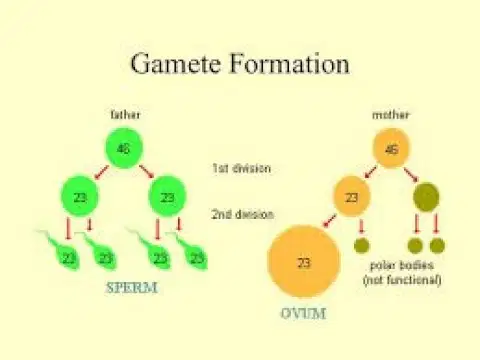
Human (a) are formed by the (b) of cells in the ovaries and (c) . The cells divide by a special type of cell division called (d) (reduction division)
If a person has 2 different alleles for a gene, they are (a) , but if they have 2 of the same alleles, they are (b) .

T - tall and t = short
In the punnett square below, what belongs in the missing square
tt
Tt
Bb
TT
The physical appearance of a trait is known as the-
genotype
phenotype
Homozygous
intelligence
The genotype for a yellow plant is...
Match the following nucleotide bases the way they form base pairs:
Adenine
Thymine
Cytosine
Guanine
Thymine
Adenine
Guanine
Cytosine

A segment of DNA that codes for a protein is a _______________________.
Genes
Alleles
Traits
Chromosomes

What is translation?
the process in which DNA is copied to make another molecule of DNA
the process in which DNA is coded into mRNA
the process in which mRNA is decoded into a protein
the process in which enzymes break down mRNA

Organisms with traits that are best suited for their environments are likely to have a greater chance for survival. These helpful traits, which arise due to genetic mutations, are known as _____________________.
Mutation
Adaptations
Natural Selection
Evolution

In 1859, Charles Darwin proposed a theory based on the concept of natural selection. His theory explains the evidence of the gradual changes of all organisms over millions of years. This theory is known as the Theory of __________________.
Mutation
Adaptations
Natural Selection
Evolution
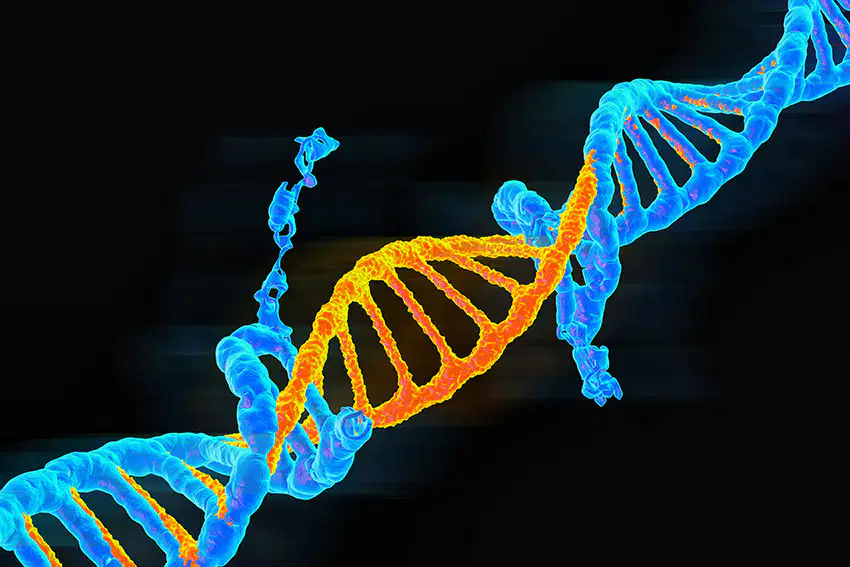
Any change in the sequence of DNA is a
recombination
mutation
chromatin
independent assortment

a long neck of a giraffe
building a nest
regulation of body functions
production of a toxic substance
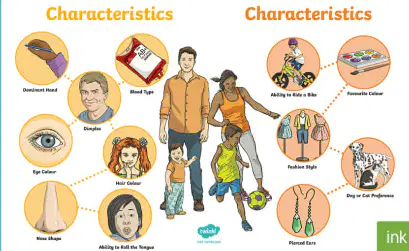
adaptable
physical
more
inherited

true
false
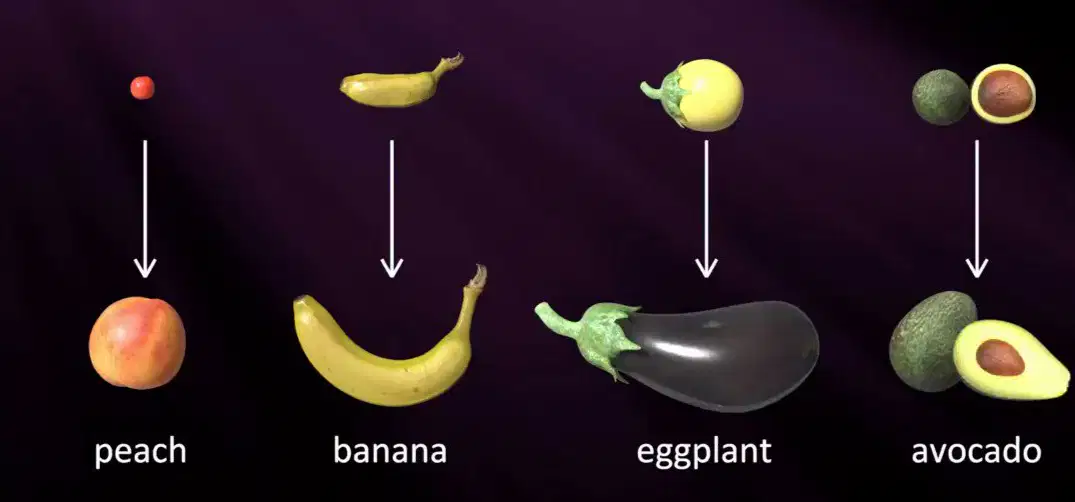
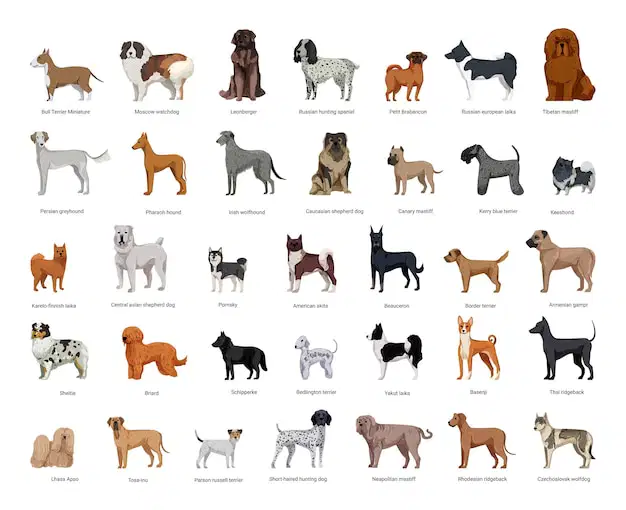
__________________ is when human breed plants or animals to get specific traits. ex. Dogs
artificial selection
natural selection
biological selection
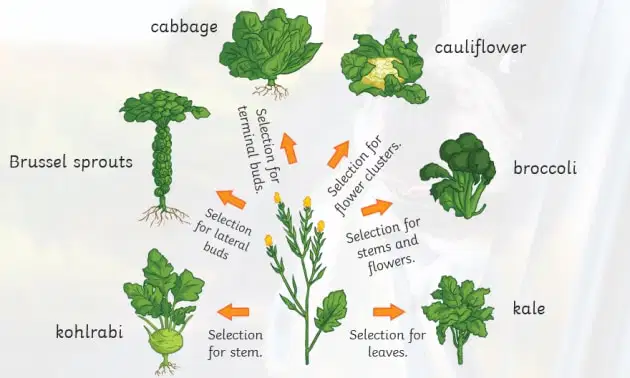
Process of humans breeding animals or plants with desired traits
Environmental Variation
Selective Breeding
Adaptive Feature
Genetic Engineering

Natural selection is known as " (a) " is a popular term that refers to the process of natural selection, a mechanism that drives evolutionary (b) . Natural selection works by giving individuals who are better (c) to a given set of (d) an advantage over those that are not as well adapted.
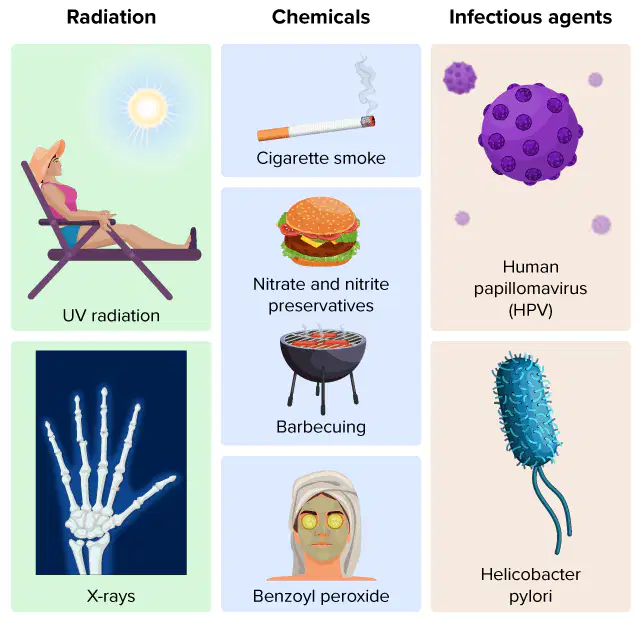
The following image are examples of ________________.
Mutagens
Mutaitons
Chromosomes
Germ Cells
(a) is an example of (b) while (c) is an example of (d) variation. Discontinuous variation is almost always caused only by (e) .
Which statement best describes the comparison of lake and ocean environments?
The lake and ocean environments support the same organisms because they are both water and are made up of the same elements.
The lake and ocean environments support different organisms because most freshwater organisms cannot live in saltwater.
The lake and ocean environments support the same organisms, but they will look different because of the type of water.
The lake and ocean environments support different organisms because ocean organisms are blocked by land from getting into lakes.
Which is a biotic component of environment?
Plants
Animals
Microorganisms
All of these
Soil, water and air are ……………… components of a habitat.
Biotic
Solid
Abiotic
Liquid
All strategies and adaptations a species uses for survival?
mutualism
biotic factors
habitat
niche
parasitism
Grizzly Bears that live in the same forest at the same time form a(n) ___________.
Population
Ecosystem
Community
Habitat
A flood destroys almost all of the animals' homes in a nearby forest, forcing many animals to live in a smaller area or to move somewhere else entirely. Since the flood, which basic need is probably NOT being met by the forest habitat?
The need for air.
The need to reproduce.
The need for water.
The need for shelter.
A network or web of feeding interactions, through which both energy and matter move is known as
a biomass pyramid
a food chain
a food web
a numbers pyramid
Examples of decomposers and diritivores are (more than one answer)
earthworms
dung beetles
fungi
bacteria
Each step in a food chain or food web is called
a trophic level
an upper level
a lower level
the green level
In a pyramid of energy each trophic level gains only about ___________ of the energy from the source that it consumes.
10%
20%
30%
40%

At what population was carrying capacity met?
250
1000
400
720
Factors that affect population size:
INCREASE: Number of ___________ & ____________
(Choose 2 answers)
Birth
Death
Immigration
Emigration
Nitrogen fixation...
animals eat the plants and other animals that contain nitrogen and release it through their waste
Bacteria in the soil and lightning in the atmosphere “fix” the nitrogen
Once in the ground, bacteria in the soil also nitrify the nitrogen
plants absorb nitrogen through their roots and return it back to the atmosphere
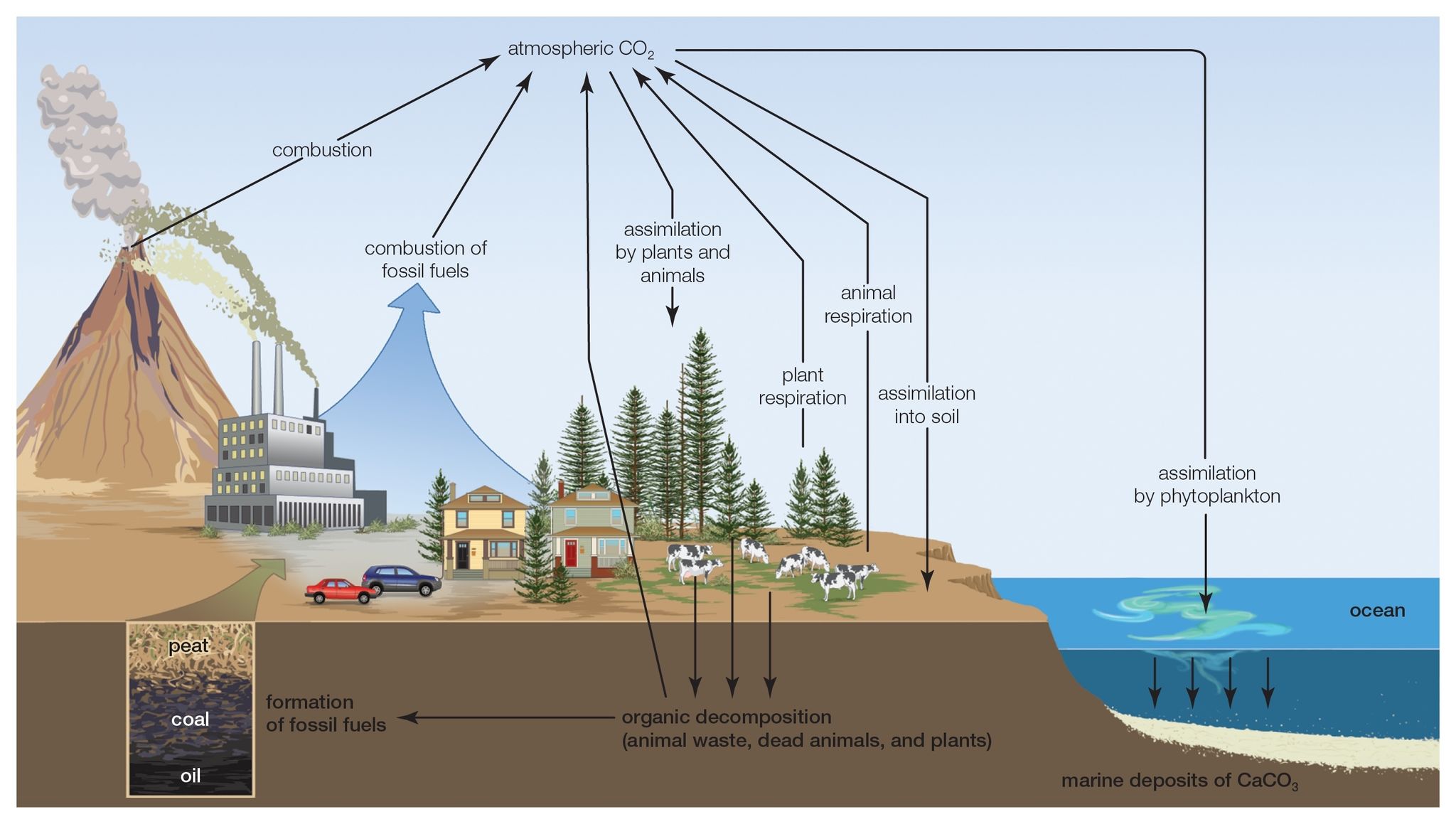
volcanoes
combustion of fossil fuels
animal and plant respiration
all of these
The number of different species in an area is referred to as its
niche diversity
climate
habitat fragmentation
biodiversity
If all members of a species disappear from Earth, the species is said to be
extinct
endangered
threatened
keystone
What is the name for the trapping of heat by gases in the atmosphere.
gas shield
ecological footprints
carbon footprint
greenhouse effect
Eutrophication is
too few nutrients in a body of water.
too many nutrients in a body of water.
high acid levels in a body of water.
high alkalinity levels in a body of water.
This is the practice of choosing individuals of a species to mate based on their desirable characteristics
Bacterial recombination
Natural selection
Genetic modification
Selective breeding
Which of these is the correct definition of genetic modification/genetic engineering?
Choosing individuals to mate based on desired characteristics
Observing genetic changes in populations over time based on adaptive traits
Extracting stem cells to differentiate into specialized tissues
Altering the DNA of an organism at the molecular level
What is a monoculture?
a section of land where one species grows
a section of land where two species grow
a section of land where 6 species grow
a section of land where 15 species grow
A fuel formed from living organisms such as plants & animals.
Fossil Fuel
Bio Fuel
Eco Fuel
Plant Fuel
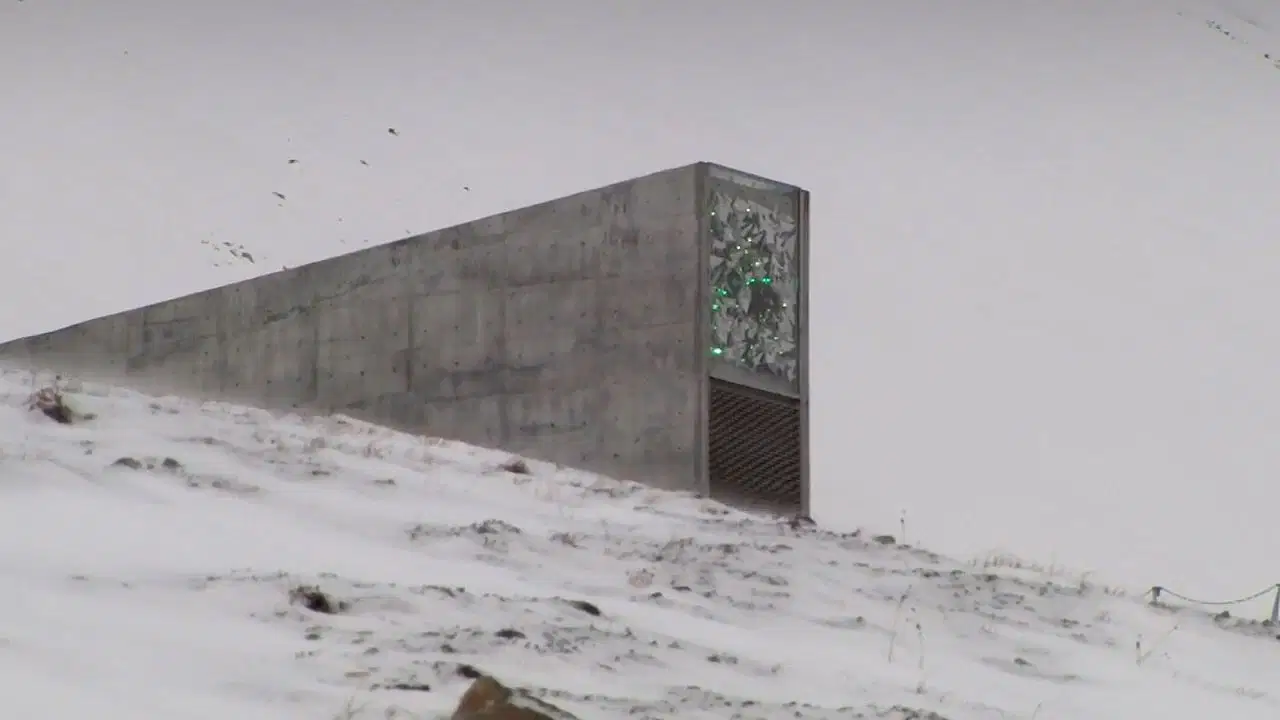
What is an institutions that preserve seed types as a kind of living museum of genetic diversity?
seed bank
genetic storehouse
captive breeding
Botanical Garden

Which are most closely related to biotechnology?
medicine and agriculture
construction and engineering
electricity generation
communication and information technology

Which best describes a controversial issue associated with the use of genetically modified crops?
the use of genetically modified crops to increase potential yield
the short term use of genetically modified crops in helping people in developing countries
the development of genetically modified crops which are resistant to herbicides
the long term effects which may arise from the use of genetically modified crops

Which of the following is the process of using technology to create or change the DNA of living things?
Genetic modification
Machinery
Pest resistant crops
Transpiration
Which of these is not a way in which biotechnology can benefit agriculture?
increase crop population
reducing the loss of crops due to insects
producing better-tasting food
improving farm machinery
Which of these is a type of genetic modification?
Pure breeding
Kidney Surgery
Gene inserting
Use of herbicides

Step 1: The process begins by identifying the part of (a) – the gene – that codes for the production of a desired (b) . Enzymes called (c) are used to cut the DNA on either side of the (d) . These enzymes cut DNA molecules at particular points. They leave short lengths of unpaired bases at either end of the cut DNA, called (e) .

Step 2: Next, (a) are removed from (b) . The ring of DNA in the plasmid is cut, using the same (c) that were used for cutting the human DNA. The reason for using the same restriction enzyme is so that the (d) on the plasmid DNA are complementary to the sticky ends that were left on the (e) .

Step 3:
The human (a) and the cut plasmids are now mixed together. The sticky ends on the human DNA pair up with the complementary sticky ends on the plasmid DNA. Another (b) , called (c) DNA 连接酶, links the two strands firmly together, closing the (d) . Now we have bacterial plasmids that contain the human gene. They are called (e) 重组质粒.
Step 4:
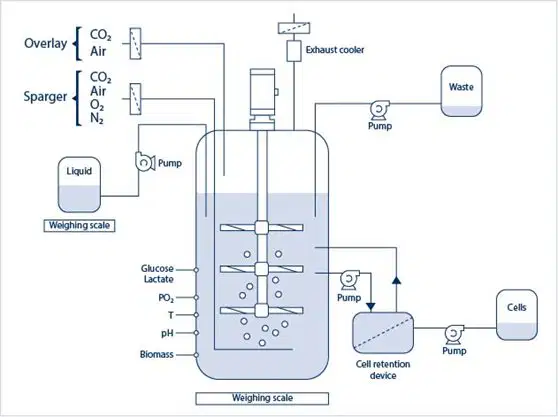
Next, these (a) are added back to the (b) . These are now genetically modified bacteria because they contain (c) as well as their own. The GM bacteria are put into (d) , where they reproduce asexually to form large populations. They express the gene for the human protein – that is, they use the code on the human DNA to make the (e) , which can be extracted from the fermenters and purified.

Which of the following is true for Golden rice?
It has yellow grains, because it was soaked in yellow dye
It is Vitamin A enriched, with can help prevent child blindness
It is pest resistant, with a gene from Bacillus thuringiensis
It is drought tolerant, developed using Agrobacterium vector

