Worksheets
Quarter 1 PMA Review
Total questions: 94
Worksheet time: 47mins
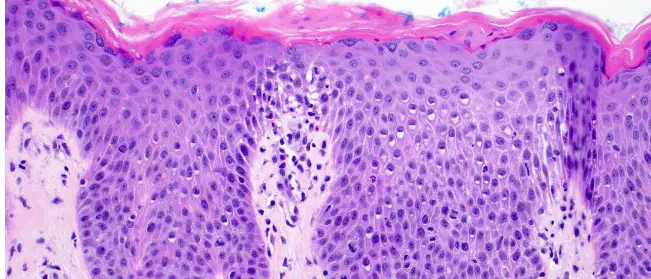
What type of microscope is being used here ?
Compound microscope
Scanning Electron microscope
Dissecting microscope
Transmission Electron microscope
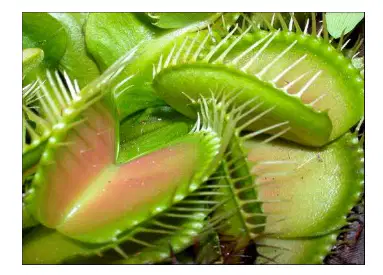
What type of microscope is being used here ?
Compound microscope
Scanning Electron microscope
Dissecting microscope
Transmission Electron microscope
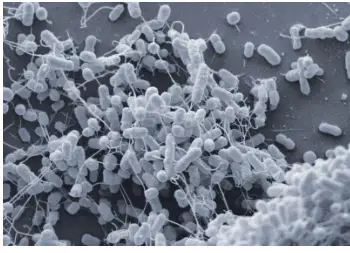
What type of microscope is being used here ?
Compound microscope
Scanning Electron microscope
Dissecting microscope
Transmission Electron microscope
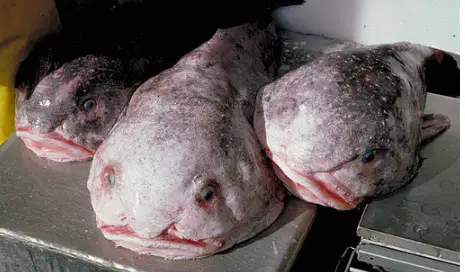
What type of microscope is being used here ?
Compound microscope
Scanning Electron microscope
Dissecting microscope
Transmission Electron microscope
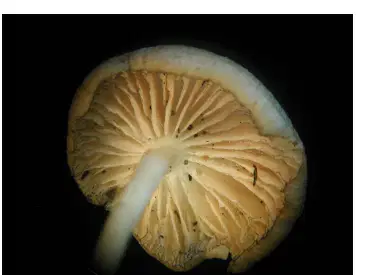
What type of microscope is being used here ?
Compound microscope
Scanning Electron microscope
Dissecting microscope
Transmission Electron microscope
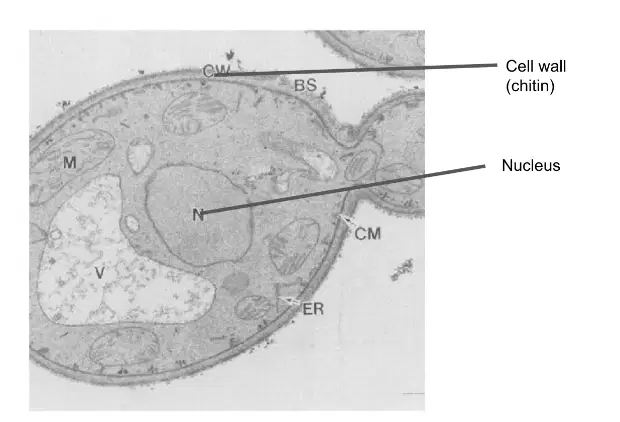
What type of microscope is being used here?
Compound microscope
Scanning Electron microscope
Dissecting microscope
Transmission Electron microscope
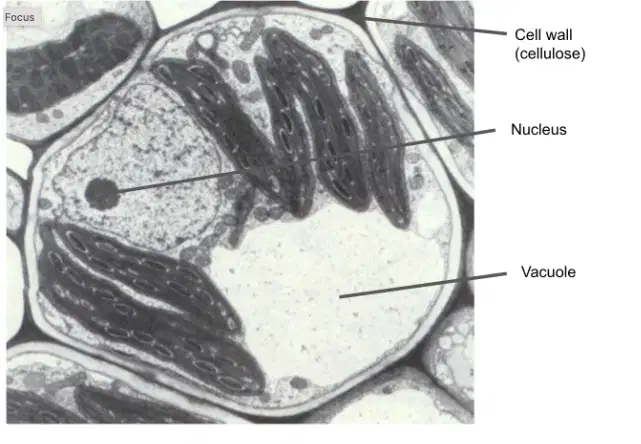
What type of microscope is being used here?
Compound microscope
Scanning Electron microscope
Dissecting microscope
Transmission Electron microscope
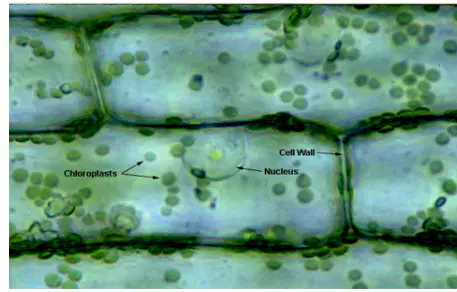
What type of microscope is being used here?
Compound microscope
Scanning Electron microscope
Dissecting microscope
Transmission Electron microscope

Was this micrograph captured with a light microscope or electron microscope?
Light Microscope
Electron Microscope

Which description best fits the image?
A low power scope used light to show details of the cell
A high power scope used electrons to show the surface of the cell
A medium power scope used light to show details of the cell
A high power scope used electrons to show inside the cell
Which microscope would be most suitable for studying the overall shape and structure of a small insect?
Compound
Dissecting
Scanning Electron
Transmission Electron
Choose which 2 microscopes COULD produce 2-D images:
Dissecting
Compound
Scanning Electron
Transmission Electron
Choose which 2 microscopes COULD produce 3-D images:
Dissecting
Compound
Scanning Electron
Transmission Electron
Choose which 2 microscopes have HIGH power:
Dissecting
Compound
Scanning Electron
Transmission Electron
Choose which microscope has MEDIUM power:
Dissecting
Compound
Scanning Electron
Transmission Electron
Choose which microscope has LOW power:
Compound
Scanning Electron
Transmission Electron
Dissecting

This image shows the inner structures of a bone cell. Which microscope was used to produce this image?
Scanning Electron
Dissecting
Compound
Transmission Electron

Which organism has the most available energy
Grass
Deer
Hawk
Insect-eating bird

In the picture, what organisms are considered decomposers? (check all that apply)
Insect-eating Bird
Bacteria
Mountain Lion
Snake
Fungi
Producers are found at the bottom of the pyramid because producers
Provide energy for the consumers
Have less mass than consumers
Depend on consumers
Have fewer species than consumers
In an energy pyramid, the total energy available for consumption from one trophic level to the next one above it is:
Reduced
Conserved
Multiplied
Evenly distributed
How is energy released by an organism? (This includes plants and animals.)
It is used up by the animal and not released
It is recycled by decomposers
It is stored as biomass
It is released into the ecosystem as heat.

What would happen to the frog population is insecticide was used by the pond?
Nothing, they wouldn't be affected
It would grow in number
It would decrease in number because the grasshopper population would be destroyed.
It would die off because of the insecticide

An arctic food web is shown. Suppose that the lemming population is removed from the web. Which of the following would be a likely short-term effect of this change?
The arctic fox population will increase.
The polar bear population will increase.
The caribou population will decrease.
The snowy owl population will decrease.

In the food web provided, which organism is considered an omnivore?
Grasshopper
Frog
Mouse
Hawk
What percent of energy moves on to each trophic level in a food chain?
1%
10%
100%
.01%
If the plant population decreased, the amount of carbon dioxide in the atmosphere would _________.
Stay the same
Increase
Decrease

The major source of energy and the driving energy source of the water cycle. __________________
moon
ocaen
Sun
atmosphere

a renewable resource is ....
a resource that forms much more slowly than it is consumed
a natural resource that can be replaced at the same rate at which it is consumed
any natural material that is used by humans
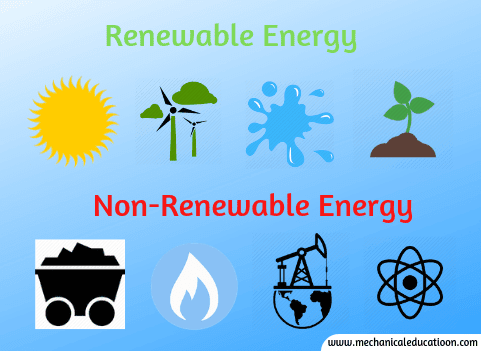
a nonrenewable resources is...
any natural material that is used by humans
a natural resource that can be replaced at the same rate at which it is consumed
a resource that forms much more slowly than it is consumed

Choose ALL the ways that using natural resources can be harmful...
mining and oil spills can damage ecosystems
they make our lives easier
burning coal or other fossil fuels can cause air and water pollution
used products can fill landfills or litter beaches and other natural areas

Choose ALL of the renewable resources
sun
coal
wind
fossil fuels
Earth (geothermal)

Choose ALL of the nonrenewable energy resources
sun
fossil fuels
nuclear fuel
wind
natural gas
What are examples of non-renewable resources?
Oil, coal and solar energy.
Gas, coal and water.
Oil, gas and wind.
Oil, gas and coal.
Which of these problems could happen if we don't look after the resources we have?
Loss of animal homes
Climate change
Increase in pollution
All of the above
What does high species diversity indicate?
A healthy ecosystem with a wide variety of species coexisting.
A lack of competition among species.
An ecosystem that is prone to diseases.
A decrease in the number of species present.
Which habitat exhibits the greatest biodiversity?
A habitat with 15 different species with about 300 individuals each.
A habitat with 10 different species with about 500 individuals each.
A habitat with 20 different species with about 100 individuals each.
A habitat with 5 different species with about 1000 individuals each.
Why is genetic diversity important?
It allows species to adapt and survive environmental changes.
It increases the population size of a species.
It reduces competition among species.
It enhances the aesthetic value of ecosystems.
How does pollution affect biodiversity?
Pollution can enhance habitats and promote species diversity.
Pollution can degrade habitats, harm species, and reduce biodiversity by creating unsuitable living conditions.
Pollution has no significant impact on biodiversity.
Pollution only affects terrestrial species, not aquatic ones.
How does biodiversity contribute to ecosystem resilience?
Biodiversity enhances ecosystem resilience by providing a wider range of responses to environmental changes.
Biodiversity decreases ecosystem resilience by limiting species interactions.
Biodiversity has no impact on ecosystem resilience.
Biodiversity only benefits certain species in an ecosystem.
What is an invasive species?
A species that is native to a specific habitat.
A non-native species that spreads widely in a new habitat, often causing harm to native species and ecosystems.
A species that is endangered and protected by law.
A species that has been introduced for agricultural purposes.
What is an example of low species diversity?
A marsh ecosystem covered by a single species of cattail bulrushes.
A tropical rainforest with a variety of trees and plants.
A coral reef with multiple species of fish and corals.
A grassland with various flowering plants and insects.
What is the role of keystone species in an ecosystem?
They are the most abundant species in an ecosystem.
They play a critical role in maintaining the structure of an ecosystem, influencing the types and numbers of other species.
They are always the largest species in an ecosystem.
They have no significant impact on the ecosystem.
The new island of Surtsey was formed near Iceland by a series of volcanic eruptions. Which of these processes occurred first on Surtsey?
Plants grew on the island.
Animals moved onto the island.
A complex ecosystem developed.
Lichens converted volcanic rock into soil.
When an ecosystem loses biodiversity, how does it change?
It becomes less resistant.
It becomes fragmented.
It becomes more efficient.
It becomes easier to live in.
Which of these describes a climax community?
a community of organisms that has reached a steady state through the process of succession
a community of organisms that develops in a previously populated area after a disaster such as a fire
a community that forms in an area that has not recently been inhabited, such as recently exposed rock
a community in which new species that are better adapted to the conditions are replacing existing species
What is primary succession in an ecosystem?
it is when a disaster happens and the soil is left intact
it is when a community build from bare rock.
it is when the first organisms settle an area
it is when nature revives itself
What is secondary succession in an ecosystem?
The environment is destroyed but the soil is left intact
The environment is destroyed but nothing is left but bare rocks
The environment revives itself twice
The environment fails to revive itself
What is the major difference between primary and secondary succession?
secondary succession involves bare rock
primary succession involves soil to start from
Primary succession starts from bare rock
none of these are correct
Hurricanes, floods forest fires all result in destroyed ecosystems with soil that is intact. What type of succession is this?
primary succession
secondary succession
tertiary succession
quaternary succession
Which of the below is a biotic factor?
water
soil
bacteria
gasses
Which of the following is an abiotic factor?
bacteria
oak trees
soil
insects

This is a lichen which is the type of species that will live on bare rocks. What are these species called?
intermediate species
unnatural species
pioneer species
exploratory species

This is the ecosystem 137 years after a devastating forest fire, what type of community is this known as?
primary community
secondary community
hostile community
climax community
Drastic changes in climate, such temperatures and seasonal variation would potentially cause this?
collapse of an ecosystem
adaptation to changing temperatures and environmental variation
temperatures will cause a succession event
extinction event
After a secondary succession event what is most likely to occur in that ecosystem?
bare rock will be exposed to lichens and moses
completely different grasses and wildflowers will grow
similar types of plants and animals will repopulate the area
the soil will not grow plants because of salinity
As flowering plants, shrubs small trees and small animals move back into an environment, we call this, this type of succession.
tertiary succession
secondary succession
primary succession
none of the above
The process by which a mix of species and habitats change over time.
suppression
succession
ecological succession
quaternary succession
Freshwater refers to water that has little to no salinity. This refers to what chemical?
sugar
chlorine
salt
oxygen
What is salinity?
amount of chemicals in water
amount of salt in water
amount of deuterium in water
amount of sugar
Photosynthetic organisms are found mainly in shallow water due to the availability of
oxygen
nutrients
sunlight
salt

Which zone in the pond would you expect the greatest amount of biological diversity?
A
B
C
What is one way humans can negatively alter an environment?
removing toxic waste
replacing native organisms after hunting
planting trees
introducing invasive species
If a population grows larger than the carrying capacity, what happens?
death rate rises
birthrate rises
death rate falls
birth rate and death rate remain the same

The graph shows some changes in the number of individuals in a particular population in a stable ecosystem over a period of time. Which statement best describes the trend shown in this graph?
The population will eventually become extinct
The population will remain stable
The environment factors that affect populations are always predictable
The population will be reduced to half of its original size

If no additional materials were added to the petri dish with the paramecium, after day 14, the paramecium population will most likely
remain the same, since it has reached carrying capacity
begin to increase, as they continue to reproduce
begin to increase, since they have not reached carrying capacity
begin to decrease, as the resources run out
What can cause a population to grow?
The birthrate become higher than the death rate
The birthrate stays the same, and the death rate increases
The birthrate becomes lower than the death rate
The birthrate and death rate remain the same
The maximum # of individuals that an environment can support and sustain is known as the populations' ____ ______.
limiting growth
carrying capacity
death rate
migration pattern
The movement of individuals within a population OUT OF a given area is called
Immigration
Carrying Capacity
Emigration
Population shift
What is a population?

What decreases the size of a population
immigration
emigration

primary succession
secondary succession

This would lead to
primary succession
secondary succession
If a population grows larger than the carrying capacity, what happens?
death rate rises
birthrate rises
death rate falls
birth rate and death rate remain the same
The movement of individuals into an area is known as:
Supplementation
Emigration
Immigration
Eradication