
NEW
Font size
 Worksheets
CHAPTER 9 SCIENCE FORM 1
Total questions: 74
Worksheet time: 37mins

What are fossil materials?
Renewable energy sources
Materials derived from ancient organic matter
Modern synthetic materials
Recyclable plastics
What is the shape of the Earth?
Flat
Spherical
Cubical
Triangular
Which of the following is a layer of the Earth's atmosphere?
Crust
Mantle
Troposphere
Core
What is a geohazard phenomenon?
A type of weather pattern
A natural event that can cause damage
A type of rock formation
A method of mining
What is the study of Earth's resources and applied geology concerned with?
Studying stars and planets
Understanding Earth's natural resources and their use
Exploring ancient civilizations
Mapping the ocean floor
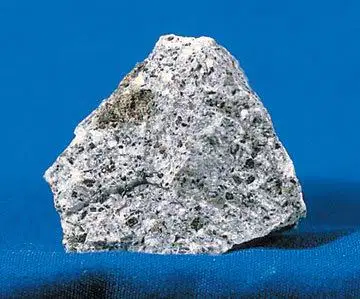
Which of the following is a type of rock that is formed from the cooling of magma?
Basalt
Igneous rock
Limestone
Granite
What does the term "geohazards" refer to?
Natural disasters related to geological processes
Man-made environmental issues
Atmospheric phenomena
Oceanic disturbances
Which keyword refers to the layer of gases surrounding Earth?
Hydrosphere
Biosphere
Atmosphere
Geosphere
Which of the following is NOT the component of the Earth's system?
The outer space
The geosphere
Which component of the Earth's system includes rivers, lakes, and seas?
Atmosphere
Biosphere
Hydrosphere
Geosphere
Which component of the Earth's system is described as the "life zone"?
Atmosphere
Biosphere
Hydrosphere
Geosphere
What is the role of the atmosphere in the Earth's system?
It is the rock and soil zone on the Earth's surface.
It is the air zone covering the Earth's surface.
It is the water zone that includes rivers and lakes.
It is the life zone consisting of various life forms.

Which layer of the atmosphere contains light gases such as helium and hydrogen?
Troposphere
Stratosphere
Exosphere
Mesosphere

In which atmospheric layer do auroras occur?
Troposphere
Thermosphere
Mesosphere
Stratosphere
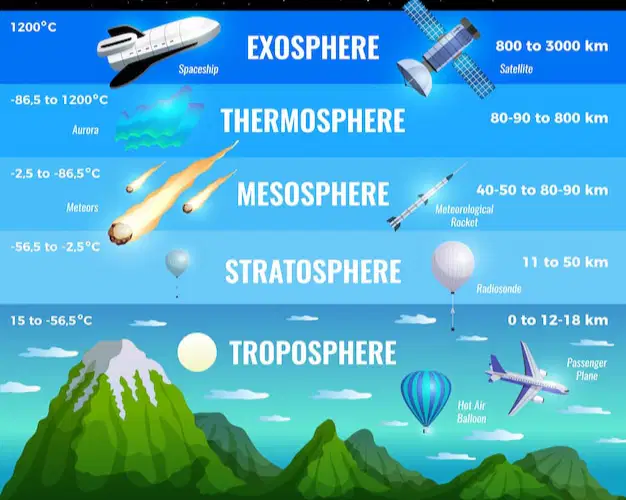
What is the primary function of the ozone layer found in the Stratosphere?
Reflect radio waves
Absorb harmful ultraviolet rays
Contain light gases
Support aircraft flights
Which layer of the atmosphere is known for the burning and destruction of meteorites?
Exosphere
Thermosphere
Mesosphere
Troposphere
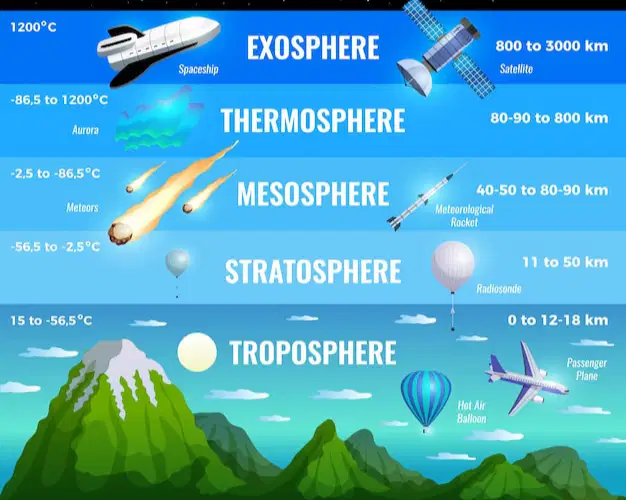
In which layer of the atmosphere do clouds, rain, and snow form?
Exosphere
Stratosphere
Mesosphere
Troposphere
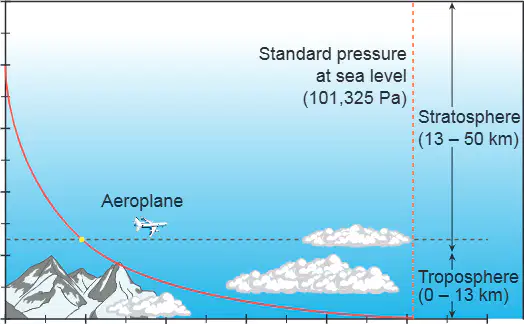
What happens to air pressure as altitude increases from the troposphere to the stratosphere?
Air pressure increases
Air pressure decreases
Air pressure remains constant
Air pressure fluctuates

Which ocean zone is suitable as a habitat for plants due to its shallow depth and light penetration?
Surface zone
Midnight zone
Dark zone
Twilight zone
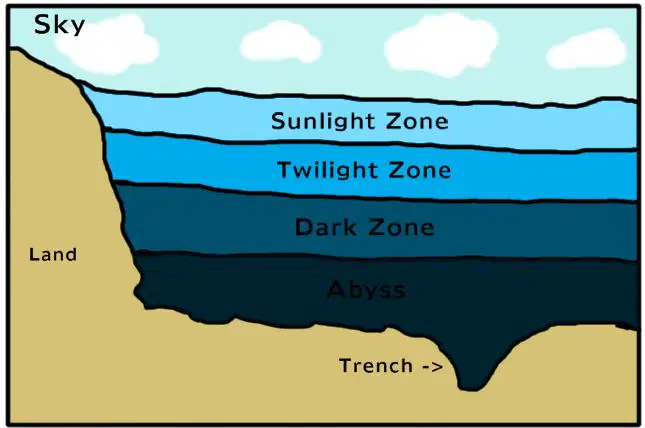
What is a characteristic of the dark zone in ocean stratification?
It is shallow and full of light
It has no light and is very deep
It is suitable for plant life
It is the warmest zone

What is the process called where seawater is evaporated by sunlight and later falls back as rainwater?
Photosynthesis
Water cycle
Carbon cycle
Nitrogen cycle
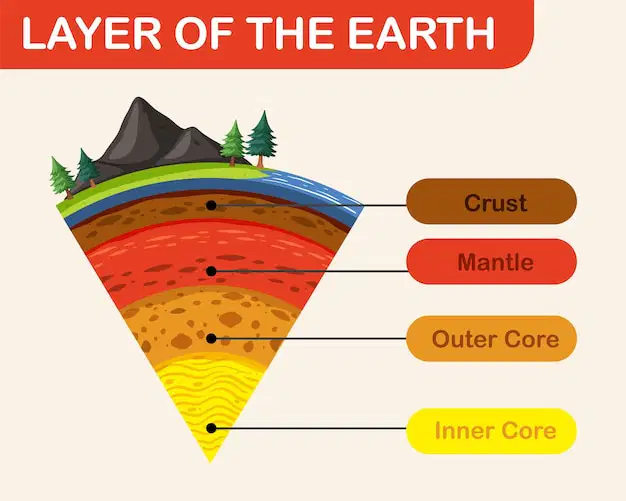
Which of the following is NOT one of the Earth's main layers?
Crust
Mantle
Lithosphere
Core

What does the lithosphere cover?
The entire Earth
The crust and the top part of the mantle
The inner core
The outer core
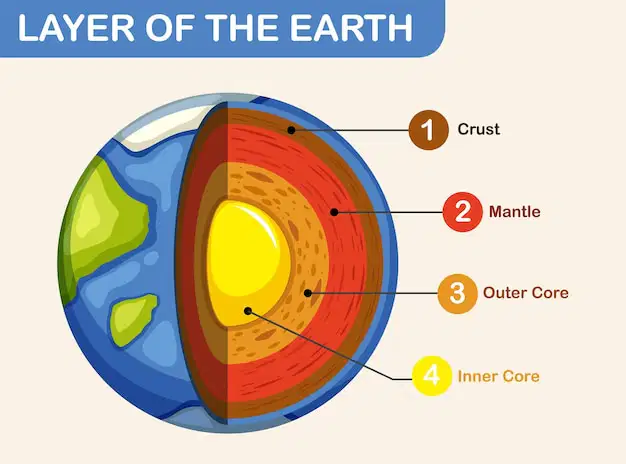
Which layer of the Earth is directly beneath the crust?
Inner core
Outer core
Mantle
Mesosphere
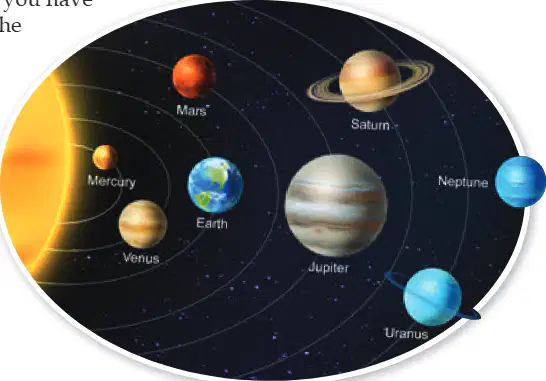
What is the position of Earth in the Solar System in terms of its distance from the Sun?
First
Second
Third
Fourth
What characteristic of Earth makes it suitable for life?
Its large size
Its temperature
Its distance from the Moon
Its high gravity
What essential elements on Earth allow it to host life?
Hydrogen and helium
Water and oxygen
Carbon dioxide and nitrogen
Methane and ammonia
What are the three main types of rocks found in Earth's crust?
Igneous, sedimentary, metamorphic
Volcanic, tectonic, sedimentary
Igneous, volcanic, tectonic
Sedimentary, tectonic, metamorphic
What are minerals in the context of Earth's crust?
Organic compounds
Materials found in rocks
Gases in the atmosphere
Liquids in the ocean
How are igneous rocks formed?
By compression of deposited materials
By cooling and freezing of magma or lava
By exposure to high pressure and temperature
By erosion and weathering
What characteristic is common in sedimentary rocks?
Contains various minerals
Consists of many layers, sometimes with fossils
Usually harder than the original rocks
Formed from cooling magma
Why are metamorphic rocks usually harder than the original rocks?
They are formed from cooling magma
They contain more minerals
They are exposed to very high pressure and temperature
They are formed by erosion
What are the two main processes that form Earth's surface?
Exogenic and Endogenic
Erosion and Weathering
Transport and Sedimentation
Mass and Land Depletion
Which process involves the movement of soil from the top of a slope to below due to gravitational force?
Erosion
Weathering
Mass and Land Depletion
Transport and Sedimentation
What is the process of eroding the Earth's surface by moving agents such as water, wind, and waves called?
Weathering
Erosion
Transport and Sedimentation
Mass and Land Depletion
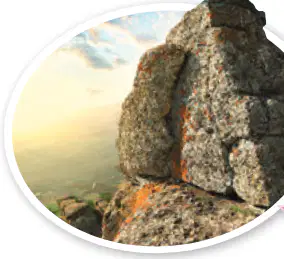
Which of the following is an example of an exogenic process?
Volcanic activity
Earthquake
Weathering
Mountain building
What is an endogenic process?
A process caused by external forces
A process that forms and changes the Earth's surface
A process that involves only the atmosphere
A process that occurs in the ocean
Which of the following is an example of an endogenic process?
Erosion by wind
Mantle convection process
River sedimentation
Glacier movement
What causes the mantle convection process?
Low temperatures in the mantle
High temperatures in the mantle and core
Movement of tectonic plates
Ocean currents
According to the theory of Plate Tectonics, what happens to the Earth's crust?
It remains static
It is divided into several pieces of plates
It melts completely
It only moves vertically
What is the role of a volcano in magma activity?
It cools down the magma
It allows molten and hot magma to flow out
It prevents magma from reaching the surface
It only forms underwater
Diagram showing the structure of the Earth including the lithosphere, mantle, outer core, and inner core. Which of the following is NOT a layer of the Earth shown in the diagram?
Lithosphere
Mantle
Outer core
Stratosphere
What are exogenic and endogenic processes?
Processes that occur on the Earth's surface and within the Earth
Processes related to the water cycle
Processes that involve only volcanic activity
Processes that occur only in the atmosphere
What are the agents causing erosion?
Wind, water, ice, and gravity
Earthquakes and volcanoes
Sunlight and temperature
Plants and animals
What is Plate Tectonics theory?
The theory that explains the movement of Earth's lithospheric plates
The theory that describes the water cycle
The theory that explains the formation of mountains
The theory that describes the Earth's atmosphere
Mantle convection is best described as:
The process of heat transfer within the Earth's mantle causing plate movement
The process of water evaporation and condensation
The process of wind circulation in the atmosphere
The process of ocean currents moving heat

What is a common location for quicksand to occur?
Deserts
Wetlands
Mountains
Urban areas
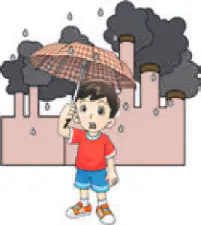
Where does acid rain typically occur as a geohazard?
Forests
Wetlands
Industrial areas
Deserts
Which of the following is NOT listed as a geohazard in the document?
Earthquake
Tsunami
Tornado
Acid rain
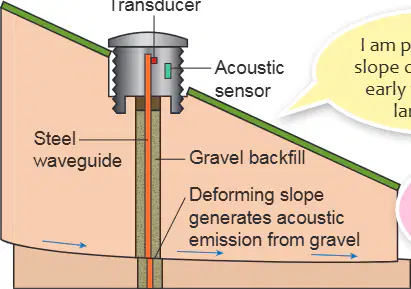
What is the purpose of the transducer in the device to detect landslides?
To measure temperature
To emit light signals
To generate acoustic emissions
To detect chemical changes
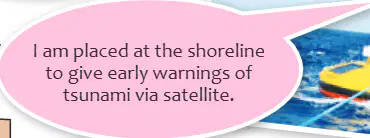
What is the role of the device placed at the shoreline in Malaysia?
To measure water temperature
To provide early warnings of tsunamis
To track marine life
To monitor pollution levels
Which of the following is an example of a geohazard?
Tornado
Tsunami
Hurricane
Thunderstorm
What is one impact of geohazards on humans?
Increased rainfall
Loss of life
Improved agriculture
Better air quality
Which event resulted in the death of 43 Malaysians?
Earthquake on Mount Kinabalu
Tsunami waves
Mudslide in Cameron Highlands
Collapse of Highland Towers
What factor contributed to the occurrence of a mudslide in Cameron Highlands?
Heavy rainfall
Installation of plastic protective rain structure
Earthquake
Deforestation
What is the estimated age of the Earth based on meteorites?
3.5 billion years
4.5 billion years
5.5 billion years
6.5 billion years
How do geologists define a long period of time?
As a century
As a millennium
As an era
As a decade
What does M.Y. refer to in geological terms?
Million years
Million yards
Million yen
Million youth
When did fish first appear on Earth?
500 million years ago
1000 million years ago
2000 million years ago
3000 million years ago
Between insects and flowering plants, which appeared on Earth first?
Insects
Flowering plants
Both appeared at the same time
Neither appeared
When did seaweeds first appear on Earth?
500 million years ago
1000 million years ago
2000 million years ago
3000 million years ago
What is surface water?
Water found beneath the Earth's surface
Water found on the surface of Earth, such as in seas, ponds, and rivers
Water found in glaciers
Water found in the atmosphere
What is one risk associated with surface water?
It can cause earthquakes
It can be polluted by waste materials from industrial and housing areas
It can cause volcanic eruptions
It can freeze and cause ice storms
What is underground water also known as?
Surface water
Aquifer
Glacier water
Atmospheric water
How does underground water fill up?
It fills up the empty spaces between soil particles and layers of permeable rocks
It fills up the ocean beds
It fills up the atmosphere
It fills up the mountain tops
What is a risk associated with underground water?
It can cause tsunamis
It can be polluted by chemicals from industrial and domestic waste in landfills
It can cause hurricanes
It can cause droughts
What are examples of metallic minerals mentioned in the text?
Coal and petroleum
Iron ore, tin, and gold
Silver and copper
Sand and gravel
Why are rare earth minerals important in modern technology?
They are easy to separate from other minerals.
They are abundant and cheap.
They have unique properties used in technology.
They are used in agriculture.
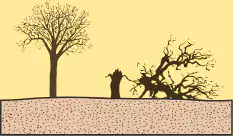
How is coal formed according to the diagram?
From volcanic activity
From the remains of marine organisms
From the remains of plants under pressure and heat
From the cooling of magma

What process leads to the formation of petroleum and natural gas?
Photosynthesis
Decomposition by bacteria under high temperature and pressure
Erosion by wind and water
Crystallization of minerals
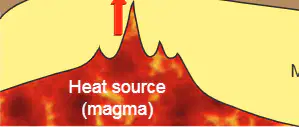
What is the primary source of heat in a hydrothermal process?
The Sun
Friction
Earth's internal heat
Chemical reactions
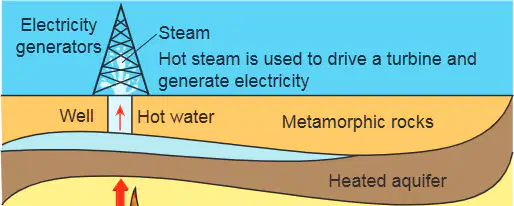
Which of the following is a potential economic advantage of the hydrothermal process?
Increased agricultural yield
Generation of electricity
Improved air quality
Enhanced wildlife habitats

What is one negative effect of unplanned human activities?
Increased biodiversity
Erosion
Improved water quality
Decreased pollution
Which human activity is NOT typically associated with negative environmental impacts?
Deforestation
Industrialisation
Open burning
Sustainable farming

