
 Worksheets
Integumentary System Review by Amy Fanning
Total questions: 55
Worksheet time: 33mins
What is a common function of all epithelial membranes?
They function in covering and lining
They produce hormones
They store fat
They transmit nerve impulses
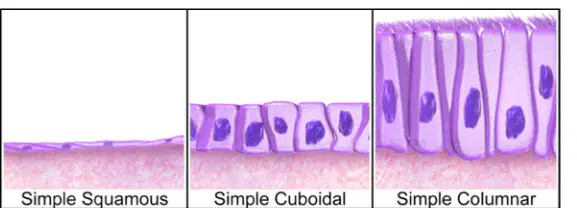
Which of the following is NOT shown as a type of epithelial tissue in the diagram?
Simple Squamous
Stratified Cuboidal
Pseudostratified Columnar
Simple Columnar
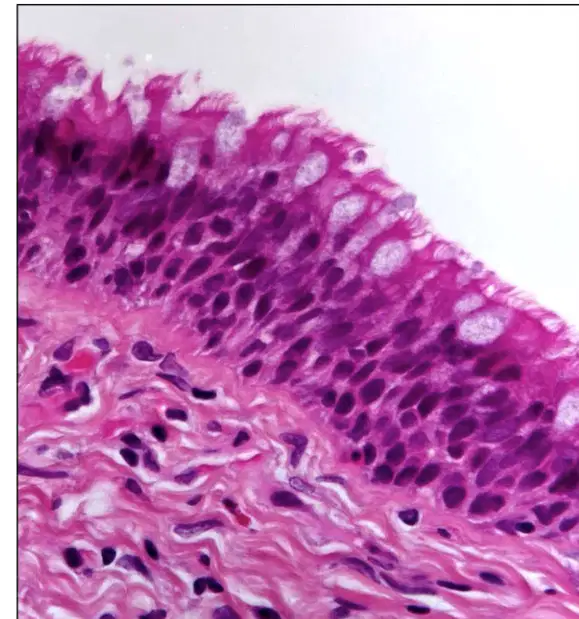
What are the two major groups of body membranes?
Epithelial Membranes and Connective Tissue Membranes
Muscle Membranes and Nervous Membranes
Cartilage Membranes and Bone Membranes
Plasma Membranes and Nuclear Membranes
What is another name for the cutaneous membrane?
The skin
The liver
The heart
The lung
What type of epithelium composes the superficial epidermis of the cutaneous membrane?
Keratinizing stratified squamous epithelium
Simple cuboidal epithelium
Transitional epithelium
Pseudostratified columnar epithelium
Which of the following best describes the cutaneous membrane?
A dry membrane
A wet membrane
A mucous membrane
A serous membrane
Mucous membranes are typically found lining which type of body cavities?
Cavities that open to the exterior
Cavities that are completely closed
Cavities filled with bone marrow
Cavities containing only blood vessels
How do serous membranes typically occur in the body?
As single layers
In pairs
As triple layers
As scattered cells
What do parietal layers of serous membranes line?
The outside of the organ
The inside wall of the cavity
The surface of the skin
The blood vessels
What is the function of the serous fluid secreted by both layers of serous membranes?
To increase friction
To reduce friction
To absorb nutrients
To transmit nerve signals

What is the name of the membrane that lines the abdominal cavity?
Parietal peritoneum
Parietal pleura
Visceral pleura
Pleural sac

Which membrane covers the organs within the abdominal cavity?
Parietal pleura
Visceral peritoneum
Pleural sac
Intercostal muscle
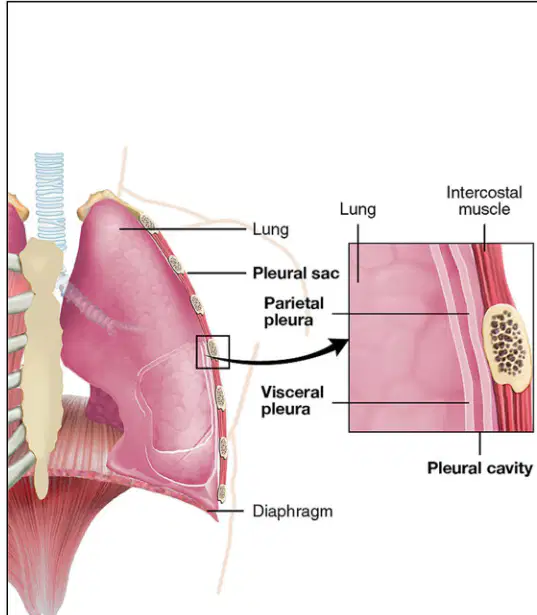
What is the name of the membrane that lines the thoracic cavity and covers the lungs?
Parietal peritoneum
Visceral peritoneum
Parietal pleura
Diaphragm
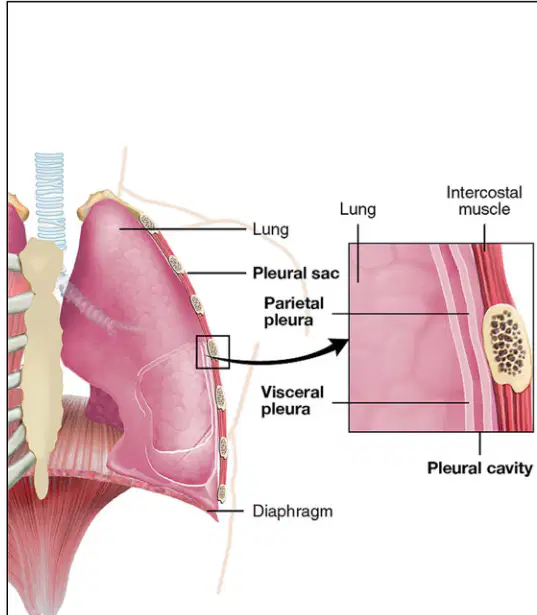
Which of the following is found in the thoracic cavity?
Visceral peritoneum
Parietal peritoneum
Visceral pleura
Small intestine

Which structure in the diagram represents the space between the two layers of the pericardium?
Pericardial cavity
Visceral pericardium
Parietal pericardium
Balloon

What does the air space in the balloon analogy correspond to in the heart's serous membrane structure?
Pericardial cavity
Visceral pericardium
Parietal pericardium
Heart muscle
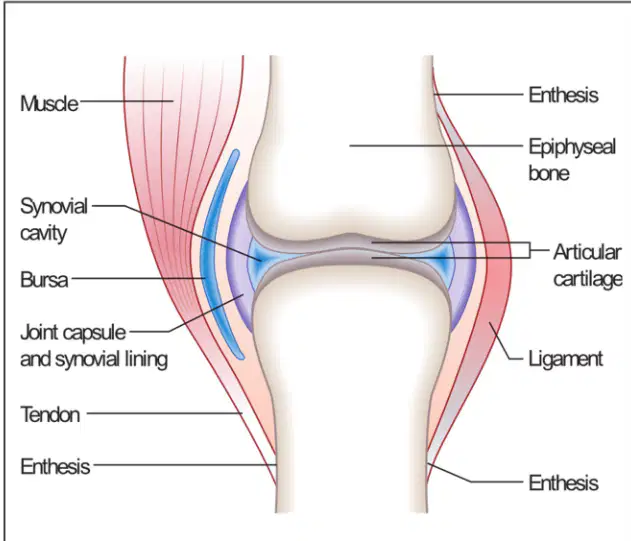
What is the primary function of synovial membranes?
To provide a smooth surface and secrete lubricating fluid
To produce red blood cells
To store calcium
To transmit nerve impulses
Approximately how much does the skin weigh?
2 pounds
5 pounds
10 pounds
20 pounds
What is the approximate surface area of the skin?
5 square feet
10 square feet
15 square feet
20 square feet
Which of the following is NOT a part of the integumentary system?
Skin
Hair
Bones
Nails
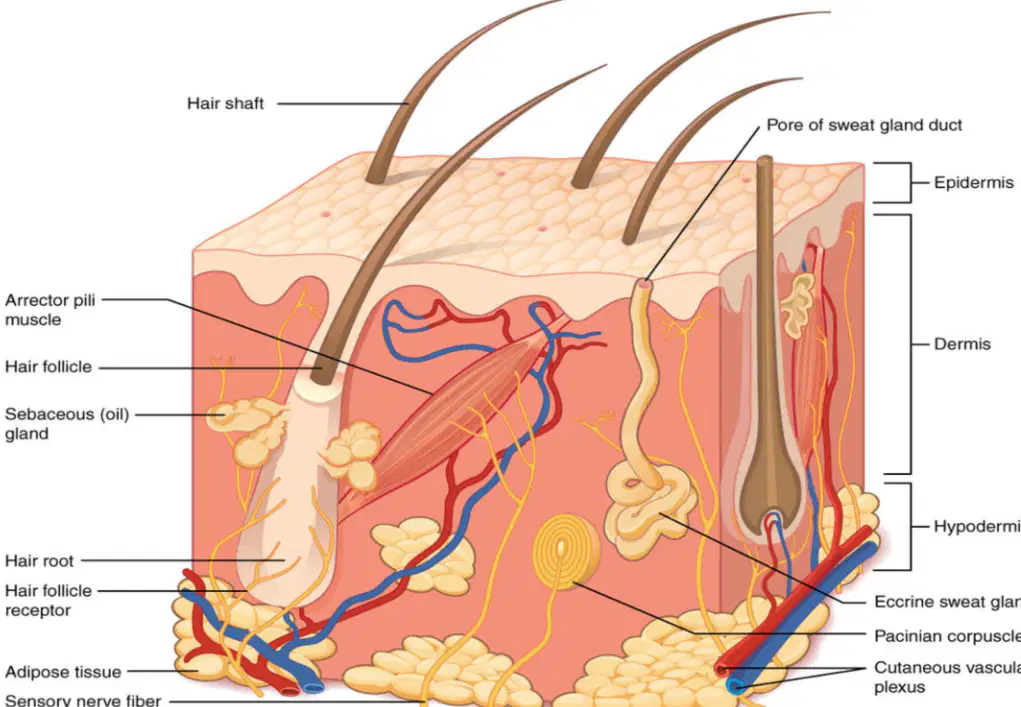
Which of the following is the outermost layer of the skin?
Dermis
Hypodermis
Epidermis
Adipose tissue
How many zones does the stratified squamous epithelium of the epidermis have?
3 zones
4 zones
5 zones
6 zones
Where does rapid cell division occur in the epidermis?
In the uppermost layer
In the middle layer
In the lower layer
In all layers equally
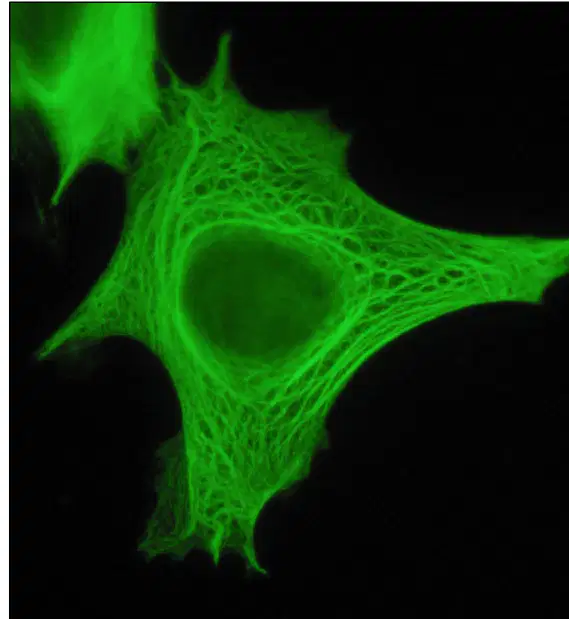
What is one function of keratin in cells?
Makes cells tough, scaly, and water-resistant
Provides energy to cells
Helps cells divide rapidly
Produces red blood cells
Which pigment ranges in color from yellow to brown to black and is determined by genetics?
Melanin
Carotene
Hemoglobin
Chlorophyll
What is the superficial layer that borders the epidermis called?
Papillary layer
Reticular layer
Subcutaneous layer
Stratum corneum
Which type of receptors in the papillary layer are responsible for detecting pain?
Free nerve endings
Meissner’s Corpuscles
Merkel cells
Pacinian corpuscles
What are the accessory structures?
Hair
Nails
Skin
Glands
What is responsible for skin color?
amount of melanocytes
amount of melanin produced
Which of the following are found in the Epidermis? Select all that apply.
Epithelial Cells
Melanin
Nerves
Blood vessels
Name the 2nd layer of skin
(a)
The Skin is our largest organ
True
False

Sweating and shivering are your body's way of regulating ______________.
Hair growth
water loss
temperature
vitamin D absorption
Melanin protects the skin from _
dirt
mosquitos
water
UV light
If there is a mole that has grown and changed over time and the mole is reddish, brown with blue specks, indentations on the edge and 10 mm. Should the person be concerned?
No, this is a basal cell carcinoma most likely with a high successful cure rate.
Yes, this is most likely a squamous cell carcinoma, which needs to be removed and treated.
No, this is merely a irregular mole, but nothing unusual.
Yes, this is most likely a melanoma, which needs to be removed and treated.

On a scale of 1-10, 1 meaning 'don't worry about it' and 10 being 'go see a dermatologist immediately', how would you classify this image?
1
3
7
10
When diagnosing melanoma, which of the following does C stand for in ABCDE?
color change
cyanosis
cold to the touch
carotene present
This type of burn causes the skin to be red and inflamed, no blistering

When diagnosing melanoma, which of the following does B stand for in ABCDE?
bigger than dime
border irregularity
blackish in color

This type of burn penetrates the epidermis and upper dermis only

This type of burn penetrates to the hypodermis/subcutaneous layer and is white or black

What does the "A" stand for in the ABCD rule of melanoma?
A 16-year-old patient has sustained burns to the anterior torso and the entire left arm. Using the Rule of Nines, calculate the total percentage of body surface area burned.
18%
27%
36%
45%
A patient has burns covering the entire right leg and the anterior portion of the left leg. What percentage of the body surface area is burned according to the Rule of Nines?
18%
22.5%
27%
31.5%
If a patient has burns on the entire torso and the entire head, what is the total percentage of body surface area affected using the Rule of Nines?
18%
27%
36%
45%
A patient has sustained burns to the anterior and posterior portions of both arms and anterior and posterio portions of both legs.. Calculate the total percentage of body surface area burned using the Rule of Nines.
54%
18%
27%
36%
Using the Rule of Nines, determine the percentage of body surface area burned if a patient has burns on the entire left leg and the anterior torso.
27%
36%
45%
54%
A patient has burns on the anterior portion of the right arm and the entire head. What is the total percentage of body surface area burned according to the Rule of Nines?
9%
13.5%
18%
22.5%
Calculate the percentage of body surface area burned if a patient has burns on the entire right arm, the posterior torso and the genitals using the Rule of Nines.
18%
27%
36%
28%

