wayground logo

Free Printable Worksheets

Font size

S
M
L
XL
Worksheets

Miller Midterm 2025

Total questions: 160

Worksheet time: 1hrs 20mins

Name
Class
Date
1.

A patient is admitted to the hospital with severe dehydration after hiking. To restore fluid to his shrunken (crenated) cells, the nurse knows she must administer an IV fluid that has a lower solute concentration than the cells. This type of solution is called:

a)

Isotonic

b)

Hypertonic

c)

Hypotonic

d)

Colloid

2.

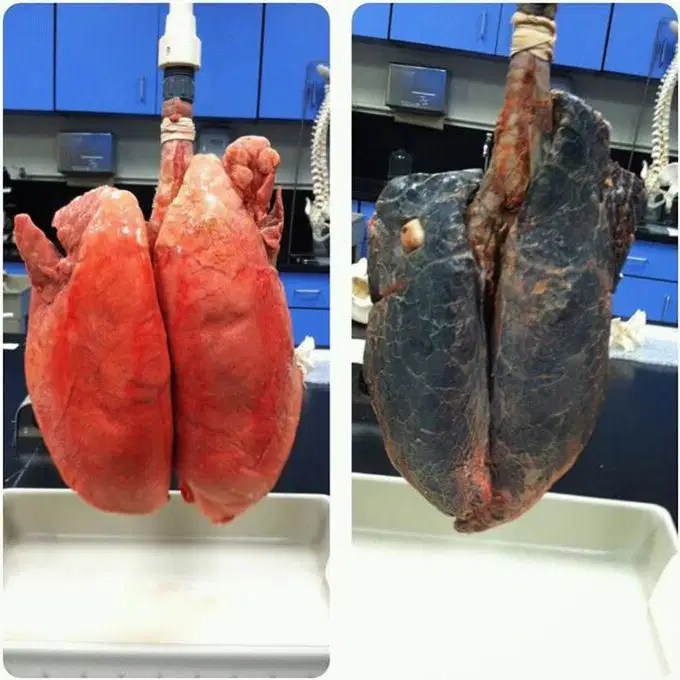
A pathologist is examining a lung tissue sample from a chronic smoker. She notes that the normal, hair-like projections that are supposed to sweep mucus out of the airways are damaged and paralyzed. These structures are known as:

a)

Microvilli

b)

Cilia

c)

Flagella

d)

Villi

3.

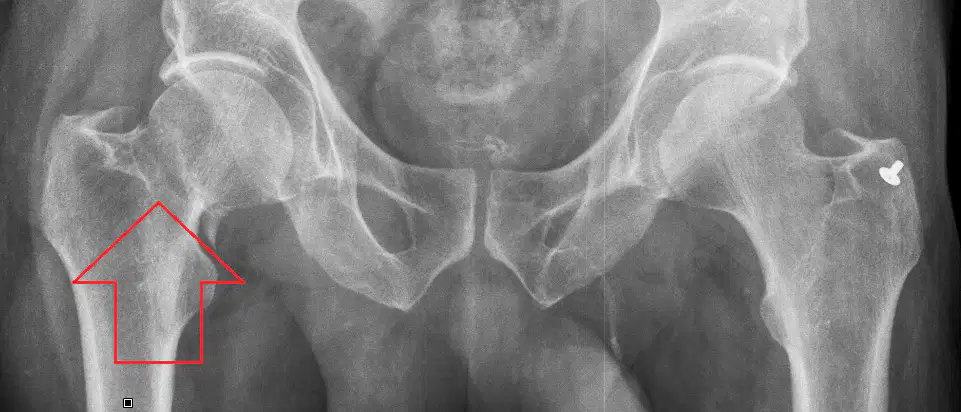
A 7-year-old boy falls off his skateboard and suffers a fracture. The X-ray shows the bone is not completely broken through; one side is fractured and the other is bent. This type of fracture, common in children whose bones are not yet fully ossified, is called a:

a)

Comminuted fracture

b)

Compound fracture

c)

Greenstick fracture

d)

Compression fracture

4.

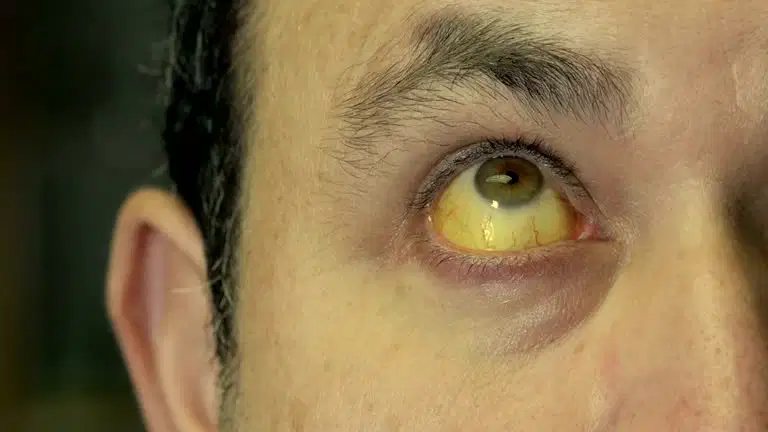
A patient with liver failure develops a yellow tint to his skin and eyes. The physician documents this condition as jaundice. This coloration is due to the buildup of bilirubin, a waste product from the breakdown of:

a)

Melanin

b)

Keratin

c)

Hemoglobin

d)

Collagen

5.

A dermatologist is examining a mole on a patient's back. He notes that the mole is asymmetrical, has an irregular border, and shows color variation. These characteristics are often remembered by the "ABCDE rule" and are warning signs for which type of skin cancer?

a)

Basal cell carcinoma

b)

Squamous cell carcinoma

c)

Malignant melanoma

d)

Psoriasis

6.

An athlete visits a sports medicine doctor to understand why her muscles "burn" during intense, short-duration workouts. The doctor explains that without enough oxygen, the muscles undergo anaerobic respiration, which produces a painful by-product called:

a)

Acetylcholine

b)

Lactic acid

c)

Glucose

d)

Creatine phosphate

7.

A patient is diagnosed with Paget's disease, a condition where the normal process of bone remodeling is disrupted. This disease involves the disorganized and imbalanced activity of which two bone cell types?

a)

Chondrocytes and fibroblasts

b)

Neurons and myocytes

c)

Osteoblasts and osteoclasts

d)

Keratinocytes and melanocytes

8.

A patient is being treated for high blood pressure with a beta-blocker. The medication works by slowing the heart rate and reducing the force of contraction. A study on how this drug affects cardiac output is an example of a(n) __________ study.

a)

Anatomical

b)

Histological

c)

Physiological

d)

Cytological

9.

A patient suffers a whiplash injury in a car accident. An MRI reveals damage to the C2 vertebra, which has a unique projection that allows the head to rotate. This vertebra is commonly known as the:

a)

Atlas

b)

Axis

c)

Sacrum

d)

Coccyx

10.

A surgeon performing an appendectomy makes an incision in the lower right quadrant of the abdomen. Before reaching the abdominal organs, they must cut through the skin. The skin, as an organ, is part of which organ system?

a)

Skeletal

b)

Muscular

c)

Integumentary

d)

Endocrine

11.

A burn victim is brought to the emergency room with severe, full-thickness burns that appear white and leathery. The patient is not in pain because the nerve endings in the skin have been destroyed. This is classified as a:

a)

First-degree burn

b)

Second-degree burn

c)

Third-degree burn

d)

Superficial burn

12.

A patient with severe allergies is given an epinephrine injection, which causes the smooth muscle in his airways to relax, allowing him to breathe. This type of muscle is found in the walls of hollow organs and is classified as:

a)

Voluntary and striated

b)

Involuntary and striated

c)

Voluntary and non-striated

d)

Involuntary and non-striated

13.

A pathologist examining a tissue sample notes that the cells are arranged in a single layer and appear flattened. This type of tissue, found in the air sacs of the lungs where gas exchange occurs, is called:

a)

Simple columnar epithelium

b)

Simple cuboidal epithelium

c)

Stratified squamous epithelium

d)

Simple squamous epithelium

14.

A patient has a tear in their Achilles tendon, which connects the calf muscle to the heel bone. Tendons are made of a specific type of connective tissue with tightly packed, parallel collagen fibers. This tissue is known as:

a)

Dense irregular connective tissue

b)

Areolar connective tissue

c)

Dense regular connective tissue

d)

Adipose tissue

15.

An endocrinologist is treating a patient with low blood calcium. She prescribes a medication that mimics the effect of Parathyroid Hormone (PTH). This hormone stimulates the activity of which cells to release calcium from the bones?

a)

Osteoblasts

b)

Osteocytes

c)

Osteoclasts

d)

Chondrocytes

16.

A nurse is administering a flu shot into the deltoid muscle of a patient's arm. In relation to the elbow, the injection site is:

a)

Proximal

b)

Distal

c)

Medial

d)

Lateral

17.

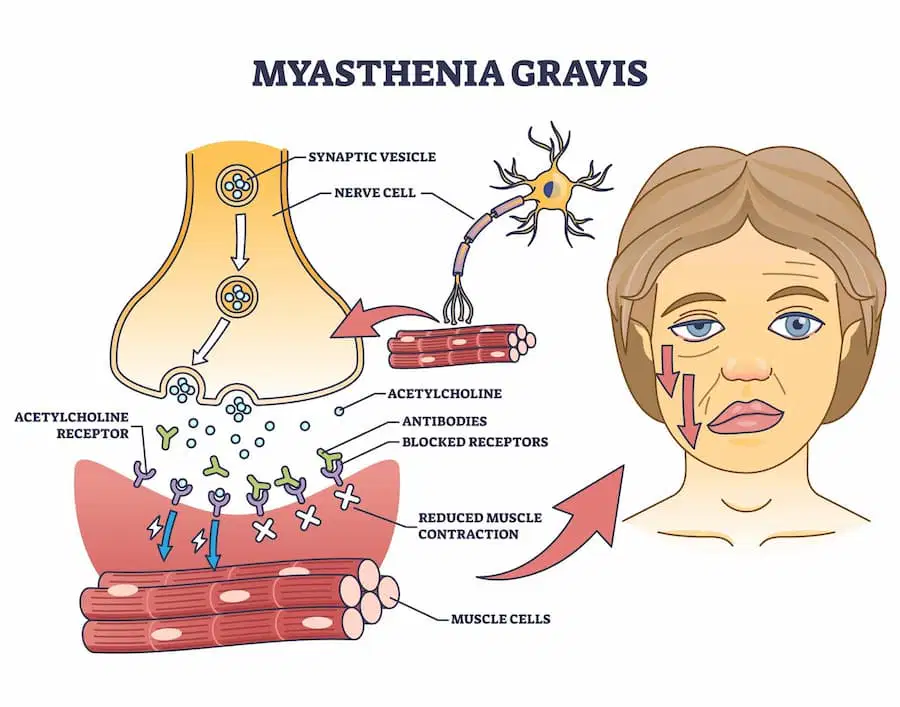
A patient is diagnosed with myasthenia gravis, an autoimmune disease that causes muscle weakness. The condition occurs because the body produces antibodies that block and destroy the receptors for which neurotransmitter at the neuromuscular junction?

a)

Dopamine

b)

Serotonin

c)

Acetylcholine

d)

GABA

18.

An X-ray of a 14-year-old's leg shows that his epiphyseal plates are still open. A forensic anthropologist knows this indicates the skeleton belongs to an adolescent because these plates are made of:

a)

Spongy bone

b)

Hyaline cartilage

c)

Dense regular tissue

d)

Fibrocartilage

19.

A newborn is born with a full head of hair. However, this hair lacks pigment and is extremely fine. This early, downy hair that is often shed is a normal developmental milestone of the first trimester and is known as:

a)

Vernix caseosa

b)

Lanugo

c)

Terminal hair

d)

Vellus hair

20.

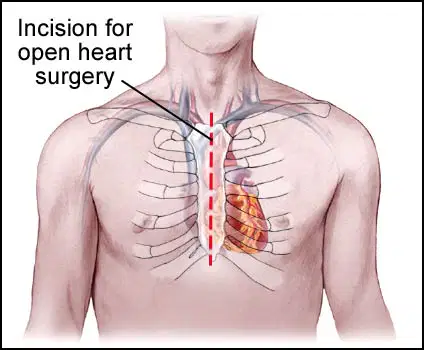
A surgeon is preparing for a heart transplant. They will make an incision along the patient's midline, through the sternum. This plane, which divides the body into equal left and right halves, is the:

a)

Frontal (coronal) plane

b)

Transverse plane

c)

Midsagittal plane

d)

Oblique plane

21.

A patient with a respiratory infection has an overproduction of mucus from goblet cells in their airways. Goblet cells are a key feature of which type of epithelial tissue?

a)

Simple squamous epithelium

b)

Stratified squamous epithelium

c)

Pseudostratified columnar epithelium

d)

Transitional epithelium

22.

A patient has a condition that affects their sudoriferous glands. This would most directly impact their ability to:

a)

Produce skin pigment

b)

Secrete oil for lubrication

c)

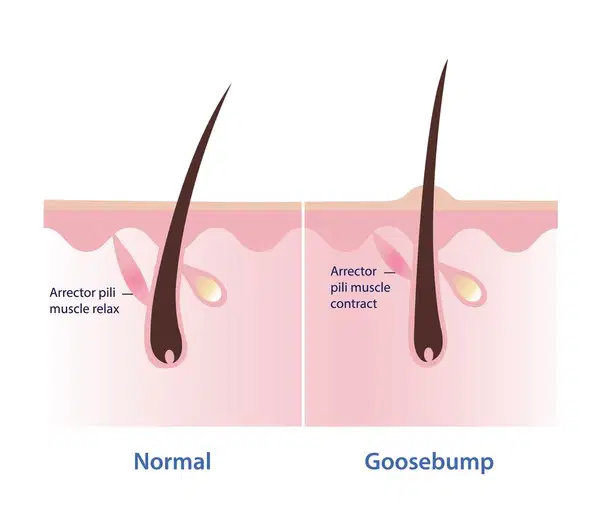
Form goosebumps

d)

Produce sweat

23.

During childbirth, the baby's head pushes on the cervix, which sends a signal to the brain to release oxytocin. Oxytocin causes stronger contractions, which increases the pressure on the cervix, leading to more oxytocin release. This escalating cycle is an example of a:

a)

Negative feedback loop

b)

Positive feedback loop

c)

Homeostatic failure

d)

Set point adjustment

24.

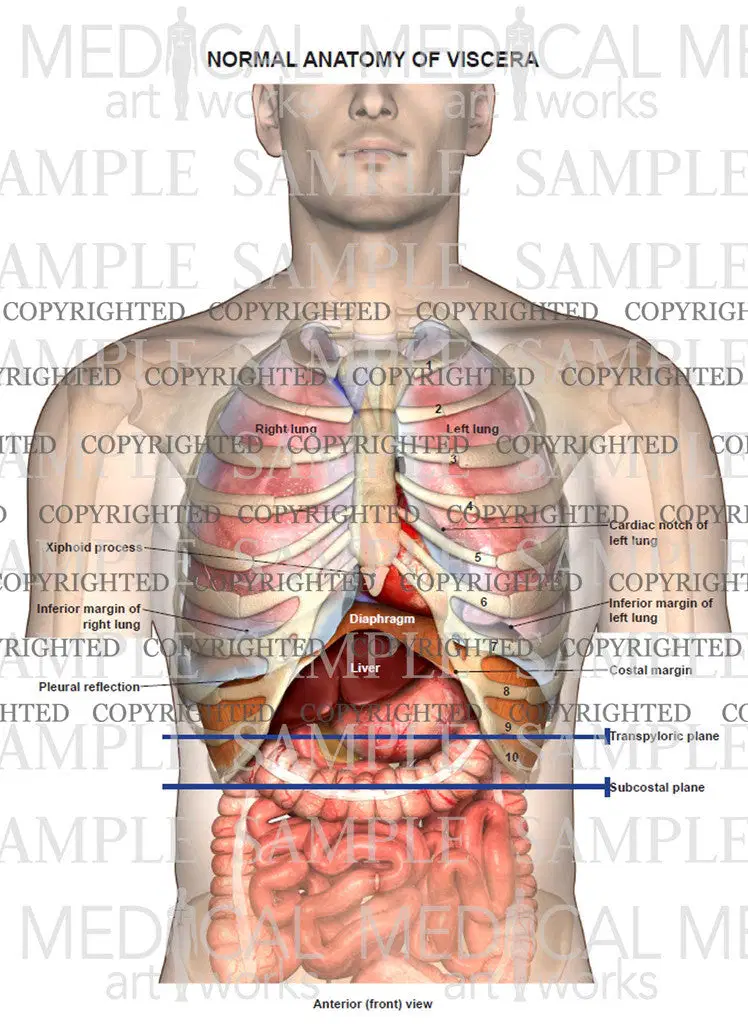
A patient has a tumor in their thoracic cavity. An MRI report describes the tumor's location using directional terms. Which two organs are located in the thoracic cavity?

a)

The brain and spinal cord

b)

The stomach and liver

c)

The heart and lungs

d)

The kidneys and bladder

25.

The biceps brachii muscle is the prime mover for flexing the elbow. The triceps brachii muscle, which opposes this movement by extending the elbow, is known as the:

a)

Synergist

b)

Fixator

c)

Antagonist

d)

Origin

26.

After a bone is fractured, the first step in the healing process is the formation of a hematoma. What is a hematoma?

a)

A fibrocartilage callus

b)

A bony callus

c)

A blood clot

d)

A collection of dead bone cells

27.

A patient complains of dry, flaky skin. A dermatologist might suspect that their sebaceous glands are not producing enough of an oily substance that lubricates and waterproofs the skin. This substance is called:

a)

Sweat

b)

Sebum

c)

Cerumen

d)

Mucus

28.

The first cervical vertebra (C1), which supports the weight of the skull and allows for nodding motion, is known as the:

a)

Axis

b)

Atlas

c)

Dens

d)

Sacrum

29.

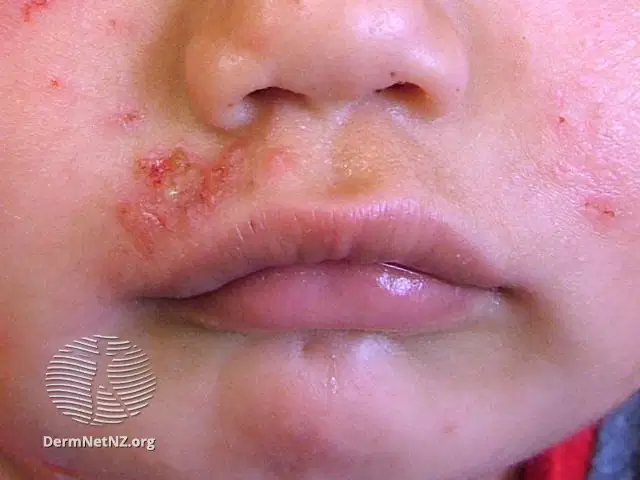
A patient is being treated for a skin infection called impetigo, which is characterized by crusted sores. This infection is occurring in which organ system?

a)

Endocrine

b)

Skeletal

c)

Integumentary

d)

Muscular

30.

A physician is explaining the levels of organization in the human body to a medical student. They describe how multiple tissues, like muscle and epithelial tissue, work together to form the stomach. In this example, the stomach is a(n):

a)

Cell

b)

Tissue

c)

Organ

d)

Organ system

31.

A patient with very high blood calcium levels is given a synthetic version of the hormone calcitonin. This hormone works by stimulating which cells to build bone, thereby taking calcium out of the blood?

a)

Osteoclasts

b)

Osteoblasts

c)

Chondrocytes

d)

Osteocytes

32.

The most superior part of the sternum, which can be felt as a notch at the base of the neck, is called the:

a)

Xiphoid process

b)

Body

c)

Manubrium

d)

Costal cartilage

33.

The body's ability to maintain a stable internal environment, such as a constant body temperature of around 98.6°F, is known as:

a)

Metabolism

b)

Homeostasis

c)

Anabolism

d)

Catabolism

34.

A patient with a rare genetic disorder cannot form desmosomes properly. This would cause which of the following tissues to be extremely fragile and prone to tearing?

a)

The skin (stratified squamous epithelium)

b)

Bone tissue

c)

Blood

d)

Adipose tissue

35.

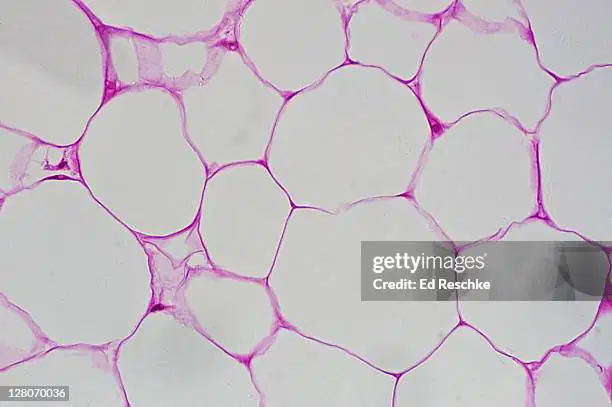
A pathologist is looking at a slide of fatty tissue. She notes that the cells are filled with a large lipid droplet that pushes the nucleus to one side. This describes the microscopic appearance of:

a)

Hyaline cartilage

b)

Areolar tissue

c)

Adipose tissue

d)

Dense regular tissue

36.

An individual develops a deep tan after a vacation. A biologist explaining this phenomenon would state that exposure to UV radiation stimulates melanocytes to produce more melanin. This is an example of a(n) __________ study.

a)

Anatomical

b)

Physiological

c)

Pathological

d)

Gross

37.

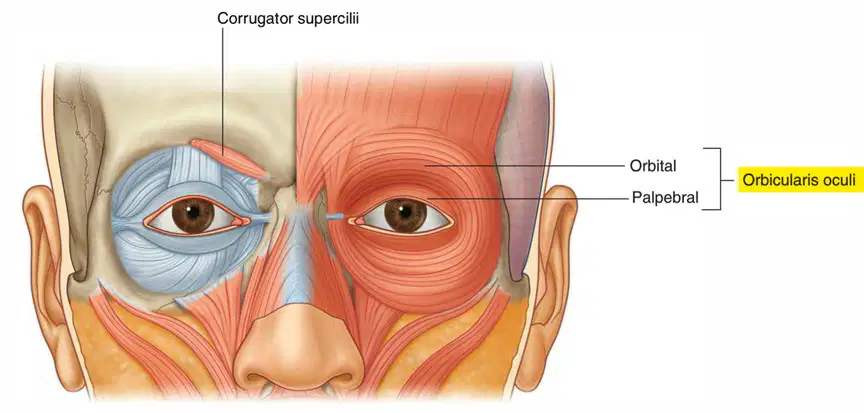
A patient has a condition that affects their orbicularis oris muscle. This would most directly impact their ability to:

a)

Blink their eyes

b)

Smile

c)

Pucker their lips

d)

Turn their head

38.

The twelve thoracic vertebrae are unique among the sections of the spine because they are the only vertebrae that:

a)

Are fused together

b)

Have transverse foramina

c)

Articulate with the ribs

d)

Are separated by discs

39.

The heart is the only place in the body where you can find cardiac muscle. Which of the following is a key characteristic of this muscle type?

a)

It is voluntary.

b)

It is non-striated.

c)

It has intercalated discs.

d)

It is capable of regeneration.

40.

An X-ray of an adult's femur shows a distinct epiphyseal line. This line is a remnant of the epiphyseal plate and signifies that:

a)

The bone is still growing in length.

b)

The person has osteoporosis.

c)

The bone has stopped growing in length.

d)

The person has a healed fracture.

41.

A patient in the ICU has developed cerebral edema (swelling of the brain). To draw fluid out of the brain cells, a physician orders an IV infusion of concentrated saline. This hypertonic solution works by:

a)

Creating an osmotic gradient that pulls water out of the cells.

b)

Having a lower solute concentration, causing water to enter the cells.

c)

Matching the solute concentration of the cells to prevent fluid shift.

d)

Directly blocking water channels in the cell membrane.

42.

A patient with a chronic respiratory condition has difficulty clearing mucus from their lungs. This is due to a genetic defect that renders their cilia immobile. A study of how these cellular structures function to move mucus is a topic of:

a)

Gross Anatomy

b)

Physiology

c)

Embryology

d)

Pathology

43.

An elderly woman with osteoporosis falls and fractures her hip. The X-ray shows the bone has shattered into multiple fragments. This is known as a comminuted fracture. In osteoporosis, which bone cells are overactive?

a)

Osteoblasts

b)

Chondrocytes

c)

Osteoclasts

d)

Fibroblasts

44.

A patient with anemia appears very pale. The doctor notes this pallor in the chart. This lack of normal skin color is due to a reduced amount of which oxygen-carrying pigment in the blood?

a)

Melanin

b)

Hemoglobin

c)

Carotene

d)

Bilirubin

45.

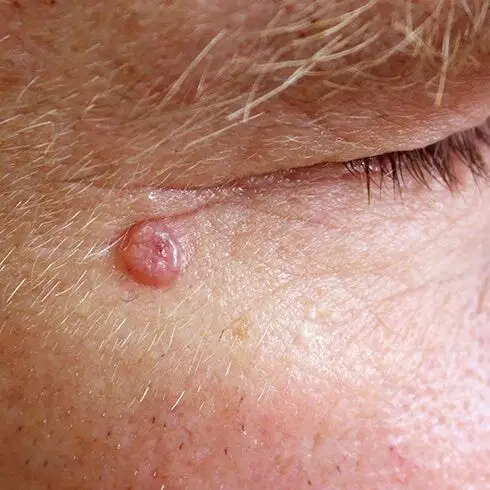
A 70-year-old farmer comes in for a skin check. The doctor finds a small, pearly nodule with a central ulcer on the corner of his eye. A biopsy confirms it is the most common and least malignant type of skin cancer. What is the diagnosis?

a)

Squamous cell carcinoma

b)

Malignant melanoma

c)

Basal cell carcinoma

d)

Psoriasis

46.

A bodybuilder is performing high-repetition sets to the point of muscle fatigue. The burning sensation is due to lactic acid buildup. This occurs when the muscles are forced to rely on which metabolic process for energy?

a)

Aerobic respiration

b)

Anaerobic respiration

c)

Krebs cycle

d)

Electron transport chain

47.

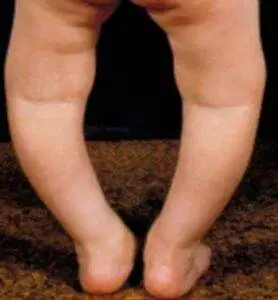
A child is diagnosed with rickets, a condition where the bones fail to calcify properly, leading to bowed legs. This disease is caused by a deficiency in Vitamin D, which is necessary for absorbing calcium. The process of bone formation that is impaired is called:

a)

Hematopoiesis

b)

Remodeling

c)

Ossification

d)

Articulation

48.

A medical student is learning the layers of the abdominal wall. He dissects a cadaver to see the muscles, fascia, and peritoneum firsthand. This type of study, focusing on bodily structures, is called:

a)

Physiology

b)

Anatomy

c)

Cytology

d)

Histology

49.

A patient comes to the ER with severe neck pain after a fall. He cannot nod his head "yes." An X-ray reveals a fracture of the C1 vertebra, which articulates with the skull. What is the common name for this vertebra?

a)

Axis

b)

Atlas

c)

Dens

d)

Sacrum

50.

A patient is scheduled for open-heart surgery. The surgeon must make an incision through the integumentary system to reach the thoracic cavity. This system's primary role is:

a)

Movement

b)

Communication

c)

Protection

d)

Hormone production

51.
A chef touches a hot pan, resulting in a painful, red burn with several blisters on his hand. A physician would classify this as a second-degree burn because it involves damage to the:
a)
Epidermis only
b)
Epidermis and upper dermis
c)
Entire thickness of the skin
d)
Skin and underlying muscle
52.
The walls of the bladder contain a layer of muscle that contracts to expel urine. This muscle is not under conscious control and lacks striations. This is an example of smooth muscle. What are its characteristics?
a)
Voluntary and striated
b)
Involuntary and striated
c)
Involuntary and non-striated
d)
Voluntary and non-striated
53.
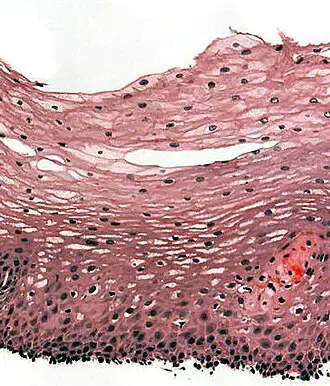
A pathologist examines a sample of skin tissue under a microscope. The outermost layer, the epidermis, is made of multiple layers of flattened cells, providing a protective barrier. This tissue is classified as:
a)
Simple cuboidal epithelium
b)
Stratified squamous epithelium
c)
Transitional epithelium
d)
Pseudostratified columnar epithelium
54.
A patient has a torn meniscus in their knee. This tough, shock-absorbing pad of cartilage is an example of what specific tissue type?
a)
Hyaline cartilage
b)
Elastic cartilage
c)
Dense regular connective tissue
d)
Fibrocartilage
55.
A patient's blood test shows dangerously high calcium levels (hypercalcemia). The body will respond by releasing the hormone calcitonin, which stimulates which cells to build bone and lower blood calcium?
a)
Osteoclasts
b)
Osteoblasts
c)
Osteocytes
d)
Chondrocytes
56.
A paramedic is assessing a patient who has been in a car accident. They note a large bruise on the patient's sternal region. This means the bruise is located on the:
a)
Shoulder
b)
Thigh
c)
Chest
d)
Abdomen
57.
A patient is accidentally exposed to a toxin that blocks the release of acetylcholine at the neuromuscular junction. What would be the most likely result?
a)
Uncontrolled muscle spasms
b)
Flaccid paralysis (muscles cannot contract)
c)
Increased muscle strength
d)
No effect on muscle function
58.
An X-ray of an adult's humerus shows a thin, bony scar where the growth plate used to be. This remnant, which indicates that longitudinal bone growth has stopped, is called the:
a)
Diaphysis
b)
Epiphyseal line
c)
Periosteum
d)
Articular cartilage
59.
An ultrasound of a fetus at 10 weeks (first trimester) shows the development of tiny fingers and toes. Which of the following is also a key developmental event during this period?
a)
The formation of fingernails
b)
The eyes are open and can see light
c)
The digestive system is fully mature
d)
Bone marrow begins forming red blood cells
60.
A neurosurgeon is planning to remove a tumor from the brain. They use an MRI scan that shows a transverse plane of the head. How does this plane divide the brain?
a)
Into right and left portions
b)
Into anterior and posterior portions
c)
Into superior and inferior portions
d)
Into equal halves
61.
A patient with a severe respiratory infection is coughing up large amounts of thick mucus. This mucus is produced by goblet cells, which are found in the epithelial lining of the respiratory tract. These specialized cells are a characteristic of:
a)
Simple squamous epithelium
b)
Stratified squamous epithelium
c)
Areolar connective tissue
d)
Pseudostratified columnar epithelium
62.
A patient complains of excessively oily skin and acne. A dermatologist would suspect that their sebaceous glands are overactive. What is the primary function of these glands?
a)
To produce sweat for cooling
b)
To secrete sebum to lubricate and waterproof the skin
c)
To produce pigment
d)
To form goosebumps
63.
A person gets a paper cut. The body immediately responds by constricting blood vessels and forming a clot. When the cut is healed, the skin returns to its normal state. This entire process of maintaining a stable internal environment is known as:
a)
Metabolism
b)
Positive feedback
c)
Homeostasis
d)
Anabolism
64.
An autopsy reveals a patient died from a stab wound that entered the pericardial cavity. Which organ would be found within this cavity?
a)
The brain
b)
The heart
c)
The liver
d)
The lungs
65.
The gluteus maximus is the primary muscle responsible for extending the hip (moving the thigh backward). It is therefore the prime mover for this action. A muscle that helps the gluteus maximus is known as a(n):
a)
Antagonist
b)
Synergist
c)
Fixator
d)
Origin
66.
After a fracture, the second stage of healing involves the formation of a soft callus made of cartilage, which bridges the gap between the broken bone ends. This structure is called the:
a)
Hematoma
b)
Fibrocartilage callus
c)
Bony callus
d)
Medullary callus
67.
The outermost layer of the epidermis, the stratum corneum, provides a durable, waterproof barrier. It is composed primarily of dead cells filled with a tough protein called:
a)
Melanin
b)
Collagen
c)
Keratin
d)
Elastin
68.
The C2 vertebra is unique because of its superior projection, the dens. This feature allows it to act as a pivot point for the C1 vertebra, permitting which movement?
a)
Nodding the head "yes"
b)
Rotating the head "no"
c)
Flexing the neck forward
d)
Tilting the head side to side
69.
A patient is diagnosed with psoriasis, an autoimmune condition causing red, scaly patches on the skin. This is a chronic inflammatory disorder of which organ system?
a)
Muscular
b)
Skeletal
c)
Nervous
d)
Integumentary
70.
A medical student learns that the heart is composed of cardiac muscle tissue, which works with nervous tissue to pump blood, which is a connective tissue. The heart itself, as a structure with a specific function formed from multiple tissue types, is a(n):
a)
Cell
b)
Tissue
c)
Organ
d)
Organism
71.
A patient with a tumor on their thyroid gland is producing too much calcitonin. This would lead to abnormally low blood calcium levels because calcitonin inhibits the activity of:
a)
Osteoclasts
b)
Osteoblasts
c)
Chondrocytes
d)
Osteocytes
72.
A paramedic is performing CPR and places their hands on the body of the sternum. The manubrium, which is superior to the body, articulates with which two bones?
a)
The scapulae
b)
The humerus bones
c)
The clavicles
d)
The floating ribs
73.
When blood sugar levels drop, the pancreas releases glucagon, which causes the liver to release glucose into the blood. When blood sugar rises, the pancreas releases insulin, which causes cells to take up glucose. This control system is a classic example of a:
a)
Positive feedback loop
b)
Negative feedback loop
c)
Pathological response
d)
Feed-forward system
74.
A patient has a rare genetic disease where their cells cannot produce functional tight junctions. This would most severely affect the integrity of which tissue, which relies on these junctions to form an impermeable barrier?
a)
Bone
b)
Blood
c)
The epithelial lining of the bladder
d)
Muscle tissue
75.
A surgeon is using a graft material that mimics the body's own areolar tissue to fill a space. This tissue type is characterized by a loose arrangement of fibers and is a common type of:
a)
Epithelial tissue
b)
Muscle tissue
c)
Nervous tissue
d)
Connective tissue
76.
An individual with very fair skin moves to a sunny climate. Over several weeks, their skin darkens. This physiological response is due to increased production of melanin by melanocytes. The study of this functional change is:
a)
Anatomy
b)
Physiology
c)
Embryology
d)
Cytology
77.
A patient is having trouble blinking and closing their eye after a stroke. The physician suspects damage to the nerves that control the orbicularis oculi. What is the primary function of this muscle?
a)
To raise the eyebrows
b)
To close the eyelid
c)
To move the eyeball
d)
To pucker the lips
78.
There are 7 cervical vertebrae and 5 lumbar vertebrae. The thoracic vertebrae are located between these two regions. How many thoracic vertebrae are there?
a)
5.0
b)
7.0
c)
10.0
d)
12.0
79.
The muscles that line the digestive tract are responsible for peristalsis, the wave-like contractions that move food along. This muscle tissue is characterized as:
a)
Striated and voluntary
b)
Striated and involuntary
c)
Non-striated and voluntary
d)
Non-striated and involuntary
80.
An X-ray of a patient's spine shows a compression fracture of the C1 vertebra. This is a highly dangerous injury because this bone directly articulates with the:
a)
Rib cage
b)
Mandible (jawbone)
c)
Occipital condyles of the skull
d)
Hyoid bone
81.
A patient receiving long-term IV therapy develops swelling at the IV site. The nurse notices the IV fluid has been leaking into the surrounding tissue. If the fluid administered was isotonic (like 0.9% saline), what effect would it have on the tissue cells?
a)
The cells would swell and burst.
b)
The cells would shrink and crenate.
c)
The cells would experience no major change in shape or size.
d)
The cells would rapidly divide.
82.
In the small intestine, the surface of the epithelial cells is covered with tiny, finger-like projections that dramatically increase the surface area for nutrient absorption. These structures, unlike cilia, do not move. They are called:
a)
Flagella
b)
Villi
c)
Cilia
d)
Microvilli
83.
An elderly patient is diagnosed with a compression fracture of a vertebra. This type of fracture, where the bone is crushed, is common in individuals with osteoporosis. Osteoporosis is a disease characterized by:
a)
Overactive osteoblasts
b)
Loss of bone mass and density
c)
A genetic defect in collagen
d)
Abnormal bone remodeling
84.
A patient presents with a deep bruise (hematoma) on their leg after a fall. The initial dark purple color is due to deoxygenated blood under the skin. The pigment responsible for the color of blood is:
a)
Melanin
b)
Carotene
c)
Hemoglobin
d)
Bilirubin
85.
A patient is diagnosed with squamous cell carcinoma, the second most common type of skin cancer. This cancer arises from the keratinocytes of which layer of the epidermis, located just superficial to the stratum basale?
a)
Stratum corneum
b)
Stratum spinosum
c)
Stratum lucidum
d)
Stratum granulosum
86.
A weightlifter is performing a maximal lift. For the first few seconds of intense effort, her muscles use a high-energy compound stored in the muscle to rapidly regenerate ATP. This compound is:
a)
Glucose
b)
Glycogen
c)
Lactic acid
d)
Creatine phosphate
87.
A child with a Vitamin D deficiency develops rickets, where the bones become soft and deformed. Vitamin D is essential for calcium absorption, and without it, the process of depositing calcium salts into the bone matrix is impaired. This process is known as:
a)
Remodeling
b)
Ossification
c)
Hematopoiesis
d)
Resorption
88.
A histologist is a professional who studies the microscopic structure of tissues. This field of study is a sub-discipline of:
a)
Gross Anatomy
b)
Physiology
c)
Anatomy
d)
Embryology
89.
A patient is in a car accident and suffers a fracture of the C2 vertebra. An MRI shows the dens, a key feature of this bone, is dangerously close to the spinal cord. What is the common name for the C2 vertebra?
a)
Atlas
b)
Axis
c)
Sacrum
d)
Coccyx
90.
The muscular system is responsible for movement, posture, and heat generation. Which of the following is considered the basic functional unit of a skeletal muscle?
a)
The neuron
b)
The sarcomere
c)
The osteon
d)
The nephron
91.
A patient suffers a superficial burn, characterized by redness and pain but no blistering. A physician would classify this as a first-degree burn because it only involves damage to the:
a)
Epidermis
b)
Dermis
c)
Hypodermis
d)
Entire thickness of the skin
92.
The heart is composed of a specialized muscle tissue that is striated and involuntary. It contains unique cell junctions that allow it to function as a coordinated unit. This tissue is:
a)
Skeletal muscle
b)
Cardiac muscle
c)
Smooth muscle
d)
Visceral muscle
93.
A pathologist is examining a biopsy from a patient's urinary bladder. She notes that the tissue is a type of epithelium that can stretch and recoil as the bladder fills and empties. This specialized tissue is called:
a)
Stratified squamous epithelium
b)
Simple columnar epithelium
c)
Transitional epithelium
d)
Pseudostratified columnar epithelium
94.
A patient has a genetic disorder called Marfan syndrome, which affects the body's connective tissue. This leads to issues with the heart, blood vessels, and skeleton. Which of the following is NOT a type of connective tissue?
a)
Bone
b)
Blood
c)
Epidermis
d)
Adipose tissue
95.
A patient with a tumor on their thyroid gland has abnormally high levels of calcitonin. This hormone is released to lower blood calcium levels, primarily by stimulating the activity of:
a)
Osteoclasts
b)
Osteoblasts
c)
Chondrocytes
d)
Fibroblasts
96.
A patient complains of pain in their lower back. A doctor would document this as pain in the lumbar region. In anatomical terms, this region is __________ to the gluteal (buttock) region.
a)
Inferior
b)
Superior
c)
Distal
d)
Ventral
97.
A patient is given a drug that acts as an antagonist to acetylcholine. This means the drug blocks the acetylcholine receptors at the neuromuscular junction. What would be the effect on muscle function?
a)
It would cause sustained muscle contraction (tetany).
b)
It would prevent the muscle from contracting.
c)
It would cause the muscle to contract more forcefully.
d)
It would have no effect on muscle contraction.
98.
A forensic anthropologist can determine if a skeleton belongs to an adult or a child by examining the long bones. The presence of an epiphyseal plate made of hyaline cartilage indicates the individual was:
a)
Still growing
b)
Skeletally mature
c)
Elderly
d)
Had a healed fracture
99.
A pregnant woman in her first trimester is cautioned against taking certain medications, as this is a critical period of organ development. Which of the following senses is the very first to develop in the fetus?
a)
Sight
b)
Hearing
c)
Touch
d)
Smell
100.
A radiologist is reviewing a CT scan that shows a sagittal plane of the patient's head. How does this plane divide the head?
a)
Into superior and inferior parts
b)
Into right and left parts
c)
Into anterior and posterior parts
d)
Into inner and outer sections
101.
A patient with a rare genetic disorder is unable to produce keratin. This would most severely affect the protective function of which tissue?
a)
The lining of the intestines
b)
Bone tissue
c)
The epidermis of the skin
d)
The muscle of the heart
102.
A patient complains of dry, itchy skin. A dermatologist may suspect an issue with their sebaceous glands. These glands are responsible for secreting:
a)
Sweat
b)
Oil (sebum)
c)
Earwax
d)
Hormones
103.
When you are cold, your body shivers to generate heat and your blood vessels constrict to conserve it. These are automatic responses designed to return your body temperature to its normal set point. This is an example of a:
a)
Positive feedback loop
b)
Negative feedback loop
c)
Pathological condition
d)
Developmental process
104.
A patient has a tumor located in the cranial cavity. Which organ is at risk?
a)
The spinal cord
b)
The heart
c)
The brain
d)
The liver
105.
A physical therapist is helping a patient regain strength after knee surgery. They are focusing on the quadriceps femoris, which is the prime mover for knee extension. The muscle group that opposes this action (the hamstrings) is the:
a)
Synergist
b)
Fixator
c)
Antagonist
d)
Insertor
106.
Immediately after a bone fracture, a large blood clot called a hematoma forms at the site. What is the primary purpose of this initial step in the healing process?
a)
To immediately form new bone
b)
To provide a framework for healing and stop the bleeding
c)
To permanently hold the bone ends together
d)
To dissolve the broken bone fragments
107.
A person develops a tan after spending a day at the beach. This darkening of the skin is a protective response caused by the increased production of melanin by which cells?
a)
Keratinocytes
b)
Adipocytes
c)
Melanocytes
d)
Fibroblasts
108.
The C1 vertebra is unique because it has no body and articulates directly with the skull. This allows for which specific movement?
a)
Nodding the head "yes"
b)
Shaking the head "no"
c)
Turning the head side to side
d)
Bending the neck backward
109.
A patient is being treated for impetigo, a highly contagious bacterial skin infection that causes crusty sores. The infection is primarily located in which layer of the integumentary system?
a)
The hypodermis
b)
The dermis
c)
The epidermis
d)
The subcutaneous fat
110.
A medical student is learning that the heart, arteries, and veins all work together to transport blood throughout the body. Collectively, these organs make up the cardiovascular __________.
a)
Cell
b)
Tissue
c)
Organ
d)
Organ system
111.
A patient has a tumor on their parathyroid gland, causing the over-secretion of parathyroid hormone (PTH). This will lead to dangerously high blood calcium levels because PTH stimulates the activity of:
a)
Osteoblasts
b)
Osteoclasts
c)
Chondrocytes
d)
Osteocytes
112.
A paramedic is performing CPR and is careful to place their hands on the body of the sternum, avoiding the most inferior tip. What is this part of the sternum called?
a)
Manubrium
b)
Xiphoid process
c)
Clavicle
d)
Scapula
113.
A patient with uncontrolled diabetes has chronically high blood sugar. Their body is unable to maintain a stable internal blood glucose level, which is a failure of:
a)
Homeostasis
b)
Metabolism
c)
A positive feedback loop
d)
Catabolism
114.
A surgeon is using sutures made of a strong, flexible material to hold a wound closed. In the body, which type of intercellular junction acts like a "spot weld" to hold cells together against mechanical stress?
a)
Gap junctions
b)
Tight junctions
c)
Desmosomes
d)
Plasmodesmata
115.

While reviewing a tissue sample from a healing wound, a pathologist observes cells responsible for producing collagen and extracellular matrix. These cells are known as

a)

Adipocytes

b)

Chondrocytes

c)

Fibroblasts

d)

Osteocytes

116.
An individual is exposed to cold temperatures. Their body responds by shivering to generate heat. The study of this functional response to a stimulus is known as:
a)
Anatomy
b)
Physiology
c)
Cytology
d)
Gross Anatomy
117.
A patient is being evaluated for Bell's palsy, which causes temporary weakness or paralysis of the facial muscles. If the orbicularis oculi muscle is affected, what function would be impaired?
a)
Smiling
b)
Chewing
c)
Closing the eye
d)
Frowning
118.
There are 7 cervical and 5 lumbar vertebrae. The thoracic vertebrae, which articulate with the ribs, are located between them. How many are there?
a)

8

b)

10

c)

12

d)

14

119.
The muscles of the iris contract and relax to change the size of the pupil. This is an involuntary action controlled by the autonomic nervous system. The muscle tissue of the iris is:
a)
Skeletal muscle
b)
Cardiac muscle
c)
Smooth muscle
d)
Voluntary muscle
120.
An X-ray of an elderly woman's spine shows that the body of her L3 vertebra has been crushed. This type of fracture is common in patients with osteoporosis. What is the main function of the vertebral body?
a)
To protect the spinal cord
b)
To serve as an attachment point for muscles
c)
To bear the majority of the body's weight
d)
To allow for rotation of the spine
121.
A patient is brought to the ER after a near-drowning incident in saltwater. The saltwater is hypertonic compared to the body's cells. This means that if it were to enter the bloodstream in large amounts, it would cause cells to:
a)
Swell and potentially burst.
b)
Shrink and crenate.
c)
Remain unchanged in size.
d)
Rapidly undergo mitosis.
122.
A patient has a rare genetic disorder that affects the function of their flagella. This would most directly impact the motility of which human cell?
a)
Red blood cell
b)
Neuron
c)
Sperm cell
d)
Epithelial cell
123.
A patient has a bone fracture that has broken through the skin. A physician would document this as a compound (or open) fracture. This type of fracture carries a high risk of:
a)
Infection
b)
Rapid healing
c)
Stunted bone growth
d)
Decreased pain
124.
A patient is brought to the emergency room with a bluish tint to their skin and lips, a condition called cyanosis. This is a critical sign of insufficient oxygen in the blood, meaning there is a high concentration of deoxygenated:
a)
Melanin
b)
Hemoglobin
c)
Carotene
d)
Bilirubin
125.
A patient has a mole that has recently grown larger and has started to bleed. A biopsy confirms malignant melanoma, the most dangerous form of skin cancer. This cancer arises from which cells in the epidermis?
a)
Keratinocytes
b)
Langerhans cells
c)
Merkel cells
d)
Melanocytes
126.

During intense short bursts of exercise, such as a 100-meter dash, which substance accumulates in the muscles and is responsible for the fatigue and burning sensation experienced by the athlete?

a)

Lactic acid

b)

Glycogen

c)

Creatine phosphate

d)

Acetylcholine

127.
A patient is diagnosed with osteoporosis, a disease that makes bones weak and brittle. This condition is characterized by an imbalance where the rate of bone resorption by osteoclasts is greater than the rate of bone formation by:
a)
Osteocytes
b)
Chondrocytes
c)
Osteoblasts
d)
Fibroblasts
128.
A medical student is learning the names and locations of the 206 bones in the human body. This field of study, which focuses on the structure of the body, is called:
a)
Physiology
b)
Anatomy
c)
Histology
d)
Embryology
129.
A patient has severe arthritis in their neck, specifically at the joint that allows them to shake their head "no." This movement occurs at the atlanto-axial joint, which is the articulation between the C1 and C2 vertebrae. What is the common name for C1?
a)
Axis
b)
Atlas
c)
Dens
d)
Sacrum
130.
A patient is being treated for a first-degree burn on their back. The burn only affects the most superficial layer of their integumentary system. What is the primary organ of this system?
a)
The heart
b)
The brain
c)
The skin
d)
The liver
131.
A person gets a severe sunburn with painful redness and blistering. The presence of blisters indicates that the burn has damaged both the epidermis and the upper layer of the dermis, classifying it as a:
a)
First-degree burn
b)
Second-degree burn
c)
Third-degree burn
d)
Fourth-degree burn
132.
The iris of the eye contains muscle tissue that is involuntary and non-striated, which contracts or relaxes to control the size of the pupil. This is an example of smooth muscle. Where else in the body would you find this type of muscle?
a)
The heart
b)
The biceps brachii
c)
The walls of the intestines
d)
The tongue
133.
A pathologist is examining a biopsy from the lining of a patient's mouth. The tissue is composed of multiple layers of flattened cells, well-suited for resisting abrasion. This is a classic example of:
a)
Simple columnar epithelium
b)
Stratified squamous epithelium
c)
Transitional epithelium
d)
Simple cuboidal epithelium
134.
A patient has a condition called Ehlers-Danlos syndrome, which is a group of disorders that affect connective tissues. The most severely affected component is collagen, the primary fiber type in tissues like ligaments and tendons. What type of cell produces collagen fibers?
a)
Adipocyte
b)
Chondrocyte
c)
Osteocyte
d)
Fibroblast
135.
An endocrinologist is treating a patient for hypocalcemia (low blood calcium). She knows the body's primary response to this is the release of parathyroid hormone (PTH). What is the main function of PTH?
a)
To stimulate osteoblasts to build bone.
b)
To stimulate osteoclasts to break down bone and release calcium.
c)
To decrease calcium absorption in the intestines.
d)
To increase calcium excretion by the kidneys.
136.
A patient is complaining of pain in the umbilical region. This area is located on the anterior trunk and is commonly known as the:
a)
Chest
b)
Groin
c)
Belly button area
d)
Lower back
137.
A patient is treated with a drug that acts as a muscle relaxant by blocking the release of acetylcholine at the neuromuscular junction. Without this neurotransmitter, what will happen at the muscle fiber?
a)
The muscle will remain in a state of sustained contraction.
b)
The muscle will contract more forcefully.
c)
The muscle will not be stimulated to contract.
d)
The muscle will switch to anaerobic respiration.
138.
A forensic anthropologist determines that a skeleton is that of an adult because the epiphyseal line is visible on the long bones. This line is a remnant of the growth plate and indicates that:
a)
The bone has stopped growing in length.
b)
The bone is still actively growing.
c)
The individual had rickets.
d)
The individual had a severe fracture.
139.
An ultrasound during the first trimester reveals that the fetus's fingernails have formed. This is a significant developmental milestone for this stage. Which of the following is also expected to have occurred by the end of the first trimester?
a)
The eyes are open.
b)
The fetus is covered in lanugo.
c)
All major organ systems have begun to form.
d)
The lungs are fully mature.
140.
A radiologist is looking at an MRI that provides a frontal (coronal) view of the patient's torso. This type of scan divides the body into:
a)
Superior and inferior portions
b)
Right and left portions
c)
Anterior and posterior portions
d)
Medial and lateral portions
141.
A patient with asthma is having difficulty breathing because the epithelial lining of their bronchioles is inflamed. The normal lining is made of pseudostratified columnar epithelium, which contains mucus-secreting goblet cells and what other important structures?
a)
Microvilli for absorption
b)
Cilia for sweeping mucus
c)
Desmosomes for strength
d)
Tight junctions for waterproofing
142.
A patient complains of very dry skin. The doctor suspects a problem with their sebaceous glands. These glands are exocrine glands that secrete their product, sebum, directly into:
a)
The bloodstream
b)
The lymph nodes
c)
Hair follicles or onto the skin surface
d)
The underlying muscle tissue
143.
A person starts to shiver when they get cold. The shivering generates heat, which warms the body. Once the body temperature returns to normal, the shivering stops. This is a perfect example of a negative feedback loop because the:
a)
Response enhances the original stimulus.
b)
Response counteracts and negates the original stimulus.
c)
Body is failing to maintain homeostasis.
d)
Stimulus is external to the body.
144.
A patient has a tumor in the dorsal body cavity. This means the tumor could be in either the cranial cavity or the:
a)
Thoracic cavity
b)
Abdominal cavity
c)
Pelvic cavity
d)
Spinal (vertebral) cavity
145.
The deltoid muscle is the prime mover for abducting the arm at the shoulder. The latissimus dorsi opposes this movement by adducting the arm. Therefore, the latissimus dorsi is the antagonist to the deltoid. A muscle that helps the deltoid is a(n):
a)
Fixator
b)
Origin
c)
Synergist
d)
Insertor
146.
After a fracture, a soft fibrocartilage callus forms to splint the broken bone. What is the next stage in the healing process?
a)
Formation of a hematoma
b)
The fibrocartilage callus is replaced by a bony callus.
c)
The bone is remodeled by osteoclasts and osteoblasts.
d)
The fracture site becomes inflamed.
147.
A person's skin tone is determined by the amount and type of melanin produced by their melanocytes. In which layer of the epidermis are these pigment-producing cells located?
a)
Stratum corneum
b)
Stratum lucidum
c)
Stratum granulosum
d)
Stratum basale
148.
The atlas (C1 vertebra) is unique because it lacks a body and a spinous process. It articulates superiorly with the occipital condyles of the skull, allowing for what movement?
a)
Shaking the head "no"
b)
Nodding the head "yes"
c)
Tilting the head side to side
d)
Flexing the neck forward
149.
A child has a case of impetigo, which is a superficial bacterial infection of the skin. This condition is a disorder of which of the following?
a)
The cutaneous membrane
b)
The serous membrane
c)
The synovial membrane
d)
The mucous membrane
150.
A medical student is learning that cells are the basic unit of life, tissues are groups of similar cells, and organs are made of different tissues. When multiple organs work together to perform a major function, like digestion, they form a(n):
a)
Organism
b)
Molecule
c)
Organ system
d)
Cell population
151.
A patient with a rare tumor is producing excessive amounts of calcitonin. This would lead to hypocalcemia (low blood calcium) because calcitonin stimulates osteoblasts to deposit calcium into the bone. The hormone that has the opposite effect is:
a)
Growth hormone
b)
Thyroid hormone
c)
Parathyroid hormone (PTH)
d)
Aldosterone
152.
The xiphoid process is the most inferior part of the sternum. During CPR, it is important to avoid putting direct pressure on it because it can fracture and damage which organ?
a)
The heart
b)
The lungs
c)
The liver
d)
The stomach
153.
A patient in the ER has a dangerously high fever. The body's inability to lower its temperature back to a normal set point is a failure of homeostasis. This regulation is primarily controlled by which part of the brain?
a)
The cerebellum
b)
The cerebrum
c)
The hypothalamus
d)
The brainstem
154.
The epithelial cells lining the urinary bladder are held together by tight junctions. What is the primary function of these intercellular connections?
a)
To allow for rapid communication between cells.
b)
To anchor the cells to the basement membrane.
c)
To form an impermeable barrier that prevents urine from leaking out.
d)
To provide strong resistance to mechanical stress.
155.
A pathologist is examining a slide of hyaline cartilage from a patient's rib cage. She notes the cells are located in small cavities within the matrix. What are these cells called?
a)
Fibroblasts
b)
Chondrocytes
c)
Osteocytes
d)
Adipocytes
156.
An exercise physiologist is studying how an athlete's muscles adapt to endurance training. They measure changes in muscle fiber size and mitochondrial density. This study of how the body's structures function and change is:
a)
Anatomy
b)
Physiology
c)
Histology
d)
Cytology
157.
A patient is having difficulty smiling and puffing out their cheeks after a facial injury. The doctor suspects damage to the nerves controlling the buccinator and zygomaticus muscles. These muscles are part of which group?
a)
Muscles of mastication (chewing)
b)
Muscles of facial expression
c)
Muscles that move the head
d)
Muscles of the neck
158.
The lumbar vertebrae are the largest in the spinal column, a feature that is directly related to their function of supporting the weight of the upper body. How many lumbar vertebrae are there?
a)

5

b)

7

c)

12

d)

3

159.
A patient is being treated with a medication that selectively blocks the function of cardiac muscle. This would most directly affect the function of which organ?
a)
The stomach
b)
The lungs
c)
The heart
d)
The bladder
160.
An X-ray of an elderly patient shows a healed fracture of the femur. The final stage of bone healing, which can continue for many months, involves the reshaping of the bone to its original form. This stage is known as:
a)
Hematoma formation
b)
Fibrocartilage callus formation
c)
Bony callus formation
d)
Bone remodeling