
 Worksheets
B7 Exchange and Transport SYI
Total questions: 67
Worksheet time: 1hrs 25mins
What is DIFFUSION?


Which is the correct equation for aerobic respiration in humans?
Glucose + Oxygen -> Carbon Dioxide + Water
Glucose + Oxygen -> Carbon Dioxide
Glucose -> Carbon Dioxide + Water
Glucose -> Lactic Acid
What is the process of respiration?
Breathing
The release of energy from food
Inhalation
Oxygen transfer

Where the exchange of gases actually occur?
Bronchi
Trachea
Oxygen
Alveoli

What is the muscle under the lungs called?
Intercostal
Diaphragm
Bronchus
Cardiac

The way gases move between the capillaries and alveoli is called...?
Osmosis
Diffusion
Atmosphere
Pressure

What gas do we breath out as waste?
Nitrogen
Oxygen
Hydrogen
Carbon Dioxide
The (a) are tubes that connect the trachea to the lungs
As you breathe out, what does your diaphragm do?
Relax
Contract
Which of these are adaptations of alveoli?
Long, finger-like structure increases surface area
The membrane is only one cell thick which means gases have a short diffusion distance
Lots of tiny capillaries so gases can pass easily into the blood stream
Moist
Lots of enzymes so there are tiny molecules suitable for diffusion


Given the following structures:
1. alveoli
2. bronchi
3. bronchioles
Which of the following is the correct order in which air would flow after inhalation?
1,2,3
2,1,3
2,3,1
3,2,1
Respiration takes place in
the cells
the lungs
the heart
the brain
Which organism would have the smallest SA:V
mouse
human
bacteria
ameoba
Which type of blood vessel carries blood away from the heart?
Capillary
Vein
Artery
Venule

What is the name of the network of tiny blood vessels called?
Veins
Arteries
Capillaries
Vessels
The gas which the body exhales as waste is called...
carbon dioxide
argon
oxygen
nitrogen
Which of these is a way in which alveoli are adapted to work well?
They are very large
They have thick walls
They have thin walls
There are only a few of them

What is the purpose of specialized exchange surfaces in humans?
To increase the surface area to volume ratio
To decrease the surface area to volume ratio
To increase the volume
To decrease the volume
What is the purpose of transport systems in humans?
To increase the surface area to volume ratio
To decrease the surface area to volume ratio
To increase the volume
To transport substances to the parts of the body that need them
What is the effect of diffusion distances on larger organisms?
Diffusion becomes faster
Diffusion becomes slower
Diffusion remains the same
Diffusion stops
Why do larger organisms need transport systems?
To increase the surface area to volume ratio
To decrease the surface area to volume ratio
To increase the volume
To transport substances to the parts of the body that need them
What are specialized exchange surfaces in plants?
Roots and leaves
Heart and blood vessels
Alveoli and villi
Phloem and xylem
What is the surface area to volume ratio?
The measure of how big the surface area is compared to the volume
The measure of how big the volume is compared to the surface area
The measure of how big the length is compared to the width
The measure of how big the height is compared to the width
Why do small organisms like bacteria rely on diffusion through their surface to exchange substances?
Because they have a high surface area to volume ratio
Because they have a low surface area to volume ratio
Because they have specialized exchange surfaces
Because they have transport systems
Protease enzymes break down protein into...
Fatty Acids
Amino Acids
Stomach Acid
Muscles
Which theory allows us to understand how enzymes work?
Chewing
Lock and Key
Open Door
Door and House
Fats are broken down by lipase into...
Glycerol and Fatty Acids
Lard
Amino Acids
Starch
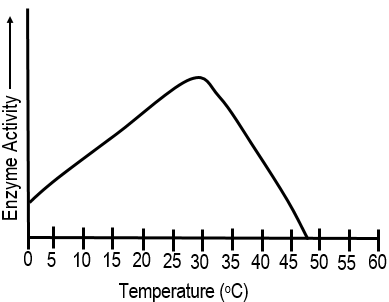
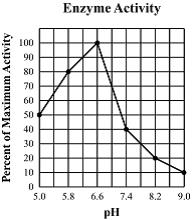


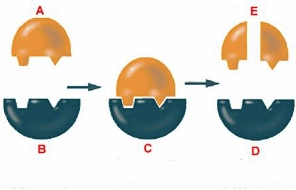
Which letter represents the Product ?
B
C
D
E
Which letter represents the substrate?
A
B
Which letter represents the enzyme?
A
B
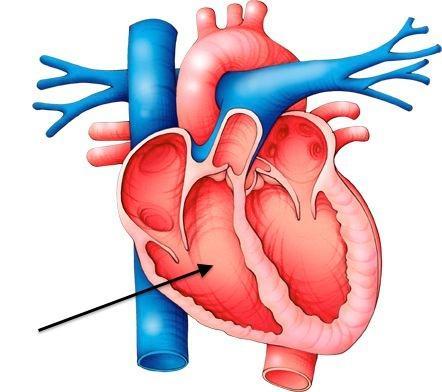
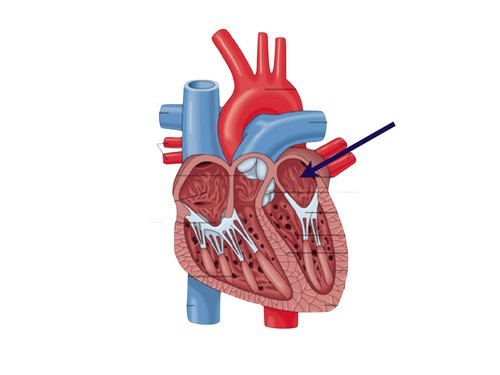
This organ pumps blood through your body.
heart
artery
vein
capillaries
These blood vessels take oxygenated blood to the body cells.
heart
artery
vein
capillary
These blood vessels carry deoxygenated blood to the lungs.
heart
capillaries
veins
arteries
Small blood vessels that diffuse oxygen, carbon dioxide, and nutrients.
heart
arteries
veins
capillaries

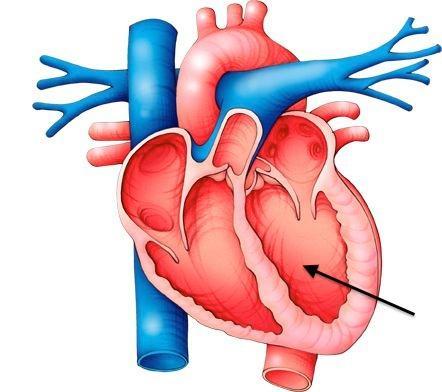
Which type of nutrient is needed for growth and repair?
proteins
carbohydrates
fats
vitamins
Which type of nutrient(s) is needed to provide energy?
proteins
carbohydrates
fats
vitamins
Which of the following is not, technically, a nutrient?
fat
protein
carbohydrate
fibre
What vitamin is produced by the skin when exposed to sunlight, and what does a deficiency in that vitamin lead to?
Vitamin D, scurvy
Vitamin A, night blindness
Vitamin D, rickets
Vitamin C, scurvy

Identify the disease and name the deficiency that causes it?
Kwashiorkar, caused due to deficiency of proteins
Kwashiorkar, caused due to deficiency of proteins and carbohydrates
Marasmus, caused due to deficiency of proteins
Marasmus, caused due to deficiency of proteins and carbohydrates
__________ is caused by a lack of vitamin C, and causes painful joints and bleeding gums.
Kwashiorkor
Night blindness
Scurvy
Rickets

