
 Worksheets
Introduction to Oceans
Total questions: 82
Worksheet time: 41mins
Oceans cover approximately ___% of Earth's surface and contain ___% of the planet’s water.
71; 97
60; 80
50; 90
80; 60
Which of the following is NOT a crucial role played by oceans?
A) Climate regulation
B) Oxygen production
C) Supporting marine life
D) Producing fossil fuels
Oceans provide food, resources, and economic benefits to humans.
True
False
Oceans drive global weather patterns and influence precipitation levels.
True
False
Oceans act as a carbon sink, absorbing about ___% of human-generated CO₂ emissions.
25
10
50
70
Which ocean is the largest and deepest, covering over 63 million square miles and contains the Mariana Trench, the deepest part of the ocean?
Pacific Ocean
Atlantic Ocean
Indian Ocean
Arctic Ocean
Which ocean is the second largest, vital for global trade and climate patterns, and is home to the Gulf Stream, which influences weather in North America and Europe?
Atlantic Ocean
Indian Ocean
Arctic Ocean
Southern Ocean
Which ocean has warmer waters, is rich in marine biodiversity, and is important for monsoon systems?
Indian Ocean
Atlantic Ocean
Arctic Ocean
Southern Ocean
Which ocean surrounds Antarctica, is crucial for global ocean currents, and regulates the Earth's temperature?
Southern Ocean
Atlantic Ocean
Indian Ocean
Arctic Ocean
Which ocean is the smallest and shallowest, highly affected by climate change, and has rapidly declining ice coverage due to global warming?
Arctic Ocean
Atlantic Ocean
Indian Ocean
Pacific Ocean
Which ocean is located between Africa and Australia?
Pacific Ocean
Atlantic Ocean
Indian Ocean
Arctic Ocean
Look at the map of Earth's Oceans. The Pacific Ocean borders which of the following continents?
North America
South America
Asia
Australia
All of the above
Look at the map of Earth's Oceans. The ocean located at the North Pole is called the ________ Ocean.
Arctic
Atlantic
Indian
Pacific
Which ocean is located south of Asia?
Pacific Ocean
Atlantic Ocean
Indian Ocean
Arctic Ocean
Fill in the blank: Oceans absorb heat and CO₂, helping to stabilize _________
temperatures
salinity
currents
depths
Fill in the blank: Phytoplankton produce over 50% of Earth's ________, making oceans vital for life.
oxygen
carbon dioxide
nitrogen
hydrogen
Fill in the blank: Over 3 billion people rely on ________ as a primary food source.
seafood
wheat
corn
potatoes
Fill in the blank: Marine industries, including fisheries, tourism, and shipping, generate ________ of dollars globally.
trillions
millions
hundreds
thousands
Fill in the blank: Oceans are home to millions of species, many yet to be discovered, from microscopic plankton to massive ________.
blue whales
sea turtles
dolphins
sharks
Fill in the blank: Marine organisms contribute to pharmaceuticals, with discoveries leading to cancer treatments, antibiotics, and ________.
painkillers
fertilizers
plastics
dyes
Marine Biodiversity: Coral reefs cover less than ___% of the ocean floor but support 25% of marine species.
1
10
5
20
Which ecosystem is home to unique, bioluminescent species adapted to extreme conditions?
Coral Reefs
Deep-Sea Ecosystems
Coastal Habitats
Migratory Species
Marine Biodiversity: Mangroves, estuaries, and salt marshes act as nurseries for marine life and protect shorelines from erosion. What type of habitat are these?
Coral Reefs
Deep-Sea Ecosystems
Coastal Habitats
Migratory Species
Marine Biodiversity: Whales, sharks, and sea turtles travel thousands of miles across oceans, playing crucial roles in ecosystems. These animals are examples of ______ species.
Migratory
Endemic
Nocturnal
Terrestrial

What is shown in the image titled 'Coral Reef'?
A desert
A forest
A coral reef
A mountain
Which of the following is true about plastic waste in the ocean?
Less than 1 million tons of plastic enter the ocean each year
Over 8 million tons of plastic enter the ocean each year, harming marine life
Plastic waste does not affect marine life
Plastic waste helps marine habitats
Oil spills ______ marine habitats and take decades to recover.
devastate
decorate
cultivate
celebrate
Chemical runoff from pesticides and fertilizers leads to dead zones by depleting ______ in water.
oxygen
carbon dioxide
nitrogen
phosphorus
Overfishing: 90% of large fish populations are ________ or depleted. Fill in the blank.
overexploited
protected
increasing
untouched
Which fishing method is mentioned as destructive and damaging to ocean habitats?
Line fishing
Bottom trawling
Spearfishing
Net casting
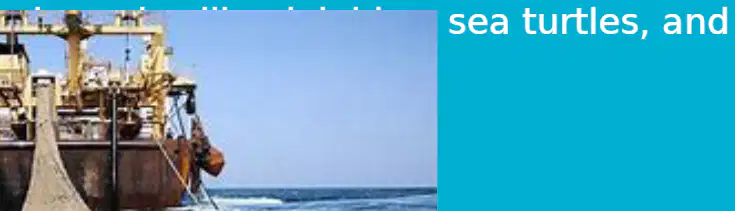
Bycatch kills unintended marine animals, including which of the following?
Dolphins and whales
Sea turtles and seabirds
Sharks and rays
Crabs and lobsters
Climate Change: Rising ocean temperatures cause ________, endangering reef ecosystems. (Fill in the blank)
coral bleaching
ocean acidification
glacial melting
deforestation
Climate Change: Melting polar ice contributes to rising ________, threatening coastal communities. (Fill in the blank)
sea levels
mountain heights
forest areas
desert temperatures
Climate Change: More frequent and intense hurricanes and typhoons occur due to ________.
warming waters
decreased rainfall
lower sea levels
reduced sunlight
Coral reefs are among the most diverse ecosystems on Earth but face severe threats. Which of the following is NOT a cause of coral reef decline?
Rising sea temperatures
Ocean acidification
Coastal development and pollution
Increased fish population
Causes of coral reef decline include: Rising sea temperatures lead to mass bleaching events. What happens to corals during prolonged heat stress?
They grow faster
They expel the symbiotic algae (zooxanthellae)
They become more colorful
They produce more energy
Causes of coral reef decline include: Ocean acidification weakens coral skeletons, making them more _______.
vulnerable
colorful
abundant
resistant
Causes of coral reef decline include: Coastal development and pollution smother reef habitats. True or False: Coastal development and pollution have no impact on coral reefs.
True
False
More than ____% of coral reefs could be lost by 2050 without urgent intervention.
50
10
25
70
What causes ocean acidification?
Increased CO₂ absorption
Decreased oxygen levels
Increased salt concentration
Decreased water temperature
Ocean acidification lowers ______ levels, negatively affecting marine life.
pH
salinity
temperature
oxygen
Which species struggle to build their calcium-based shells due to ocean acidification?
A) Crabs, oysters, and plankton
B) Sharks and whales
C) Dolphins and turtles
D) Seaweed and coral
Ocean acidification disrupts entire marine food chains, impacting fisheries and global food security.
True
False
According to the passage, by how many inches have global sea levels risen since 1880?
8 inches
2 inches
15 inches
25 inches
Which areas are most vulnerable to rising sea levels according to the passage?
Mountain regions
Low-lying coastal cities and island nations
Deserts
Forests
Which of the following is NOT listed as an impact of rising sea levels in the passage?
Increased flooding and erosion
Habitat loss for coastal species
Saltwater intrusion contaminating freshwater sources
Increased snowfall
Scientists predict sea levels could rise by how many feet by 2100 if global warming continues at current rates?
1-3 feet
5-7 feet
10-12 feet
15-20 feet
Which of the following is a consequence of rising sea levels according to the passage?
Increased flooding and erosion
Habitat loss for coastal species
Saltwater intrusion contaminating freshwater sources
All of the above
Oceans drive global weather systems by absorbing and distributing _______.
heat
salt
oxygen
carbon dioxide
Warm ocean currents, such as the Gulf Stream, influence _______ and rainfall in coastal regions.
temperature
salinity
wind speed
ocean depth
El Niño and La Niña events alter global weather, causing ________, floods, and temperature fluctuations.
droughts
earthquakes
volcanoes
tornadoes
The ocean-atmosphere interaction determines storm _______ and severity.
frequency
temperature
direction
duration
Warmer waters provide more energy for hurricanes, leading to which of the following? Choose all that apply.
Stronger and more frequent storms
Increased coastal flooding and storm surges
Greater economic damage and loss of life in affected areas
Which ocean current is mentioned as influencing temperature and rainfall in coastal regions?
Gulf Stream
El Niño
La Niña
Pacific Current
El Niño circulates warm water across the central and eastern ___ Ocean.
Pacific
Atlantic
Indian
Arctic
What happens to trade winds during El Niño?
They strengthen
They weaken or reverse
They remain unchanged
They move southward
What is the effect of El Niño on the central and eastern Pacific Ocean?
It cools significantly
It warms significantly
It remains unchanged
It freezes
During an El Niño event, what happens to atmospheric pressure in the eastern Pacific?
It rises
It lowers
It remains unchanged
It fluctuates randomly
How does El Niño disrupt global weather?
It cools the atmosphere
It alters jet streams and storm tracks, leading to droughts in some regions
It increases rainfall everywhere
It has no effect on weather
La Niña is essentially the opposite of ______ and is caused by stronger-than-normal trade winds that intensify the normal ocean circulation in the Pacific Ocean. Fill in the blank.
El Niño
Monsoon
Hurricane
Tornado
Which of the following is an effect of La Niña? Choose the correct option.
Weaker trade winds
Stronger trade winds
No change in trade winds
Trade winds stop blowing
During La Niña, what happens to the cold, nutrient-rich water along the coast of South America?
It sinks deeper
It rises from the deep ocean
It moves eastward
It warms up
Atmospheric pressure in the eastern Pacific ______ during La Niña, while pressure in the western Pacific decreases. Fill in the blank.
increases
decreases
remains the same
fluctuates unpredictably
What is a global weather impact of La Niña?
The cooling of the Pacific causes drier conditions in South America and the southern U.S.
The Pacific warms up and causes wetter conditions in South America
There is no impact on global weather
The Pacific causes hurricanes in Europe
Brackish water is a mix of ______ and saltwater, with salinity levels between freshwater and seawater.
fresh
distilled
mineral
rain
Where are estuaries typically found?
Where lakes meet the ocean
Where rivers meet the ocean
Where mountains meet the sea
Where deserts meet the ocean
Estuaries are among the most ______ ecosystems, supporting diverse species of fish, birds, and marine life.
productive
arid
barren
hostile
What role do estuaries play for young fish and shellfish?
They serve as nurseries before the fish and shellfish move to open waters.
They are places for adult fish only.
They are not important for fish or shellfish.
They are only habitats for birds.
Estuaries help protect coastlines by buffering against ______ and filtering pollutants.
storm surges
earthquakes
droughts
volcanic eruptions
Which of the following is NOT an example of an estuary mentioned in the passage?
Chesapeake Bay (USA)
Amazon River Estuary (Brazil)
Sundarbans (India/Bangladesh)
Great Barrier Reef (Australia)
Fill in the blank: Over 7% of the ocean is protected by Marine Protected Areas (MPAs), but scientists recommend at least ___% by 2030.
30
10
50
20
Which of the following is NOT a part of sustainable fishing practices?
Implementing fishing quotas
Banning harmful methods
Promoting aquaculture
Increasing single-use plastics
Fill in the blank: Pollution reduction efforts include banning single-use plastics, improving waste management, and regulating ________ runoff.
industrial
recreational
residential
seasonal
Offshore wind and wave energy are examples of renewable energy that reduce dependence on fossil fuels.
True
False
Fill in the blank: Coral reef restoration involves growing coral in labs and reintroducing them to ________ reefs.
damaged
healthy
deep-sea
artificial
Which international agreement aims to reduce carbon emissions and mitigate climate change impacts?
Kyoto Protocol
Paris Agreement
Montreal Protocol
Geneva Convention
Fill in the blank: One way to help the environment is to reduce plastic use by opting for ________ alternatives.
reusable
disposable
plastic
single-use
Fill in the blank: You can support sustainable seafood choices by checking ________ labels.
certification
nutrition
expiration
brand
Fill in the blank: Reduce carbon footprint by using ________ energy and conserving energy at home.
renewable
fossil
nuclear
chemical
Fill in the blank: Participate in ________ cleanups and marine conservation programs.
beach
forest
mountain
desert
Fill in the blank: Advocate for ocean-friendly policies and support ________ organizations.
environmental
financial
sports
fashion
Fill in the blank: Educate others about the importance of ocean conservation and the ________ they face.
threats
benefits
colors
locations

