
 Worksheets
Cranium/facial/sternum/ribs
Total questions: 83
Worksheet time: 55mins


What is number 1?
Parietal
Sphenoid
Temporal
Ethmoid

What is number 2?
Parietal
Nasal
Temporal
Ethmoid

What is number 3?
Parietal
Sphenoid
Temporal
Ethmoid

What is number 4?
Parietal
Nasal
Temporal
Ethmoid

What is number 5?
Parietal
Nasal
Temporal
Lacrimal

What is number 6?
Ethmoid
Zygomatic
Maxilla
Mandible

What is number 7?
Zygomatic
Maxilla
Mandible
Vomer

What is number 8?
Maxilla
Mandible
Frontal
Parietal

What is number 9?
Parietal
Frontal
Temporal
Zygomatic

What is number 11?
Lacrimal
Ethmoid
Vomer
Hyoid

What is number 4?
Lacrimal
Nasal
Ethmoid
Sphenoid

What is number 10?
Parietal
Occipital
Temporal
Frontal

What is number 5?
Lacrimal
Ethmoid
Zygomatic
Nasal

What is number 1?
Palatine
Zygomatic
Vomer
Sphenoid

What is number 5?
Palatine
Vomer
Temporal
Parietal
The bone that unties the cranial and facial bones.
ethmoid bone
parietal bone
malar bone
sphenoid bone


Identify cranial bone "B"
Lacrimal
Ethmoid
Parietal
Sphenoid
How many cranial bones and how many facial bones?
12 cranial bones and 10 facial skeletal bones
4 cranial bones and 18 facial skeletal bones
8 cranial bones and 14 facial skeletal bones
20 facial skeletal bones and 2 cranial bones

Another name for your skull, what would you call the section in red?
Clavicle
Cranium
Mandible
Zygomatic

This horseshoe shaped bone in the neck that supports the larynx.
Atlas
Mandible
Hyoid bone
Stapes bone


While playing basketball Eric comes down for a rebound and his elbow lands on the face of the other teams center. His opponent drops to the ground and holds his cheek and is in intense pain. What bone was likely broken on the players face?
Maxilla
Nasal bone
Zygomatic bone
Frontal bone
Damage to the temporal bone would affects would most likely affect the sense (s) of
Hearing and balance
Balance
Smell
Vision
What are the large areas composed of fibrous tissue between the cranial bones of an infant called?
Fontanelles
Conchea
Infant sutures
Cranial septum
What is the function of fontanelles?
Provides protection to the brain
Contains the optic nerve
Allows the skull to flex
Provides space for the parasinuses to form

Name the bone highlighted in green.
Occipital
Parietal
Temporal
Sphenoid

Name the bone ighlighted in green.
Mandible
Maxilla
Temporal
Sphenoid

Name the bone highlighted in green.
Zygomatic
Temporal
Parietal
Ethmoid

Name the bone highlighted in green.
Zygomatic
Frontal
Parietal
Sphenoid

Name the bone highlighted in green.
Zygomatic
Temporal
Sphenoid
Lacrimal

Name the bone ighlighted in green.
Sphenoid
Vomer
Ethmoid
Lacrimal

Name the bone ighlighted in green.
Zygomatic
Vomer
Ethmoid
Lacrimal

What suture is highlighted in red?
Coronal suture
Squamous suture
Lambdoid suture
Sagittal suture
What cranial landmark is this?
Optic Canal
External auditory meatus
Foramen Magnum
Mastoid Foramen
Which bone is highlighted in green?
Maxilla
Parietal
Temporal
Sphenoid

Identify the bone highlighted in green.
Parietal
Temporal
Ethmoid
Sphenoid

Which bone is highlighted in green?
Frontal
Occipital
Parietal
Temporal

Identify the bone highlighted in green.
Temporal
Parietal
Frontal
Occipital

Which bone is highlighted in green?
Zygomatic
Frontal
Nasal
Lacrimal

Identify the highlighted bone.
Ethmoid
Parietal
Sphenoid
Temporal

Which bone is highlighted in green?
Ethmoid
Lacrimal
Sphenoid
Vomer

Which bone is highlighted in green?
Frontal
Parietal
Temporal
Zygomatic

Name the highlighted suture.
Coronal suture
Lambdoid suture
Sagittal suture
Squamous suture

Name the highlighted bone.
Frontal
Maxilla
Temporal
Zygomatic

Name the bone highlighted in green.
Frontal
Maxilla
Occipital
Parietal

Name the bone highlighted in green.
Frontal
Occipital
Parietal
Temporal

Name the bone highlighted in green.
Mandible
Maxilla
Temporal
Zygomatic

Name the bone highlighted in green.
Ethmoid
Nasal
Sphenoid
Vomer

Name the landmark indicated by the red arrow.
Lambdoid suture
Mastoid process
Zygomatic arch
Styloid process

Name the landmark highlighted in red.
Coronal suture
Lambdoid suture
Sagittal suture
Squamous suture

Name the bone highlighted in green.
Mandible
Manubrium
Mastoid
Maxilla

Name the bone highlighted in green.
Ethmoid
Occipital
Lacrimal
Vomer

Name the bone highlighted in green.
Parietal
Sphenoid
Temporal
Zygomatic

Name the bone highlighted in green.
Ethmoid
Frontal
Sphenoid
Temporal

Tibia
Femus
Sternum
Mandible
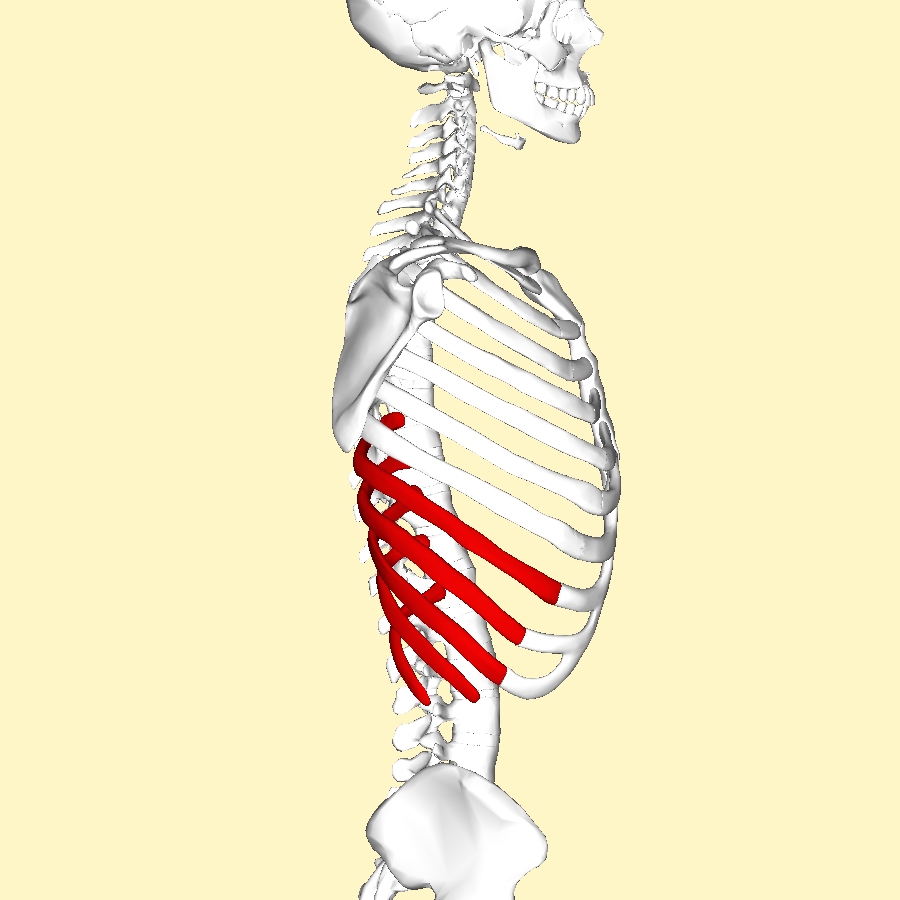
Ribs 8-10 that are connected, via cartilage, to rib pair 7, and are thus indirectly connected to the sternum, are known as
true ribs
false ribs
floating ribs
suprasternal ribs

Identify the structure indicated in the image.
manubrium
body of sternum
xiphoid process
rib cage

identify the skeletal bone in the picture that is highlighted green and blue; also known as the breastbone
clavilce
Sternum
Rib Cage
verterbrae
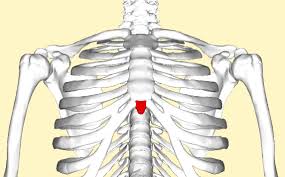
Identify the structure indicated in the image.
manubrium
body of sternum
xiphoid process
rib cage
sternum

Ribs that are not connected to the sternum are called
true ribs
false ribs
floating ribs
suprasternal ribs

Ribs
Cranium
Sacrum
Hipbone

What part of the thorax is "B"?
Sternal Notch
Manubrium
Xiphoid Process
Costal Arch

The cartilage that connects ribs to the sternum is known as
fibrocartilage discs
costal cartilage
elastic cartilage
dense regular connective tissue

Sacrum
Thorax
Pelvis
Metacarpals

How many ribs do you have total?
24
12
7
5


