
 Worksheets
Integumentary System Review
Total questions: 90
Worksheet time: 1hrs 6mins
What layer of the skin contains sweat glands?
Dermis
Epidermis
Hypodermis
Subcutaneous

The hard, waterproofing protein that fills the cells in the upper layers of the epidermis and also makes up your hair and nails.
Which is NOT a function of your skin?
Protecting your body from outside invaders
Regulating temperature
Taking in oxygen
Sensing touch and temperature
The dermis is made up of the papillary and ______ layer.
Statum basale
Papillary
Reticular
Areolar
Which layer of epidermis would contain 100% dead cells that have been fully keratinized (flattened/hardened)?
Stratum basale
Stratum corneum
Stratum lucidum
Stratum granulosum
Which type of cell is found in the hypodermis?
adipose tissue
keratinocytes
Langerhans (dendritic) cells
melanocytes
Merkel cells
What body system is responsible for protecting us from the outside environment?
(pay attention to spelling)
Entegumentary
integmmentary
integumentary
integummentary
If you are going to see a dermatologist, what are you seeing them for?
cancer
skin conditions
heart conditions
breathing conditions

Which vitamin begins its synthesis in the skin when exposed to UV light?
Vitamin A
Vitamin E
Vitamin C
Vitamin D

The sensations of touch and pressure are picked up by receptors located in
the subcutaneous tissue
the stratum spinosum
the dermis
the stratum corneum
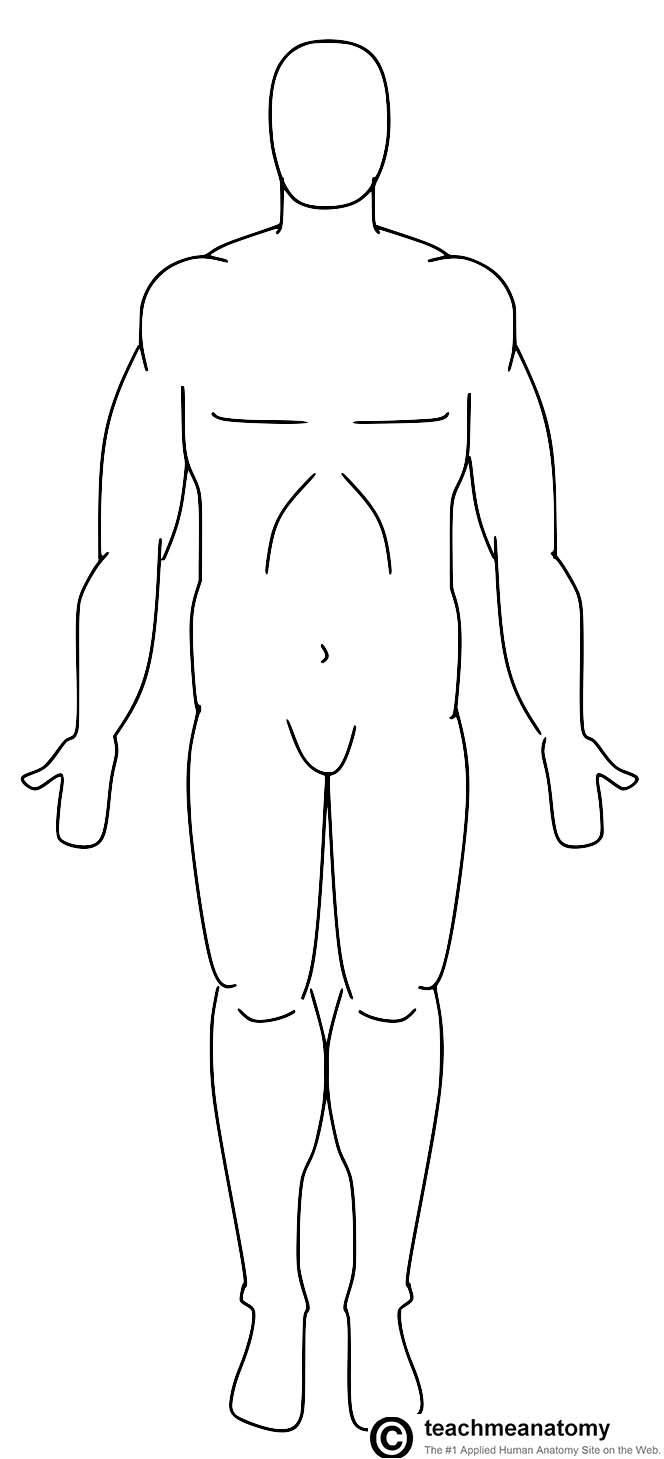

What are the main layers of the skin from deep to superficial?
epidermis, dermis, hypodermis
dermis, hypodermis, epidermis
dermis, epidermis, hypodermis
hypodermis, dermis, epidermis
What are the main layers of the skin from superficial to deep?
epidermis, dermis, hypodermis
dermis, hypodermis, epidermis
dermis, epidermis, hypodermis
hypodermis, dermis, epidermis


Which are part of the integumentary system?
Muscles, skeleton, bone marrow
Hair, skin, bones
Hair, skin, nails
Brain, spinal cord, nerves

How does your epidermis protect you from germs?
By oil secretions
By forming a boundary of protection
By hair as protection
By sweat

Which order is correction from superficial to deep?
basale, spinosum, granulosum, lucidum, corneum
spinosum, granulosum, basale, corneum, lucidum
lucidum, corneum, basale, granulosum, spinosum
corneum, lucidum, granulosum, spinosum, basale
Which of these is defined as the outer layer of skin?
Dermis
Follicle
Pore
Epidermis
Which of these is defined as a strand of hair that grows in the dermis?
Dermis
Follicle
Pore
Epidermis
The largest organ we have is the skin.
True
False
What are the three layers of our skin? (mark all that apply)
Epidermis
Pores
Dermis
Subcutaneous fat
Which of these causes melanin to be produced?
Exposure to water
Exposure to air
Exposure to sunlight
Exposure to ice cream
Stratum Basale is where
epidermal layer with flattened and dead cells
dermal layer where receptors are
epidermal layer where mitosis occurs
Hypodermal layer is
Bluish skin or lips is sign of poor circulation, what is this condition called?
Cyanosis
Carotene
Cystic Fibrosis
Colorless
The deepest layer of skin is the ____.
Epidermis
Dermis
Hypodermis
Which layer of the epidermis is only found on the palms of hands and soles of feet?
Stratum Corneum
Stratum Lucidum
Stratum Basele
Stratum spinosum


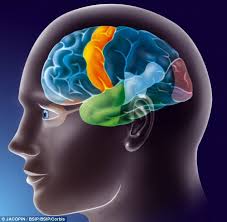
[The eyes are _______ to the brain].
What is the function of the epidermis?
Provide a protective layer
Determine skin color
Prevent water loss
All of the above
The receptors in your skin that detect light touch are
Meissner's corpuscles
Pacinian corpuscles
Krause's corpuscles
Pain receptors
Which layer is found only in thick skin?
Stratum spinosum
Basal layer
Stratum germinativum
Stratum lucidum
Which one is a job of the epidermis?
makes new skin cells
helps with blood flow
controls nerve endings
controls muscles
What is a job of the dermis?
makes nails hard
helps with respiration
grow hair
move muscles
Which one is not a way to prevent skin cancer?
get a sun tan
don't use tanning beds
use sunscreen
wear a hat
Which one is a type of skin cancer?
melanoma
cystic fibrosis of the skin
fibromyalgia
acne
Which one is a way to prevent skin cancer?
sunscreen
use tanning bed
get sunburned
dance everyday
What is melanin?
a type of fruit
gives your skin color
makes your hair soft
in our sweat

Identify the structure indicated
Hair shaft
Hair root
Hair folicle
Hair papilla

Identify the structure indicated by the red arrow
epidermis
dermis
dermal papillae
hypodermis/subcutaneous

Identify the structure indicated by the red arrow
epidermis
dermis
dermal papillae
hypodermis/subcutaneous

Identify the structure indicated by the red arrow
epidermis
dermis
dermal papillae
hypodermis/subcutaneous
Aging affects our integumentary system
true
false

What layer is represented by letter B?
Stratum Corneum
Dermis
Stratum Lucidum
Epidermis
Which layer of your skin is replaced about every 4 weeks?
Epidermis
Dermis
Hypodermis
All of them
Which of the following increases your risk for having melanoma?
Having darker skin
Being exposed to UV light
Using sunscreen
Being young
Which of the following is a warning sign of melanoma in a mole?
symmetrical shape
smooth border
small diameter
different colors
Which of the following is most responsible for the skin color of dark-skinned people?
melanin
carotene
hemoglobin
cyanosis
Which of the following provides a natural sunscreen for skin?
melanin
carotene
hemoglobin
vitamin D
What types of Skin Cancer are there?
Melanoma
Bowel
Basal Cell Carcinoma
Squamous Cell Carcinoma
Leukemia
What causes skin cancer?
Over exposure to the sun
Lack of exposure to the sun
UV rays
Vitamin D
What does "metastatic" mean?
Not easily spread to other parts of the body
Easily spread to other parts of the body
Resistant to chemotherapy
Benign
What should you do to protect yourself against the sun?
Wear a hat
Put sunscreen on
Find some shade
Put sunglasses on
Put a shirt on
the condition of complete loss of pigment from the skin
leukoderma
albinism
keratin
all of the above
What skin type has flaky skin?
Oily
Sensitive
Dry
Mature

Which is not a function of the integumentary system?
Protection against foreign objects
Sweating/cooling
Insulating/warming
Urinating
How many layers are there in the Integumentary System?
1
3
5
7
Which layer of the Integumentary System is the deepest / 3rd layer?
Dermis
Epidermis
Hypodermis
Callouses
Which skin layer is composed of dead cells? (check all that apply)
stratum corneum
stratum lucidum
stratum spinosum
stratum basale
stratum germinativum


The Dermis is made of two parts called the ______ layer.
Dermal Papillae
Reticular
Papillary
Areolar Connective Tissue
Dense Connective Tissue
Layer that provides the Stratum Basale with nutrients
Dermal Papillae
Reticular
Papillary
Areolar Connective Tissue
Dense Connective Tissue
The dermis is also known as...
epidermis
most superficial layer
your "Hide"
Areolar Connective Tissue
Dense Connective Tissue
The dermis is made up of what type(s) of tissue? Select all that apply.
Stratified Squamous Epithelial Tissue
Adipose Tissue
Muscle Tissue
Areolar Connective Tissue
Dense Connective Tissue
Another name for the hypodermis
Subcutaneous Layer
Adipose Tissue
Insulation
Anchoring
Shock Absorption


Which one is thicker?
dermis
epidermis
The type of burn caused by wind, brief exposure to steam, and light sunburn is ______________.
First-degree burn
Second-degree burn
Third-degree burn
The most severe burn
You should peel away clothing that has "melted" into the flesh of a burn patient
true
false
What should you tell the 911 operator when he asks, "How bad are the burns?"
What is the most painful type of burn?
First-degree burns, because the outer skin is so sensitive
Third-degree burns, because they are the most severe
Second-degree burns, because nerve endings are still intact even though tissue damage is severe
All types of burns are excruciatingly painful
Place in order from outside to inside:
A.) Dermis;
B.) Epidermis;
C.) Hypodermis (Subcutaneous tissue)
A B C
B A C
B C A
A C B
How do first-degree burns differ from second-degree burns?
First-degree burns only affect the epidermis; second-degree burns can extend into the dermis
First degree-burns are painless; second-degree burns hurt a lot
First degree-burns can extend into the dermis; second-degree burns only affect the epidermis
First degree-burns hurt a lot; second-degree burns are painless
Why can you often not feel third-degree burns?
Because they severely damage the nerve endings in your skin
Because they only slightly damage the dermis.
Because they cause scabs to form and this seals the skin and prevents dehydration.
Because they only a partial thickness burn.

