
 Worksheets
Revision Chapter Biodiversity (96 questions)
Total questions: 94
Worksheet time: 2hrs 34mins
Which of the following statements show characteristics of Sulfolobus sp.?
I. The cell walls do not contain peptidoglycan.
II. There are no membrane-enclosed organelles within their cytoplasm.
III. Their DNA consist of histone proteins.
IV. Their membrane lipid has unbranched hydrocarbon chain that linked by ether linkage
I, II and III
II, III and IV
I, II and IV
I, III and IV
Which compound in the cell wall that causes a Gram positive bacteria stain purple in colour when it is treated with crystal violet dye?
Outer membrane
Lipoprotein
Peptidoglycan
Lipopolysaccharide
Which of the following statements are TRUE about organisms in the Domain Bacteria?
I. Consist of bacteria and archaebacteria
II. Some are photoautotrophs
III. Genetic material is associated with histone protein
IV. Membrane-enclosed organelles are not present
I and II
I and III
II and III
II and IV
All answers listed below are true about bacteria EXCEPT
all are prokaryotes
all are unicellular
all are harmful
all do not have nucleus
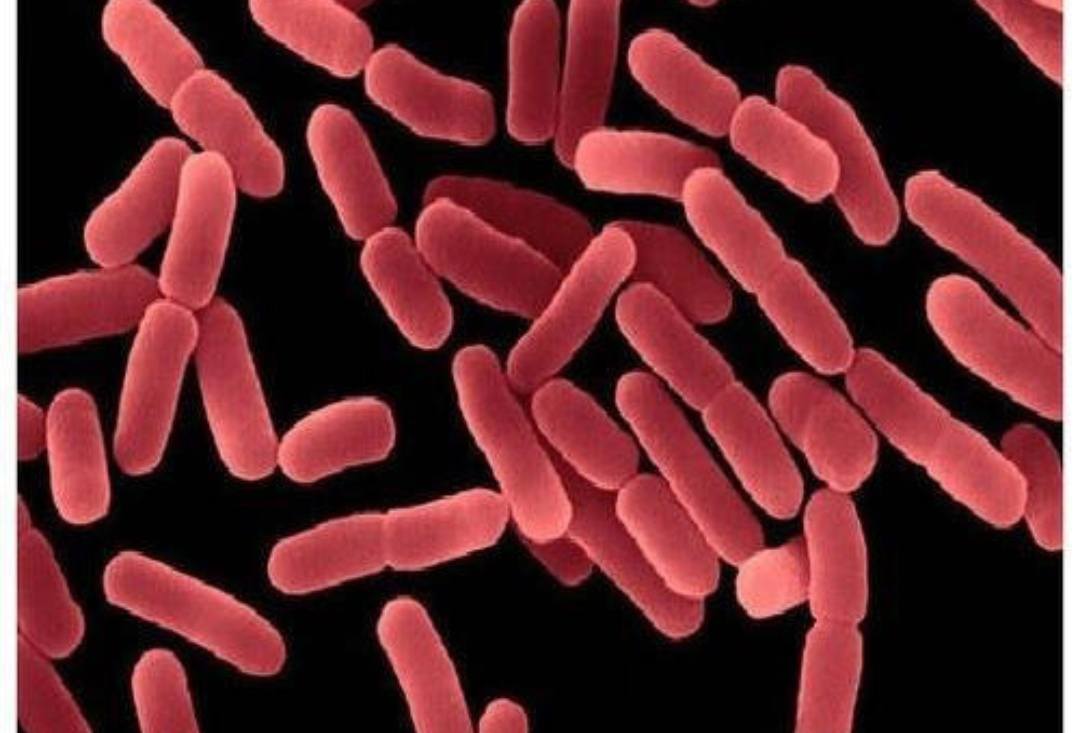
The shape for this bacteria is called .............
spiral
bacillus
coccus
vibrio
The Gram-positive bacteria stain purple because
they form thin outer membrane
they have thick outer membrane
they have thin peptidoglycan layer
they have thick peptidoglycan layer
Which domain has membrane lipid with unbranched hydrocarbon chain that linked by ester linkage?
Bacteria
Archaea
Eukarya
Which of the following is NOT a type of biodiversity?
Species diversity
Ecological diversity
Genetic diversity
Ecosystem diversity
Biome diversity
Which of following Kingdom classify under Domain Eukarya?
Kingdom Fungi
Kingdom Plantae
Kingdom Monera
Kingdom Protista
Kingdom Archaea
Which of the following bacteria has dark blue or purple color during Gram staining technique?
Salmonella sp.
E. coli
Rhizobium sp.
Lactobacillus sp.
Microorganism that found in extreme environments such as hot springs and underwater volcanoes classify under which Domain?
Both Archaea & Bacteria
Archaea
Bacteria
None of these
The THREE shapes of bacteria are
Square, round, rod
spiral, cylinder, rod
rod, spiral, spherical
rod, round, cylinder
The scientific name of a bacteria is Streptococcus aureus. Which species does it belong to?
Streptococcus
aureus
bacteria
Monera
The most common mode of reproduction in bacteria is
binary fission
transformation
transduction
conjugation
Bacteria plays role in nitrogen fixation is related to importance of bacteria which is;
recycling of chemical elements in ecosystem
symbiotic
pathogenic
in research and technology
Based on five kingdom system, Bacteria and Archaea are considered in kingdom
Monera
Bacteria
Archaea
Prokaryotes
Which of following is NOT example of bacteria?
S. aureus
Chlamydomonas sp.
Nitrosomonas sp.
Lactobacillus sp.
Fucus sp.
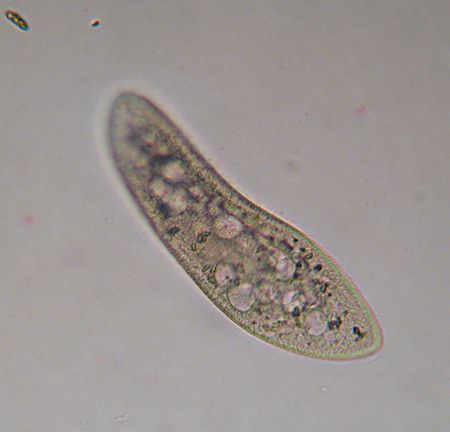

The primary grouping of protozoa is based upon their
Feeding habits
Mode of reproduction
Mode of locomotion
Mode of nutrition
The paramecium belongs to the Kingdom ____ and the Phylum _____
Ciliphora, Protista
Protista, Ciliophora
Protozoa, Protista
Animalia, Protista
Red tides” and extensive fish kills are caused by population “blooms” of
Euglena.
specific dinoflagellates.
diatoms.
Plasmodium.
Protista differs from Monera in having
cell wall
nuclear membrane
flagella
autotrophic nutrition
Non-vascular plants belongs to which group?
pteridophytes
bryophytes
gymnosperms
angiosperms
Which of these species belongs to bryophytes?
Polytrichum sp.
Dryopteris sp.
Pinus sp.
Hibiscus rosa-sinensis
Which of the following is the unique characteristics for Kingdom Plantae
cell wall consist of peptidoplycan
carbohydrate storage is glycogen
has alternation of generation
motile
Mosses and liverworts are called non-vascular plant because
they lack motile sperm
they lack seed
they lack vascular tissue
they lack true roots, stems and leaves
Which of the following is NOT a characteristic of pteridophytes?
Sporophyte generation is dominant
Gametophyte generation is dominant
Produce spores
Has true roots, stems and leaves
Why Hibiscus sp. are considered more advanced compared to Pinus sp.?
Xylem consists of vessel and tracheid
Reproduction by producing seeds
Phloem consists of sieve tube
Has true roots, stem and leaves
Alternation of generations in plants refers to the alternation of
diploid and haploid stages
male and female stages
meiotic and mitotic stages
spore and seed stages
Most conifers have separate male and female reproductive parts on the same tree. This condition is referred to as
monoecious
dioecious
homosporous
heterosporous
Angiosperms are the most successful terrestrial plants. Which of these features is unique to them and helps account for their success?
Dominant gametophytes
Fruits enclosing seeds
Embryos enclosed within seed coats
Sperm cells without flagella

This plant is classified under
Bryophytes
Pteridophytes
Gymnoperms
Angiosperms

This plant is classified under
Bryophytes
Pteridophytes
Gymnoperms
Angiosperms
In a fern life cycle, the ____________ is the dominant generation.
haploid gametophyte
haploid sporophyte
diploid gametophyte
diploid sporophyte
Why Gymnosperms is more advance compared to Pteridophyes?
Vascular plants
Sporophyte generation is dominant
Produce seed
Has true roots, stems and leaves

Dominant generation is gametophyte generation. This statement is TRUE for...
pteridophytes
bryophytes
angiosperms
gymnosperms
The common name for the organism in bryophytes is
mosses
flowering plants
ferns
pines
All statements below is true about gymnosperms EXCEPT
heterosporous
seed does not enclosed within ovary
non-vascular plants
less dependent on water for fertilization
Which of the following is NOT a unique characteristic of Angiosperms?
Double fertilization
Formation of pollen tube
Seed is protected within ovary
Produce cone
Fungi are reproduced by
flower
seed
spore
cone
Which of the following features that acts as an important fungal identification and classification in Basidiomycota?
Mycelium
Hyphae
Sexual spores
Cell wall
The organism used in bread, beer and wine production is the
Candida sp.
Saccharomyces sp.
Penicillium sp.
Agaricus sp.
The organism used in bread, beer and wine production is the
Candida sp.
Saccharomyces sp.
Penicillium sp.
Agaricus sp.
What is the similarity between Kingdom Monera, Fungi and Plantae?
All organisms consist of cell walls.
All organisms are eukaryotes.
All organisms are multicellular.
All organisms are not autotrophs.
Fungi have several ways of asexual reproduction such as
produce spores enclosed in sporangia
naked spores known as conidia
budding
all of the above
The fungi phylum that produces sexual spores in microscopic sac-like structure is called
Ascomycota
Zygomycota
Basidiomycota
Chordata
Agaricus sp. belongs to
Ascomycota
Zygomycota
Basidiomycota
Apicomplexa
Penicillium sp. belongs to
Ascomycota
Zygomycota
Basidiomycota
Apicomplexa
Rhizopus sp. belongs to
Ascomycota
Zygomycota
Basidiomycota
Apicomplexa
All statements listed below are true about Rhizopus sp. except
it's hyphae is coenocytic
asexual reproduction by conidia
it produces zygospore
the phylum of Rhizopus sp. is Zygomycota

Hyphae is filamentous body plan (long, branched, thread-like cells). There are two types of hyphae;septate and aseptate. How are they differ from another?
Septate is not divided by crosswall while aseptate is divided by crosswall.
Septate is divided by crosswall while aseptate is not divided by crosswall.
Sorry madam. Xbaca lg.. T_T
Which of the following statements about organisms in the kingdom Fungi are TRUE?
I. Cell wall mainly made of chitin
II. Stores glycogen
III. Some fungi are motile
IV. Heterotrophs
I, II and III
I, II and IV
II, III and IV
I, II, III and IV
The phylum of Mucor sp. is…
Ascomycota
Basidiomycota
Zygomycota
Bryophyta
Fungi are NOT classified as plants because
They do not have cell wall
They produce asexual spores
They do not produce flowers
They do not have chlorophyll
Fungi can exist as
I. saprotrophs
II. autotrophs
III. parasites
IV. mutualists
I only
I, II and III
I, III and IV
I, II and III
All statements below is true about importance of Kingdom Fungi except
act as pathogen
decomposers
causes red tide
pharmaceuticals
All statements below are true about Kingdom Fungi except
composed of mycelium
carbohydrate storage in the form of starch
no chlorophyll
cell wall made of chitin
Which of the characteristics is true about Penicillium sp.?
Asexual reproduction by conidia
Aseptate hyphae
Produce spores within sporangia
The phylum is Zygomycota
Which of the following is the mode of digestion for fungi?
Photosynthetic
Chemotrophic
Saprophytic
Holozoic
Which of the following statements are not the unique characteristics of fungi?
Reserve carbohydrate in form of glycogen
Non-motile
Can reproduce asexually and sexually
Cell wall made of peptidoglycan
Usual mode of reproduction: Sexual
Type of fertilization: External
Embryology: Blastopore contributes to the formation of anus; cleavage is radial
Symmetry: Immature form is bilateral; mature form is five-part radial
Body cavity: Lined with tissue derived from mesoderm
Segmentation: No evidence
Skeleton: Spiny exoskeleton secreted by the dermis and covered with a thin epidermis
Habitat: marine
Into what phylum should this organism be placed?
Chordata
Echinodermata
Mollusca
Nematoda
Coelomate, exoskeleton and jointed appendages are characteristics of
Annelida
Arthropoda
Mollusca
Chordata
Pharyngeal slits, endoskeleton derived from mesoderm and ventral heart are characteristics for
Annelida
Chordata
Cnidaria
Nematoda
The ciliated, free-swimming larva of the cnidarian is called a _______________.
blastula
planula
meusa
polyp
Which phylum and species that has these characteristics
Pseudocoelomate narrow body pointed at both ends Locomotion by contraction of longitudinal muscles Dioecious
Annelida - Pheretima sp
Nematoda - Achatina sp
Nematoda - Ascaris sp
Annelida - Asterias sp
Which of the following is not an arthropod characteristic?
Jointed appendages
Nonsegmented body
molting
exoskeleton
Which phylum is comprised of acoelomate, bilaterally symmetrical and tripoblastic organisms?
nematoda
chordata
porifera
platyhelminthes
Which of the following group of animals is sessile?
jellyfish
cockles
sponge
coral
Which phylum is comprised of coelomate, bilaterally symmetrical, non segemented and tripoblastic organisms?
platyhelminthes
mollusca
cnidaria
echinodermata
Which of the following characteristics is found in all molluscs?
mantle
shell
visceral mass
muscular foot
Which of the following features could be used to distinguish between an earthworm (annelid) and a tapeworm (platyhelminth)?
segmentation
germ layer
body coelom
organization level
The nematodes are also called _________________.
flatworms
roundworms
tapeworms
earthworms
Which phylum and species that has these characteristics
- triploblastic
- acoelomate
- specialized excretion cells called flame cell
- has mouth but no anus
- hermphrodite
Platyhelminthes - Ascaris sp
Annelida - Brugia sp
Platyhelmintes - Taenia sp
Annelida - Pheretima sp
All chordates have _________ at some stage in their life cycle
myosin
pharyngeal gills
notochord
anus
dorsal hollow nerve cord
Which are correctly matched?
Nematoda - Agaricus sp
Cnidaria - Obelia sp
Chordata - Amphioxus sp
Arthropoda - Valanga sp
Echinodermata - Asterias sp

Specialized tissue in sponges are
erythrocytes
choanocytes
porocytes
amoebocytes
pinacocytes
Unique characteristics of cnidaria are
triploblastic
exhibit dimorphism
have coelom
have specialized stinging cells, cnidocytes
consists of protective epidermis and gastrovascular cavity
Which phylum and species that has these characteristics
- bilateral symmetry
- have chaetae/ setae
- have paired of metanephridia
- coelomate
Annelida - Ascaris sp
Nematoda - Acatina sp
Arthropoda - Taenia sp
Annelida - Pheretima sp

This animal is classified under
Nematoda
Annelida
Chordata
Mollusca

Name this species
Saccharomyces cerevisiae
Achatina Fulica
Ascaris lumbricoides
Saccharomyces cerevisiae

