
 Worksheets
Unit 2 Biomolecule Practice Questions
Total questions: 81
Worksheet time: 2hrs 56mins
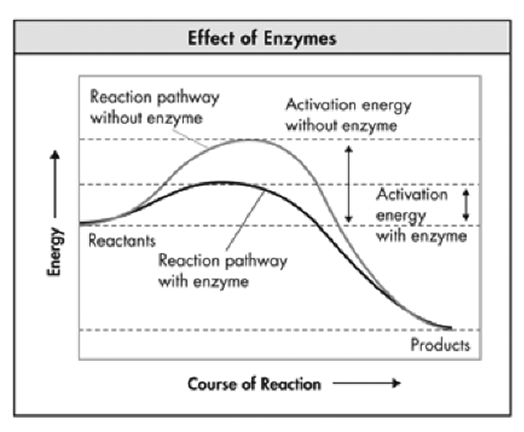
Protein that speeds up a biological reaction by lowering the activation energy needed to start the reaction.
Substrate
Enzyme
Amino acid
Lipid
Carbon compound joined by peptide bonds; building blocks of protein
Amino acid
Carbohydrate
Lipid
Enzyme
What does organic mean (in science)?
It costs more at the grocery store
It contains carbon
It is made of many individual parts
It produces energy
What is a function of lipids?
To provide short term energy to living organisms
The provide the structure in muscles
To provide long term storage of energy
Storing your genetic information
What is the function of proteins?
They are used for cell to cell communication
They insulate the body, are used for short term energy and are found in glycogen
They are used as the structural components of the body (muscles and organs)
They create the cell membrane
Which of the following is a carbohydrate?
DNA
Protein
Sugars
Fats



Which of the following is an example of COHESION?
water sticking to water
water sticking to glass
oil sticking to plastic
hydrogen sticking to oxygen
Water is polar. What does that mean?
it is a molecule with a negatively charged side and a positively charged side
it is a molecule with no charge
it is a molecule with identical charges on opposite ends
it is a molecule with too many protons
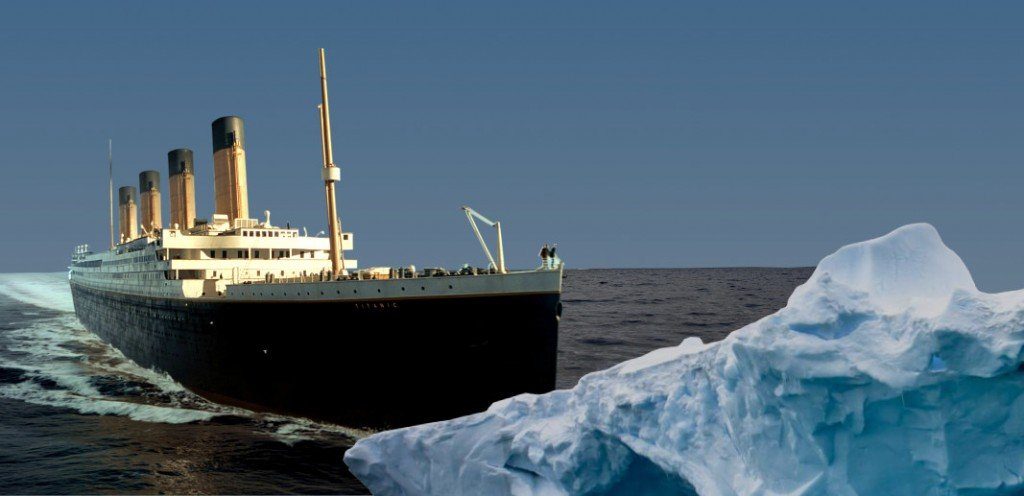
Why does ice float?
water expands when it freezes, making ice less dense than water
water compacts when it freezes, making ice more dense than water
hydrogen bonds in water push the ice to the surface
ice is afraid of water, and avoids it
Large bodies of water, such as lakes and oceans, do not quickly fluctuate in temperature. What is the reason for this phenomenon?
Water is an acid.
Water is a versatile solvent.
Water has a high specific heat.
Water acts as a buffer.

How are covalent bonds formed?
Sharing of electrons
Giving or taking of electrons
Sharing of protons and neutrons
None of the above
What elements make up a protein?
C, H, O
C, H, O, N
C, H, O, N, P
L, M, N, O, P

Which item listed below is the strongest ACID?
acid rain
pure water
ammonia
hydrochloric acid

The following figure is illustrating
Dehydration Synthesis
Hydrolysis
Nuclear Fusion
Biomolecular Splicing
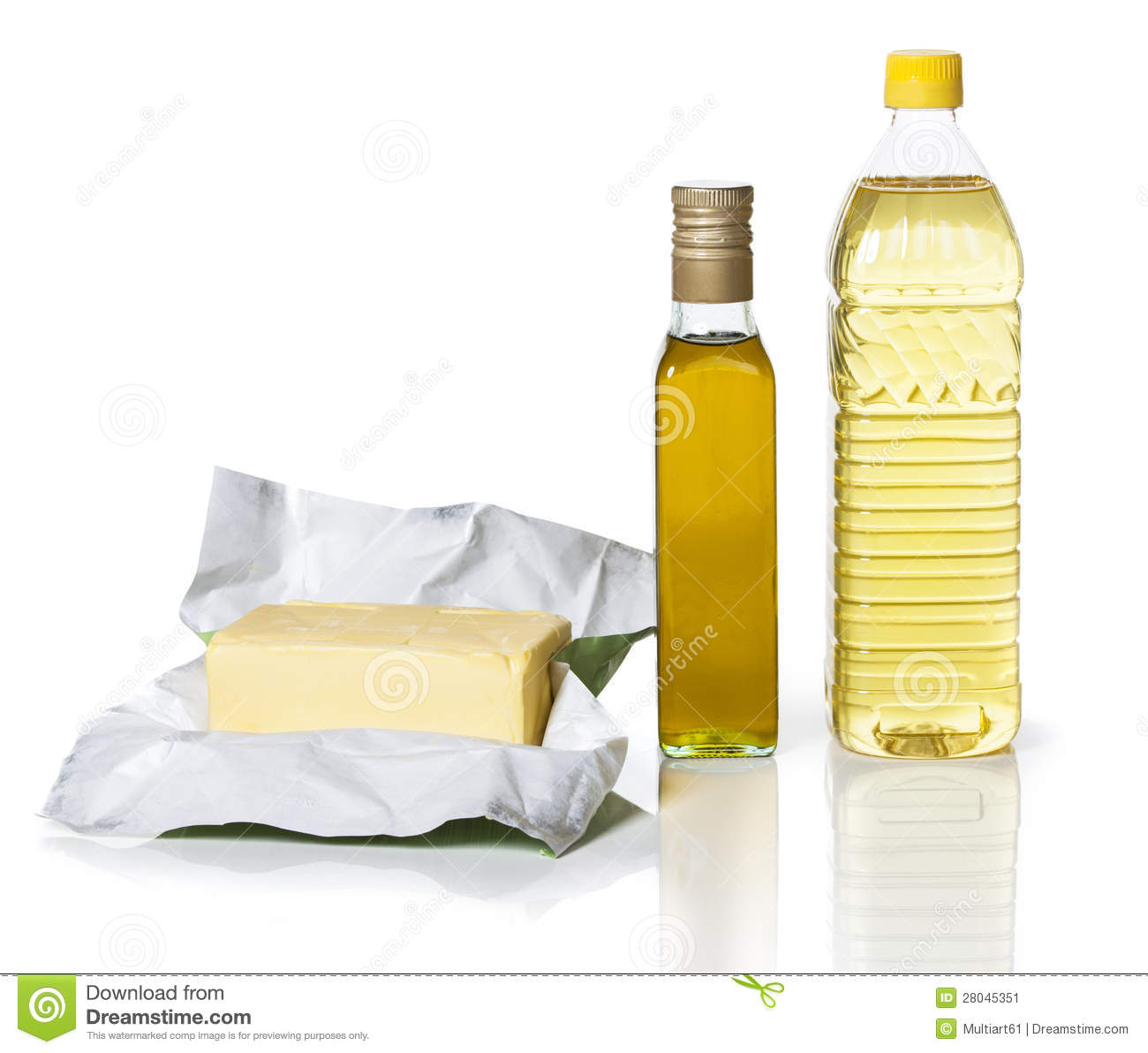
Many monomers can be bonded together to form ______________.
atoms
plastic material
polymers
cells

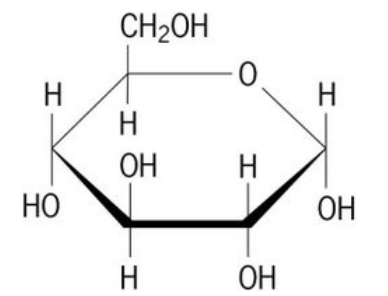
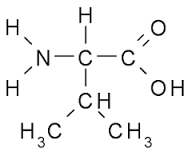
The structure pictured is the building block or monomer of a(n):
carbohydrate
nucleic acid
protein
lipid
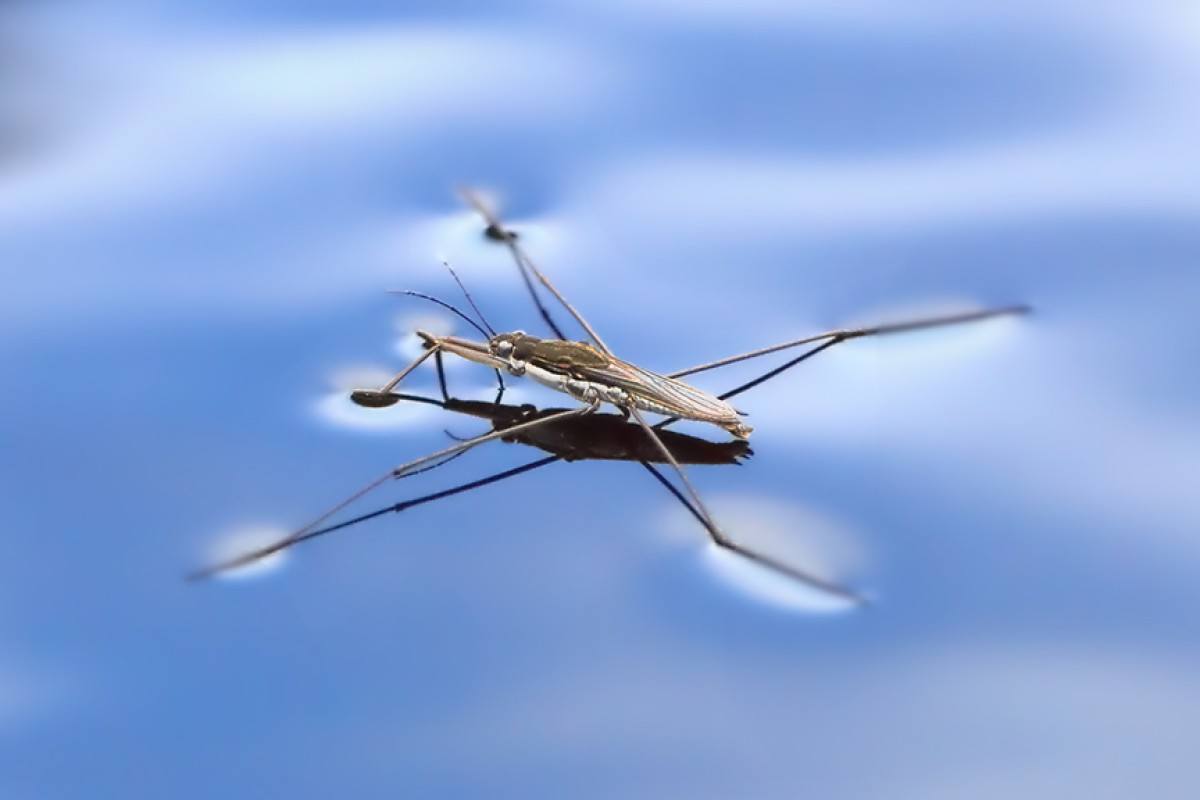
Water striders can walk across the surface of calm water. Their feet push the surface of the water down slightly, but they do not break the surface. Why?
The insects are light enough so they do not break the hydrogen bonds holding the water molecules together
The insects actually use their wings to hover slightly above the water’s surface and they only skim it with their feet.
The insect’s feet are non-polar, so they are repelled by the polar water molecules and are pushed away from the water’s surface.
The insects are small enough to see the individual water molecules, so they are able to step carefully from one molecule to the next
Capillary action is best described as:
The property of water that allows ice to float on the surface of liquid water
The property of water that allows it to dissolve polar substances
When water molecules stick to other surfaces
The property of water that allows water to move up a thin tube (or the stem of a plant) by itself
Which of the following does NOT describe a polymer?
polymers are made of monomers.
polymers are large molecules.
polymers usually form by covalent bonding.
polymers are broken down by the process of hydrogenation.
This biomolecule is made up of amino acids held together by peptide bonds and includes the elements C,H,O,N:
carbohydrate
lipid
protein
nucleic acid
Which organic molecules is paired with its function?
nucleic acid- to store energy
lipids – to regulate metabolic.
protein- to provide insulation.
carbohydrates – to provide quick-release energy.
How are the functions of a carbohydrate and a lipid similar?
Both are a source of energy.
Both are replicated during meiosis.
Both lower the activation energy of reactions.
Both dissolve nutrients in the digestive system.
Which organic molecule would a long-distance runner most likely choose to eat two hours before a race?
A protein, because it builds muscle mass.
A lipid because it provides long term energy storage.
A carbohydrate because it releases energy quickly.
A protein, because it transports oxygen into the blood stream.
Which biomolecule contains phosphorous?
Carbohydrates
Lipids
Proteins
Nucleic Acids
When water rises up a thin straw or moves up a tree from the roots to the leaves, it is called _____________.
Capillary Action
Surface Tension
Heat of Vaporization
Density of Water
What makes water a universal solvent?
It is a polar molecule that can form hydrogen bonds, allowing it to dissolve many substances.
It is a nonpolar molecule that can form hydrogen bonds, allowing it to dissolve many substances.
It is a polar molecule with a low specific heat, allowing it to dissolve many substances.
It is a nonpolar molecule with a low specific heat, allowing it to dissolve many substances.
What property allows water molecules to stick to each other to form drops?
Cohesion
Adhesion
Surface Tension
Capillary Action
When it rains, water will stick to your clothes and get them wet. What property is this an example of?
Cohesion
Adhesion
High Specific Heat Capacity
Surface Tension

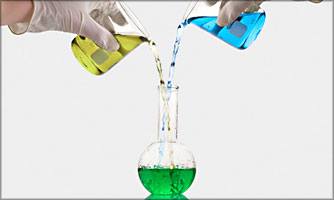
A combination of particles of one or more substance that are distributed uniformly throughout another substance is a/an
Mixture
Substance
Solution

Which is the stronger acid?
pH 1
pH 4
pH 8
pH 13


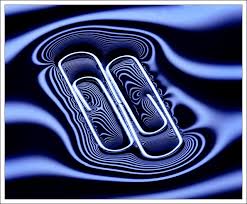


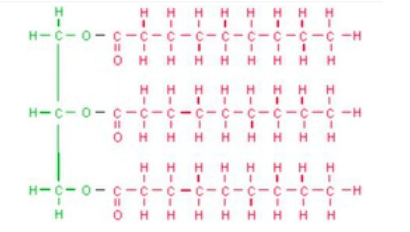
Identify the macromolecule in the picture
* cholesterol and triglycerides
lipid
protein
nucleic acid
carbohydrate

The most important element that is the backbone of all biological molecules
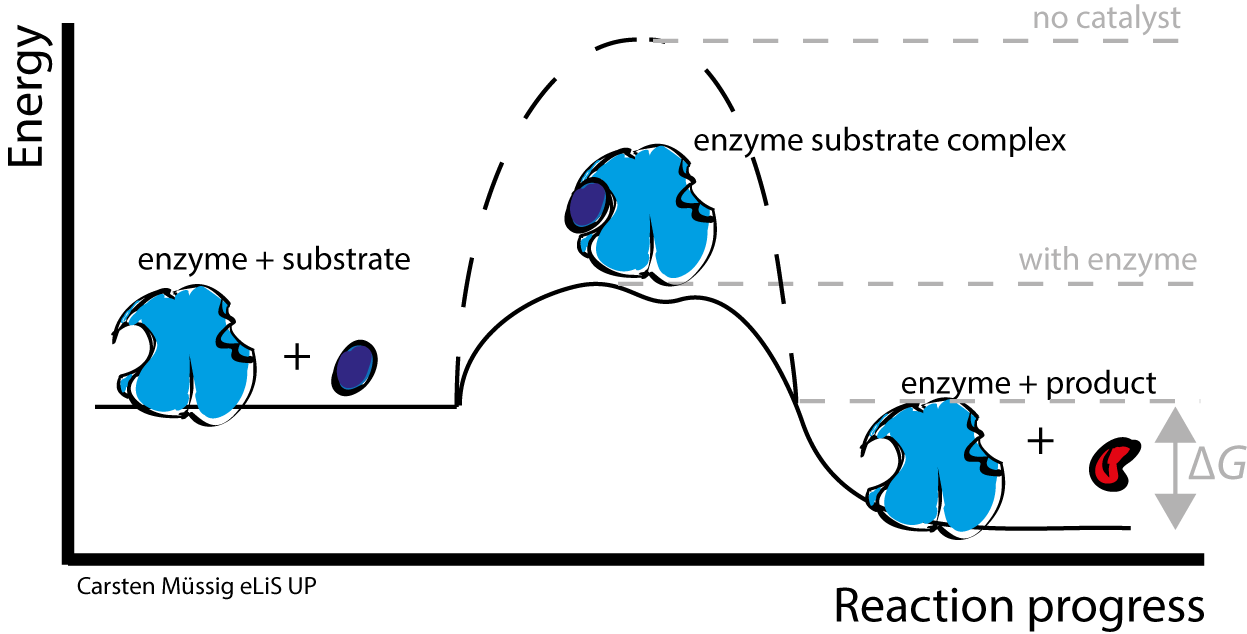
How does a catalyst work in speeding up a reaction?
By lowering the activation energy or reaction
by giving them more energy
by making them more available

Label the diagram using vocab words. Number 1
Substrate
Enzyme
Active Site

Label Number 2
Substrate
Enzyme
Active Site

Label number 3
Substrate
Enzyme
Active Site
A substance that initiates or speeds up a chemical reaction and is not permanently changed in the process.
Hydrolysis
Coenzyme
Catalyst
activation energy

The blue water represents the
solvent
solute
This macromolecule carries hereditary information and instructions for building molecules
carbohydrate
lipids
protein
nucleic acid
Plants build cellulose (a polysaccharide) to makeup their parts like leaves, roots, stems, etc. What monomer do plants use to build cellulose?
monosaccharides
disaccharides
amino acids
nucleotides

