
 Worksheets
Cognitive Characteristics
Total questions: 45
Worksheet time: 23mins
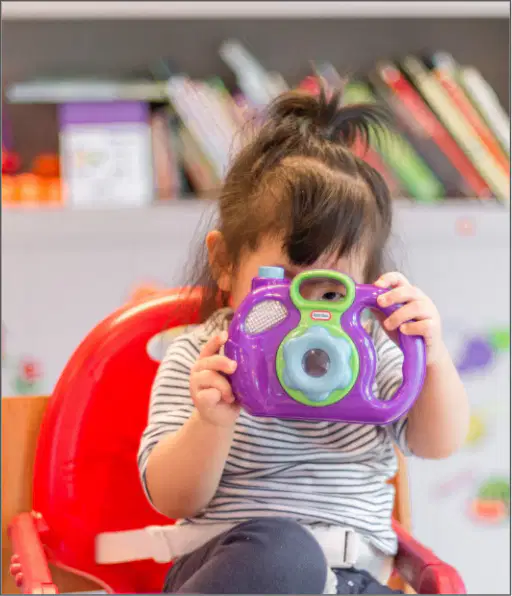
Cognitive Characteristics: Fill in the blank. Children form attitudes about _______ that can last a lifetime.
learning
sports
food
music
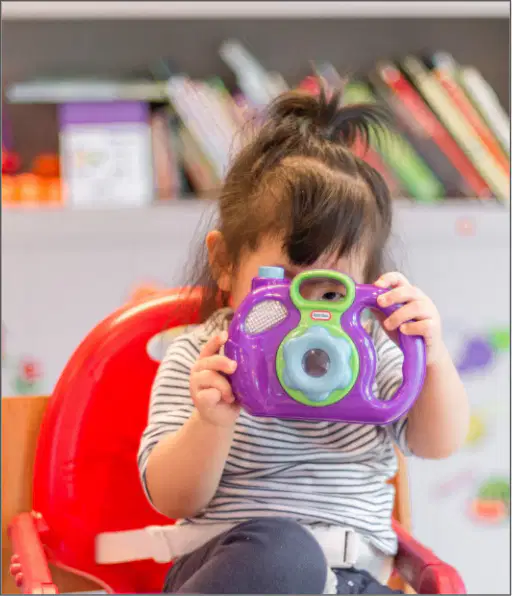
Cognitive Characteristics: Which type of evidence do children learn best from?
Abstract evidence
Concrete (hands-on and tangible) evidence
Verbal instructions
Written notes

Cognitive Characteristics: True or False. Children at this stage are egocentric and still think in terms of their own activities and perceptions now.
True
False
Cognitive Characteristics: Children continue to struggle with ______ terms.
abstract
concrete
simple
literal
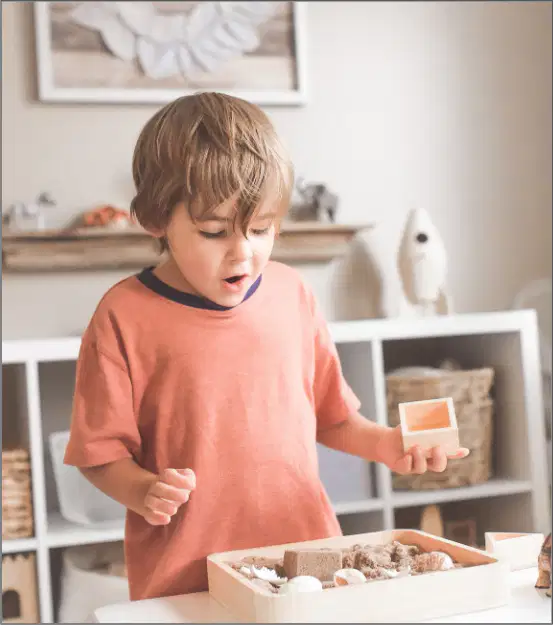
Cognitive Characteristics: Children continue to learn through ______ play.
make-believe
physical
competitive
solitary
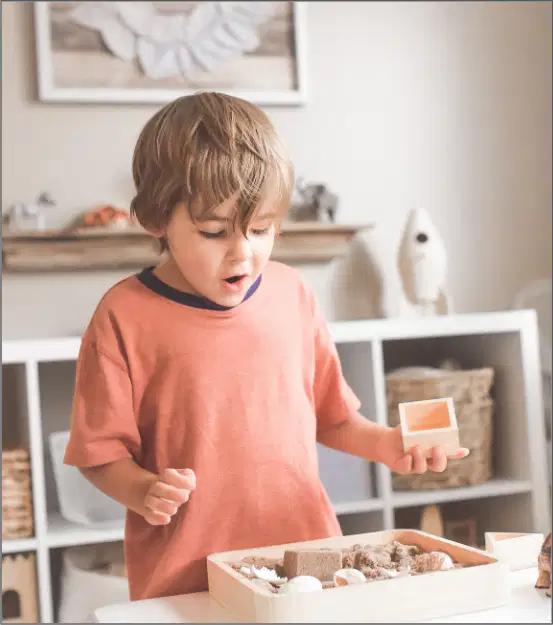
Cognitive Characteristics: Children learn that objects and words can be ______ and represent an idea.
symbols
numbers
colors
sounds
Cognitive Characteristics: Children have a limited view on ideas because these are based on the child's ______.
perceptions
imagination
memory
experience
According to Piaget's Preoperational Stage, children are inquisitive and ask many questions because they are ______ and want to understand the world.
curious
shy
indifferent
confused
According to Piaget's Preoperational Stage, how do preschoolers learn?
By memorization
By participation and involvement in everyday experiences
By watching television
By reading books
There are two glasses with the same amount of liquid but different shapes. According to the concept of conservation, the amount of liquid is _______ even though it is poured into differently shaped glasses.
the same
different
less
more
What is classification?
Putting objects into sets based on common trait
Mixing objects randomly
Ignoring differences between objects
None of the above
Which of the following is an example of classification?
A) Cats and dogs
B) Apples and oranges
C) Cars and bikes
D) All of the above
Toy blocks and toy trucks are examples of ________.
classification
transportation
construction
decoration
Pants and shirts can be grouped together based on a common trait. This is called ________.
classification
multiplication
separation
measurement
What is sorting?
Placing objects randomly
Placing classified objects into smaller groups based on how they are alike and different
Mixing objects together
Ignoring differences between objects
Fill in the blank: Sorting blocks by ______ is an example of sorting.
shape
color
size
weight
Fill in the blank: Sorting shirts by ______ is an example of sorting.
color
size
brand
price
Which of the following is NOT an example of sorting?
Sorting cats by color
Sorting blocks by shape
Mixing all objects together
Sorting shirts by color
What does 'Seriation' mean?
Putting objects in an order based on color
Putting objects in an order based on size, weight, etc.
Mixing objects randomly
Counting objects
Fill in the blank: Seriation is like lining crayons up in order from _______ to _______.
shortest to longest
brightest to dullest
heaviest to lightest
oldest to newest
What is the definition of 'Transformation'? Fill in the blank: Transformation is the change of an object from one state to ________.
another
itself
the same
nowhere
Which of the following is an example of transformation?
A) A popcorn kernel turning into popcorn
B) Water freezing into ice
C) Bread dough turning into bread
D) All of the above
Fill in the blank: Jell-O powder turning into ________ is an example of transformation.
Jell-O
Water
Ice
Juice
Which process is NOT an example of transformation?
A) Bread dough to bread
B) Aging of a person
C) Reading a book
D) Popcorn kernel to popcorn
According to the concept of reversal, a sand castle can be ______ and knocked down.
built
painted
eaten
thrown
According to the concept of reversal, a jacket can be zipped up and ______.
unzipped
folded
buttoned
washed
According to the concept of reversal, a mistake can be made and ______.
fixed
ignored
celebrated
repeated
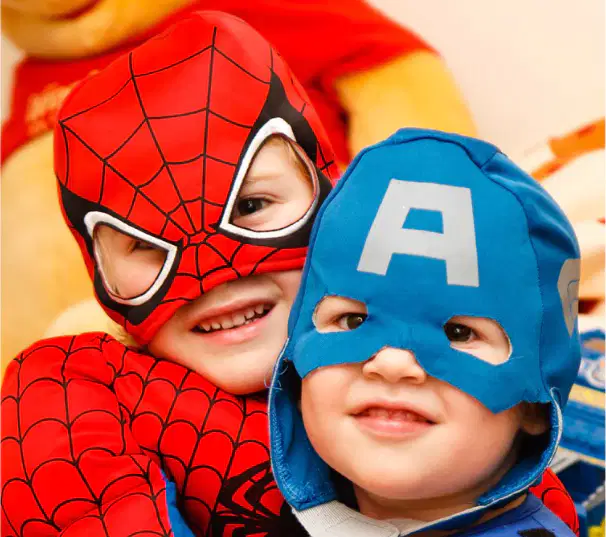
Imaginary life of kids is ________ and sways their perceptions of the real world until they master adult rationality & logic.
powerful
fragile
limited
unrealistic
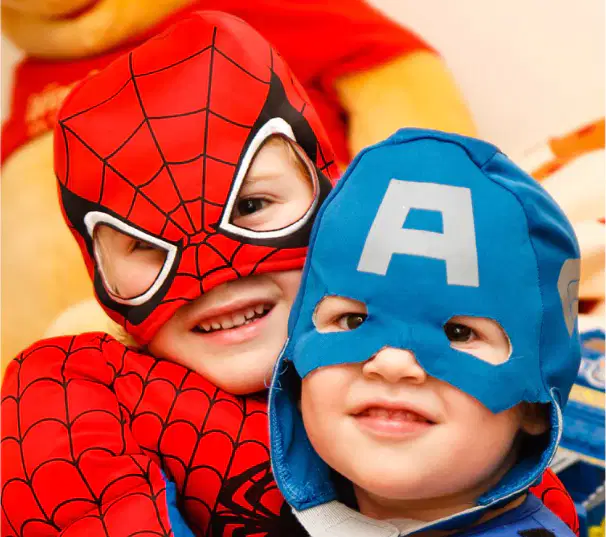
Having imaginary friends is a sign of good social/emotional skills.
True
False
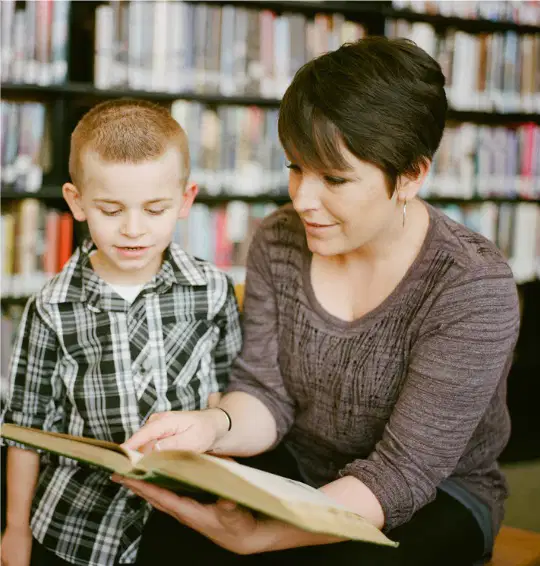
Which of the following is a benefit of reading to children?
Develop listening skills
Decrease attention span
Reduce imagination
Limit vocabulary
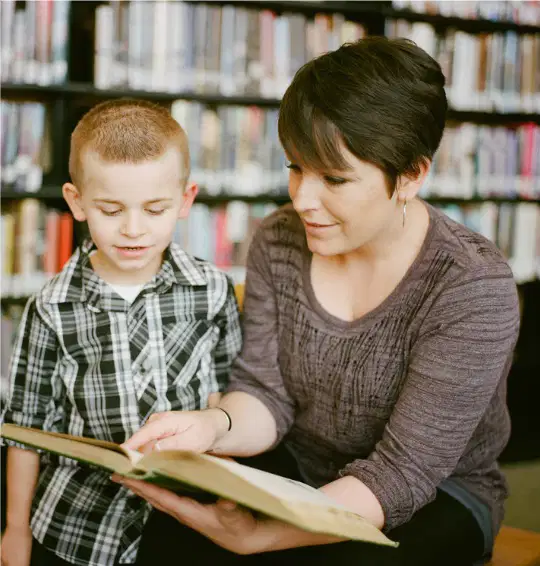
Which of the following is a benefit of reading to children?
Improve comprehension
Reduce communication skills
Limit knowledge about the world
Decrease vocabulary
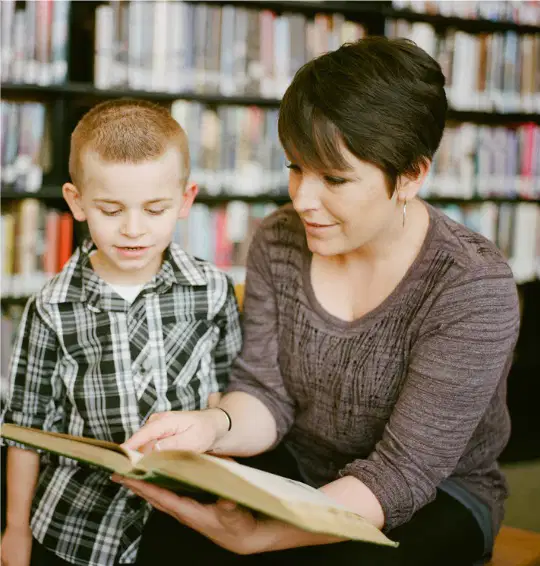
Which of the following is a benefit of reading to children?
Form new ideas
Reduce imagination
Decrease attention span
Limit vocabulary
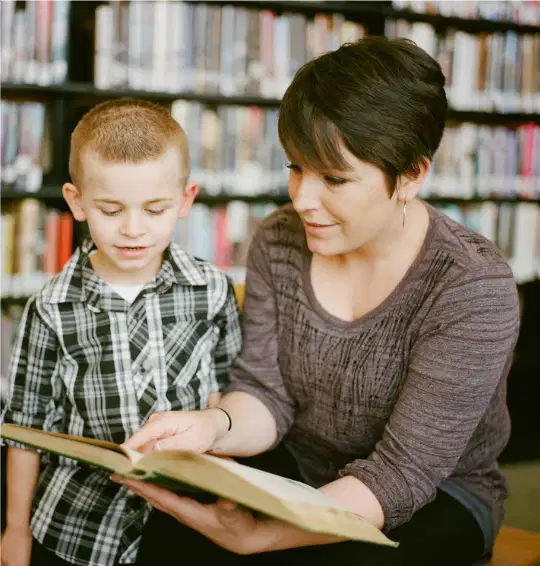
Which of the following is a benefit of reading to children?
Increase their vocabulary
Decrease vocabulary
Limit knowledge about the world
Reduce communication skills
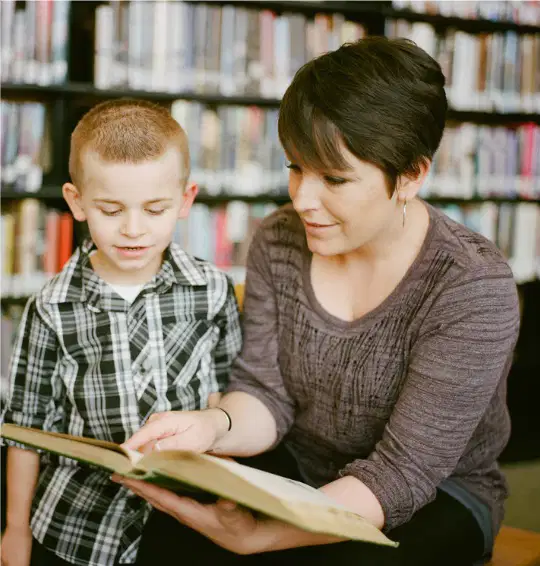
Which of the following is a benefit of reading to children?
A) Learn people read from left to right
B) Learn people read from right to left
C) Learn people read from top to bottom
D) Learn people read from bottom to top
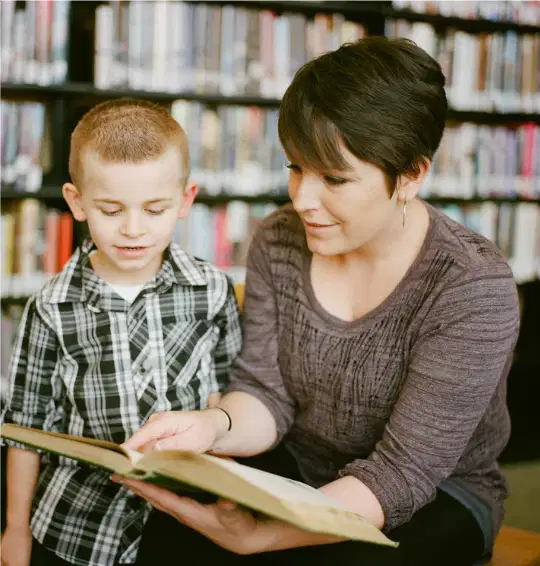
Which of the following is a benefit of reading to children?
A) Learn direction pages are turned
B) Learn pages are never turned
C) Learn pages are torn
D) Learn pages are ignored
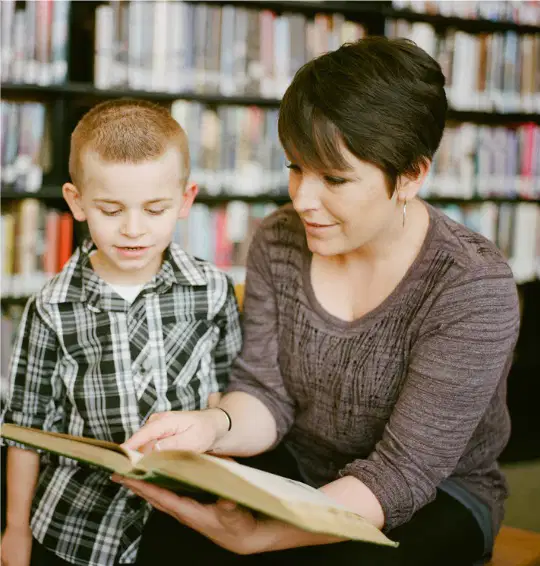
Which of the following is a benefit of reading to children?
Stretch imagination
Reduce imagination
Limit creativity
Decrease attention span
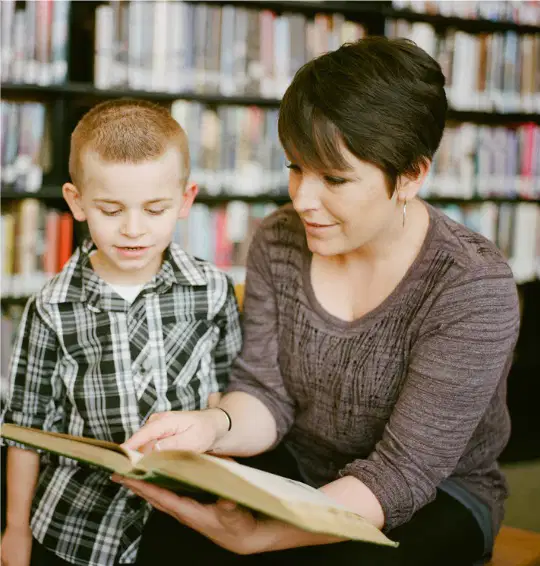
Which of the following is a benefit of reading to children?
Increase attention span
Decrease attention span
Limit vocabulary
Reduce communication skills
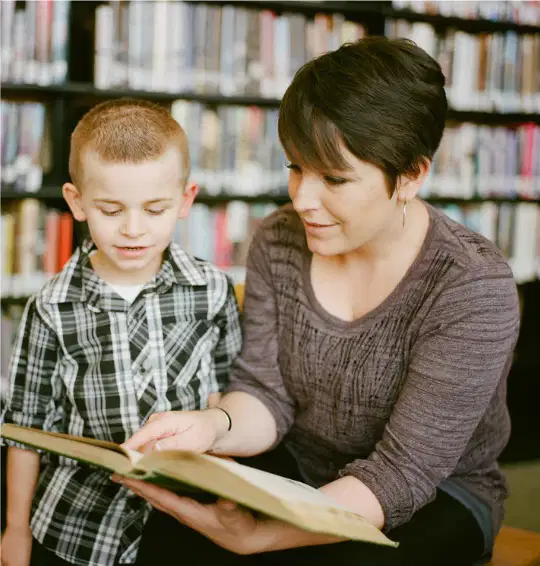
Which of the following is a benefit of reading to children?
Feel important
Feel ignored
Feel bored
Feel unimportant

Which of the following is a benefit of reading to children?
Gain knowledge about the world
Limit knowledge about the world
Reduce imagination
Decrease vocabulary
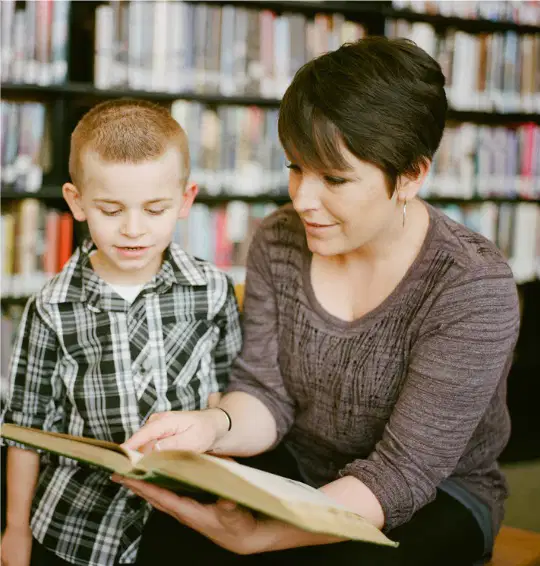
Which of the following is a benefit of reading to children?
Increase communication skills
Reduce communication skills
Limit vocabulary
Decrease attention span
Is it recommended to begin reading to children as soon as possible?
Yes
No
Why is it important to set aside a traditional time for stories?
It helps create a routine and bonding time
It makes reading boring
It is not important
It wastes time
Is it a good idea to preview the book ahead of time?
Yes
No
Before beginning, what should you read according to the instruction?
The title, author & illustrator
The first chapter
The summary
The publisher
Fill in the blank: The instruction says to read the title, author and ______ before beginning.
illustrator
publisher
date
summary

