
 Worksheets
Endomembrane System in Eukaryotic Cells
Total questions: 99
Worksheet time: 50mins
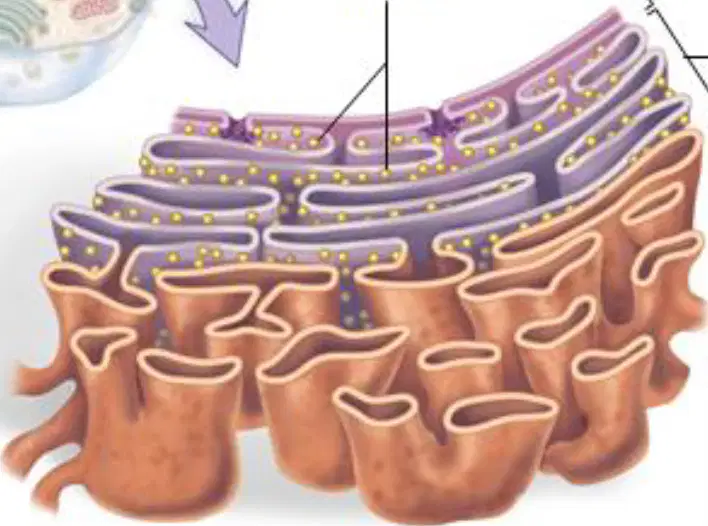
Which organelle is part of the endomembrane system in eukaryotic cells and is shown in the diagram?
Endoplasmic Reticulum
Mitochondria
Golgi Apparatus
Lysosome
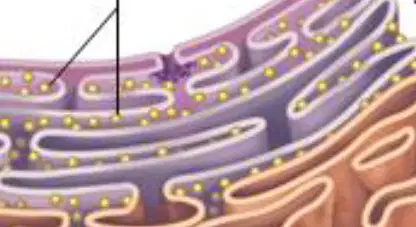
What distinguishes the rough endoplasmic reticulum from the smooth endoplasmic reticulum?
Presence of ribosomes on its surface
Presence of mitochondria inside
Ability to produce ATP
Location outside the nucleus
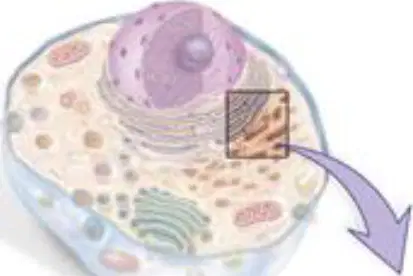
Based on the diagram, which structure is directly connected to the nuclear envelope in eukaryotic cells?
Rough endoplasmic reticulum
Smooth endoplasmic reticulum
Golgi apparatus
Lysosome
Which organelle is part of the endomembrane system and is responsible for collecting, modifying, packaging, and distributing proteins and lipids from the ER?
Golgi Apparatus
Mitochondria
Nucleus
Chloroplast
How many flattened, curved saccules does the Golgi apparatus typically consist of?
3-20
1-2
21-40
50-100
Which of the following is NOT a major function of the Golgi apparatus?
Synthesizing DNA
Forming secretory vesicles
Packaging lysosomes
Forming new membrane components
What process is responsible for the discharge of secretory vesicles formed by the Golgi apparatus?
Exocytosis
Endocytosis
Phagocytosis
Osmosis
The Golgi apparatus contributes to the maintenance and renewal of the cell membrane by:
Forming new membrane components and packaging them into vesicles that fuse with the cell membrane
Producing ATP for membrane transport
Synthesizing ribosomes for the membrane
Breaking down old membrane proteins
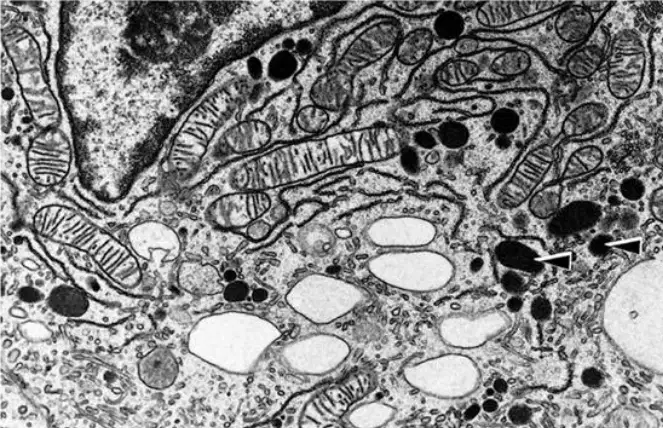
Which organelle is responsible for the digestion of large molecules and recycling of cellular resources in eukaryotic cells?
Lysosome
Mitochondrion
Nucleus
Ribosome
Which of the following statements about lysosomes is TRUE?
They are produced by the Golgi apparatus.
They are found in plant cells only.
They contain genetic material for protein synthesis.
They are responsible for photosynthesis.
What is the main function of the powerful digestive (hydrolytic) enzymes found in lysosomes?
Synthesize proteins
Digest large molecules
Store genetic information
Produce ATP
Lysosomes play a key role in apoptosis. What is apoptosis?
Cell division
Programmed cell death
Protein synthesis
Energy production
Lysosomes contribute to the recycling of cellular resources in eukaryotic cells by:
Breaking down cellular waste and releasing useful molecules back into the cell
Producing energy for the cell
Synthesizing new proteins from amino acids
Transporting oxygen throughout the cell
Which organelle is involved in Tay-Sachs disease due to a missing enzyme needed to digest a lipid found in nerve cells?
Lysosome
Mitochondrion
Nucleus
Ribosome
What is the consequence of the lysosome missing the enzyme needed to digest a lipid in nerve cells?
Lipid accumulates and nerve cells are damaged
Protein synthesis increases
DNA replication stops
Cell division accelerates
Which of the following symptoms is associated with Tay-Sachs disease as described in the material?
Muscle weakness and loss of muscle skill
Increased bone density
Improved vision
Rapid hair growth
Nerve cells are damaged in Tay-Sachs disease because:
Because undigested lipid accumulates in lysosomes, causing them to swell and damage nerve cells
Because lysosomes produce excess energy, overheating the cell
Because lysosomes synthesize proteins that are toxic to nerve cells
Because lysosomes remove all water from nerve cells, causing dehydration
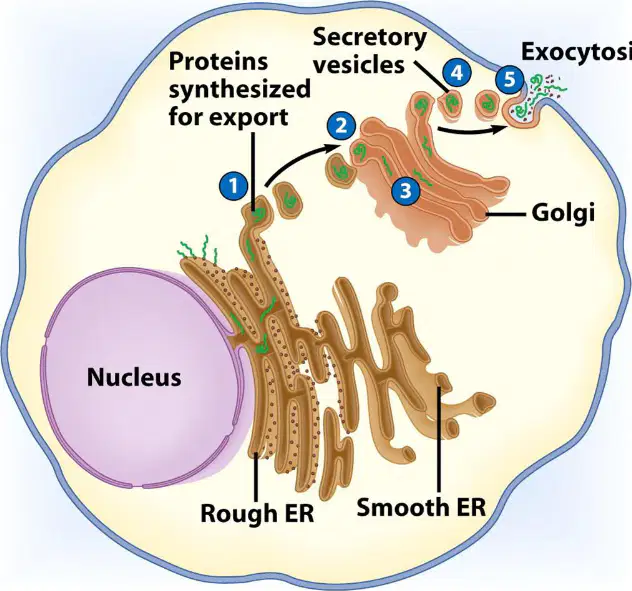
Which organelle modifies, sorts, and packages products into vesicles for various cell destinations?
Mitochondria
Golgi apparatus
Lysosome
Nucleus
At which face do vesicles fuse with the Golgi membrane?
Trans face
Lateral face
Cis face
Medial face
What is the main function of secretory vesicles in the endomembrane system?
Digest macromolecules
Carry products to the membrane for exocytosis
Synthesize proteins
Store genetic material
Which of the following best describes the role of lysosomes in the endomembrane system?
Synthesize lipids
Modify proteins
Fuse with incoming vesicles and digest macromolecules
Transport RNA
Vesicles leave the Golgi apparatus at which face?
Cis face
Trans face
Outer face
Inner face
The endomembrane system ensures that proteins and lipids reach their correct cellular destinations by:
Random diffusion throughout the cell
Direct transport through the plasma membrane
Modifying, sorting, and packaging them in the Golgi apparatus into vesicles targeted to specific destinations
Storing them in the nucleus until needed
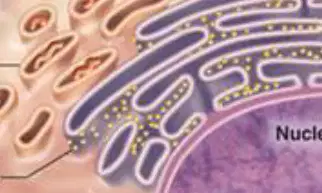
Which organelle in a eukaryotic cell is responsible for synthesizing proteins and packaging them in vesicles?
Smooth endoplasmic reticulum
Golgi apparatus
Rough endoplasmic reticulum
Lysosome
What is the main function of the lysosome in a eukaryotic cell?
Synthesizes lipids
Modifies proteins from the ER
Contains digestive enzymes that break down cell parts or substances entering by vesicles
Takes proteins to the Golgi apparatus
Which organelle modifies lipids and proteins from the endoplasmic reticulum, and sorts and packages them in vesicles?
Nucleus
Golgi apparatus
Lysosome
Smooth endoplasmic reticulum
A transport vesicle is moving proteins from the rough endoplasmic reticulum. Where is it most likely headed next?
Lysosome
Nucleus
Golgi apparatus
Plasma membrane
The smooth endoplasmic reticulum and the Golgi apparatus work together in a eukaryotic cell by:
The smooth endoplasmic reticulum synthesizes lipids, which are then transported in vesicles to the Golgi apparatus for modification, sorting, and packaging.
The Golgi apparatus synthesizes lipids and sends them to the smooth endoplasmic reticulum for packaging.
The smooth endoplasmic reticulum breaks down lipids, and the Golgi apparatus stores them.
The Golgi apparatus and smooth endoplasmic reticulum both independently synthesize and store lipids.
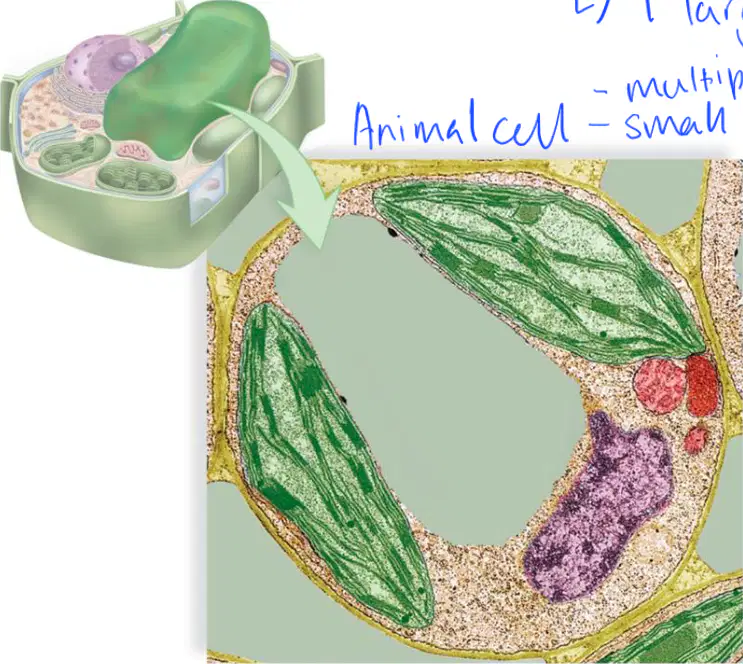
Which of the following best describes a vacuole in a plant cell?
A membranous sac that stores materials and can occupy up to 90% of the cell's volume
A structure responsible for protein synthesis
The site of cellular respiration
The outermost protective layer of the cell
What is the name of the membrane that surrounds the vacuole in plant cells?
Tonoplast
Plasmalemma
Cell wall
Endoplasmic reticulum
Which of the following is NOT a function of the vacuole in plant cells?
Storage of water, nutrients, pigments, and waste products
Development of turgor pressure
Protein synthesis
Some functions performed by lysosomes in other eukaryotes
Compare the vacuoles in plant and animal cells. Which statement is correct?
Plant cells usually have one large central vacuole, while animal cells have multiple small and temporary vacuoles.
Both plant and animal cells have one large central vacuole.
Animal cells have larger vacuoles than plant cells.
Plant cells do not contain vacuoles.
A plant cell loses water from its central vacuole. Predict the most likely effect on the cell.
The cell will lose turgor pressure and may become flaccid.
The cell will increase its rate of photosynthesis.
The cell will divide more rapidly.
The cell wall will dissolve.
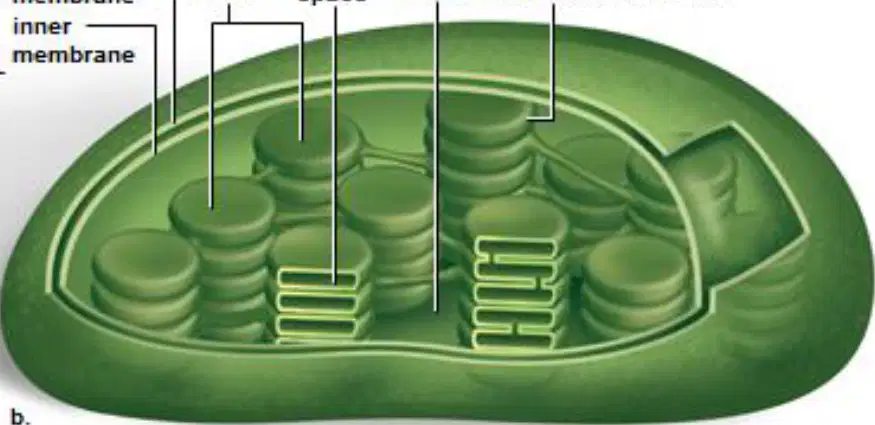
Which organelle serves as the site of photosynthesis in eukaryotic cells?
Mitochondria
Chloroplast
Nucleus
Ribosome
What is the name of the flattened disc-like sacs inside chloroplasts that are stacked to form grana?
Cristae
Thylakoids
Vesicles
Lamellae
Which structure in the chloroplast is described as semi-fluid and surrounds the grana?
Matrix
Cytosol
Stroma
Peroxisome
Chloroplasts are bounded by which type of membrane?
Single membrane
Triple membrane
Double membrane
No membrane
The structure of the inner membrane in chloroplasts contributes to photosynthesis by:
Being infolded and organized into thylakoids, increasing surface area for photosynthetic reactions.
Being smooth, allowing for easy transport of molecules.
Being rigid, providing structural support.
Being absent, so it does not contribute to photosynthesis.
Which pigment is responsible for the green color of chloroplasts?
Chlorophyll
Carotene
Hemoglobin
Melanin
Where is chlorophyll found within the chloroplast?
Only in the inner membranes of the chloroplast
In the cytoplasm
In the nucleus
In the cell wall
What is the primary function of chlorophyll and other pigments in chloroplasts?
To capture solar energy to drive cellular machinery
To store genetic information
To break down waste products
To transport water throughout the cell
Which of the following statements best explains why chloroplasts are considered semi-autonomous organelles?
They contain their own DNA
They are found in all types of cells
They produce their own proteins in the cytoplasm
They are responsible for cellular respiration
A scientist is studying a cell and observes an organelle with a double membrane, internal stacks called grana, and its own DNA. Which organelle is the scientist most likely observing?
Chloroplast
Mitochondrion
Nucleus
Golgi apparatus
Which organelle is primarily responsible for producing most of the ATP utilized by the cell?
Chloroplast
Ribosome
Mitochondrion
Nucleus
What is a distinguishing structural feature of mitochondria compared to chloroplasts?
Mitochondria are larger than chloroplasts
Mitochondria have a single membrane
Mitochondria are smaller than chloroplasts
Mitochondria lack DNA
Which of the following statements about mitochondria is TRUE?
They do not contain ribosomes
They are involved in photosynthesis
They contain their own DNA
They are surrounded by a single membrane
What is the function of the cristae in mitochondria?
To store genetic material
To increase the surface area for cellular respiration
To transport proteins out of the cell
To synthesize carbohydrates
The matrix of the mitochondrion is best described as:
The outermost layer of the mitochondrion
The site where ribosomes are produced
The inner semifluid containing respiratory enzymes to break down carbohydrates
The folded structure forming the cristae
Why is the double membrane structure of mitochondria important for its function?
It allows the mitochondria to float freely in the cytoplasm
It provides compartments for different metabolic reactions, enhancing ATP production
It prevents the entry of all molecules into the mitochondria
It is necessary for the synthesis of ribosomes
Which organelle is specifically highlighted as an energy-related organelle in eukaryotic cells?
Mitochondrion
Chloroplast
Nucleus
Ribosome
What is the function of the double membrane in the chloroplast?
It stores genetic material
It separates the chloroplast from the cytoplasm and regulates entry and exit of substances
It produces ribosomes
It synthesizes proteins
Which structure within the chloroplast is responsible for containing the thylakoid membrane?
Stroma
Grana
Outer membrane
Nucleus
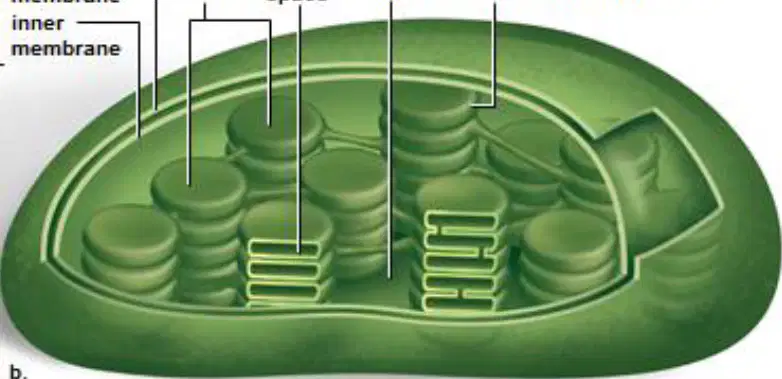
The significance of the thylakoid membrane in photosynthesis is that it:
is responsible for cellular respiration.
stores genetic information for the cell.
is where the light-dependent reactions of photosynthesis occur, capturing light energy to produce ATP and NADPH.
transports proteins out of the cell.
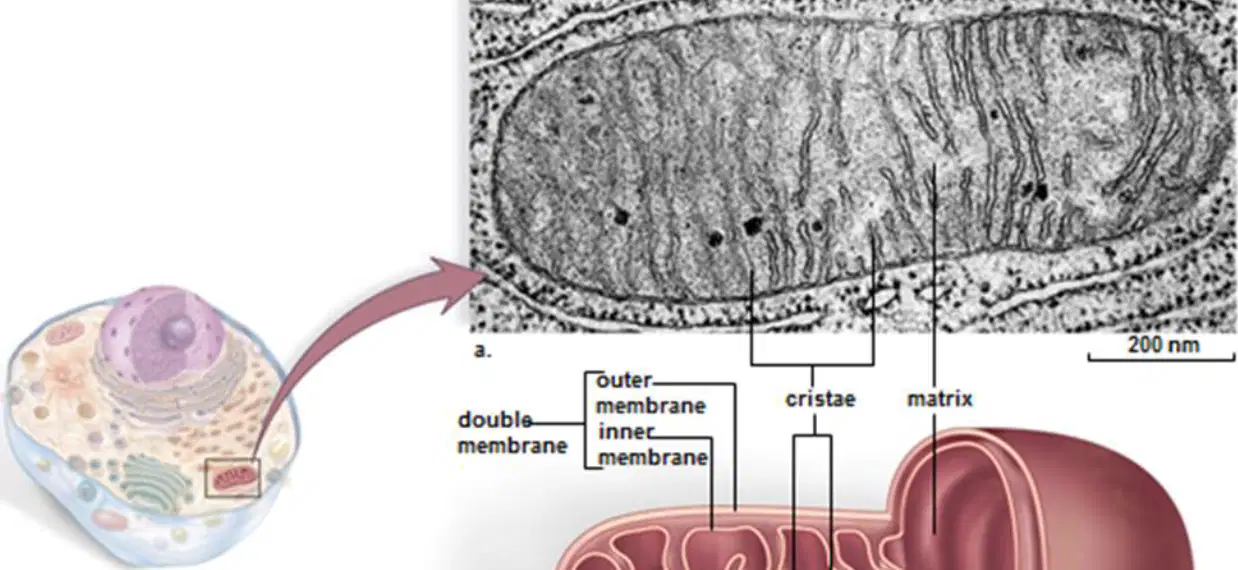
Which organelle is primarily responsible for energy production in eukaryotic cells?
Mitochondria
Nucleus
Golgi apparatus
Lysosome
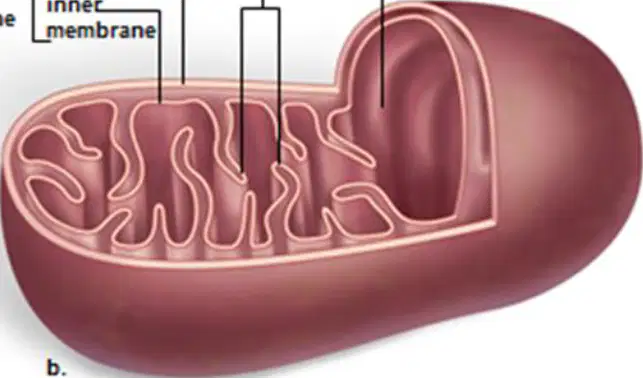
What is the name of the inner folds found within the mitochondria?
Cristae
Thylakoids
Grana
Cilia
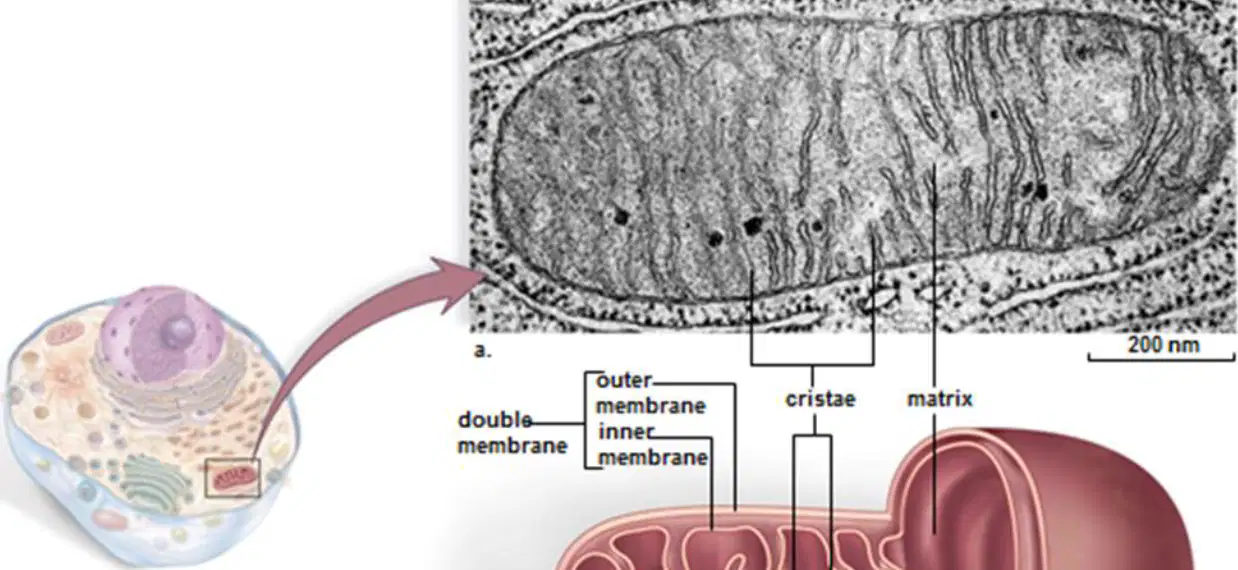
Which of the following best describes the membrane structure of mitochondria?
Double membrane
Single membrane
Triple membrane
No membrane
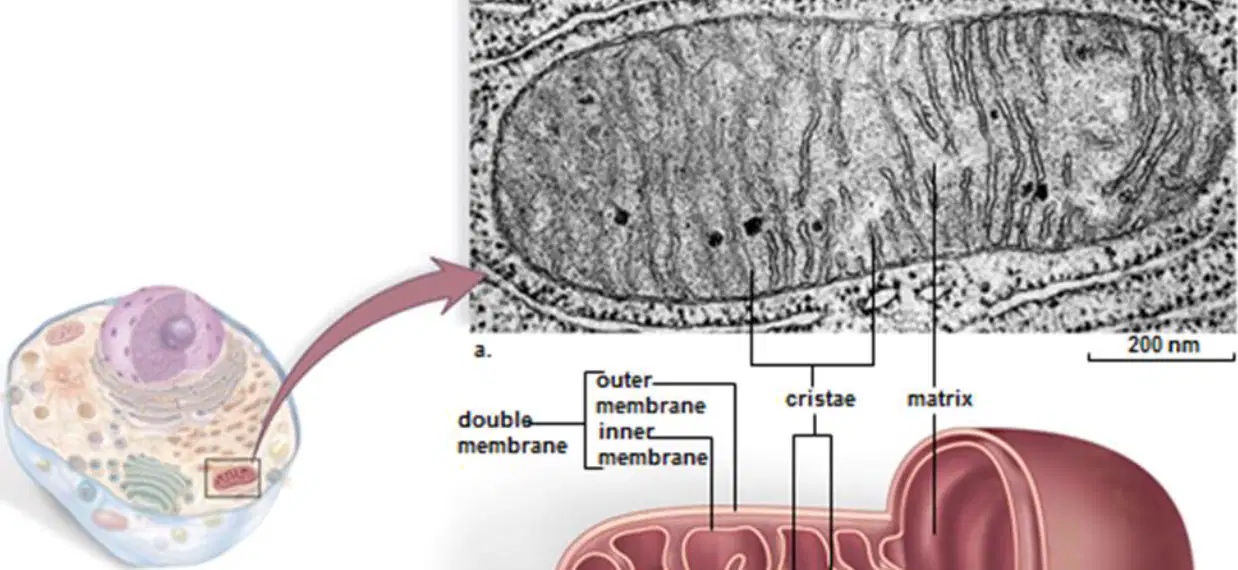
The double membrane structure of mitochondria is important for its function in eukaryotic cells because:
It allows compartmentalization for efficient energy production.
It prevents the entry of all molecules into the cell.
It stores genetic material for the cell.
It helps in protein synthesis.
Which of the following is the thinnest cytoskeletal element in eukaryotic cells?
Actin filaments
Microtubules
Intermediate filaments
Collagen fibers
What protein are actin filaments composed of?
Tubulin
Keratin
Actin
Myosin
What is one of the main functions of the dense web of actin filaments just under the plasma membrane?
DNA replication
Maintaining cell shape
Protein synthesis
Energy production
Which of the following best describes a function of actin filaments in cells?
They store genetic information
They enable cells to change shape and move
They synthesize proteins
They transport oxygen
How do actin filaments contribute to intracellular traffic control?
By producing ATP
By moving stuff around within the cell and enabling cytoplasmic streaming
By synthesizing enzymes
By storing calcium ions
A scientist observes a network of filaments just under the plasma membrane that helps maintain cell shape and allows for cytoplasmic streaming. Which cytoskeletal element is most likely being observed, and what is its primary protein component?
Microtubules; tubulin
Intermediate filaments; keratin
Actin filaments; actin
Collagen fibers; collagen
Which of the following is NOT a function of the cytoskeleton in eukaryotic cells?
Maintains cell shape
Assists in movement of cell and organelles
Stores genetic information
Assembles and disassembles as needed
Which of the following is one of the three types of macromolecular fibers found in the cytoskeleton?
Collagen fibers
Actin filaments
Elastin fibers
Keratin sheets
The cytoskeleton can assemble and disassemble as needed. What is the significance of this property for the cell?
It allows the cell to change shape and move organelles as required.
It helps the cell to store nutrients.
It enables the cell to produce energy.
It allows the cell to synthesize proteins.
Which of the following lists all three types of cytoskeletal fibers found in eukaryotic cells?
Actin filaments, intermediate filaments, microtubules
Microfilaments, collagen fibers, elastin fibers
Microtubules, keratin sheets, actin filaments
Intermediate filaments, myosin fibers, microtubules
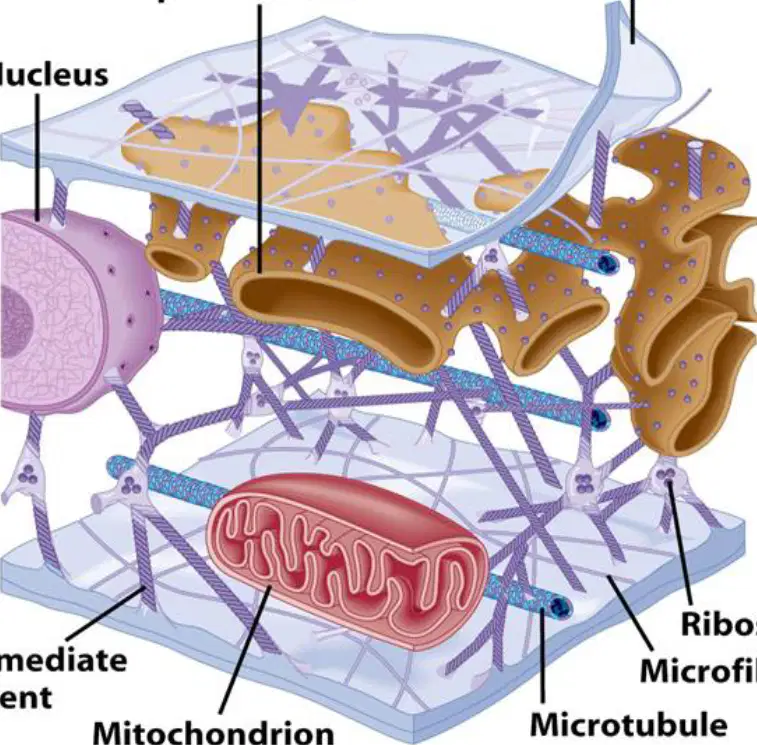
Which cytoskeletal component is primarily responsible for providing tracks along which organelles can move within the cell?
Actin filaments
Intermediate filaments
Microtubules
Collagen fibers
Which organelles are proposed to have originated from endosymbiotic events in eukaryotic cells?
Mitochondria and chloroplasts
Nucleus and ribosomes
Golgi apparatus and lysosomes
Endoplasmic reticulum and peroxisomes
What type of membrane do chloroplasts possess according to the diagram?
Double membrane
Single membrane
Triple membrane
No membrane
Based on the endosymbiotic theory, which type of cell is considered the host for mitochondria and chloroplasts?
Eukaryotic cell
Prokaryotic cell
Bacterial cell
Fungal cell
The endosymbiotic theory accounts for the presence of double membranes in mitochondria and chloroplasts because:
The double membranes are a result of the engulfing process, where the host cell surrounds the endosymbiont, leading to two membranes.
The double membranes are inherited from the host cell only.
The double membranes are created during cell division.
The double membranes are formed by fusion of two organelles.
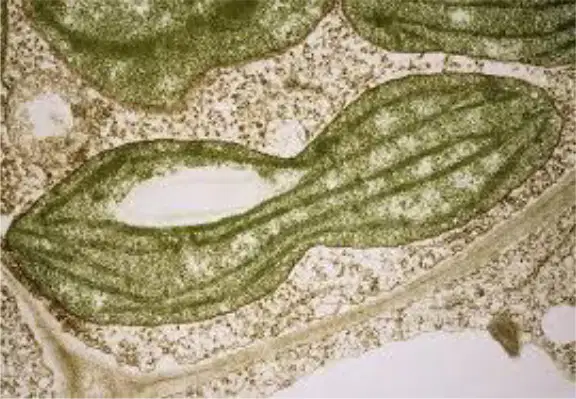
Which of the following is evidence supporting the proposed origin of mitochondria and chloroplasts as once free-living bacteria?
They lack DNA
They have their own DNA
They cannot divide on their own
They are larger than bacteria
What feature of mitochondria and chloroplasts suggests they may have originated from bacteria?
They have only one membrane
Their ribosomes resemble bacterial ribosomes
They cannot make proteins
They are smaller than viruses
Which statement best explains why mitochondria and chloroplasts are thought to have been engulfed by a larger cell?
They are the same size as viruses
They have more than one membrane
They cannot divide independently
They lack any genetic material
How do mitochondria and chloroplasts demonstrate their ability to function independently within a cell?
They can divide on their own
They rely entirely on the host cell for division
They do not contain any membranes
They are larger than the host cell
Which of the following is NOT evidence for the endosymbiotic origin of mitochondria?
Mitochondria are the same size as bacteria
Mitochondria have their own DNA
Mitochondria have more than one membrane
Mitochondria lack any ribosomes
A scientist is comparing the size of mitochondria to other cellular structures. Which comparison supports the endosymbiotic theory?
Mitochondria are the same size as bacteria
Mitochondria are larger than the nucleus
Mitochondria are smaller than ribosomes
Mitochondria are the same size as viruses
Which of the following best describes the size of intermediate filaments in the cytoskeleton?
Intermediate in size between actin filaments and microtubules
Smaller than actin filaments
Larger than microtubules
The same size as microtubules
What are intermediate filaments in animal cells primarily composed of?
Fibrous polypeptides
Globular proteins
Lipid bilayers
Carbohydrate chains
In which type of cells are intermediate filaments found?
Only in animal cells of certain tissues
In all plant and animal cells
Only in plant cells
In bacterial cells
Which of the following is NOT a function of intermediate filaments?
Facilitating cell division
Supporting the nuclear envelope
Providing internal structure
Anchoring organelles in place
A researcher observes a rope-like structure in the cytoskeleton of an animal cell. Which property would best help them identify it as an intermediate filament?
It is formed by fibrous polypeptides and is intermediate in size between actin filaments and microtubules.
It is composed of tubulin and is the largest cytoskeletal element.
It is made of actin and is the smallest cytoskeletal element.
It is only present in plant cells and supports the cell wall.
Which of the following best explains why intermediate filaments are important for animal cells?
They provide structural support, help anchor organelles, and support the nuclear envelope.
They are responsible for photosynthesis.
They transport genetic material between cells.
They synthesize proteins for the cell.
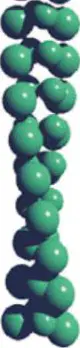
What does the diagram illustrate about the structure of intermediate filaments?
They are composed of multiple fibrous polypeptides twisted together in a rope-like fashion.
They are single, straight protein chains.
They are hollow tubes made of tubulin.
They are flat sheets of lipid molecules.
Which protein are microtubules primarily made of?
Tubulin proteins
Actin proteins
Myosin proteins
Collagen proteins
Which proteins interact with microtubules to cause movement of organelles?
Kinesin and dynein
Actin and myosin
Collagen and elastin
Keratin and lamin
What is the main function of microtubules during cell division?
Move chromosomes around
Synthesize DNA
Produce ATP
Store nutrients
Microtubules are used to make which of the following structures?
Cilia and flagella
Ribosomes and lysosomes
Mitochondria and chloroplasts
Nucleus and nucleolus
Which structure is the most important Microtubule Organizing Center (MTOC) in eukaryotic cells?
Centrosome
Nucleolus
Golgi apparatus
Endoplasmic reticulum
The interaction between microtubules and the proteins kinesin and dynein contributes to cellular function by:
They enable the movement of organelles within the cell by transporting them along microtubules.
They synthesize proteins for the cell.
They break down waste products in the cell.
They store genetic information.
The centrosome is considered the most important Microtubule Organizing Center (MTOC) in eukaryotic cells because:
It organizes the assembly of microtubules, which are essential for cell division and intracellular transport.
It produces energy for the cell.
It synthesizes proteins for the cell.
It stores nutrients for the cell.
Which of the following cytoskeletal elements has the largest diameter?
Microfilament
Microtubule
Intermediate filament
Ribosome
What is the approximate diameter of an intermediate filament?
8 nm
25 nm
10 nm
5 nm
Which structure is responsible for protein synthesis in eukaryotic cells?
Mitochondrion
Ribosome
Plasma membrane
Microtubule
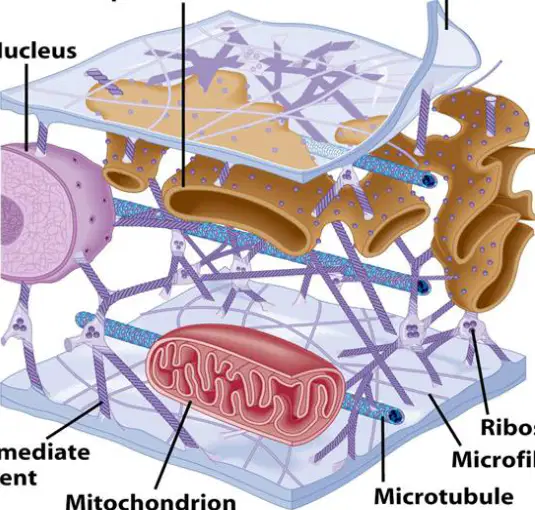
The structural differences between microfilaments, microtubules, and intermediate filaments contribute to their specific functions in eukaryotic cells. Which of the following best describes these differences?
All three have the same structure and function.
Microfilaments are thin and flexible, microtubules are thick and rigid, and intermediate filaments provide tensile strength.
Microfilaments are thick and rigid, microtubules are thin and flexible, and intermediate filaments are hollow tubes.
Microfilaments and microtubules are both hollow, while intermediate filaments are solid rods.
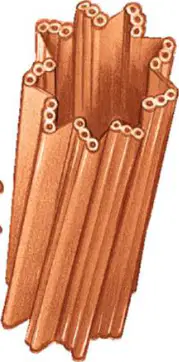
Which of the following best describes the structure of centrioles in animal cells?
Long, solid rods composed of actin filaments
Short, hollow cylinders composed of 27 microtubules
Flat, disc-shaped organelles made of lipids
Spherical vesicles filled with enzymes
How are the microtubules in a centriole arranged?
In 13 doublets
In 9 overlapping triplets
In 8 parallel bundles
In 6 concentric circles
Where are centrioles located in animal cells?
In the nucleus
In the centrosome
In the mitochondria
In the endoplasmic reticulum

