
 Worksheets
P4 EYE Revision Science 2025
Total questions: 113
Worksheet time: 1hrs 23mins
Heat is a form of _____________.
cycle
energy
diversity
Things get colder = ____________ heat
loses
gains
Heat always travels from _______________________________.
a colder place to a hotter place until both places reach the same temperature.
a hotter place to a colder place until both places reach the same temperature.
Metals are ____________ conductor of heat.
best
good
better
Solid, liquid and gas ___________ when it gains heat.
contract
expand

Which object losses heat?
object A losses heat
object B losses heat

Which object gains heat?
object X gains heat
object Y gains heat

Which object losses heat?
object A losses heat
object B losses heat
contraction means lose heat and expand means gain heat
true
false
no such question
how to you make the chocolate gain heat
put nearer to the sun
put in the freezer
throw it away
no way
TICK THE SOURCES OF HEAT BUT NOT MATTER
FIRE
SUN
SMOKE
LIGHTED BULB
JAMIE PUT AN ICE ON THE PLATE FOR 5 DAYS . THEN she saw the ice had melt what can she conclude
the ice gain heat
the ice lose heat
ice is a source of heat
none of the above
This is an instrument that measures temperature
Thermometer
Temperature
Heat
We are able to see objects because they ____________ light into our eyes.
reflect
refract
shine
defract
Light is able to pass through __________________ materials
transparent
shiny
dull
opaque
When an object is placed ____________ the light source, the shadow formed on the screen is ____________ the object.
closer to, smaller than
closer to, bigger than
far from, the same size as
far from, bigger than
We are able to see the moon because it ____________
gives out light
glows
reflects light from the sun
reflects light from the earth
Which of the following is NOT source of light?
eyes
lit candle
sun
firefly
As the object moves closer to the source of light, the size of the shadow
increases
decreases
remains the same
is too small to see
The further the object is to the light source, the bigger the size of the shadow.
True
False
The closer the object is to the screen, the bigger the size of the shadow.
True
False
The closer the object is to the screen, the smaller the size of the shadow.
True
False
When the object is ___________ to the light source, the shadow is _________.
nearer, bigger
nearer, smaller
further, bigger
further, smaller
What is matter?
(a)
Object A and B have the same mass but different shape. When put on a beam balance, what will happen?
Object B will tilt down.
It will stay balanced.
Object A will tilt down.


In which state of matter, particles are very closely packed?
Liquid
Gas
Solid
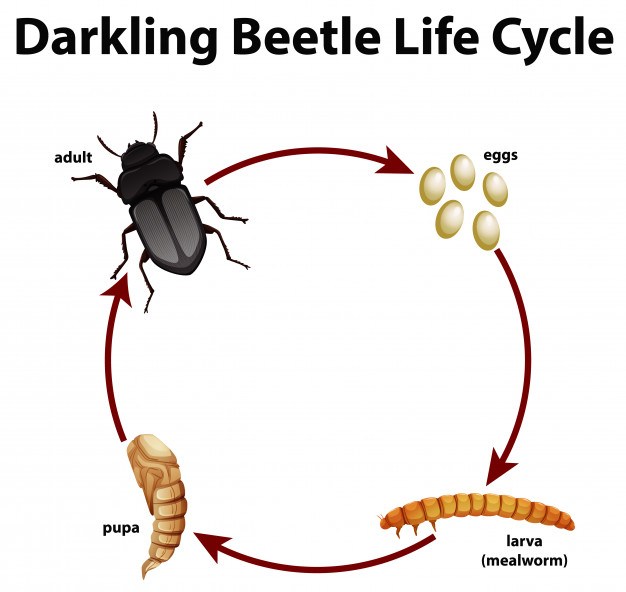
The stage of an insect is a worm-like stage called ________.
tadpole
larva
offspring
Choose the correct sequence of the frog's life cycle
tadpole, egg, frog
egg, frog, tadpole,
egg, tadpole, frog
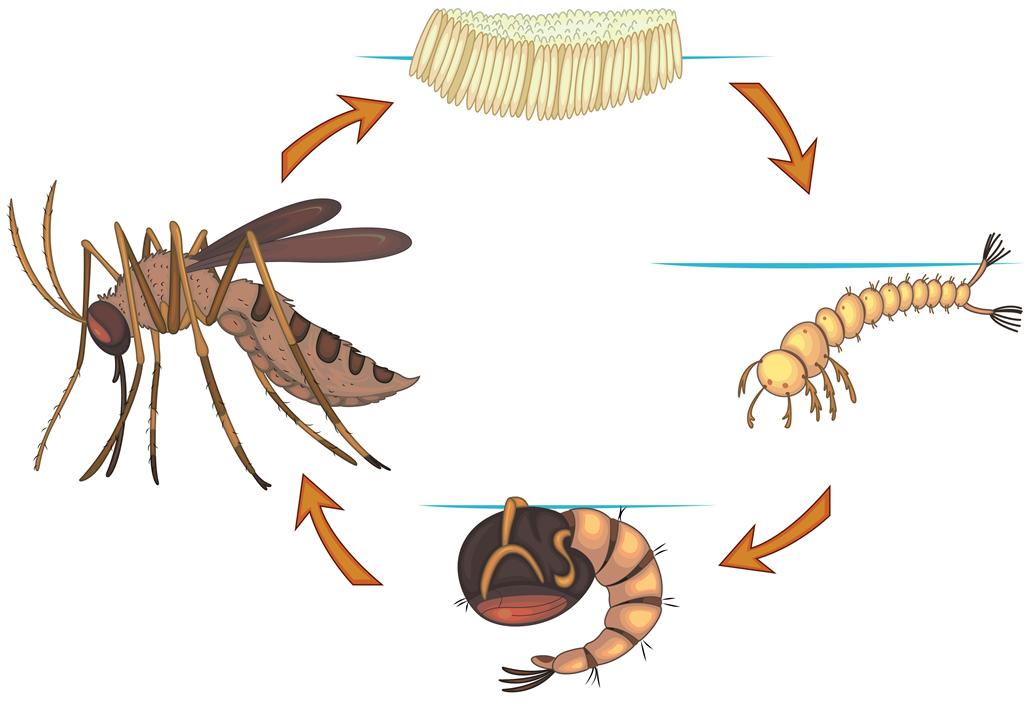
Which of the following is a similarity between the life cycle of a mosquito and a butterfly?
Both have 3 stages in its life cycle.
Both have 4 stages in its life cycle
Both the young looks like its adult.

Which animal has a similar life cycle as the one shown in the diagram.
Cockroach
Chicken
Beetle
Mosquito
Which of the following is a similarity between the life cycle of a frog and a beetle?
Both have 3 stages in its life cycle.
Both have 4 stages in its life cycle
Both the young does not look like the adult.
Both have young stage.

Which one of the following statements is true about the pupa stage?
It does not eat at this stage.
It has stopped growing.
It does not breathe at this stage.
The animal has a three-stage life cycle.
What is the best way to get rid of mosquitoes?
Clear all stagnant water
Add a layer of oil to the stagnant water
All of the above
Where do amphibians live?
mountains
pond
land
both water and land
Which are the stages of development for a snake, turtle, lizard, and alligator?
egg -young -adult
young-adult
egg-larva-pupa-adult
How are frogs and butterflies alike?
They both like flowers
They both eat fish
They both start out as an egg
They both like to swim
Why do living things reproduce? Choose the best answer.
To ensure they do not die.
To ensure the survival of their kind.
To ensure they have enough babies.
Only adult plants produce ..
leaves
flowers
roots
stem
When a seed germinates, its _________ grow out first.
shoot
roots
leaves
flower

The roots are the represented by the..
shaded bars
white bars
Which statement is true for all non-flowering plants?
Non-flowering plants don't contain seeds.
Non-flowering plants don't contain pollen.
Non-flowering plants cannot be trees.
Non-flowering plants don't form fruit.

How many stages are there in the life cycle of a tomato plant?
2
3
4
5
What is the difference between a young plant and an adult plant? (You may select more than 1 answer)
An adult plant has fruits but the young plant have no fruits.
An adult plant has roots but the young plant have no roots.
An adult plant has stem but the young plant have no stem.
An adult plant has leaves but the young plant have no leaves.
An adult plant has flowers but the young plant have no flowers.
What are the conditions that a seed need to grow? (You may select more than one answer)
air
water
warmth
sunlight

How is a seedling different from an adult plant?
A seedling does not have flowers or fruit.
A seedling does not have roots.
A seedling does not have a stem.
A seedling does not need sunlight to grow.
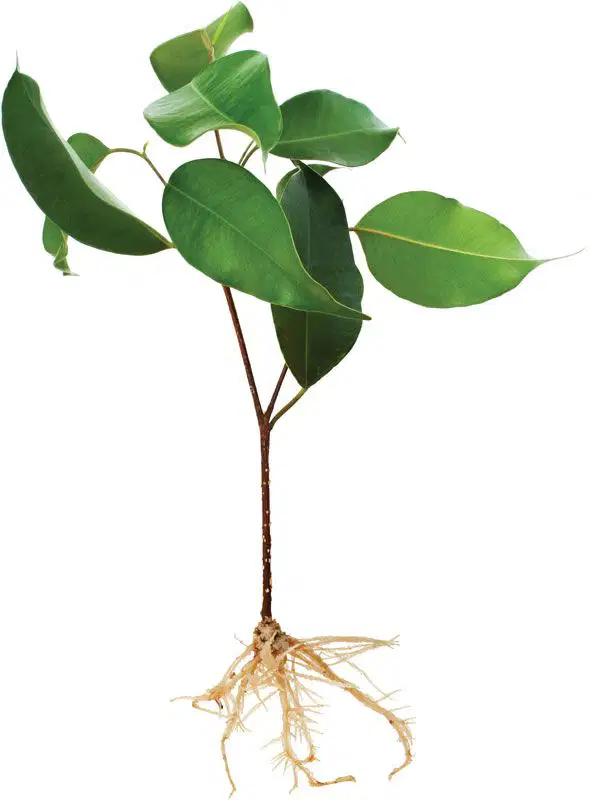
What are the functions of the roots?
(Select all correct answers)
To take in and give out gases for the plant.
To absorb water and minerals from the soil.
To hold the plant firmly to the soil.
To make food for the plant.
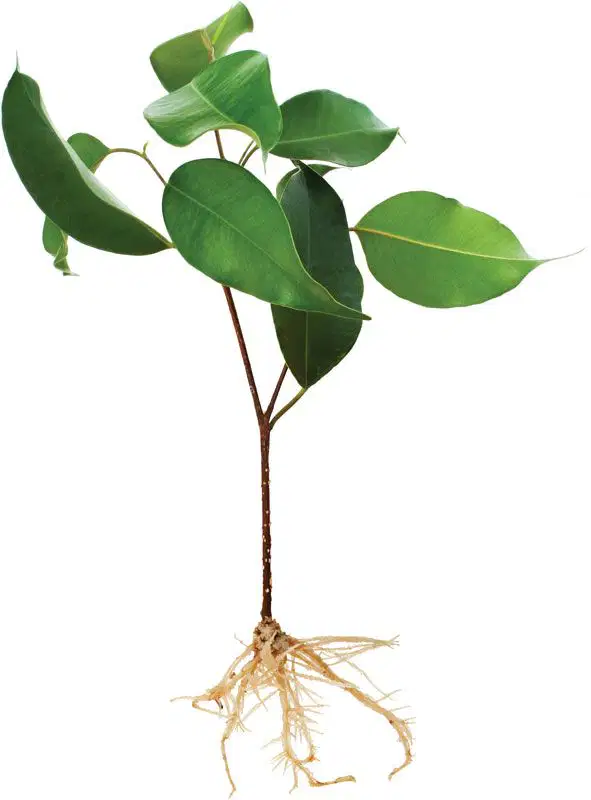
What are the functions of the stem?
(Select all correct answers)
To hold the leaves up so they can get light to make food.
To absorb water and minerals.
To support the plant.
To help the plant to take in and give out gases.

Dan carried out an experiment to find out if roots help to absorb water for the plant. Which two set-ups should he choose in order to conduct a fair test?
A and C
A and D
B and D
C and D
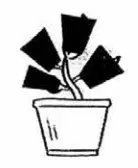
The leaves of a plant were covered completely by black paper. It was then placed under the sun and watered daily.
After two weeks, the plant died.
Which of the following correctly explained why the plant died?
The black paper prevented the leaves from getting sunlight to make food.
The black paper prevented the leaves from absorbing water.
The black paper prevented the leaves from absorbing mineral salts.
The black paper prevented the tiny openings under the leaves from taking in air.
The human body is made up of one system.
True
False
Digested food is carried to different parts of our body by the circulatory system.
True
False
The skeletal and muscular systems work together to help our body parts move.
True
False
Digestion starts in our mouth.
True
False
Digested food and water are absorbed in the large intestine.
True
False
Digestion occurs in all parts of the digestive system.
True
False
Where does digestion of food end?
Mouth
Stomach
Small Intestine
Large Intestine
Where does absorption of food into the blood occur?
Mouth
Stomach
Small Intestine
Large Intestine
Which organ below does not contain digestive juices?
Mouth
Stomach
Small Intestine
Large Intestine
Which of the following statements are true of the digestive system?
A : The windpipe is part of the digestive system.
B : Digested food is absorbed in the small intestine.
C : It helps to break down food into simpler substances.
D : Digestion starts at the mouth and ends at the stomach.
(Select all the correct answers)
A
B
C
D
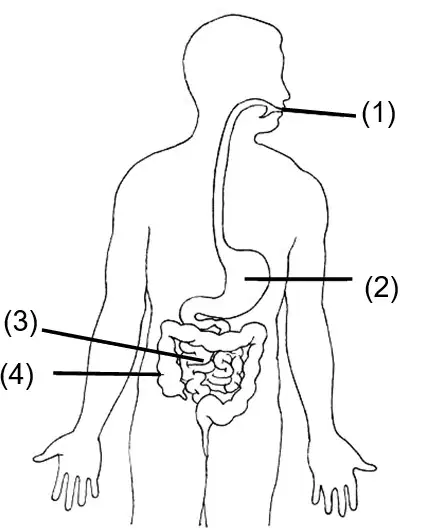
Identify the part (1), (2), (3) or (4) in which there is no digestion.
1
2
3
4

The following is a flow chart of the parts of the human digestive system. Which letter, A, B, C or D, represents the small intestine?
A
B
C
D
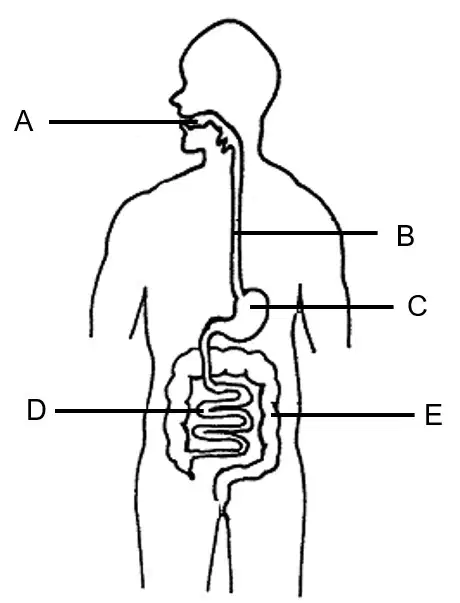
Study the human digestive system as shown in the picture.
Which of the following correctly identifies organ E and its function?
Large intestine - Removes water
Large intestine - Digests food completely
Small intestine - Absorbs digested food into the blood
Small intestine - Breaks down food into simpler substances

Mr Lim, who is 68 years old, needs to put on his dentures (false teeth) before he eats.
Why does Mr Lim need to put on his dentures before he starts eating?
They help to digest the food.
They help to release digestive juices into his mouth.
They help to break down the food into smaller pieces.
They help to make food soft and wet so that it can be swallowed easily.
What systems work together while you sleep?
all of them
None
digestive and musculoskeletal
respiratory and circulatory
Where do the digestive system and circulatory system connect?
In the nucleus
In the respiratory system
In the heart
In the villi
Tick 2 parts where absorption of water into blood occurs.
mouth
gullet
stomach
small intestine
large intestine
Magnets (a) magnetic materials.

1
2
3
4
Like poles __________ each other while unlike poles ___________ each other.
attract, repel
repel, attract
oppose, connect
connect, oppose
Some metallic materials are magnetic and some are not. The following are made of metallic materials. Which one is magnetic?
aluminum
steel
tin
copper

Bob placed Magnet X on Car 1 and Object Y on Car 2 as shown. He observed that the cars moved away from each other when they were placed near each other.
Which of the following statement(s) about Object Y is/are correct?
A: Object Y is a non-magnetic material.
B: Object Y is a magnetic material.
C: Object Y is a magnet.
A only
C only
A and B only
A and C only
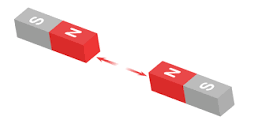

Lily attached a magnetised iron bar P to a string and placed magnet Q near to it. She observed that iron bar P moved in the direction as shown in the diagram.
Which of the following actions would cause iron bar P to move further away from magnet Q?
A Heat iron bar P over a flame.
B Drop iron bar P onto the ground for a few times.
C Stroke iron bar P with the magnet for a greater number of times.
B only
C only
A and B only
A, B and C
Magnet can attracts ....


The distance between a magnet and a piece of iron has no effect on the strength of attraction.
True - All magnets can work from any distance
False - A magnet's attraction is weaker the farther away it gets
Which group of materials are all attracted to magnets?
wood, plastic, rubber
aluminum, brass, titanium
copper, steel, zinc
iron, nickel, cobalt
How do you increase the strength of an electromagnet?
add more magnets
larger core
increase the number of coils around the core
salt water
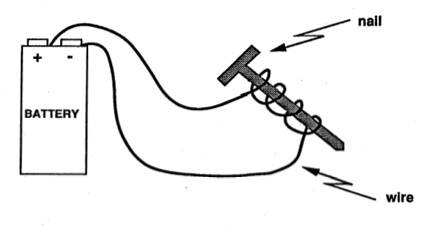

Which part of the electromagnets turned into a magnet when electricity flows through a coiled wire?
Battery
Copper wire
Iron Nail
Bulb
What are the components of the electromagnets?
battery, wire and bulb
battery , copper wire and paper clips
battery, copper wire and iron nail
battery, wire and aluminum
True or False: Are birds the only group of animals with feathers?
True
False
True or False: Are mammals the only group of animals with hair or fur?
True
False
Which animal group does this animal belong to?
- It has scales as its outer body covering.
- It can live on land and in water.
- It lays eggs.
- It breathes using lungs.
fish
insects
reptiles
amphibians
Which animal group does this animal belong to?
It has hair as its outer body covering.
It lives in water.
It lays eggs.
It breathes using lungs.
It nurses its young with milk.
fish
insects
reptiles
mammals
What is a difference between a reptile and an amphibian?
A reptile lives on land but an amphibian lives on land and in water.
A reptile has dry skin with scales as its body covering but an amphibian has moist skin as its body covering.
A reptile gives birth but an amphibian lays eggs.
A reptile breathes using gills but an amphibian breathes using lungs and skin.
Most mammals give birth to young. A platypus lays eggs. Which of the following characteristics makes a platypus a mammal?
A platypus can swim.
A platypus has 4 legs.
A platypus breathes using its lungs.
A platypus nurses its young with milk.
Where would you not likely find mould growing?
Decaying strawberry
Damp walls
Moist bread
Dry plastic
Mushrooms and toadstools are not plants because they _______________________.
cannot make their own food
need sunlight, air and water
reproduce by spores
feed on non-living things
How do fungi reproduce?
By photosynthesis.
By spores.
By laying eggs.
By seeds.
Bacteria are living things because they __________________________.
can be very harmful
can be very useful
can be very dangerous
can reproduce
Which one of the following groups consists only fungi?
Bracket fungi, fern
Mushrooms, yeast, mould
Staghorn fern, mushrooms
Mould, ferns

Fungi obtain food ______________________.
by spores
from the soil
from other living things ( dead or alive)
through photosynthesis
Two common characteristics of fish and reptiles are that ____________.
they lay eggs
they live in water
they breathe through gills
they have scales for their outer covering

We do not see flowers on the plant above. It is a definitely a non-flowering plant that reproduces by spores.
True
False
Mould and bacteria are examples of ______________.
fungi
spores
microorganisms
non-living things
Which type of animal spends its entire life underwater and breathes through gills?
fish
birds
reptiles
amphibians
Which of the following is not a type of material?
Metal
Rubber
Spoon
Ceramics
Flexibility is the ability to (a) without breaking.

The picture shows a wooden bench which can be found in a park. Why is wood used instead of metal to make the bench?
It does not bend easily.
It does not break easily.
It remains cool on sunny days.
It floats on water.

The flowchart shows 4 objects and A, B and C are their properties. Which one of the following can be a property placed at A?
Can bend easily
Can break easily
Can absorb water
Can float on water

Look at the picture of a cooking pot. What material is X likely to be made of if you want to see what is cooking in the pot?
Metal
Glass
Wood
Ceramic

What is the property of the material that makes it suitable to be used to make toilet bowls?
(You can tick more than 1 option)
It is strong so the toilet bowl will not break easily.
It is waterproof so the toilet bowl will not leak.
It is able to be molded into different shapes and sizes.
It is flexible and can be bent easily,

Rubber is the material used to make the wheels of the skate scooter. Give a reason for using rubber to make the wheels.
Rubber is flexible so the wheels can bend easliy.
Rubber is light so the wheels can be carried easily.
Rubber is waterproof so the wheels can go over wet surfaces.

