
Font size
 Worksheets
History of Organ Transplant
Total questions: 95
Worksheet time: 48mins
In December 1954, where was the first successful living-related kidney transplant performed?
Brigham Hospital in Boston
Johns Hopkins Hospital in Baltimore
Mayo Clinic in Rochester
Cleveland Clinic in Ohio
In what year was the first kidney transplant from a deceased donor performed?
1962
1950
1975
1980
Which university performed the first lung transplant in 1963?
University of Mississippi
Stanford University
Johns Hopkins University
Harvard University
The first liver transplant was performed in 1967 at which university?
University of Colorado
Harvard University
Stanford University
Johns Hopkins University
Where was the first heart transplant performed in 1967?
Cape Town, South Africa
London, England
New York, USA
Paris, France
In 1968, the first US heart transplant was performed at which hospital?
Stanford University Hospital, California
Johns Hopkins Hospital, Maryland
Mayo Clinic, Minnesota
Cleveland Clinic, Ohio
What act was established in 1968 to regulate anatomical gifts?
Uniform Anatomical Gift Act
Health Insurance Portability and Accountability Act
National Organ Transplant Act
Patient Self-Determination Act
Which medicine became the most successful anti-rejection drug in 1983?
Cyclosporine
Aspirin
Penicillin
Metformin
By 1984, what fraction of all heart transplants survived more than 5 years?
2/3
1/2
1/3
3/4
What act was passed in 1984 to regulate organ transplants in the US?
National Organ Transplant Act (NOTA)
Health Insurance Portability and Accountability Act (HIPAA)
Affordable Care Act (ACA)
Patient Protection Act
Where was the first small intestine transplant into a child performed in 1989?
Paris, France
London, England
New York, USA
Tokyo, Japan
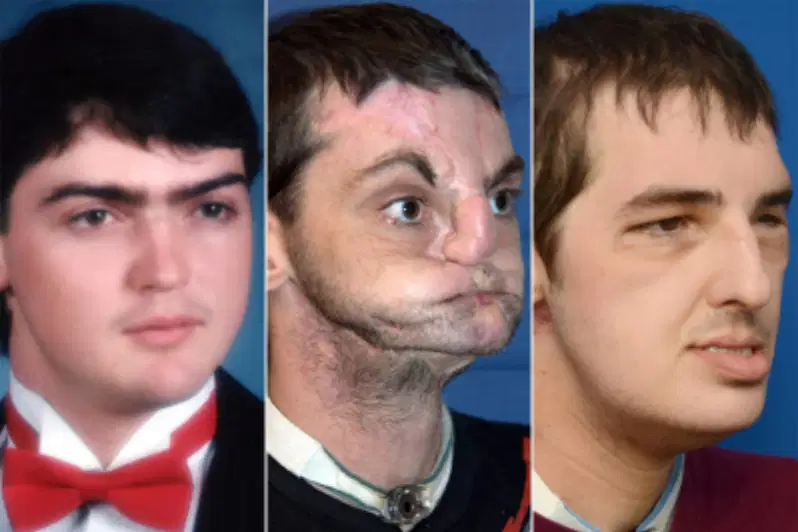
Immune system specifically ________ and eliminates foreign agents thereby protecting the host against infection.
recognizes
ignores
produces
destroys
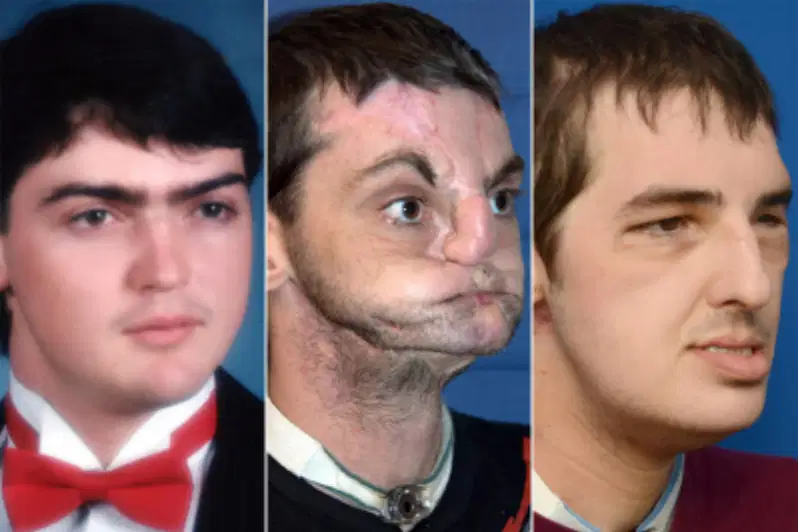
What does the immune system do to protect the host against infection?
Ignores foreign agents
Recognizes and eliminates foreign agents
Causes self-attack
None of the above
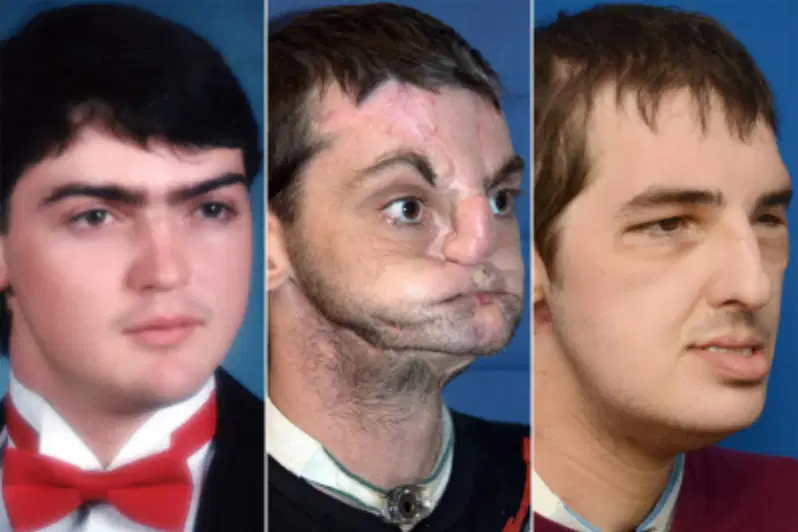
It was once believed that it was impossible for the immune system to attack itself.
True
False
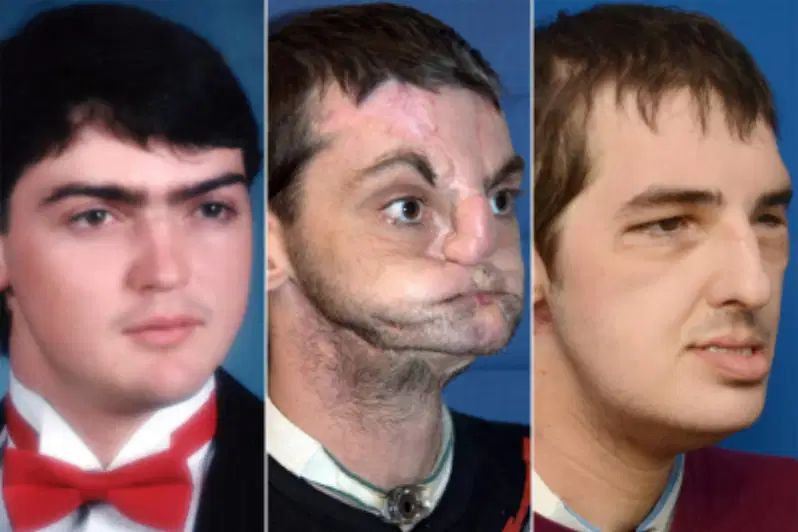
Malfunctions of the immune system do occur and may cause serious disease.
True
False
What percentage of the population in the United States is affected by autoimmune diseases as a group?
1-2%
3-4%
5-8%
10-12%
Autoimmune diseases are the ______ most common category of disease in industrialized countries.
3rd
1st
5th
7th

The immune system is made up of which of the following?
Organs
Tissues
Cells
Molecules
All of the above
Which of the following is NOT a function of the immune system?
Identify combat
Mount attack
Eliminate pathogen
Cause disease
Remember
Chronic autoimmune diseases usually require ______ care.
life-long
short-term
occasional
temporary
Innate immunity is a ______ defensive system.
Pre-determined
Acquired
Weak
Temporary
Which of the following are part of innate immunity?
Granulocytes
Dendritic cells
All of the above
Monocytes
Macrophages
What type of cells originate in bone marrow from hematopoietic stem cells?
B-lymphocytes and T-lymphocytes
Erythrocytes and platelets
Neurons and glial cells
Epithelial cells and fibroblasts
Which of the following best describes adaptive immunity?
Non-specific and general response
Highly specific and tailored response
Only present in plants
Only involves red blood cells

Based on the diagram, which cell is responsible for the humoral response?
B cell
T cell
Red blood cell
Platelet
Fill in the blank: The cell-mediated immune response is primarily carried out by ________ and their subtypes.
T-lymphocytes
B-lymphocytes
Macrophages
Erythrocytes
Which part of the immune system is labeled as 'Thymus' in the diagram?
Thymus
Spleen
Lymph node
Bone marrow

Which part of the immune system is responsible for producing blood cells and is labeled in the leg area in the diagram?
Bone Marrow
Lymph Nodes
Spleen
Thymus
Which part of the immune system is shown as a group of small red dots in the neck and armpit area in the diagram?
Lymph Nodes
Red Blood Cells
Alveoli
Nephrons
Which part of the immune system is labeled near the mouth and nose area in the diagram?
Mucous Membranes
Lymph Nodes
Bone Marrow
Spleen
Which part of the immune system is labeled on the outer surface of the body in the diagram?
Skin
Liver
Heart
Lungs
Which part of the immune system is labeled near the throat area in the diagram?
Tonsils
Spleen
Appendix
Thymus
Which part of the immune system is labeled on the left side of the abdomen in the diagram?
Spleen
Liver
Thymus
Appendix
Which part of the immune system is shown as vessels running throughout the body in the diagram?
Lymphatic Vessels
Red Blood Cells
Alveoli
Nephrons
What type of defense is responsible for acting against specific pathogens or changed body cells?
Adaptive defense
Innate defense
Physical barrier
Chemical barrier
Which cells are responsible for defense in the blood?
B lymphocytes
Red blood cells
Platelets
Adipocytes
Which cells are responsible for defense in the tissue?
T lymphocytes
Adipocytes
Erythrocytes
Chondrocytes
What are the substances that kill bacteria as part of the innate immune system?
Bacteria-killing substances
Red blood cells
Platelets
Hormones
What provides protection on the outside of the body as part of the innate immune system?
The skin
The liver
The heart
The lungs
What provides protection on the inside of the body as part of the innate immune system?
All mucous membranes
Red blood cells
Sweat glands
Hair follicles
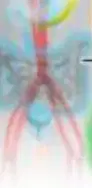
What is the first attack in the tissue as part of the innate immune system?
Scavenger cells
B cells
Plasma cells
Helper T cells
Fill in the blank: In innate immunity, the lag phase is ______, response is immediate. In adaptive immunity, the lag phase is ______, response takes at least a few days.
absent; present
present; absent
short; long
long; short
Which type of immunity has high specificity, with the response directed only to the agents that initiated it?
Innate immunity
Adaptive immunity
Fill in the blank: In innate immunity, diversity is ______, hence limited specificity. In adaptive immunity, diversity is ______, resulting in a wide range of antigen receptors.
limited; extensive
extensive; limited
absent; present
constant; variable
Which type of immunity has memory, where subsequent exposures to the same agent induce amplified responses?
Innate immunity
Adaptive immunity
Fill in the blank: In innate immunity, self/non-self discrimination is present, and the reaction is against ______. In adaptive immunity, self/non-self discrimination is present, and the reaction is against ______.
foreign; foreign
self; self
foreign; self
self; foreign
Which of the following is a component of innate immunity (rapid response)?
B cell
Macrophage
Antibodies
CD4+ T cell
Which of the following is a component of adaptive immunity (slow response)?
Neutrophil
Complement protein
B cell
Mast cell
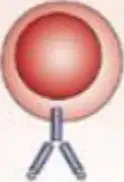
Fill in the blank: ________ are responsible for producing antibodies in the adaptive immune system.
B cells
T cells
Macrophages
Neutrophils
Which cell type is classified as a granulocyte in the innate immune system?
Neutrophil
Lymphocyte
Monocyte
Erythrocyte
Natural killer cells are part of both innate and adaptive immunity.
True
False
Which of the following is a physical or physiological barrier against pathogens?
Neutrophils
Skin
T helper cells
Plasma cells
Which cell is part of innate immunity?
Naïve B cells
Basophils
Plasma cells
T helper cells
Which of the following is NOT a component of adaptive immunity?
Cytotoxic T cells
Dendritic cells
Naïve B cells
Plasma cells
Fill in the blank: ________ is a physical barrier that helps protect the body from pathogens.
Skin
Liver
Heart
Lungs
Which of the following is a function of mucous membranes in immunity?
Producing antibodies
Acting as a physical barrier
Destroying infected cells
Activating T cells
Natural Killer Cells are part of adaptive immunity.
True
False
Which cell type is responsible for producing antibodies?
Plasma cells
Neutrophils
Mast cells
Basophils
Fill in the blank: ________ are part of the body's innate immunity and help destroy pathogens by engulfing them.
Macrophages
Erythrocytes
Platelets
Neurons
Which of the following is NOT a physical or physiological barrier?
pH
Cilia
Eosinophils
Body Temperature
Fill in the blank: Chemotactic agents ______ immune cells to site.
attract
repel
destroy
ignore
Which of the following is a <10kDa signal protein secreted by immune cells?
Cytokines
Chemokines
Antibodies
C-reactive protein
Fill in the blank: ______ regulate and coordinate immune response.
Cytokines
Enzymes
Hormones
Neurotransmitters
C-reactive protein (CRP) binds to bacteria as tags along with which complement fragment?
C1q
C3b
C5a
C4b
Antibodies (Ab) are also known as ______.
immunoglobulins
antigens
hormones
enzymes
How many classes of antibodies are mentioned in the image?
3
4
5
6
Which class of antibody is the most abundant?
IgA
IgM
IgG
IgE
Which chemokine receptor binds to CXCL1, 2, 3, 5, 6, 7, 8?
CXCR1
CXCR2
CCR1
CXCR3
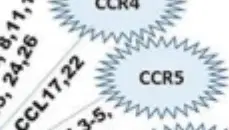
Which cells are associated with the chemokine receptor CCR5?
CD8+ cells, Macrophages, DC, Th9, Th17, TEM, TRM, NK
Th9, Tregs, TH1, pDCs, Activated CD4 T, NK, TFH, NKT, CD8TCM, TEM
Th17, Th22, IgA+ plasma cells, DC, pCD, gut homing T
Neutrophils, Macrophages, MDSCs, Monocytes, Basophils, CD8T cells
Fill in the blank: The chemokine receptor CXCR4 is associated with most T cells, Neutrophils, Macrophages, Monocytes, MDSCs, Tregs, B cells, and ________.
plasma cells
erythrocytes
osteoclasts
hepatocytes
Which chemokine binds to the receptor CCR7?
CCL19, 21
CCL20
CCL17, 22
CXCL12
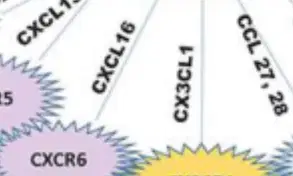
Which chemokine receptor is associated with Macrophages only?
CXCR1
CXCR2
CX3CR1
CCR1
According to the diagram, which cell is responsible for producing antibodies?
B Cell
Plasma Cell
T-helper Cell
Macrophage

Fill in the blank: The cell that gives rise to all other blood cells in the diagram is the _________.
Hematopoietic Stem Cell
Erythrocyte
Lymphocyte
Megakaryocyte
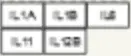
Which cytokine is associated with the induction of fever according to the diagram?
IL1B
IL10
TGF-β
IL4
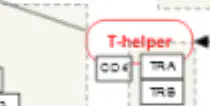
T-helper cells are involved in the clonal expansion of T cells according to the diagram.
True
False
Which two cell types are shown to contribute directly to the inflammatory response in the diagram?
Endothelial Cells and Fibroblasts
B Cells and Plasma Cells
Mast Cells and Eosinophils
NK Cells and Neutrophils
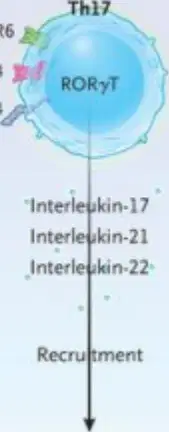
Which T-cell effector subgroup is associated with the recruitment of neutrophils?
Th1
Th2
Th9
Th17
Cytotoxic T lymphocyte
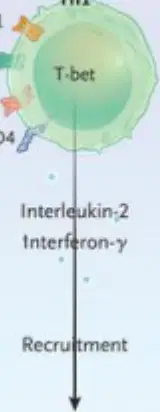
Fill in the blank: The main cytokines produced by Th1 cells are _______ and _______.
Interleukin-2 and Interferon-γ
Interleukin-4 and Interleukin-10
Tumor necrosis factor-α and Interleukin-5
Interleukin-17 and Interleukin-22
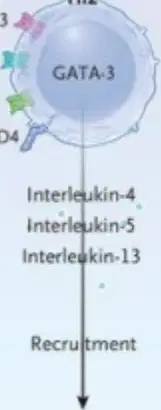
Which T-cell effector subgroup produces Interleukin-5 and Interleukin-13?
Th1
Th2
Th9
Th17
Cytotoxic T lymphocyte
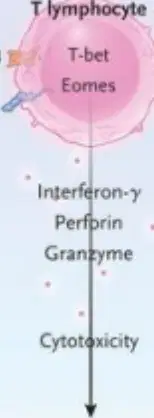
Fill in the blank: Cytotoxic T lymphocytes are characterized by the expression of _______ and _______ transcription factors.
T-bet and Eomes
GATA3 and RORγt
PU.1 and IRF4
Bcl6 and Blimp-1
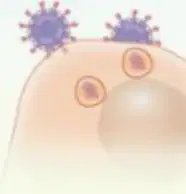
Which T-cell effector subgroup is responsible for cytotoxicity against virally infected cells?
Th1
Th2
Th9
Th17
Cytotoxic T lymphocyte

According to the diagram, what happens to a cell membrane after tissue injury, ischemia, or inflammation?
It remains unchanged
It becomes damaged, oxygen deprived, or apoptotic
It immediately repairs itself
It becomes more permeable
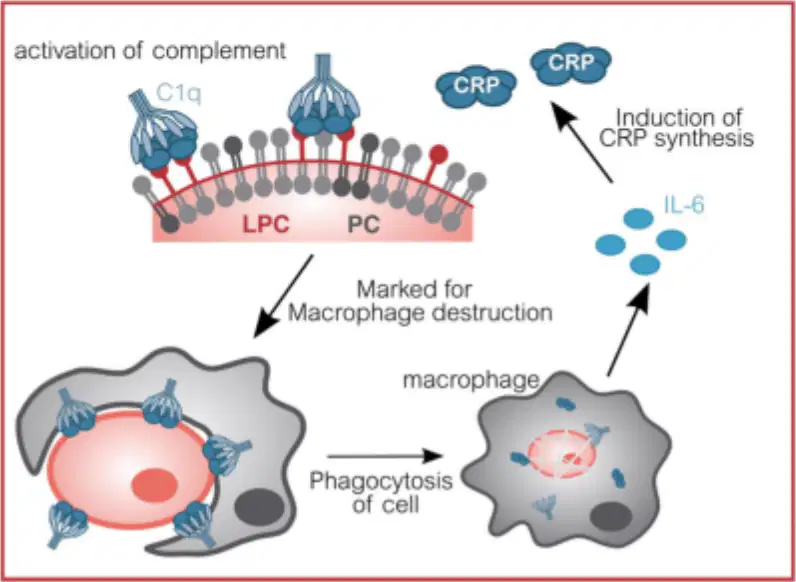
What is the effect of high CRP concentrations on damaged or apoptotic cells according to the diagram?
Cell revitalizes and repairs membrane
Activation of complement and phagocytosis
No effect
Cell becomes healthy
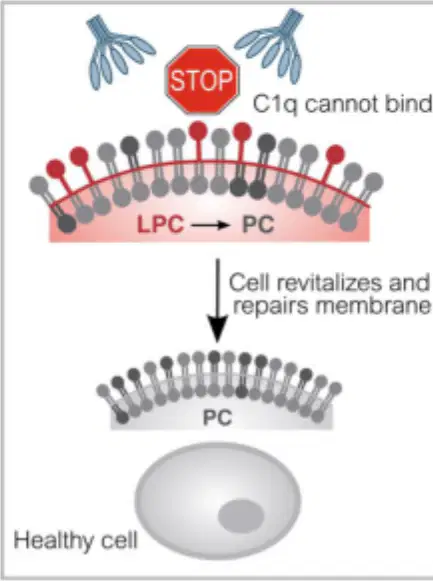
Fill in the blank: At low CRP concentrations, C1q cannot bind to the cell membrane, and the cell ________ and repairs its membrane.
revitalizes
shrinks
divides
dies
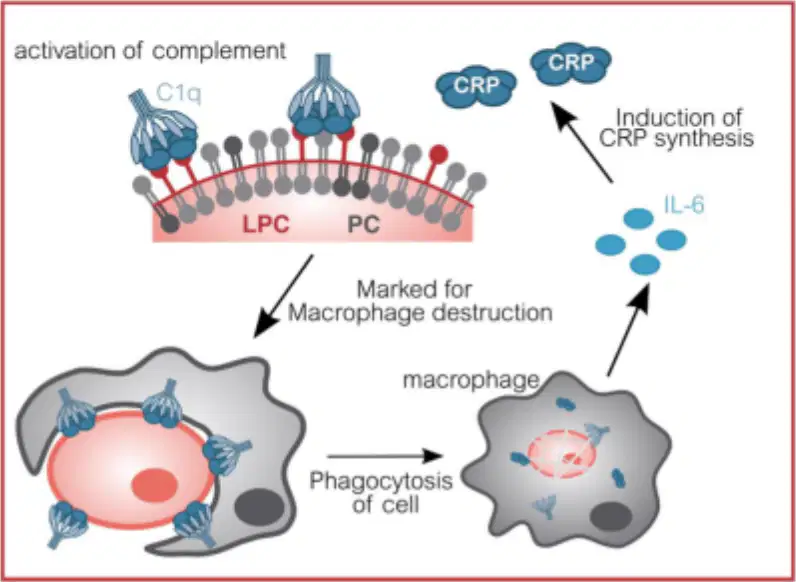
Which molecule is responsible for marking the damaged cell for macrophage destruction in the presence of high CRP concentrations?
IL-6
C1q
sPLA2 IIa
LPC
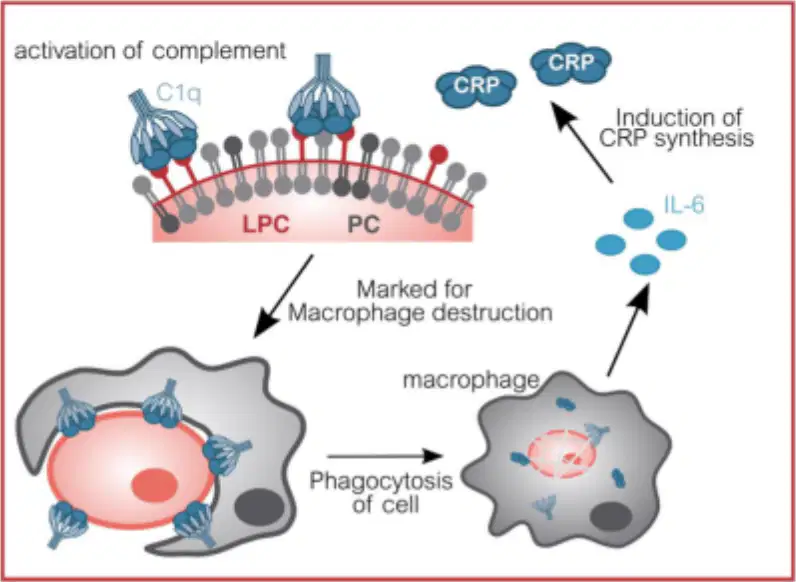
What is the role of IL-6 in the process depicted in the diagram?
Induction of CRP synthesis
Inhibition of antibody production
Suppression of T cell activation
Promotion of erythrocyte destruction
What is the presence of autoantibodies (ANAs) or T lymphocytes reactive with?
Host antigens
Bacterial toxins
Viral RNA
Dietary proteins
Any disease that results from an aberrant immune response is called ________.
autoimmunity
immunodeficiency
allergy
infection
Failure of the immune system can stem from:
Functional defects in any one of immune cells
Overproduction of antibodies
Lack of exposure to antigens
None of the above
Diagnosis of immune system dysfunction is by nature of symptoms of illness or detection of ________ (ANAs).
autoantibodies
antigens
hormones
enzymes
Treatments for immune system dysfunction include ________ and prednisone.
immunosuppressants
antibiotics
antihistamines
analgesics
Which of the following is NOT a failure of the immune system listed in the notes?
A) Failure to recognize invaders as foreign
B) Failure to distinguish self from non-self
C) Overproduction of red blood cells
D) Failure to control populations of effective, non-effective or deleterious cells
What does ANA stand for in the context of immune system diagnosis?
Antinuclear antibodies
Anti-neutrophil antigens
Autoimmune nucleic acids
Antibody neutralization assay
Allergy is characterized by excessive production of IgE in response to harmless common antigens by mast cells and basophils and their overactivation. Is this considered an autoimmune disorder?
No, allergy is not considered an autoimmune disorder.
Yes, allergy is an autoimmune disorder.
Allergy is both an autoimmune and immunodeficiency disorder.
Allergy is a type of genetic disorder.

