
 Worksheets
Heart Disease Review
Total questions: 22
Worksheet time: 12mins

What is another name for Heart Disease?
Cardiovascular Disorder
Coronary Artery Disease (CAD)
Pulmonary Disease
Hypertension

What is the primary function of the heart in the human body?
To act as the 'engine' and 'pump' of the body, circulating oxygen-rich and oxygen-depleted blood.
To store oxygen for the body.
To produce oxygen for the body.
To regulate body temperature.

Why must the heart be able to run all the time without interruption?
To ensure continuous circulation of oxygen-rich and oxygen-depleted blood.
To store energy for the body.
To regulate the body's sleep cycle.
To produce nutrients for the body.

What is the atomic number of oxygen as shown in the image?
8
6
15
12

What is the atomic mass of oxygen as shown in the image?
15.999
8.000
12.011
14.007

What type of muscle tissue is the heart made of?
Skeletal Muscle
Smooth Muscle
Cardiac Muscle
Voluntary Muscle

What is a unique characteristic of cardiac muscle compared to skeletal muscle?
Cardiac muscle tires out quickly.
Cardiac muscle does not tire out like skeletal muscle.
Cardiac muscle is weaker than skeletal muscle.
Cardiac muscle is voluntary.

How big is your heart approximately?
The size of a basketball
The size of your fist
The size of a tennis ball
The size of your head

Which of the following best describes cardiac muscle?
Weak and inefficient
Strong and efficient
Voluntary and weak
Tiring and slow
Which of the following is NOT a key risk factor for heart disease mentioned in the text?
High blood pressure
High blood cholesterol
Smoking
Regular physical activity
What percentage of Americans have at least one of the three key risk factors for heart disease?
25%
47%
60%
75%
Which of the following lifestyle choices can increase the risk of heart disease?
Physical inactivity
Healthy diet
Regular exercise
Low cholesterol levels
Which medical condition is listed as a risk factor for heart disease?
Diabetes
Asthma
Migraine
Arthritis

Which combination of factors is identified as key risk factors for heart disease?
High blood pressure, high blood cholesterol, and smoking
Diabetes, arthritis, and asthma
Overweight, unhealthy diet, and regular exercise
Genetics, behavior, and environment
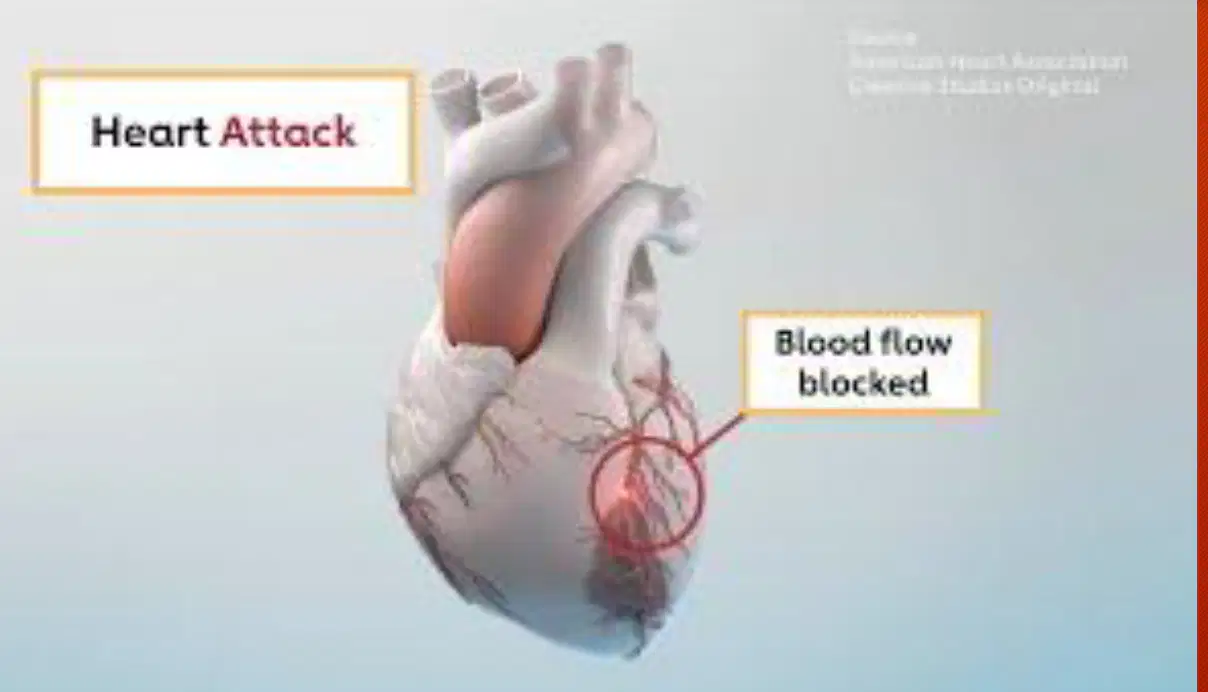
What is the primary cause of a heart attack as shown in the diagram?
High blood pressure
Blocked blood flow to the heart
Low oxygen levels in the blood
Irregular heartbeat
Which organ is responsible for pumping blood throughout the human body?
Lungs
Heart
Liver
Kidneys
Which of the following is a function of cardiac muscle?
Voluntary movement
Pumping blood
Digesting food
Producing hormones
Which lifestyle change can help reduce the risk of heart disease?
Eating more processed foods
Reducing sleep
Smoking more
Increasing physical activity

What is the disease that occurs when an artery is blocked in the brain?
Heart Attack
Stroke
Diabetes
The process of thickening and hardening of arteries:
aortic
atherosclerosis
photosynthesis
hemophilia
Which of the following is a common symptom of coronary artery disease?
Frequent urination
Chest pain (angina)
Blurred vision
Hair loss

