
NEW
Font size
 Worksheets
Blood Cells and Immune System Quiz
Total questions: 77
Worksheet time: 39mins
Which type of blood cell is primarily responsible for the immune response in the body?
Erythrocytes
Thrombocytes
Leukocytes
Platelets
What is the main function of erythrocytes in the blood?
Blood clotting
Transporting oxygen and carbon dioxide
Immune response
Inflammation
Which of the following cells is involved in phagocytosis as part of the non-specific immune system?
Basophils
Lymphocytes
Neutrophils
Erythrocytes
Which branch of the immune system is responsible for producing antibodies?
Non-specific immune system
Humoral immunity (specific immune system)
Inflammation
Phagocytosis
Which of the following best describes the difference between granulocytes and agranulocytes?
Granulocytes have smooth nuclei, agranulocytes have lobed nuclei
Granulocytes have cytoplasmic granules, agranulocytes do not
Granulocytes are only found in plasma, agranulocytes are not
Granulocytes transport oxygen, agranulocytes transport carbon dioxide
Which cell type is responsible for inflammation in the immune system?
Neutrophils
Erythrocytes
Eosinophils
Platelets
Which two main branches make up the immune system?
Humoral and cellular immunity
Non-specific immune system and specific immune system
Granulocytes and agranulocytes
Plasma and platelets
Which of the following cells is responsible for making antibodies?
T-Lymphocytes
B-Lymphocytes
Neutrophils
Monocytes
Which type of immune system is capable of recognizing foreign cells as distinct from its own cells?
Non-specific immune system
Specific immune system
Digestive system
Nervous system
What is the main function of antigens in the specific immune system?
To produce energy for cells
To bind to lymphocyte cells and trigger a specific immune response
To transport oxygen in the blood
To break down food molecules
Which cells are involved in the specific immune system and are made in the bone marrow?
Red blood cells
B-lymphocytes and T-lymphocytes
Platelets
Neurons
What is the name given to the ability of the specific immune system to distinguish its own cells from foreign cells?
Antibody generation
Self/nonself recognition
Antigen-antibody complex
Cell division
Which part of the antibody molecule is responsible for binding to antigens?
Constant region
Variable region
Heavy chain
Disulphide bridge
Why do close relatives have more similar antigens than unrelated individuals or species?
Because antigens are controlled by diet
Because antigens are genetically controlled
Because antigens are influenced by environment
Because antigens are produced by bacteria
Explain how the structure of antibodies allows them to bind specifically to antigens.
Antibodies have a constant region that binds to all antigens equally.
Antibodies have variable regions with different amino acid sequences, allowing them to bind specifically to different antigens.
Antibodies have no specific binding sites for antigens.
Antibodies use their heavy chains to bind to antigens.
Describe the role of B-lymphocytes in the immune response.
B-lymphocytes produce hormones for growth.
B-lymphocytes make antibodies that bind specifically to antigens.
B-lymphocytes transport oxygen in the blood.
B-lymphocytes break down food molecules.
A scientist is studying two individuals and finds that their antigens are very similar. What can the scientist infer about their relationship?
They are likely unrelated.
They are likely close relatives.
They are from different species.
They have identical diets.
If a mutation occurs in the variable region of an antibody, what is the most likely effect on the antibody’s function?
The antibody will bind to all antigens equally.
The antibody may lose its ability to bind specifically to its target antigen.
The antibody will become a hormone.
The antibody will transport oxygen.
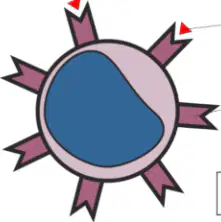
Which of the following is true about T-lymphocyte receptor proteins?
They have multiple binding sites and are secreted as soluble proteins.
They are only found on the surface of T-cells and have one binding site.
They are free in solution and bind to any antigen.
They are identical to antibodies and found on B-cells.
What is the main function of receptor proteins on T-lymphocytes?
To secrete antibodies into the blood.
To bind specifically to antigens and form antigen-receptor complexes.
To destroy bacteria directly.
To produce toxins against viruses.
Why do humans have self-tolerance in their immune system?
To destroy all types of antigens, including self-antigens.
To ignore self-antigens and only respond to non-self antigens.
To produce more antibodies against self-antigens.
To prevent the production of receptor proteins.
What can happen if self-tolerance fails in the immune system?
The body becomes immune to all diseases.
Autoimmune diseases such as type 1 diabetes may develop.
The body stops producing antibodies.
All B and T cells are destroyed.
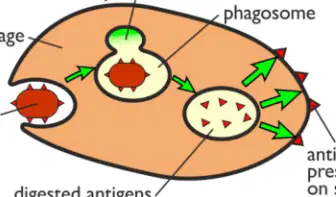
Which cells are the most important antigen-presenting cells in the immune system?
Red blood cells
Macrophages
Platelets
Neurons
Which of the following is NOT a possible source of non-self antigens that can trigger an immune response?
A virus
A bacterial cell
A transplanted cell
A red blood cell
Explain how macrophages contribute to the initiation of a specific immune response.
By secreting antibodies into the bloodstream.
By ingesting foreign antigens and presenting them on their surface to activate other immune cells.
By destroying all cells in the blood.
By producing toxins against antigens.
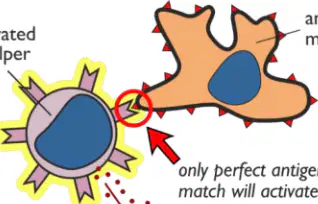
Which type of cell presents antigens to T-helper cells in the process of clonal selection?
Macrophage
Red blood cell
Platelet
Neutrophil
What is the main function of cytokines released by T-helper cells during clonal selection?
Stimulate lymphocytes to activate, proliferate, and differentiate
Destroy pathogens directly
Produce antibodies
Inhibit immune response
What process results in the formation of a clone army of genetically identical lymphocyte cells?
Mitosis
Meiosis
Binary fission
Budding
Why is clonal selection important in the immune response?
It ensures only lymphocytes with receptors matching the antigen are cloned
It increases the number of pathogens in the blood
It prevents the production of antibodies
It destroys red blood cells
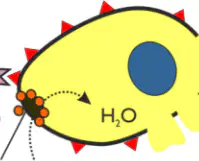
What do T-killer cells secrete to kill infected human cells or pathogens?g
Perforin proteins
Antibodies
Hormones
Enzymes
How do perforin proteins help T-killer cells destroy infected cells?
They create pores in the cell membrane, causing the cell to burst by osmotic lysis
They block nutrient uptake
They stimulate antibody production
They prevent cell division
Explain the analogy used to describe the interaction between antigen-presenting cells and T-helper cells.
It is compared to Prince Charming finding Cinderella with the exact fit for the glass slipper
It is compared to a chef choosing ingredients for a recipe
It is compared to a teacher grading papers
It is compared to a gardener planting seeds
What is cellular immunity?
Immunity where foreign cells are killed directly by lymphocyte cells
Immunity provided by antibodies in the blood
Immunity achieved by vaccination
Immunity that only targets bacteria
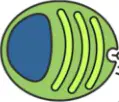
Which type of cell do activated B-lymphocytes differentiate into during humoral immunity?
Plasma cells
Red blood cells
Helper T cells
Platelets
What is the main function of plasma cells in the immune response?
To produce and secrete large amounts of soluble antibodies
To destroy infected cells directly
To transport oxygen in the blood
To produce hormones
Which process describes antibodies binding to antigens on viruses and bacteria to prevent them from attaching to cells?
Opsonisation
Agglutination
Neutralisation
Precipitation
What is opsonisation in the context of the immune response?
The process of stimulating phagocytosis and the non-specific immune response
The process of changing the shape of toxin proteins
The process of linking cells together
The process of producing antibodies
How do antibodies immobilise viruses and cells during agglutination?
By linking cells together into large clumps
By destroying the cell membrane
By producing toxins
By increasing cell division
Why do memory cells play an important role in immunological memory?
They remain in the blood for years and quickly divide to form a new clone army upon re-infection
They produce hormones to fight infection
They destroy pathogens directly
They prevent antibody production
What is the secondary immune response?
The rapid division of memory cells to form a new clone army upon re-exposure to the same antigen
The initial response to a new infection
The destruction of pathogens by phagocytes
The production of plasma cells
Explain how antibodies can bind to two different pathogens at the same time.
Each antibody molecule has two antigen-binding sites, one on each arm
Antibodies have only one binding site
Antibodies bind only to toxins
Antibodies cannot bind to more than one pathogen
Describe the role of agglutination in the immune response.
It immobilises viruses and cells, and precipitates soluble toxins for destruction
It stimulates antibody production
It increases the number of plasma cells
It prevents antibody-antigen binding
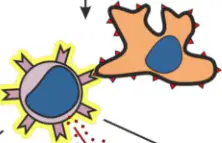
Which of the following is the first stage in the specific immune system response?
Antigen Presentation
Clonal Selection
Cellular Immunity
Humoral Immunity
What is the main function of a macrophage in the specific immune system?
To present antigens to T-helper cells
To produce antibodies
To destroy infected cells directly
To clone memory cells
During clonal selection, which type of cell releases cytokines to activate other immune cells?
T-helper cell
B-plasma cell
T-killer cell
Macrophage
Which cells are responsible for cellular immunity by attacking infected human cells?
T-killer cells
B-memory cells
B-plasma cells
Macrophages
What is the role of B-plasma cells in humoral immunity?
To produce soluble antibodies
To destroy infected cells directly
To present antigens
To release cytokines
Which stage of the specific immune system involves the formation of memory cells for long-term immunity?
Cloning (Stage 5)
Antigen Presentation (Stage 1)
Cellular Immunity (Stage 3)
Humoral Immunity (Stage 4)
Explain how clonal selection leads to the production of both effector and memory cells in the immune response.
Clonal selection activates specific T-helper and B-cells, which then undergo cloning to produce large numbers of effector cells (such as T-killer and B-plasma cells) for immediate response, as well as memory cells for long-term immunity.
Clonal selection only produces effector cells and does not contribute to memory cell formation.
Clonal selection is responsible for antibody production only.
Clonal selection occurs after cellular immunity is complete.
Compare the roles of cellular immunity and humoral immunity in the specific immune system.
Cellular immunity targets infected human cells using T-killer cells, while humoral immunity targets pathogens using antibodies produced by B-plasma cells.
Both cellular and humoral immunity use antibodies to destroy pathogens.
Cellular immunity is only involved in antigen presentation.
Humoral immunity destroys infected cells directly.
What is the term for the slow and weak immune response that occurs when the body encounters a new antigen for the first time?
Secondary immune response
Primary immune response
Non-specific immune response
Antigenic variability
Which type of immune response is characterized by a much faster and greater production of clone B and T lymphocytes upon subsequent infection by the same antigen?
Primary immune response
Antigenic variability
Secondary immune response
Non-specific immune response
What remains in the blood after a primary immune response, allowing for a faster response upon subsequent infection by the same antigen?
Pathogens
Memory cells (T and B lymphocytes)
Antibodies
Toxins
Why is the secondary immune response able to destroy pathogens before they reproduce enough to cause disease?
Because the body produces toxins
Because the clonal selection stage is bypassed and more lymphocytes and antibodies are produced quickly
Because the pathogen mutates rapidly
Because the non-specific immune response is activated
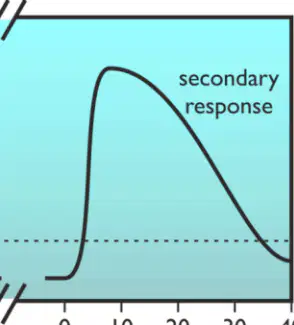
What does the graph illustrate about the concentration of antibodies in the blood during primary and secondary immune responses?
The primary response produces more antibodies than the secondary response
The secondary response produces antibodies more slowly than the primary response
The secondary response produces a much higher concentration of antibodies much faster than the primary response
Both responses produce the same concentration of antibodies
What is antigenic variability?
The ability of the immune system to produce more antibodies
The process by which pathogens develop new strains with different antigens due to mutations
The constant presence of antigens in pathogens
The destruction of pathogens by memory cells
Why can we catch diseases like the common cold or flu multiple times?
Because the immune system does not produce antibodies
Because these pathogens have antigens that remain constant
Because these pathogens develop new strains with different antigens, leading to antigenic variability
Because memory cells are always present
Explain why an individual is immune to a disease after a secondary immune response.
Because the pathogen mutates rapidly
Because the immune response is slow and weak
Because memory cells allow for a rapid and strong immune response that destroys the pathogen before it can cause disease
Because the non-specific immune response is activated
Which of the following best describes the process of immunisation?
Injecting a non-virulent antigen to promote the primary immune response
Injecting antibiotics to kill pathogens directly
Consuming vitamins to boost the immune system
Exposing a person to the actual disease to build immunity
What is the main difference between active and passive immunity?
Active immunity involves receiving antibodies, while passive immunity involves receiving antigens
Active immunity involves the body producing its own antibodies, while passive immunity involves receiving antibodies from another source
Both active and passive immunity involve vaccination
Passive immunity lasts longer than active immunity
Which of the following diseases is commonly prevented in UK children through vaccination?
Malaria
Diphtheria
Chickenpox
Influenza
Passive immunity can be achieved naturally by:
Injecting modified antigens
Passing antibodies from mother to child through placenta and milk
Catching a disease and recovering
Receiving a vaccination
Which term describes the process of injecting antibodies against certain pathogens into the blood?
Active immunity
Vaccination
Passive immunity
Antigenic variation
Why is breast feeding considered important for a newborn's immunity?
It provides essential vitamins for growth
It helps the baby digest food more easily
It supplies immunoglobulin proteins that help protect against pathogens
It prevents allergies in the baby
Which of the following is an example of artificial passive immunity?
Injection of modified antigens in a vaccination
Passing antibodies from mother to child through milk
Injection of antibodies in an antiserum
Catching a disease and recovering
Explain how vaccination provides artificial immunity and why it is effective in preventing diseases. (DoK Level 3)
Vaccination introduces non-virulent antigens, prompting the body to produce memory cells that recognize and respond quickly to future infections, preventing the disease before it can cause harm.
Vaccination introduces antibiotics that kill pathogens directly, preventing infection.
Vaccination exposes the body to the actual disease, allowing it to build immunity naturally.
Vaccination provides immediate antibodies that fight off any infection present.
A newborn baby is protected from certain diseases even before its own immune system is fully developed. Using evidence from the text, explain how this protection is achieved and why it is important. (DoK Level 3)
The baby receives antibodies from the mother through the placenta and colostrum, which help protect against pathogens until the baby's immune system matures. This is important because the baby's digestive system cannot absorb proteins intact, making passive immunity crucial for survival.
The baby receives antigens from the mother, which stimulate its own immune response.
The baby is vaccinated immediately after birth to provide immunity.
The baby produces its own antibodies from birth.
What is herd immunity?
Protection of unvaccinated individuals when enough people are vaccinated in a population
Immunity gained by eating healthy foods
Immunity that only occurs in animals
Immunity achieved by taking antibiotics
Which percentage range of a population typically needs to be vaccinated to achieve herd immunity?
85-95%
50-60%
30-40%
100%
Who are examples of individuals who cannot be safely vaccinated?
New-born infants and those undergoing chemotherapy
Healthy adults
People with minor colds
Athletes
What is the risk associated with too many "free-riders" in a population?
Compromising herd immunity
Increasing food shortages
Causing economic inflation
Improving herd immunity
What was the main claim made in the MMR hoax?
The MMR vaccine was linked to autism
The MMR vaccine cured measles
The MMR vaccine was 100% effective
The MMR vaccine was never tested
What was the consequence of the MMR hoax on vaccination rates in the UK?
Vaccination rates fell from 92% to 84%
Vaccination rates increased to 100%
Vaccination rates remained unchanged
Vaccination rates fell to 50%
How did the incidence of measles and mumps change in the UK after the drop in vaccination rates?
Increased to 37 times their previous level
Decreased to zero
Remained the same
Doubled
Why do some individuals rely on herd immunity instead of vaccination?
They cannot be safely vaccinated due to medical reasons
They prefer natural remedies
They do not believe in science
They are allergic to water
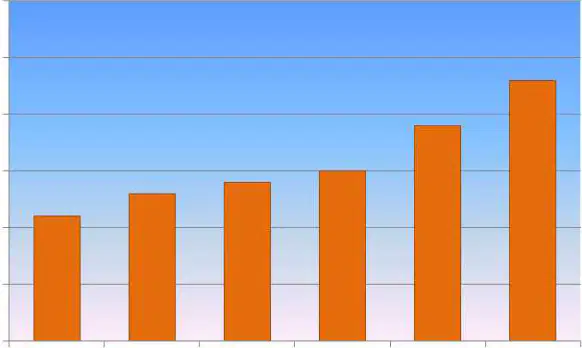
Based on the bar chart, which disease requires the highest threshold of population immunity for herd immunity?
Measles
Mumps
Polio
Rubella
Explain why the presence of too many free-riders can compromise herd immunity. Use evidence from the text to support your answer.
Because the threshold required for herd immunity is very high, and too many free-riders reduce the number of vaccinated individuals, making it easier for diseases to spread.
Because free-riders increase the cost of vaccines.
Because free-riders make vaccines less effective.
Because free-riders are immune to all diseases.

