wayground logo

Free Printable Worksheets

Font size

S
M
L
XL
Worksheets

Elements and Compounds

Total questions: 83

Worksheet time: 47mins

Name
Class
Date
1.

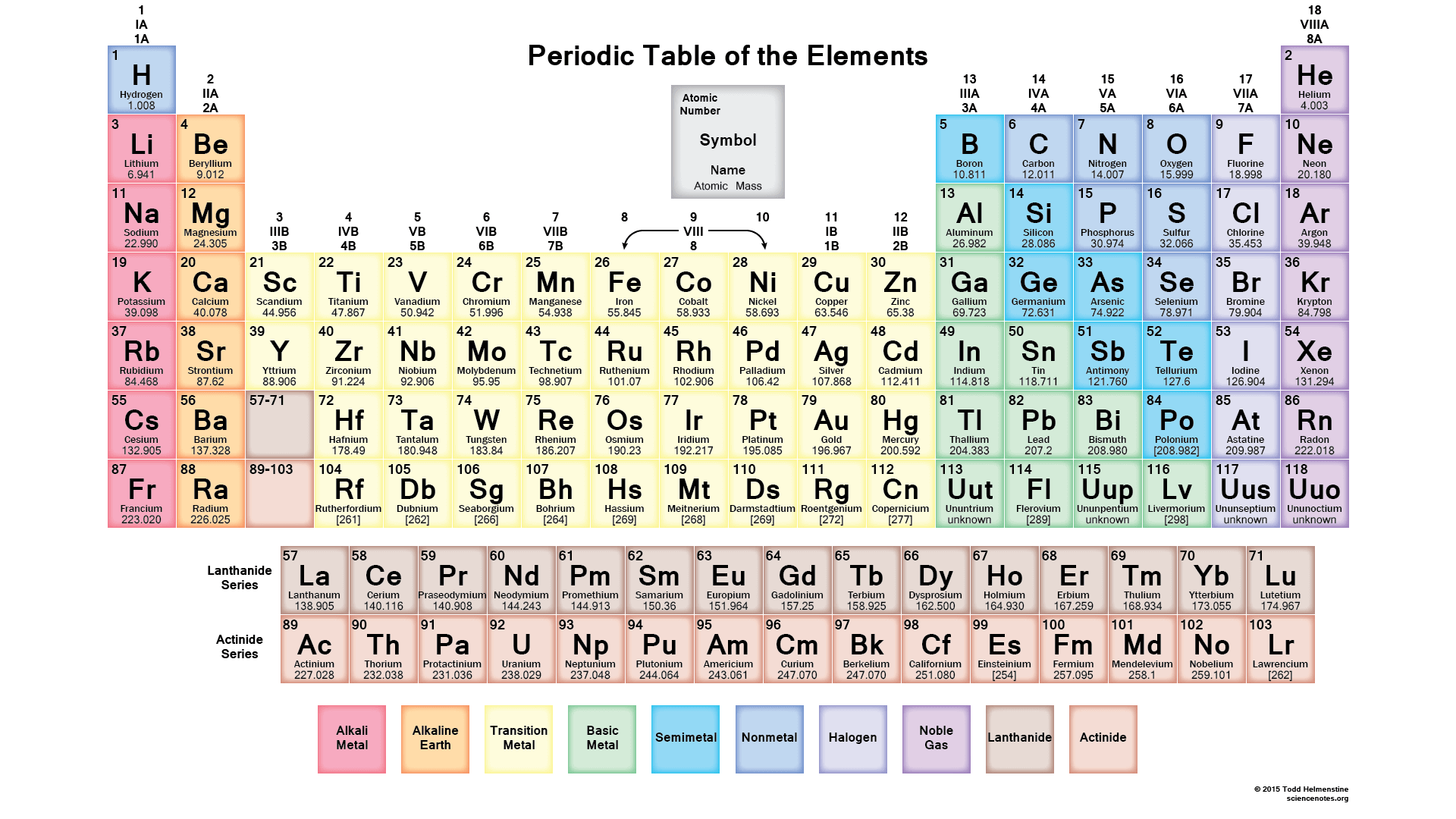
What is located on the horizontal rows on the Periodic Table?

a)

families

b)

groups

c)

periods

2.

In which direction would you find groups/families?

a)

horizontal

b)

vertical

3.

How many different types of atoms make up an element?

a)

1

b)

2

c)

3

4.

How are symbols for elements written?

a)

numbers

b)

pictures

c)

letters

5.

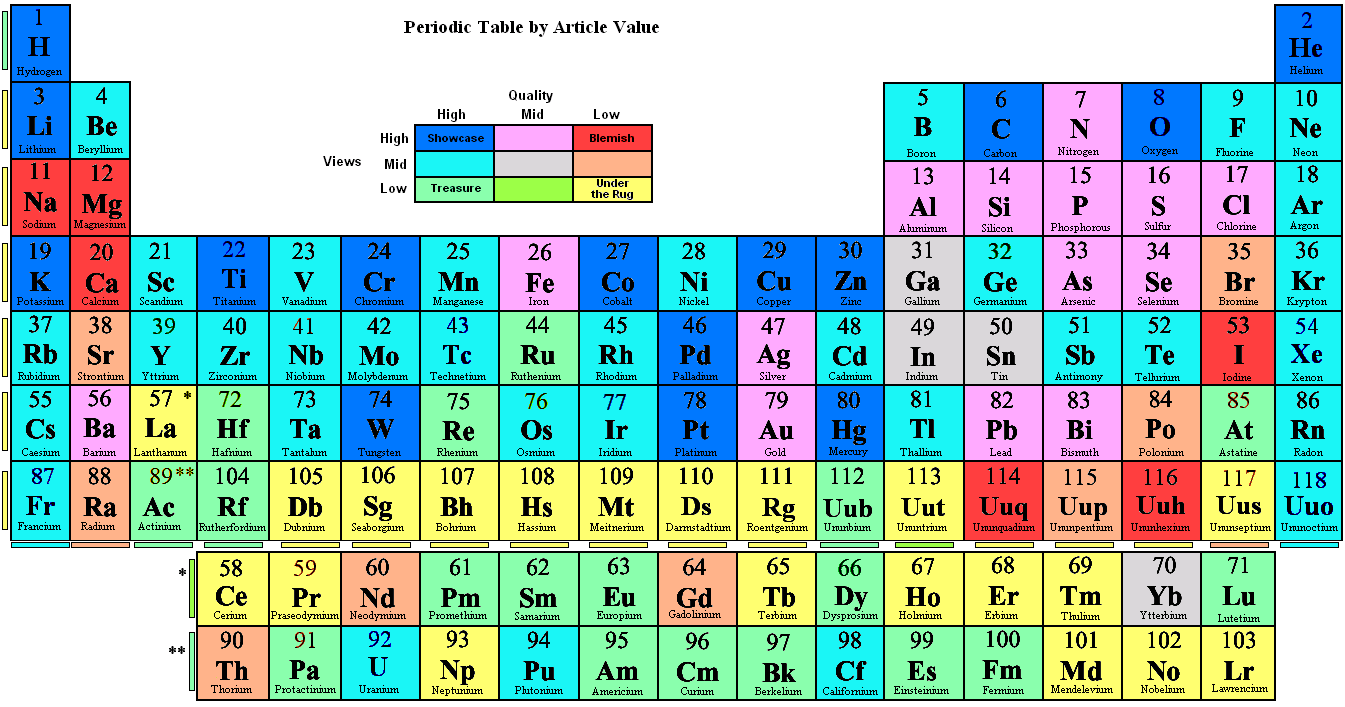
What is the symbol for carbon?

a)

Ca

b)

C

c)

Na

6.

H is the symbol for____.

a)

Helium

b)

Hydrogen

c)

Iron

7.

What is located on the horizontal rows on the Periodic Table?

a)

families

b)

groups

c)

periods

8.

The smallest part of a matter is:

a)

atom

b)

element

c)

compound

9.
An oxygen molecule usually has two oxygen atoms.
a)
True
b)
False
10.
Two or more atoms chemically bonded together are called a
a)
atom
b)
element
c)
molecule
d)
mixture
11.
How many carbon atoms are there in a methane molecule? 
a)
0
b)
1
c)
4
d)
5
12.
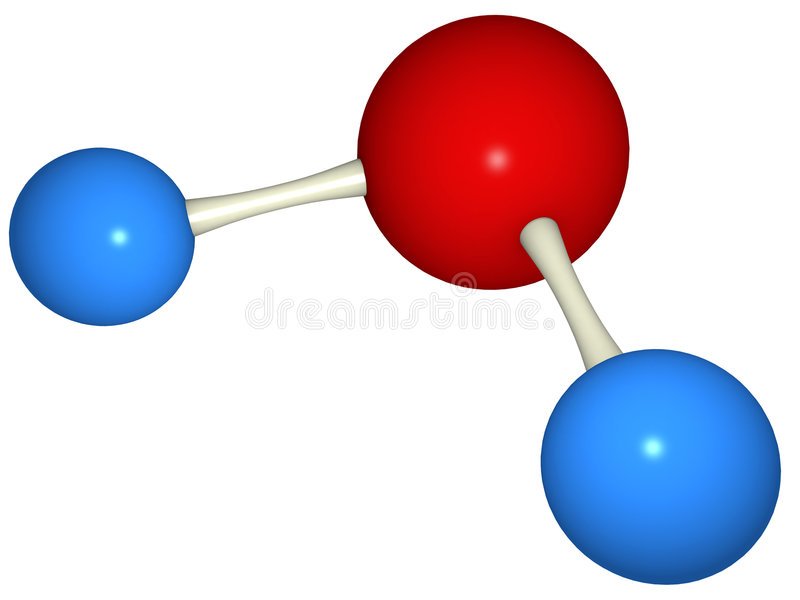
How many hydrogen atoms are there in a water molecule? 
a)
0
b)
1
c)
2
d)
3
13.

Which symbol is written correctly?

a)

Au

b)

AU

c)

au

d)

ua

14.

Flourine

a)

Fl

b)

F

c)

fl

d)

Fe

15.

Sodium

a)

NaCl

b)

Na

c)

S

d)

So

16.

Calcium

a)

Ca

b)

C

c)

ca

d)

Cl

17.

Lustrous means

a)

Dull

b)

Shiny

c)

Soft

d)

Breakable

18.

Being malleable is an element's ability to deform into

a)

wire/thread

b)

flat sheets

c)

shattered pieces

d)

pickles

19.

Being ductile is an element's ability to deform into

a)

flat sheets

b)

wire/thread

c)

shattered pieces

d)

ducks

20.

The physical property of conductivity is

a)

the element's ability to change shape

b)

the element's ability to transfer thermal energy (heat) or electricity

c)

the element's ability to react with light

d)

the element's ability to resist deformation

21.

The melting/boiling point of an element is

a)

the hour at which an element melts/boils

b)

the temperature at which an element evaporates

c)

the temperature at which and element will melt/boil

d)

the temperature at which an element can conduct electricity

22.

Ag is for (a)   .

23.

W is for (a)   .

24.

Ni is for (a)   .

25.
Which of these is a property of metals?
a)
It's malleable
b)
It can't conduct electricity
c)
They are used in food
d)
It's very brittle
26.
Good conductor of heat
a)
Metal
b)
Nonmetal
27.
Which of the following is a property of a non-metal?
a)
Conducts electricity and heats well
b)
Can be hammered into thin sheets
c)
Is brittle and breaks easily
d)
Has a shiny, metallic luster
28.
Iron is a good conductor, malleable and magnetic. What type of element is Iron? 
a)
Metal
b)
Nonmetal
c)
Metalloid
d)
Pretty
29.
Metalloids _____________
a)
have no properties of metals.
b)
have no properties of nonmetals.
c)
have some properties of both metals and nonmetals.
d)
none of the above
30.
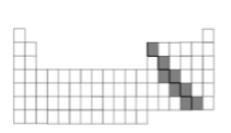
Where are metalloids located on the periodic table?
a)
to the right of nonmetals
b)
along the zig-zag line
c)
to the left of the zig-zag line
d)
to the right of the zig-zag line
31.

Elements in the shaded area can best be described as -

a)

Shiny and brittle, semiconductors

b)

Insulators

c)

Good conductors

32.
At room temperature metals are ____________.
a)
plasma
b)
gases
c)
liquid
d)
solid
33.

Carbon is dull and brittle. Carbon is a

a)

metal

b)

nonmetal

c)

metalloid

34.
A student is given a sample of an unknown substance. He is asked to determine if it is classified as a metal, a metalloid, or a nonmetal. He discovered that the unknown element conducted some heat and electricity, had a shiny luster, and broke easily. This element is most likely a 
a)
metal
b)
nonmetal
c)
metalloid
d)
cannot be determined
35.
A vertical column is called...
a)
group
b)
tower
c)
period
d)
crew
36.
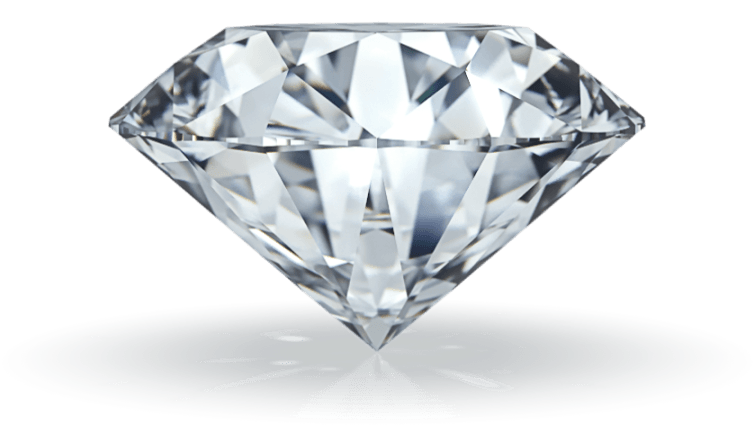
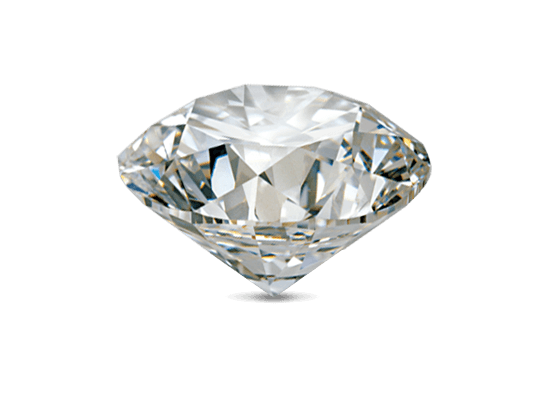
Diamonds are a pure form of what element?
a)
Carbon
b)
Oxygen
c)
Silicon
d)
Silver
37.
Most of the elements on the periodic table are classified as _____.
a)
Metals
b)
Nonmetals
c)
Metalloids
d)
Periods
38.

Elements in the same group have __________

a)

Similar Properties

b)

Same number of shells

c)

Similar Mass

39.

a collection of atoms of one type that cannot be broken down into simpler substances by ordinary chemical or physical means

a)

element

b)

subatomic particle

c)

electron

d)

matter

40.
All matter is composed of (contains) at least one element on the periodic table
a)
True
b)
False
41.
If an atom had the same properties as fluorine (F), it would probably be located in
a)
period 1.
b)
period 2.
c)
group 2.
d)
group 17.
42.
Who first developed the Periodic Table?
a)
Mendeleev
b)
Mosely
c)
Mendella
d)
Murphy
43.
The atoms along the staircase are called 
a)
metals
b)
nonmetals
c)
metalloids
d)
noble gases
44.

Nitrogen is a

a)

metal

b)

metalloid

c)

nonmetal

d)

solid at room temperature

45.

The period for Bromine is ___________.

a)

3

b)

2

c)

4

d)

17

46.
Where are the metals located? 
a)
to the right of the staircase 
b)
to the left of the staircase 
c)
group 18 
d)
on the separate section at the bottom 
47.

Which one is a Semi Conductor?

a)

Chlorine

b)

Sodium

c)

Silicon

d)

Hydrogen

48.

Metalloids are found in the following groups

a)

13-17

b)

1-12

c)

12-18

d)

1-3

49.
Sodium (Na) is found in period 
a)
3
b)
2
c)
4
d)
1
50.
Sodium (Na) is found in group 
a)
1
b)
2
c)
3
d)
4
51.

What do atoms of the same periodic group have in common?

a)

They have the same atomic number.

b)

They have the same chemical symbols.

c)

The have similar chemical properties.

d)

They have the same atomic mass.

52.
What element primarily makes a diamond?
a)
Hydrogen
b)
Silver
c)
Carbon
d)
Calcium
53.
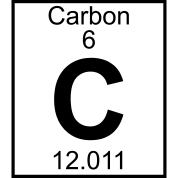
What does the C represent?
a)
atomic mass
b)
atomic number
c)
element name
d)
chemical symbol 
54.
What does 12.011 represent?
a)
atomic mass
b)
atomic number
c)
element name
d)
chemical symbol 
55.

Phosphorus

a)

pH

b)

K

c)

P

d)

ph

56.

Potassium

a)

Pt

b)

Po

c)

P

d)

K

57.

Calcium

a)

Ca

b)

C

c)

ca

d)

Cl

58.

Copper

a)

C

b)

Co

c)

Cu

d)

Cp

59.

Silicon

a)

S

b)

Si

c)

Sc

d)

Sn

60.

Magnesium

a)

Mn

b)

Mg

c)

mg

d)

Me

61.
Which of the following is a property of a non-metal?
a)
Conducts electricity and heats well
b)
Can be hammered into thin sheets
c)
Is brittle and breaks easily
d)
Has a shiny, metallic luster
62.
Iron is a good conductor, malleable and magnetic. What type of element is Iron? 
a)
Metal
b)
Nonmetal
c)
Metalloid
d)
Pretty
63.
Which of these is a property of metals?
a)
It's malleable
b)
It can't conduct electricity
c)
They are used in food
d)
It's very brittle
64.
Metalloids _____________
a)
have no properties of metals.
b)
have no properties of nonmetals.
c)
have some properties of both metals and nonmetals.
d)
none of the above
65.
Where are metalloids located on the periodic table?
a)
to the right of nonmetals
b)
along the zig-zag line
c)
to the left of the zig-zag line
d)
to the right of the zig-zag line
66.
How do metals differ from nonmetals?
a)
metals are shiny, nonmetals are dull
b)
metals are good insulators, nonmetals are good conductors
c)
metals are powdery
d)
nonmetals are shiny
67.

The elements argon, krypton, and xenon are all non-metals.What property would these elements have in common?

a)

Good conductor of thermal energy

b)

Poor conductor of electricity

c)

Shiny, lustrous surface

d)

Soft and malleable

68.
At room temperature metals are ____________.
a)
plasma
b)
gases
c)
liquid
d)
solid
69.
Which element is a metalloid?
a)
Titanium
b)
Selenium
c)
Potassium
d)
Polonium
70.
A student is given a sample of an unknown substance. He is asked to determine if it is classified as a metal, a metalloid, or a nonmetal. He discovered that the unknown element conducted some heat and electricity, had a shiny luster, and broke easily. This element is most likely a 
a)
metal
b)
nonmetal
c)
metalloid
d)
cannot be determined
71.
a)

Element

b)

Compound

c)

Homogeneous Mixture

d)

Heterogeneous Mixture

72.

What is the chemical formula for water?

a)

NaCl

b)

CO2

c)

NH3

d)

H2O

73.
a)
element
b)
compound
c)
mixture of elements and compounds
d)
mixture of compounds
74.

Which of the following is a compound?

a)

Water

b)

Oxygen

c)

Chlorine

d)

Aluminum

75.

Look at the given compound. How many different elements are in the compound?

a)

1

b)

2

c)

4

d)

5

76.

Name the ionic compound, LiCl

a)

lithium chlorine

b)

lithium chloride

c)

lithium chlorate

d)

lithium monochloride

77.

Name the ionic compound, CaCO3

a)

calcium carbide

b)

calcium carbon trioxide

c)

calcium carbon oxide

d)

calcium carbonate

78.
K20 - name?
a)
potassium dioxide
b)
potassium oxide
c)
potassium oxygen
d)
dipotassium dioxide
79.
What is the name of K2O?
a)
dipotassium monoxide
b)
dipotassium oxygen
c)
Potassium oxide
d)
Potassium oxygen
80.
What is the name of NF3?
a)
mononitrogen trifluoride
b)
nitrogen trifluoride
c)
nitrogen flouride
d)
nitrogen fluorine 
81.
What is the formula for Sodium Bromide? 
a)
NaBr
b)
NaBr2
c)
Na2Br
d)
Na3Br
82.
What is the name for CO?
a)
Copper Oxide
b)
Carbon monoxide
c)
monocarbon oxide
d)
Copper monoxide
83.
What is the formula for Silicon dioxide?
a)
SO
b)
SO2
c)
SiO
d)
SiO2