
 Worksheets
Semester 1 (2025) Final PRACTICES
Total questions: 106
Worksheet time: 3hrs 53mins
Organize these interactions into the right categories


+,+
+,-
+,0
Helps maintain a stable ecosystem


Parasites and predators help maintain ecosystem stability because...
They increase the population of all organisms so ecosystems become diverse
They decrease the population of certain organisms to ensure no species overpopulates
They increase the survival of all species
Any of the above are possible

Rabbits and deer eat lettuce leaves from a garden.
What ecological interaction describes the relationship between rabbits and deer?
Mutualism
Competition
Commensalism
Predation
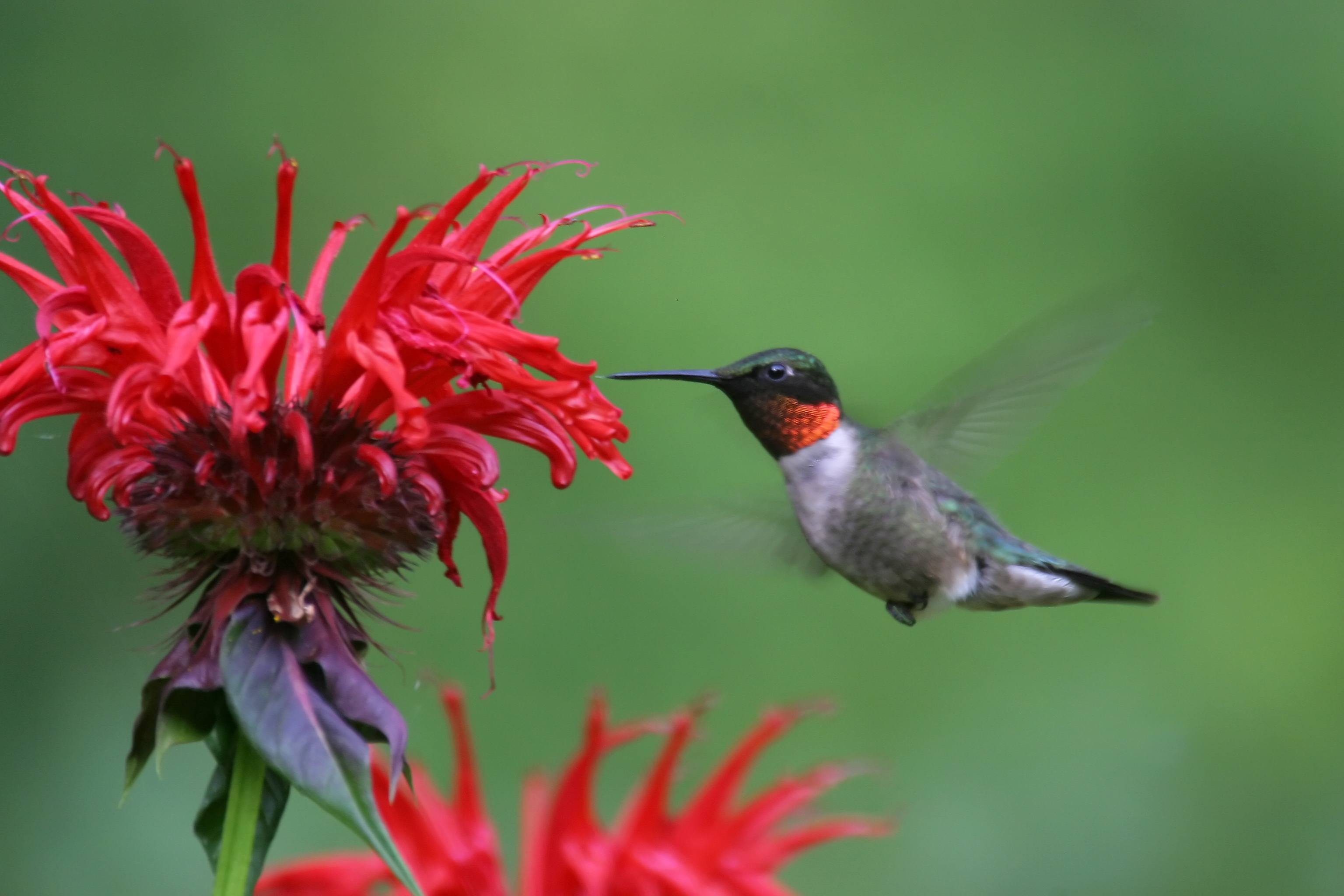
Hummingbirds feed on nectar from flowers. The flowers are pollinated by hummingbirds as they move from flower to flower. This is an example of
commensalism
mutualism
parasitism
predation

Mistletoe extracts water and nutrients from the spruce tree to the trees detriment (causing harm). What type of interaction is this?
Parasitism
Competition
Commensalism
Mutualism

Ostriches and Gazelles feed next to each other. They both watch for predators and alert each other to danger. Since the visual abilities of the two species are different, they can each identify threats the other animal would not as readily see. What type of interaction is this?
Parasitism
Mutualism
Commensalism
Competition

Experimental design: Caterpillars were raised in individual containers where they could build shelters. One had a “clean” treatment where frass (caterpillar poop) was removed daily from the container. The other had a “frassy” treatment which allowed frass to accumulate in the container throughout development.
A further experiment was conducted to test whether predators could be attracted by the smell of frass. Artificial shelters similar to those of the caterpillars were placed with either 6 frass pellets or 6 beads designed to look like frass. Predator wasps were introduced to the containers. Each wasp had to individually choose between a larva in a shelter with its frass and a larva in a shelter with pellets to visually imitate the frass (but not the smell).
The percentage of time spent by each wasp at each container was recorded.
After reading the data, create a claim that answers the Research Question
The independent variable is (a) The dependent variable is (b)
Summarize the evidence that supports your claim.
Use at least 1 piece of evidence that supports the claim.
Organize these options into the right categories


Interaction between living and nonliving
Use the Earth as your guide.
Label the Climate Zones
Topical
Temperate
Polar

The amount of energy the producers in this energy pyramid provide the primary consumers is 54,000 joules. From this amount, 540 joules are provided to the tertiary consumers. Based on this model, how much of the energy was provided to secondary consumers?
5,400 J
54 J
540 J

Part of a hydrothermal vent food web is represented in the diagram. Which organisms are both secondary and tertiary consumers in this food web?
Chemosynthetic bacteria and amphipods
Galatheid crabs and zoarcid fish
Ratfish and octopuses

An ocean food chain is shown in the diagram above. Which organism represents the trophic level containing approximately 1% of the initial amount of solar energy acquired by the phytoplankton?
sand eels
herring
humans
copepods
Match the following vocabulary terms with their correct definitions.
food chain
model showing one feeding pathway
energy pyramid
model that shows movement of energy
consumers
organisms that consume other organisms
food web
model showing multiple feeding pathways
producers
organisms that make their own food
Organize these factors into the correct categories.

Butterfly

Mushroom

Bear

Air

Sunlight

Soil
Label the trophic levels on the energy pyramid.
primary consumer
producer
secondary consumer
tertiary consumer

Two organisms that occupy the same trophic level in the food web shown are the (a) and the fox.

Match the organism with the correct energy percentage available at that organism's trophic level.
grasses and blackberries
100%
rabbits
10%
corn snakes
1%
eagle
0.1%

What do you call the total count of a specific organism living within their natural habitat?
ecosystem
community
population
symbiosis
niche

The term used to include all of the living things PLUS all the non-living things together in a specific environment...
community
biosphere
habitat
population
ecosystem

The non-living part of the natural environment where an animal, plant or other organism lives…
niche
habitat
community
ecosystem
biosphere

What do you call an animal that only eats plants?
niche
carnivore
parasite
herbivore
predator


What is the equation for Photosynthesis follows the Law of Mass
6CO2 + H2O + ----> C6H12O6 + 6O2
6CO2 + 6H2O + ---- > C6H12O6 + 6O2
Food Energy & Carbon Dioxide
Water & Food Energy
Food Energy & Oxygen
Carbon dioxide & Oxygen
The gas ______ enters the leave through the _____
(a)

What molecule do animal and plant cells use to power processes in the cell?
ATP
Glucose
NADH
Oxygen Gas
What is the function of veins in a leaf?
To supply water and nutrients to leaf cells
To protect the plant against predators

Organize the types of cells and functions of the various parts of the plant cell
Palisade Cells
Spongy cells
Guard Cells
Allows Gas exchange
Xylem
Phloem
Transports nutrients and water
Where photosynthesis takes place
Identify the various parts of the plants cell.

In the picture, which letter represents the guard cells?
C
F
G
H
This part of the plant anchors the plant to the ground and absorbs water and minerals.
Root
Stem
Leaf
Flower
Label the following parts of the Light Dependent Reaction of Photosynthesis:
Thylakoid
Water (H2O)
Oxygen (O2)
(a) are brought to the Clavin Cycle and attached to (b) to make (c)
Drag the molecule to the correct location on the diagram.
NADPH
O2
C6H12O6
What is the function of NADP+?
It carries Hydrogen Ions
Drag and label each component of photosynthesis to the part of the diagram to which it corresponds. HINT: the clouds represent gases!
CO2
H2O
C6H12O6
O2
sunlight
True or false: The light independent reaction of photosynthesis uses solar energy to produce oxygen.
True
False

Does increasing Greenhouse gases increase global temperatures?
Write your claim
Explain your reasoning
Use the model to support your claim.
(identify greenhouse gases, what they do with heat and your rationale)

What does A represent?
inner membrane
cristae
outer membrane
matrix

What does c represent?
inner membrane
cristae
matrix
outer membrane

What letter represents the matrix?
a
b
c
b and c

What organelle is pictured?
chloroplast
mitochondria
lysosome
bacteria

What is the function of this organelle?
power house of the cell
makes ATP
cellular respiration
photosynthesis
Which of these are reactants needed to start cellular respiration?
oxygen
carbon dioxide
glucose
water
Which of these are products of cellular respiration?
oxygen
carbon dioxide
water
ATP
What stage occurs in the cytosol (cytoplasm) of the cell?
glycolysis
Kreb's cycle
ETC
Calvin Cycle
What molecule does glycolysis split in two?
starch
glucose
water

When an organism is in a low oxygen situation, such as running sprints, cellular respiration ceases and the organism must use a different metabolic pathway for creating energy without oxygen. What do we call this process?
Acidification
Hydrolysis
Fermentation
Citric Acid Cycle
Many different chemical reactions occur during cellular respiration. It is a process that requires certain resources to get started and in turn it produces resources when it is finished. With all of that being said, why do organisms want to perform cellular respiration? What is the main purpose?
To make H2O from CO2
To harvest energy from food
To create much needed O2
To create glucose
Which of the following is NOT a product of cellular respiration?
Water
Carbon Dioxide
Energy in the form of ATP
Glucose
During which phase of cellular respiration is the most ATP harvested?
Glycolysis
Krebs Cycle
Electron Transport Chain
Citric Acid Cycle
True or False: Only heterotrophs need to perform cellular respiration.
True
False
True or False: This is the cellular respiration equation:
C6H12O6 + O2 ------> CO2 + H2O
True
False
Glycolysis is responsible for breaking glucose down into what?
CO2
H2O
Acetyl CoA
2 Pyruvic Acids
True or False: We call the first phase of cellular respiration glycolysis.
True
False
True or False: An anaerobic process is one that does not require oxygen to take place.
True
False
When we say a process that does not require oxygen, we call it what?
Anaerobic
Aerobic
Oxyphillic
Oxygenphilia
When we say a process requires oxygen, we call it what?
Anaerobic
Aerobic
Oxyphillic
Oxygenphilia
What is the correct equation for cellular respiration?
oxygen + sugar -> carbon dioxide + water + Energy
carbon dioxide + sugar + Energy -> carbon dioxide + water
carbon dioxide + water -> oxygen + sugar + Energy
carbon dioxide + water + Energy -> oxygen + sugar
What is important about cellular respiration?
It produces energy from the sun.
It forms sugar.
It transforms sugar into a usable form of energy (ATP)
Only plants perform this process.
Label the Mitochondria
Outer Mitochondrial Membrane
Mitochondrial Matrix
Cristae
Inner Mitochondrial Membrane
Site B identifies the Cristae what are it's function?
Match the following
The third step of cellular respiration.
Electron transport chain
Rising bread dough.
Alcoholic fermentation.
Cellular respiration involving oxygen.
Aerobic respiration.
Fermentation.
Anaerobic respiration
Results in the formation of NADH and FADH2
Kreb's Cycle
Fermentation produces more ATP molecules than aerobic respiration.
Glycolysis produces more ATP than any other step of aerobic respiration.
We breathe oxygen to help breakdown food molecules into usable energy.
Cellular respiration occurs in animal cells only.
NADH and FADH2 are electron carriers used during the electron transport chain.
Label the Diagram of the first stage of aerobic cellular respiration:
Glucose
2 Pyruvate
Glycolysis
2 ATP

The Krebs cycle takes place in the (a) of a cell?
How the Body Processes and Uses Glucose
The digestive system plays a crucial role in breaking down food into smaller molecules that the body can use for energy. When you eat, enzymes in your mouth, stomach, and intestines work to break down carbohydrates into glucose, a simple sugar. This glucose is absorbed through the walls of the small intestine and diffused into the bloodstream, where it becomes available for transport to cells throughout the body.
The circulatory system is responsible for delivering glucose to cells. Once glucose enters the bloodstream, the heart pumps it through a network of blood vessels to tissues and organs. Red blood cells and plasma carry the glucose to individual cells, ensuring they have the energy needed to perform their functions. This efficient transport system is vital for maintaining the body's energy balance.
Inside the cells, glucose undergoes cellular respiration, a process that converts it into usable energy. Cellular respiration occurs in three main stages: glycolysis, the Krebs cycle, and the electron transport chain. During glycolysis, glucose is broken down into smaller molecules, producing a small amount of energy. The Krebs cycle and electron transport chain further process these molecules, generating ATP, the primary energy currency of the cell.
When cells cannot access glucose, they face energy shortages, which can lead to dysfunction. This can occur due to conditions like diabetes, where glucose is unable to enter cells due to insufficient insulin. In such cases, cells may turn to alternative energy sources like fats or proteins, but this is less efficient and can lead to complications. Ensuring a steady supply of glucose is essential for the proper functioning of the body’s systems.
What is the primary role of the digestive system in glucose processing?
Breaking down carbohydrates into glucose
Transporting glucose to cells
Converting glucose into ATP
Producing insulin
Which organ absorbs glucose into the bloodstream?
Stomach
Small intestine
Large intestine
Liver
During glycolysis (a) is broken down
What condition prevents glucose from entering cells due to insufficient insulin?
Diabetes
Heart disease
Obesity
Hypertension
What alternative energy sources do cells use when glucose is unavailable?
Fats and proteins
Carbohydrates
Plasma
Insulin
Why is a steady supply of glucose essential for the body?
To prevent energy shortages and dysfunction
To produce insulin
To maintain blood pressure
To regulate body temperature
Reorder the following steps of digestion of food into smaller molecules like glucose
Mouth
Stomach
Small intestive
Blood stream
Glucose molecules store _____________.
chemical energy
kinetic energy
gravitational potential energy
heat energy
(a) is expelled when we exhale
Occurs in the alveoli, where gases are exchanged in the blood.
External respiration
Cellular respiration.
Internal respiration.
Alveoli are surrounded by____
Bronchioles
Connective tissue
Capillaries (tiny blood vessels)
External Respiration
Inhalation and Exhalation
Internal Respiration
exchange of gases between the bloodstream and the body tissues
Cellular Respiration
oxygen is used to produce energy
During inspiration
the diaphragm relaxes while the intercostal muscles contract
the intercostal muscles relax while the diaphragm contracts
the diaphragm and the intercostal muscles contract
the diaphragm and intercostal muscles both relax
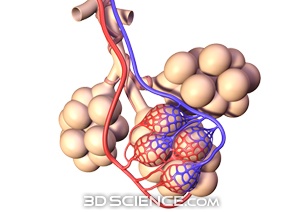
Breathing out; exhalation of breath.
Inspiration
Expiration
The drawing in of breath; inhalation.
Inspiration
Expiration
What happens when we exercise?
It feels easier to breathe because we are getting stronger
Our hearts pump slower to conserve oxygen
Our lungs will try to breathe harder and faster to get more oxygen
We use up all the carbon dioxide in our red blood cells
Our muscles store energy
Which specific complex molecule do we get from eating?
DNA
RNA
Dihydrogen Monoxide
Glucose
Insulin
Where is oxygen stored in our bodies?
Brain
White Blood Cells
Diaphragm
Red Blood Cells
Thyroid
Reorder the following path oxygen takes from your outside to the inside to the RBC
Nostril
Trachea
Bronchi
Bronchioles
Capillaries
(a) diffuse from the (b) to the (c)
(d)

What is the general function of respiratory system?
for transport of essential and removal of waste materials
for immunity
for gaseous exchange
Label the diagram
During photosynthesis the suns energy is converted to glucose.
The energy is converted to (a) where it is stored in the (b) ,
kinetic energy
Sort the following statements based on if the statement is talking about prokaryotes or eukaryotes
Cell membrane
Plants, animals, and Fungi cells
Bacteria
more complex structure
DNA is found in the nucleus
DNA is found in the cell
Unicellular organisms
Ribosomes are found in the cell

See how much you remember! Match the following characteristics that belong to Eukaryotes, Prokaryotes, or BOTH!
- No nucleus
- No membrane-bound organelles
- DNA in the cytoplasm
- Single Celled
Prokaryote
- Nucleus
- Membrane bound organelles
- DNA in the nucleus
- Single & Multi celled
Eukaryote
- Ribosomes
- DNA
- Cells divide
- Plasma Membrane
Prokaryote and Eukaryote
What is the primary role of the nucleolus, which is located inside the nucleus?
To control what enters and exits the nucleus
To assemble ribosomes
To store the cell's DNA
To produce energy for the cell
A protein has just been made on the Rough ER. What is the most likely pathway it will take next?
It will go to the Smooth ER to be modified.
It will go to the Golgi apparatus for packaging.
It will travel to the nucleus for storage.
It will be sent directly out of the cell.

Match the organelle to its description.
Proteins are made on these small structures.
Ribosomes
Controls all activity in the cell (the brain) and stores DNA
Nucleus
Helps make and move proteins and lipids
Endoplasmic Reticulum
Power plant of the cell. They
create energy called ATP.
Mitochondrian
Outer lining the cells.
Controls what goes
in and out.
Cell Membrane
A scientist discovers a new cell that has a cell wall and chloroplasts. What can she conclude about this cell?
It is an animal cell.
It cannot be a eukaryotic cell.
It is a plant cell.
It must have centrioles.
What is the primary function of the cell membrane?
To control what enters and exits the cell.
To create proteins.
To produce energy for the cell.
To hold all the organelles in place.

