Worksheets
Chem 1 Midterm Review
Total questions: 142
Worksheet time: 5hrs 27mins
CH4
I2
LiBr2
Name the following ionic compound with the correct polyatomic ion: Mg(SO4)
What is the correct name for ionic compound Al2(SO4)3?
aluminum(II) sulfate
dialuminum trisulfate
aluminum sulfide
aluminum sulfate
What is the name of K2S?
potassium sulfur
potassium sulfite
potassium sulfide
potassium sulfate
What is the correct formula for the ionic compound, lithium oxide?
LiO
Li2O
LiO2
Li2O2
Name the following covalent compound.
NO
Mononitrogen Oxide
Nitrogen monoxide
Nitrogen Oxide
Hydrogen needs _____ electrons in its valence shell to be stable.
4
8
2
3
The _____ ____ tells us that atoms are generally very stable with 8 valence electrons.
(a)
How many electrons are shared in each bonding line (-) in a Lewis structure?
1
2
3
4
When drawing Lewis structures, only __________ electrons are used.
inner shell
core
valence
stable
Match each property to the correct bond type.
Conductive when dissolved
Conductive as a solid
Gas, liquid, or soft solid at room temp
Brittle solid with crystal lattice
Malleable solid
Lowest melting point


What group does not react because they already have a full valence shell.
halogens
noble gasses
alkali metals
alkali earth metals
What is the total charge of the Lithium Oxide compound?
0
+2
-2
-1

Properties of metallic compounds include:
brittle, conducts electricity (aqueous state), high melting points
usually gas or liquid, relatively low melting points, does not conduct electricity
shiny, malleable, ductile, conducts electricity, usually a solid
Properties of ionic compounds include:
brittle, conducts electricity (aqueous state), high melting points
usually gas or liquid, relatively low melting points, does not conduct electricity
shiny, malleable, ductile, conducts electricity, usually a solid

Properties of covalent compounds include:
brittle, conducts electricity (aqueous state), high melting points
usually gas or liquid, relatively low melting points, do not conduct electricity
shiny, malleable, ductile, conducts electricity, usually a solid
Match each element with its common ion charge.
Oxygen (O)
-2
Nitrogen (N)
-3
Lithium (Li)
+1
Calcium (Ca)
+2
Aluminum (Al)
+3
Categorize each compound as ionic or covalent.
H2O
N2O5
MgCl2
Na(OH)
Al2O3
Chemical names should end in - (a) unless there is a polyatomic ion.
4. What usually forms the positive ion?
Metal
Nonmetals
None
6. What usually forms the negative ion?
Nonmetals
Metal
None

Which of these is the correct Lewis structure for NH3?


Looking at your periodic table, how many valence electrons does Bromine have?
5
6
7
8
Ionic bonds are held together by what force?
intermolecular
electrostatic
free moving valence electrons
intramolecular

Choose the correct Lewis dot structure for Nitrogen. It is okay if the lone pair is rotated.
E
F
G
H

Which type of bond is being formed in this diagram?
covalent bond
energy bond
ionic bond
Which of the following is the correct Lewis dot between Rb and O?


How many connection points does carbon have to bond?
2
4
6
8

Which of these is the correct match to form an ionic compound? Hint Recall the sum of the charges must be 0!


Which of these is the correct match to form an ionic compound? Hint Recall the sum of the charges must be 0!


Select the correct Lewis structure for CH4.
Select the correct Lewis structure for O2?
Select the correct Lewis structure for PH3?
When do you need to use the "drop and switch" method?
When making an ionic formula from a name
When making a covalent formula from a name
When writing a name for any compound
When do you need to use prefixes in a name?
When the compound is covalent
When the compound is ionic
When there is a polyatomic ion
Match the type of bond to its state of matter at room temperature.
Malleable solids
Metallic
Brittle solids with crystal lattice
Ionic
Gas, liquids, or soft/powdery solids
Covalent
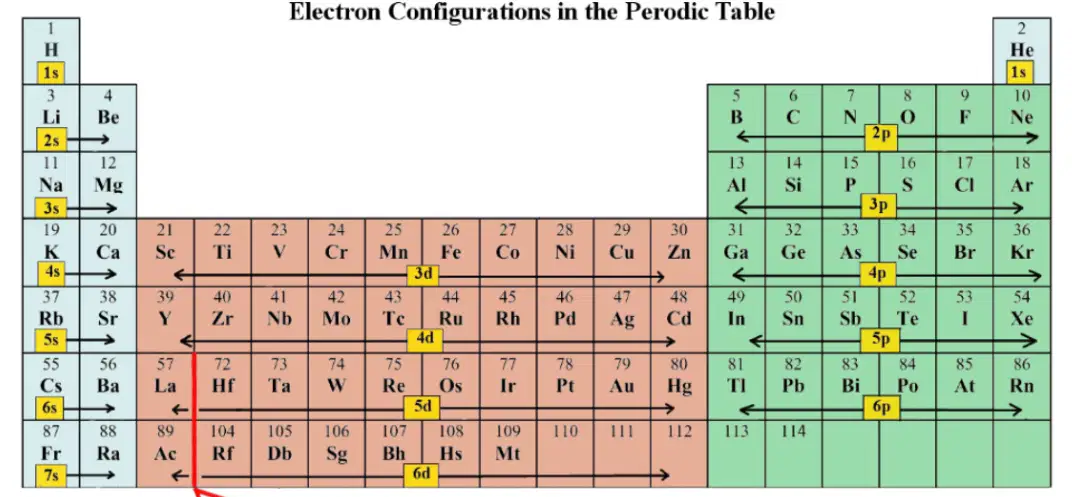
1s22s22p63s23p64s23d10
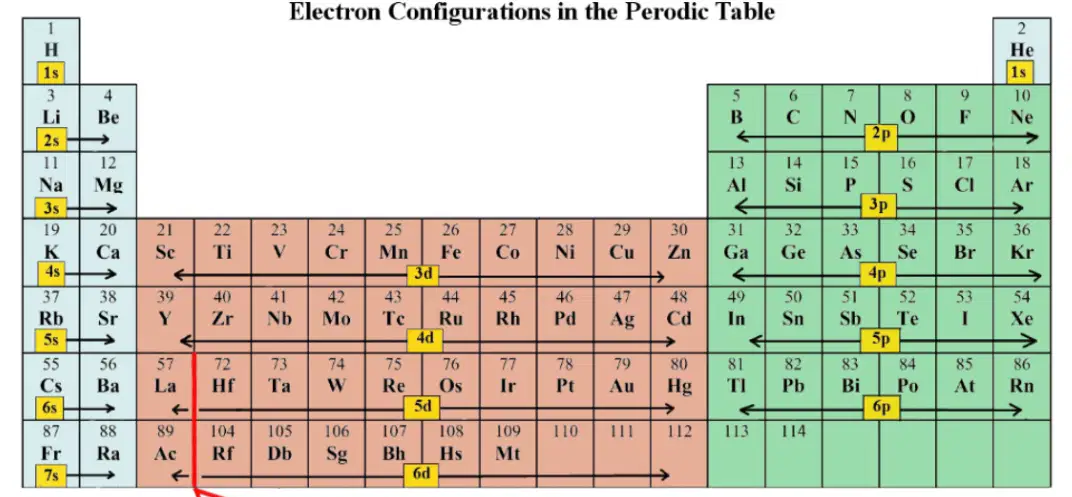
[Xe] 6s24f145d9
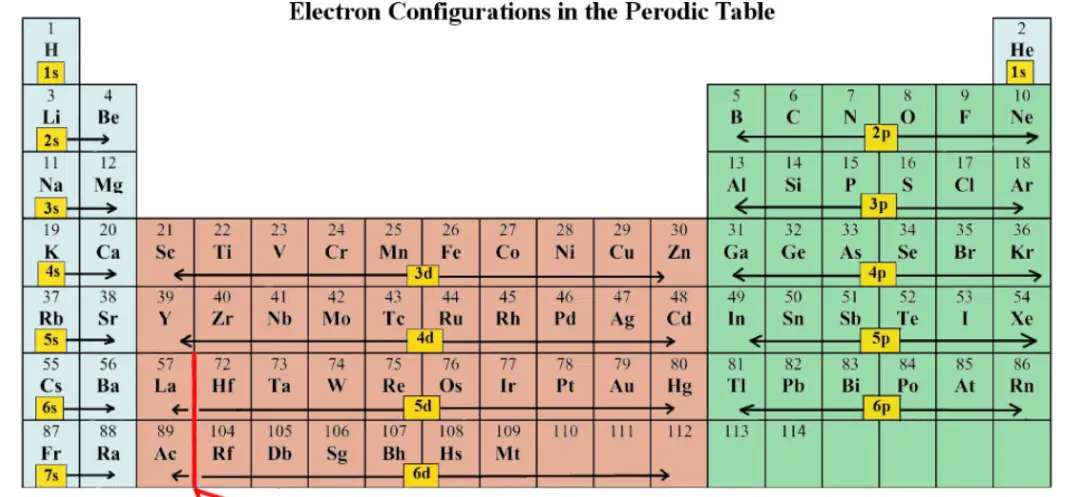

Order the following from largest to smallest scale organization of electrons
Atoms
Shell
Subshell
Orbital
Match each subshell to its maximum number of electrons
s
2 e-
p
6e-
d
10e-
f
14e-
Match each subshell to an image of its possible shapes.
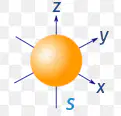
s
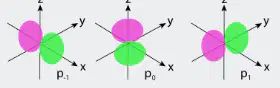
p

d

f
Match the term with its correct definition.
Atomic Radius
Describes the size of an atom.
Ionization
The energy needed to remove an electron
Electronegativity
How much an atom attracts an electron
Which atom has the largest atomic radius of the entire periodic table?
potassium (K)
rubidium (Rb)
francium (Fr)
cesium (Cs)
As you move down the periodic table atoms get bigger. This is because the atoms get more (a) as you move down a group.
As you move across the periodic table atoms tend to get smaller because, the atoms get more (a) as you move from left to right.
Which periodic group (aka family) has the smallest atomic radius? Click the spot on that group.
Which periodic group (aka family) has the highest electronegativity? Click the spot on that group.
Why do Noble gases have the highest ionization energy but the lowest electronegativity?
In just a couple words, what could we say ultimately causes the periodic trends? Remember the "golden answer" we talked about
Which element below has the highest ionization energy?
Lead (Pb)
Sulfur (S)
Helium (He)
Order the elements below from lowest electronegativity (1) to highest electronegativity (3).
Calcium (Ca)
Aluminum (Al)
Fluorine (F)
Order the elements below from the smallest atom (1) to the largest atom (4)
Nitrogen (N)
Boron (B)
Magnesium (Mg)
Calcium (Ca)
1s22s22p63s2
1s22s22p63s23p64s23d10
[Xe] 6s24f145d9
Which of the following electron configurations represents a noble gas?
1s22s22p63s1
1s22s22p4
1s22s22p63s23p5
1s22s22p6
Order the following from largest to smallest scale organization of electrons
Atoms
Shell
Subshell
Orbital
What can be thought of as a specific distance (aka energy amount) away from the nucleus.
Atom
Shell
Subshell
Orbital
Electron shells (aka energy levels) are HIGHER energy the ____________ they are to the nucleus.
closer
further away
more similar
These describe differently shaped areas that electrons occupy within a shell.
Atom
Shell
Subshell
Orbital
This is any area that can hold two electrons with opposite "spin."
Atom
Shell
Subshell
Orbital
Match each subshell to its maximum number of electrons
s
2 e-
p
6e-
d
10e-
f
14e-
Match each subshell to an image of its possible shapes.
s
p
d
f
How many electrons shells does rubidium have?
2
3
4
5
What is the electron configuration for titanium, Ti? You can use the noble gas short cut, if you want. Put a space between each subshell. Example: 1s2 2s2 ...
Who is known as the father of the periodic table?
Dmitri Mendeleev
Marie Curie
Isaac Newton
Albert Einstein
Why is it called the periodic table? AKA what does periodicity mean?

How are elements organized in the Periodic Table?
Elements are ordered by atomic weight
Elements are ordered by atomic number
Elements are arranged alphabetically
Elements are grouped color
The vertical (up and down) columns in the Periodic Table are called
groups
towers
periods
atomic numbers
Elements in a .................. have similar chemical properties.
period
group
row
The group number tells you the number of
protons
valence electrons
energy levels
The period number tells you the number of
protons
energy levels
valence electrons

Which two elements have properties in common?
Nitrogen and Phosphorous
Oxygen and Nitrogen
Sulfur and Nitrogen

These elements are in a:
group
period

These elements are in a:
group
period


How many NEUTRONS does Fluorine have?
19
10
9
28

How many PROTONS does Boron have?
11
5
16
6


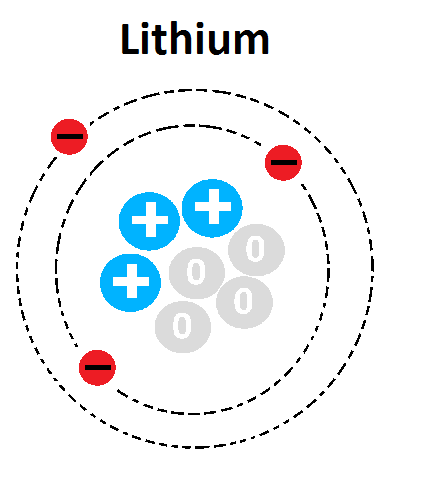
What element is represented in this Bohr Model?
Carbon
Hydrogen
Aluminum
Lithium

Organize these options into the right categories based on type of property.
Observed with senses
Determined without destroying matter
Indicates how a substance reacts with something else
Matter will be changed into a new substance
Color
Density
Solubility (dissolves)
Flammability (burns)
Reacts with acids
Reacts with water

Organize these examples into the right categories based on type of change that occurs.
A change in shape or size.
No new substance is formed.
A change in the chemical properties.
A new substance is formed.

Baking soda mixed with Vinegar.

Smashing a Vase.

Cutting an apple.

Iron rusting.

Match the following evidence with the observation

Physical Change - because it is melting.

Chemical Change - because it is burned.

Physical Change - because it is bent.

Physical Change - because size changes.

Chemical change - because acids/bases.

Type of mixture that has the same composition in every part.
Homogeneous
Heterogeneous

Type of mixture that DOESN'T HAVE the same composition in every part.
Homogeneous
Heterogeneous
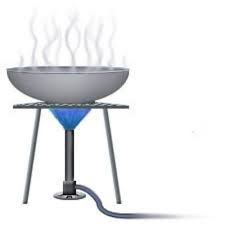
Name the separation technique shown in the diagram.
evaporation
distillation
filtration

During a science class experiment, Genesis and Rosalina are trying to separate sand from iron filings. Which one of the following would they use?
a bar magnet
filter paper
chromatography paper
alum

What mixture could you use this tool to best separate that mixture?

Sugar and Salt

Sand and rocks

Apples and grapes
Fill in the blanks
17
16
Phosphorus
Chlorine
30.97
15

What type of decay is shown in this equation?
alpha decay
beta decay
gamma emission
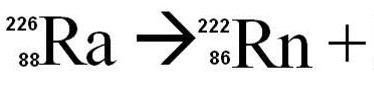
What particle completes this reaction?


85209At = ___ + 24He
614C = ___ + -10e

What type of decay type is shown by this generic equation?
alpha decay
beta decay
gamma emission
fission

What type of decay type is shown by this generic equation?
alpha decay
beta decay
gamma emission
fission


What particle completes this reaction?
42He
0-1 e
00Y
178O
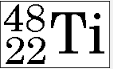
How many protons does this isotope of titanium have?
48
22
26
70
What is the symbol for a gamma ray?



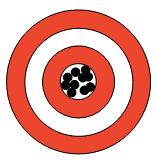
How close a measurement is to the accepted value is called..
Accuracy
Precision
Significant
Estimate
Identfy the graduated Cylinder, which is a volumetric (accurate) piece of glassware.
Match the atomic model to its name.

Bohr (Planetary) Model
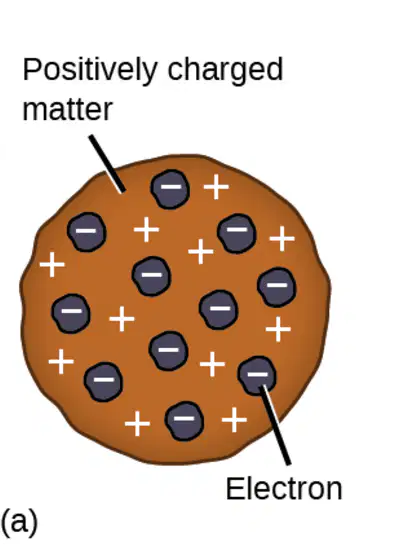
Plum Pudding Model

Quantum Mechanical (Cloud) Model
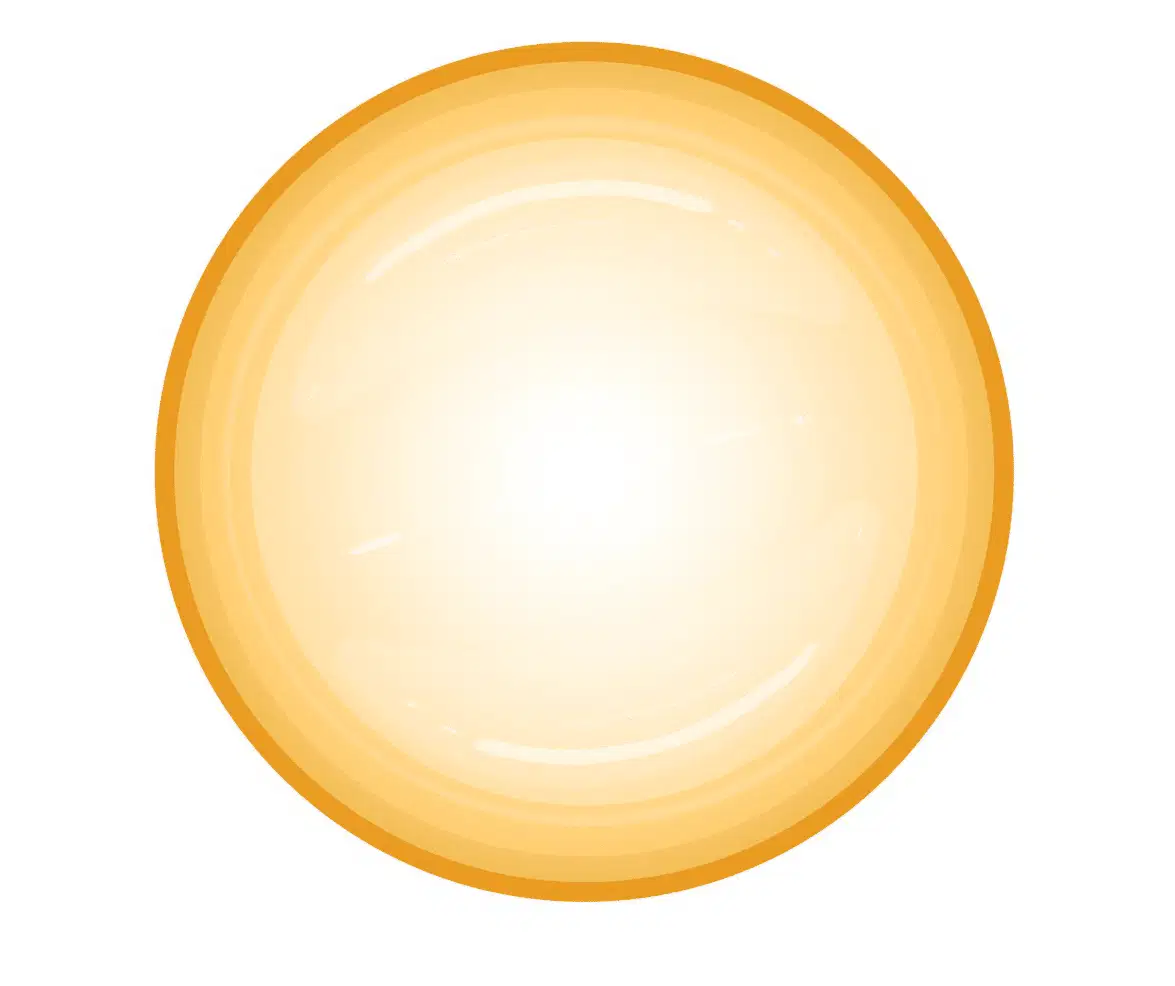
Sphere Model (Dalton)

Nuclear Model (Rutherford)

This is an example of...
Fission chain reaction
Fusion reaction
Decomposition reaction
Decay
Which phrase describes a risk associated with producing energy in a nuclear power plant?
depletion of atmospheric hydrogen
depletion of atmospheric carbon dioxide
production of wastes needing long-term storage
production of wastes that cool surrounding water supplies

Atom is divided
Two atoms join
Nuclear waste is an issue
Uses uranium and other radioactive elements
1000 x stronger
Typically uses hydrogen and produces helium
Naturally occuring on the sun
Produces energy in stars
Used in nuclear power plants
Chain reaction can occur

The nucleus is held together by the ___________________________force.
The Strong Nuclear Force
The Weak Nuclear Force
Electromagnetism
Gravity