
 Worksheets
States and Properties of Matter
Total questions: 65
Worksheet time: 1hrs 22mins
What is matter?
anything with air in it
anything that has mass and takes up space
anything that has volume
anything that is able to be measured on a scale
A ______________ is two or more substances that do not change when you put them together.
mixture
solution
physical change
chemical change
When matter changes from one state to another, the mass remains the same.
True
False


A puddle of water seemed to disappear. The heat caused the water to ________________.
melt
condense
cool
evaporate

Which picture shows how the particles in a liquid are arranged?
A
B
C


Which 2 are examples of solutions


True or False: A mixture can be easily separated.
True
False
This is a type of mixture where one substance dissolves into another
Solution
Miscibility
Compound
Solubility
Combination of two or more different kinds of substances that keep their own physical properties and can be easily separated.
Solution
Mixture
Solubility
Miscibility

This is an example of a
Solution
Mixture
Which property of matter is being tested when we dissolve salt in water?
magnetism
density
solubility
conductivity
When an item has a greater density than water, it will -
sink
float
All of the following are poor insulators of electricity EXCEPT-
penny
nail
eraser
paperclip
Which type of objects would float?
Those heavier than water
Those with the same density as water
Those that are only made of gas
Those less dense than water
Choose the item that is less dense than water.
marble
popsicle stick
brick
metal key
Matter breaks down into particles so small that it seems to disappear.
relative density
magnetism
physical properties
dissolving
The amount of matter packed into a given space compared to its ability to sink or float in water.
relative density
dissolving
physical properties
magnetism
Which force produces a change in motion?
unbalanced force
balanced force
gravitational force
The Jedi Force
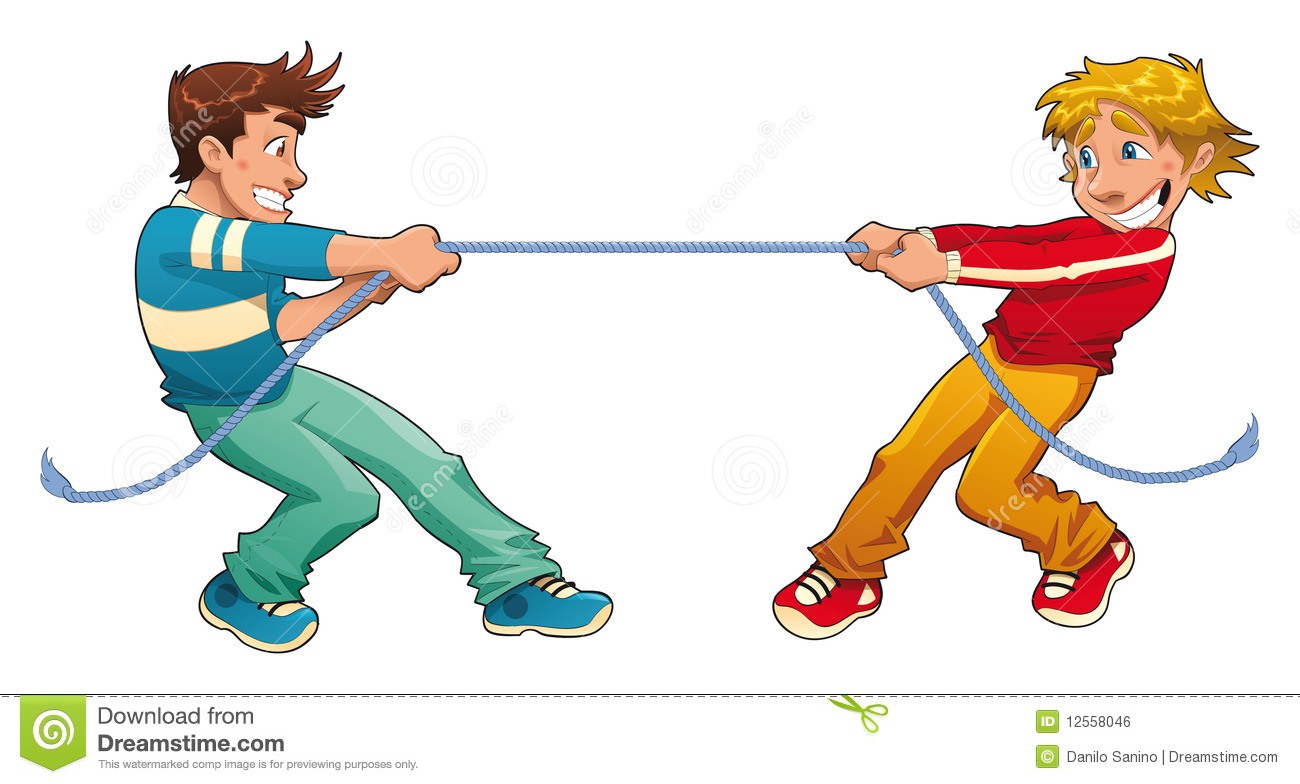
If these boys are pulling with the same amount of force. What will happen?
The boy in blue will win.
They will not move at all.
The boy in red will win.
Both will fall down and then all the girls will laugh at them.
_______ is a force that acts between two objects which are touching. This force slows any movement between the two objects.
pressure
magnetism
friction
gravity
What is an example of sound energy?
a doorbell ringing
Old Green Grasshopper playing his violin
student talking (constantly)
All of the above
An example of electrical energy is
Centipede's boots
plugging a tv into the wall and turning it on
potential energy
the giant peach crashing through Willy Wonka's chocolate factory

A switch in a circuit _________.
acts as an insulator
absorbs electricity
allows or stops the flow of electricity
keeps the flow of electricity at a safe level
An electric circuit in which the current passes through a single path.
Parallel Circuit
Series Circuit
Current Circuit
Conductor Circuit
An electric circuit in which a current can have more than one path.
Multipath Circuit
Series Circuit
Parallel Circuit
Flow Circuit

The diagram shows a series circuit with three lit bulbs. How many of the bulbs will remain lit if the wire is cut a the point shown by the arrow?
0
1
2
3

Students constructed a circuit using different-colored lightbulbs. What will happen if Switch 3 is closed and the other switches are left open?
Only the white bulb will operate
None of the bulbs will operate
Only the white and yellow bulbs will operate
Only the red and blue bulbs will operate


What type of energy is shown in the picture?
Mechanical
Electric
Chemical
Heat

What type of energy does a spinning windmill have?
Mechanical
Chemical
Light

What type of energy does a battery have?
Mechanical
Chemical
Electric

What type of energy is in the picture?
Light
Sound
Chemical

What type of energy will you find in a radio?
Light
Sound
Mechanical
Chemical

What energy can you find in a campfire?
Mechanical and chemical
Light and Heat
Electric and sound
Heat and electric

Gasoline has what type of energy?
Mechanical
Electric
Chemical
Sound

How does a stove transform energy?
Mechanical to sound
Electric to Heat
Chemical to Mechanical
Light to sound

A drum uses what type of energy?
Chemical energy
Light energy
Heat energy
Sound energy


Light bounces off when it is
reflected
absorbed
refracted
transmitted

Lenses, like camera lenses or microscopes...
reflect light
refract light
absorb light
The spinning of the Earth on its axis
Rotation
Revolution
Seasons
Axis
How long it takes the Earth to rotate on its axis once
365 Days
One Year
22 Hours
24 Hours
The sun rises in the east and sets in the west.
True
False
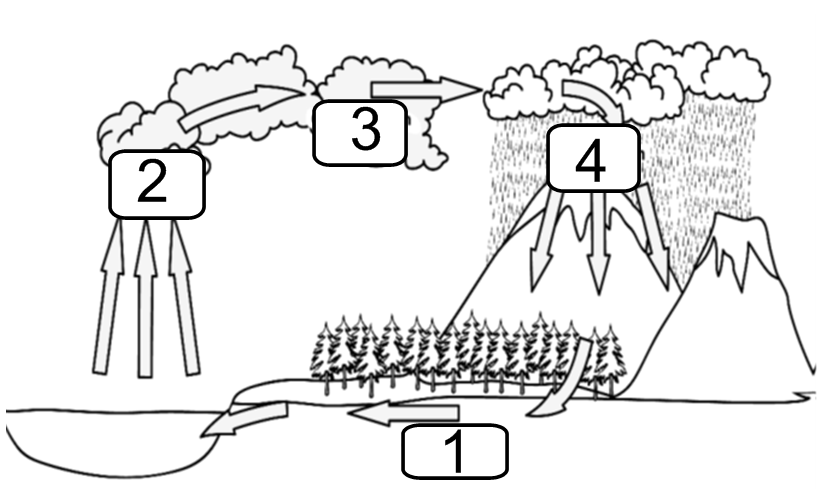

Rain, snow, sleet, hail
precipitation
condensation
evaporation
ground water
What is the primary source of energy that drives weather patterns on Earth?
The Moon
The Sun
Ocean currents
Volcanoes
A volcanic eruption changes land by
creating large waves
releasing smoke
forming new land
the breaking down of landforms by natural forces such as, water, wind, ice
weathering
rapid
surface
volcano
THE BREAKING DOWN OF ROCK O EARTH'S SURFACE
WEATHERING
EROSION
DEPOSITION
CONSTRUCTION
What is the main difference between weathering and erosion?
Erosion changes the Earth's surface, but weathering does not.
Weathering always happens very quickly, but erosion always happens very slowly.
Weathering breaks down rocks, and erosion moves weathered pieces of rock or sediment away.
Erosion breaks down rocks, and weathering moves the eroded pieces of rock or sediment away.

