
 Worksheets
Final Exam Review: Environmental Science Issues
Total questions: 68
Worksheet time: 34mins
In a controlled experiment, which variable is intentionally changed to observe effects?
Confounding variable uncontrolled in design
Independent variable manipulated by the researcher
Control variable kept constant throughout
Dependent variable measured after treatment
Which scenario shows ecological footprint reduction for a city?
Building energy-efficient mixed-use housing
Subsidizing additional fossil fuel extraction
Increasing meat-heavy diets community-wide
Expanding highways for faster car travel
A population exceeds its carrying capacity. Which outcome is most likely over time?
Stable size maintained indefinitely
Resource depletion leading to population decline
Immediate extinction across the entire biosphere
Sustained exponential growth without limits
Which category best classifies a hazard caused by exposure to high noise levels in factories?
Chemical hazard from solvents
Biological hazard from pathogens
Radiological hazard from isotopes
Physical hazard from sound
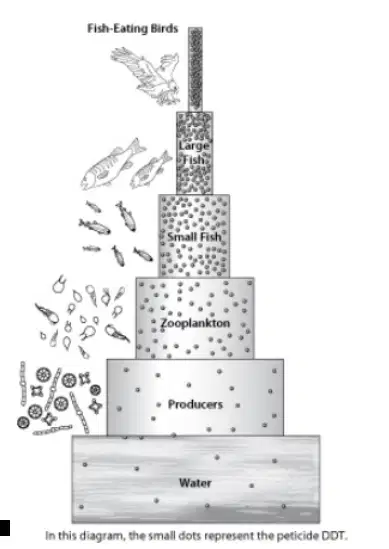
In the trophic pyramid with DDT dots increasing upward, what process is being illustrated?
Eutrophication from nutrients
Biomagnification through food webs
Primary succession in wetlands
Bioaccumulation in producers
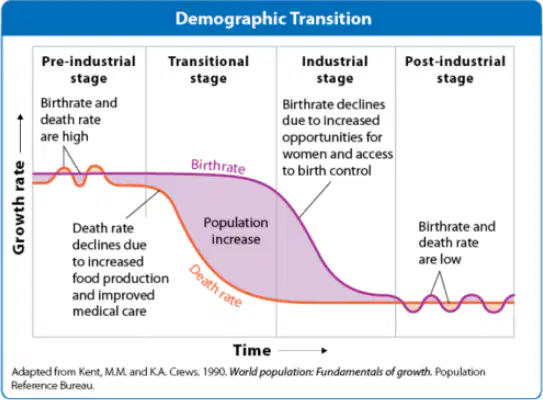
According to the demographic transition diagram, in which stage do birthrates decline due to increased opportunities for women and access to birth control?
Transitional stage
Pre-industrial stage
Industrial stage
Post-industrial stage
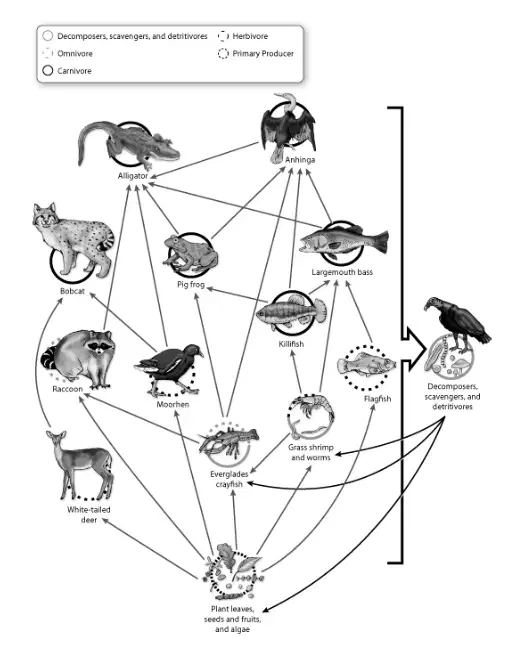
In the food web diagram, removing a top predator most likely causes what effect?
Immediate extinction of decomposers
No change to primary consumers
Trophic cascade increasing herbivores
Increased producer diversity
In the hazard types list, which example best matches a biological hazard?
Exposure to lead paint chips
Skin burns from hot surfaces
Hearing loss from explosions
Infection by waterborne cholera
Living components of an environment are called ________ factors.
Biotic
Invasive
Risk
Abiotic
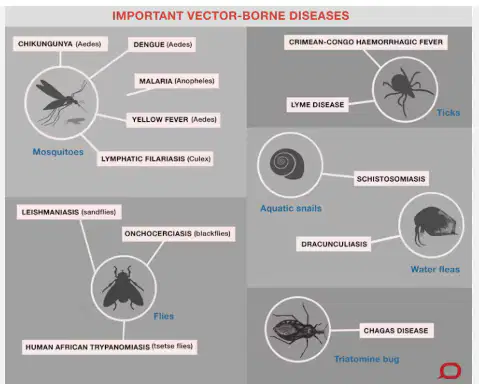
An organism that carries and transmits disease is a ________.
Vector
Ecosystem
Risk
Invasive
Nonliving components such as temperature and water are ________ factors.
Renewable
Invasive
Abiotic
Biotic
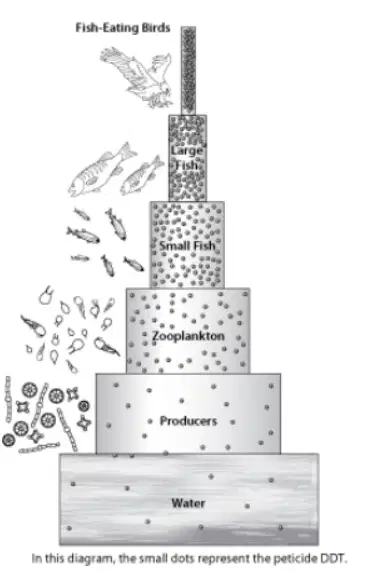
What concept explains why mercury concentrations are higher in top predators?
Urban heat island
Carrying capacity
Biomagnification
Demographic transition

What does carrying capacity most directly limit?
Energy flow in food webs
Maximum sustainable population size
Abiotic factor variability
Rate of urbanization and migration
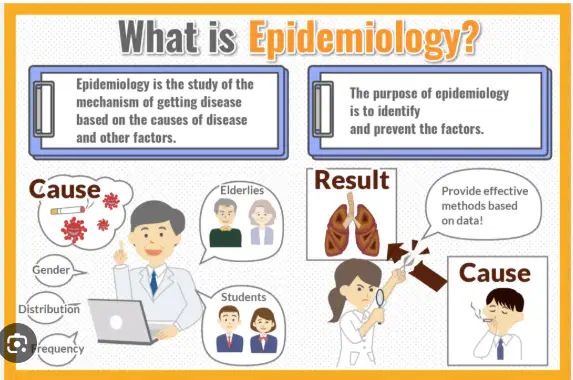
Epidemiology primarily focuses on which topic?
Spread and causes of diseases
Urban planning and design
Abiotic factor measurement
Renewable energy deployment
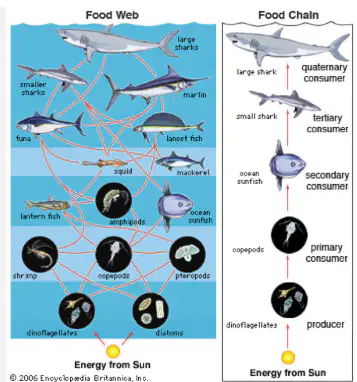
Which factor would most likely reduce the carrying capacity of a lake for fish?
Introduction of invasive predator species
Expanded wetland buffer zones
Increased dissolved oxygen levels
Stable water temperature through seasons
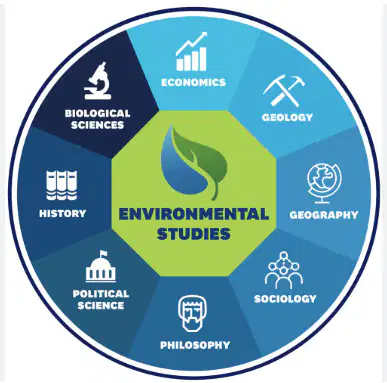
Why is environmental science considered interdisciplinary?
It replaces traditional sciences
It focuses only on biology
It combines natural sciences, social sciences, and ethics
It studies only modern environmental issues
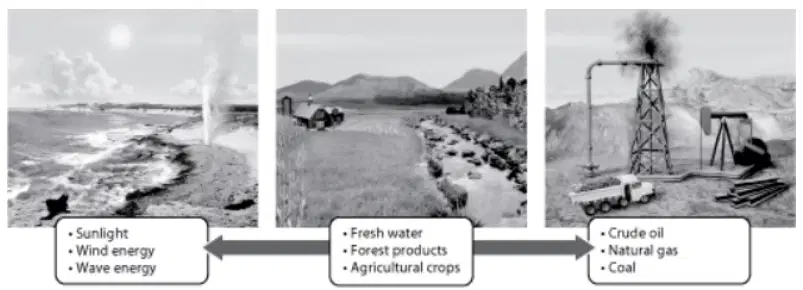
Which resource is nonrenewable?
Coal
Solar Energy
Wind Energy
Wave Energy
Which statement best describes an ecological footprint?
Amount of land an organism occupies
Size of a habitat
Measure of human demand on natural resources
Total population of a country
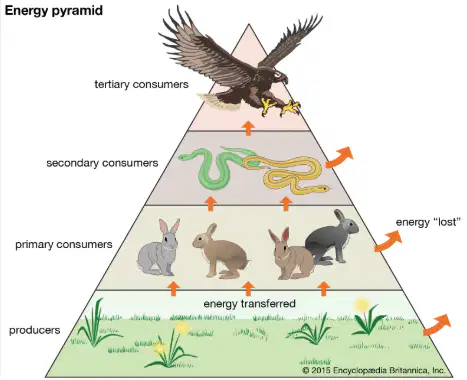
Why do top predators usually have the smallest populations?
They face no limiting factors
They consume producers
They receive the least energy
They reproduce quickly
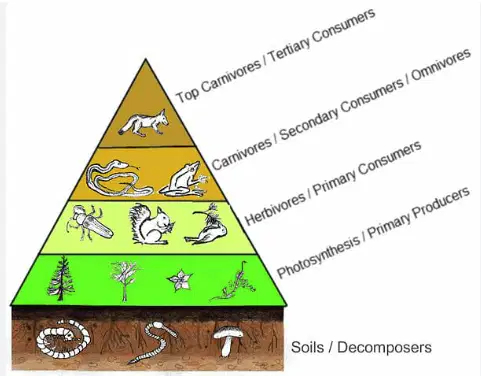
Which organism would most likely be a secondary consumer?
Grass
Rabbit
Algae
Snake
Environmental Studies rely on both scientific data and ethical decision-making when addressing environmental problems.
True
False
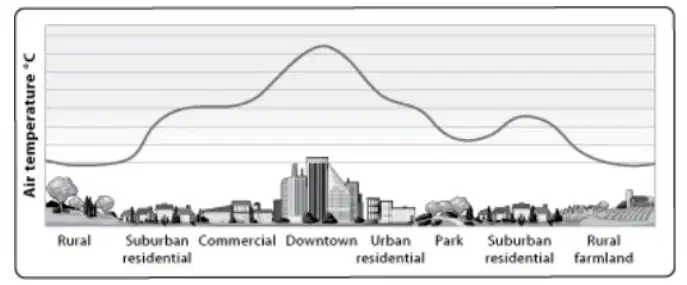
Urban areas tend to be warmer than surrounding rural areas due to human structures absorbing and retaining heat.
Not sure
False
True
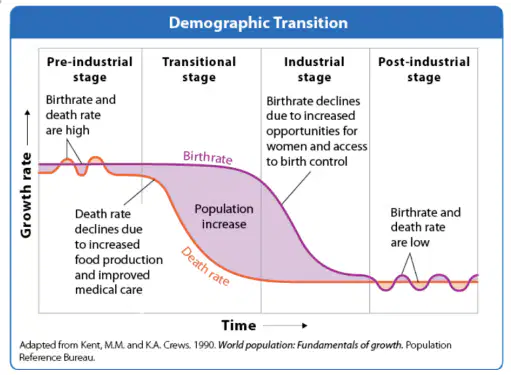
As countries move through the demographic transition, death rates typically decrease before birth rates.
False
True
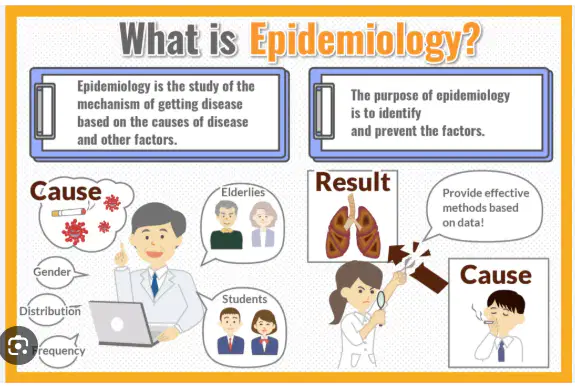
Epidemiology focuses on understanding how diseases spread and affect populations.
False
True
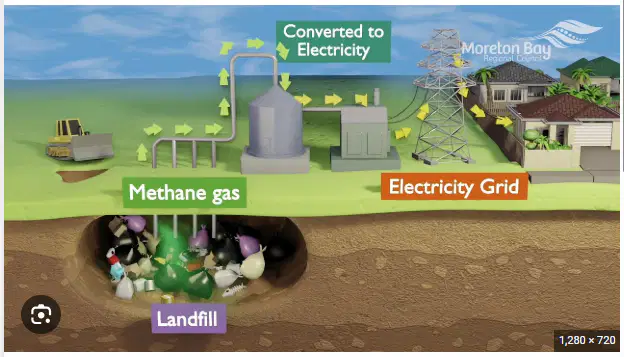
Capturing gases produced in landfills can help reduce greenhouse gas emissions.
True
False
Not sure
Environmental science blends multiple disciplines to study human–environment interactions. Which statement best reflects this interdisciplinary nature?
It merges biology, chemistry, and social science
It focuses only on chemical pollution pathways
It isolates ecological data from social contexts
It excludes ethics when evaluating policies
A human ecological footprint estimates resource demand. What does the footprint primarily measure?
Population density in rural areas
Natural disaster risk in cities
Human resource consumption pressure
Average biodiversity across regions
Toxins accumulate at higher trophic levels through biomagnification. What is the outcome of biomagnification?
Toxins increase at higher trophic levels
Toxins dilute in apex predators
Toxins stay constant across levels
Toxins vanish in primary producers
Carrying capacity limits population growth. Which statement explains carrying capacity?
Maximum population size sustainable
Minimum number needed for survival
Total births per year in a species
Average growth rate under ideal conditions
A snake occupies a trophic position as a consumer. Which role fits a snake in a food web?
A snake decomposes dead biomass
A snake produces primary energy
A snake eats consumers
A snake fixes atmospheric nitrogen
What does it mean if a species is endemic to a region?
Endemic means recently introduced
Endemic means highly migratory
Endemic means globally widespread
Endemic means unique to one area
Which factor most commonly attracts people to cities during urbanization?
Wider farmland availability
Lower air pollution in cities
Stronger predator controls
Jobs attract people to cities
Why are batteries a disposal concern in solid waste streams?
Batteries contain toxic materials
Batteries mainly biodegrade quickly
Batteries emit greenhouse gases
Batteries neutralize heavy metals
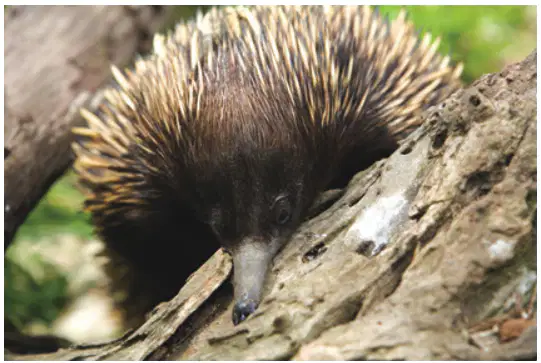
Endemic species have restricted ranges. Which statement is accurate for endemic species?
Endemic species migrate globally
Endemic species exist in one place in the world
Endemic species require many biomes
Endemic species spread rapidly worldwide
Infrastructure provides essential services. Which role does infrastructure play in communities?
Infrastructure supports communities
Infrastructure reduces biodiversity globally
Infrastructure replaces natural ecosystems
Infrastructure eliminates all pollution
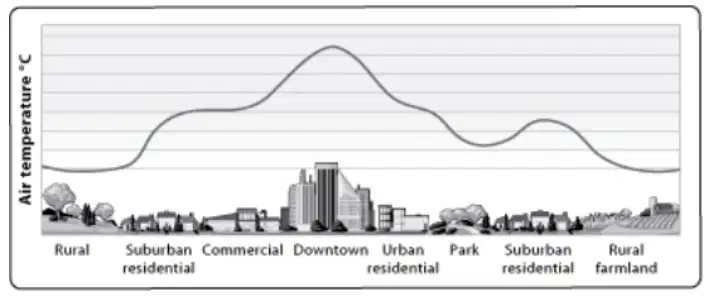
Urban heat islands can alter local climates. What is a key effect of urban heat islands?
Urban heat islands increase city temperatures
Urban heat islands cool rural farmland
Urban heat islands reduce waste heat
Urban heat islands improve air quality
What term describes the potential for harm from a hazard?
flux
risk
waste
dose
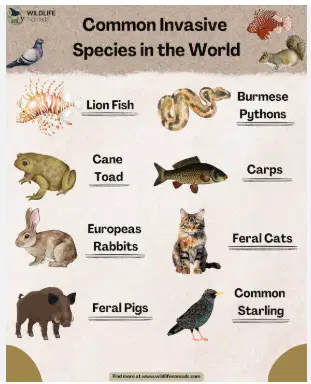
Species that spread and disrupt native communities are called what?
endemic
indicator
invasive
keystone
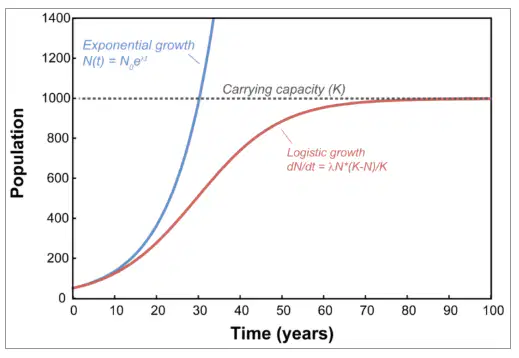
Which statement accurately summarizes exponential growth conditions?
Resources abundant and limiting factors absent
Resources scarce and strong competition present
Resources fixed and predators widespread
Resources cyclic and mortality constantly high
Which explanation describes the success of invasive species in many ecosystems?
Natural controls are missing
Genetic diversity is minimal
Nutrient cycles fully stop
Primary productivity is zero
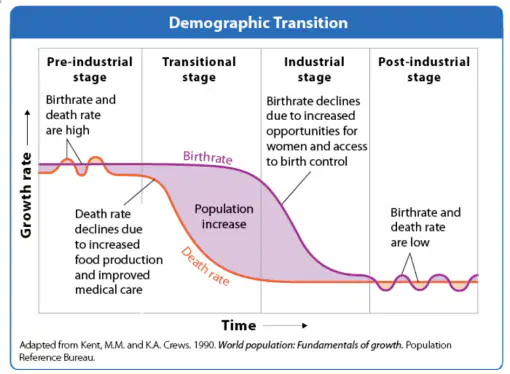
In demographic transition, which rate typically falls first as healthcare improves?
Migration rates rapidly increase
Death rates usually fall first
Fertility rates always remain high
Birth rates usually fall first
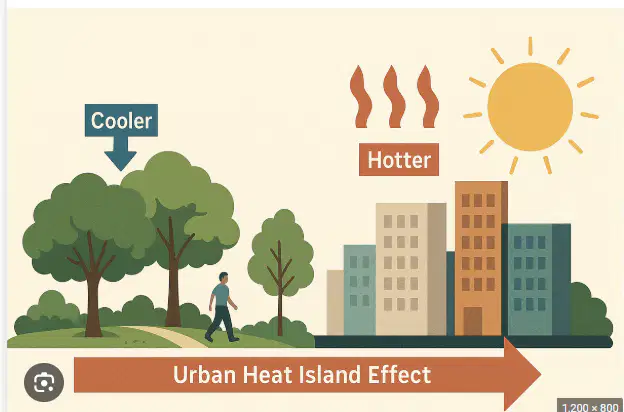
Green spaces influence urban microclimates. What is a primary mechanism by which parks lower temperatures?
Glass facades reflect all solar energy
Dense traffic circulates cooler winds
Shading, water vapor, & cooler air
Concrete stores heat during daytime
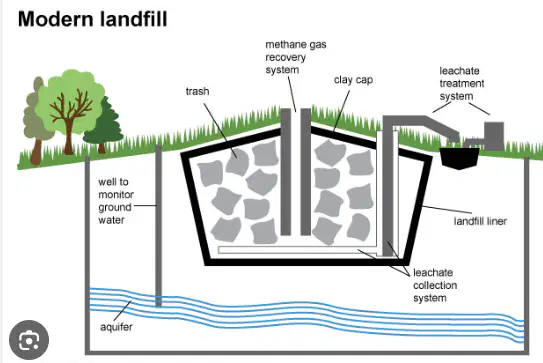
Which waste management route currently receives the largest share of municipal solid waste in many regions?
Source reduction onsite
Thermal waste-to-energy
Composting of mixed streams
Disposal in landfills
Which condition often enables rapid invasive species expansion after introduction?
Immediate coevolution with natives
Strong biotic resistance everywhere
High genetic bottleneck effects
Absence of predators and pathogens
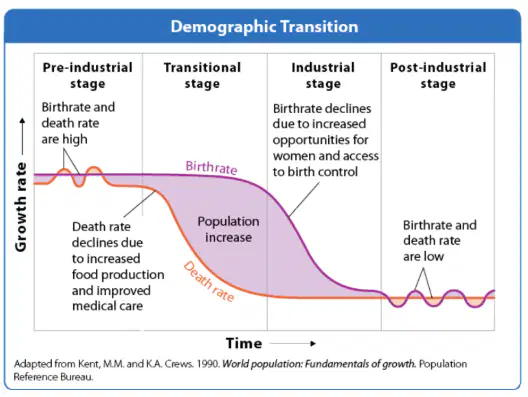
During the transitional stage of demographic change, which combination is most common?
Falling death rates with high birth rates
Rising death rates with low births
Stable births with rising mortality
Low births with high infant mortality
What is the most accurate statement about coal compared with wind power?
Coal captures methane from landfills
Coal is cleaner than wind turbines
Coal is quickly replaced by geologic forces
Coal cannot be replenished naturally
Which statement best explains why most waste streams rely on landfilling rather than recycling?
Landfills are widely available and cheap
Recycling always releases more toxins
Composting handles metals efficiently
Incineration fully prevents emissions
Which intervention at landfills directly reduces greenhouse gas emissions?
Capturing and utilizing methane
Expanding waste burial volume
Spraying water to cool piles
Adding concrete liners only
Which condition most accurately characterizes exponential population growth?
Stable carrying capacity reached
Constant mortality at all ages
Abundant resources with few limits
Strong density dependence early
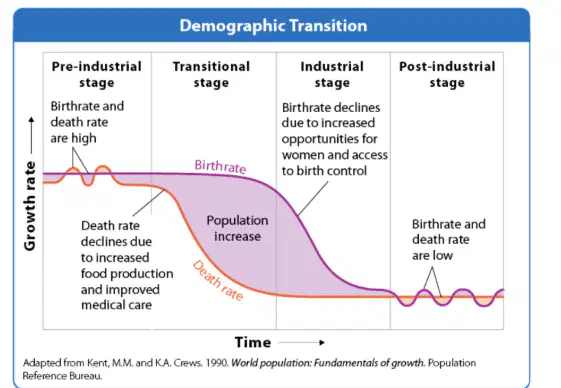
Which factor typically declines first when sanitation improves in developing regions?
Death rate
Birth rate
Fertility rate
Migration rate
Which term correctly names the nonliving environmental factors affecting organisms?
Vector
Endemic
Biotic
Abiotic
Which statement best distinguishes renewable from nonrenewable energy sources?
Renewables require fossil carbon inputs
Renewables are replenished naturally
Renewables exist only in deserts
Renewables form over geologic ages
Which city planning strategy most directly combats sprawl while sustaining ecosystems?
Single-use zoning and parking
Highways expanding periphery
Smart growth with green spaces
Industrial corridors near wetlands
Which discipline would most likely analyze disease spread after an earthquake-related SANITATION FAILURE?
Epidemiology
Seismology
Petrology
Climatology
What primary environmental hazard is mitigated by capturing landfill methane?
Greenhouse gas emissions
Acid rain formation
Heavy metal leaching
Ozone depletion
The final test in the SCIENTIFIC METHOD is for results to be published and verified.
True
False
The SCIENTIFIC METHOD is a strict series of steps that must be completed in a specific order.
True
False
A subsidy is financial assistance from the government.
True
False
The question as to whether or not a specific action is MORALLY correct is an ETHICAL question.
True
False
The Environmental Movement began in the 1960's because Americans were concerned about the health impacts of pollution.
True
False
Cap-and-trade is a system where permits are issued to allow companies to emit a percentage of an overall amount of pollutant.
True
False
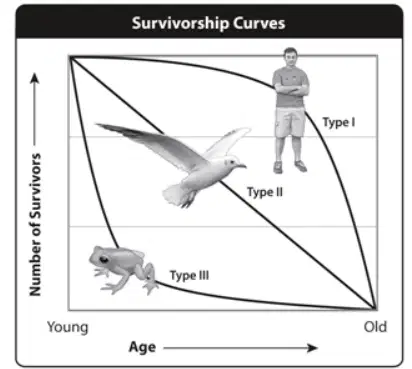
What type of survivorship does a praying mantid have where only a few dozen babies of hundreds survive to adulthood?
Type I
Type II
Type III
All of thesr
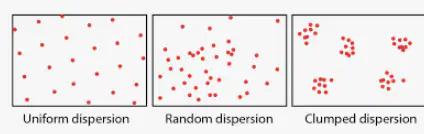
What distribution do many herd animals have?
Uniform
Random
Clumped
All of these
What is the difference between an ECOSYSTEM and a COMMUNITY?
Communites only include living things
Communities only include abiotic factors
Communities include both biotic and abiotic factors
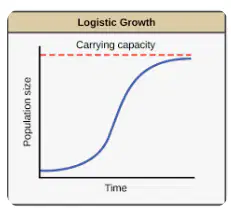
What type of growth describes a population that stabilizes when the population reaches the max an ecosystem can support?
Exponential
Logistic
Hyperbola
Direct
What is included in an ECOSYSTEM?
Biotic factors only
Abiotic factors only
Both biotic and abiotic factors
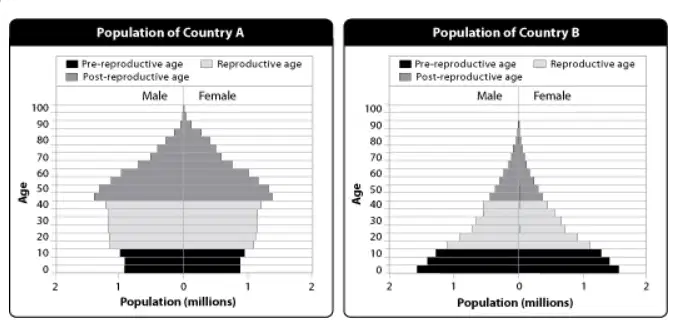
What are these graphs called?
Age structure diagrams
Growth curves
Statistical analyses
All of these
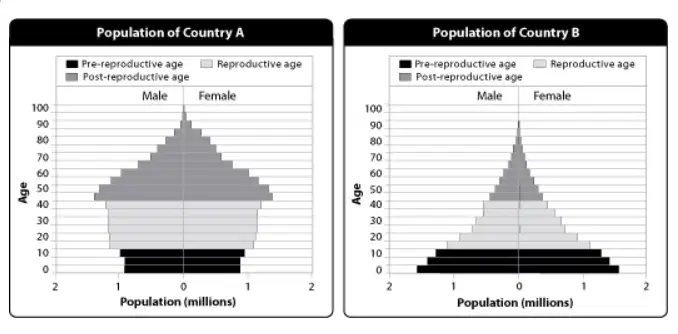
Which of these is most likely representative of sub-saharan Africa?
Country A
Country B
Both Country A & Country B
Both of these

