
 Worksheets
Photosynthesis, Atomic structure, Energy, Reversible reactions
Total questions: 83
Worksheet time: 49mins

The openings that are found in the leaves of plants are called:
Stomata
Chlorophyll
Xylem
Chloroplast
What is produced as a result of photosynthesis?
glucose and chlorophyll
water and light energy
glucose and oxygen
carbon dioxide and water
Which of the following equations represents the overall chemical reaction for photosynthesis?
6O2+ 6H2O → C6H12O6+ 6O2
C6H12O6 + 6H2O→ 6O2+ 6O2
6CO2+ 6H2O→ C6H12O6+ 6O2
6O2 + 6H2O→ C6H12O6 + 6CO2
Select the two reactants of photosynthesis
Carbon Dioxide
Oxygen
Water
Glucose
Chlorophyll
What is the function of chlorophyll??
To absorb light
To absorb heat
To absorb water
To absorb oxygen
How can photosynthesis be related to cellular respiration?
What's made by one is needed for the other
They both produce the same products
They both need the same things
They have nothing in common
Subatomic particles with a negative charge
Electrons
Neutrons
Protons
Quarks

The smallest particle of an element.
Element
Molecule
Atom

What is the atomic number?
35
18
17
52

How many protons and electrons does this element have?
35
18
17
52

How many neutrons does Chlorine have?
18
17
35
52

What is the atomic mass of Neon?
10
20
30

How many neutrons does calcium have?
20
40
60
0
Where are electrons found?
In neutrons
In shells
In the nucleus
In protons
How many electrons can fit in the first shell?
1
2
3
4
Elements in group 7 have how many electrons in their outer shell?
1
3
5
7
The period (row) number determines the
number of electrons
number of neutrons
number of shells
number of protons in the nucleus
Why are atoms neutrally charged?
Balanced numbers of protons and neutrons
Equal numbers of electrons and protons
The neutrons have no charge
Atoms always have a positive charge
Isotopes are atoms that have ...
same number of protons but different number of electrons
same number of neutrons but different number of protons
same number of protons but different number of neutrons
same number of electrons but different number of protons
There are two primary isotopes found in any sample of copper: copper-63 and copper-65. The isotope 65Cu composes 69.2% of the sample and 63Cu comprises the other 30.8%. Based on this data, what is the atomic mass of copper?
29 amu
63.546 amu
64.4 amu
63.6 amu
Which alkali metal is most reactive out of the following
rubidium
potassium
sodium
lithium
Which gas is released when the alkali metals react with water?
hydrogen
oxygen
hydroxide
carbon dioxide
Which alkali metal is the least reactive?
lithium
sodium
potassium
rubidium

Lithium, sodium, potassium- which alkali metal sets alight when in contact with water?
lithium
sodium
potassium
When you drop potassium to a bowl of water the colour of the universal indicator changes from
green to purple
purple to green
red to green
red to purple
Which of the "Halogens" is found in liquid state at room temperature?
Flourine
Astatine
Iodine
Bromine
Which of these elements are Halogens?
Fluorine
Helium
Zinc
Bromine
What group are the Halogens?
6.9
7
8
3
As you move down the group, halogens' reactivity...
increases
decreases
doesn't change
shows no trend.
Which halogens are gases?
iodine
fluorine
bromine
chlorine
Which halogen is the least reactive?
iodine
chlorine
bromine
fluorine
Which halogen is the most reactive?
iodine
chlorine
bromine
fluorine
Energy stored in objects being stretched or squashed...
Elastic Potential Energy
Kinetic Energy
Chemical Energy
Thermal Energy

Identify the energy transfer
electrical to chemical to light
kinetic to potential
chemical to electrical to light
light to sound

The picture demonstrates chemical energy transforming into ...(pick 3)
radiant energy
sound energy
thermal energy
kinetic energy
potential energy
Energy can be stored in different ways. The temperature of an object depends on the amount of energy it has in its __________ energy store.
Thermal
Chemical
Kinetic
Gravitational potential
Elastic potential
A student picks up a book off the floor and puts it on a high shelf. Which energy store has been filled /increased in this process?
Thermal
Chemical
Kinetic
Gravitational potential
Elastic potential
Energy is transferred __________ when a force moves an object through a distance.
By electrical current
By heating
Mechanically (by forces)
By radiation/waves (light, sound, etc.)
An electric blender makes a smoothie
Chemical to thermal
Gravitational to kinetic
Electrical to kinetic
Electrical to sound
An radio is playing a song
Chemical to thermal
Gravitational to kinetic
Electrical to kinetic
Electrical to sound
A candle burns
Chemical to thermal
Gravitational to kinetic
Electrical to kinetic
Electrical to sound
A car transfers 100 J of chemical energy in order to gain 50 J of kinetic energy. The efficiency of the car is
20%
0.5%
50%
200%
Which of these equations is correct?
efficiency = total energy transferreduseful energy transferred
efficiency = useful energy transferredtotal energy transferred
energy = efficiency ×100%
efficiency = total energy tranferredwasted energy transferred

Total energy = 200J
Useful energy = 20J
Workout the efficiency of this lightbulb.
efficiency = total energy inuseful enegy ×100
100%
80%
40%
10%

Total energy = 350J
Useful energy = 70J
Workout the efficiency of this iphoneX.
efficiency = total energy inuseful energy ×100%
100%
80%
40%
20%
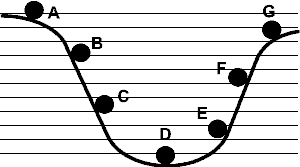
At which point does the ball has the greatest gravitational potential energy (GPE)?
A
G
D
C
G
Which is the correct unit for expressing gravitational potential energy?
Joule
Newton
m/s2
meter
Which is an example of conduction?
a furnace heating the air in a school
an ice cube melting in a person’s hand
a pot of water on a stove boiling
the sun heating water in a swimming pool

In heat transfer, heat always flows from the _______________ substance to the _______________ substance.
hotter to colder
colder to hotter
hotter to hotter
colder to colder
A material that reduces the flow of heat is a(n)
conductor
insulator
metal
radiator
What type of reactions can able to change products back to the their original form?
Reversible reactions
Irreversible reactions
Combustion reactions
Combination reactions
Which of the following combinations is correct?
reversible ⇌
irreversible →
reversible ←
irreversible →
reversible ⇌
irreversible ←
irreversible ⇌
reversible →
If a reversible reaction is exothermic in the forward direction, it will be ...
exothermic in the reverse direction
endothermic in the forward direction too
endothermic in the reverse direction
not involve energy in reverse direction

Dynamic equilibrium is reached when...
Mass of reactants
=
Mass of products
Rate of forward reaction
=
Rate of reverse reaction
Speed of reactants
=
Speed of products
Number of reactants
=
Number of products
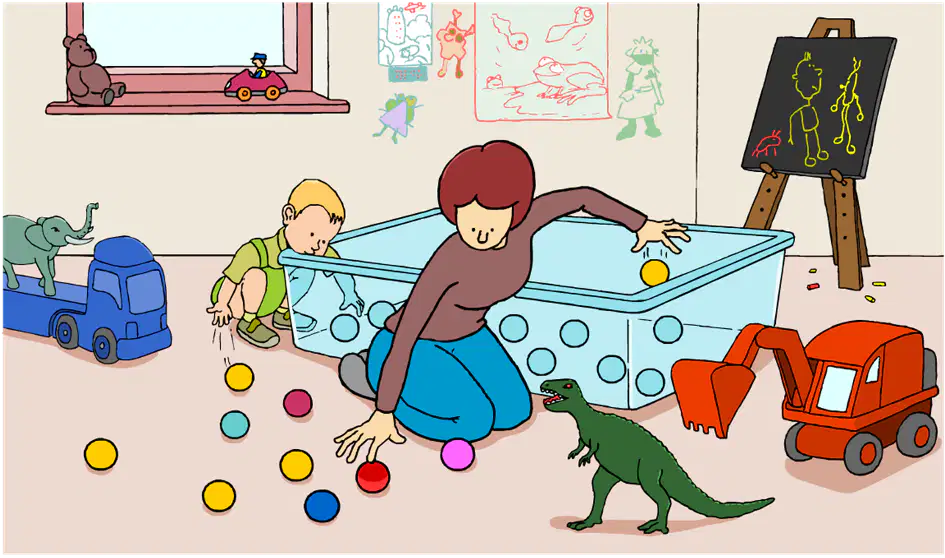
When dynamic equilibrium is achieved, this means that...
The concentration of the reactants and products will not change
The reaction will have finished
The rate of reaction will be the fastest
The reactants and products will have been fully used up
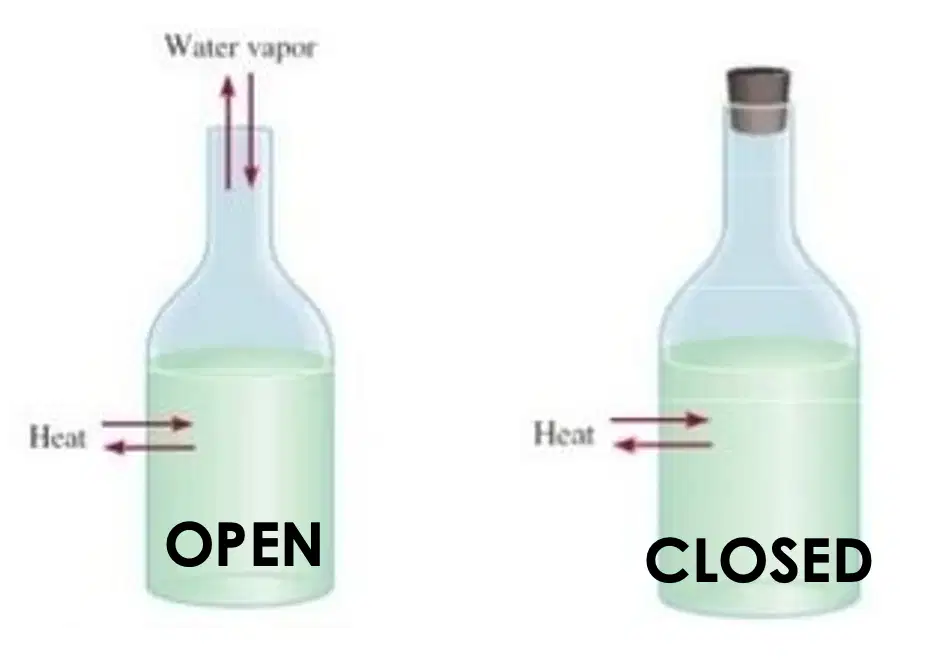
Dynamic equilibrium can only happen...
For IRREVERSIBLE reactions in an OPEN system
For IRREVERSIBLE reactions in a CLOSED system
For REVERSIBLE reactions in an OPEN system
For REVERSIBLE reactions in a CLOSED system
Increasing the temperature of the reactants can...
Slow collision frequency
Allow less effective collision between the particles
Cause particles to lose speed
Increase the frequency of collisions between particles, thus increasing the rate
Why does a higher concentration increase the rate of reaction?
it increases the amount of reactants
it lowers the activation energy
it increases the energy of particle collisions
it increases the frequency of particle collisions
How does a catalyst work in speeding up a reaction?
By lowering the activation energy or reaction
by giving them more energy
by making them more available
Why does a higher temperature increase the rate of a reaction?
it increases both the frequency and energy of particle collisions
it only increases the frequency of particle collisions
it only increases the energy of particle collisions
it reduces the activation energy of the reaction
The ______________is the minimum energy needed for a reaction to take place between reactants.
Carbonic energy
Activation energy
Plutonic energy
Energi Gaib

