
 Worksheets
Understanding Force and Motion Concepts
Total questions: 126
Worksheet time: 7hrs 10mins
In this experiment a paper cup hangs from a string tied to a single uncooked spaghetti noodle. The student measures and records the mass of a penny. The student then adds pennies to the paper cup one at a time. Which question is the student most likely trying to answer with this investigation?
How many spaghetti noodles will it take to hold up the mass of a penny?
How much force will it take to break the spaghetti noodle?
How long should the string that holds the paper cup be in order to support the greatest mass of pennies?
How does the distance between the two chairs affect the amount of force it takes for the spaghetti noodle to break?
Students design an experiment to determine how much force is needed to move blocks of wood of different masses slowly across a lab table. Which procedure should students include in their design?
Conduct five trials, using a different scale to pull each block of wood
Conduct five trials, pulling a different side of each block each time
Conduct five trials, using a different table for each trial
Conduct five trials, pulling each block of wood in the same way for each trial
The diagrams show two trials of an experiment in which a spring scale was used to measure force. This experiment can be used to determine —
how mass affects the force needed to move objects
how force affects the mass of two objects
how the force used to pull a dictionary affects the mass of a box of marbles
how the mass of a box of marbles affects the mass of a dictionary
A student designs an experiment to test the effect of the width of a piece of elastic on the elastic’s ability to stretch. The student selects four pieces of elastic with different widths but the same length. The student then attaches blocks with different masses to the pieces of elastic. The results of the student’s experiment are shown below. What should the student do to improve this experiment?
Use blocks of equal mass on the four pieces of elastic
Use blocks with enough mass to cause the four pieces of elastic to break
Use more than four pieces of elastic and four blocks
Use four pieces of elastic with different lengths but the same width
A student observes that the craters on the moon are different sizes. The student designs an experiment to study the formation of craters. The materials for the experiment are marbles and a pan of flour. The student makes a hypothesis that the size of the craters made on the surface of the flour will depend on the height from which the marble is dropped. Some of the steps in the student's experiment are described below. 1. Fill a round pan with flour 2. Smooth out the flour in the pan 3. 4. For each trial, measure the size of the crater formed and then smooth out the flour again Which of these is most likely Step 3 in the student's experiment?
Drop the same marble from different heights into the pan of flour
Drop marbles of different masses from the same height into the pan of flour
Drop marbles of different sizes from different heights into the pan of flour
Drop a single marble one time into the pan of flour
A student uses a spring scale to pull a 50-gram block horizontally across a wood desk. Then the student pulls the block the same distance across surfaces of carpet, sandpaper, and glass.
How do blocks of different sizes react to force?
How do different surfaces affect the amount of force needed to move a block?
How do blocks affect spring scales?
How does the mass of a block change when it is pulled across a desk?
What is force?
The ability to do work
A push or pull on an object
The speed of an object
The distance an object travels
What is motion?
The direction an object faces
The color change of an object
The change in position of an object
The smell of an object
Which of the following is NOT a type of force?
Gravity
Friction
Magnetism
Color
If you slide a hockey puck on ice, it eventually stops because of:
Gravity
Magnetism
Friction
Air resistance

A car is sitting at the top of a hill. What will cause the car to roll down the hill?
Heat from the sun.
The pull of gravity.
The push of magnetism.
The rotation of the earth.
Which of the following would be attracted to a magnet?
Wood
Plastic
Iron
A ruler
You toss a baseball into the air. Gravity will make the ball -
Fall towards the ground
Fall to the left
Fall to the right
Go towards the ceiling
What is a factor that is measured for change in an experiment?
control
constant
inertia
variable
What part of an experiment contains the data tables and graphs?
Results or Charts
Conclusion
Hypothesis
Materials
What are all the things that are kept the same in an experiment?
controls
data
constants
independent variables

Maya designed an experiment to answer the following question: How does the amount of water given to a lima
bean seed affect how tall it grows?
In this experiment, what variable should Maya CHANGE?
the amount of water
the kind of plant
the type of soil
the amount of sunlight it gets

Anthony designed an experiment to answer the following question: How does the temperature of water affect the time it takes for a sugar cube to dissolve?
What tool should Anthony use to measure how much time it takes for the sugar to dissolve?
ruler
stopwatch
triple beam balance
thermometer

Xavier’s team designed an experiment to answer the following question. How does the surface of a ramp affect how far a toy car rolls?
Which factor should Xavier change in the experiment?
the kind of car
the height of the ramp
the surface of the ramp

What tool does Xavier need to measure how far the car goes each time?
meter stick
beaker
graduated cylinder
stopwatch
Students conducted an experiment where they measured the distance a ping pong ball rolled down a ramp covered with carpet and silky cloth. Which of these questions can the students answer by analyzing the results of their experiment?
How does the changing the height of the ramp affect the distance the ping pong ball travels?
How does changing the surface of the ramp affect the distance a ping pong ball rolls?
How does mass affect the distance the ping pong moves after rolling down the ramp?
How does the design of the ping pong ball affect its movement after rolling down the ramp?
What is a PUSH or PULL of an object called?
Motion
Force
Friction
Gravity
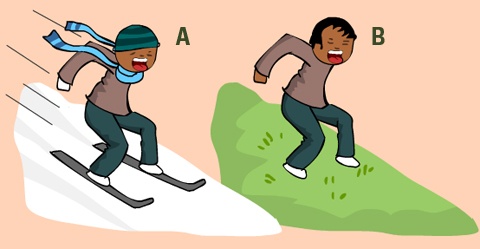
The boy in Image B has a harder time getting down the hill because...
motion is pulling him down
the friction between him and the ground is preventing him from going down the hill faster.
the friction is pushing him away from the hill.
the friction is preventing him from moving.
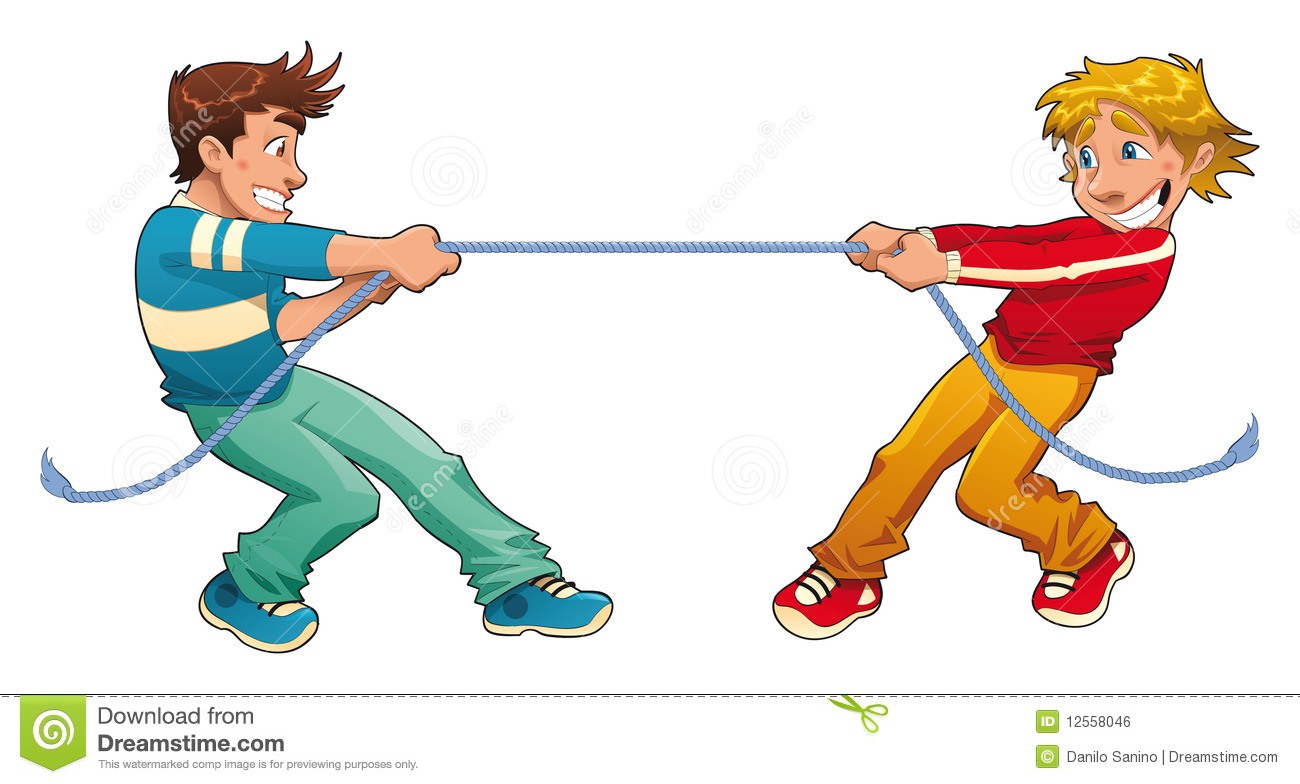
If Colten and Hassan are pulling with the same amount of force. What will happen?
The boy in blue will win the tug of war.
They will not move at all.
Both boys will move to the right.
Both boys will move to the left.
In an experiment, how many variable can you change in one time?
none
1
2 or more
depends on the type of experiment
While performing an experiment, it is important to:
change the control setup
test many different variables at the same time
reach a conclusion
record observations and measurements

Students used various temperatures of water to see which one dissolved candy faster.
What was the Independent Variable also known as the V?
Amount of Candy
Amount of Water
Temperature of Water
Time for Candy to Dissolve
An experiment is performed on plants to see how different liquids affect plant growth. Each plant in the experiment is given a different liquid; water, apple juice, or milk. Each plant has the same amount of soil, sunlight, and listens to the same music. In this investigation, the Result (R) is...
the type of plant.
the amount of sunlight.
growth of the plant.
the type of liquid.

Jacob rolled a ball down 3 different ramps. What tool did he use to measure the distance traveled?
a thermometer
a spring scale
a meter stick
an electromagnet
Materials that create this force are said to be magnetic and are called magnets.

In order for this rocket to leave earth, it needs to reach, something called, escape velocity. This force that pulls this rocket to earth is called...
magnetism
friction
volume
gravity
A ball is kicked and rolls for a long distance across a field. Which force eventually causes the ball to slow and stop?
friction
gravity
motion
position
Alys stands at the top of a steep hill and pushes a ball over the edge with her foot. Which force causes the ball to continue rolling down the hill?
mass
gravity
friction
air resistance
Levi's magnet will pick up all of these articles EXCEPT...


Which example has the most friction?


The data shown in Figure 1.2 might support which of these hypotheses?
Brightly colored insects are harder for birds to catch.
Insects can hide to avoid bird predators.
Birds choose insects to eat based on their size.
Camouflage protects insects from being eaten.


Players from the Astros want to know who can throw a baseball the farthest. They mark off an area in the outfield to test their investigation. Which should they keep constant or stay the same, so they could have an accurate experiment?
height of the players
color of the balls thrown
order in which the players throw
spot from which the players throw
In an experiment testing different surfaces, Hannah is using a ramp and toy car to find out how friction affects the distance traveled. She will use carpet, wood and sand paper. She will also use a height of 2 cm, 3 cm and 4 cm for the ramp. It resulted that the sand paper had the greatest amount of friction. Is this correct?
It is correct because sand paper is very rough and creates a lot of friction when you rub against it.
It is incorrect because you have more that one variable which makes this experiment invalid.
It is correct because you can have several variables just as long as you do it carefully.
It is incorrect because carpet is a lot more rough than sand paper and creates a lot more friction.

Niki has a bag of 12 cm rubber bands. She wanted to test their resistance. She grabbed one and applied a force of 10N. It snapped. She then concluded that all 12 cm rubber bands will snap when you apply a force of 10N. Is this a valid conclusion?
Yes, because when you are doing an experiment, you only need to perform one trial.
No, because in order for a conclusion to be scientifically accurate you must perform at least 3 trials.
No, because everyone knows that rubber bands snap when you apply 20N of force.
Yes, because the day before he applied the same amount of force to 8 cm rubber bands and they snapped.


What is the independent variable or V on the graph (x-axis)?
Metro Bicycle Shop Weekly Sales
Bicycles Sold
Types of Bicycles

What is the dependent variable or R on the graph (y-axis)?
Metro Bicycle Shop Weekly Sales
Bicycles Sold
Types of Bicycles

A push or a pull
friction
force
Newtons
spring scale

The unit of measurement for force
spring scale
force
Newtons
friction

tool used to measure force in Newtons (N)
spring scale
friction
magnetism
gravity

A rubbing force that opposes motion between two surfaces that are in contact. Rough surfaces have more friction and smooth surfaces have less friction
friction
magnetism
gravity
motion

A force that PULLS objects toward each other
gravity
magnetism
motion
resistance

The force of attraction or repulsion of magnetic materials
variables
motion
experiment
magnetism

change in position (movement)
magnetism
experiment
motion
force

frictional forces against the moving object
motion
resistance
experiment
variables

a scientific procedure or investigation to make a discovery
experiment
variables
conclusion
hypothesis

factors that can change in an experiment
conclusion
variables
motion
magnetism
the factor YOU changed in the experiment. Remember I changed
conclusion
Independent variable
motion
Dependent variable
the factor that changed and was measured in the experiment. Remember Data
procedure
Independent variable
friction
Dependent variable
A testable prediction, what you think the results will be. If ......, then ............
hypothesis
data
motion
resistance

steps by step instructions how to conduct an experiment
friction
motion
gravity
procedure

evidence; information gathered from observations
spring scale
friction
data
procedure
how your experiment is relevant to you and others.
experiment
real-world application
conclusion
Newtons

Mrs. Gibson creates an experiment with different heights of ramps to see which height makes a toy car travel farther. What is the variable?
Size of the car
Height of the ramp
Distance the car travels
Surface of the ramp
Students drop 4 different sized blocks into sand from different heights to see which height makes a larger dent in the sand. How can they improve this experiment?
Use more blocks
Use the same sized blocks
Use sugar instead of sand
Use different colored blocks to see better
Students roll toy cars down the same ramp with different coverings like carpet, foil, and sandpaper. What are they trying to test?
How does the height of a ramp affect the distance a car will roll?
How does the mass of the car affect the distance a car will roll?
How does the surface of a ramp affect how fast a car will travel?
How does the surface of a ramp affect the distance a car will roll?
In order to test friction, what is needed for the investigation?
Several ramps of different heights
Several cars of different masses
Several ramps with different surfaces
Several cars of different speeds
Would a spring scale measure more force pulling an object across carpet, wood, or sandpaper?
Carpet
Wood
Sandpaper

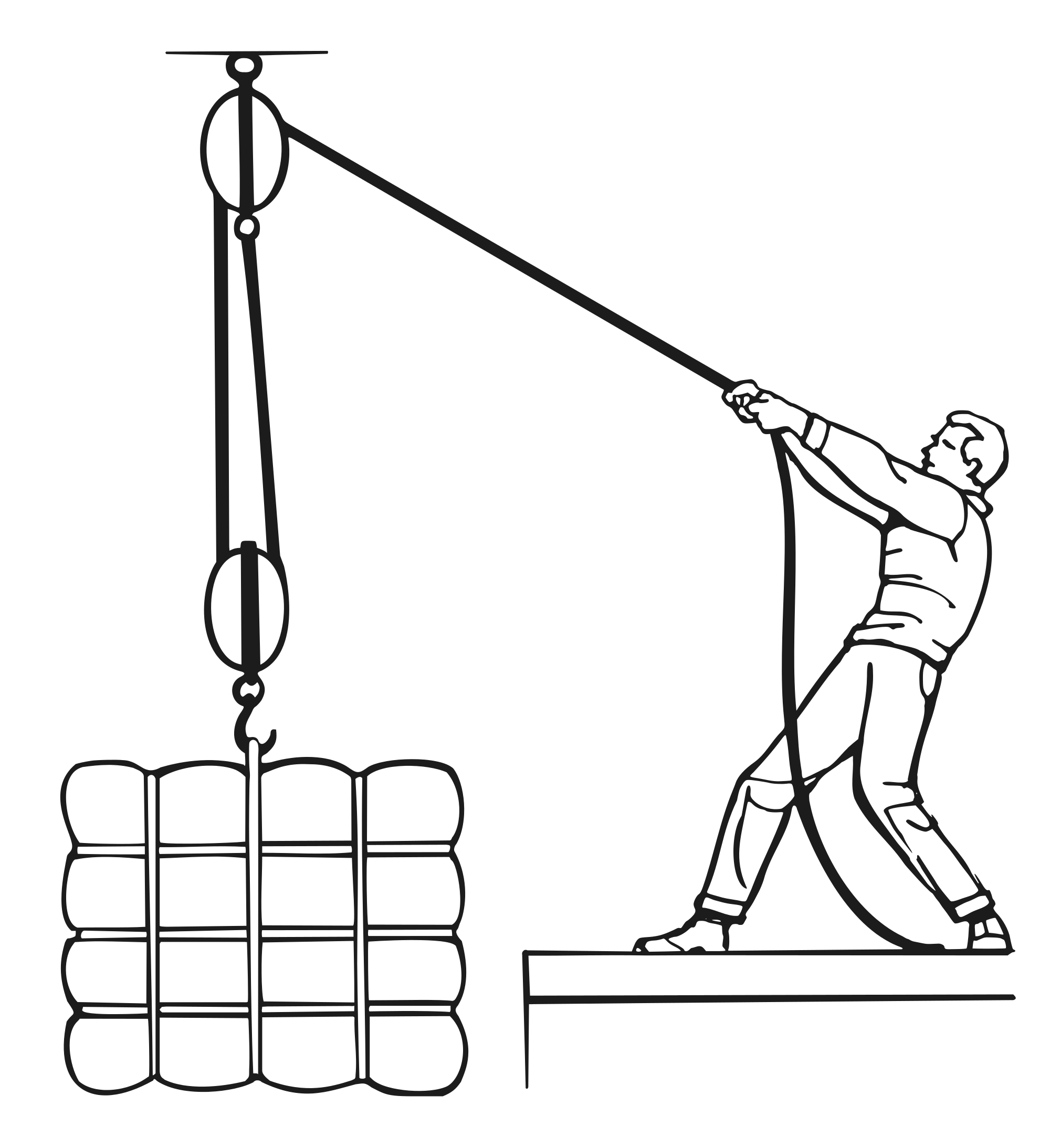
Students are pulling a spring scale across a table with a block of wood behind it. If they are testing the affect of friction on the force needed to pull the block, what should their variable be?
Different surfaces on the table
Different masses on the block of wood
Different sized spring scales
Different heights of the table tops
Two students wanted to find out which of their
toy race cars would go the farthest. They let each car roll down a ramp and then measured how far the cars rolled. Which of these should be held constant if they want a fair test of their cars?
The ramp
The car
The speed
The distance
Which question would best be answered with an experimental investigation?
How does a seed grow into a tomato plant?
Do tomato plants grow faster than cabbage plants?
How does temperature affect cabbage plant growth?
Do tomato plants have longer roots than cabbage plants?
A boy rides a skate board down a hill. Eventually the skate board stops. Which is most responsible for causing the skateboard to stop?
gravity acting on the skateboard
friction acting on the skateboard
the mass of the skateboard
the mass of the boy
A book falls off the desk. What moves the book towards the floor?
mass
friction
gravity
speed
Mark and Ann were playing kickball. They both kicked the same ball, but noticed that Mark kick made the ball travel farther than Ann's. What most likely caused the difference?
Mark kicked with less force
Mark kicked with more force
Mark kick had less friction
Mark's kick had more friction
Bill and Max are pushing a box toward one another with equal force. What would happen if Bill stopped pushing?
the box would stop moving
the box would move toward
the box would move toward Max
the box would move away from both Max and Bill


A student uses a spring scale to pull a 50-gram block horizontally across a wood desk. Then the student pulls the block the same distance across surfaces of carpet, sandpaper, and glass. Which question is this investigation most likely designed to answer? (5.6D)
How do block of different sizes react to force?
How do different surfaces affect the amount of force needed to move a block?
How do blocks affect spring scales?
How does the mass of a block change when it is pulled across a desk?

A student observes that the craters on the moon are different sizes. The student designs an experiment to study the formation of craters. The materials for the experiment are marbles and a pan of flour. The student makes a hypothesis that the size of the craters made on the surface of the flour will depend on the height from which the marble is dropped. Some of the steps in the student's experiment are described in the picture. Which of these is most likely Step 3 in the student's experiment? (5.6D)
Drop the same marble from different heights into the pan of flour
Drop marbles of different masses from the same height into the pan of flour
Drop marbles of different sizes from different heights into the pan of flour
Drop a single marble one time into the pan of flour

A student designs an experiment to test the force of a spring using a spring launcher and four spheres with the same diameter but with different masses. What other piece of equipment would be most useful for this experiment? (5.6D)
A graduated cylinder to measure the volume of each sphere before the sphere is launched
A beaker to collect the spheres after they are launched
A stopwatch to measure how long it takes to load each sphere on the spring
A meterstick to measure the height each sphere reaches after the sphere is launched

A student designs an experiment to test the effects of the width of a piece of elastic on the elastic's ability to stretch. The student selects four pieces of elastic with different widths but the same length. The student then attaches blocks with different masses to the pieces of elastic. The results of the student's experiment are shown. What should the student do to improve this experiment? (5.6D)
Use blocks of equal mass on the four pieces of elastic
Use blocks with enough mass to cause the four pieces of elastic to break
Use more than four pieces of elastic and four blocks
Use four pieces of elastic with different lengths but the same width

Students drop the same heavy ball onto identical blocks of soft clay from different heights. For each height they measure the depth of the dent the ball makes in the clay. Why is depth of the dent different in each trial? (5.6D)
The size of the ball changes.
The material of the ball changes.
The mass of the ball when it hits the clay changes.
The force of the ball when it hits the clay changes.

The diagrams show two trials of an experiment in which a spring scale was used to measure force. This experiment can be used to determine--- (5.6D)
how mass affects the force needed to move objects
how force affects the mass of two objects
how the fore used to pull a dictionary affects the mass of a box of marbles
how the mass of a box of marbles affects the mass of a dictionary

Students design an experiment to determine how much force is needed to move blocks of wood of different masses slowly across a lab table. Which procedure should students include in their design? (5.6D)
Conduct five trials, using a different scale to pull each block of wood
Conduct five trials, pulling a different side of each block each time
Conduct five trials, using a different table for each trial
Conduct five trials, pulling each block of wood in the same way for each trial
Ruben slides a book across the floor. Eventually, the book will stop moving. What force causes the book to come to rest?
friction
gravity
magnetism
push
Valerie has an object that attracts objects made of iron or steel. What force does this object use to attract the objects?
push
gravity
friction
magnetism
A boy pulls upward on a box but cannot lift it. Which is the best explanation of why the boy cannot lift the box?
the boy has more mass than the box
gravity is stronger than the force he can lift with
air is pushing down on the box
there is too much friction on the bottom of the box
Amanda pushes a toy car to set it in motion. She determines the speed by measuring how far the car goes in 15 seconds. Which of these is most likely to increase the speed of the car?
push the car up a ramp
push with greater force
use a car with greater friction
use a car with more mass
A rock is balanced on the side of a grassy hill. A gentle push causes the rock to start rolling down the hill. What happens if the rock is pushed with more force?
it stays in place
it gains more friction
its speed increases
its mass decreases
Margie is bringing a box filled with books to her garage. She has to push very hard to move the box. Why is the box difficult to move?
the books have a little mass, so not much force is required
the box has a little friction, so a large force is required
the books have a lot of mass, so a large force is required
the box has a lot of friction, so not much force is required
Charlie hits two different golf balls with the same force. Which golf ball will go farthest?
the ball with the smaller mass
the ball with the greater mass
the ball with the greater friction
the ball with the smaller diameter
Rob puts his dog in a wagon and pulls him around the block. What happens if he pulls a heavier dog with the same force?
the wagon will not move as fast
the heavier dog will create less friction
the wheels on the wagon will turn more quickly
the heavier dog will be easier to pull
Luis and Dan are both pushing on opposite sides of a box. The box is not moving. What must be true about the forces?
Luis is using more force
Dan is using more force
Luis's and Dan's forces are balanced
Luis is pushing against gravity but Dan is not
The two teams are pulling the rope in opposite directions, but the flag in the center is not moving. Why does the flag stay in the same spot?
there is too much friction
the team on the right is pulling harder
the force of gravity is not strong enough
the teams are pulling with the same force
Some students made different types of paper airplanes. They tested the planes to see which flew farthest. Why do the students need to do several repeated trials of the experiment before analyzing the results?
to prove their hypothesis is correct
to show that they did the experiment right
to collect enough evidence to support the claim
to determine which plane they like most
Anna is doing an experiment on friction. She measures the force needed to pull a toy car up a ramp. Then she attaches sandpaper to the ramp and measures the force needed to pull the car up. Next, she puts water on the ramp and measures. Finally, she puts oil on the ramp and measures. What is the control in Anna’s experiment?
the ramp with water
the type of spring scale used to measure the force
the ramp without other materials
the type of toy car used in the experiment
Juan releases a toy car at the top of a ramp and measures how far it goes. He repeats this for ramps of different heights, then makes a graph to show his results. Which of these steps in a scientific method best describes what Juan is doing when he makes his graph?
make a prediction
organize data from observations
identify variable for an experiment
repeat an experiment to confirm results
Monica is conducting an experiment about force. She measures the force needed to pull a toy car carrying a rock up a ramp. Then she puts a piece of sandpaper on the ramp and measures again. She concludes that sandpaper increases the force of friction. Which piece of Monica’s data would provide evidence to support her conclusion?
the length of the ramp that the car traveled on
the mass of the car that was used in the experiment
the type of rock that the car was carrying
the force needed to pull the toy car
Lauri is comparing the forces needed to push a ball across surfaces made of different materials. She compares the speed of the ball as it rolls across carpet, tile, and concrete. When she is done, her teacher asks two of her classmates to conduct the same experiment following Lauri’s procedures.
What is the best reason for other students to replicate this experiment?
to change the results
to make a new prediction
to ask a different question
to check that the results are accurate
The substance, object or group in an experiment that is not changed.
Control
Testable hypothesis
Variable
Valid conclusion
An experiment in which all variables are kept the same except for the one being tested.
Procedure
Testable hypothesis
Controlled experiment
Valid conclusion
A plan for how you will conduct an experiment
Control
Procedure
Testable hypothesis
Valid conclusion
The extent to which an experiment, test, or investigation provides the same results on repeated trials.
Friction
Procedure
Variable
Reliability
An idea that can be tested by experiment or observation
Testable hypothesis
Valid conclusion
Controlled experiment
Reliability
A force that resists the motion of two surfaces sliding across one another
Magnetism
Gravity
Friction
A force that pulls object toward each other
Magnetism
Gravity
Friction
A force that pushes or pulls a magnetic material across a distance
Magnetism
Gravity
Friction
Information describing what was learned from an investigation based on observations and collected data
Valid conclusion
Testable hypothesis
Magnetism
Variable
A condition in an experiment that is changed in order to determine the effect of that change
Valid conclusion
Testable hypothesis
Magnetism
Variable

