
Font size
 Worksheets
Nutrition Quiz
Total questions: 97
Worksheet time: 49mins
What is the scientific term for sugars that consist of only one sugar unit?
Monosaccharides
Polysaccharides
Proteins
Vitamins
Which term refers to sugars formed by combining multiple monosaccharides?
Monosaccharides
Polysaccharides
Proteins
Vitamins
What are substances made of amino acid units called?
Proteins
Vitamins
Polysaccharides
Fiber
Which term refers to chemical substances required by the body in small amounts but are essential for its functions?
Vitamins
Proteins
Fiber
Polysaccharides
What is the term for plant-based components like cellulose that are not digested by humans?
Fiber
Proteins
Vitamins
Polysaccharides
Which type of sugar is glucose classified as?
Monosaccharide
Disaccharide
Polysaccharide
None of the above
What is an example of a disaccharide sugar?
Lactose
Glucose
Fructose
Fiber
Which of the following is an example of a nutrient?
Lipids
Water
Carbohydrates
All of the above
What is the term for the process of distinguishing between monosaccharides and disaccharides using a solution?
Benedict's test
Fehling's test
A+B test
None of the above
What is the most common sugar?
Table sugar
Grape sugar
Milk sugar
Fruit sugar
Which sugar is the sweetest?
Fructose
Sucrose
Glucose
Lactose
What is the name given to maltose sugar?
Fruit sugar
Cane sugar
Milk sugar
Barley sugar
Which of the following is an example of polysaccharides?
Starch
Glycogen
Cellulose
All of the above
What is the unit of proteins?
Glycerol
Fatty acid
Amino acid
Peptide bond
What does a deficiency of vitamin C cause?
Bleeding gums
Fractures
Scurvy
(+1 charge)
What percentage of the human body is water?
90%
50%
70%
80%
How much water does the human body lose daily?
0.5 liters
1.5 liters
4 liters
0.05 liters
Which element is involved in the composition of hemoglobin in blood?
Copper
Calcium
Sodium
Iron
Complete the sentence: The food pyramid consists of groups such as _______.
Vegetables and fruits
Dairy and meat
Grains and oils
Sweets and beverages
What is the primary source of energy for the human body?
Proteins
Carbohydrates
Fats
Vitamins
Which of the following is an example of disaccharides?
Glucose and fructose
Lactose and sucrose
Cholesterol and oils
Proteins and amino acids
What is the function of proteins in the human body?
Formation of body muscles
Providing energy
Storing fats
Regulating body temperature
Which solution is used to detect the presence of vitamin C?
Ethanol
Endophenol solution
Glucose solution
Sucrose solution
Why is it recommended to drink large amounts of water in hot regions?
To prevent dehydration and regulate body temperature
To increase energy levels
To improve digestion
To enhance muscle growth
What happens when orange juice is mixed with endophenol solution?
The color changes faster than when mixed with apple juice
The solution becomes acidic
The juice loses its vitamin C content
The solution becomes alkaline
What is the importance of carbohydrates in the human body?
Formation of enzymes and hormones
Energy production for cells
Absorption of calcium
Protection against cancer
Which nutrient is responsible for the formation of enzymes and hormones?
Carbohydrates
Proteins
Fats and oils
Calcium
What is the role of Vitamin C in the human body?
Absorption of calcium
Formation of red blood cells
Healing wounds and maintaining skin health
Energy production for cells
Which nutrient helps in the absorption of calcium?
Vitamin C
Vitamin D
Proteins
Iron
What is the significance of iron in the human body?
Formation of red blood cells
Protection against cancer
Energy production for cells
Healing wounds
What happens when iodine is added to a starch solution and heated in a water bath?
The solution turns red, indicating the presence of sugar.
The solution turns blue, indicating the presence of starch.
The solution turns yellow, indicating the presence of protein.
The solution turns green, indicating the presence of fats.
What does the presence of ethanol in a test tube containing oil indicate?
Dissolution of oil in ethanol, indicating it is an organic solvent.
Formation of red color, indicating the presence of sugar.
Reaction with starch, indicating the presence of carbohydrates.
Formation of bubbles, indicating the presence of protein.
اذكر المصطلح العلمي المناسب:
الهضم الميكانيكي
الحركة الدودية
الكيموس
الكبد
الهضم الكيميائي
اختر الإجابة الصحيحة مما يلي: يبدأ الجهاز الهضمي للإنسان بـ:
المرئ
الأنف
الفم
البلعوم
جميع ما يلي من الأجزاء الرئيسية للقناة الهضمية ما عدا:
الأمعاء الدقيقة
المعدة
البنكرياس
الأمعاء الغليظة
عدد أسنان الإنسان البالغ:
20
32
33
22
العضو الذي يقوم بمزج الطعام باللعاب هو:
الأسنان
الاثنا عشر
اللسان
المعدة
يبلغ طول القناة الهضمية حوالي:
10 أمتار
3 أمتار
5 أمتار
7 أمتار
عدد التراكيب المفرزة للعاب:
6
3
5
4
تسمى العملية العاصرة الموجودة في نهاية المعدة بالعضلة:
الفؤادية
الهيكلية
البوابية
المخططة
What does pancreatic juice contain?
Sodium bicarbonate
Sodium chloride
Sodium sulfate
Sodium hydroxide
Which enzyme is responsible for fat digestion?
Amylase
Lipase
Trypsin
Pepsin
Where does most absorption occur in the digestive system?
Stomach
Large intestine
Small intestine
Liver
How many lobes does the liver consist of?
1 lobe
2 lobes
4 lobes
5 lobes
Which of the following is not a disease related to the digestive system?
Tooth decay
Gastric ulcer
Appendicitis
Malaria
Which organism does not have a digestive system?
Amoeba
Earthworm
Hydra
Paramecium
What is the longest duration food remains in the digestive system?
Small intestine
Large intestine
Stomach
Liver
Where is bile stored in the body?
Liver
Gallbladder
Pancreas
Stomach
What is the approximate length of the small intestine?
5 meters
6 meters
7 meters
8 meters
Which enzyme causes difficulty in digesting milk sugar for some people?
Maltase
Lactase
Sucrose
Lipase
What is the approximate length of a single villus in the small intestine?
1 mm
1 cm
1 meter
1 inch
What are the two types of digestion mentioned in the text?
Mechanical and chemical
Physical and biological
Enzymatic and physical
Biological and mechanical
What is the role of the liver in digestion according to the text?
It produces insulin for glucose regulation.
It stores bile and detoxifies harmful substances.
It produces bile to aid in fat digestion.
It absorbs nutrients from the small intestine.
What is the primary function of the pancreas in digestion as mentioned in the text?
It produces bile for fat digestion.
It secretes enzymes to digest carbohydrates, proteins, and fats.
It absorbs nutrients from the small intestine.
It neutralizes stomach acid.
What is the name of the process that occurs in the mouth to begin digestion?
Absorption
Mastication
Emulsification
Peristalsis
What is the role of the enzyme amylase in the digestion of bread or potatoes?
It converts starch into glucose.
It breaks down proteins into amino acids.
It emulsifies fats.
It neutralizes stomach acid.
What is the importance of hydrochloric acid (HCl) in the stomach?
It activates pepsin and kills germs.
It breaks down fats into fatty acids.
It absorbs nutrients directly into the bloodstream.
It neutralizes enzymes in the stomach.
What is the function of bile in digestion?
It increases the surface area for fat absorption.
It breaks down carbohydrates into glucose.
It neutralizes stomach acid.
It digests proteins into amino acids.
Why is it recommended to reduce the consumption of fatty foods for individuals with digestive issues?
Fatty foods are harder to digest due to insufficient bile.
Fatty foods increase stomach acid production.
Fatty foods cause dehydration.
Fatty foods reduce nutrient absorption.
What is the significance of the villi in the small intestine?
They increase the surface area for nutrient absorption.
They produce digestive enzymes.
They neutralize stomach acid.
They store excess nutrients.
What is the primary function of the liver in digestion?
It processes nutrients before distributing them to the body.
It produces hydrochloric acid for digestion.
It absorbs nutrients directly into the bloodstream.
It breaks down proteins into amino acids.
What is the role of the stomach in protein digestion?
It secretes enzymes that break down proteins.
It absorbs proteins directly into the bloodstream.
It converts proteins into glucose.
It neutralizes enzymes in the small intestine.
What is the enzyme or digestive juice responsible for breaking down starch in the mouth?
Amylase
Lipase
Protease
Pepsin
Which digestive juice is secreted by the liver and aids in the digestion of fats?
Saliva
Bile
Gastric juice
Pancreatic juice
What happens when iodine is added to a tube containing starch after 20 minutes of digestion by saliva?
The solution turns blue-black, indicating the presence of starch.
The solution remains colorless, indicating complete digestion of starch.
The solution turns red, indicating partial digestion of starch.
The solution turns green, indicating incomplete digestion of starch.
Which term refers to the mechanical digestion process involving teeth?
Chemical digestion
Mechanical digestion
Enzymatic digestion
Absorption
What is the role of bile in the digestive process?
Breaking down proteins into amino acids.
Emulsifying fats for easier digestion.
Neutralizing stomach acid.
Digesting carbohydrates into glucose.
What is the scientific term for the process of air entering and exiting the lungs?
Respiration
External respiration
Internal respiration
Glucose oxidation
Which term refers to the exchange of gases between the blood and the tissues of the body?
External respiration
Internal respiration
Respiration
Glucose oxidation
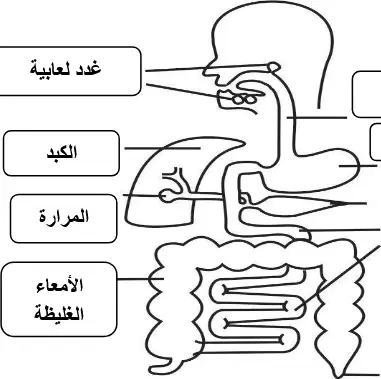
What is the name of the structure located at the end of the pharynx that resembles a box?
Larynx
Trachea
Bronchi
Esophagus
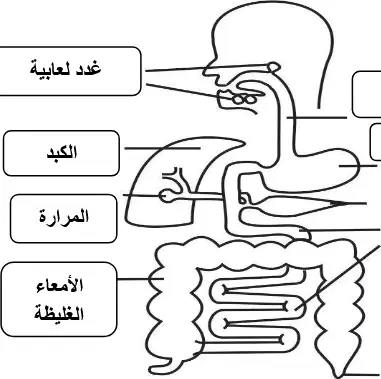
Which organ is responsible for the production of bile?
Stomach
Liver
Pancreas
Gallbladder
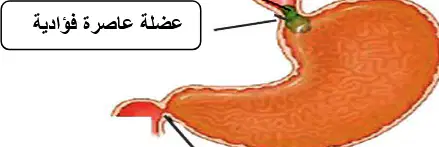
What is the term for the muscular structure that controls the opening between the stomach and the small intestine?
Pyloric sphincter
Cardiac sphincter
Esophageal sphincter
Duodenal sphincter
Which organ is considered part of the respiratory system?
Nose
Lungs
Pharynx
Esophagus
If the digestive and respiratory systems are separated, which structure prevents food from entering the respiratory system?
Esophagus
Epiglottis
Tongue
Diaphragm
What is the organ responsible for the movement of air during respiration?
Diaphragm
Nose
Bronchi
Trachea
Where is the respiratory center located?
Lungs
Brainstem
Bronchi
Diaphragm
Which gas does not change its percentage in the air during respiration?
Oxygen (O₂)
Carbon dioxide (CO₂)
Nitrogen (N₂)
Hydrogen (H₂)
What happens to the volume of the chest cavity during inhalation?
Decreases
Remains constant
Increases
Reverses
What is the relationship between pressure and volume at constant temperature?
Direct
Inverse
Constant
Unrelated
What factor stimulates the respiratory center to increase breathing rate?
Increase in CO₂ concentration in the blood
Decrease in CO₂ concentration in the blood
Increase in O₂ concentration in the blood
Decrease in O₂ concentration in the blood
Where does gas exchange occur in the human body?
Skin
Alveoli
Cell membrane
Bronchioles
How do insects perform respiration?
Through the skin
Through the tracheal system
Through the lungs
Through the gills
What are the parts of the respiratory system mentioned in the text?
Nose, pharynx, larynx, trachea, bronchi, and lungs
Heart, veins, arteries, and capillaries
Stomach, intestines, liver, and pancreas
Brain, spinal cord, and nerves
What is the function of the larynx as described in the text?
Producing sound and directing food to the digestive tract
Pumping blood throughout the body
Filtering air and absorbing oxygen
Breaking down food into nutrients
What is the approximate number of alveoli in the lungs according to the text?
300 million
500 thousand
1 million
100 thousand
What is the role of the diaphragm in the respiratory system as mentioned in the text?
It acts as a base for the lungs and aids in breathing
It filters air entering the lungs
It produces sound during speech
It transports oxygen to the bloodstream
What is the average number of breaths per minute as stated in the text?
12–15 breaths
20–25 breaths
5–10 breaths
30–35 breaths
What is the function of the epiglottis in the respiratory system?
To allow the exchange of gases in the lungs.
To prevent food from entering the airway during swallowing.
To increase the oxygen content in the blood.
To regulate the temperature of inhaled air.
Why are alveoli structured as small sacs in the lungs?
To provide a large surface area for gas exchange.
To store oxygen for later use.
To prevent the lungs from collapsing.
To filter out harmful particles from the air.
What is the primary role of hemoglobin in the blood?
To transport oxygen from the lungs to the tissues.
To regulate the pH of the blood.
To produce carbon dioxide during respiration.
To filter toxins from the bloodstream.
What happens to carbon dioxide during cellular respiration?
It is converted into oxygen.
It is released into the bloodstream and transported to the lungs.
It is stored in the muscles for energy.
It is absorbed by the alveoli for reuse.
What is the significance of the exchange of gases in the alveoli?
It helps regulate body temperature.
It ensures the removal of carbon dioxide and intake of oxygen.
It filters harmful particles from the air.
It increases the pressure in the lungs for better breathing.
Why does the body produce water vapor during respiration?
To cool down the lungs.
To maintain humidity in the respiratory tract.
To increase the oxygen content in the air.
To prevent the alveoli from collapsing.
What is the role of capillaries surrounding the alveoli?
To transport nutrients to the lungs.
To facilitate the exchange of gases between the blood and air.
To regulate the temperature of inhaled air.
To store oxygen for emergencies.
What percentage of oxygen is present in atmospheric air?
21%
50%
10%
35%
What is the primary waste product of cellular respiration?
Oxygen
Carbon dioxide
Nitrogen
Water vapor
What happens to the oxygen carried by hemoglobin in the blood?
It is stored in the lungs.
It is delivered to tissues for cellular respiration.
It is converted into carbon dioxide.
It is used to regulate blood pressure.

