
 Worksheets
ANATOMY AND PHYSIOLOGY EDUGAME
Total questions: 40
Worksheet time: 7mins
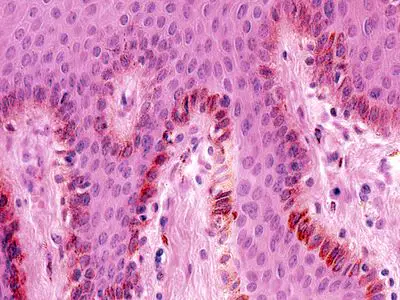
The primary function of melanocytes in the skin is to:
Produce keratin
Protect against UV radiation
Regulate body temperature
Detect pain
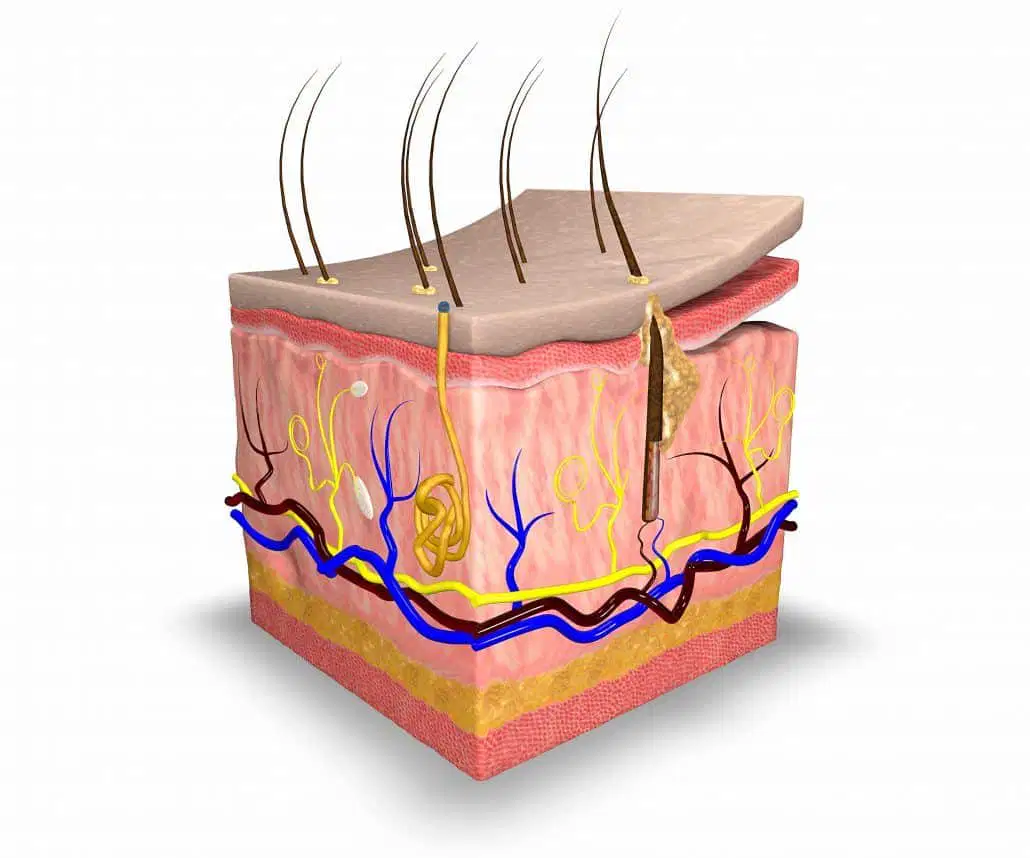
Which skin layer contains blood vessels and nerve endings?
Epidermis
Dermis
Hypodermis
Stratum corneum

Excessive loss of skin intergrity places a patient at high risk for ...
Dehydration
Infection
Hypothermia
All of the above

Pressure injuries occur mainly due to ...
Reduced oxygen supply to tissues
Increased sweat production
Allergic reaction
Poor nutrition alone
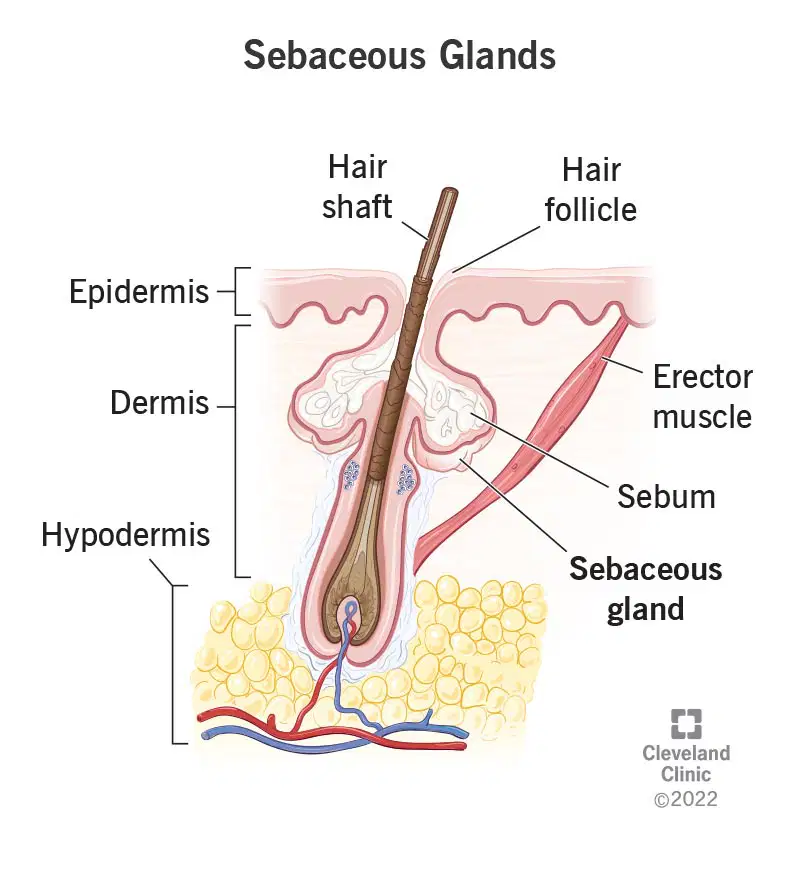
Sebaceous glands primarily secrets:
Sweat
Sebum
Melanin
Keratin
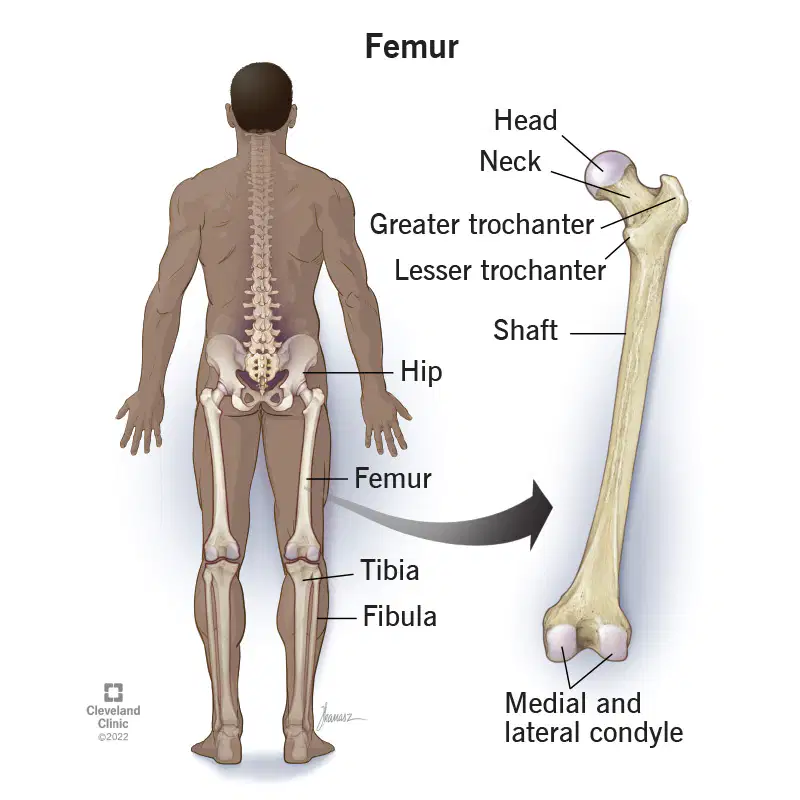
Which type of bone its the femur?
Flat bone
Short bone
Long bone
Irregular bone
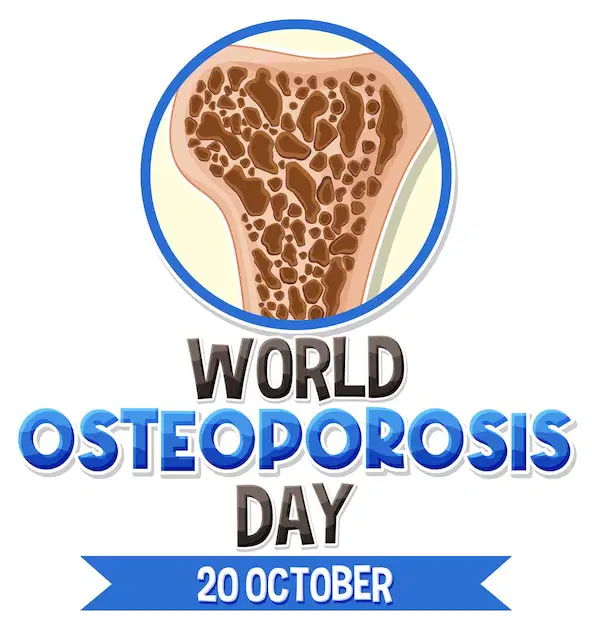
Osteoporosis is characterized by ...
Increased in bone density
Decreased in bone mass
Bone infection
Excess calcium deposition

The main function of red bone marrow is :
Fat storage
Calcium regulation
Blood cell production
Bone protection

Which joint allows the greatest range of motion?
Hinge joint
Pivot joint
Saddle joint
Ball and socket joint
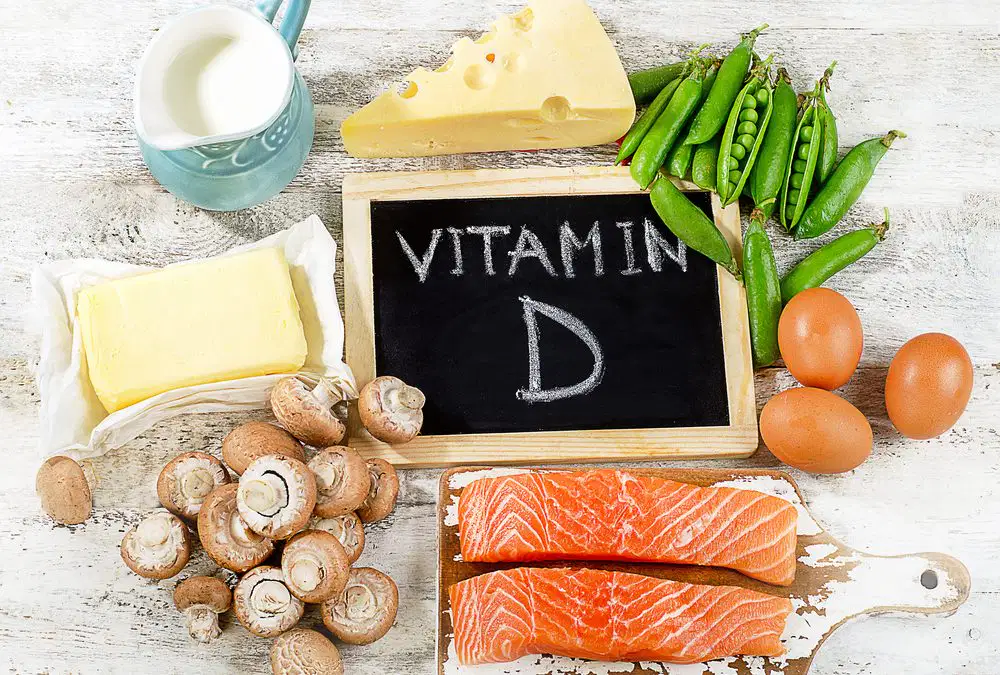
Vitamin D is essential for ...
Bone flexibility
Calcium absorption
Cartilage formation
Muscle contraction
Which muscle type is involuntary and non-striated?
Skeletal muscle
Cardiac muscle
Smooth muscle
Voluntary muscle
The functional unit of a muscle fiber is the ...
Myofibril
Sarcomere
Actin filament
Myosin head
Muscle contraction occurs when :
Actin slides over myosin
Myosin slides over actin
Sarcomeres lengthen
Calcium decreases
Which electrolytes is essential for muscle contraction?
Sodium
Potassium
Calcium
Magnesium
Prolonged muscle disuse can lead to :
Muscle hypertrophy
Muscle atrophy
Increased strength
Increased endurance
The primary function of alveoli is :
Filter air
Warm air
Gas exchange
Produce mucus
Which structure prevents food from entering the airway?
Trachea
Epiglottis
Bronchi
Larynx
Oxygen transport in the blood is mainly via ...
Plasma
White blood cells
Hemoglobin
Platelets
A patient with chronic smoking history is at risk of :
Asthma
Pneumonia
COPD
Tuberculosis
Normal breathing at rest is known as :
Dyspnea
Apnea
Eupnea
Tachypnea
The primary function of the lymphatic system is to :
Pump blood
Absorbs nutrients
Maintain fluid balance and immunity
Regulate temperature
Which organ filters lymph?
Liver
Spleen
Lymph nodes
Thymus
The thymus is most active during :
Infancy and childhood
Adulthood
Old age
Pregnancy
Lymphocytes are mainly responsible for :
Oxygen transport
Blood clotting
Immune response
Fluid regulation
Swollen lymph nodes often indicates :
Fluid overload
Infection or inflammation
Dehydration
Trauma only
The epidermis is avascular.
TRUE
FALSE
Bones serve as a reservoir for minerals such as calcium.
TRUE
FALSE
Skeletal muscles are controlled involuntarily.
TRUE
FALSE
Cardiac muscles has striations.
TRUE
FALSE
The diaphragm contracts during inspiration.
TRUE
FALSE
Alveoli collapse completely after each breath.
TRUE
FALSE
Lymphatic vessels return excess tissue fluid to the bloodstream.
TRUE
FALSE
The skin plays no role in immune defense.
TRUE
FALSE
Muscle fatigue occurs due to complete absence of ATP.
TRUE
FALSE
The rib cage protects vital respiratory organs.
TRUE
FALSE
Red bone marrow decreases with age.
TRUE
FALSE
Smooth muscle is found in blood vessel walls.
TRUE
FALSE
The lymphatic system has its own pump like the heart.
TRUE
FALSE
Choose the correct MATCH.
Osteoclast - immune cell
Sarcomere - bone resorption
Keratin - Skin protein
Lymphocyte - gas exchange
Choose the correct MATCH.
Femur - short bones
Lymph nodes - muscle contraction unit
Dermis - gas exchange
Thymus - T cell maturation

