
 Worksheets
SNC 2P EXAM REVIEW
Total questions: 100
Worksheet time: 6hrs 44mins
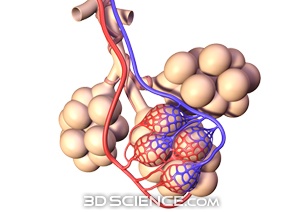
The two narrower tubes branching from the trachea that leads into the lungs
nose
bronchi
lungs
alveoli
The main organs of the respiratory system
heart
lungs
esophagus
trachea
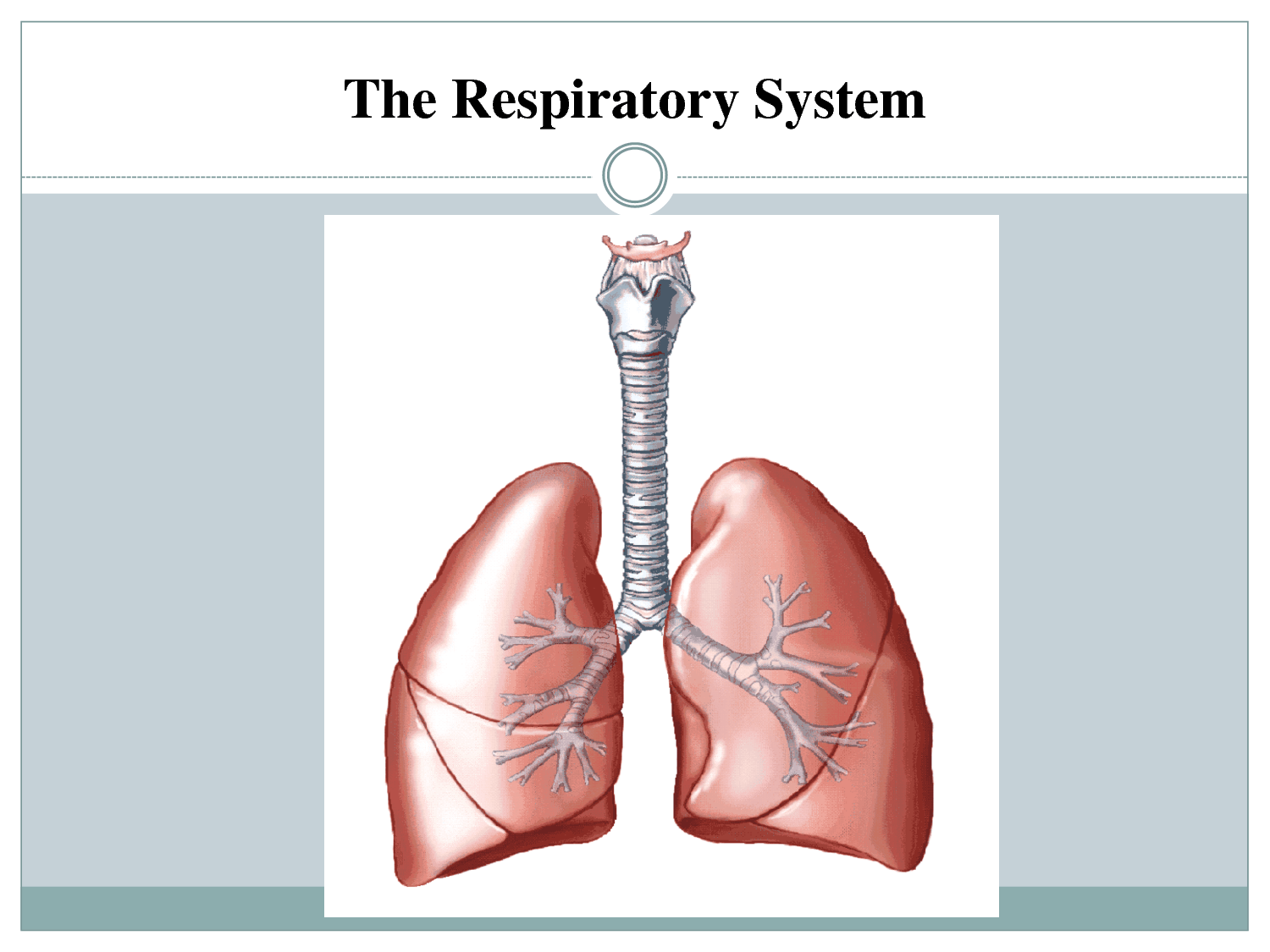

What is the name of structure 8?
nose
lung
mouth
trachea
What is the name of structure 4?
nose
lung
mouth
trachea
What is the name of structure 9?
bronchi
lung
mouth
trachea
___________ carry blood away from heart; mostly oxygen-rich.
Arteries
Veins
Capillaries
_______ carry blood back to the heart.
Arteries
Veins
Capillaries
The main function of the heart is:
To carry blood and oxygen from the heart to the cells and back.
To find true love.
To extract energy from the food we eat.
Trail Mix is best classified as a(n):
Mixture
Solution
Element
Compound
Hydrogen Peroxide (H₂O₂) is best classified as a(n):
Mixture
Solution
Element
Compound
Air is best classified as a(n):
Mixture
Solution
Element
Compound
Oxygen Gas (O₂) is best classified as a(n):
Mixture
Solution
Element
Compound
Classify the following as a physical or chemical change:
Salt dissolving in water
Physical
Chemical
Both
Neither
Identify whether the following is a physical or chemical change:
Roasting marshmallows over a campfire
Physical
Chemical
Both
Neither
Determine if the following is a physical or chemical change:
Rolling a piece of paper into a ball
Physical
Chemical
Both
Neither
For Fe2O3 there are (a) Iron atoms, (b) Hydrogen atoms, and (c) Oxygen atoms
5
For C2H5OH there are (a) Carbon atoms, (b) Hydrogen atoms, and (c) Oxygen atoms
5
0
1
6
2
3
7
4
For Mg(NO3)2 there are (a) Magnesium atoms, (b) Nitrogen atoms, and (c) Oxygen atoms
5
0
3
7
4
How many protons does Phosphorus have?
15
16
31
46
How many electrons does Fe have?
26
30
56
82
How many neutrons does Sodium have?
11
12
23
34

This is a Bohr-Rutherford diagram for carbon. How many valence electrons does carbon have?
2
4
6
18

Images in a plane mirror are
real
larger
same size
smaller

Name the following compound: MgSO4
magnesium sulfoxide
magnesium sulfide
magnesium sulfate
magnesium oxide
Identify the following compound as ionic or covalent: MgO
ionic
covalent
CoCO3 → CoO + CO2
What is N2O3?
Nitrogen Oxide
Nitrogen Hydroxide
Dinitrogen Trioxide
Trinitrigen Dioxide
What would be the formula for Tetracarbon Dechydride?
CH
C2H5
C4H10
C10H4
A chemical that has a pH of 3.5 is...
acidic
basic
neutral
True or false:
Blood traveling in veins is blue.
True
False
Hydrochloric acid is secreted in the _______________ .
oesophagus
stomach
large intestine
small intestine
Most nutrient absorption occurs in the ________________ .
mouth
stomach
large intestines
small intestines
Tissues are made up of groups of...
cells
organs
organ systems


How many carbon atoms are in this compound?
H2C3O4N5
2
3
4
5
An image behind the mirror is...
virtual
real
inverted
upright
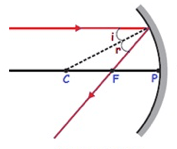
This ray diagram is for which mirror?
concave
convex
plane
window
This type of mirror is used in supermarkets to see around bends
concave
convex
plane
window
UP and DOWN columns on the periodic table are
groups
periods
SIDE TO SIDE rows on the periodic table are
groups
periods

Where is mercury (Hg) found on the periodic table?
Group 12, Period 6
Group 6, Period 12
Group 80, Period 201
Group 2, Period 3

How many protons are found in one atom of silver (Ag)?
16
47
61
108
Which of the following atom has 4 valence electrons?
Beryllium (Be)
Silicon (Si)
Oxygen (O)
Potassium (K)

Why are ions formed?
To make our lives difficult
Because atoms want a full set of valence electrons
Because atoms have the same number of protons and electrons
Because atoms gained neutrons


What is the charge of a sodium ion?
+2
+1
-1
-2
Cr3+ O2-
This type of compound is formed when non-metal atoms share electrons.
ionic
molecular

According to laws of reflection,
angle of incidence > angle of reflection
angle of incidence < angle of reflection
angle of incidence = angle of reflection
both 1 and 2

In the diagram, which letter represents the angle of incidence?
A
B
C
D

P is the
ray of reflecetion
ray of incidnece
angle of incidence
angle of reflection
Q is the
ray of reflecetion
ray of incidnece
angle of incidence
angle of reflection
θr is the
ray of reflecetion
ray of incidnece
angle of incidence
angle of reflection
θi is the
ray of reflecetion
ray of incidnece
angle of incidence
angle of reflection

The image produced is
real
virtual
magnified
closer
The image formed in a plane mirror is
real image
the same size as the object
bigger than the object
in front of the mirror.

If the angle of incidence in the diagram is 80°, the angle of reflection will be:
10°
100°
90°
80°

