
 Worksheets
Page 1
Total questions: 150
Worksheet time: 1hrs 15mins
Your teacher will take you to visit a crop or animal farm in your community. Observe the various types of basic and simple agricultural tools on the farm, their functions, and how they are used and maintained. Write a report on the various tools, their uses, how they are used and maintained, and share the details of your report with your class. According to this activity, what should be included in your report?
The various types of basic and simple agricultural tools on the farm
The functions of the tools
A summary of unrelated historical events
How the tools are used and maintained
Your teacher will provide basic and simple agricultural tools from your community. You will practice how to use them in your school. Take turns to learn how to use them. What is the recommended way to learn how to use the tools?
Avoid practicing with the tools
Take turns to learn how to use them
Throw away tools after first use
Work alone without sharing tools
Be extra careful when handling sharp tools. Which action best follows this safety instruction?
Rush through tasks with sharp tools
Ignore safety rules when using sharp tools
Handle sharp tools cautiously at all times
Use sharp tools without supervision or training
As you learnt earlier, all agricultural tools are designed for specific tasks. They are safer, more reliable and efficient when we use them for their intended purposes. Which practice makes agricultural tools safer, more reliable and efficient?
Use each tool for its intended purpose
Modify tools randomly for any job
Share tools without any training
Use tools for tasks they were not designed for
Each agricultural tool comes with its own set of operational rules or guidelines. What does each tool include according to the passage?
A warranty card only
A decorative label only
A set of operational rules or guidelines
A storage box only
Always read the user's guide before using a tool. What should you read before operating an agricultural tool?
The manufacturer's logo
The user's guide
An advertising poster
The price tag
Using watering can to water crops. What is the watering can used for according to the captioned image?
Plough soil
Water crops
Harvest grains
Spray pesticides
Using secateurs to trim and prune. According to the captioned image, what are secateurs used for?
Trim and prune plants
Harvest root crops
Dig trenches
Measure field boundaries
Using trough in animal farms. Which item is shown being used in animal farms according to the captioned image?
Watering can
Trough
Secateurs
Garden rake
Which of the following is not an agricultural tool?
Rake
Shovel
Disc
Which of the following agricultural tools requires lubrication?
Plastic trough
Watering can
Wheelbarrow
Which of the following farm tools has movable/sliding parts?
Rake
Secateurs
Cutlass
Which of the following tools would you use to remove stumps from your farm?
Shears
Shovel
Pick-axe
Which of the following farm tools can be used to apply liquid fertiliser?
Cutlass
Watering can
Basket
Sharpening a cutlass improves its ................
length
efficiency
size
Which of the following maintenance actions would you recommend to a farmer?
Clean, dry, lubricate farm tools and leave them under farm trees.
Clean, dry, lubricate farm tools and leave them in a cool wet place.
Which of the following is not a reason for maintaining farm tools?
To reduce rustiness and increase efficiency.
To increase durability and maintain efficiency.
To increase efficiency and reduce durability.
Which of the following statements is not true?
Basic agricultural tools are examples of simple machines.
We can measure the efficiency of farm tools.
Handling and maintenance culture do not affect the efficiency of farm tool.
Which of the following farm tools is used to transport materials in the farm?
Watering can
Hoe
Wheelbarrow
List ten simple farm tools.
Hoe, cutlass, rake, shovel, spade, wheelbarrow, watering can, mattock, hand fork, sickle
Tractor, power tiller, combine harvester, bulldozer, sprayer boom, thresher, ploughing rig, seed drill, cultivator, baler
Laptop, projector, printer, router, scanner, keyboard, mouse, monitor, flash drive, speaker
Microscope, thermometer, Bunsen burner, beaker, pipette, test tube, tripod stand, petri dish, scalpel, fume hood
What is a simple agricultural tool?
A hand-operated implement used to perform basic farm tasks without an engine
An electronic instrument for laboratory analysis of soil
A machine that uses fuel to power complex field operations
Any device designed solely for transportation of produce
What is handling and maintenance of agricultural tools?
Buying new tools regularly to replace old ones
Using tools carefully during work and carrying out cleaning, drying, lubrication, repair, and safe storage after use
Operating machines at maximum speed to finish work quickly
Keeping tools outdoors so they are easy to access
How would you maintain a hoe that is used in your school garden?
Clean the blade after use, dry it, sharpen when dull, lightly oil metal parts, and store in a safe dry place
Wash and soak the wooden handle overnight and store the hoe on the ground
Leave soil on the blade to protect it and hang it outside in the rain
Bend the blade regularly to make it more flexible
What is the importance of maintaining farm tools?
It guarantees that tools will never wear out
It makes work harder and slows down operations
It increases durability and working efficiency, reduces rust and damage, and improves safety
It eliminates the need for training workers
List five operational rules of handling simple farm tool.
Run with sharp tools to save time
Wear appropriate protective gear such as gloves and boots
Do not swing or point tools toward other people; keep a safe distance
Store tools safely after work and report damage
Use the right tool for the task and inspect it before use
Name four simple tools that can be used in an animal farm.
Hoe, cutlass, sickle, mattock
Laptop, router, printer, projector
Wheelbarrow, shovel, rake, watering can
Microscope, incubator, centrifuge, spectrophotometer
How would you handle a cutlass?
Grip firmly, check your surroundings, cut away from your body, sheath or store safely when not in use
Hold the blade loosely and swing randomly to work faster
Carry it with the sharp edge exposed toward others
Leave it on the ground with the blade pointing upward
List four agricultural tools and describe how you would handle and maintain them.
Hoe—never clean; Cutlass—hold by the edge; Rake—stand on the tines; Wheelbarrow—store full of water
Hoe—clean, dry, sharpen, oil, store; Cutlass—use away from body, clean and sheath; Rake—use gently, remove debris and store dry; Wheelbarrow—do not overload, wash and keep under cover
Hoe—paint the soil; Cutlass—hit rocks intentionally; Rake—drag over concrete; Wheelbarrow—remove its tire
Hoe—bend the blade often; Cutlass—leave muddy; Rake—store outside; Wheelbarrow—overload frequently
List three farm tools that have multiple functions.
Hoe, cutlass, rake
Tractor, combine harvester, thresher
Laptop, printer, router
Microscope, pipette, beaker
You are going to the school farm to clear the field for seedling beds. List the simple farm tools you would need to clear the field and make the seedling beds.
Laptop, printer, router, projector
Hoe, cutlass, rake, shovel
Microscope, beaker, pipette, tripod stand
Power tiller, tractor, combine, baler
You are going to the school farm to clear the field for seedling beds. List three precautions you would take to protect yourself and your mates.
Wear boots and gloves, keep a safe distance when using sharp tools, and avoid careless swinging
Keep tools hidden so no one can see them
Use damaged tools, remove guards, and ignore surroundings
Work barefoot, run with tools, and joke around while cutting
You are going to the school farm to clear the field for seedling beds. List three maintenance practices you would do after the activities.
Wash tools with salt water and hang them in the rain
Clean tools, dry them thoroughly, lubricate metal parts, and store in a safe dry place
Bury tools in the soil for protection, then retrieve later
Leave tools wet and muddy, keep them outdoors, and avoid lubrication
Study the diagrams of tools labelled A–F and answer: What is the general name given to the tools shown.
Musical instruments
Agricultural tools
Household utensils
Laboratory equipment

Using the diagrams of tools labelled A–F, identify the tool shown in diagram A.
Sickle
Hoe
Wheelbarrow
Shovel
Using the diagrams of tools labelled A–F, identify the tool shown in diagram B.
Garden fork
Watering can
Wheelbarrow
Rake
Using the diagrams of tools labelled A–F, identify the tool shown in diagram C.
Spade
Sickle
Hoe
Secateur
Using the diagrams of tools labelled A–F, identify the tool shown in diagram D.
Garden fork
Hoe
Shovel
Rake
Using the diagrams of tools labelled A–F, identify the tool shown in diagram E.
Garden fork
Secateur
Hand trowel
Cutlass
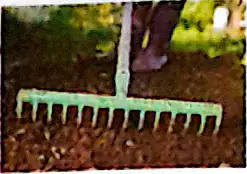
Using the diagrams of tools labelled A–F, identify the tool shown in diagram F.
Watering can
Sickle
Wheelbarrow
Rake
What is the primary use of a shovel in crop production and garden work.
Leveling gravel surfaces
Cutting harvested stalks
Digging and moving soil or sand
Pruning small branches
What is the primary use of a wheelbarrow on the farm.
Watering seedlings
Loosening compacted soil
Transporting soil, manure, or tools
Pruning hedges
What is the primary use of a sickle in farm work.
Raking leaves
Loosening hard soil
Harvesting or cutting grasses and cereals
Lifting and carrying loads
What is the primary use of a hoe in field preparation.
Carrying materials
Weeding and breaking up soil
Pruning branches
Watering plants
What is the primary use of a garden fork.
Watering rows of seedlings
Turning and aerating soil or compost
Harvesting cereals
Pruning hedges
What is the primary use of a rake in garden maintenance.
Cutting grass at harvest
Gathering leaves and leveling soil
Pruning woody stems
Transporting heavy loads
After using simple agricultural tools, which practices help maintain them in good condition.
Store in a dry, sheltered place
Leave tools outdoors to air overnight
Dry metal parts and oil lightly to prevent rust
Sharpen cutting edges when blunt
Clean off soil and plant matter
Complete the table by selecting the most appropriate use of a hoe.
Watering seedlings evenly
Transporting compost
Weeding and cultivating soil
Pruning tender shoots
Complete the table by selecting the most appropriate use of a secateur.
Pruning small branches and stems
Digging planting holes
Carrying loads
Raking leaves
Complete the table by selecting the most appropriate use of a watering can.
Pruning hedges
Turning compost
Applying water to plants
Cutting cereals at harvest
Complete the table by selecting the most appropriate use of a garden fork.
Watering seedlings
Loosening and turning soil or compost
Pruning stems
Carrying loads
Complete the table by selecting the most appropriate use of a spade.
Watering plants
Raking leaves
Pruning branches
Digging and making straight-edged holes
Complete the table by selecting the most appropriate use of a shovel.
Watering seedbeds
Scooping and moving loose materials like soil or sand
Pruning woody stems
Leveling gravel with teeth
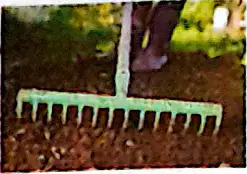
Study the diagrams labelled A–J showing tools in use and answer: In diagram C, which tool is being used.
Wheelbarrow
Hoe
Secateur
Rake
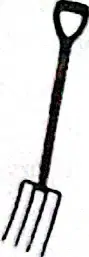
Study the diagrams labelled A–J showing tools in use and answer: In diagram D, which tool is being used.
Sickle
Watering can
Hand fork (garden fork)
Rake
Study the diagrams labelled A–J showing tools in use and answer: In diagram F, which tool is being used.
Spade
Secateur
Hoe
Wheelbarrow
Study the diagrams labelled A–J showing tools in use and answer: In diagram I, which tool is being used.
Watering can
Sickle
Wheelbarrow
Rake
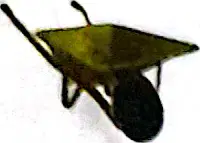
Study the diagrams labelled A–J showing tools in use and answer: In diagram J, which tool is being used.
Rake
Hoe
Secateur
Wheelbarrow
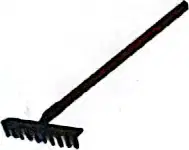
Based on the action in diagram C, what task is the tool performing.
Pruning small branches
Cutting cereals
Leveling or gathering debris on soil
Transporting soil
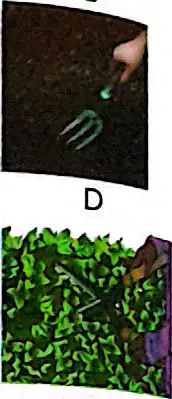
Based on the action in diagram D, what task is the tool performing.
Transporting manure
Loosening soil in a small area
Watering plants
Pruning a hedge
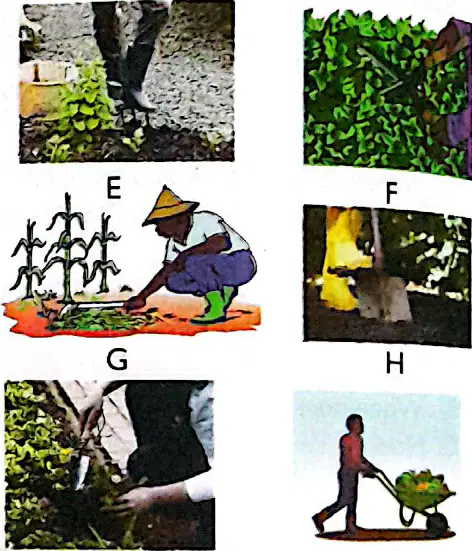
Based on the action in diagram F, what task is the tool performing.
Watering seedlings
Pruning and shaping a hedge
Scooping sand
Leveling soil
Based on the action in diagram I, what task is the tool performing.
Applying water to plants
Cutting grasses
Carrying compost
Pruning branches
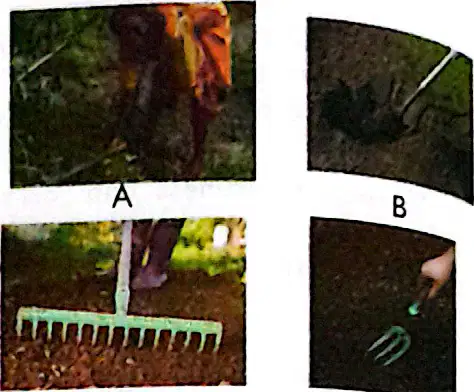
State the practices that help maintain the tools shown in the photographs after use.
Repair or replace damaged handles
Store under cover away from moisture
Oil or grease metal parts lightly
Leave tools dirty to save time
Clean and dry the tools thoroughly
The diagrams in the figure below show some basic agricultural tools. Identify the tool labelled A.
Hand trowel
Watering can
Wheelbarrow
Pruning shears
The diagrams in the figure below show some basic agricultural tools. Identify the tool labelled B.
Hoe
Axe
Sickle
Cutlass (machete)
The diagrams in the figure below show some basic agricultural tools. Identify the tool labelled C.
Spade
Hoe
Rake
Pickaxe
The diagrams in the figure below show some basic agricultural tools. Identify the tool labelled D.
Spade
Garden fork
Rake
Pickaxe
The diagrams in the figure below show some basic agricultural tools. Identify the tool labelled E.
Garden fork
Hoe
Spade
Rake
The diagrams in the figure below show some basic agricultural tools. Identify the tool labelled F.
Hoe
Sickle
Shovel
Rake
The diagrams in the figure below show some basic agricultural tools. Identify the tool labelled G.
Hand trowel
Hand fork
Dibber
Pruning shears
The diagrams in the figure below show some basic agricultural tools. Identify the tool labelled H.
Cutlass (machete)
Sickle
Scythe
Axe
The diagrams in the figure below show some basic agricultural tools. Identify the tool labelled I.
Cutlass (machete)
Hoe
Pickaxe
Spade
State one use of the tool labelled A shown in the diagram.
Measure rainfall in the field
Spray pesticides on crops
Bale harvested hay
Transplant seedlings or loosen soil in small beds
State one use of the tool labelled B shown in the diagram.
Water crops in rows
Clear weeds and brush or cut small branches
Turn and aerate soil in garden plots
Rake leaves from a lawn
State one use of the tool labelled C shown in the diagram.
Carry farm tools between plots
Weed and shape soil into ridges or beds
Harvest cereal grains
Cut wood for construction
State one use of the tool labelled D shown in the diagram.
Harvest ripe cereals
Prune branches from trees
Dig holes and turn soil
Spray chemicals on crops
State one use of the tool labelled E shown in the diagram.
Water nursery seedlings
Scoop sand into a wheelbarrow
Cut grass in a pasture
Loosen and aerate soil or lift manure
State one use of the tool labelled F shown in the diagram.
Harvest maize cobs
Gather leaves and level garden beds
Cut small trees and shrubs
Dig post holes
State one use of the tool labelled G shown in the diagram.
Loosen soil around plants or mix compost
Transport harvest to storage
Measure fertilizer amounts
Spray insecticide on crops
State one use of the tool labelled H shown in the diagram.
Mix concrete for construction
Harvest rice and wheat or cut grass
Dig trenches for irrigation
Prune tall tree branches
State one use of the tool labelled I shown in the diagram.
Irrigate fields with water
Trim hedges neatly
Rake leaves into piles
Break hard ground or rocks
Mention four ways of maintaining each of the tools.
Dry and oil metal parts to prevent rust
Store tools in a dry, safe place away from weather
Clean tools after use to remove soil and plant sap
Sharpen cutting edges when they become dull
Leave tools outside to air after work
Outline four safety rules for using simple agricultural tools.
Wear appropriate protective gear such as gloves and boots
Handle and carry tools with points down and blades covered
Use the right tool for the job and inspect it before use
Keep a safe distance from others while swinging or cutting
Run with sharp tools to save time
According to the Agricultural Tools table, which tool is used for transplanting seedlings, mixing and loosening soil?
Hand trowel
Hand plough
Mallet
Scythe
According to the Agricultural Tools table, which tool is used for hitting or hammering pegs in the ground for demarcation?
Hand plough
Hand trowel
Scythe
Mallet

According to the Agricultural Tools table, which tool is usually extended with a pole for harvesting cocoa, mangoes, cola, and avocado?
Hand trowel
Mallet
Scythe
Hand plough
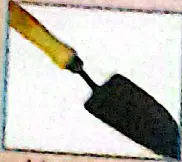
According to the Agricultural Tools table, which tool is used to break down soil, loosen soil, and mix soil?
Hand plough
Mallet
Hand trowel
Scythe
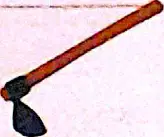
Which simple tool is used for weeding and cutting wooden materials?
Cutlass
Hoe
Shears
Axe
When using a cutlass, which safety practice is specifically stated?
Aim at the soil or trash
Always handle with care to protect eggs
Keep a safe distance from people
Clip both handles simultaneously to cut
Which tool is used to water seedlings?
Watering can
Wheelbarrow
Rake
Egg crate
How should a watering can be handled according to the instructions?
Aim at the tree to be chopped at an angle and strike hard
Hold the handle with both hands at different places and drag towards you
Use two hands—one to hold the handle and the other to support the nozzle
Hold each handle with each hand and clip simultaneously
Which tool is used for digging, making mounds, seedbeds, and weeding?
Wheelbarrow
Hoe
Axe
Rake
What part of the hoe is used to work according to the instructions?
Nozzle
Sharp edge
Blades
Bucket
Which tool is used to carry load?
Egg crate
Wheelbarrow
Cutlass
Shears
What is one stated guideline for using a wheelbarrow?
Only carry load you can comfortably lift
Aim at the tree to be chopped at an angle
Use the sharp edge to work
Place eggs in each holding hole
Which item is used to store eggs?
Watering can
Cutlass
Rake
Egg crate
What is one handling instruction for the egg crate?
Strike hard several times as you chop the tree
Use the sharp edge to weed
Place eggs in each holding hole
Drag towards you firmly as you level the soil
Which tool is used to chop trees?
Hoe
Watering can
Axe
Rake
According to the instructions, how should you aim when chopping with an axe?
Aim at the tree to be chopped at an angle
Aim at seedlings to water them
Aim so hedges fall between the angle of the blades
Aim at the soil or trash
Which tool is used to prune hedges and cut branches?
Wheelbarrow
Shears
Cutlass
Egg crate
What action completes cutting with shears according to the instructions?
Drag the tool towards you to level soil
Clip both handles simultaneously to cut
Strike hard several times
Support the nozzle with one hand
Which tool is used to clear and level the soil?
Watering can
Axe
Hoe
Rake
What is one stated technique for using the rake to level soil or remove trash?
Place eggs in each holding hole
Drag towards you firmly
Aim at the tree to be chopped at an angle
Clip both handles simultaneously
Select all items that are simple agricultural tools commonly used in the community.
Wheelbarrow
Hoe
Cutlass
Rake
Tractor
Select all statements that correctly describe uses of simple agricultural tools.
A rake is used for gathering leaves or debris.
A cutlass is used for clearing brush and cutting small stems.
A hoe is used for tilling soil and making mounds.
A head pan is used for carrying materials.
A spade is used for digging soil and making holes.
For the tool cutlass, which action best describes its proper use on a farm?
Measuring plots with a tape
Carrying harvested crops
Clearing brush and cutting small stems
Digging planting holes
For the tool hoe, which action best describes its proper use on a farm?
Cutting large tree trunks
Carrying seedlings
Tilling soil and making mounds
Spraying chemicals
For the tool rake, which action best describes its proper use on a farm?
Watering plants
Gathering leaves and debris
Ploughing deep furrows
Harvesting fruits
For the tool shears, which action best describes its proper use on a farm?
Transporting produce
Measuring land area
Pruning branches and stems
Digging trenches
For the tool axe, which action best describes its proper use on a farm?
Carrying soil
Cutting or splitting wood
Watering seedlings
Stirring compost
For the item egg crate, which action best describes its farm-related use?
Cutting weeds
Storing and transporting eggs
Spraying chemicals
Ploughing soil
Select all tools that can be used to cut trees or branches.
Machete
Hoe
Saw
Axe
Pruning shears
Select all farm tools that are not used for cutting.
Egg crate
Wheelbarrow
Rake
Spade
Hoe
Select all tools that are used for storage and transport.
Hoe
Egg crate
Wheelbarrow
Head pan
Rake
Select all items that are used in demarcation on a farm.
Pegs
Measuring tape
Rope or line
Hoe
Rake
Which description best matches a machete?
A toothed bar used for gathering debris
A long, flat blade used for cutting brush and stems
A bucket-shaped container used for carrying materials
A forked metal head used for loosening soil
Which description best matches a spade?
A flat, rectangular blade on a long handle used for digging soil
A shallow pan used for carrying materials
A long, flat blade used for cutting brush and stems
A toothed bar used for gathering debris
Which description best matches a hoe?
A long flat blade used for cutting brush
A metal blade set at a right angle to a handle for tilling soil
A container used for carrying materials
A toothed bar used for gathering debris
Which description best matches a head pan?
A long flat blade used for cutting brush
A shallow, wide pan used to carry materials on the head
A metal blade set at a right angle to a handle
A toothed bar used for gathering debris
Which material combination is most suitable for constructing a hoe?
A steel blade securely fixed to a wooden handle
A thin glass blade with a bamboo handle
A rubber strap attached to a metal bucket
An all-plastic flexible blade and handle
Which properties are appropriate for the materials used to make a hoe?
Strong, durable metal blade and a sturdy handle
Soft and easily deformed blade with a weak handle
Materials that corrode quickly when exposed to moisture
Highly brittle materials that break under stress
Mame Adwoa’s virgin farmland must undergo processes including clearing grasses, uprooting stumps, cutting trees, ploughing, making mounds and beds, sowing seeds, watering plants, stirring the land, spraying weeding cites, carrying plants after harvesting, and transferring seedlings to the field. Select all tools she will need to undertake these processes.
Hoe
Watering can
Machete
Wheelbarrow
Knapsack sprayer
Which is an appropriate way of storing farm tools after work?
Keep metal tools submerged in water
Hang or place them on racks in a dry, enclosed shed
Leave them on the ground in the field
Bury them in soil to keep them cool
Which precaution should be taken when using sharp farm tools?
Run while holding tools to save time
Wear protective gloves and boots and keep a safe distance from others
Carry blades uncovered and pointed toward others
Swing tools close to other people to work faster
Which after‑use care is appropriate for farm tools?
Store tools with wet soil on them to keep moisture
Leave tools dirty to save time
Clean off dirt, dry thoroughly, and oil metal parts before storage
Expose tools to rain so mud can wash off
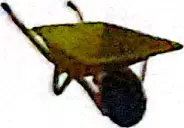
Look at the diagrams labelled A to F and identify each tool. Identify the tool labelled A.
Spade
Wheelbarrow
Hoe
Rake
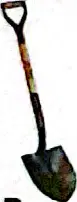
Look at the diagrams labelled A to F and identify each tool. Identify the tool labelled B.
Hoe
Spade
Machete
Rake
Look at the diagrams labelled A to F and identify each tool. Identify the tool labelled C.
Wheelbarrow
Machete
Hoe
Rake
Look at the diagrams labelled A to F and identify each tool. Identify the tool labelled D.
Hoe
Spade
Machete
Pickaxe
Look at the diagrams labelled A to F and identify each tool. Identify the tool labelled E.
Wheelbarrow
Hoe
Spade
Rake
Look at the diagrams labelled A to F and identify each tool. Identify the tool labelled F.
Rake
Machete
Pickaxe
Hoe
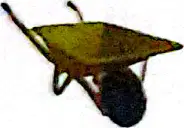
Based on the diagrams, what is the main use of the wheelbarrow labelled A?
Cutting trees and brush
Carrying materials such as soil, crops, or tools
Watering plants
Spraying chemicals on weeds
Based on the diagrams, what is the main use of the spade labelled B?
Measuring land boundaries
Cutting grass and shrubs
Digging soil and making holes
Carrying harvested crops
Based on the diagrams, what is the main use of the rake labelled C?
Watering seedlings
Gathering leaves or debris
Ploughing deep furrows
Cutting trees
Based on the diagrams, what is the main use of the machete labelled D?
Watering plants
Spraying chemicals
Transporting soil
Clearing brush and cutting stems
Based on the diagrams, what is the main use of the hoe labelled E?
Pruning branches
Transporting seedlings
Tilling soil and making mounds or beds
Spraying pesticides
Based on the diagrams, what is the main use of the pickaxe labelled F?
Carrying materials
Cutting leaves
Watering plants
Breaking hard ground or rocks
Which maintenance action is appropriate for the metal tools shown in the diagrams after use?
Leave tools outdoors in the rain to wash them
Clean off dirt, dry, and oil metal parts to prevent rust
Store tools wet so mud softens
Bury tools in soil to keep them cool
Strike tools on rocks to test strength
From the description of simple agricultural tools, who constructs these handy tools to carry out basic farming activities or operations?
Retail store workers
Farmers or local craftsmen
University engineers
Industrial factories
Which item listed in the passage is an example of a simple agricultural tool?
Combine harvester
Wheelbarrow
Irrigation pump
Tractor
Identify the tool described as a short, broad sabre or slashing sword with a straight or slightly curved blade sharpened on the cutting edge, usually with a wooden handle tightened with bolt; used for weeding and cutting down trees and shrubs.
Mattock
Sickle
Cutlass
Hoe
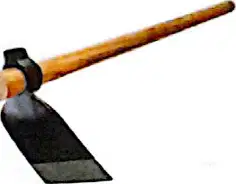
A hoe is defined in the passage as a long-handled implement having a thin, flat blade usually set transversely. According to the text, what is a hoe used for?
Weeding, making mounds and beds
Transporting soil
Pruning fruit trees
Removing stumps
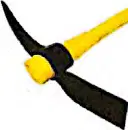
Which tool is described as having a long handle and a stout head that combines a vertical axe blade with a horizontal adze; used for falling down trees and removing stumps?
Cutlass
Mattock
Hoe
Hand-fork
Based on the functions provided, which tool is primarily used for falling down trees and removing stumps?
Hoe
Cutlass
Shovel
Mattock
Which statement best matches the definition of simple agricultural tools given in the passage?
They are heavy machines powered by engines for large-scale farming.
They are simple handy tools constructed by the farmer or local craftsmen for basic farming activities.
They are laboratory instruments used for plant genetics.
They are electronic devices used to monitor soil moisture.
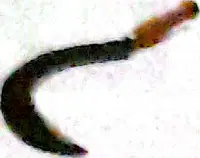
Identify the agricultural tool shown: a single-handed hook with a variously curved blade typically used for harvesting or reaping grain crops or cutting succulent forage chiefly for feeding livestock.
Hoe
Sickle
Secateurs
Hand-fork
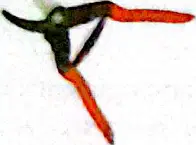
Which tool has two sharp blades used for cutting plants’ stem and pruning of plants?
Hand-fork
Sickle
Secateurs
Mattock
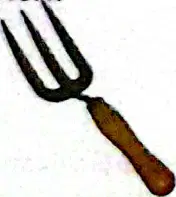
Which small, handheld gardening tool with typically three sharp, sturdy tines (prongs) and a wooden, plastic, or metal handle is designed for loosening or stirring vegetable beds and digging up weeds?
Secateurs
Hand-fork
Sickle
Cutlass
According to the materials description, what are the materials used to make a cutlass?
Steel and wood
Cast iron and wood
Aluminum and rubber
Steel and plastic
According to the materials description, what are the materials used to make a hoe?
Steel and rubber
Cast iron and wood
Aluminum and wood
Cast iron and plastic
According to the materials description, what are the materials used to make a mattock?
Cast iron and rubber
Steel and wood
Aluminum and wood
Cast iron and plastic

