
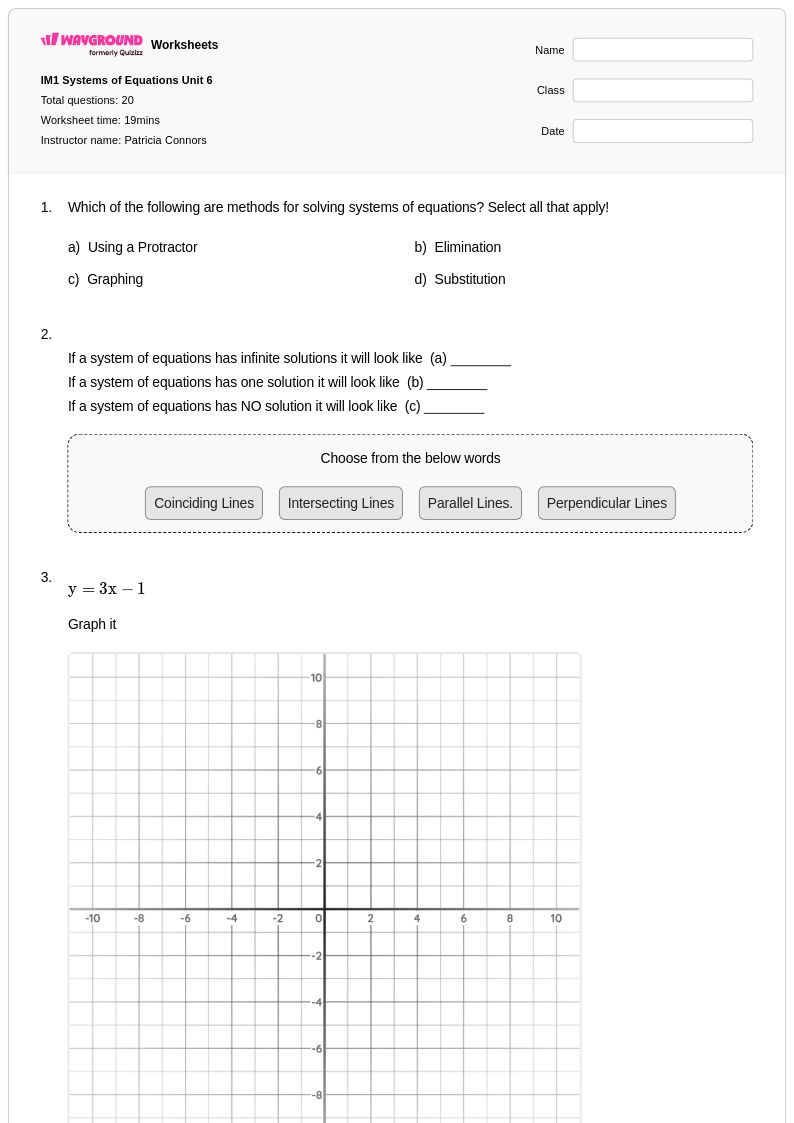
20 คิว
9th - 12th
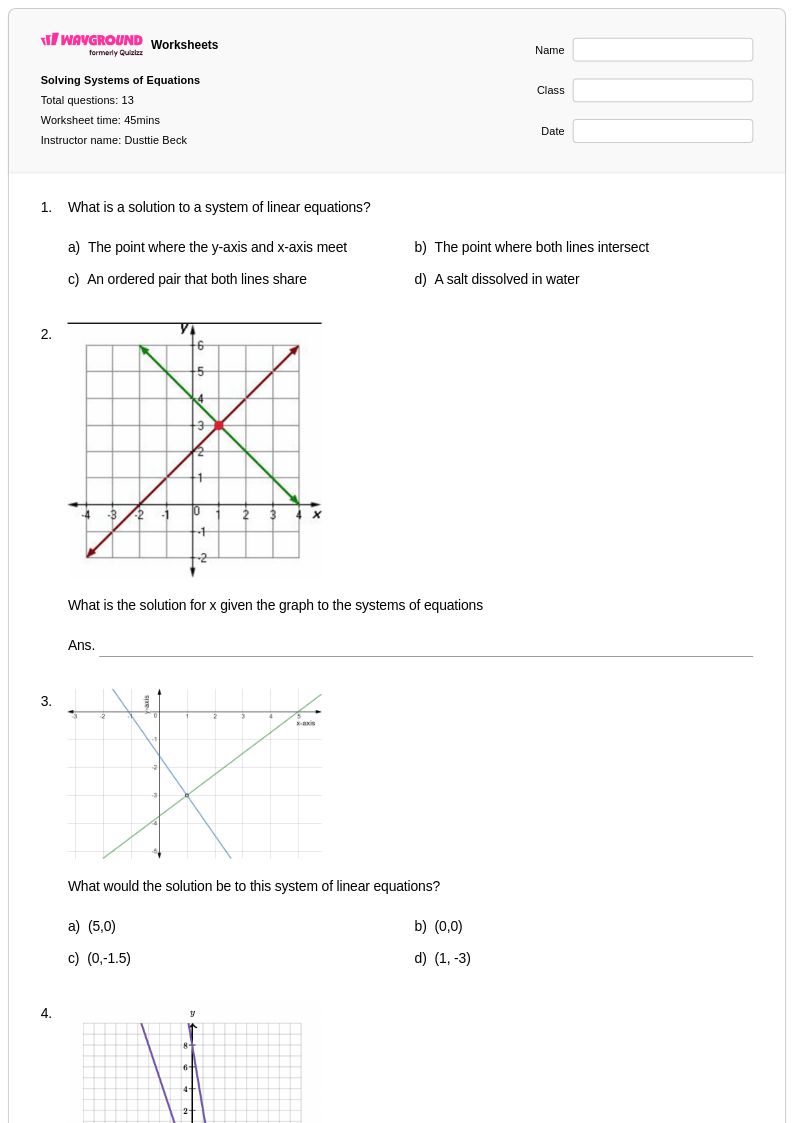
13 คิว
8th
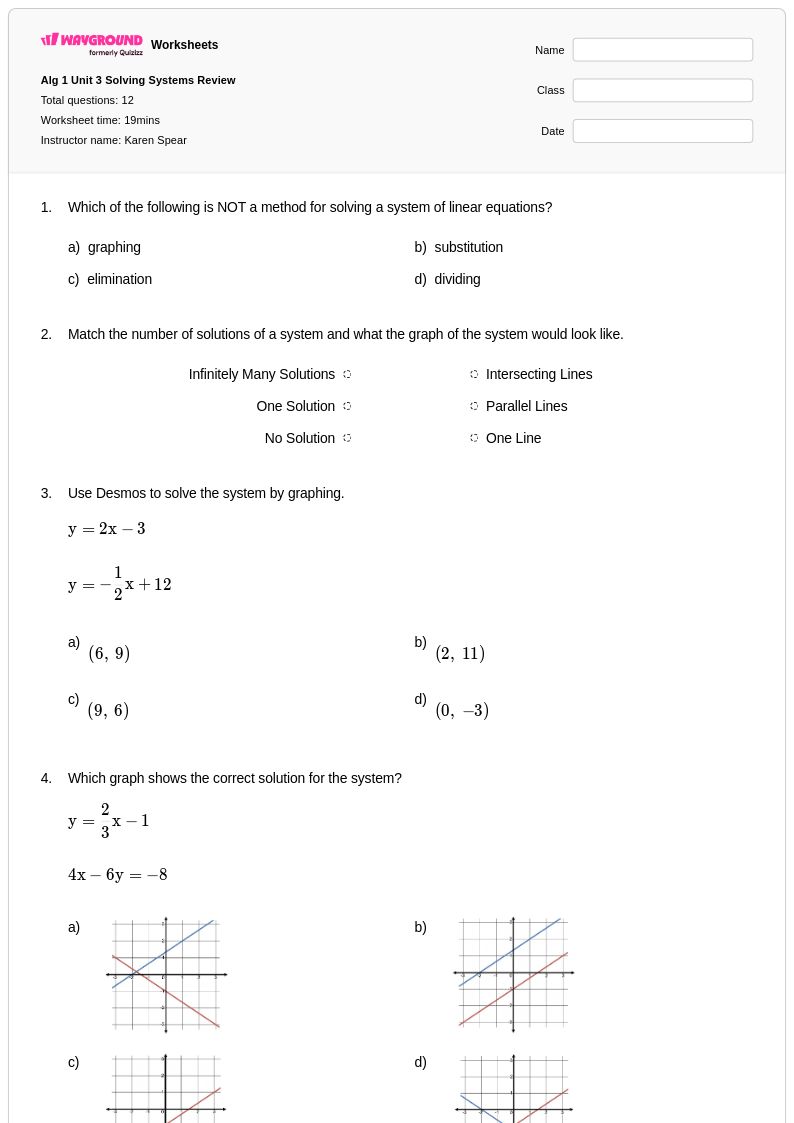
12 คิว
9th
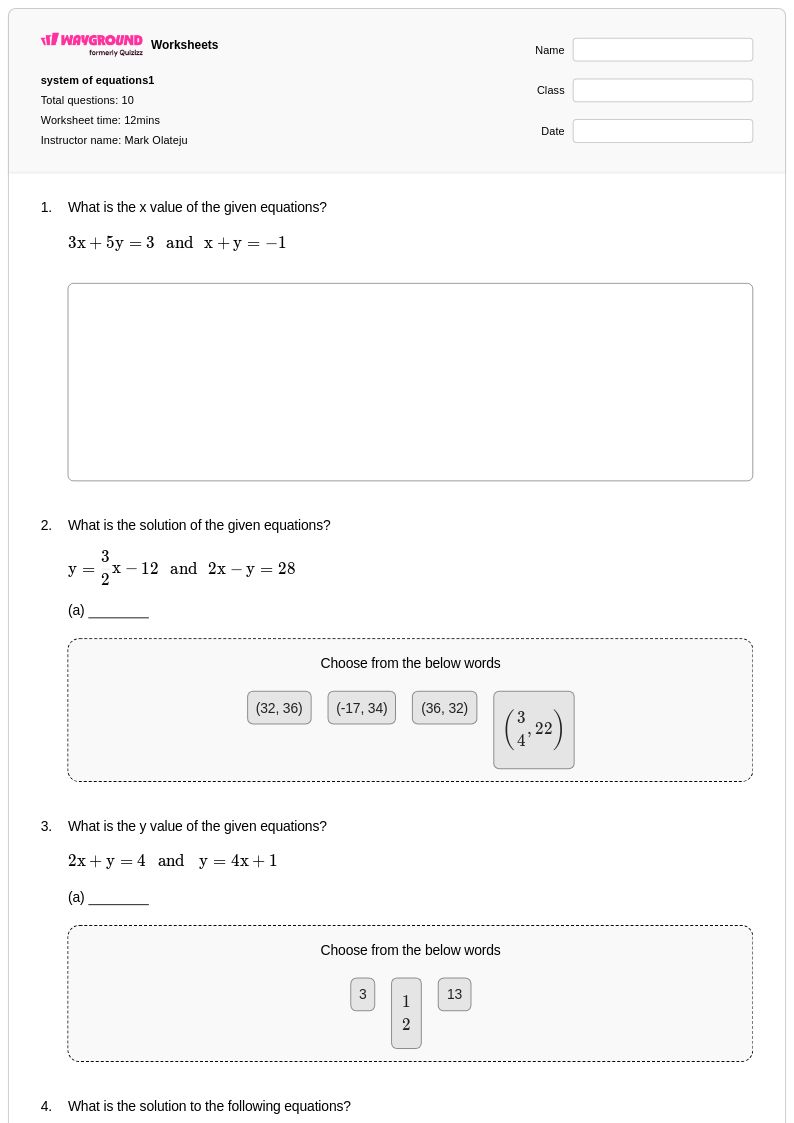
10 คิว
8th - 9th
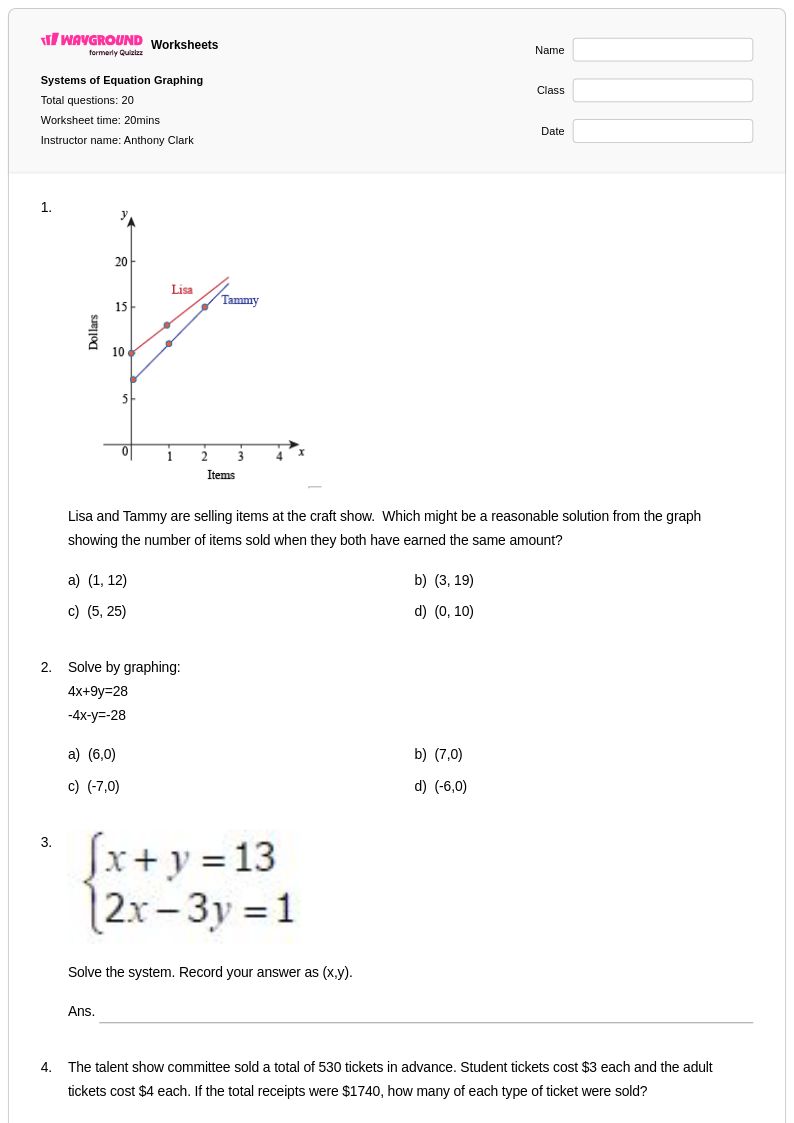
20 คิว
9th - Uni
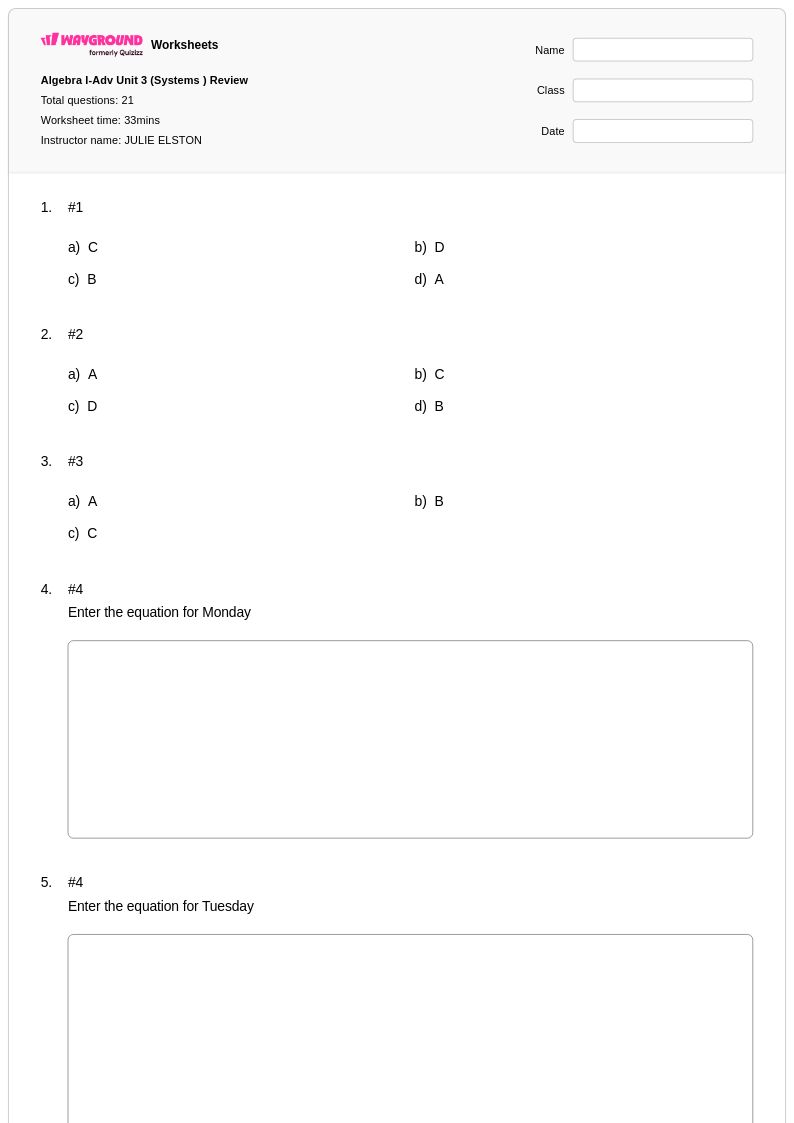
21 คิว
9th
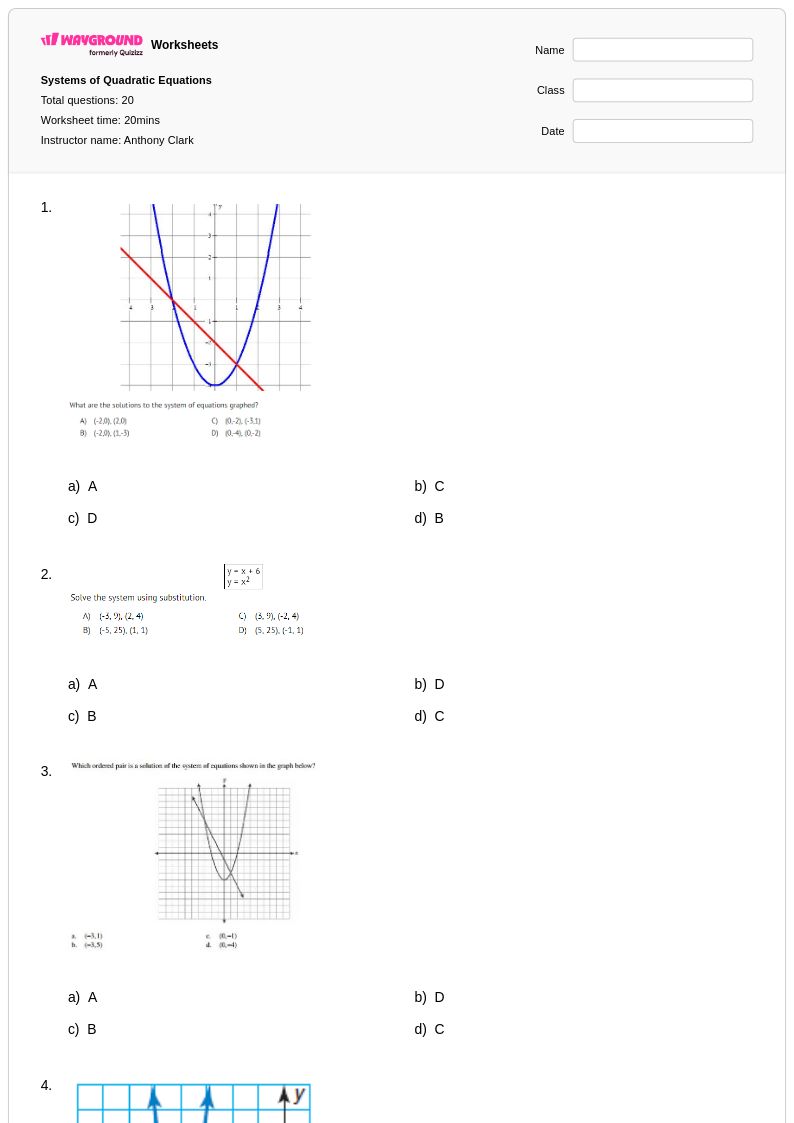
20 คิว
11th - Uni
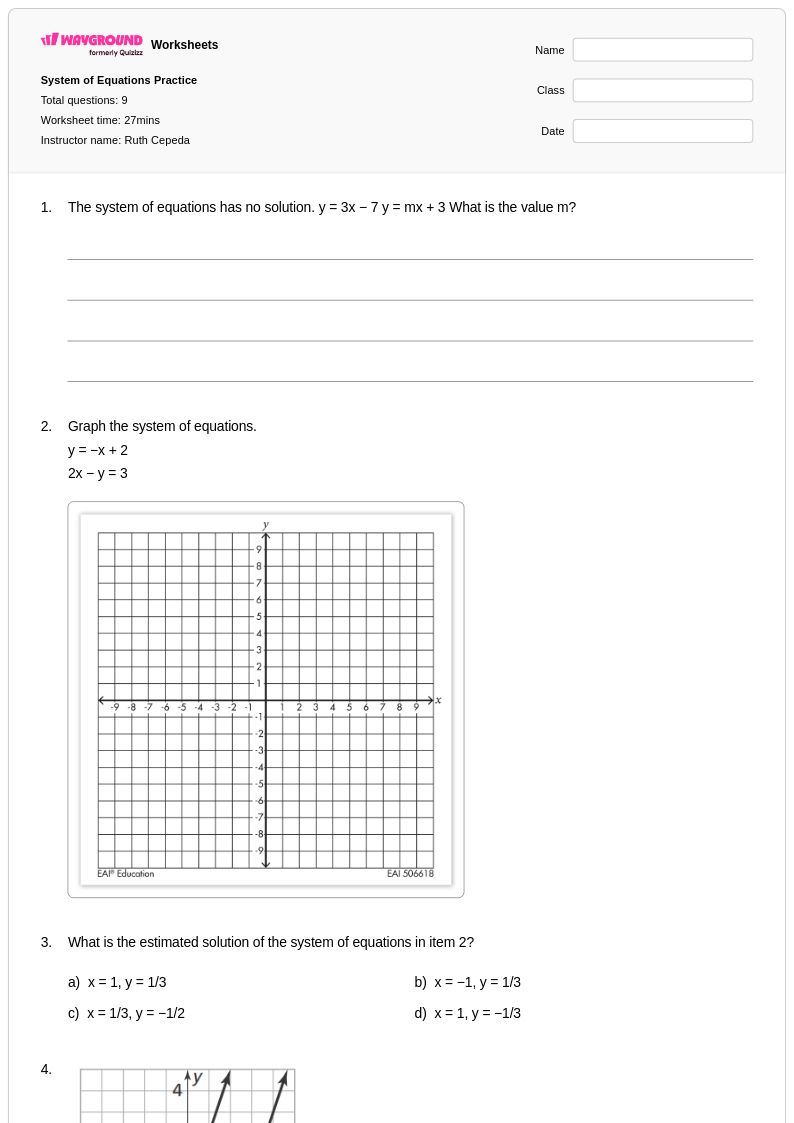
9 คิว
8th
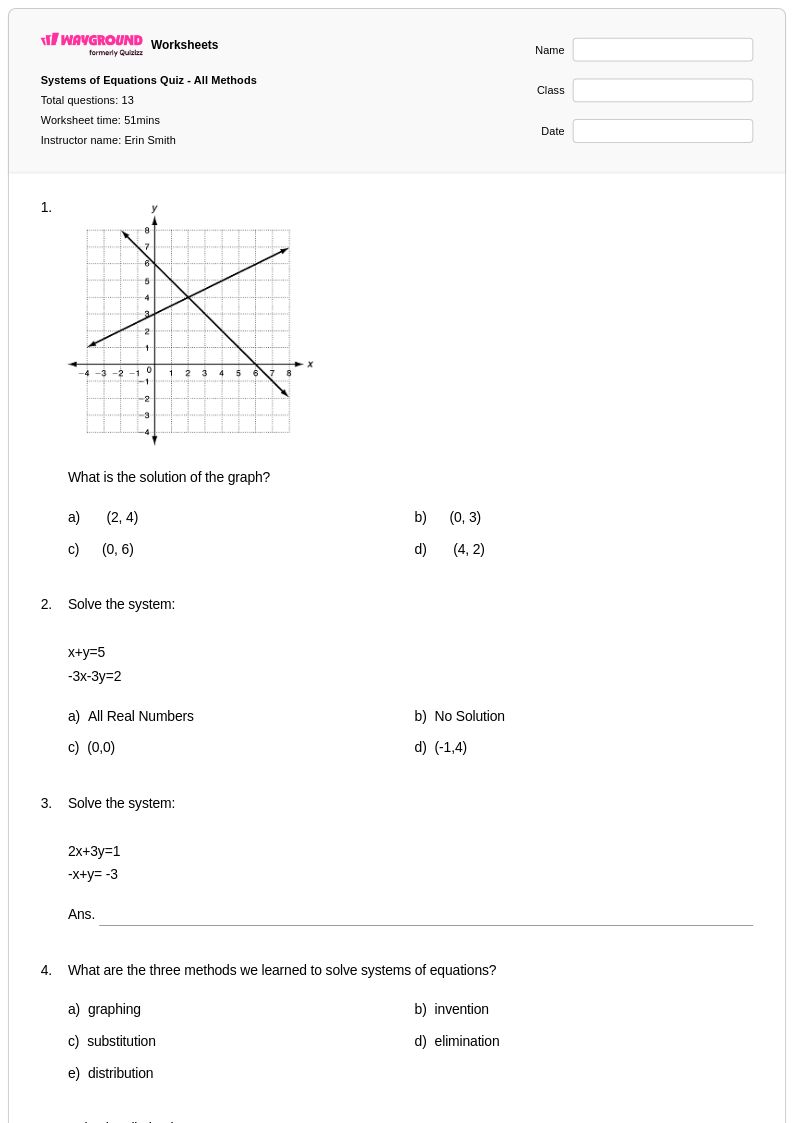
13 คิว
9th
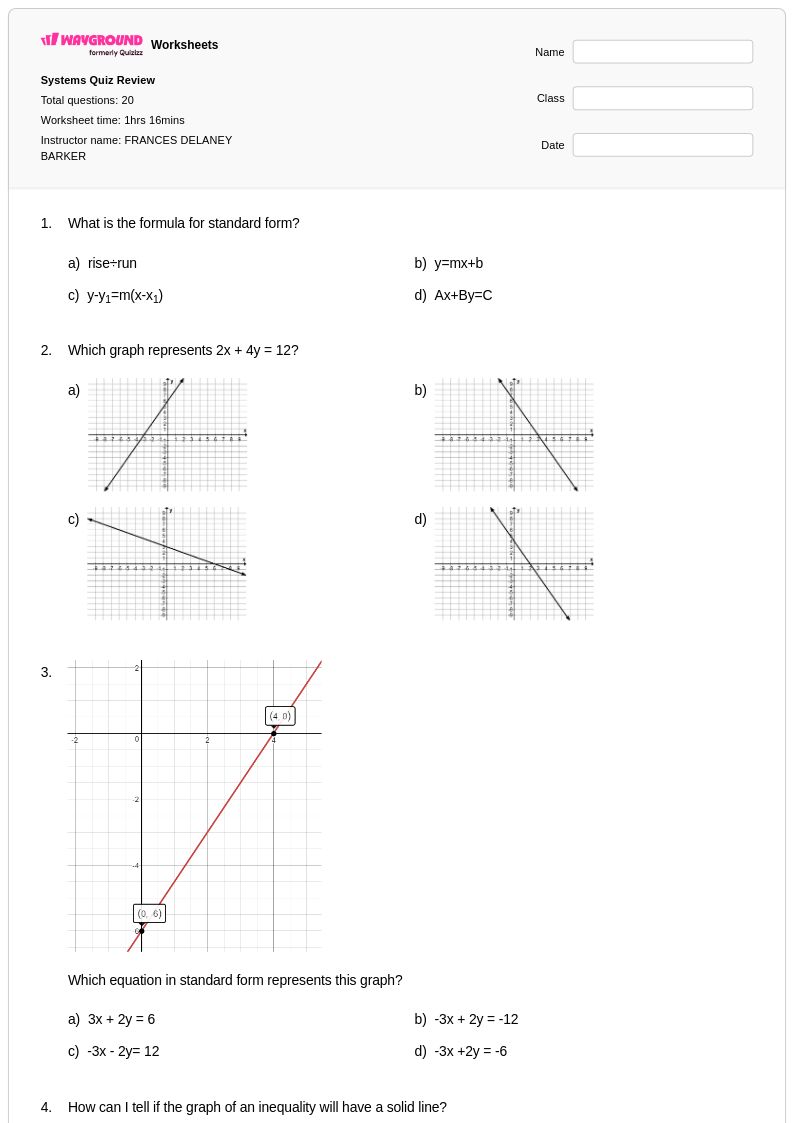
20 คิว
9th
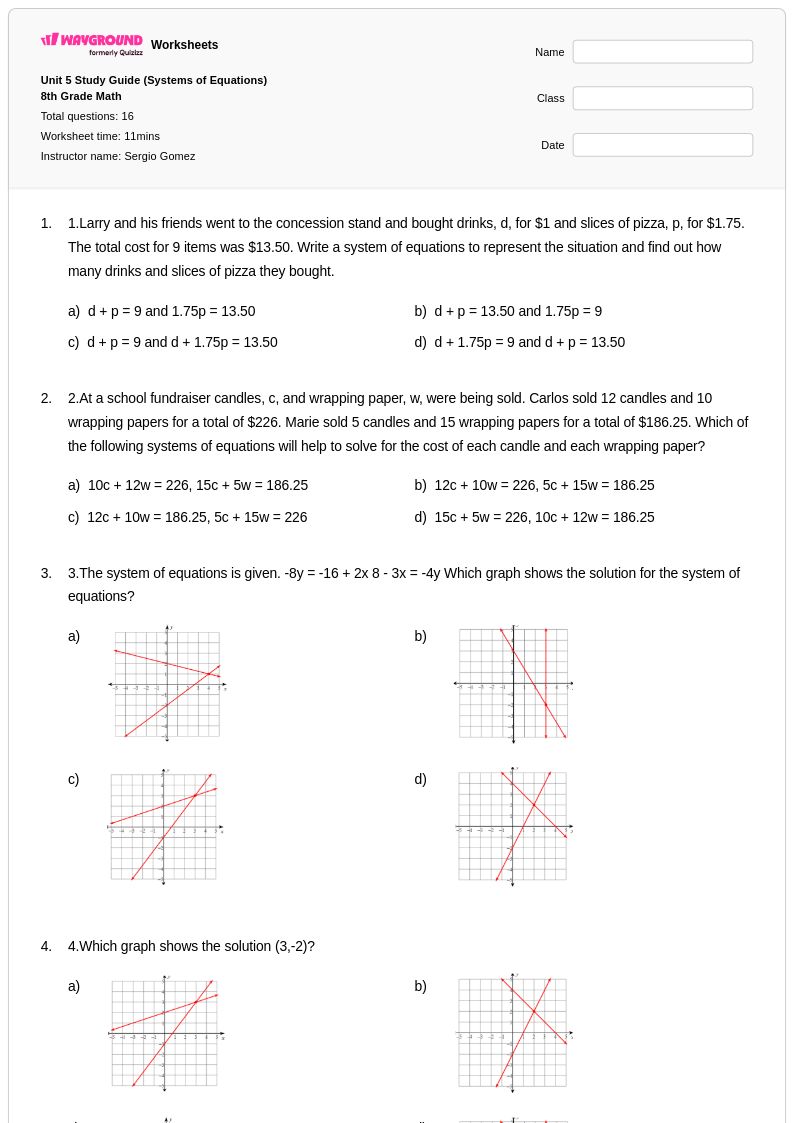
16 คิว
8th
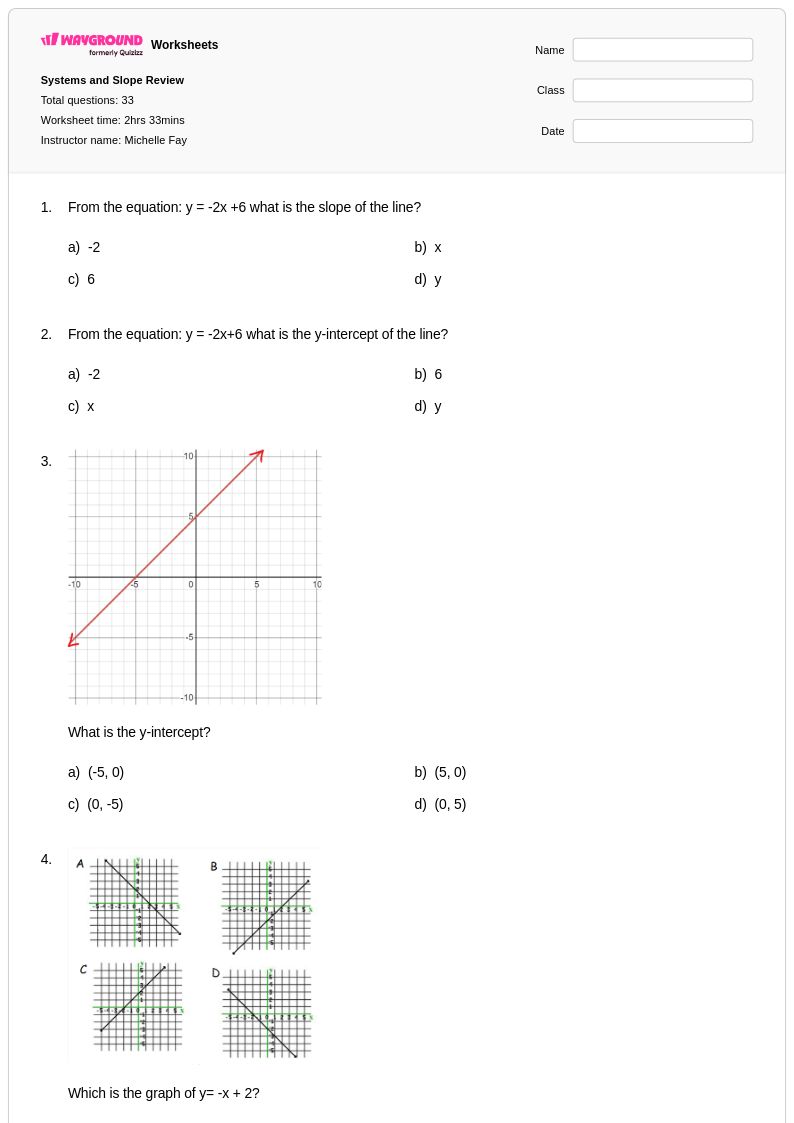
33 คิว
8th
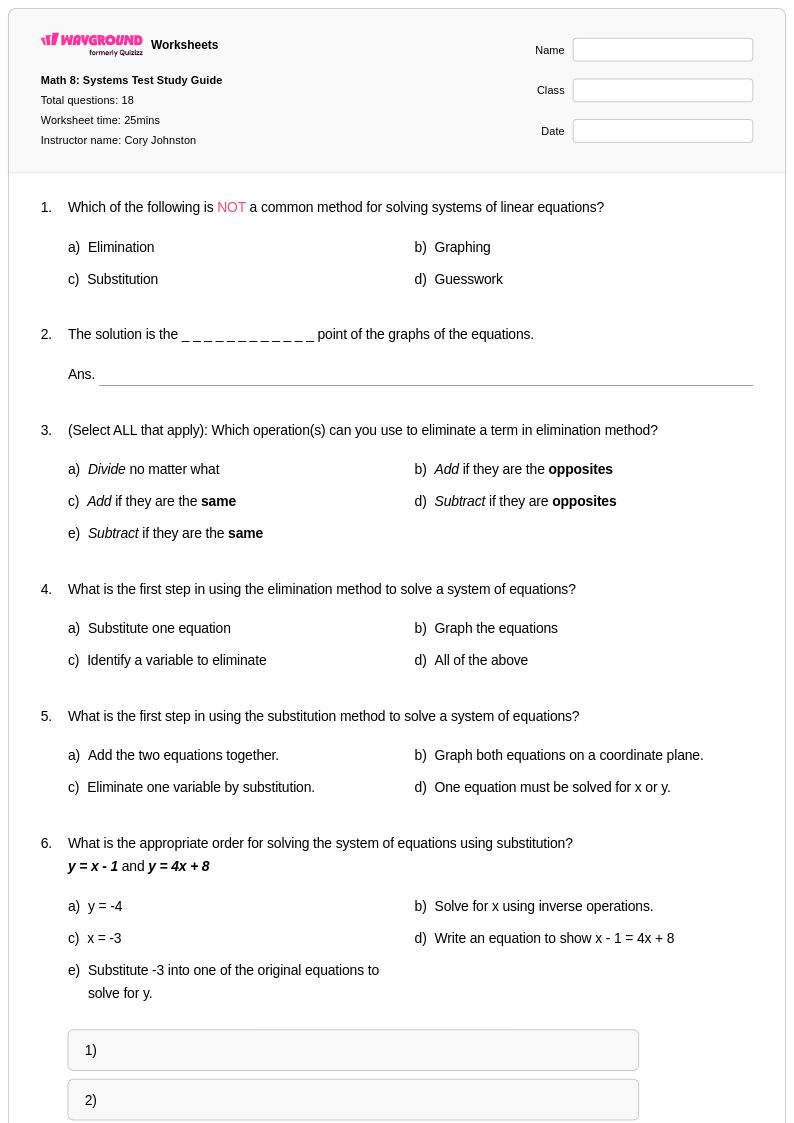
18 คิว
8th
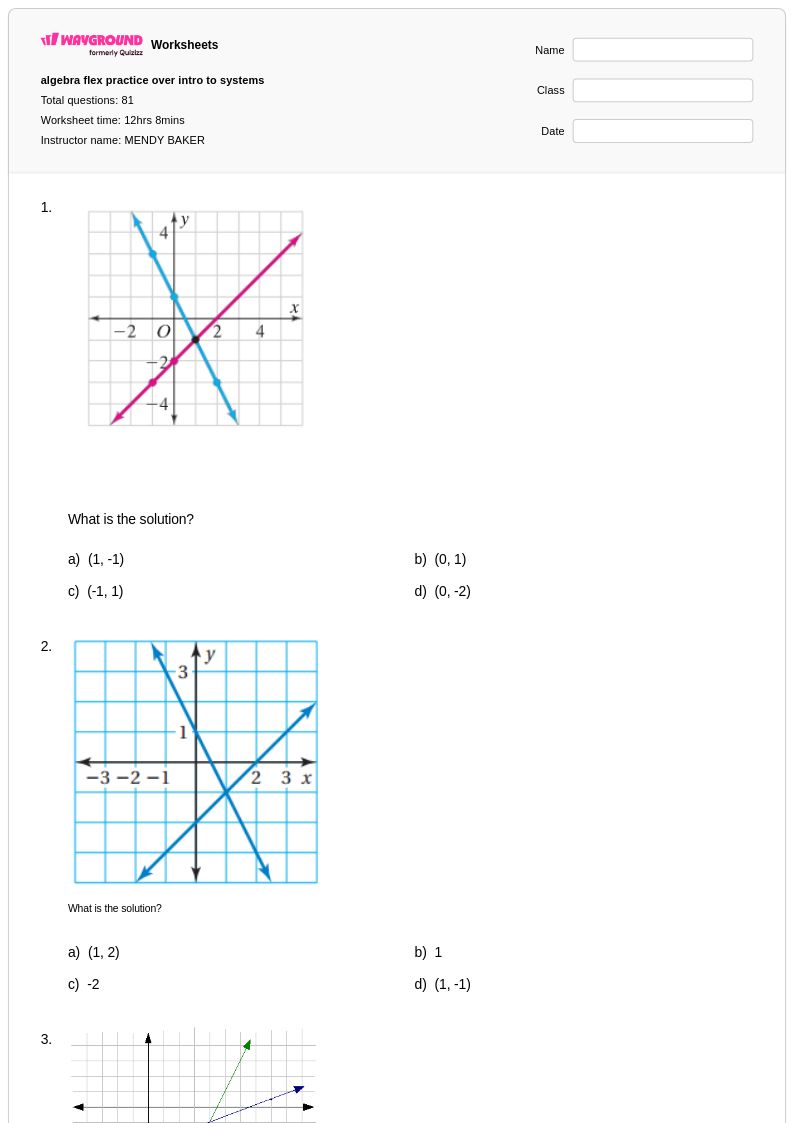
81 คิว
8th
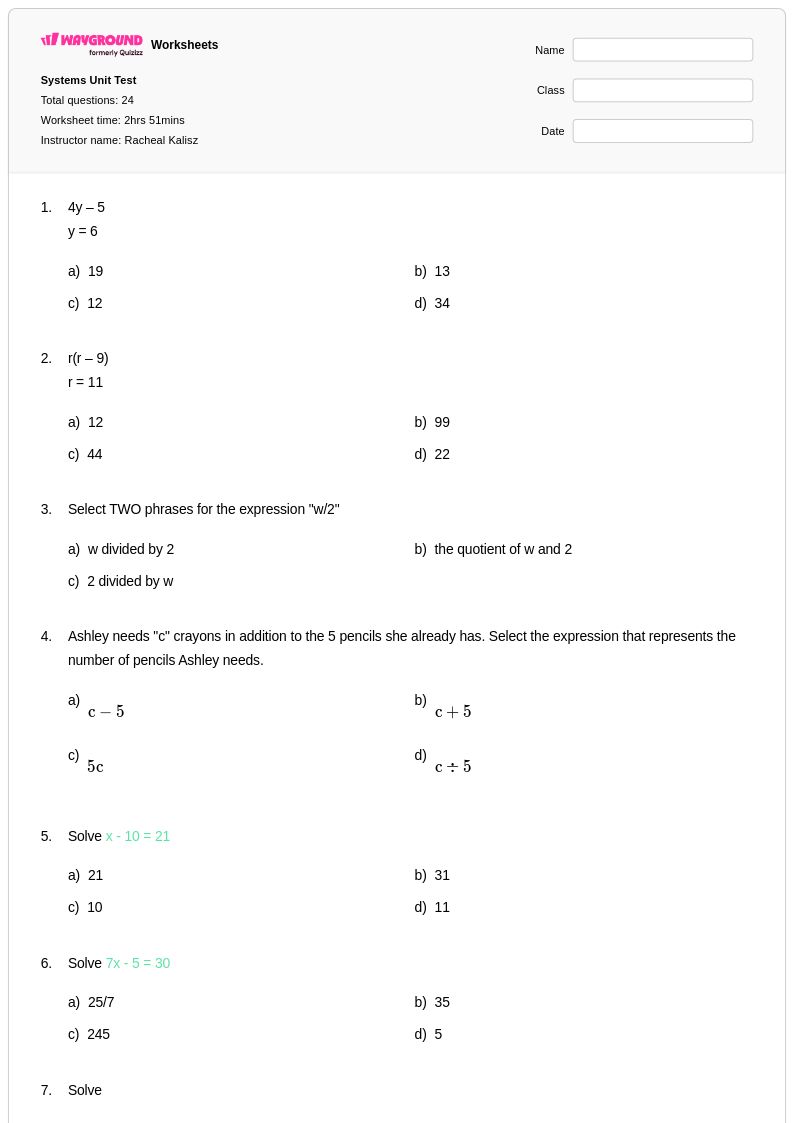
24 คิว
6th - 8th
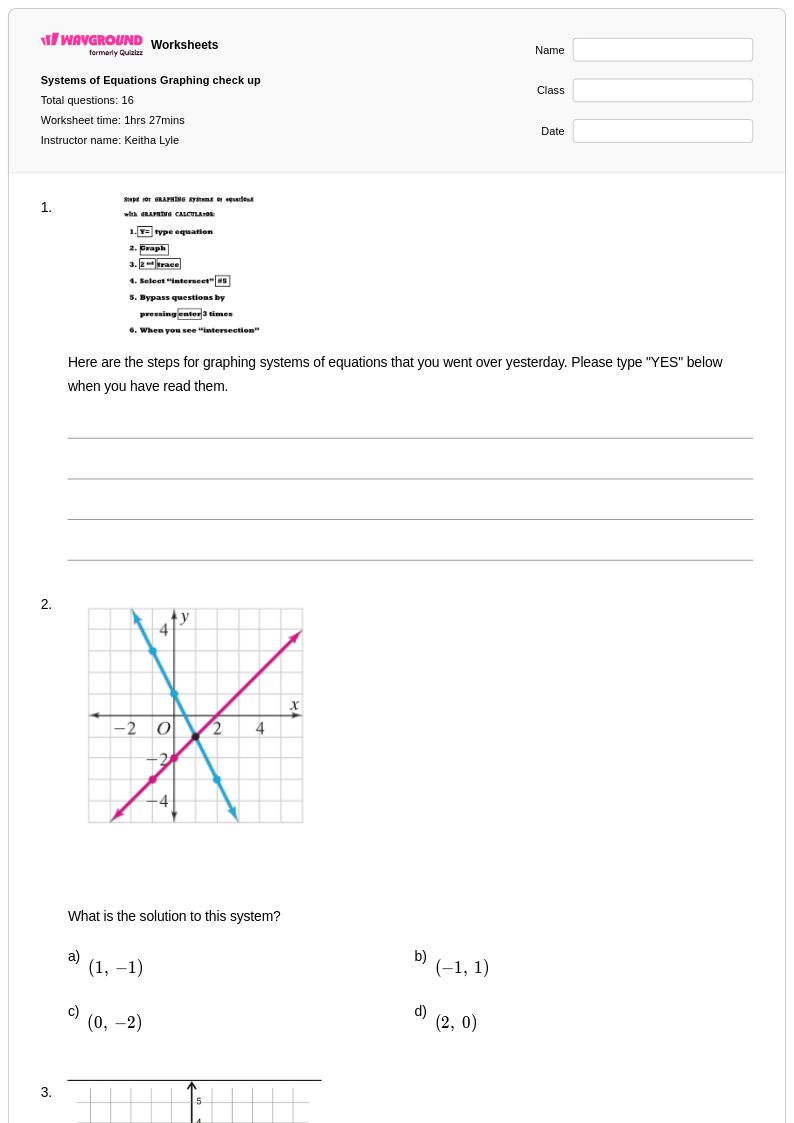
16 คิว
9th
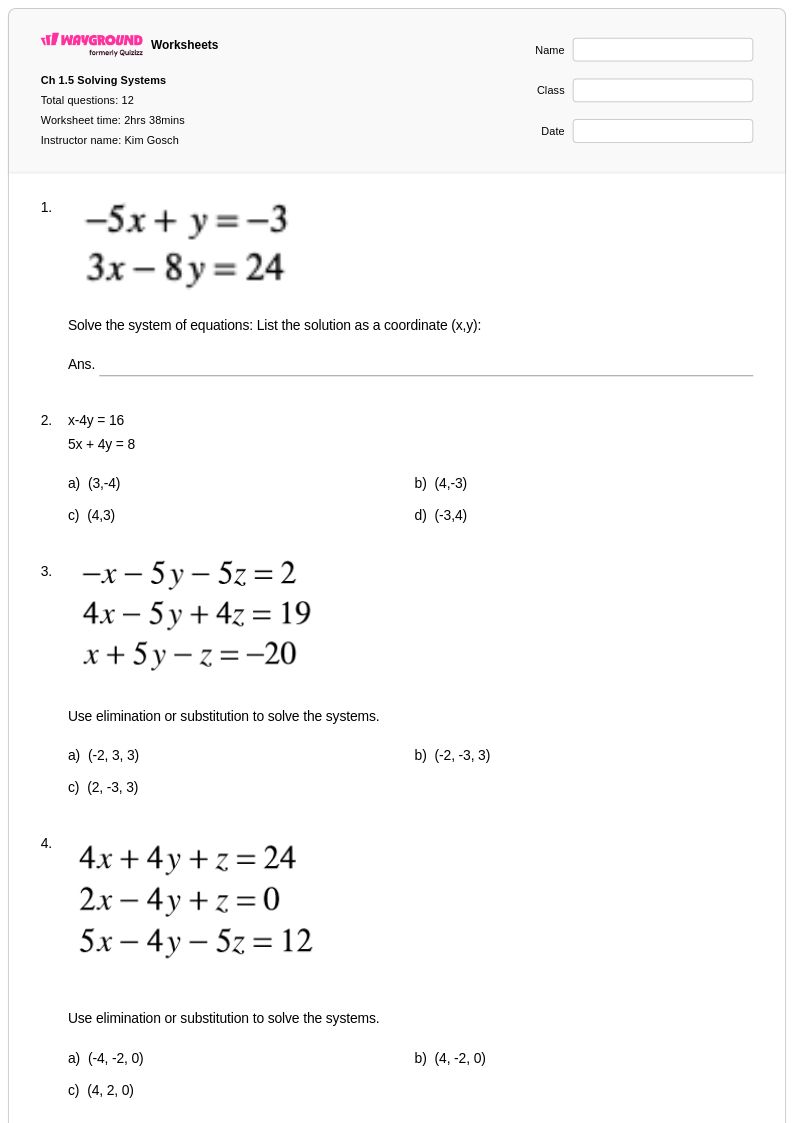
10 คิว
12th
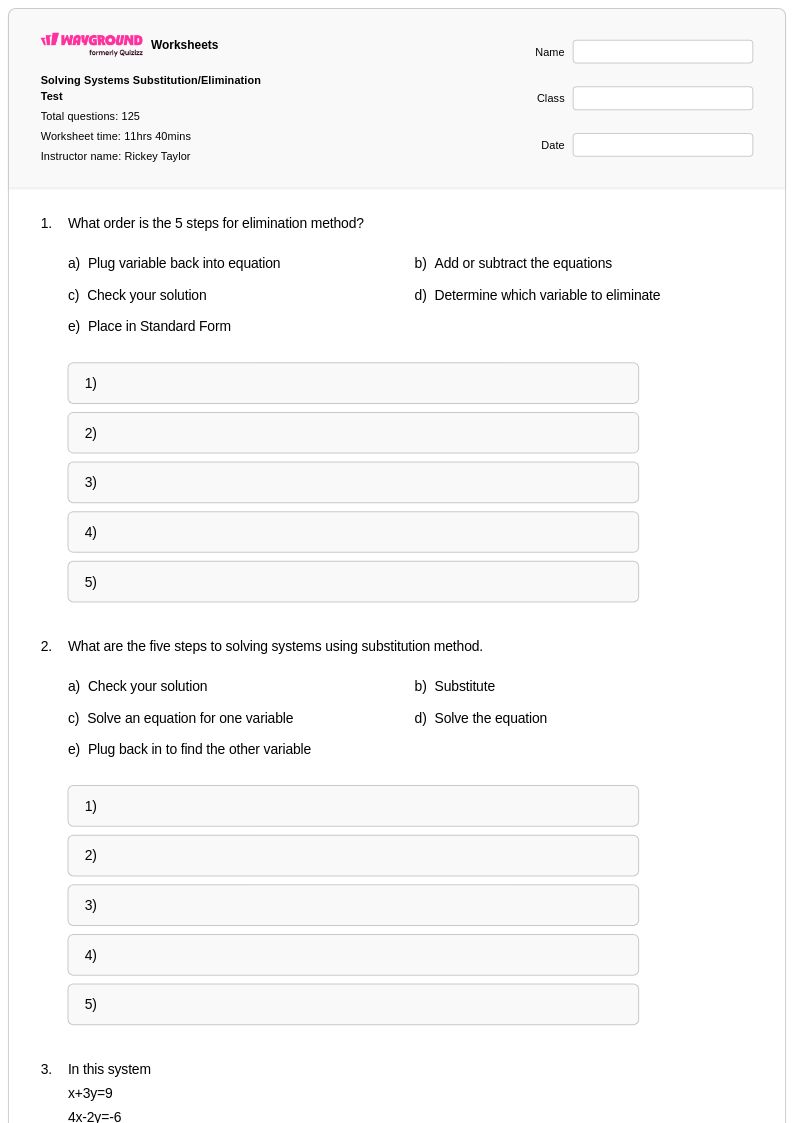
125 คิว
12th
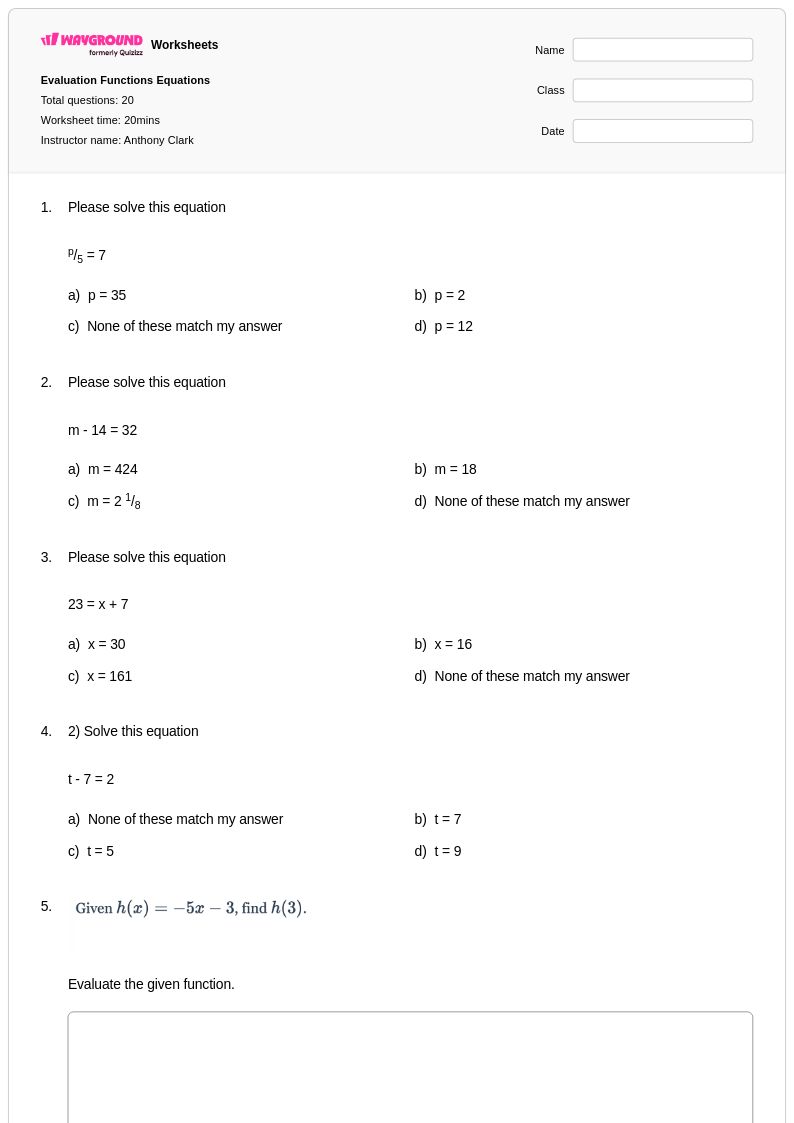
20 คิว
9th - Uni
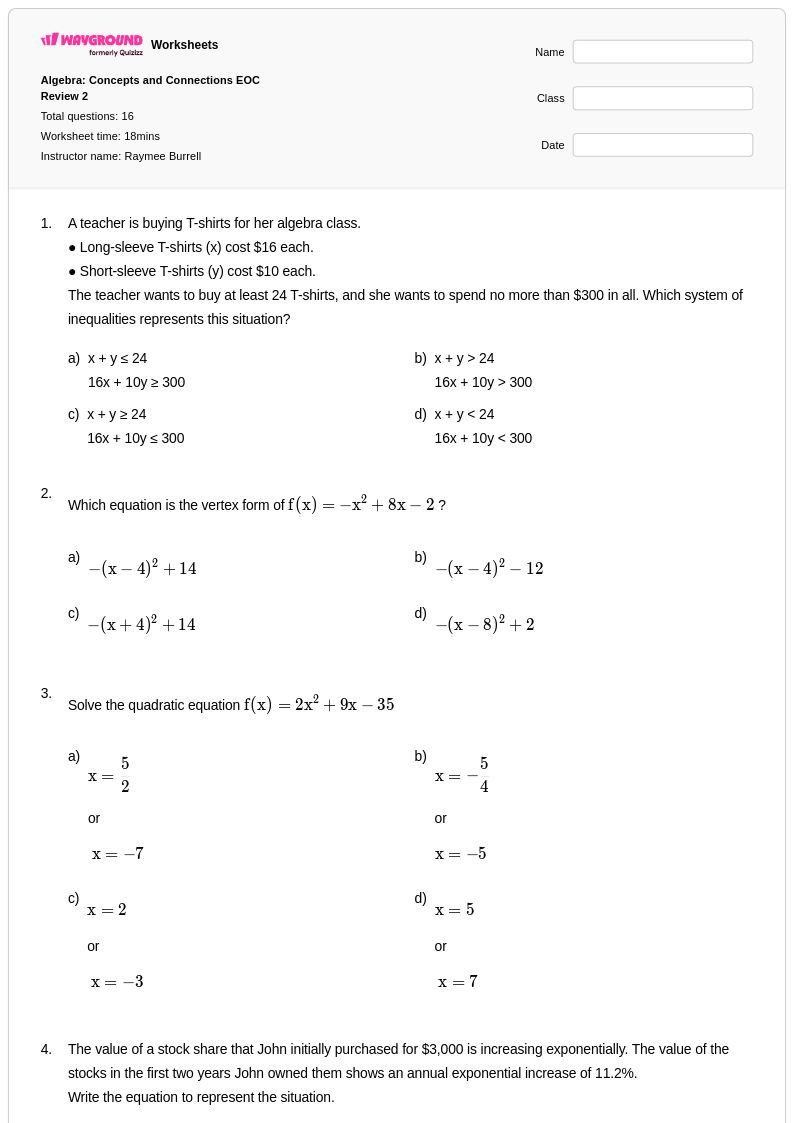
16 คิว
9th
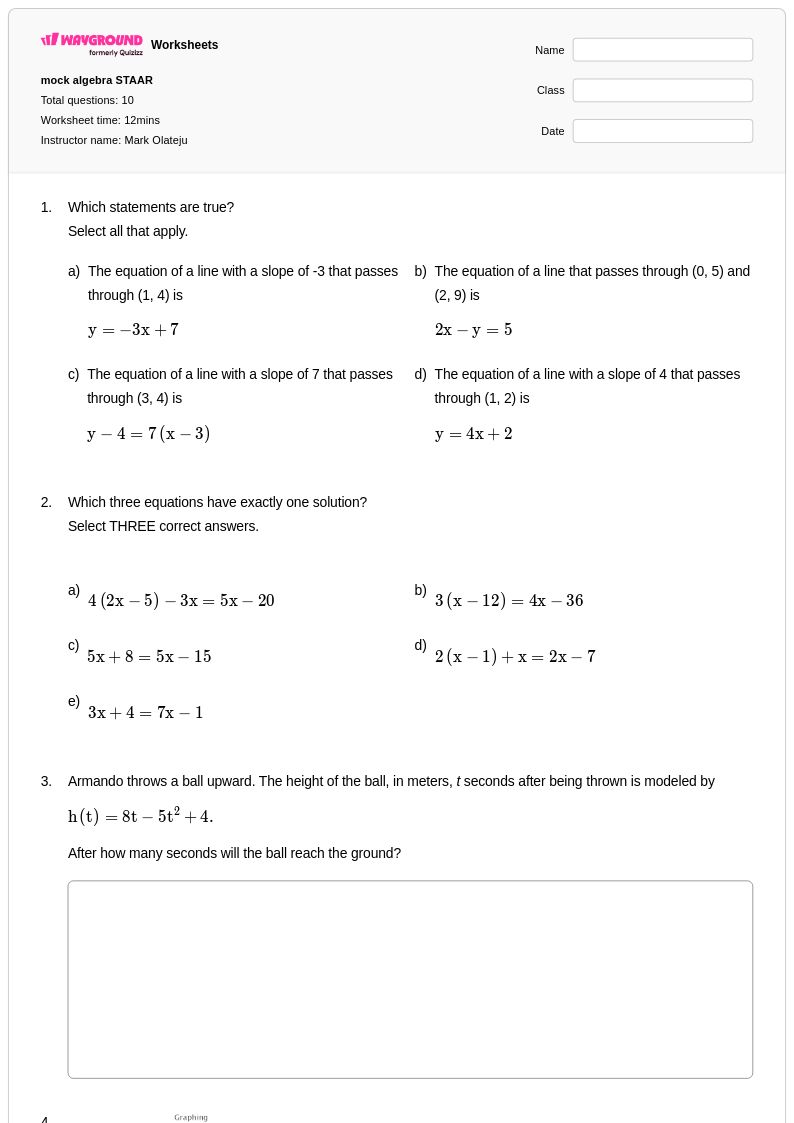
10 คิว
8th
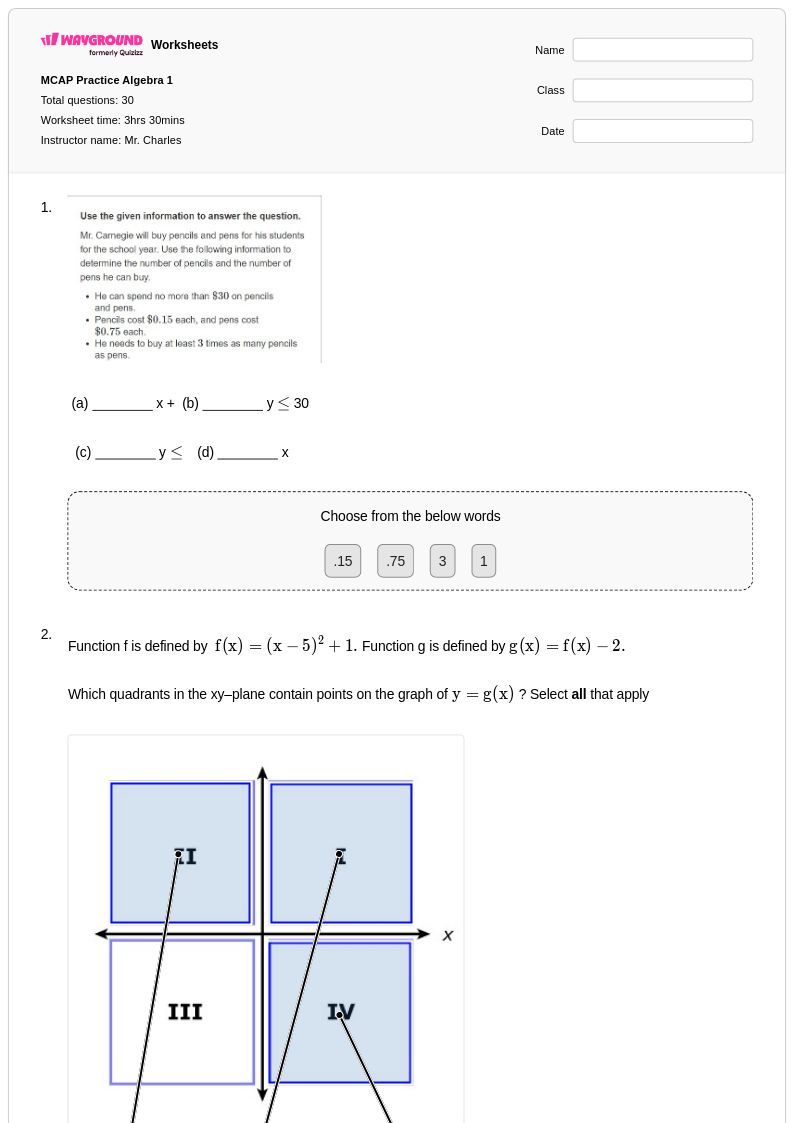
30 คิว
9th
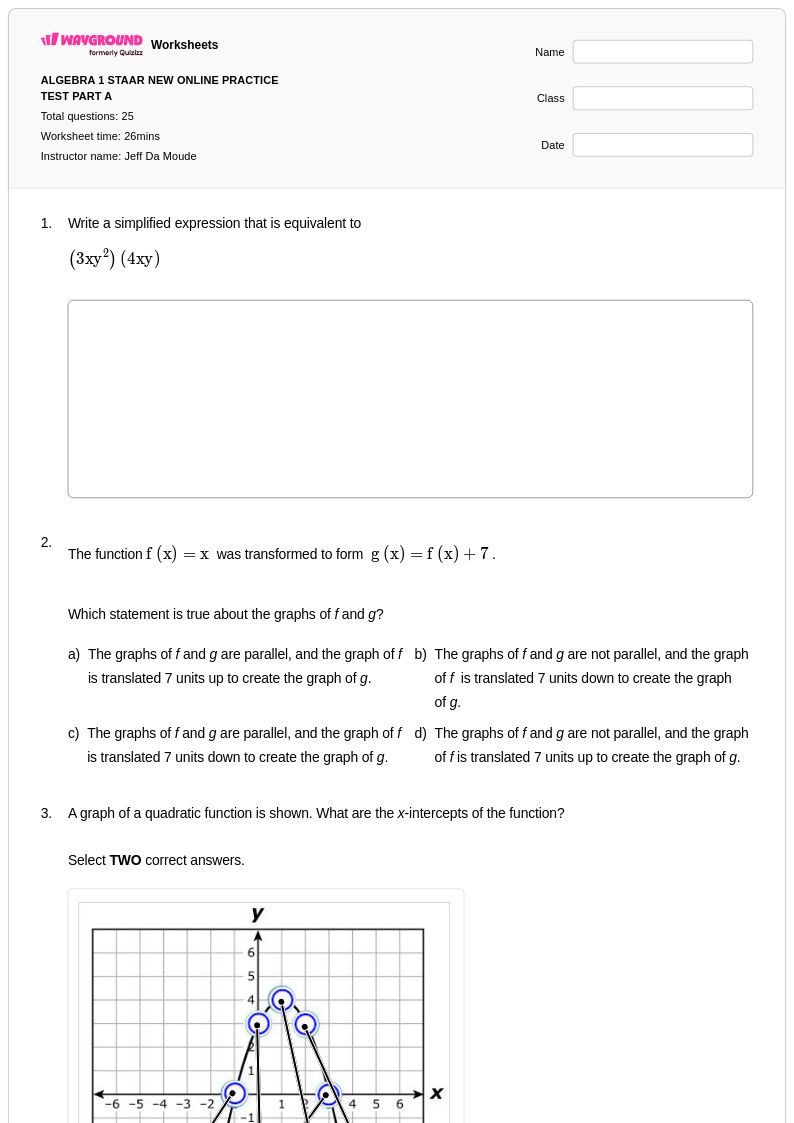
25 คิว
9th - 12th
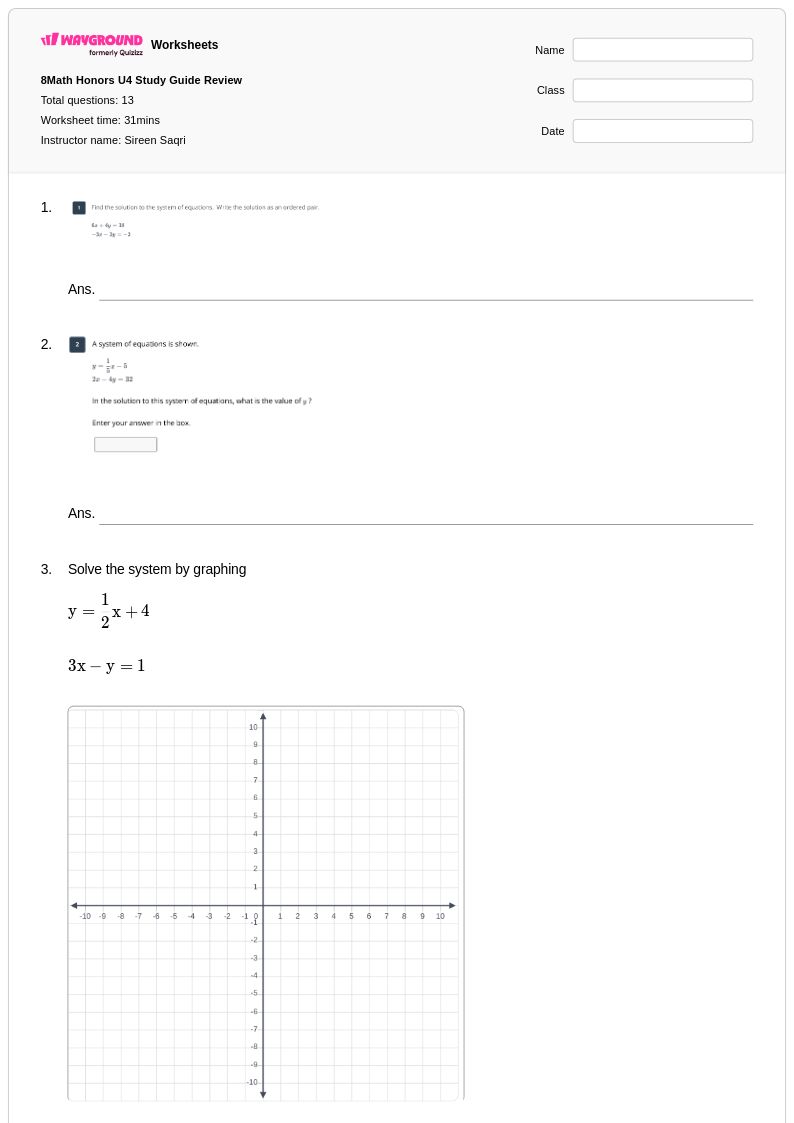
13 คิว
9th - 12th
สำรวจแผ่นงานตามหัวเรื่อง
สำรวจแผ่นงาน ระบบสมการสามสมการ ที่พิมพ์ได้
แบบฝึกหัดระบบสมการสามตัวแปรจาก Wayground (เดิมคือ Quizizz) ให้แบบฝึกหัดที่ครอบคลุมเกี่ยวกับแนวคิดการคำนวณที่ท้าทายที่สุดอย่างหนึ่งในพีชคณิต แหล่งข้อมูลที่ออกแบบมาอย่างพิถีพิถันเหล่านี้ช่วยให้นักเรียนเชี่ยวชาญทักษะการแก้ปัญหาที่ซับซ้อนซึ่งจำเป็นในการหาชุดคำตอบสำหรับตัวแปรสามตัวโดยใช้วิธีการกำจัด การแทนค่า และเมทริกซ์ แบบฝึกหัดแต่ละชุดประกอบด้วยเฉลยคำตอบโดยละเอียดและคำแนะนำการแก้ปัญหาทีละขั้นตอน เพื่อให้แน่ใจว่านักเรียนสามารถตรวจสอบงานของตนเองและระบุจุดที่ต้องปรับปรุง สื่อสิ่งพิมพ์ฟรีและไฟล์ PDF ที่ดาวน์โหลดได้มีแบบฝึกหัดมากมายตั้งแต่ระบบเชิงเส้นพื้นฐานไปจนถึงสถานการณ์ที่ซับซ้อนมากขึ้นซึ่งเกี่ยวข้องกับระบบที่ไม่สอดคล้องกันและระบบที่ขึ้นอยู่กัน ช่วยให้นักเรียนสร้างความมั่นใจในทักษะพีชคณิตพื้นฐานนี้
Wayground (เดิมคือ Quizizz) ช่วยเสริมศักยภาพครูผู้สอนคณิตศาสตร์ด้วยแบบฝึกหัดนับล้านชุดที่สร้างโดยครูโดยเฉพาะซึ่งออกแบบมาสำหรับการสอนและการฝึกฝนระบบสมการสามตัวแปร ความสามารถในการค้นหาและการกรองที่มีประสิทธิภาพของแพลตฟอร์มช่วยให้ครูสามารถค้นหาสื่อที่สอดคล้องกับมาตรฐานการเรียนรู้เฉพาะและแตกต่างกันสำหรับระดับทักษะต่างๆ ในห้องเรียนได้อย่างรวดเร็ว ชุดสื่อการสอนที่ครอบคลุมเหล่านี้ช่วยสนับสนุนการวางแผนบทเรียนที่ยืดหยุ่น โดยนำเสนอทั้งรูปแบบที่สามารถพิมพ์ได้และรูปแบบดิจิทัล ทำให้ง่ายต่อการให้ความช่วยเหลือเฉพาะจุดแก่ผู้เรียนที่มีปัญหา ในขณะเดียวกันก็มอบโอกาสในการเสริมสร้างความรู้ให้แก่ผู้เรียนที่มีความสามารถสูง ลักษณะที่ปรับแต่งได้ของแหล่งข้อมูลเหล่านี้ช่วยให้ครูผู้สอนสามารถปรับระดับความยาก ปรับประเภทของโจทย์ และสร้างแบบฝึกหัดทักษะเฉพาะด้านที่ตอบสนองความต้องการการเรียนรู้เฉพาะของนักเรียนแต่ละคนในหลักสูตรพีชคณิตได้
FAQs
How do I teach students to solve systems of three equations?
What exercises help students practice systems of three equations?
What mistakes do students make when solving systems of three equations?
How can I use a systems of three equations worksheet in class?
How do systems of three equations fit into the Common Core math progression?
How can I differentiate systems of three equations practice?