
Acids and bases
Presentation
•
Science
•
8th - 10th Grade
•
Medium
+1
Standards-aligned
Roy Mathews
Used 578+ times
FREE Resource
8 Slides • 12 Questions
1
Acids and bases
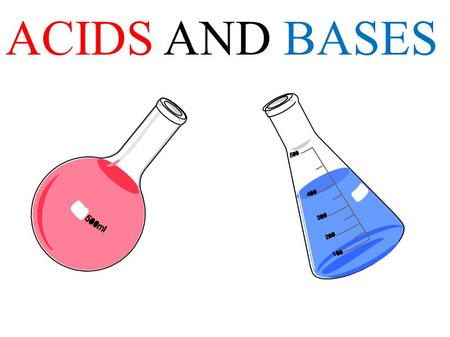
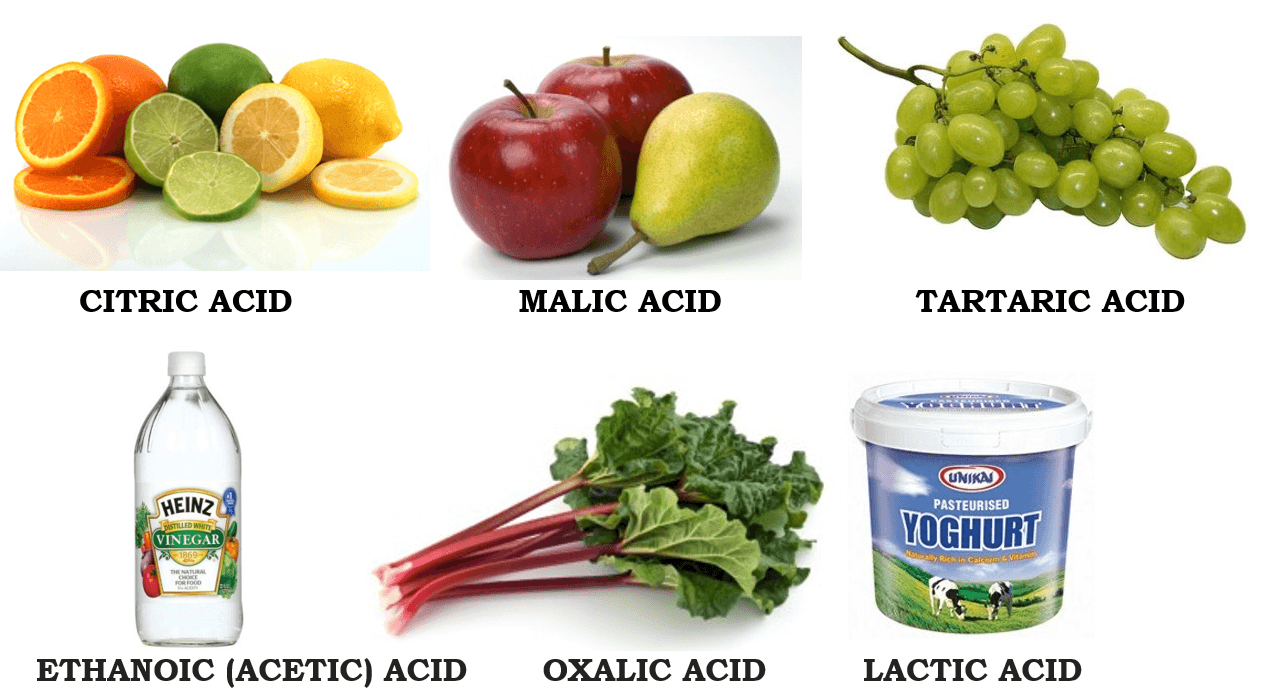
Acids are common in everyday life. Some are weak while others are strong. Many are dangerous to touch or taste. Most weak acids found in nature are quite safe to taste. They are called organic acids. See the list below.
2
3
4
Strong mineral acids
Strong acids are corrosive and they can eat away materials like metals and fabrics. Examples of strong mineral acids found in a school laboratory are:
Hydrochloric acid
HCl
Sulphuric acid
H2SO4
Nitric acid
HNO3
Strong acids can be diluted by adding water. Most fizzy drinks contain dissolved carbon dioxide. When carbon dioxide dissolves in water it forms an acid called carbonic acid (H2CO3).
5
Acids have many uses. Car batteries, for example contain sulphuric acid (H2SO4). Many fertilizers are also made with the help of sulfuric acid (eg. super phosphate). Hydrochloric acid (HCl) is used to clean mortar from bricks. Hydrochloric acid in your stomach is essential for digestion. The genetic material, DNA, found in every living cell is deoxyribonucleic acid.
6
Ants and bees have acids
Acids on your skin sting because they are corrosive and attack your body tissues. This is why lemon juice stings if you get it in a cut on your finger. Certain types of ants and bees sting because they inject you with formic acid.
7
Dilute and concentrated acids
Most fruits contain acids but you can eat them because the acid in them is very dilute. A dilute acid contains large amounts of water and a small amount of acid. Some of the acids that we use at school laboratories are concentrated acids. They contain large amount of acid and very little water.
8
Properties of acids
Acids (weak acids) have sour taste.
They change the colour of indicators such as litmus.
They react with certain metals to form hydrogen gas.
They all provide H+ ions during a chemical reaction.
9
Multiple Choice
Taste of weak acids:
Bitter
Salty
Sour
Sweet
10
Multiple Choice
Weak acids found in living things are called:
organic acid
mineral acid
concentrated acid
carbonic acid
11
Multiple Choice
Sour milk (yoghurt) contain:
hydrochloric acid
lactic acid
sulfuric acid
nitric acid
12
Multiple Choice
Fizzy drinks (soda) contain:
carbonic acid
sulfuric acid
nitric acid
hydrochloric acid
13
Multiple Choice
Acid in your stomach is:
sulfuric acid
nitric acid
citric acid
hydrochloric acid
14
Multiple Choice
Lime juice and orange juice contain:
citric acid
ethanoic acid
Malic acid
Lactic acid
15
Multiple Choice
Most car batteries contain:
citric acid
sulfuric acid
tartaric acid
lactic acid
16
Multiple Choice
All acids provide --- ions
hydrogen
hydroxide
chloride
sulfate
17
Multiple Choice
Sting of a bee injects you with:
sulfuric acid
formic acid
lactic acid
tartaric acid
18
Fill in the Blank
Acids react with certain metals to form _ gas
19
Open Ended
State the difference between a dilute acid and a concentrated acid.
20
Open Ended
Write down the important difference between organic acids and mineral acids.
Acids and bases
Acids are common in everyday life. Some are weak while others are strong. Many are dangerous to touch or taste. Most weak acids found in nature are quite safe to taste. They are called organic acids. See the list below.
Show answer
Auto Play
Slide 1 / 20
SLIDE

Similar Resources on Wayground
17 questions
Biochemistry Introduction
Lesson
•
9th Grade
17 questions
Путешествие в мир эукариотической клетки
Lesson
•
KG
14 questions
ES - Minerals Lesson
Lesson
•
8th - 9th Grade
14 questions
Europe
Lesson
•
9th Grade
20 questions
Aerobic Respiration
Lesson
•
9th - 10th Grade
16 questions
Unit 8 - Topic 1 - DNA Structure
Lesson
•
9th Grade
14 questions
Plastids
Lesson
•
9th Grade
15 questions
Types of Cells
Lesson
•
9th Grade
Popular Resources on Wayground
10 questions
5.P.1.3 Distance/Time Graphs
Quiz
•
5th Grade
10 questions
Fire Drill
Quiz
•
2nd - 5th Grade
20 questions
Equivalent Fractions
Quiz
•
3rd Grade
15 questions
Hargrett House Quiz: Community & Service
Quiz
•
5th Grade
20 questions
Main Idea and Details
Quiz
•
5th Grade
20 questions
Context Clues
Quiz
•
6th Grade
20 questions
Inferences
Quiz
•
4th Grade
15 questions
Equivalent Fractions
Quiz
•
4th Grade
Discover more resources for Science
20 questions
Recognizing Violence and Being an Upstander
Quiz
•
8th Grade
19 questions
Introduction to Properties of Waves
Lesson
•
6th - 8th Grade
16 questions
Interactions within Ecosystems
Lesson
•
6th - 8th Grade
10 questions
Exploring the Layers of the Earth
Interactive video
•
6th - 10th Grade
20 questions
Newton's Laws of Motion
Quiz
•
8th Grade
25 questions
Naming Ionic and Covalent Compounds
Quiz
•
9th Grade
46 questions
8th Science STAAR Review
Quiz
•
8th Grade
20 questions
Balancing Chemical Equations
Quiz
•
9th Grade