

CompTIA Security+ - Security Controls

Presentation
•
Information Technology (IT)
•
Professional Development
•
Practice Problem
•
Hard

Britney Fletcher
Used 7+ times
FREE Resource
7 Slides • 9 Questions
1
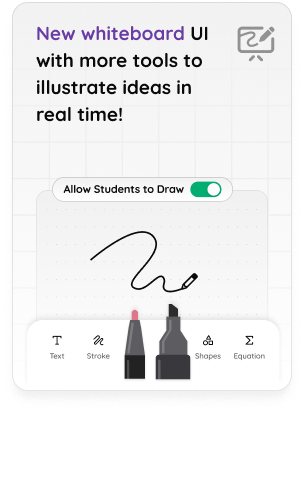
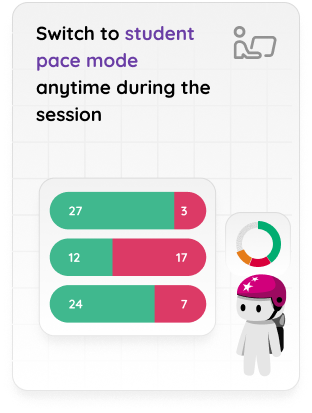
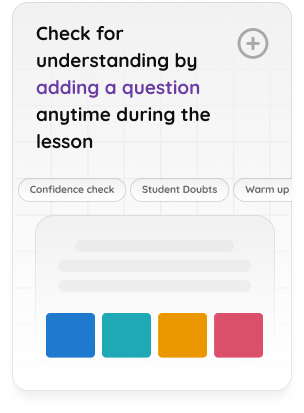
Discover new features in Lessons!
Finish all phases of “I-do ; We-do ; You-do” with Quizizz
2
Physical controls are tangible protections implemented to safeguard hardware and facilities from unauthorized access or damage. These include barriers such as locks, fences, biometrics, surveillance systems, and guards. Their primary function is to prevent physical intrusion that could lead to data breaches or equipment theft. These controls are essential in controlling access to sensitive areas, ensuring that only authorized personnel can reach critical infrastructure components.
Physical controls play a role in disaster recovery planning by safeguarding backup systems and maintaining continuity during power outages or natural disasters. Environmental monitoring systems also fall under this category, protecting assets from temperature fluctuations, humidity, and other conditions that might compromise equipment integrity.
Physical Controls
Technical controls use technology to protect information systems and networks from cyber threats. These include tools like firewalls, encryption, antivirus software, intrusion detection systems, and access controls. They automate the process of monitoring and responding to cyber threats, managing the vast volume of data and potential vulnerabilities. Technical controls are often the first line of defense in identifying and mitigating threats.
Technical controls adapt to new threats, often through regular updates and patches that address known vulnerabilities. This adaptability is crucial, especially in environments experiencing rapid technological changes or facing sophisticated cyber-attacks. Continual assessment and fine-tuning are necessary to maintain the efficacy of these technical measures.
Technical Controls
Administrative controls involve policies, procedures, and practices that manage the security framework within an organization. These include security policies, training programs, access management, and risk assessments designed to guide personnel on best practices for data protection. Administrative controls set the organizational tone, influencing the security culture and ensuring compliance through structured oversight.
Administrative controls are critical for incident response planning and executing regular security audits. They establish roles and responsibilities, ensuring everyone understands their part in maintaining security. By emphasizing employee training and adherence to security policies, these controls reduce human error and improve the overall effectiveness of security measures.
Administrative Controls
3

Fences
Doors
Locks
Cameras
Security guards
Protective barriers
Access control
Perimeter intrusion detection
Deterrent systems
Fire protection
Physical Controls
4
Technical Controls
Tools and systems used to protect sensitive information from cyber threats. They use software and hardware to defend digital data. Examples of technical controls include encryption, firewalls, anti-virus software, and data backups.
5
Administrative Controls
Prevention, Correction, Determent, Compensation
Include policies, procedures, and guidelines to manage and secure assets. Examples include security training, least privilege policies, incident response plans, and personnel management controls.

6
Critical Administrative Controls
Now that we have defined the goals of our security controls, we can get to the real meat and potatoes of this post. Administrative controls are vitally important for a company’s defenses but are often the most overlooked control. Almost all security actions come from an administrative decision at some point. Nothing happens within a vacuum. But some of the more complex goals and examples are rarely even entertained until it is too late. Below we will define a few of the most critical administrative controls and the categories in which they fit. Remember that a single solution will likely fit into multiple control categories and goals so we will simply emphasize certain examples below.
Administrative Control – Corrective
Incident Response Plan - This is the big one. Incident Response Plans are a corrective administrative control that provides incalculable value in the form of disaster preparedness. It is fairly common knowledge that companies need a plan when dealing with an incident, but very few companies have documentation that details their exact goals and strategy should an incident occur. “How did this happen? Who should we call? How long have the attackers been in our network? What have they taken?” These questions may have extremely complex answers that require full-fledged investigations. Obviously not every business can afford an Incident Response Team that is available 24/7. However, every single business can afford to take the time to develop a solid Incident Response Plan.
Administrative Control – Detective
Auditing – Most products contain thorough logs that allow owners to audit the users and data involved with the system. By setting up a regular review of these events, companies may detect an attack that was never seen by other tools. For example, reviewing badge-reader access logs to a restricted area may reveal evidence of a potential incident.
Administrative Control – Preventative
User Training – As technology gets better and better, the human has proved to be the weakest link in the chain. Attackers have started targeting employees for easy access into the most critical assets. User training helps combat this strategy by shoring up defenses where they matter most. The best training engages users with timely exercises and simulations in order to drive home the effectiveness of some of the new attack techniques.
Administrative Control – Determent
“Bug Bounty” – This control falls under many categories, but we feel it is administrative-focused on deterring negative behavior. Placing a large bounty for outside users that discover security threats helps to incentivize attackers by giving rewards when vulnerabilities are discovered. Without a system to reward the discovery of a vulnerability, the attackers may launch an actual attack instead of reporting the issue.
7
8
Multiple Choice
These are controls that are managed by people. If we have security guards posted at the front doors or we have an awareness program to let people know that phishing is a significant concern, these would be operational controls.
Operational
Managerial
Technical
Physical
9
Multiple Choice
This is a control that focuses on the design of the security or the policy implementation associated with the security. We might have a set of security policies for our organization or set of standard operating procedures that everyone is expected to follow
Operational
Managerial
Technical
Physical
10
Multiple Choice
we can use our own systems to prevent some of these security events from occurring
Operational
Managerial
Technical
Physical
11
Multiple Choice
Control Type: Preventative Control
Something like locks on a door or a security guard would certainly prevent access as would a firewall, especially if we have a connection to the internet
it can certainly identify that activity is there, but cannot prevent it.
designed to mitigate any damage that was occurred because of a security event
There could be a login banner and a sign in page that lets people know that you’re watching for the log ins
12
Multiple Choice
Control Type: Detective Control
Something like locks on a door or a security guard would certainly prevent access as would a firewall, especially if we have a connection to the internet
it can certainly identify that activity is there, but cannot prevent it.
designed to mitigate any damage that was occurred because of a security event
There could be a login banner and a sign in page that lets people know that you’re watching for the log ins
13
Multiple Choice
Control Type: Corrective Control
Something like locks on a door or a security guard would certainly prevent access as would a firewall, especially if we have a connection to the internet
it can certainly identify that activity is there, but cannot prevent it.
designed to mitigate any damage that was occurred because of a security event
There could be a login banner and a sign in page that lets people know that you’re watching for the log ins
14
Multiple Choice
Control Type: Deterrent Control
Something like locks on a door or a security guard would certainly prevent access as would a firewall, especially if we have a connection to the internet
it can certainly identify that activity is there, but cannot prevent it.
designed to mitigate any damage that was occurred because of a security event
There could be a login banner and a sign in page that lets people know that you’re watching for the log ins
15
Fill in the Blanks
16
Fill in the Blanks
Discover new features in Lessons!
Finish all phases of “I-do ; We-do ; You-do” with Quizizz
Show answer
Auto Play
Slide 1 / 16
SLIDE
Similar Resources on Wayground

13 questions
CAN, HAVE TO, MUST
Presentation
•
University
11 questions
Although / However / But
Presentation
•
Professional Development
12 questions
Chat GPT and AI
Presentation
•
Professional Development
12 questions
B1 Reported questions
Presentation
•
Professional Development
11 questions
Electromagnet and Magnetism Recap
Presentation
•
8th Grade
13 questions
Narrative text - Fantasy
Presentation
•
Professional Development
12 questions
ABOUT TOCA BOCA
Presentation
•
Professional Development
11 questions
Calculating overtime pay
Presentation
•
Professional Development
Popular Resources on Wayground
6 questions
Secondary Safety Quiz
Presentation
•
9th - 12th Grade
10 questions
MyPath Diagnostic Overview
Presentation
•
6th - 8th Grade
20 questions
Lab Safety Quiz

Quiz
•
6th Grade
21 questions
Continents and Oceans
Quiz
•
6th Grade
20 questions
Adding and Subtracting Decimals
Quiz
•
5th Grade
20 questions
Parts of Speech
Quiz
•
5th Grade
16 questions
Subject & Predicate
Quiz
•
5th Grade
21 questions
Lab Safety
Quiz
•
10th Grade
Discover more resources for Information Technology (IT)
5 questions
Setting goals for the year
Quiz
•
Professional Development
87 questions
STEM Academy
Quiz
•
Professional Development
20 questions
Employability Skills
Quiz
•
Professional Development
20 questions
Interval & Set Notation
Quiz
•
9th Grade - Professio...
10 questions
How to Email your Teacher
Quiz
•
Professional Development