

Unit 110/111 prep

Presentation
•
Other
•
10th Grade
•
Practice Problem
•
Easy

Courtney Sweet
Used 2+ times
FREE Resource
18 Slides • 13 Questions
1
Level 1 Animal Care: Feed Management & Hygiene
By Courtney Sweet
Preparing for Assessment: Stock Control, Storage, & Preparation

2
Objectives
By the end of this session, you will be able to:
State processes for ordering and checking feed.
Explain how to store feed and rotate stock correctly (FIFO).
List key hygiene and safety rules for feed preparation.
Outline procedures for handling waste and pests.

3

Check Stock → Order → Receive → Store → Use → Record
The Stock Management Loop
4
Key Records
Order Forms: What was requested?
Delivery Notes: What arrived?
Stock Cards/Sheets: Tracking current quantity (when received/used)?
5

6
Checks
Have you recieved the right brand of feed?
Have you received the correct quantity of feed?
Is there any damage on the packaging? (follow up question- if there were holes in the packaging- what could this be a sign of?
Is there any feed that is incorrect?
Is the feed in food condition?
Is there any feed missing?

7
Multiple Choice
What should you do to check you have enough feed?
8
Multiple Choice
What checks should you do when feed deliveries arrives?
9
Receiving Deliveries
Check Quantity: Purpose: Ensure the right amount arrived and that you are charged correctly.
Consequence of failure: Running out of feed (starvation risk).
Check Quality: Purpose: Ensure the feed is safe and suitable. Consequence of failure: Feeding contaminated food (animal illness/death).
Unacceptable Feed Look for: Damaged/ripped packaging. Mould, unusual smells, or discoloration. * Expired 'Use By' or 'Best Before' dates.
Action for Shortfalls DO NOT USE! Report immediately to a supervisor and record the issue.

10
Safe Storage- Storing and Rotating Feed
Group discussion- What are the consequences of not storing food correctly?
11

Dry/Kibble (Needs sealed, dry container).
Wet/Canned (Cool, dry location).
Fresh/Frozen (Refrigerated or frozen until use).
Types of Feed
12
Multiple Choice
Which of the answers are a consequence of bad feed storage?
13
Open Ended

List 3 animals which have pelleted feed:
14
Open Ended
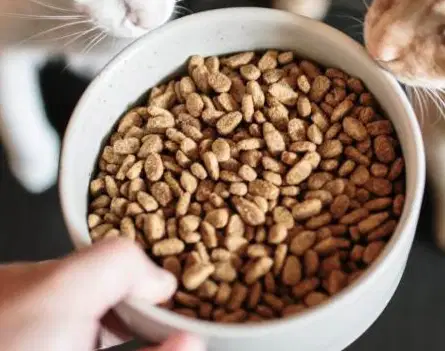
List 3 animals on dry biscuit feed:
15
Open Ended

List 3 animals on canned feed:
16
Open Ended
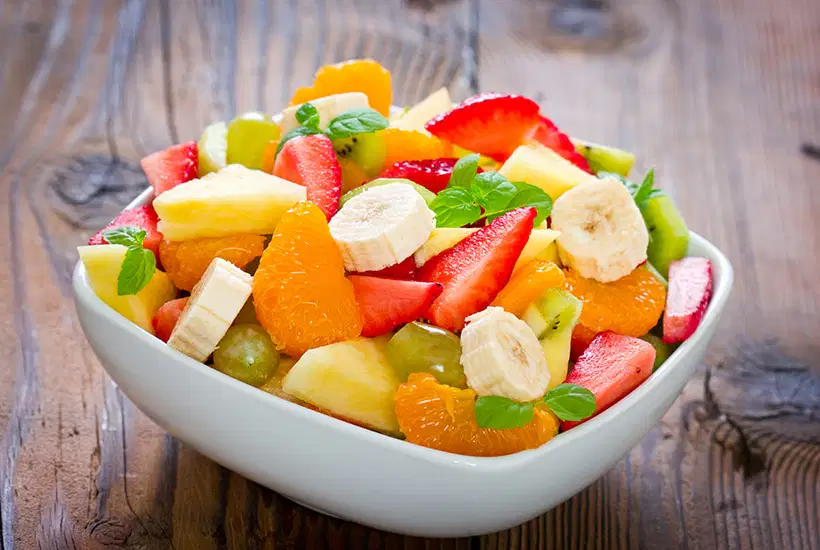
List 3 animals on fresh fruit and veg:
17
Consequences of Poor Storage
Mould/Spoilage: If exposed to moisture/heat.
Nutrient Loss: If left open to air.
Pest Contamination.

18
Stock Rotation
Principle: FIFO (First In, First Out).
The oldest stock (received first) must be used first.
Why? To maintain nutritional quality and prevent using expired feed.
19
Multiple Choice
Which best before date should be used first?
10/04/2025
23/04/2025
02/04/2025
15/05/2025
20
Reorder
Place the feed in the correct order you would store it by date (Left Is front of storage-right is back)
03/06/2025
05/08/2025
22/12/2025
01/01/2026
07/04/2026
21
Identifying and Dealing with Pests
Signs of Infestation- 🐀 Physical evidence: Droppings, gnaw marks, chewed bags. 🕸️ Activity: Nests, trails, or sightings of pests (mice, beetles, flies).
Action to take- 🛑 Stop using the affected feed. 📝 Inform your supervisor immediately. 🗑️ Quarantine the area and follow the facility's official pest control procedure.


22
Multiple Choice
What can help prevent feed infestations?
Proper storage, cleanliness and regular inspection of feed.
23
The Importance of Hygiene
Hygiene is Vital Animal Health: Prevents spread of disease (e.g., from raw meat to dry food).
Human Health: Prevents zoonotic diseases (passed from animals to humans).
Hand Washing MUST BE DONE: Before feed preparation, after handling raw food, and after contact with animals/waste.
Health & Safety- Use dedicated preparation surfaces/boards and keep the area clean.
Report spills immediately to prevent slips.

24

25
Equipment: Scales/Measures: Precise portion size. Dedicated Scoop: Transferring food (prevents cross-contamination). Dedicated Can Opener: Opening tins. Safety: Clean all utensils before and after every use.
Preparation Procedures: Check the Diet Sheet (correct animal/food). 2. Wash Hands. 3. Prepare Feed(e.g., thawing, soaking, chopping). 4. Measure Precisely (portion control). 5. Deliver Feed.
Importance: Ensures animals get the correct, safe, and nutritious amount.Preparation by Type Frozen: Thaw slowly in a fridge, then warm to room temperature. Fresh: Wash and cut to suit the animal.
Equipment and Preparation Procedures
26
Legislation
Animal Welfare Act 2006
Focus: PROTECTING THE ANIMAL
This law states you must provide for the 5 Welfare Needs.
Need for a suitable diet: You legally must provide the right food and fresh water.
Consequence: It is illegal to let an animal starve or become dangerously obese.
Health & Safety at Work Act 1974
Focus: PROTECTING YOU
This law keeps staff safe while working.
Employer Duty: Must provide training (e.g., safe knife use) and PPE.
Your Duty: You must wear PPE (gloves, aprons) and follow safety rules. Don't take risks!

27
Waste disposal
The Bins
General Waste: Wrappers, plastics.
Recycling: Clean tins, cardboard boxes.
Clinical Waste (Yellow): Anything infectious.
Food Waste: Specific bins for animal waste. Usually compost bins for fruit, veg and leaves.


28
Multiple Choice
What bin do you put food waste in?
29
Multiple Choice
What is the difference between the health and safety act and animal welfare act?
The Health and Safety Act pertains to workplace safety for humans, while the Animal Welfare Act focuses on the treatment and welfare of animals.
30
Drag and Drop
31
Your practical assessment
1.1 Work in a healthy and safe way which complies with legislation |
1.2 Check report that the correct quantities and types of animal feed have been delivered and that they are in an acceptable condition |
1.3 Move, store and handle 2 types of animal feed safely, and in a way that protects it from damage and contamination and minimises wastage |
1.4 Store animal feed safely according to instructions, in the order in which it is to be used |
1.5 Check stored animal feed regularly for any signs of pest infestation and report this to the appropriate person straight away |
1.6 Check stock levels regularly and tell the appropriate person if stocks are low |
Assist with preparing feed for animals |
2.1 Wash their hands effectively before and after handling animal feed |
2.2 Obtain the equipment and materials needed to prepare and serve animal feed |
2.3 Clean work surfaces, utensils and equipment effectively before and after use |
2.4 Identify the type and quantity of animal feed required for each animal from feeding plans |
2.5 Prepare the required amount of animal feed according to instructions in a way that minimises wastage |
2.6 Use the appropriate utensils in a hygienic way according to instructions |
2.7 Work in a healthy and safe way that complies with legislation |
2.8 Dispose of any stale and unusable animal feed in a safe place and put equipment and utensils away safely |
Level 1 Animal Care: Feed Management & Hygiene
By Courtney Sweet
Preparing for Assessment: Stock Control, Storage, & Preparation
Show answer
Auto Play
Slide 1 / 31
SLIDE
Similar Resources on Wayground

22 questions
DNA and RNA Review
Presentation
•
10th Grade
27 questions
The Enlightenment
Presentation
•
10th Grade
22 questions
Economic Resources & Scarcity
Presentation
•
9th - 10th Grade
23 questions
Covalent Bonds Notes
Presentation
•
10th Grade
24 questions
1.10 Niche and Competition
Presentation
•
KG
22 questions
Bahasa Inggris
Presentation
•
10th Grade
22 questions
DNA/RNA Mutations
Presentation
•
10th Grade
22 questions
Reading Strategies
Presentation
•
10th Grade
Popular Resources on Wayground
20 questions
Math Review

Quiz
•
3rd Grade
15 questions
Fast food
Quiz
•
7th Grade
20 questions
Context Clues
Quiz
•
6th Grade
20 questions
Inferences
Quiz
•
4th Grade
19 questions
Classifying Quadrilaterals
Quiz
•
3rd Grade
20 questions
Figurative Language Review
Quiz
•
6th Grade
20 questions
Equivalent Fractions
Quiz
•
3rd Grade
10 questions
Identify Fractions, Mixed Numbers & Improper Fractions
Quiz
•
3rd - 4th Grade
Discover more resources for Other
10 questions
Fact Check Ice Breaker: Two truths and a lie
Quiz
•
5th - 12th Grade
10 questions
Video Games
Quiz
•
6th - 12th Grade
10 questions
Test Your Knowledge with 15 Fun Trivia Questions

Interactive video
•
6th - 10th Grade
15 questions
Memorial Day Trivia
Quiz
•
KG - 12th Grade
12 questions
Name that Candy
Quiz
•
KG - 12th Grade
20 questions
Guess The App
Quiz
•
KG - Professional Dev...
30 questions
K/H Final Review Part 1
Quiz
•
9th - 12th Grade
40 questions
NCFE Earth and Environmental Science Released Test
Quiz
•
9th - 12th Grade