Unit 4 Covalent Bonds Honors
Presentation
•
Science
•
10th Grade
•
Easy
+2
Standards-aligned
Lisa Mas
Used 4+ times
FREE Resource
22 Slides • 23 Questions
1
2
3
Multiple Choice

4
Multiple Choice
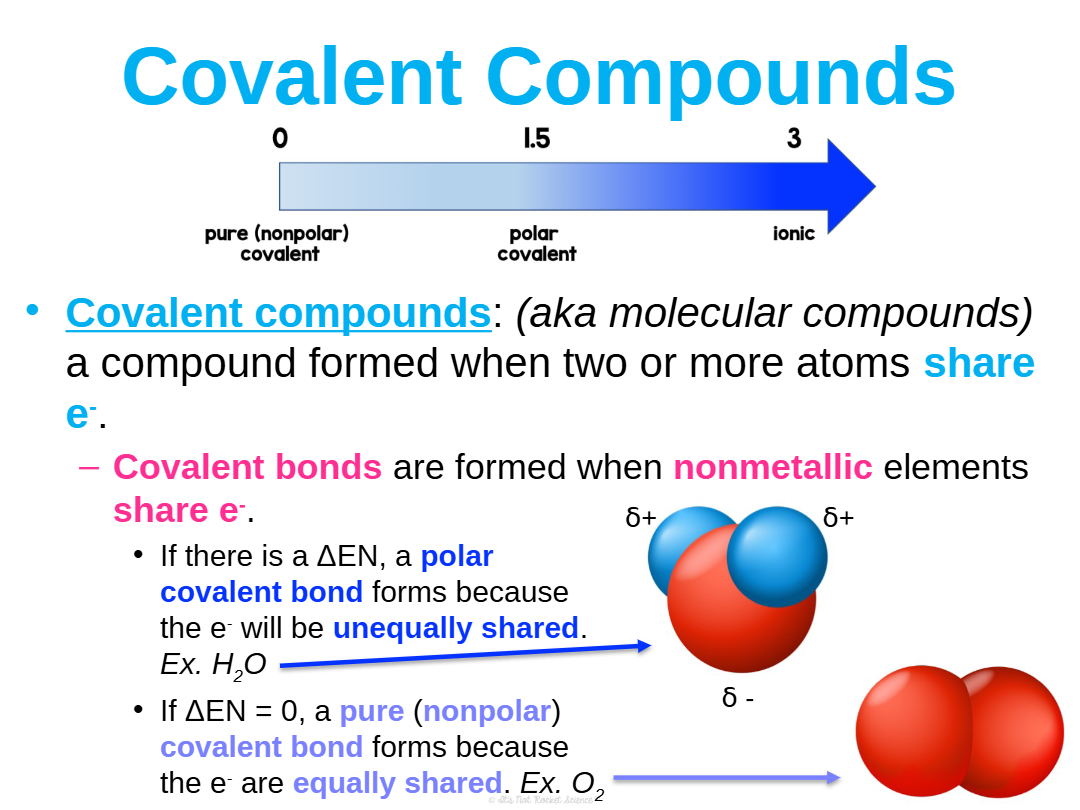
Which of the following best describes a covalent compound?
A compound formed when two or more atoms share electrons
A compound formed when atoms transfer electrons
A compound formed only between metals
A compound that conducts electricity in solid state
5
6
Multiple Choice
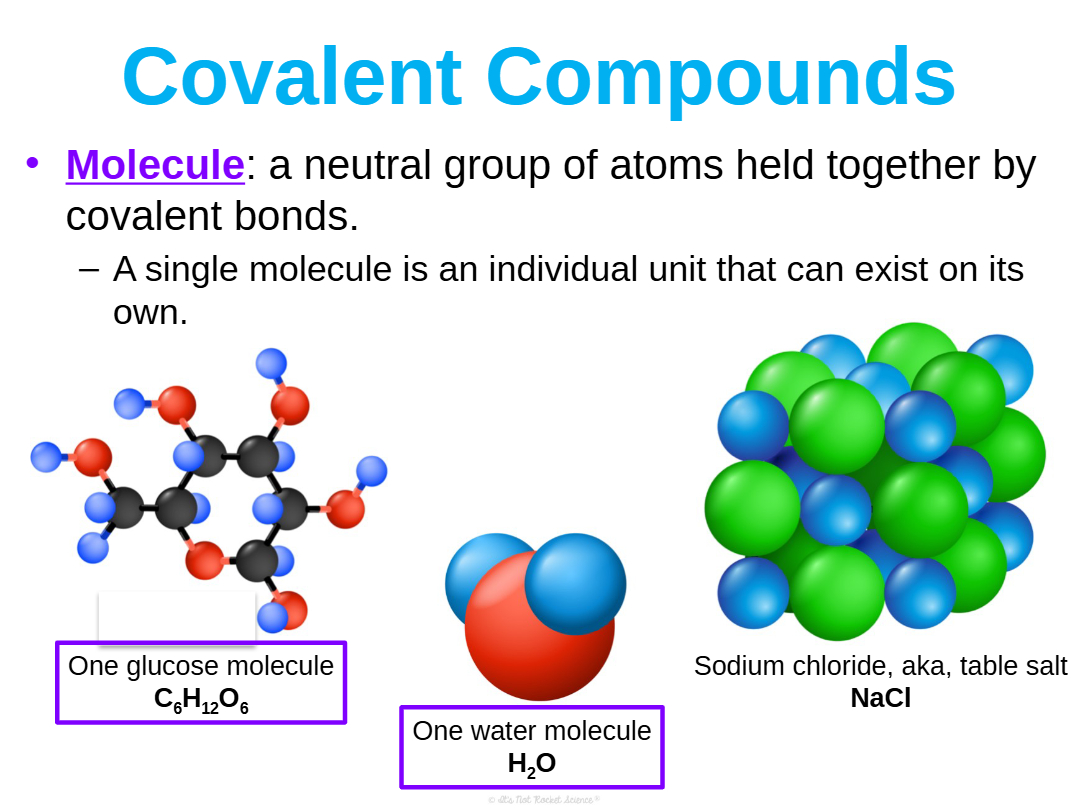
Which of the following is an example of a covalent compound?
NaCl (table salt)
H2O (water)
KCl (potassium chloride)
CaCl2 (calcium chloride)
7
8
Open Ended
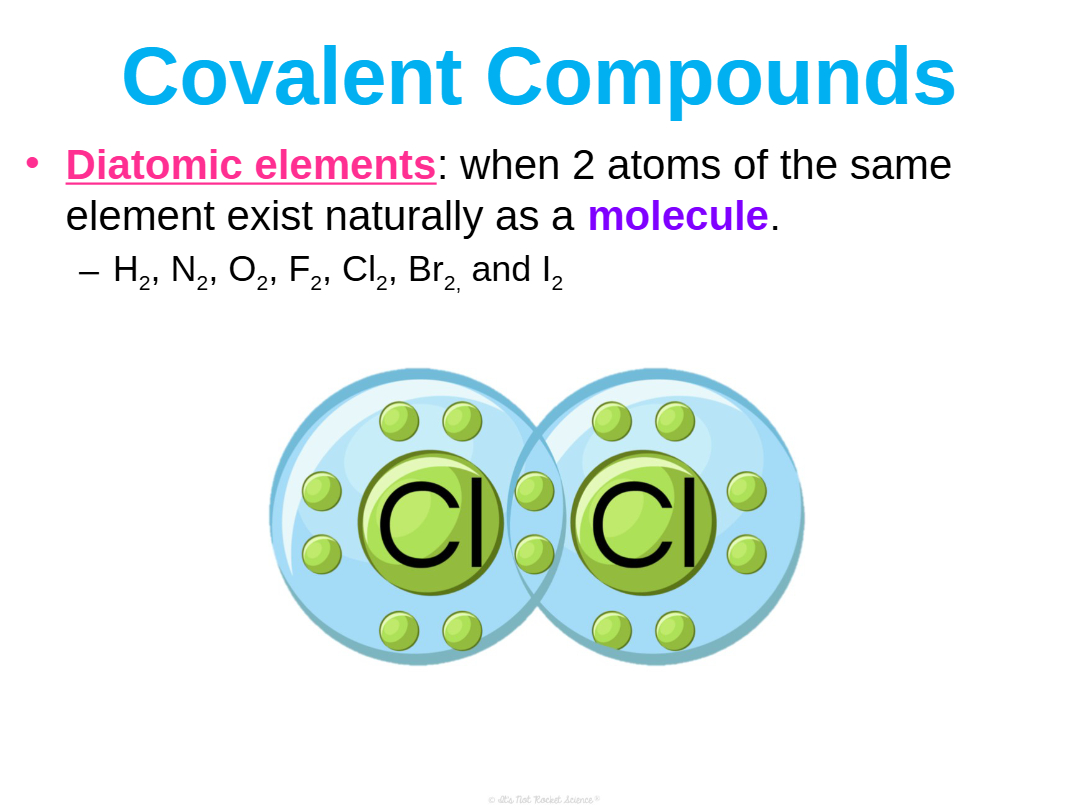
What are diatomic elements and give two examples?
9
10
11
12
Multiple Select
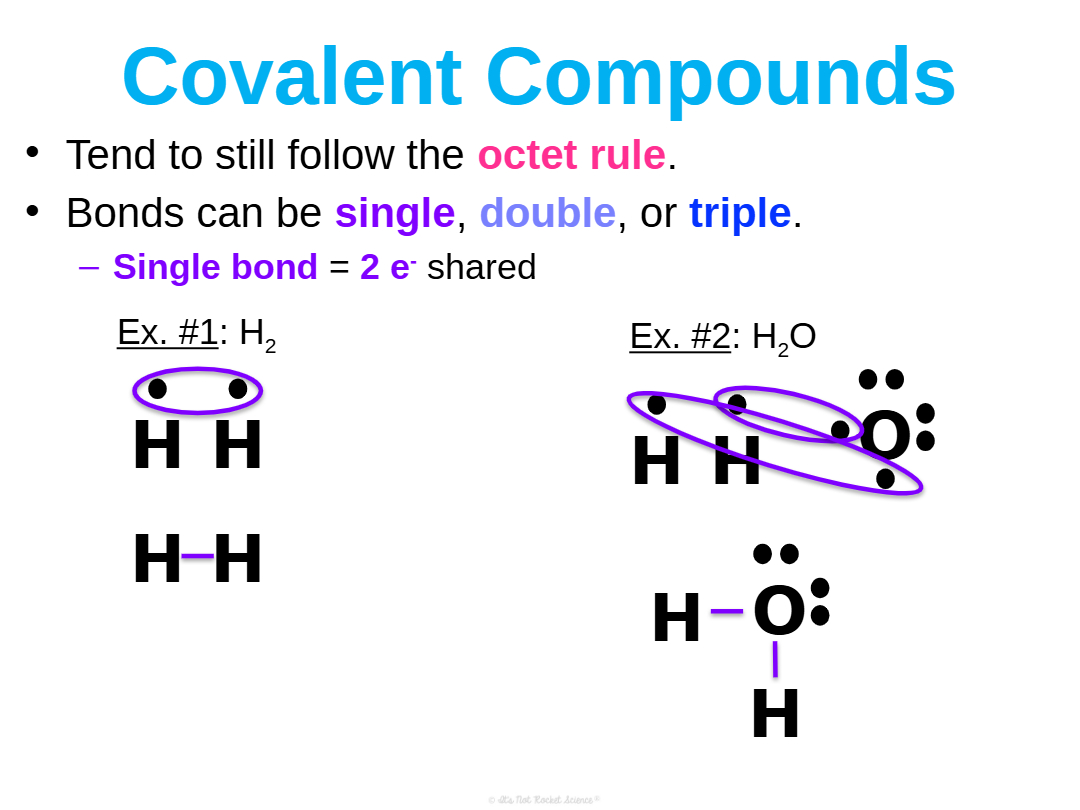
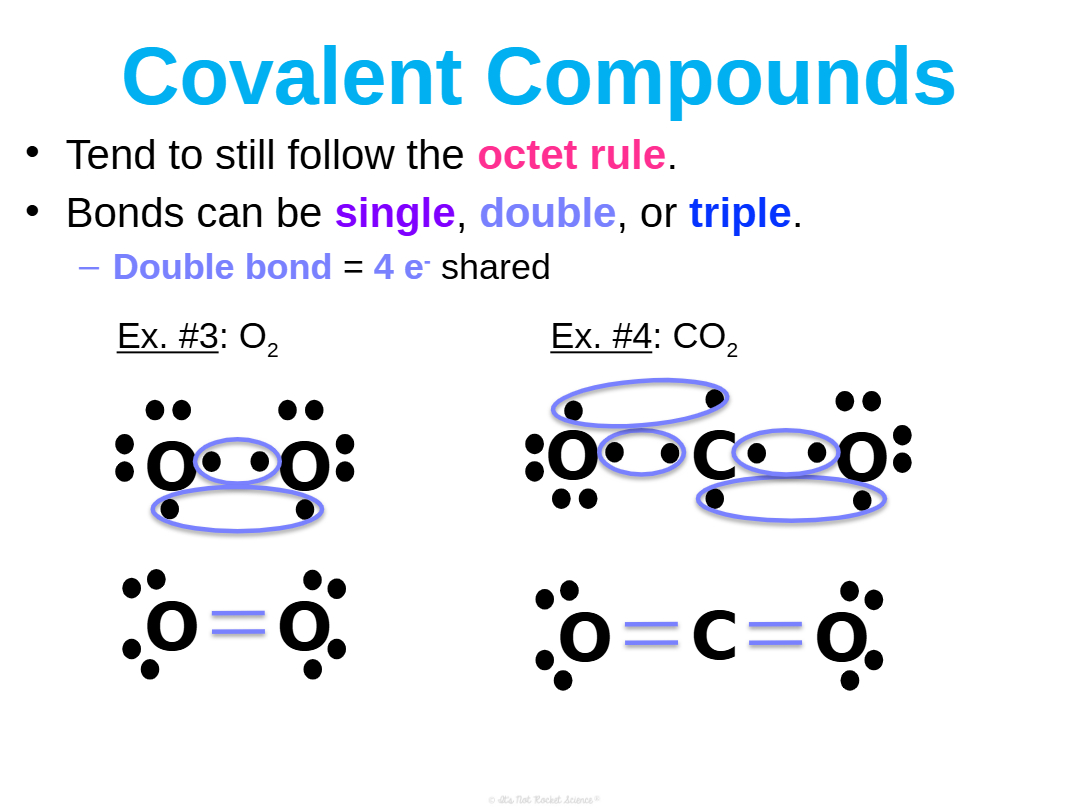
Select all molecules that follow the octet rule.
H2O
O2
CO2
N2
13
Fill in the Blanks
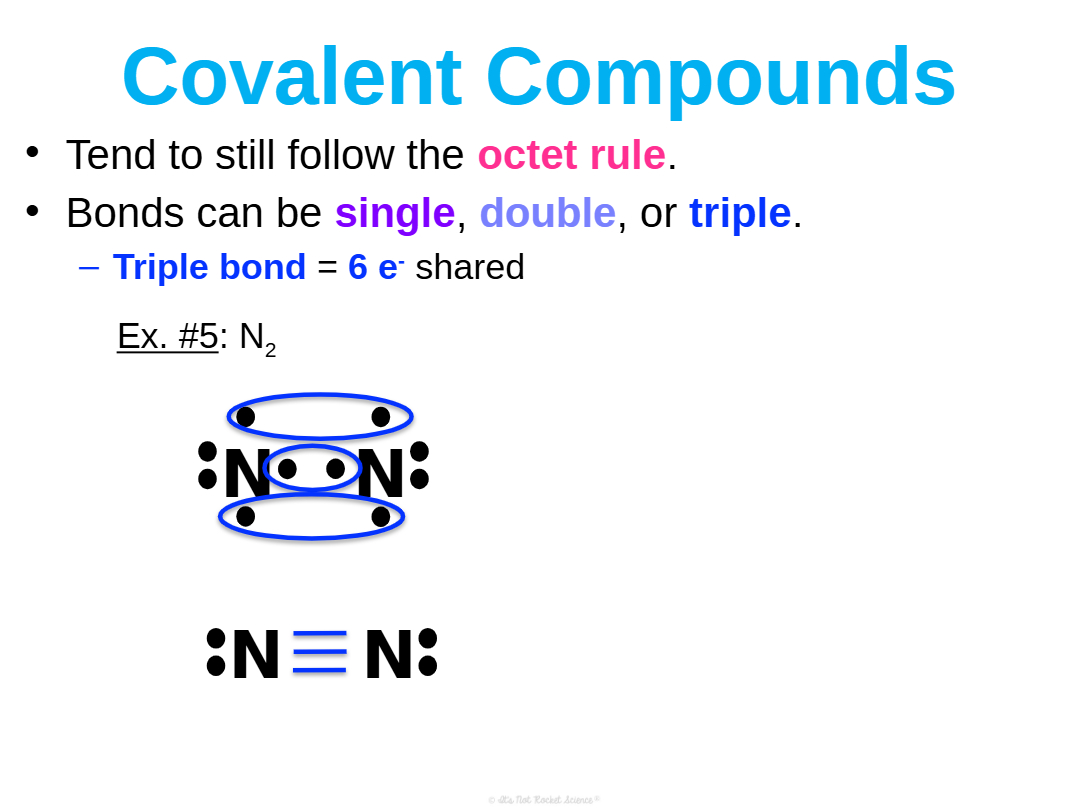
Bonds in covalent compounds can be single, double, or
14
15
Open Ended
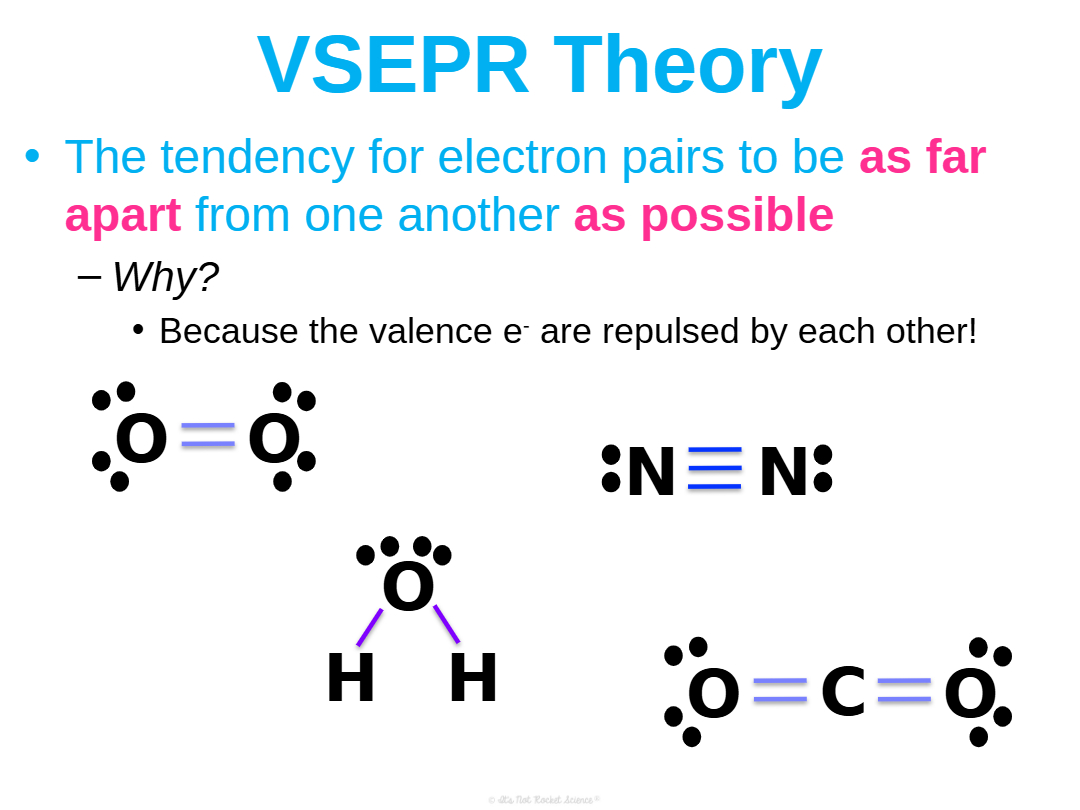
Explain why electron pairs tend to be as far apart from one another as possible according to VSEPR theory.
16
17
18
19
20
Open Ended
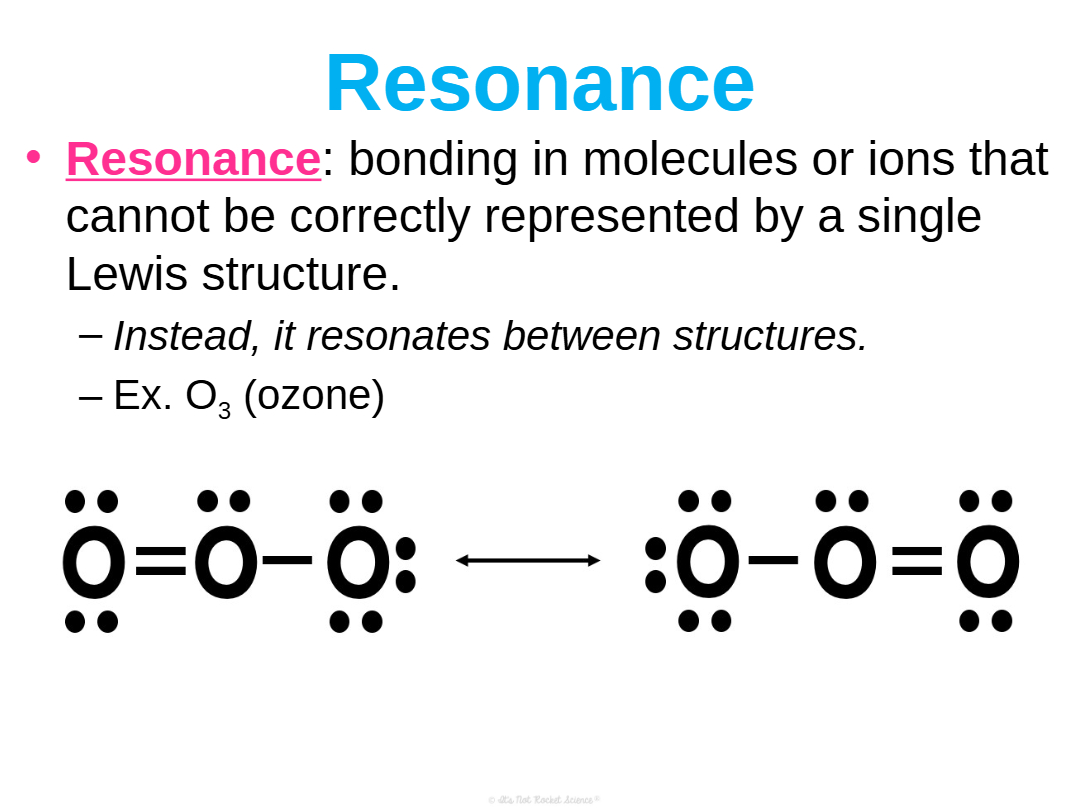
Explain the concept of resonance.
21
Multiple Choice
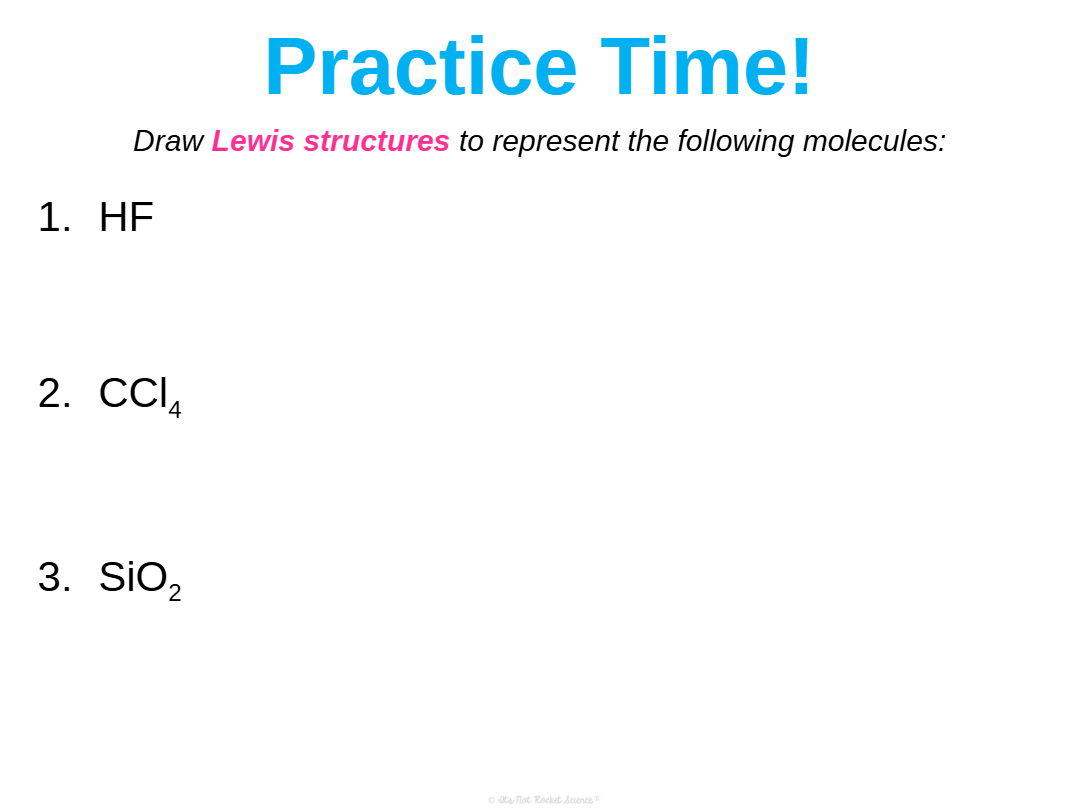
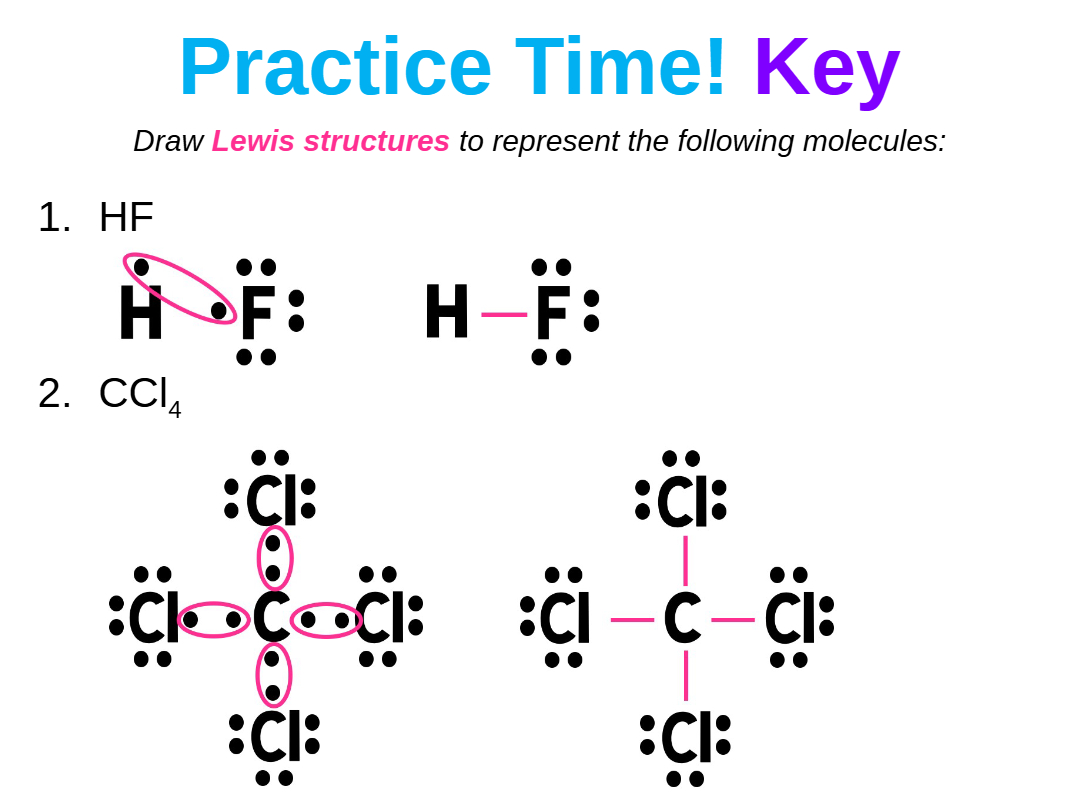
Which of the following molecules cannot be represented by a single Lewis structure?
HF
CCl4
O3
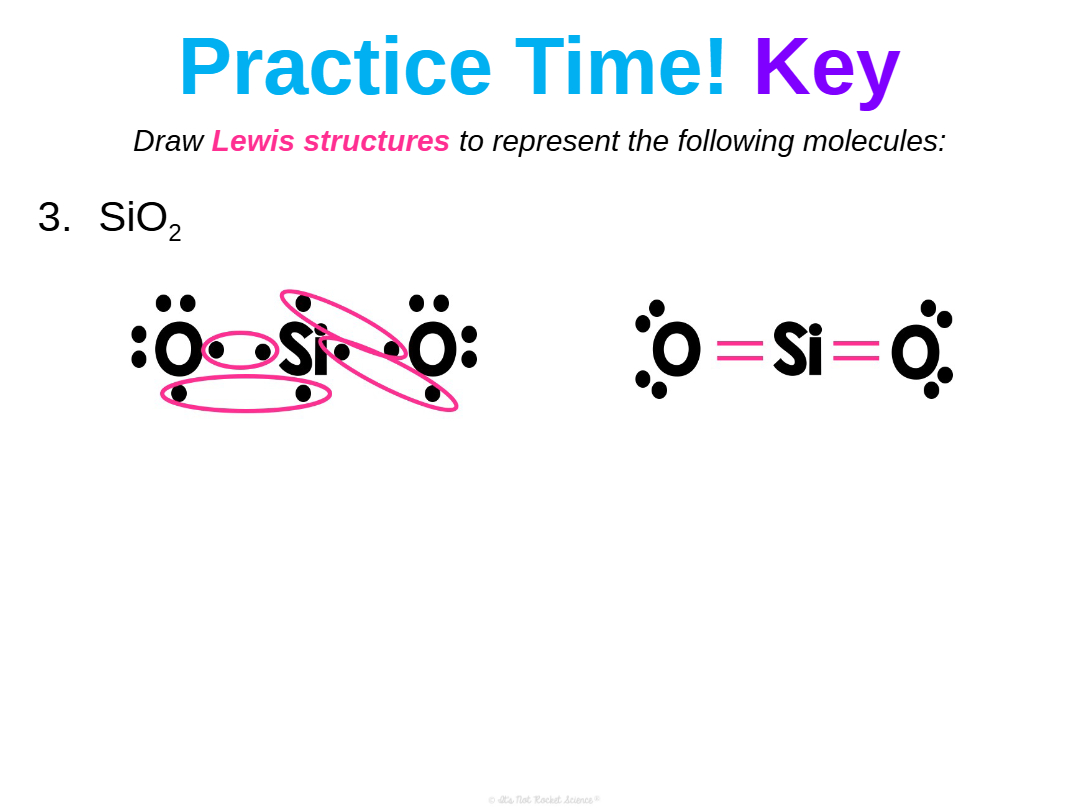
SiO2
22
23
Multiple Select
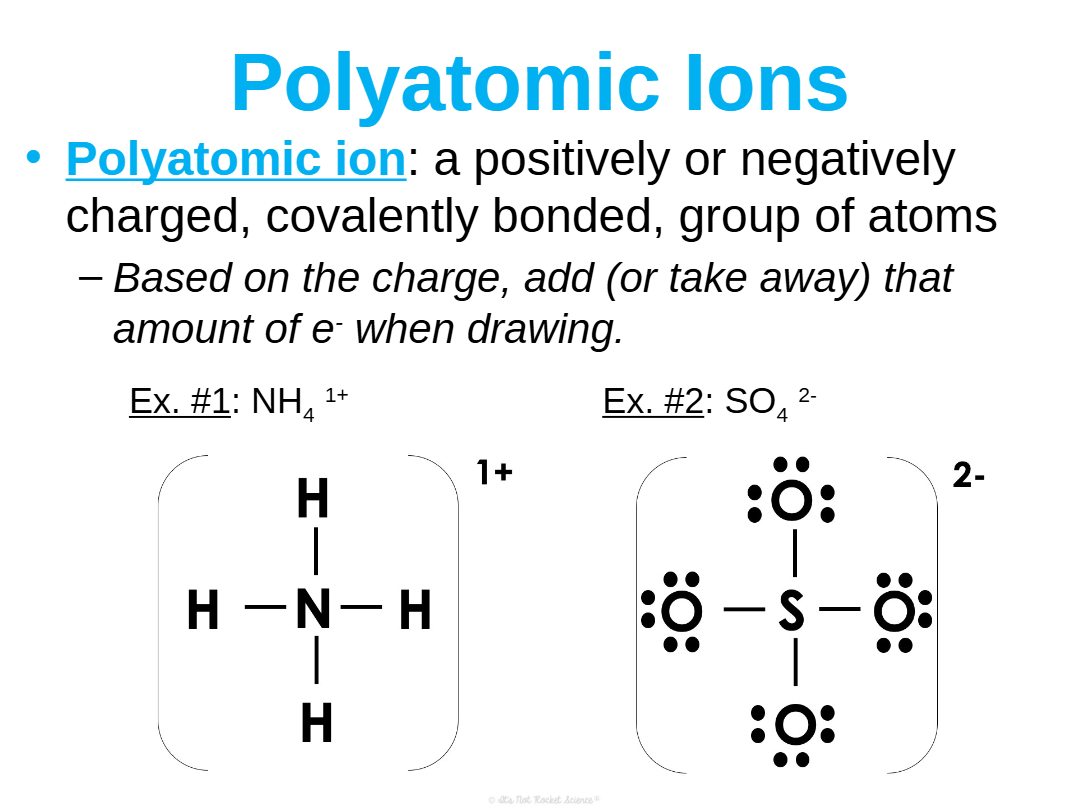
Which of the following are polyatomic ions?
NH4+
SO4^2-
HF
O3
24
Multiple Choice
What is the charge on the sulfate ion (SO4) as shown in the polyatomic ions example?
1+
2+
1-
2-
25
26
Open Ended
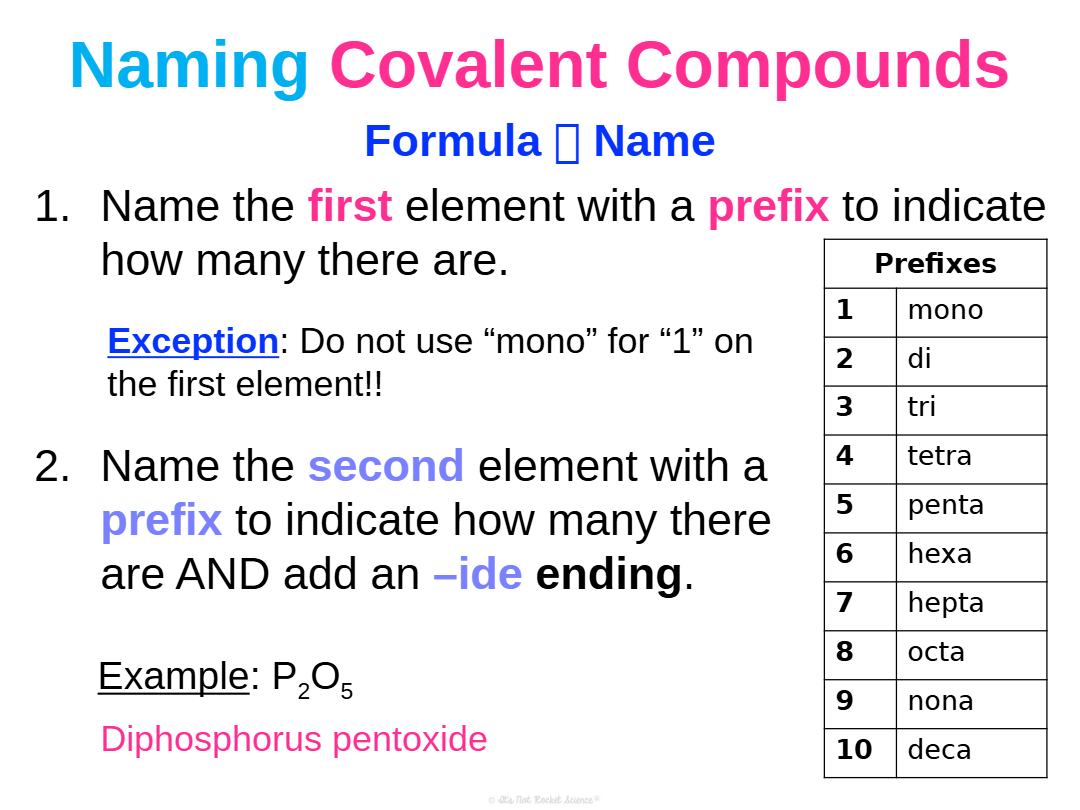
Describe the steps to name a covalent compound given its chemical formula.
27
Fill in the Blanks
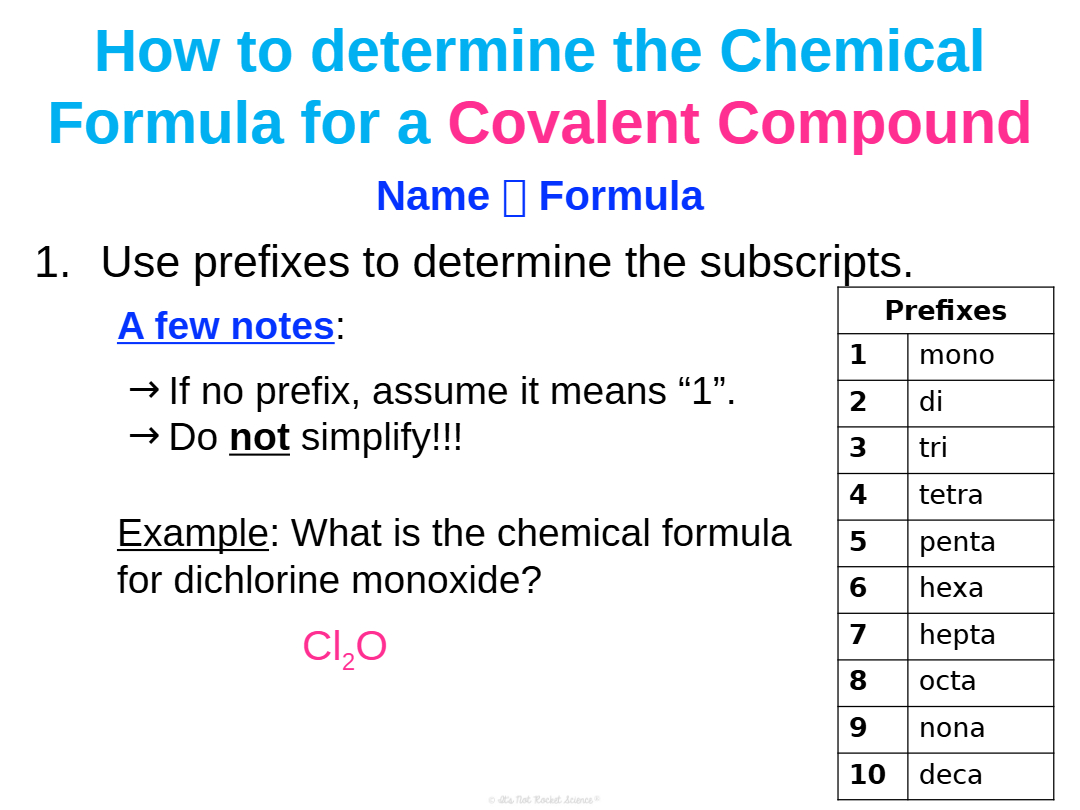
The prefix used for seven atoms in naming covalent compounds is
28
29
Multiple Choice
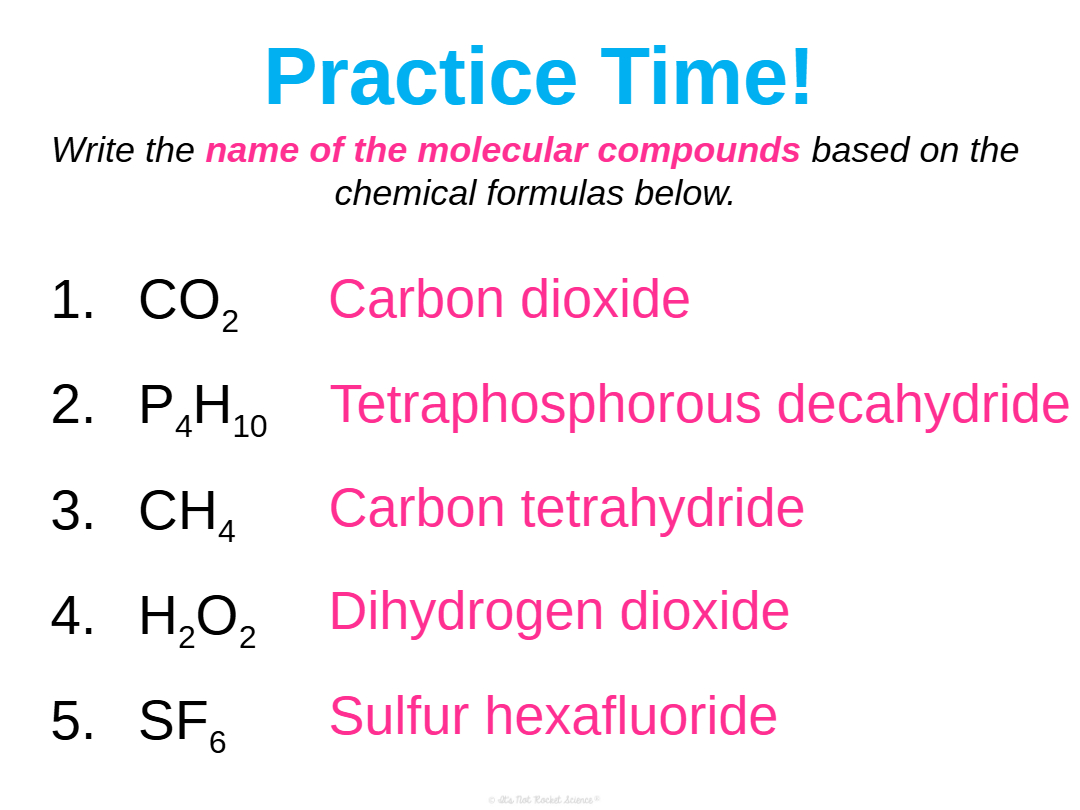
Which of the following is the correct name for the compound with the formula SF6?
Sulfur hexafluoride
Sulfur pentafluoride
Sulfur hexoxide
Sulfur tetrafluoride
30
31
32
Open Ended
Explain how prefixes are used to determine the subscripts in the chemical formula of a covalent compound. Why is it important not to simplify the formula?
33
Fill in the Blanks
What is the chemical formula for dichlorine monoxide?
Type answer...
34
35
Multiple Choice
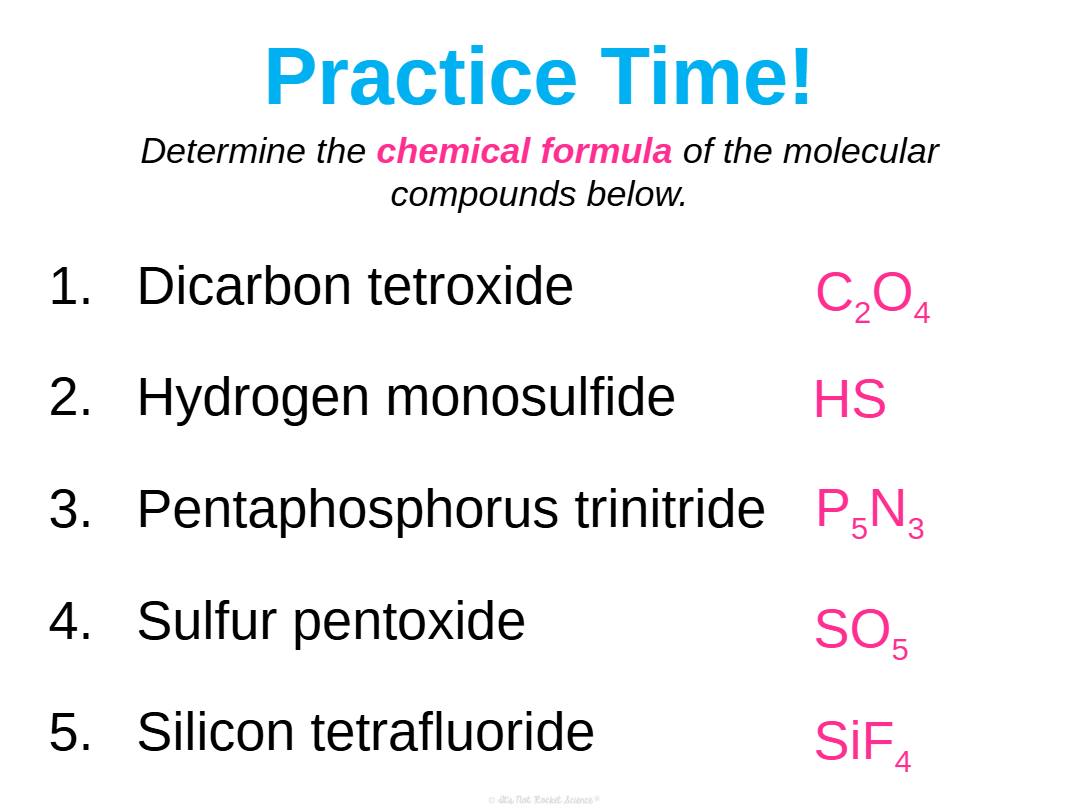
Which of the following compounds contains three nitrogen atoms?
Pentaphosphorus trinitride
Dicarbon tetroxide
Sulfur pentoxide
Silicon tetrafluoride
36
37
38
Fill in the Blanks
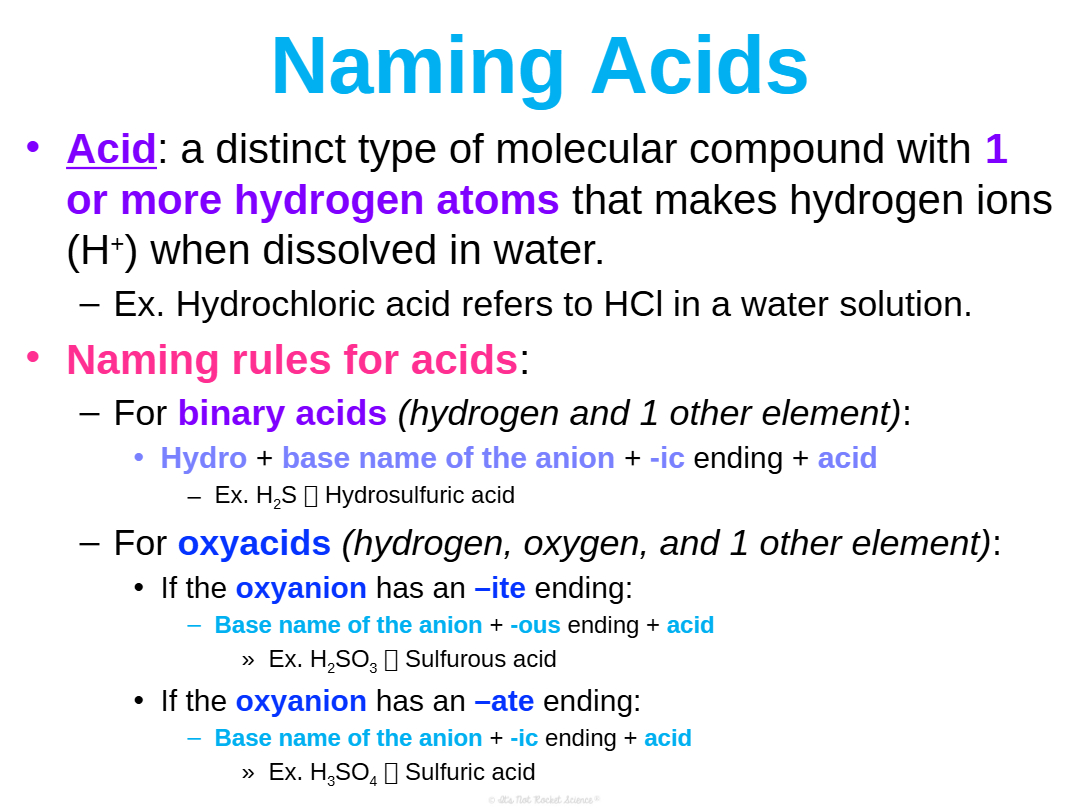
Fill in the blank: An acid is a molecular compound with one or more
Type answer...
39
Multiple Select
Select all the correct rules for naming acids from the following:
For binary acids, use 'hydro' + base name of the anion + -ic ending + acid
For oxyacids with -ite ending, use base name of the anion + -ous ending + acid
For oxyacids with -ate ending, use base name of the anion + -ic ending + acid
For binary acids, use 'per' + base name of the anion + -ic ending + acid
40
41
42
Open Ended
How do covalent compounds differ from ionic compounds in terms of what happens with electrons ?
43
Multiple Choice
What is the main difference between a polar covalent bond and a pure (nonpolar) covalent bond?
Polar covalent bonds share electrons equally, while pure covalent bonds share electrons unequally.
Polar covalent bonds share electrons unequally, while pure covalent bonds share electrons equally.
Both types of bonds share electrons equally.
Pure covalent bonds do not share electrons at all.
44
Open Ended
Explain the process of naming a covalent compound and provide an example.
45
Multiple Choice
What is the main difference between naming acids and naming covalent compounds?
Acids use hydrogen as the first element, covalent compounds do not.
Covalent compounds use prefixes to indicate the number of atoms, acids do not.
Acids are named based on their anion, covalent compounds are named based on the elements present.
All of the above
Show answer
Auto Play
Slide 1 / 45
SLIDE

Similar Resources on Wayground
42 questions
Ionic Compound Writing
Presentation
•
10th Grade
38 questions
Intro to Bonds
Presentation
•
9th - 11th Grade
42 questions
De_Chem_1.6_Volcanoes
Presentation
•
9th Grade
36 questions
Cell Size Notes
Presentation
•
10th Grade
40 questions
Concordância verbal
Presentation
•
KG
37 questions
EOC Vocabulary Review English II
Presentation
•
10th Grade
43 questions
El imperfecto
Presentation
•
10th Grade
41 questions
Untitled Lesson
Presentation
•
KG
Popular Resources on Wayground
10 questions
How much do you know about our Portrait of an Eagle?
Quiz
•
10th Grade
10 questions
Fast Food Slogans
Quiz
•
6th - 8th Grade
21 questions
Continents and Oceans
Quiz
•
6th Grade
20 questions
Parts of Speech
Quiz
•
5th Grade
16 questions
Subject & Predicate
Quiz
•
5th Grade
25 questions
Multiplication Facts
Quiz
•
5th Grade
12 questions
Map Skills
Quiz
•
3rd Grade
22 questions
Continents and Oceans
Quiz
•
5th Grade
Discover more resources for Science
10 questions
Exploring Chemical and Physical Changes
Interactive video
•
6th - 10th Grade
10 questions
Decoding the Periodic Table of Elements
Interactive video
•
6th - 10th Grade
10 questions
Exploring the Periodic Table
Interactive video
•
6th - 10th Grade
14 questions
Physical and Chemical Changes
Quiz
•
10th Grade
22 questions
Periodic Table Review
Quiz
•
9th - 12th Grade
10 questions
Exploring the States of Matter
Interactive video
•
6th - 10th Grade
10 questions
Exploring Physical and Chemical Changes
Interactive video
•
6th - 10th Grade
21 questions
Macromolecules and Enzymes Study Guide
Quiz
•
9th - 10th Grade