Search Header Logo
  1. Resource Library
  2. Science
  3. Chemistry
  4. Polarity
  5. *topic 3 Polarity
*Topic 3 Polarity

*Topic 3 Polarity

Assessment

Presentation

Science

11th Grade

Easy

NGSS
HS-PS1-1, HS-PS2-6, HS-PS1-2

Standards-aligned

Created by

Marisa Macrides

Used 1+ times

FREE Resource

21 Slides • 18 Questions

1

media

​As you work through this presentation, please fill out your notes sheet and answer the questions as you go.

2

Recall: The position of an element on the periodic table determines its electronegativity.

media

3

media

4

Multiple Select

A molecule is polar when.... (Choose all that apply)

1

When the central atom has no lone pairs

2

When the central atom has 1 or more lone pairs

3

When the molecule has 1 or more polar bonds

5

media

6

Multiple Choice

What is the reason the shared electrons are held closer to fluorine in the polar molecule H-F?

1

Fluorine has a lower electronegativity

2

Hydrogen has a higher electronegativity

3

Fluorine has a higher electronegativity

4

Both atoms share electrons equally

7

media

8

Multiple Choice

Question image
This is an example of a __________ bond.
1
non-polar covalent
2
polar covalent
3
ionic
4
metallic

9

Multiple Choice

True or False: All diatomic molecules are nonpolar.

1

True

2

False

10

media

11

Multiple Choice

What is the primary factor that determines whether a molecule is polar or nonpolar?

1

The size of the molecule

2

The molecular weight

3

The shape of the molecule and the distribution of charge

4

The number of electrons

12

media

13

Multiple Choice

What are the general rules to determine if a molecule is polar or nonpolar?

1

Asymmetrical molecules are always nonpolar

2

Asymmetrical molecules are always polar

14

Take your time working through these examples! They will take you step by step on how to determine the polarity of molecules.

15

media

Draw the Lewis Diagram on your notes sheet on your own first, then click next to check if you drew them correctly!

16

media

17

Multiple Choice

Based on the two Lewis Structures you drew, which molecule is Polar?

1

HF

2

H2

18

media

19

media

Draw the Lewis Diagram on your notes sheet on your own first, then click next to check if you drew them correctly!

20

media

21

Multiple Choice

Based on the two Lewis Structures you drew, which molecule is Polar?

1

CO2

2

COS

22

media

23

media

Draw the Lewis Diagram on your notes sheet on your own first, then click next to check if you drew them correctly!

24

media

Recall: Did having a lone pair of electrons on the central atom make the molecule polar or nonpolar?

25

Multiple Choice

H2O and NH3 have at least one lone pair of electrons on the central atom, so the molecules must be...

1

Polar

2

Nonpolar

26

media

27

media

Draw the Lewis Diagram on your notes sheet on your own first, then click next to check if you drew them correctly!

28

media

29

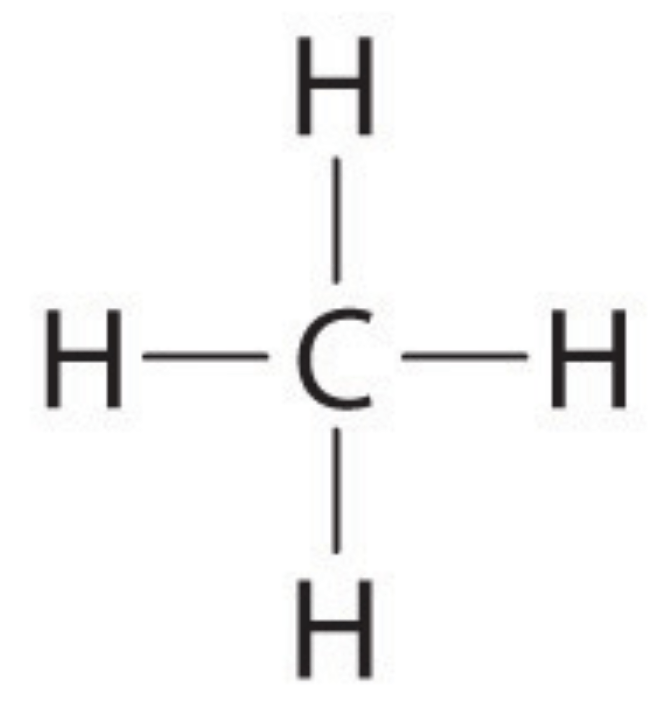
Multiple Choice

Which molecule is asymmetrical and therefore polar?

1

CH4

2

CH3Cl

30

media

31

Review Questions

32

Labelling

Label the molecule accordingly.

Drag labels to their correct position on the image

Lower electronegativity

Higher electronegativity

33

Multiple Choice

The electrons in a polar covalent molecule are shared...

1

Evenly

2

Unevenly

3

Electrons are not shared

4

None of the Above

34

Multiple Choice

Question image

Classify the following molecule.

1

polar

2

nonpolar

35

Multiple Choice

Question image

Classify the following molecule.

1

polar

2

nonpolar

36

Multiple Choice

Question image

Why is the molecule nonpolar?

1

There are lone pairs on the central atom.

2

There are different types of elements bonded to the central atom.

3

There are no lone pairs on the central atom and all of the atoms bonded to the central atom are the same. (symmetrical)

37

Multiple Choice

Question image

Classify the following molecule.

1

polar

2

nonpolar

38

Multiple Choice

Question image

Why is the molecule polar?

1

There is a lone pair on the central atom, creating a negative side to the molecule.

2

There are different types of elements bonded to the central atom.

3

There are no lone pairs on the central atom and all of the atoms bonded to the central atom are the same.

39

Poll

How confident do you feel about this topic now?

Very confident
Somewhat confident
Not confident
media

​As you work through this presentation, please fill out your notes sheet and answer the questions as you go.

Show answer

Auto Play

Slide 1 / 39

SLIDE