
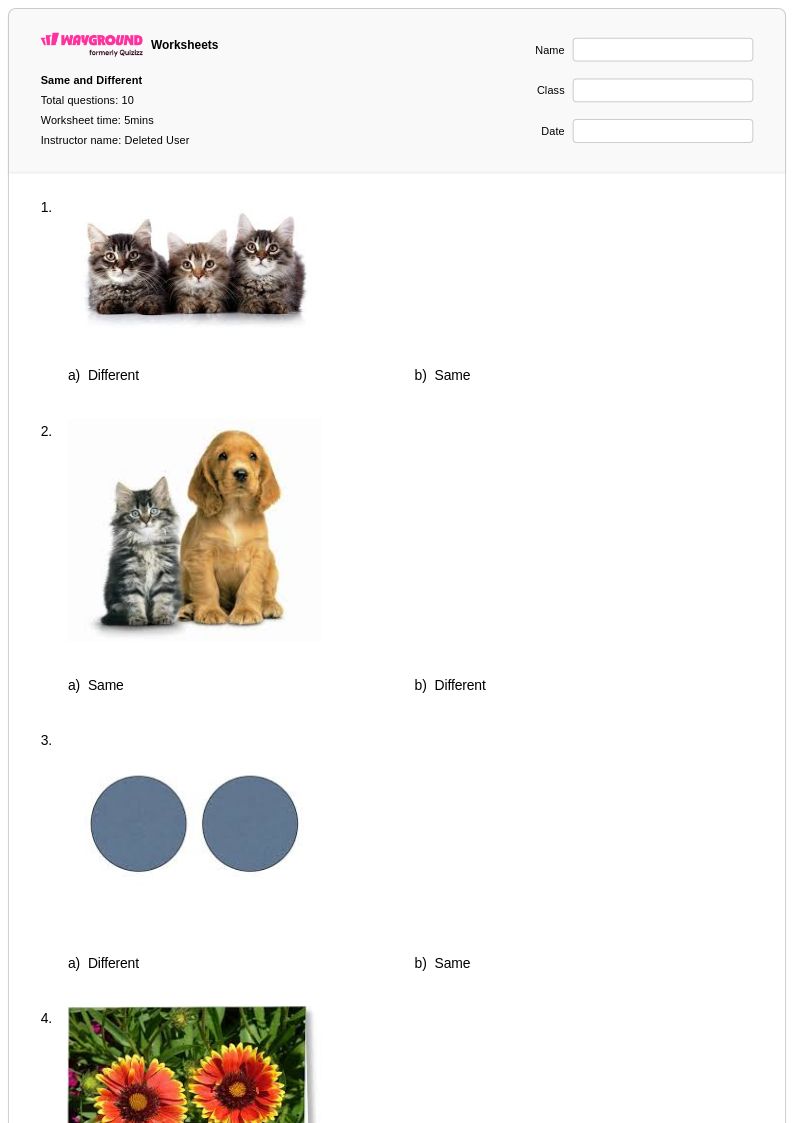
10 Q
KG - 1st
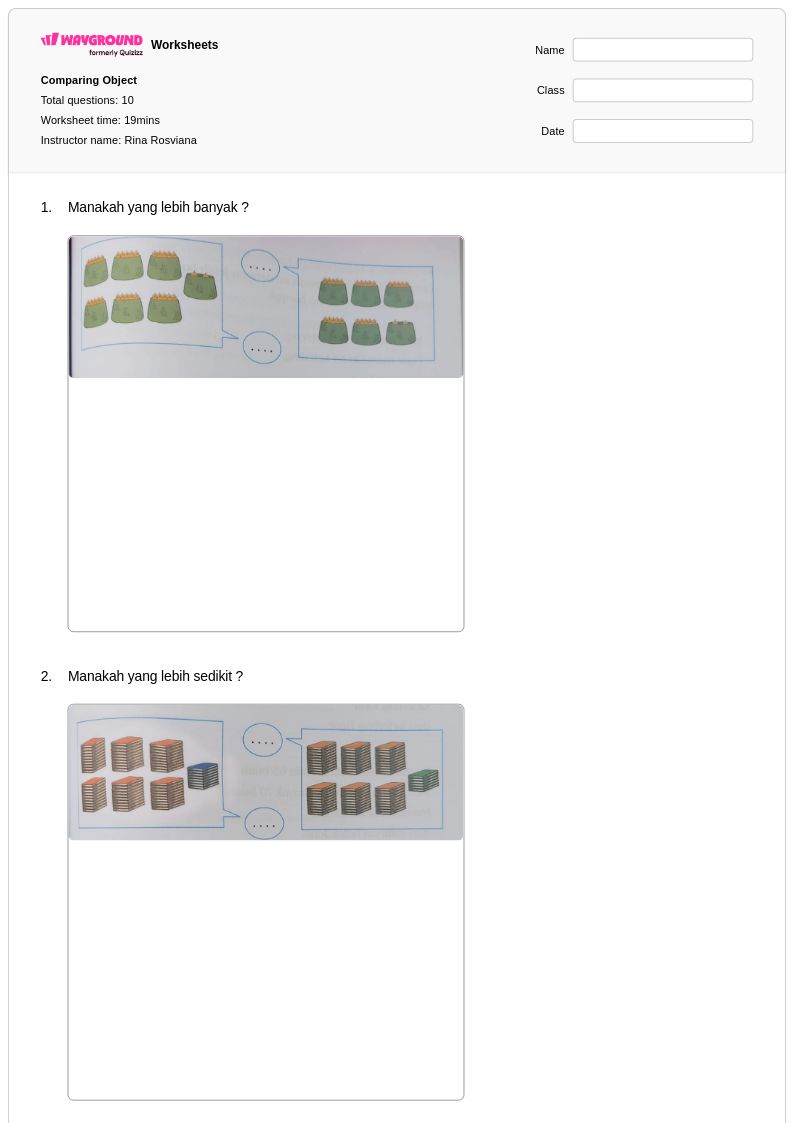
10 Q
1st
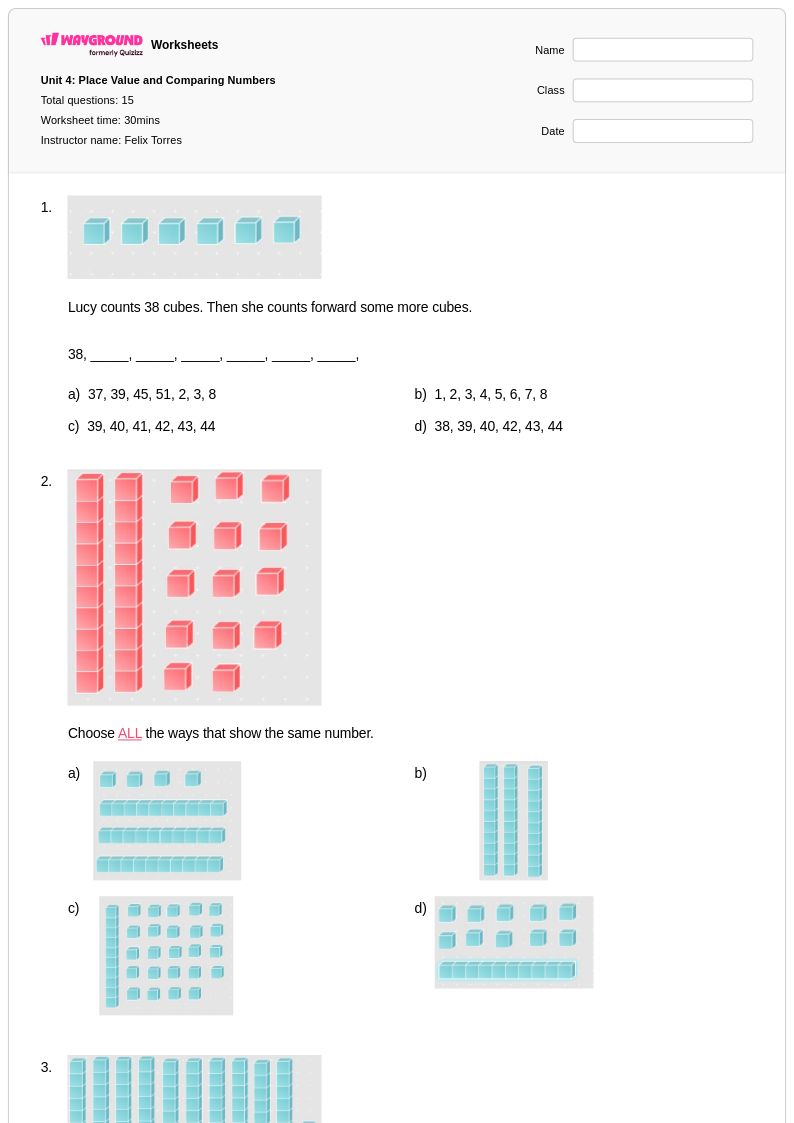
15 Q
1st
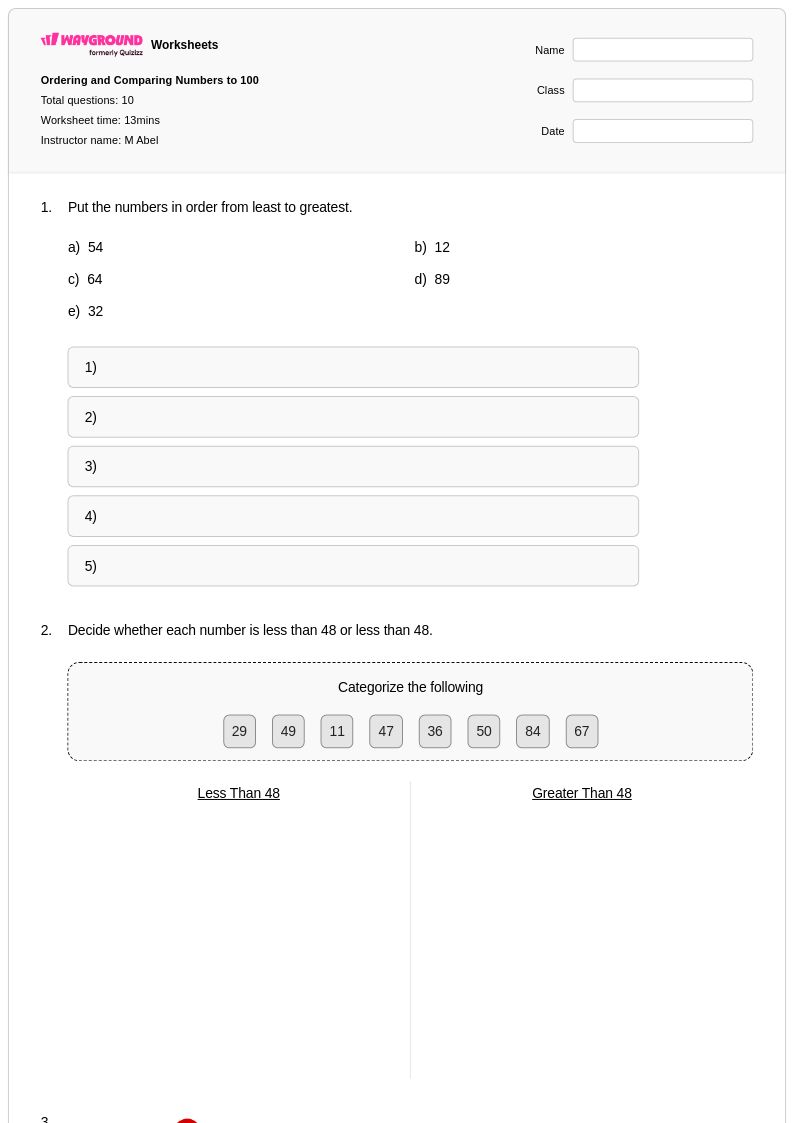
10 Q
1st - 5th
10 Q
1st
20 Q
1st - Uni
10 Q
1st - 2nd
10 Q
1st
20 Q
1st - Uni
20 Q
1st - 3rd
20 Q
1st - 3rd
12 Q
1st - Uni
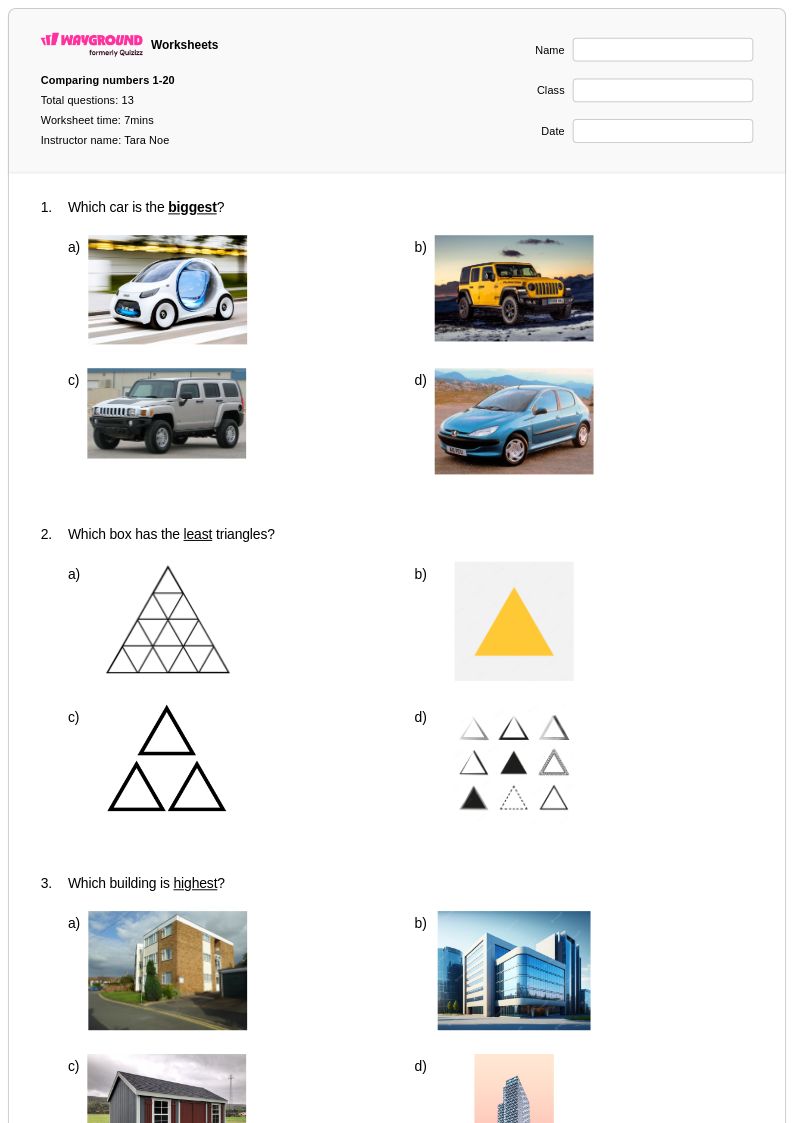
13 Q
1st - 5th
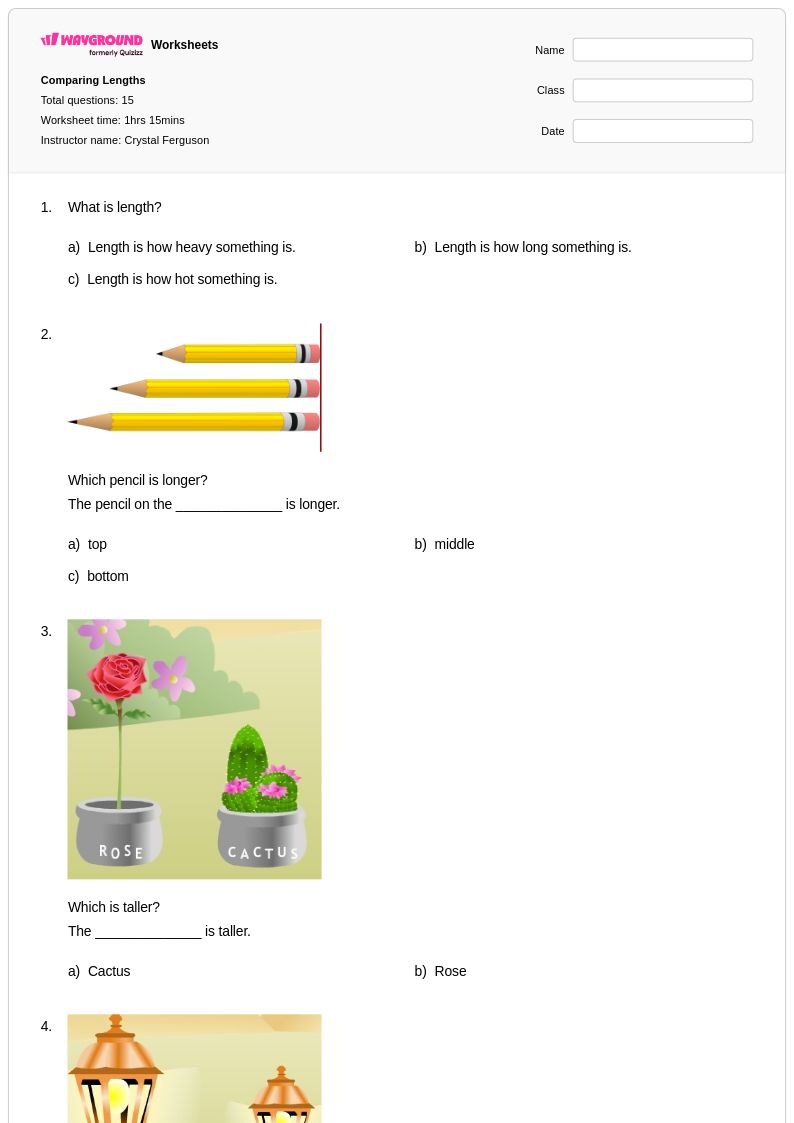
15 Q
1st
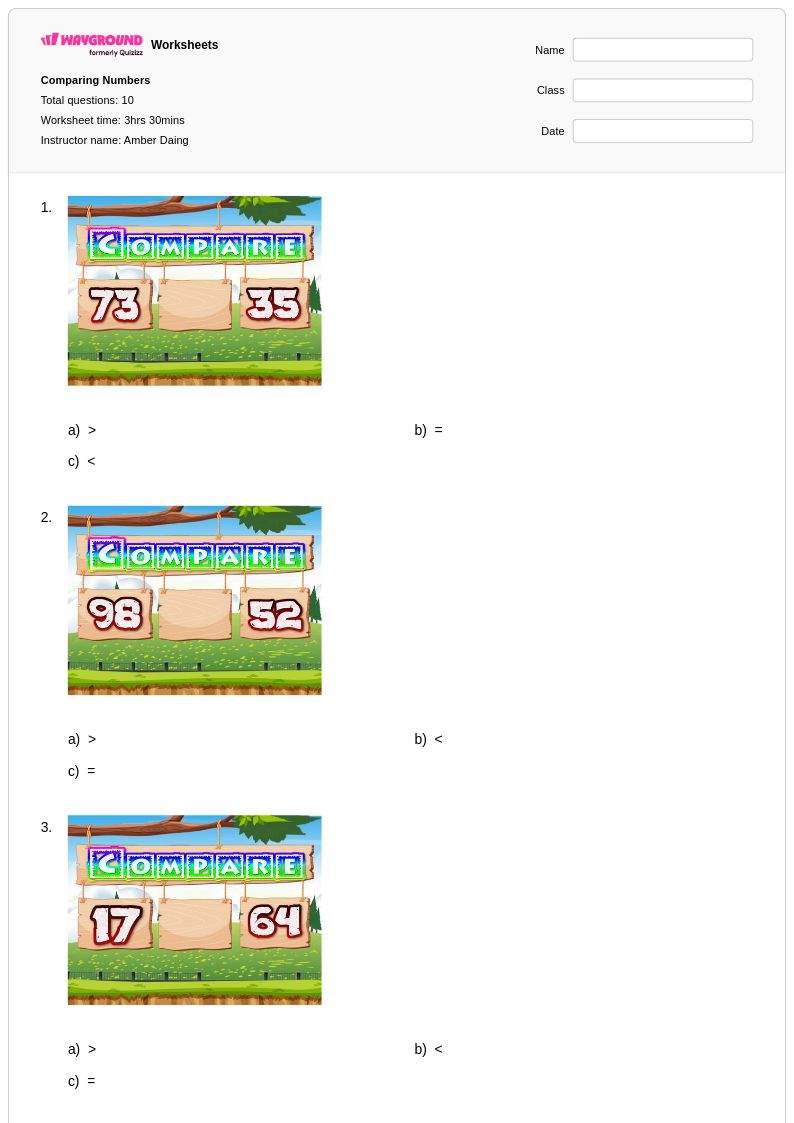
10 Q
1st
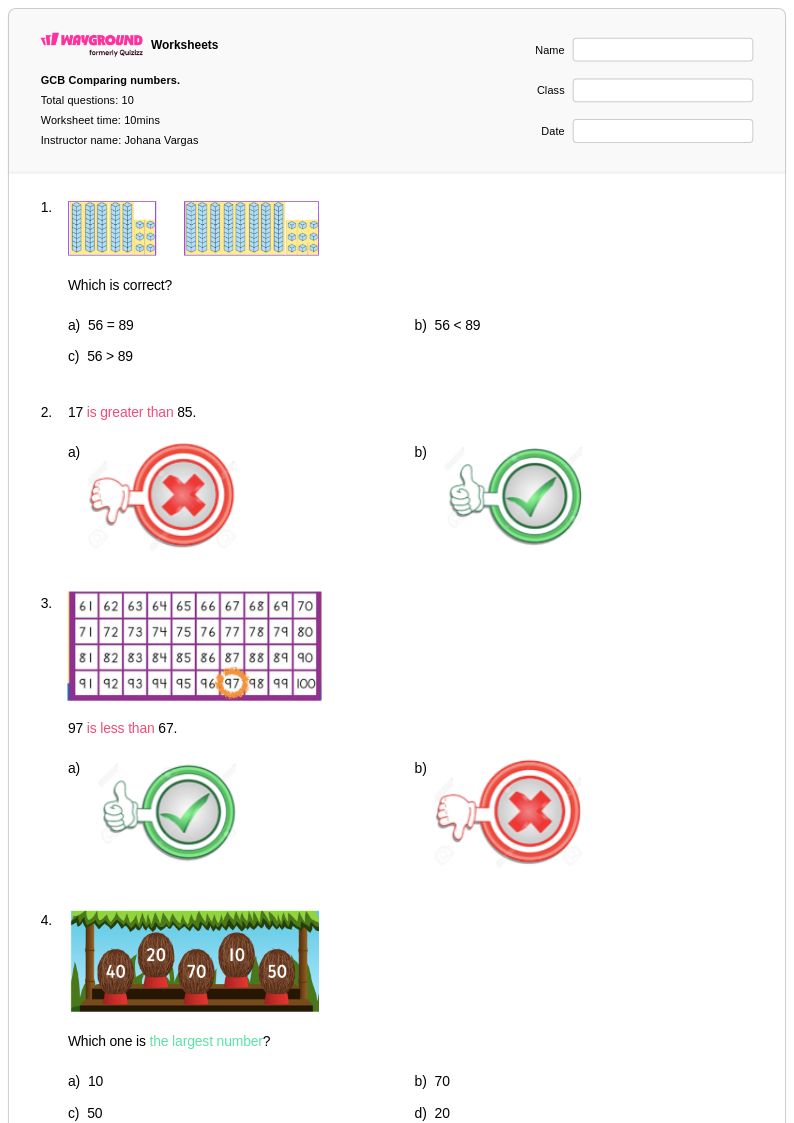
10 Q
1st
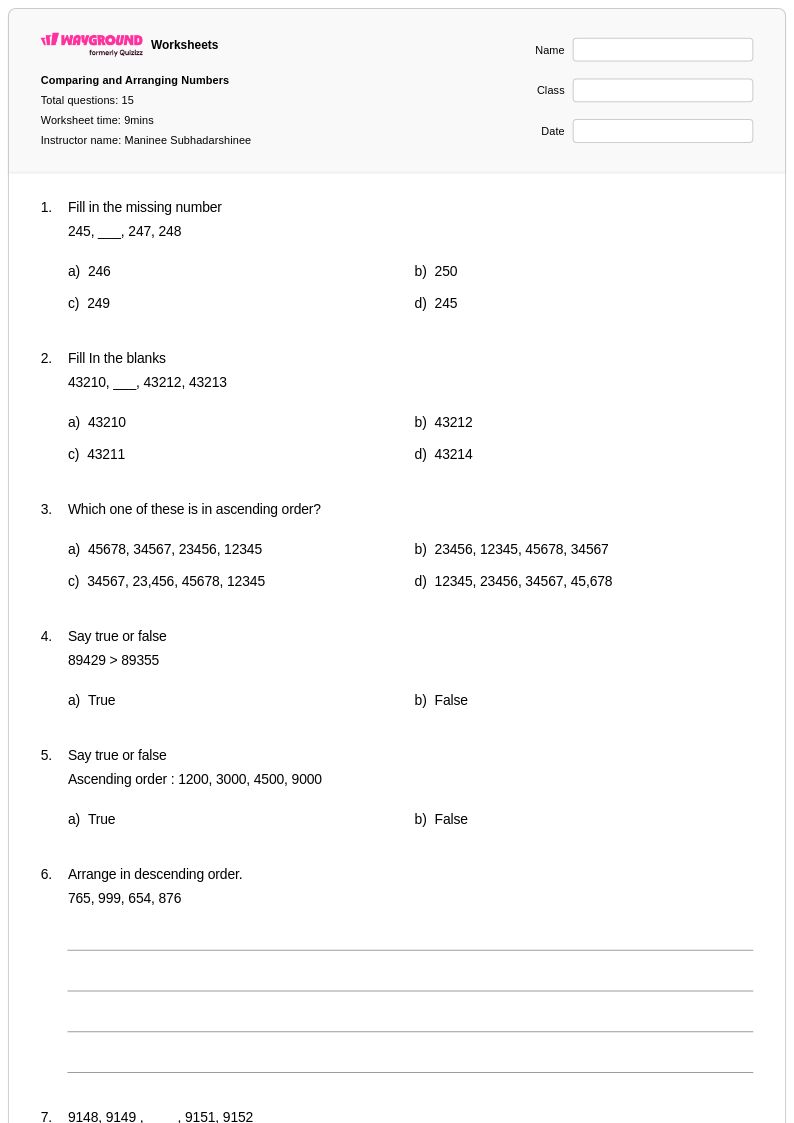
15 Q
1st
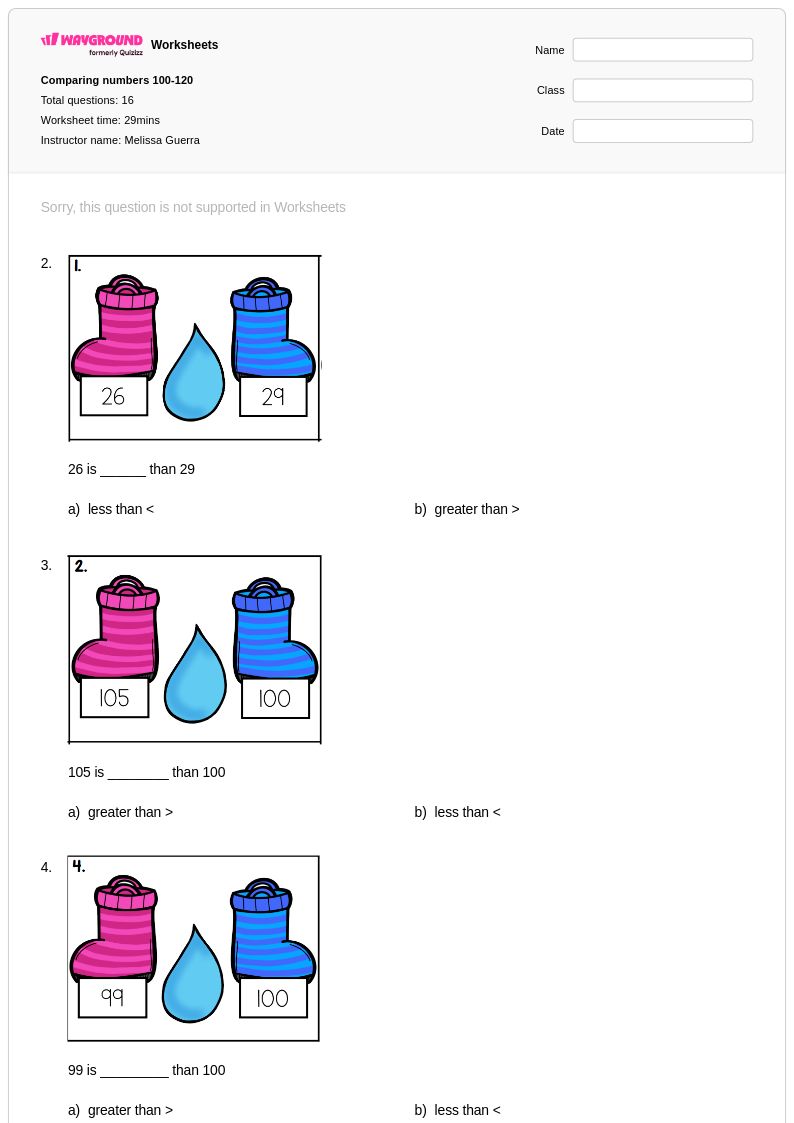
17 Q
1st - Uni
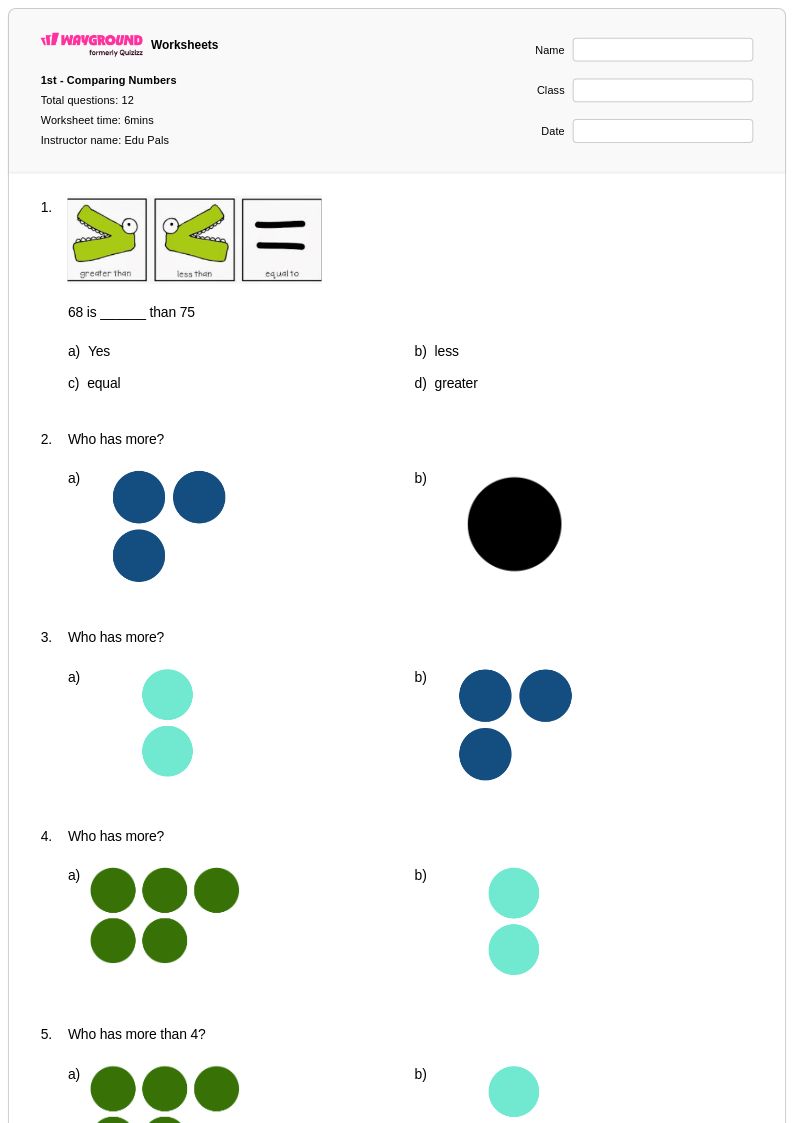
12 Q
1st
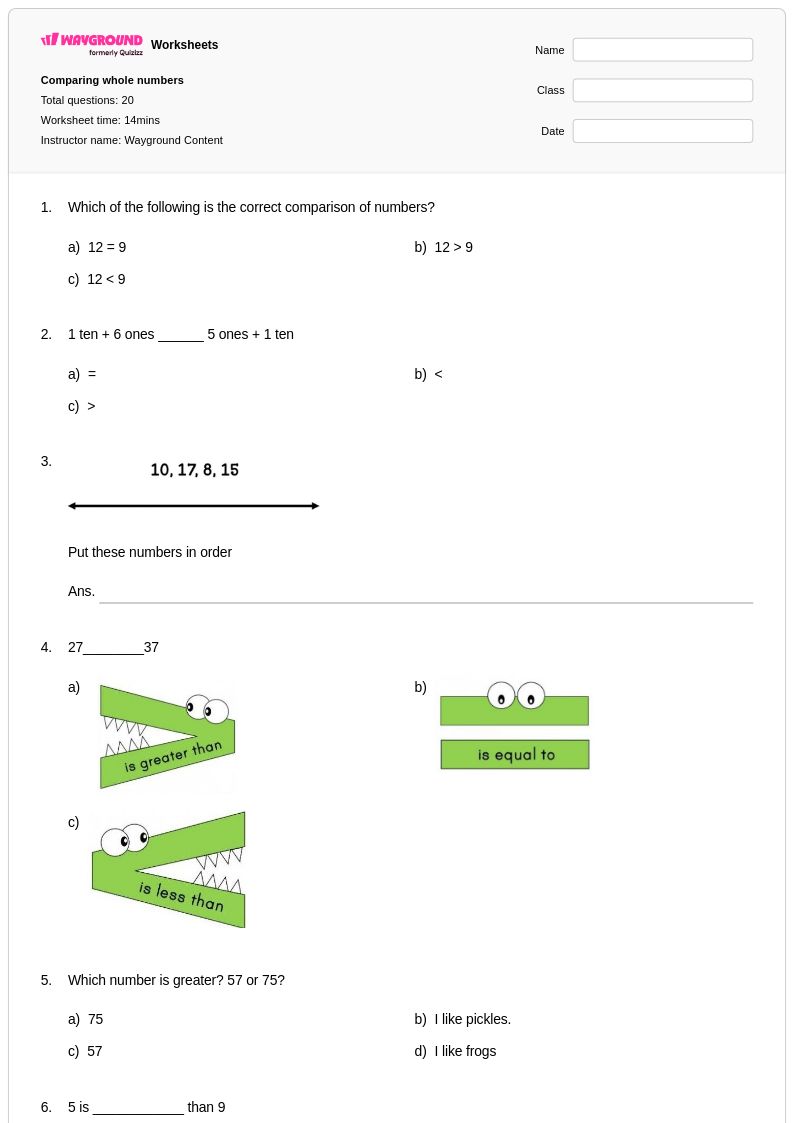
20 Q
1st
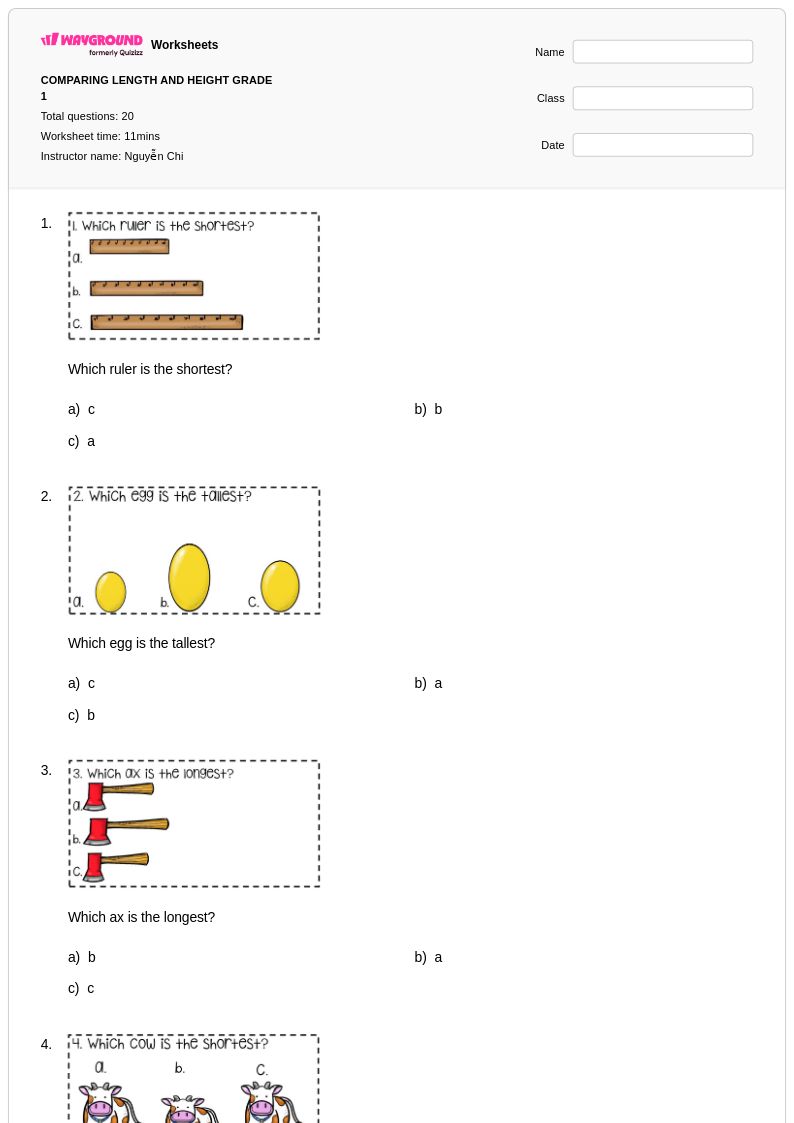
20 Q
1st
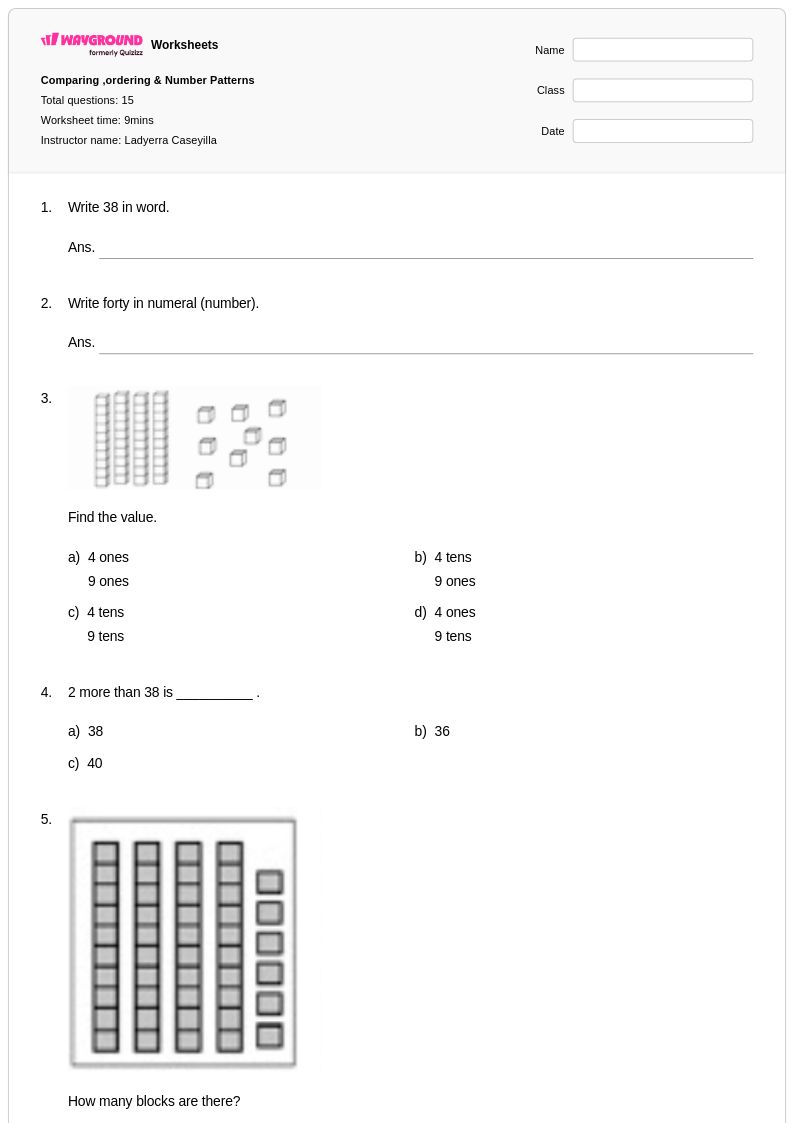
15 Q
1st
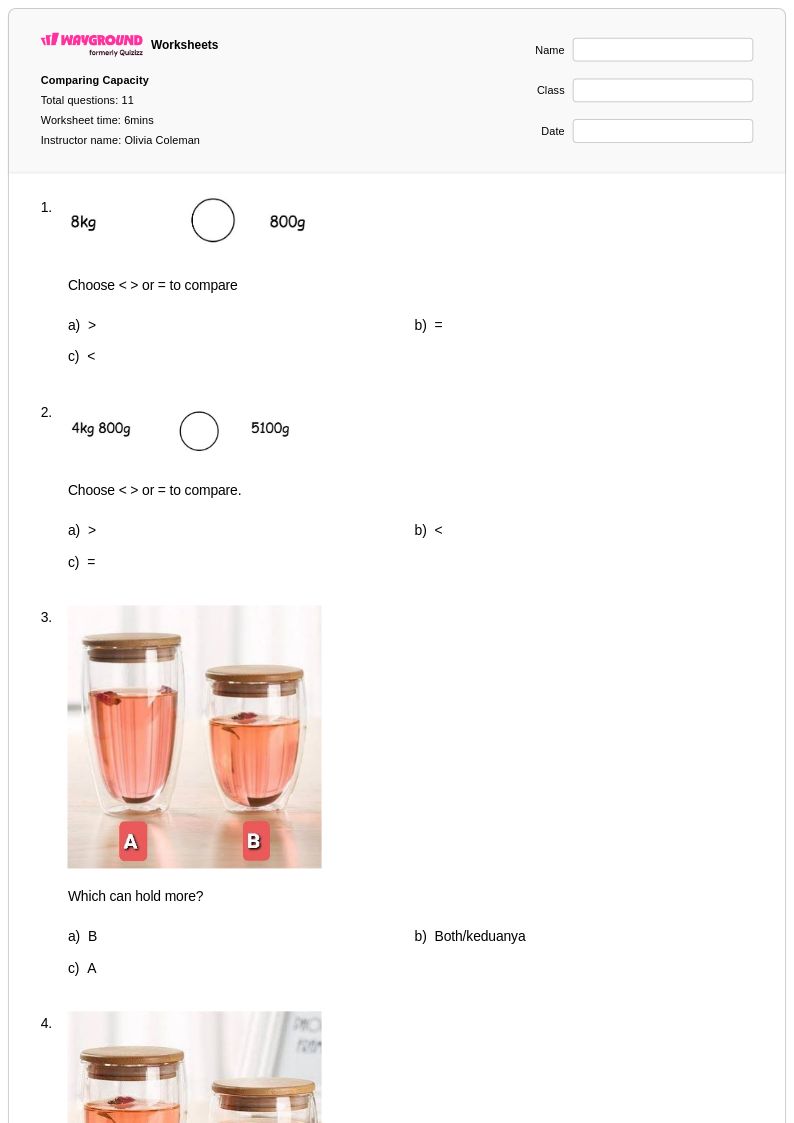
11 Q
1st - 2nd
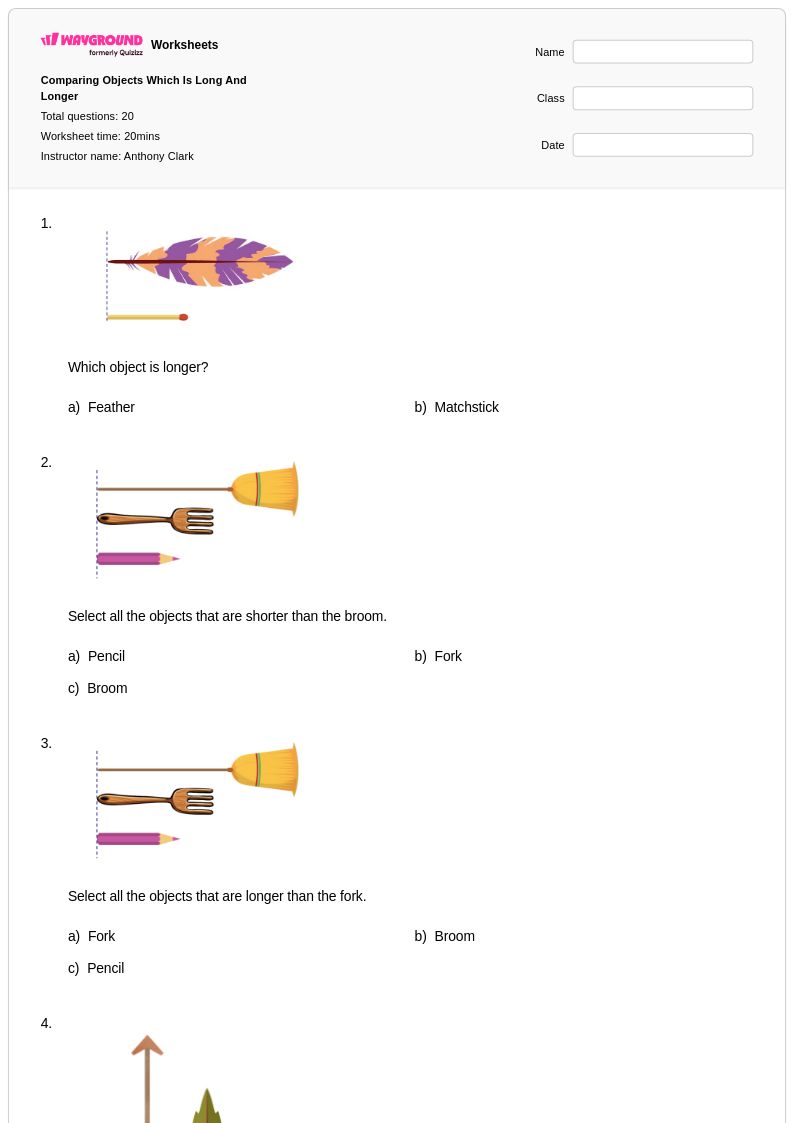
20 Q
1st - Uni
Explore Comparing Same and Different Worksheets by Grades
Explore Other Subject Worksheets for year 1
Explore printable Comparing Same and Different worksheets for Year 1
Comparing same and different worksheets for Year 1 students available through Wayground (formerly Quizizz) provide essential foundational practice for developing critical mathematical reasoning skills. These carefully designed resources help young learners strengthen their ability to identify similarities and differences between objects, numbers, shapes, and patterns through engaging practice problems that build visual discrimination and analytical thinking. The worksheets feature age-appropriate activities where students examine pairs or groups of items to determine what makes them alike or different, fostering the cognitive skills necessary for more advanced mathematical concepts like classification, sorting, and logical reasoning. Each worksheet collection includes comprehensive answer keys and is available as free printable PDF downloads, making them accessible for both classroom instruction and home practice.
Wayground (formerly Quizizz) supports educators with an extensive library of millions of teacher-created comparing same and different worksheets specifically designed for Year 1 mathematics instruction. The platform's robust search and filtering capabilities allow teachers to quickly locate resources that align with specific learning standards and match their students' developmental needs, while built-in differentiation tools enable customization for varying skill levels within the classroom. These versatile worksheet collections are available in both printable PDF format and digital formats, providing flexibility for traditional paper-and-pencil activities or technology-enhanced learning environments. Teachers can efficiently plan targeted lessons, implement remediation strategies for struggling learners, offer enrichment opportunities for advanced students, and provide consistent skill practice that reinforces the fundamental number sense concepts essential for mathematical success.
FAQs
How do I teach same and different to first graders?
What exercises help first graders practice comparing similarities and differences?
What mistakes do Grade 1 students make when comparing same and different?
How can I use these Grade 1 same-and-different worksheets?
How does comparing same and different fit into the Common Core Grade 1 math progression?
How can I differentiate same-and-different practice in Grade 1?
What grade do students learn same and different in math?