
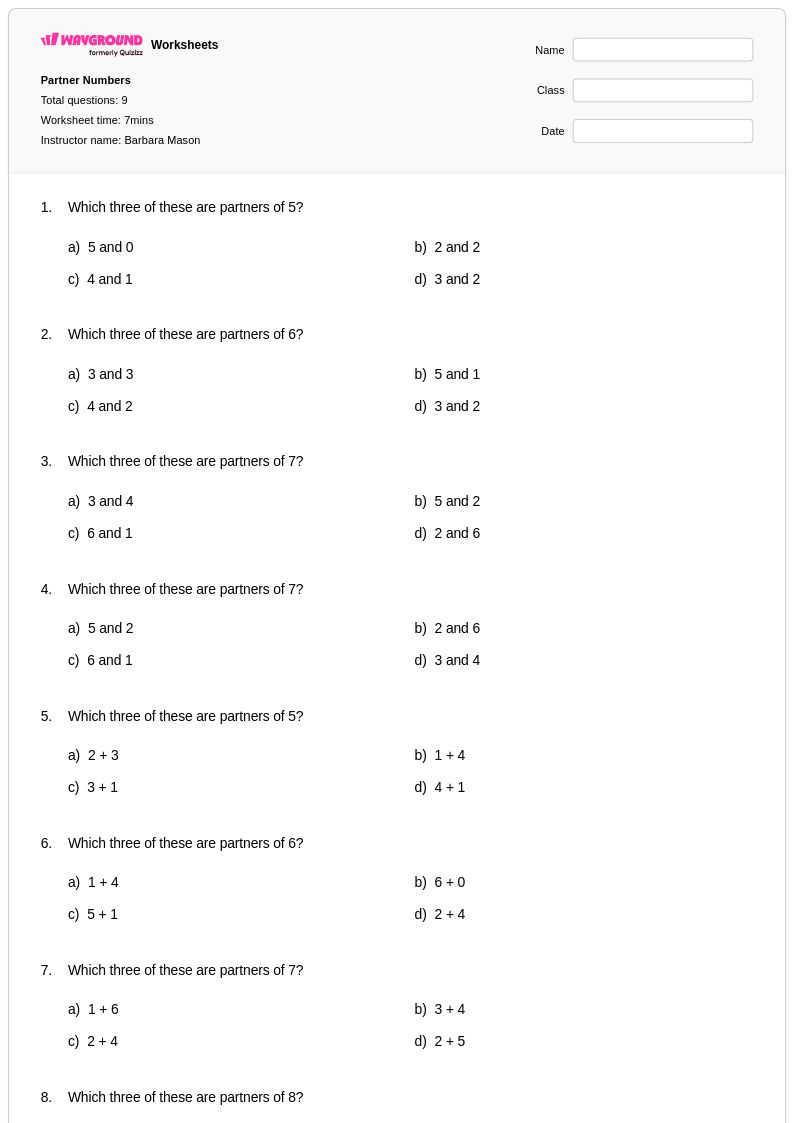
9 Q
KG - 1st
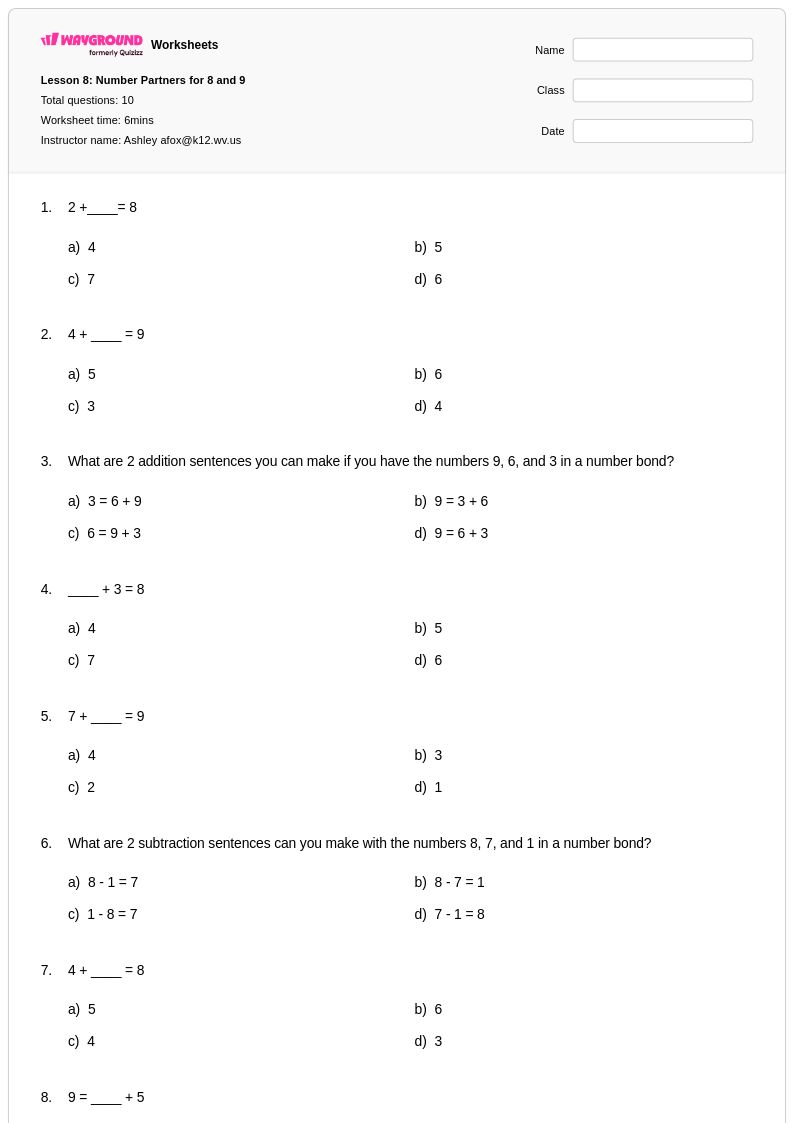
10 Q
1st
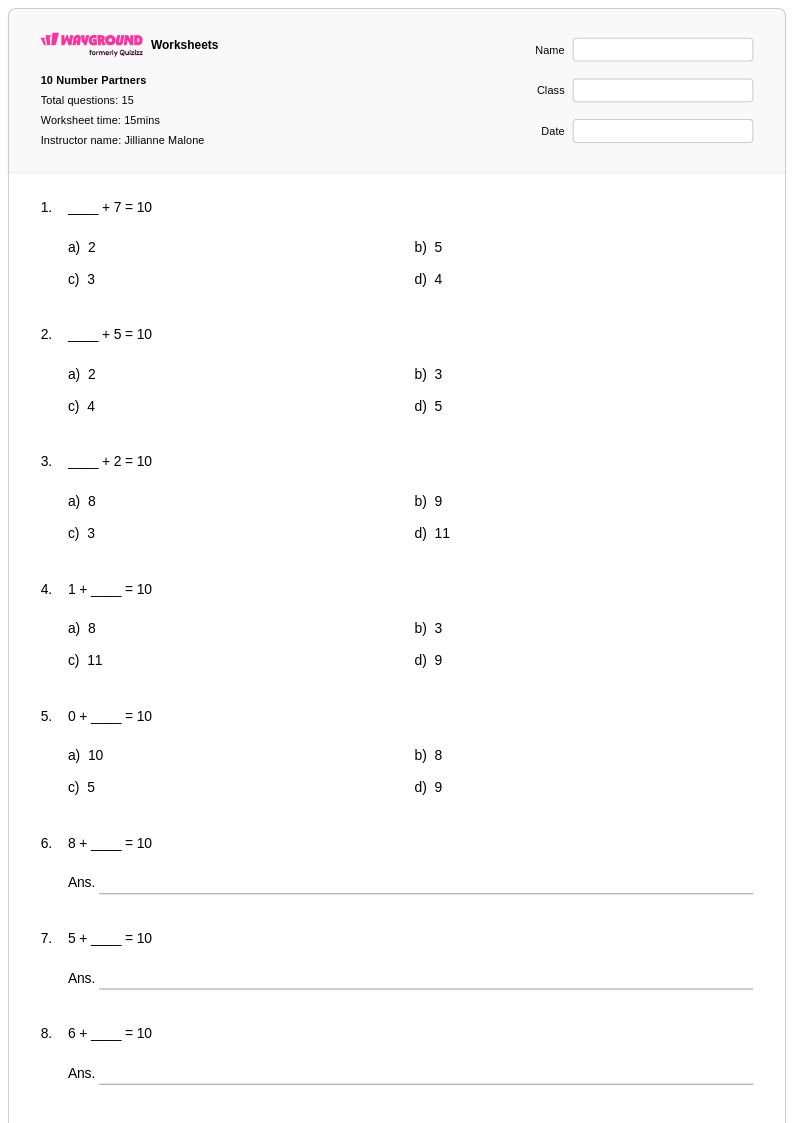
15 Q
1st
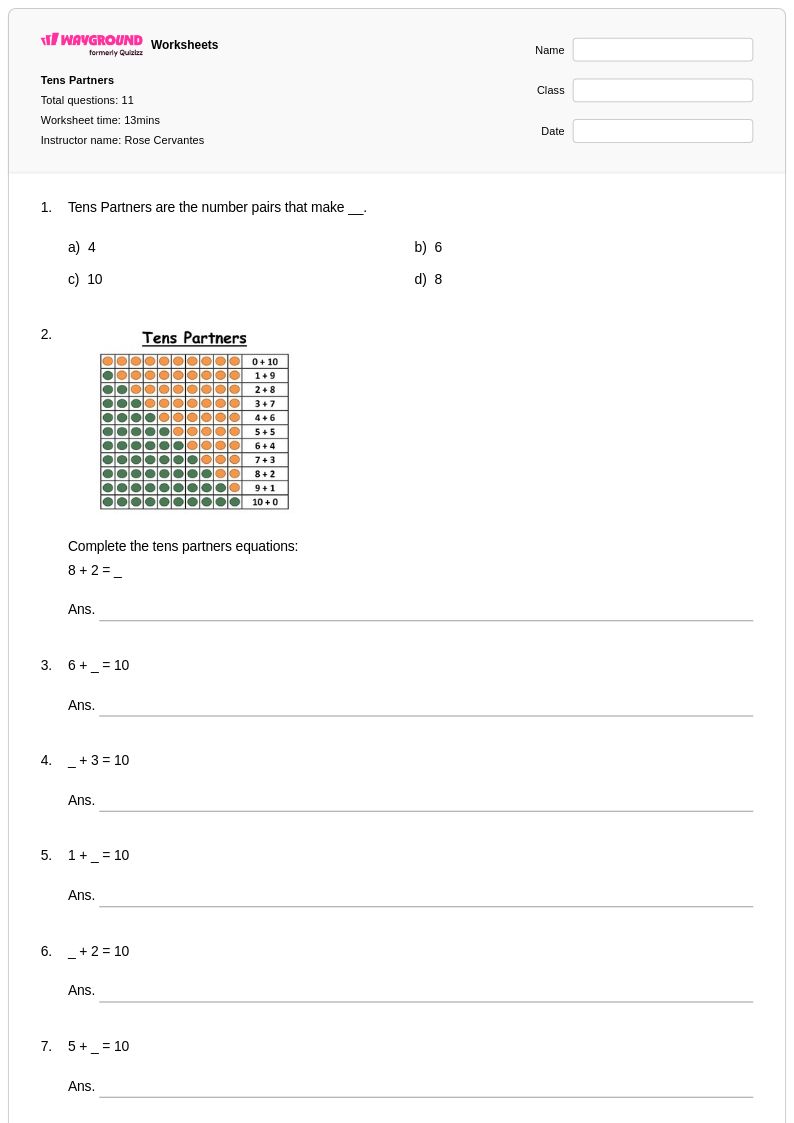
11 Q
1st - 6th
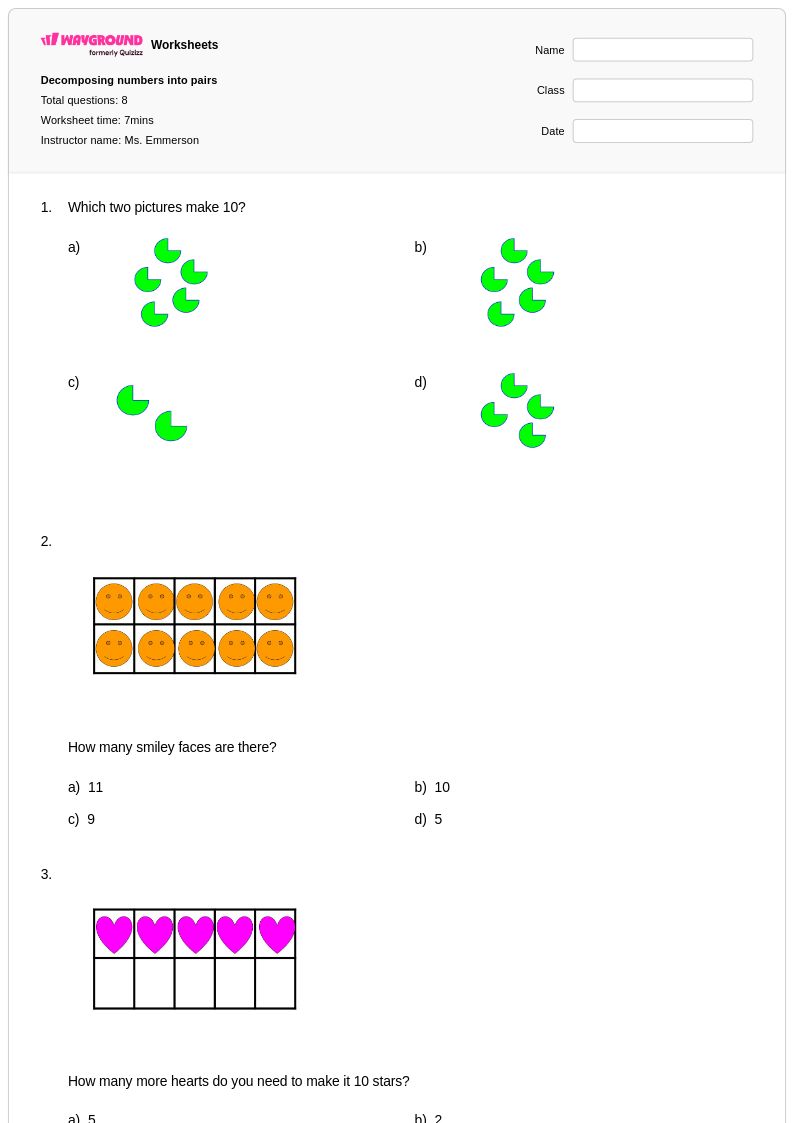
8 Q
KG - 3rd
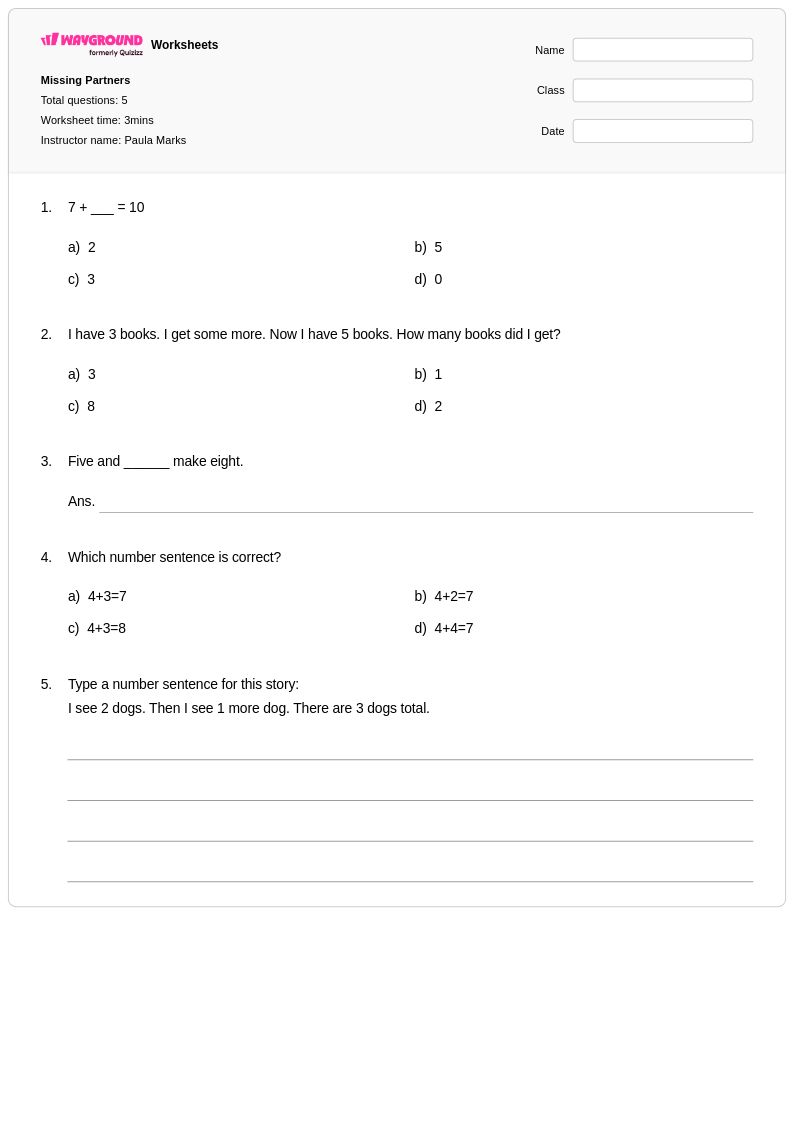
5 Q
1st
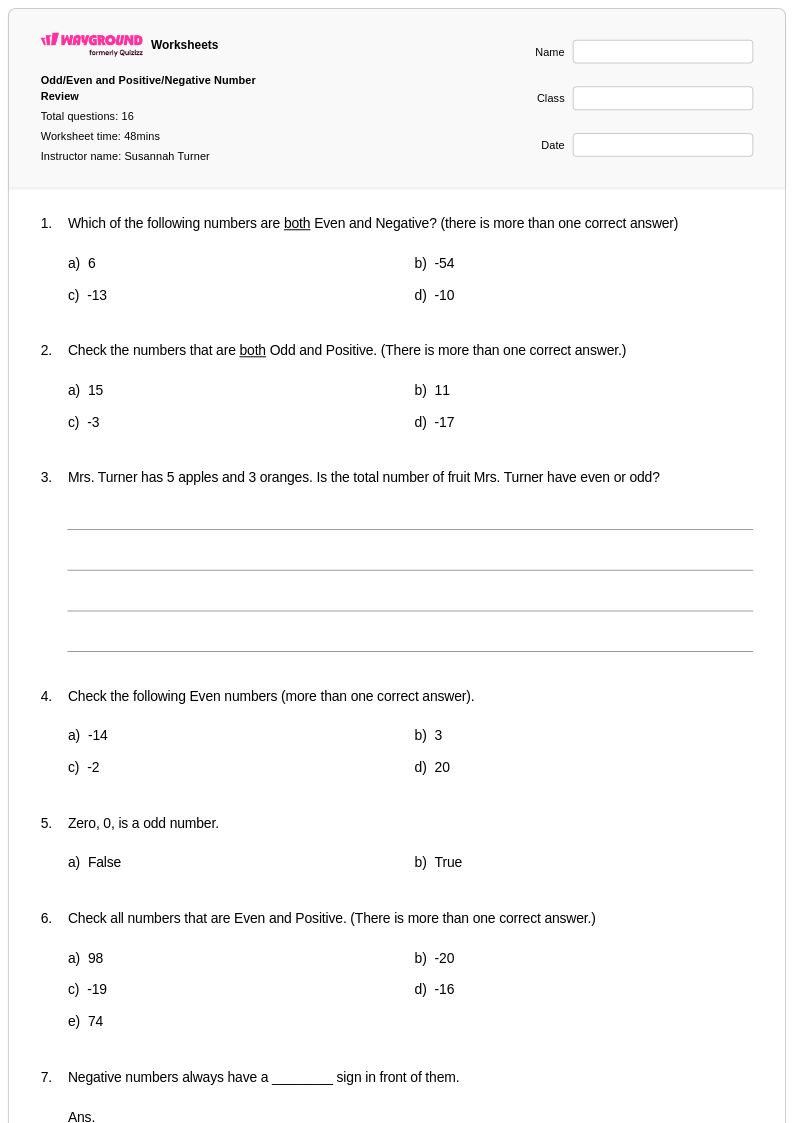
16 Q
1st - 3rd
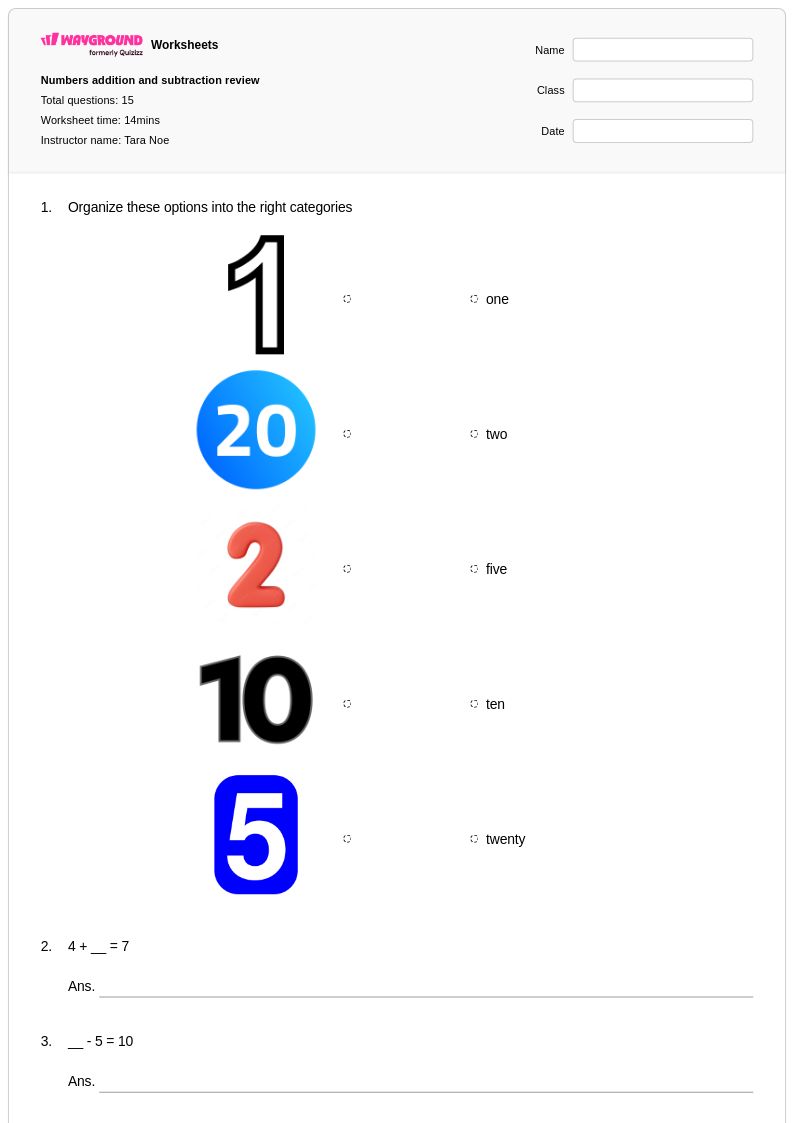
15 Q
1st - 5th
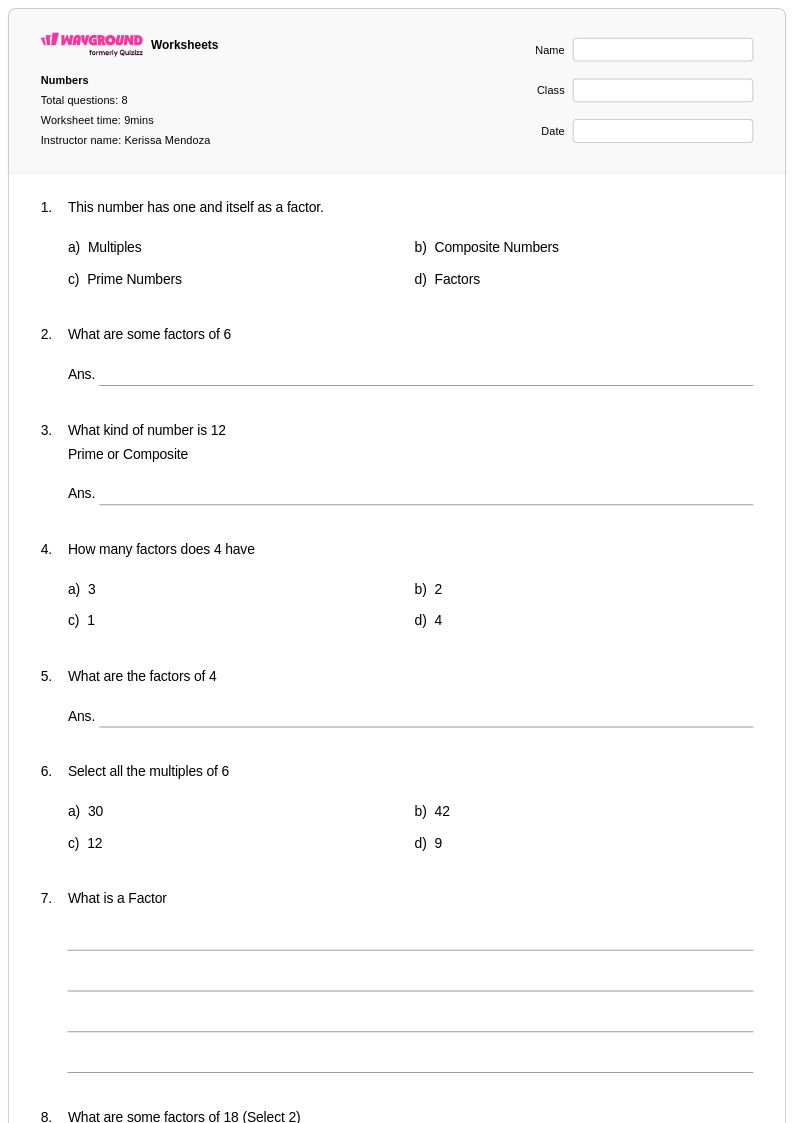
8 Q
1st
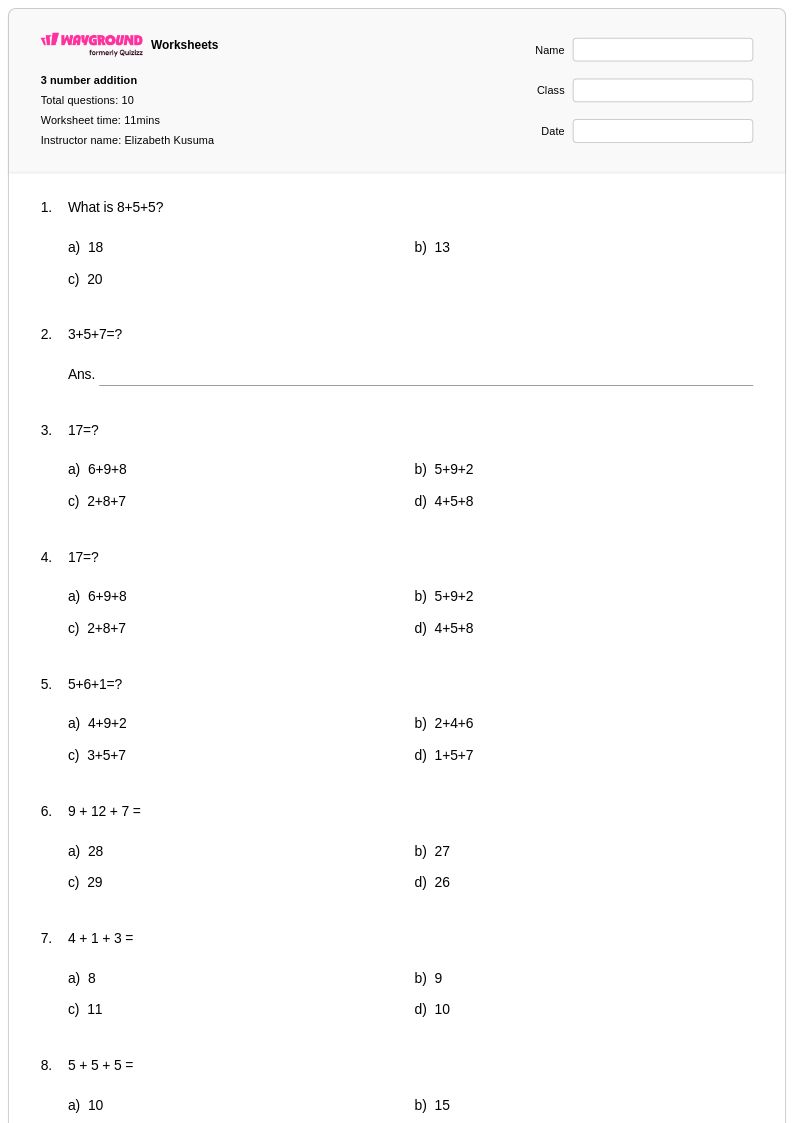
10 Q
1st
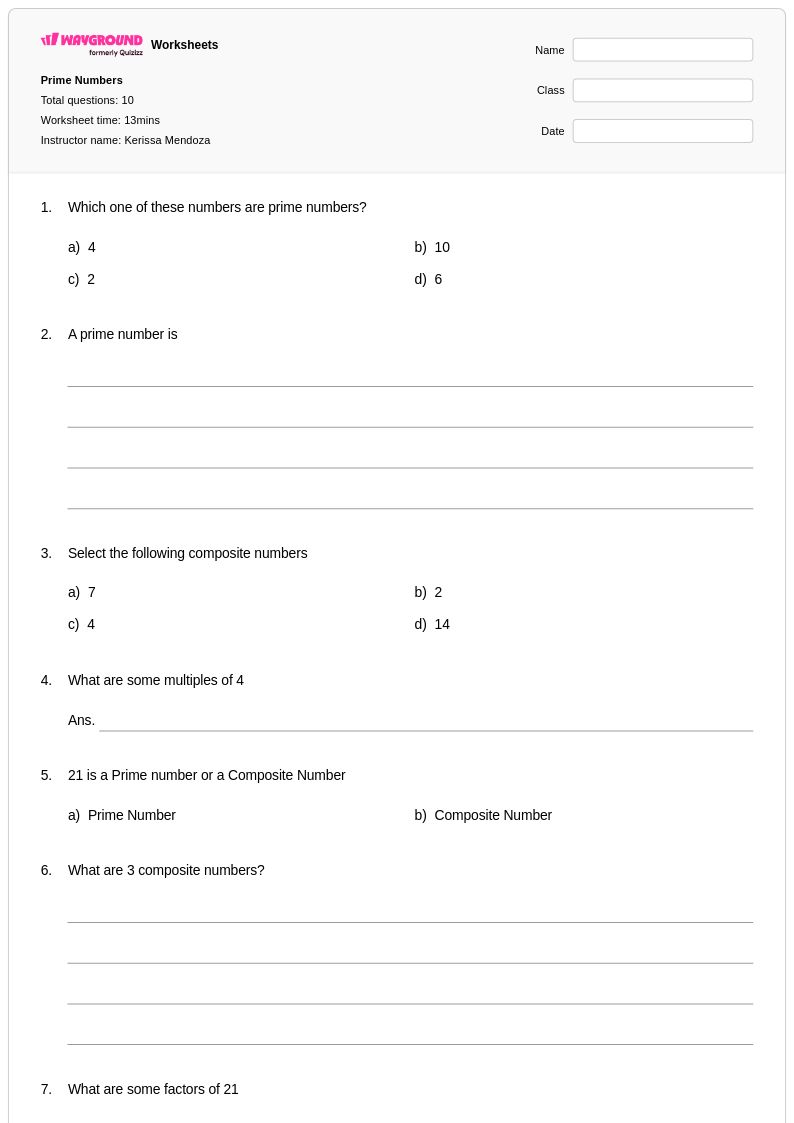
10 Q
1st
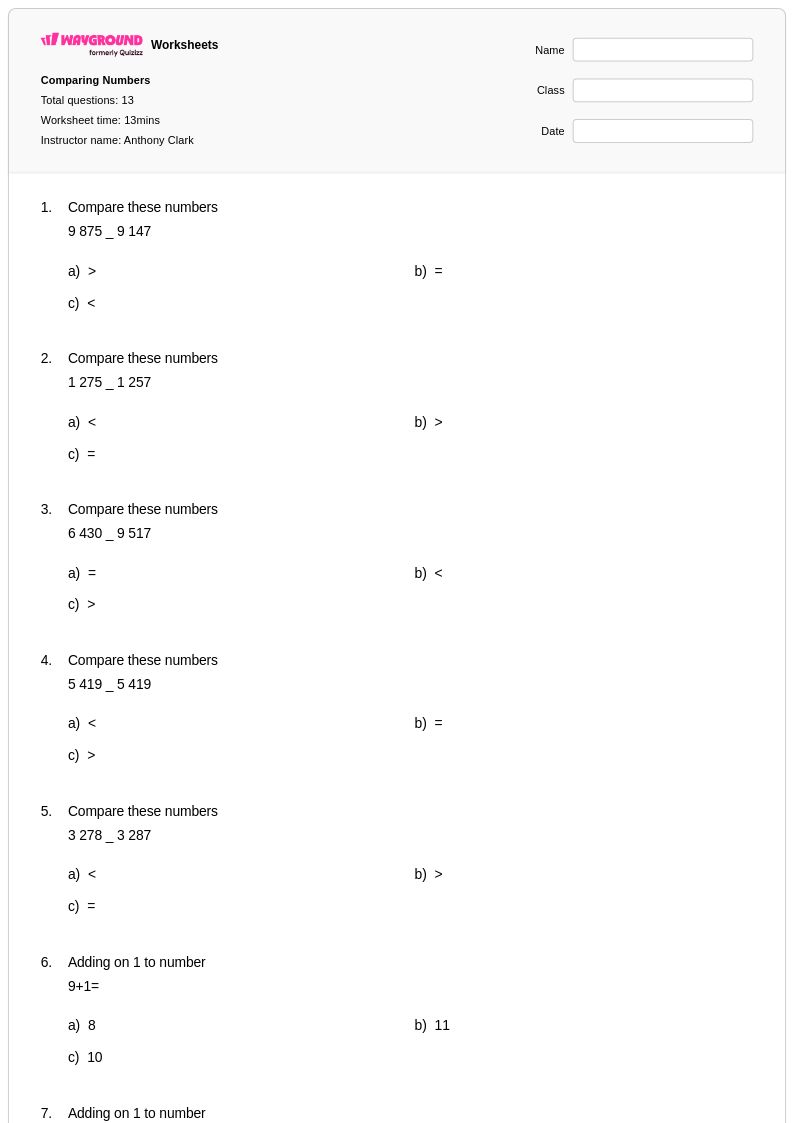
13 Q
1st - Uni
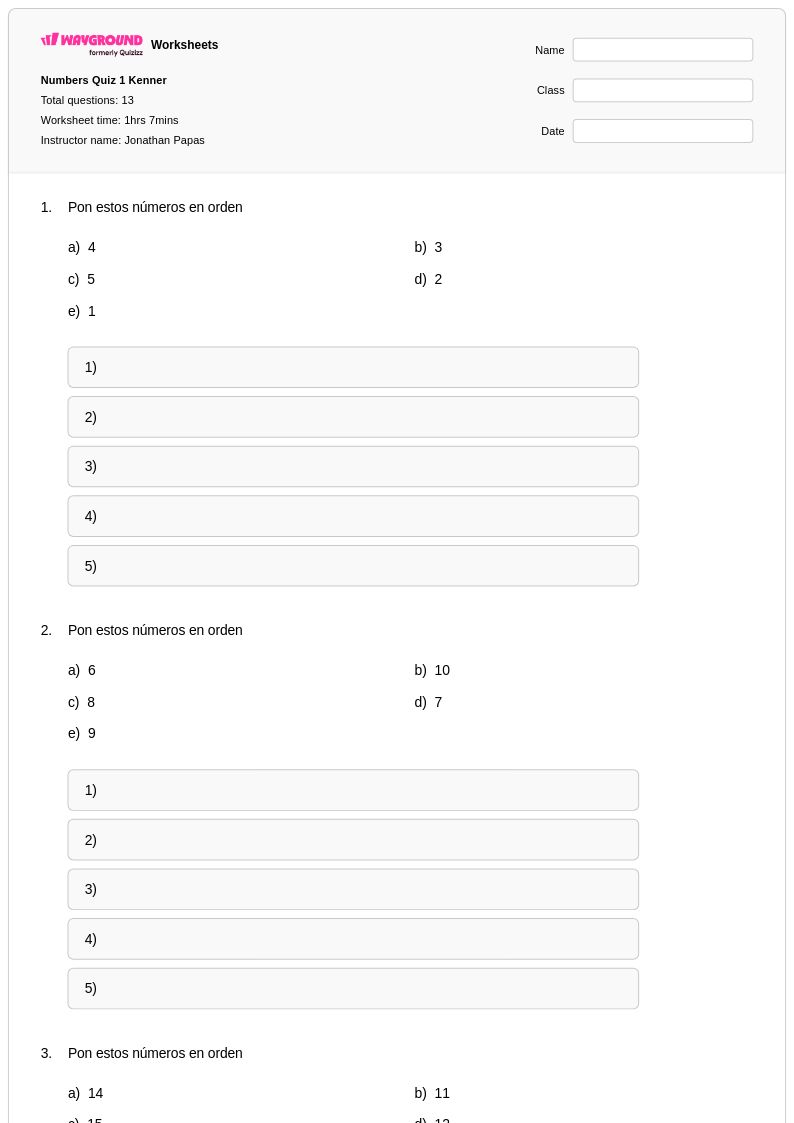
13 Q
1st
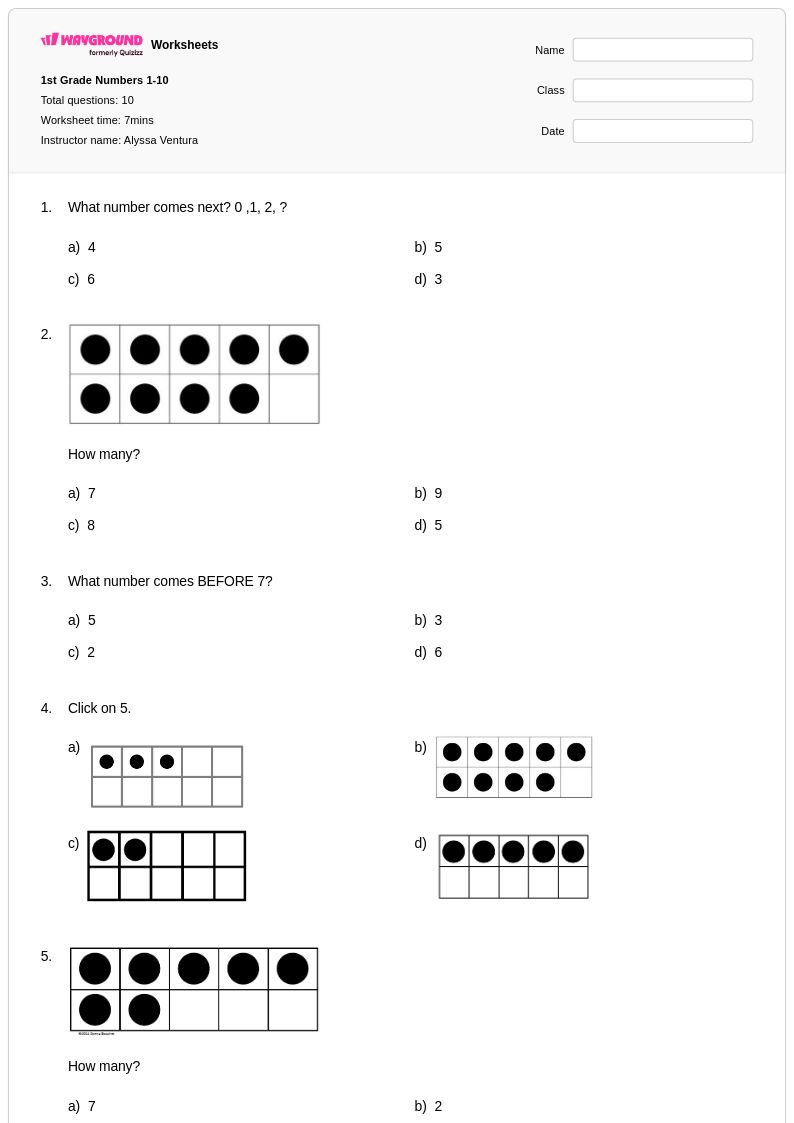
10 Q
KG - 1st
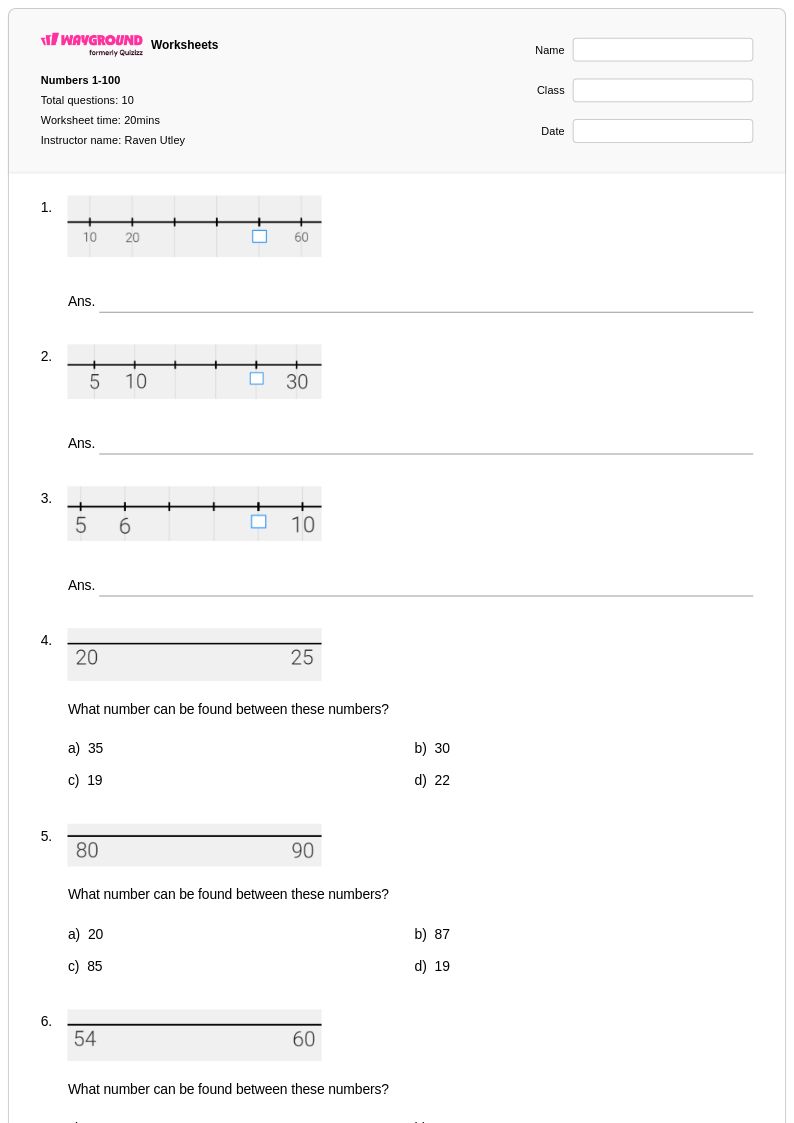
10 Q
1st
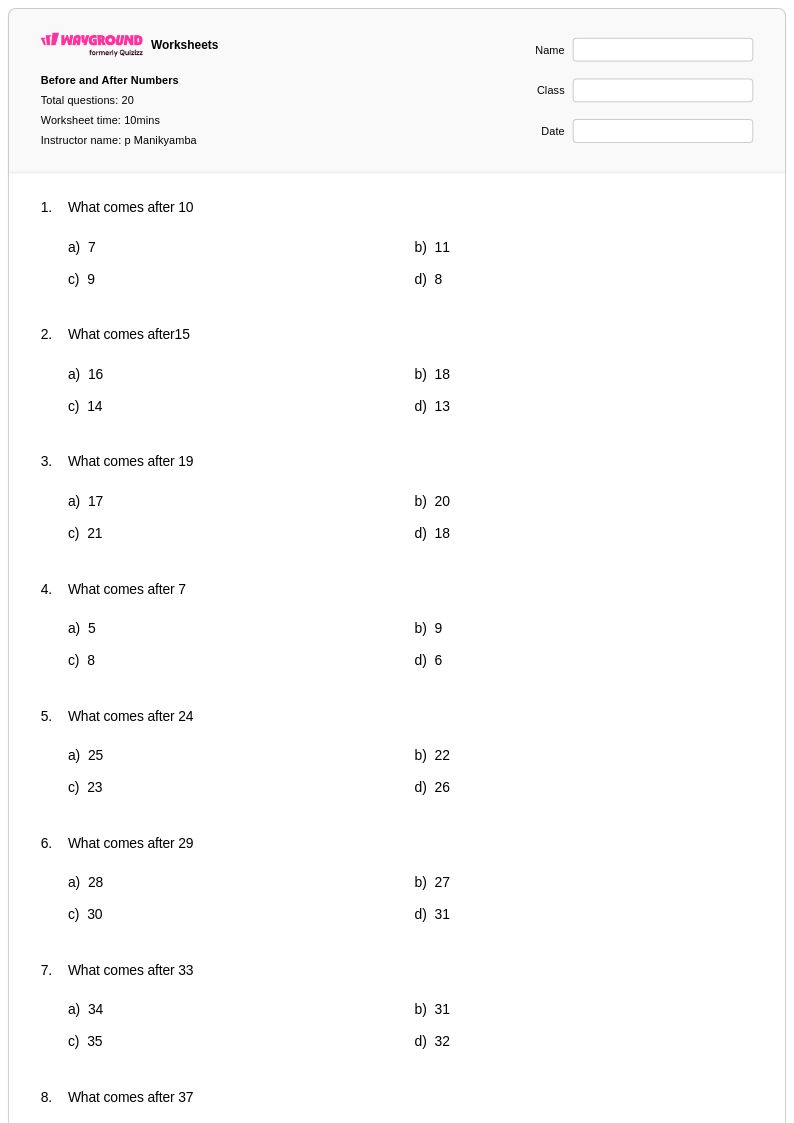
20 Q
1st
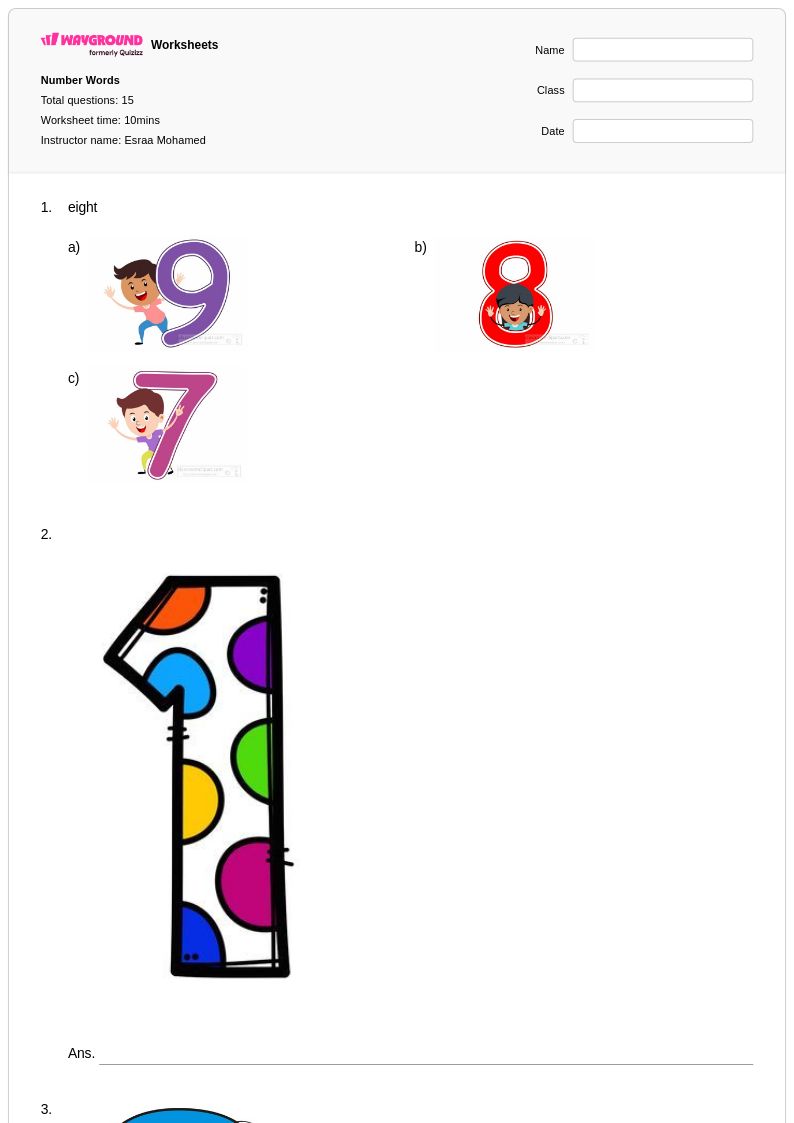
15 Q
KG - 1st
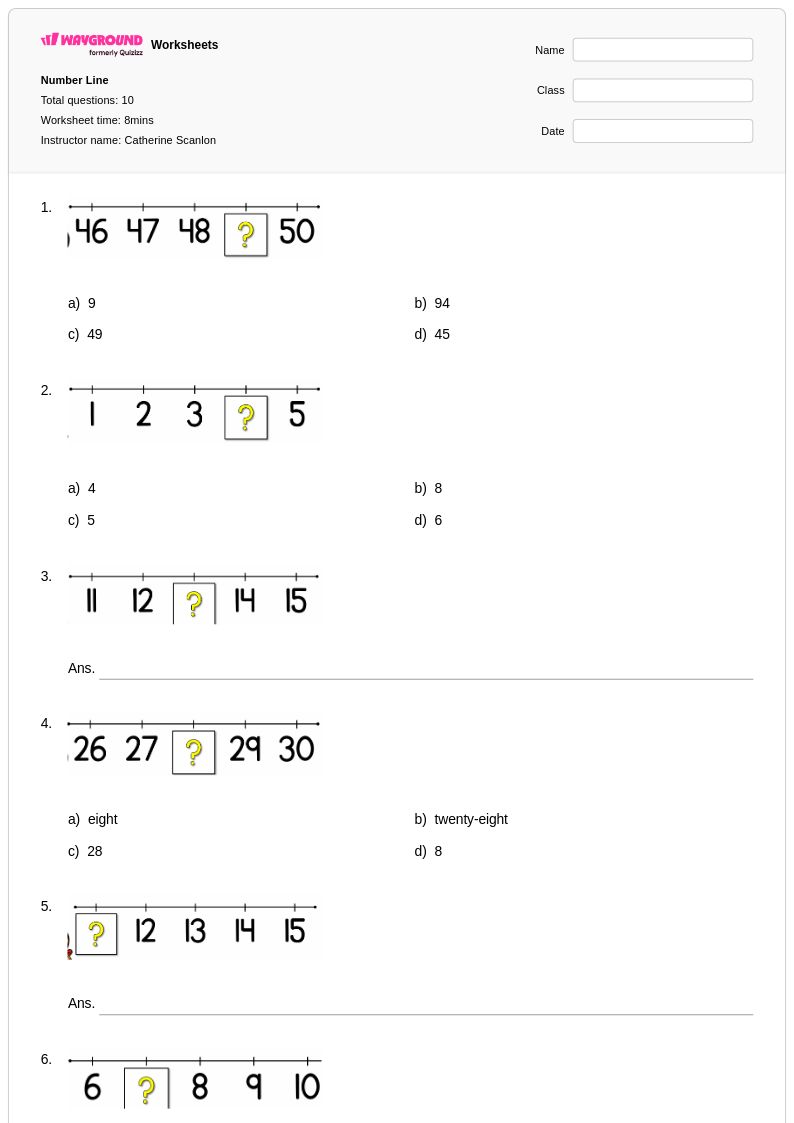
10 Q
1st
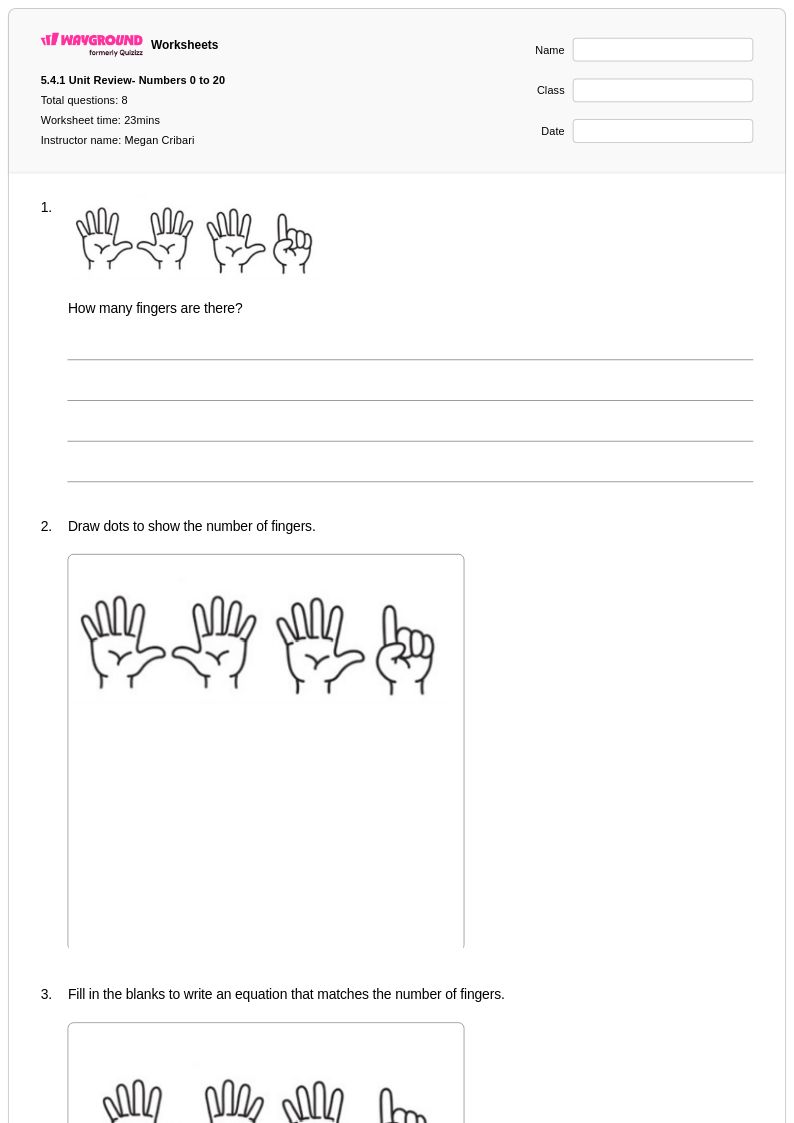
8 Q
1st
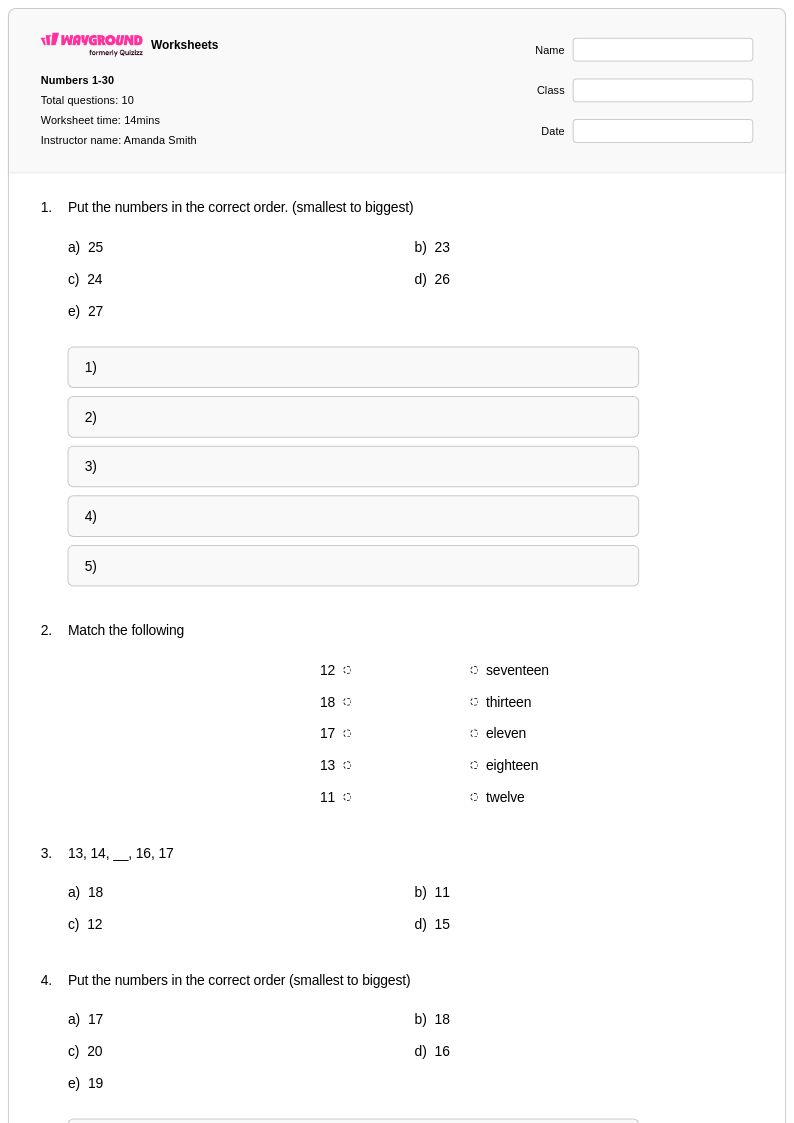
10 Q
1st
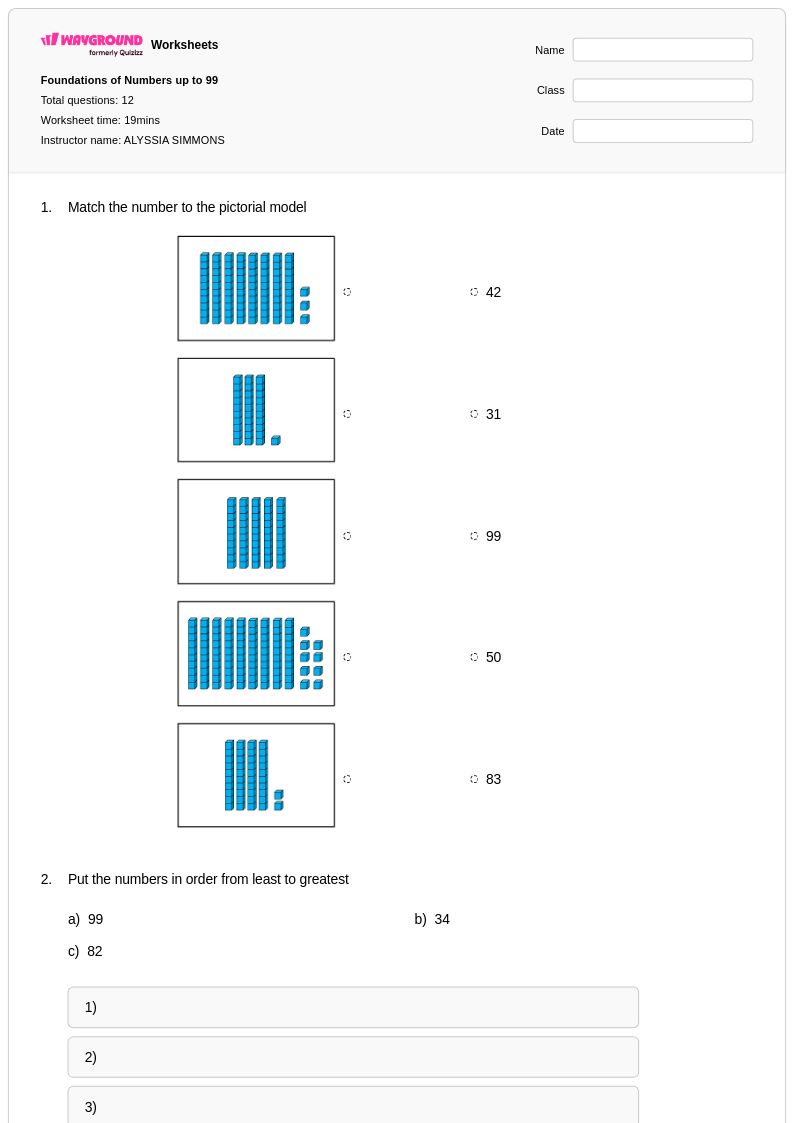
12 Q
1st
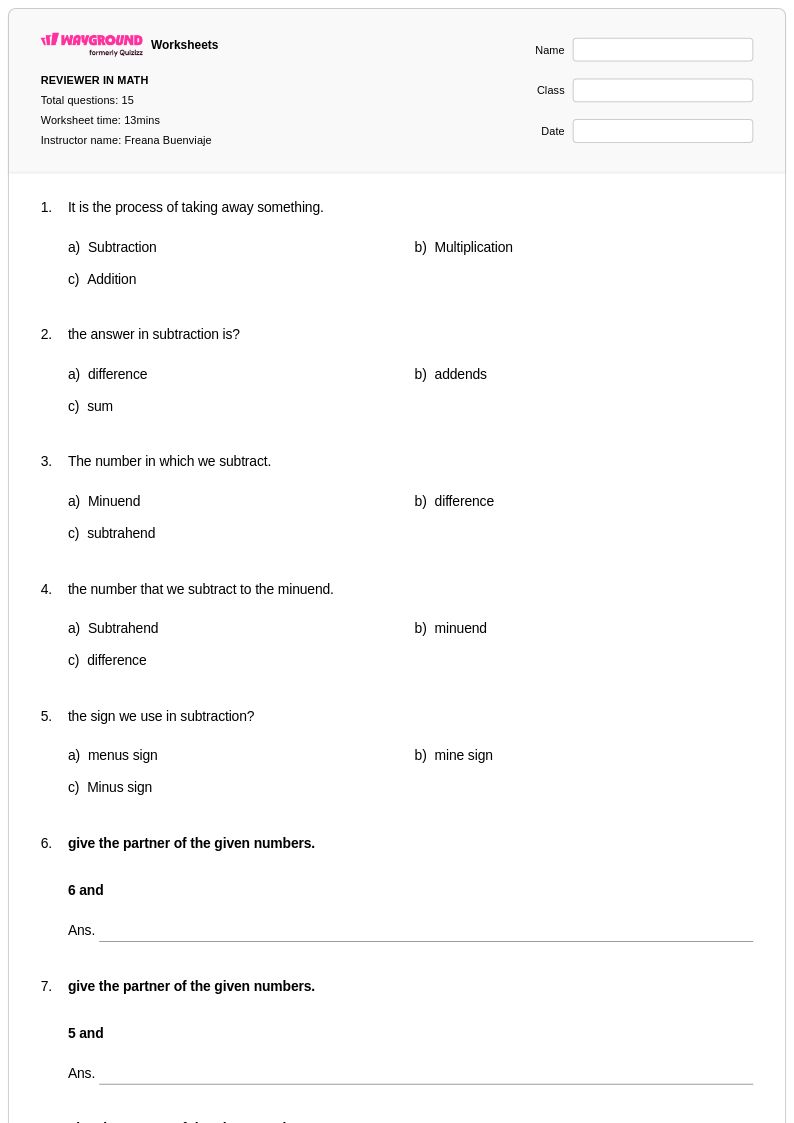
15 Q
1st
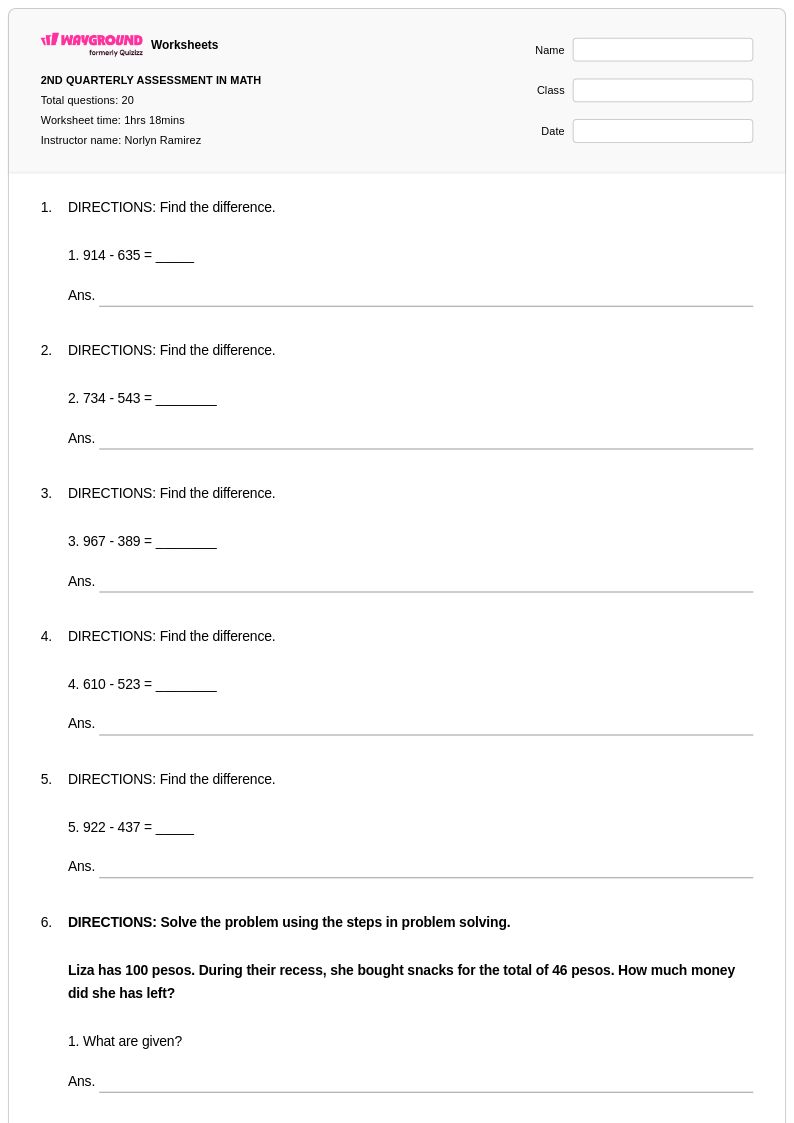
20 Q
1st
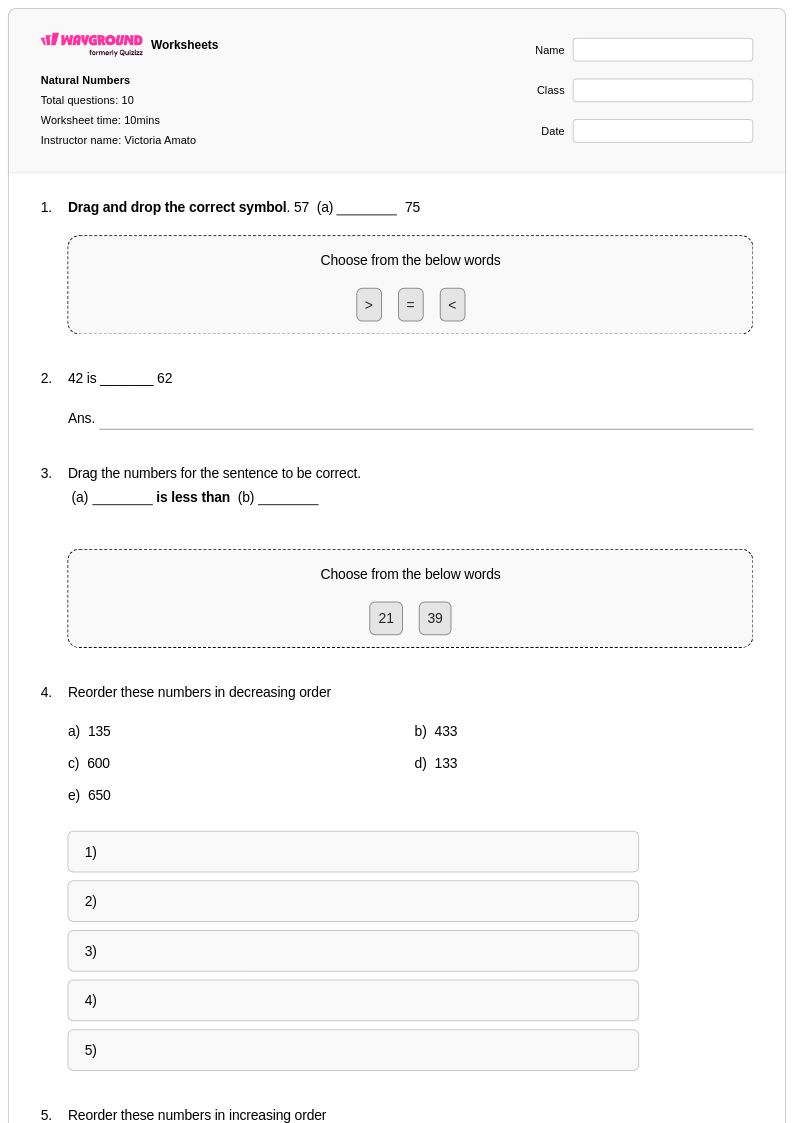
10 Q
1st
Explore Partner Numbers Worksheets by Grades
Explore Other Subject Worksheets for year 1
Explore printable Partner Numbers worksheets for Year 1
Partner numbers worksheets for Year 1 provide essential foundational practice for young mathematicians learning to decompose numbers and understand additive relationships. These carefully designed printables help first-grade students discover the various ways numbers can be broken apart and recombined, such as recognizing that 5 can be made from 2+3, 1+4, or 0+5. Through engaging practice problems that often feature visual representations like ten frames, dot patterns, and number bonds, students develop crucial number sense skills that form the backbone of future arithmetic learning. Each worksheet includes comprehensive answer keys and is available as free pdf downloads, making it simple for educators to implement immediate assessment and provide targeted feedback on student understanding of these fundamental mathematical relationships.
Wayground, formerly Quizizz, empowers teachers with access to millions of educator-created partner numbers resources specifically designed to meet Year 1 mathematics standards and learning objectives. The platform's robust search and filtering capabilities allow instructors to quickly locate worksheets that align with their curriculum requirements and student needs, while built-in differentiation tools enable seamless customization for learners at various skill levels. Teachers can effortlessly switch between printable pdf formats for traditional classroom use and digital versions for technology-integrated instruction, supporting flexible lesson planning and diverse learning environments. These comprehensive resources prove invaluable for daily skill practice, targeted remediation for struggling students, and enrichment opportunities for advanced learners, ensuring every first-grader develops a solid understanding of how numbers work together through decomposition and composition strategies.
FAQs
How can I build on kindergarten skills for partner numbers in first grade?
What exercises help first graders master partner numbers?
What mistakes do first graders commonly make with partner numbers?
How do I use this first-grade partner numbers worksheet?
How does this topic fit into the first-grade curriculum?
How can I differentiate this worksheet for my first graders?