
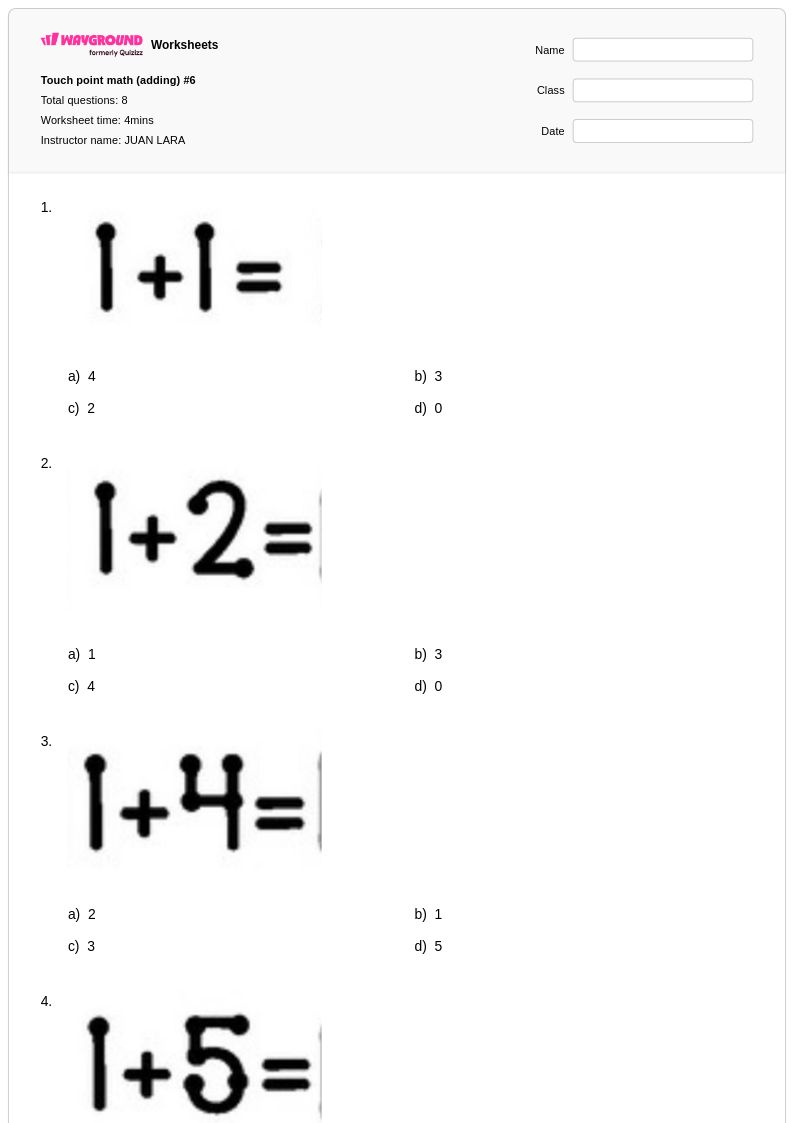
8 Q
KG - 3rd
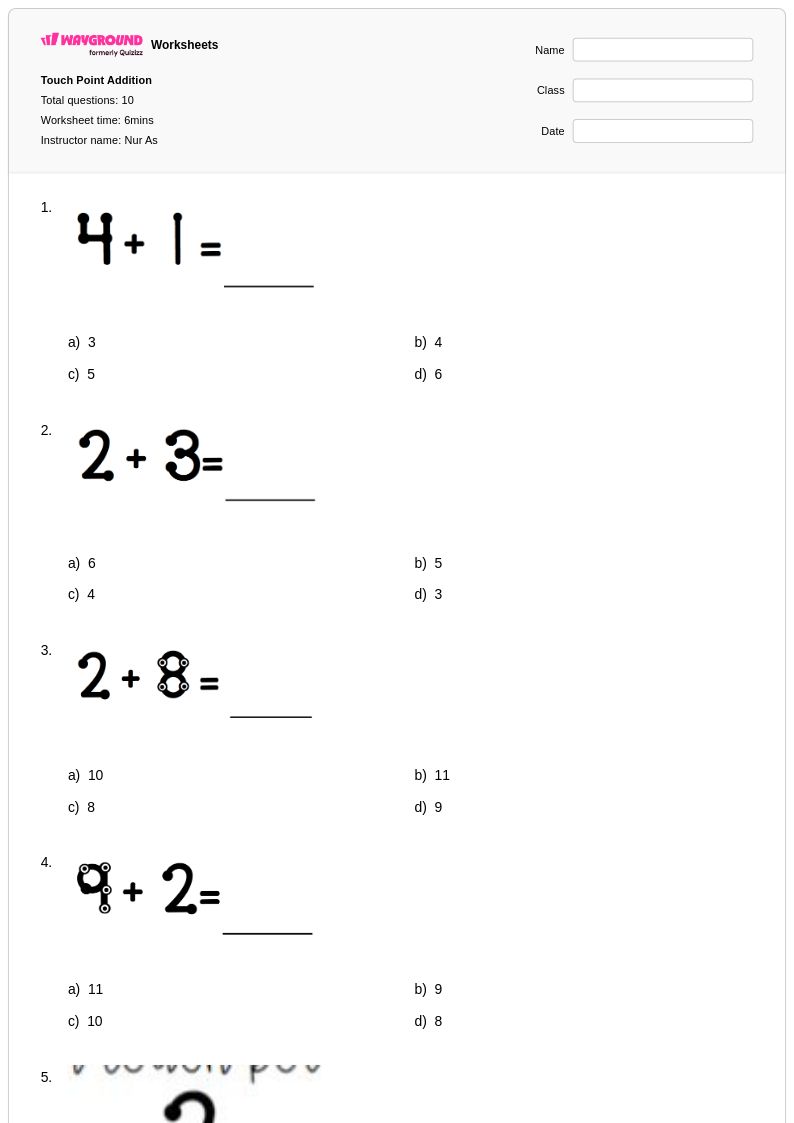
10 Q
1st
7 Q
1st
10 Q
1st - 5th
12 Q
1st - 5th
26 Q
1st
20 Q
1st
10 Q
1st
12 Q
1st - Uni
18 Q
1st
20 Q
1st
8 Q
1st
9 Q
KG - 2nd
10 Q
1st - 5th
25 Q
1st
10 Q
1st - Uni
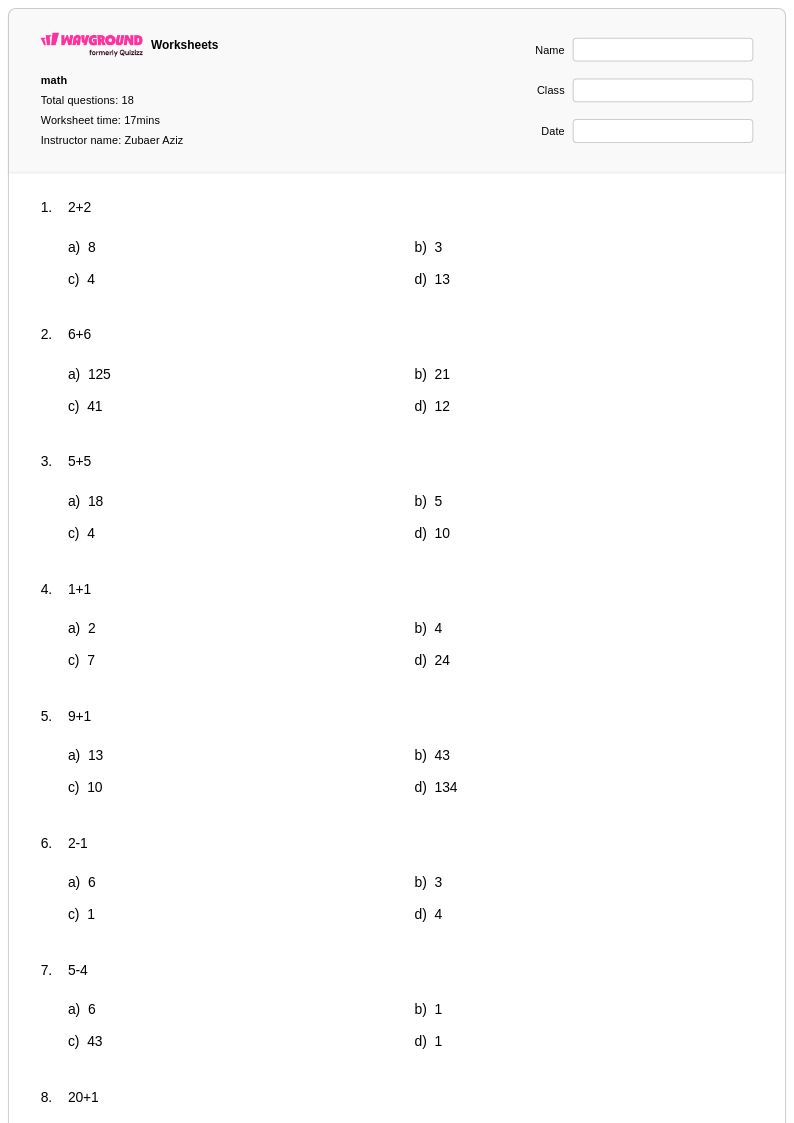
18 Q
1st
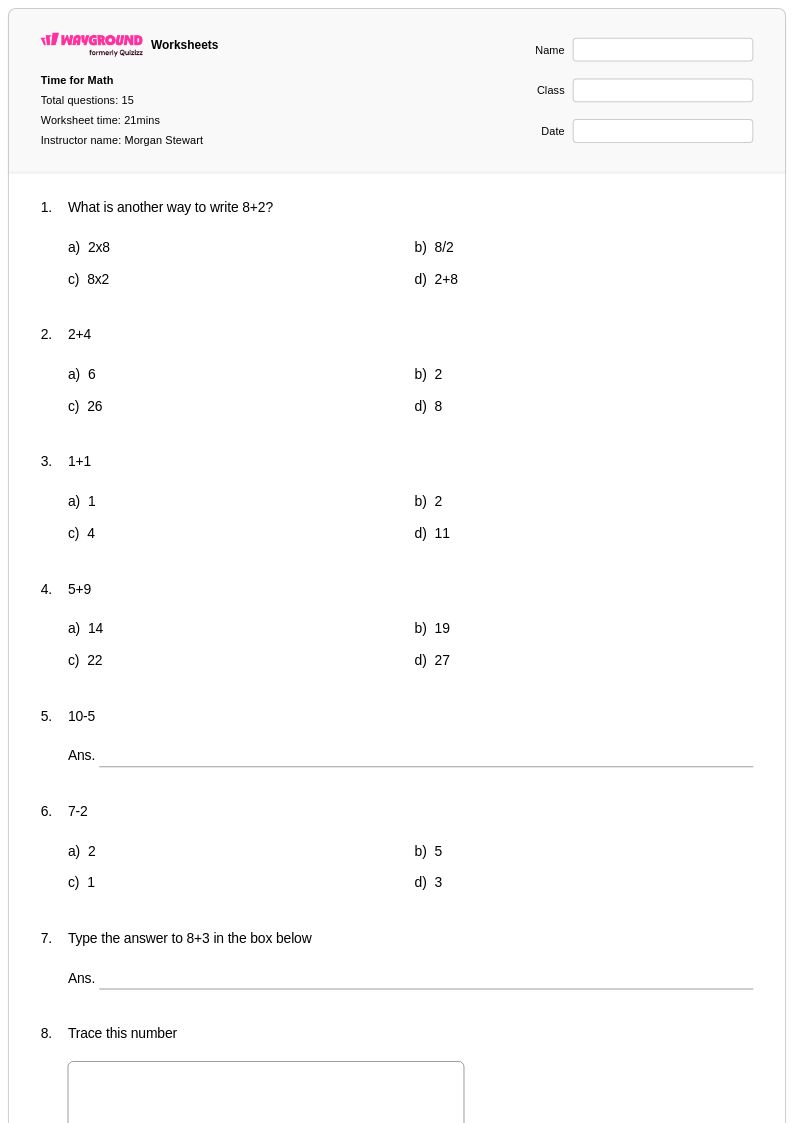
15 Q
1st
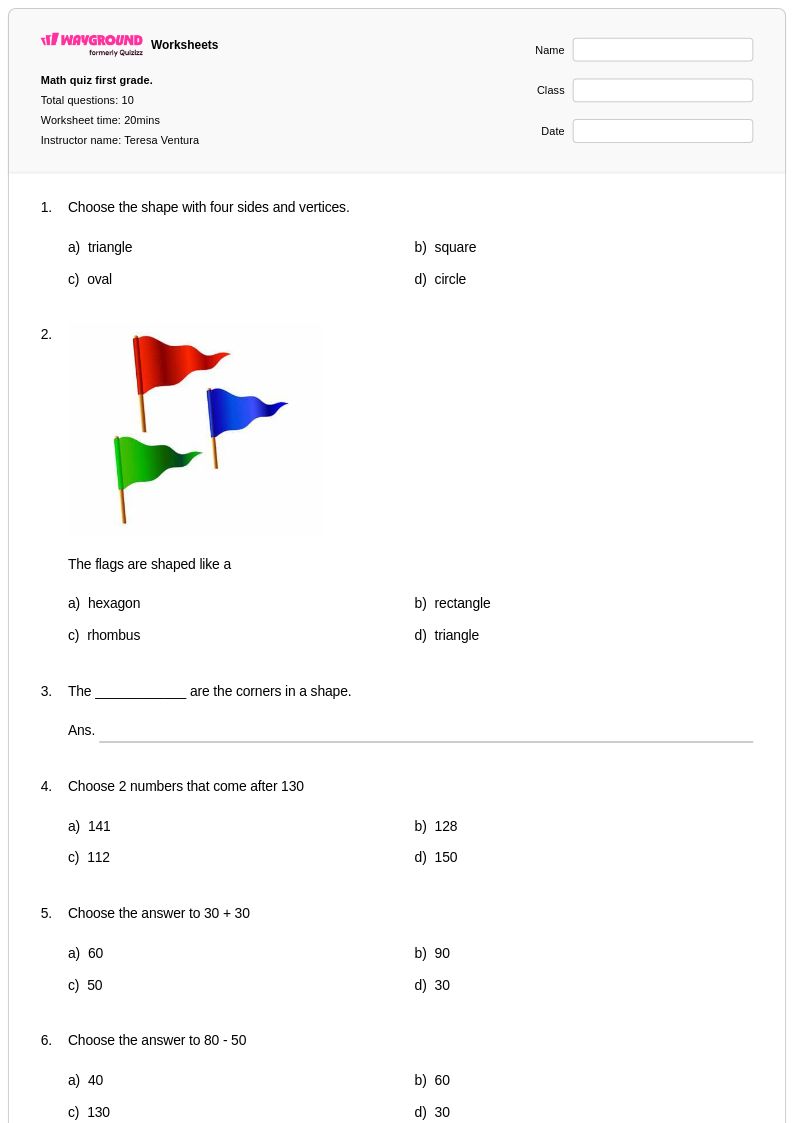
10 Q
1st
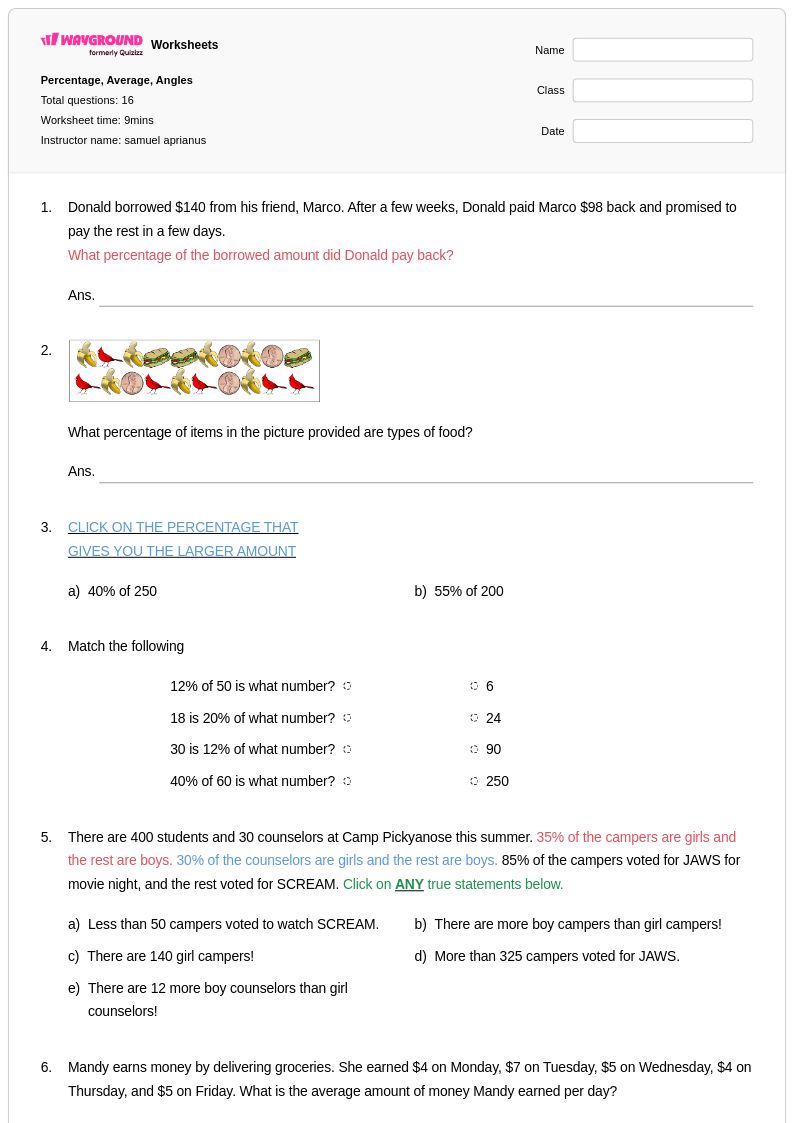
16 Q
1st - 5th
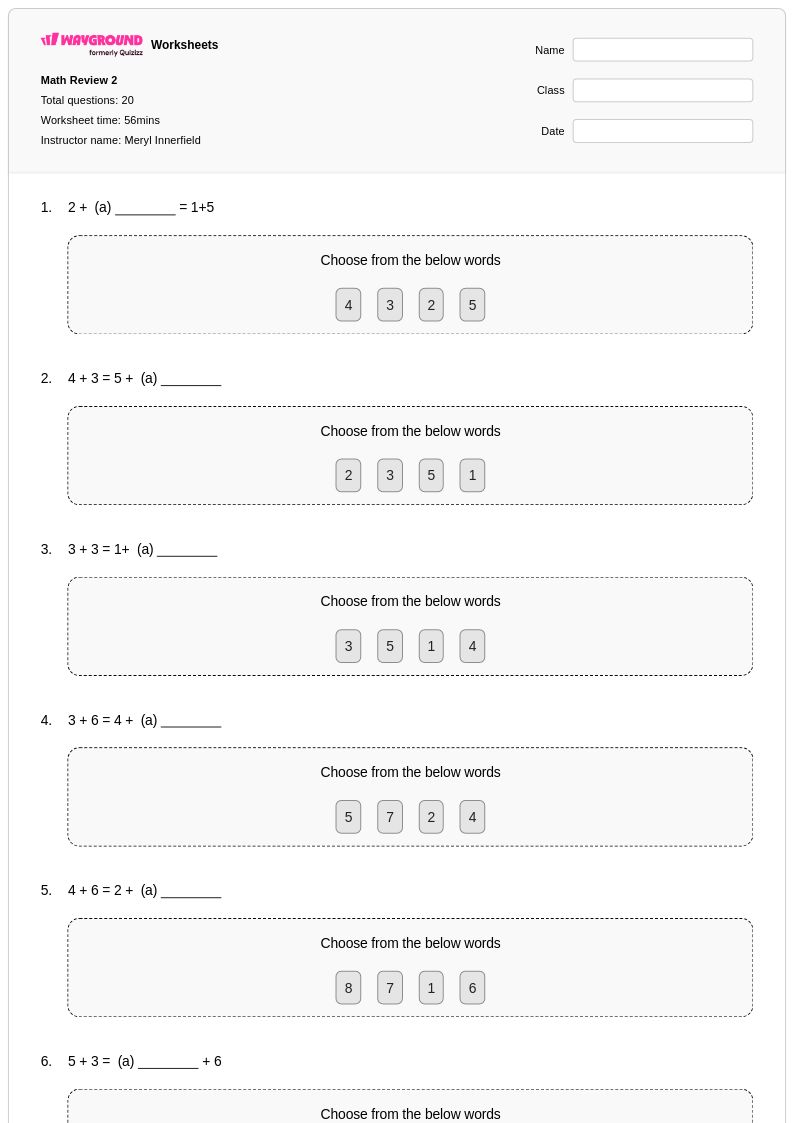
20 Q
1st
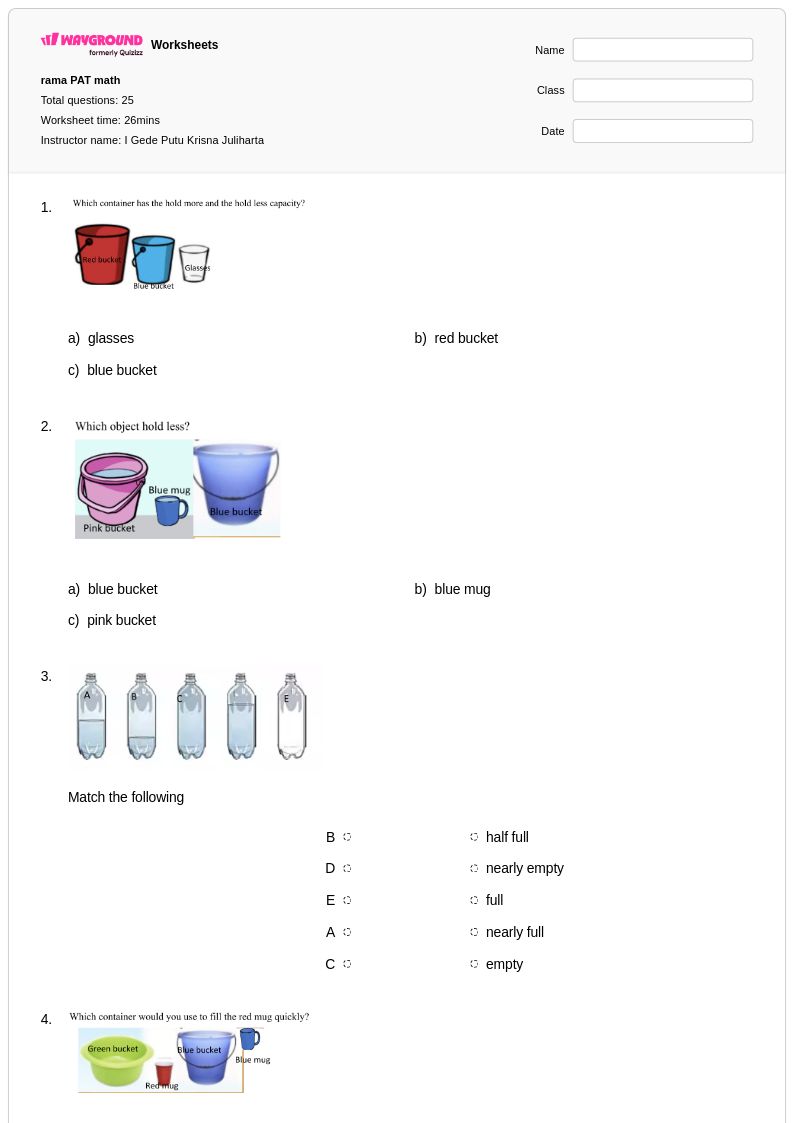
25 Q
1st
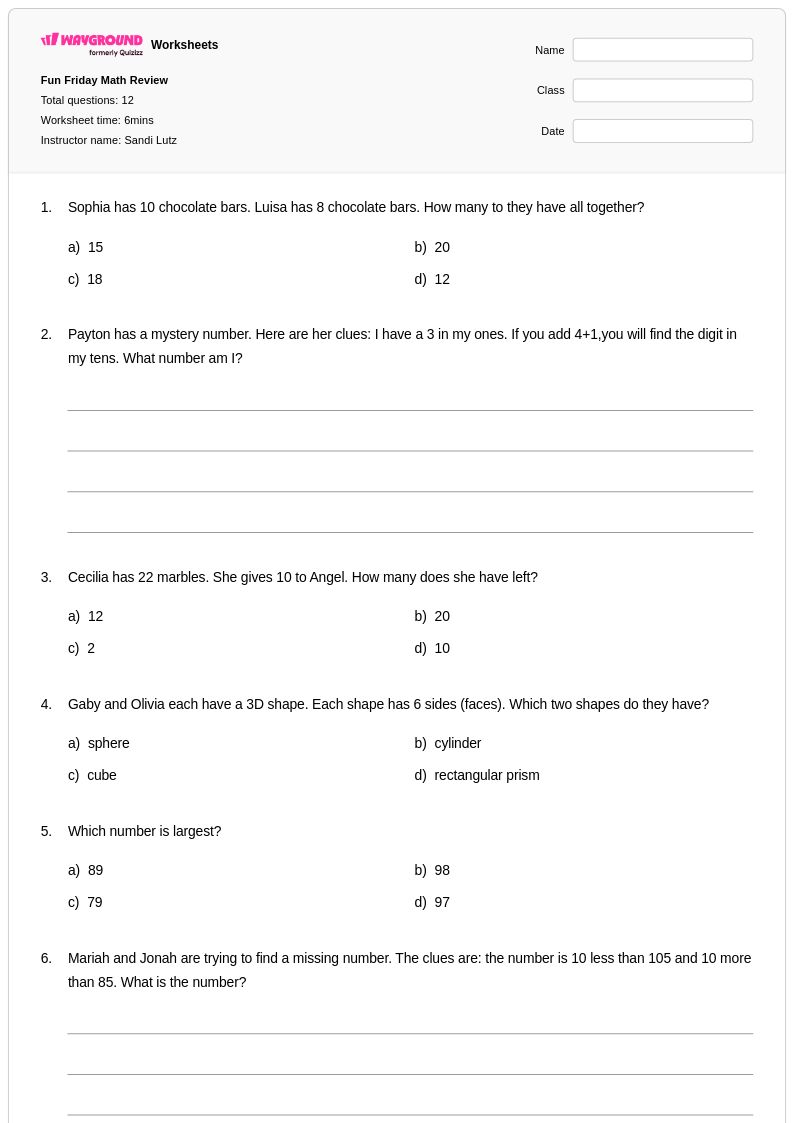
12 Q
1st
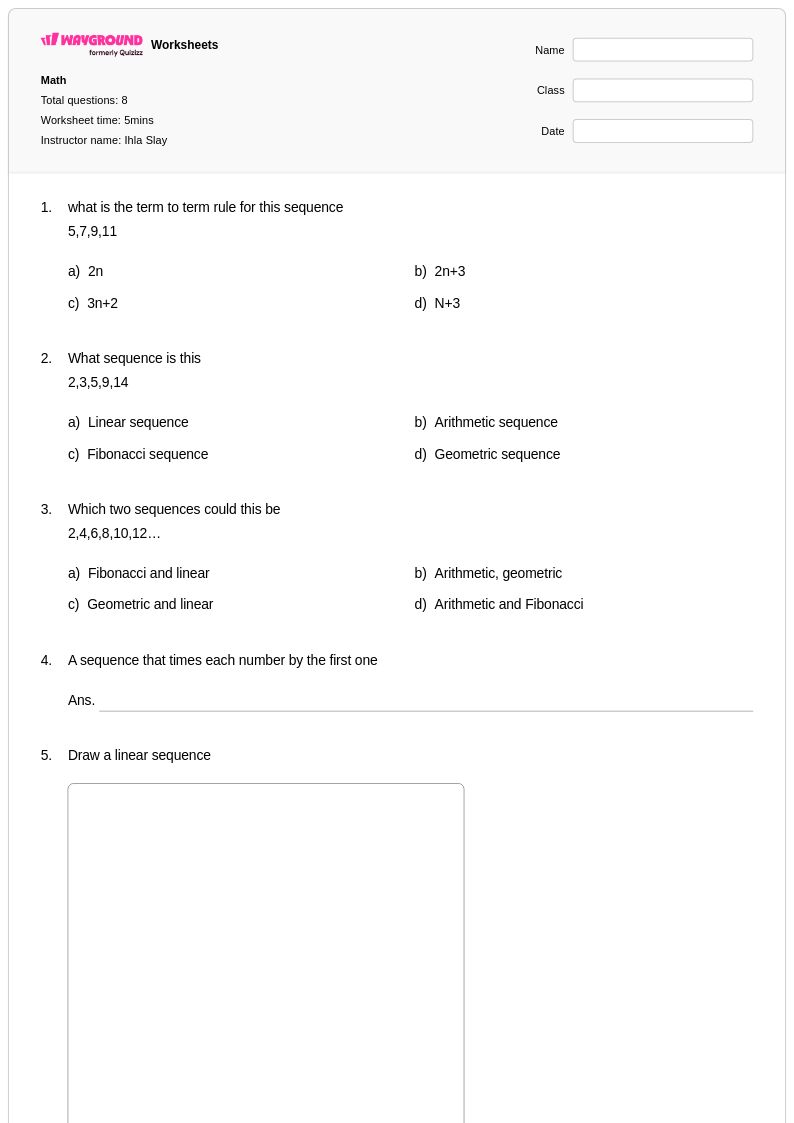
8 Q
1st - 8th
Explore Touch Point Math Worksheets by Grades
Explore Other Subject Worksheets for year 1
Explore printable Touch Point Math worksheets for Year 1
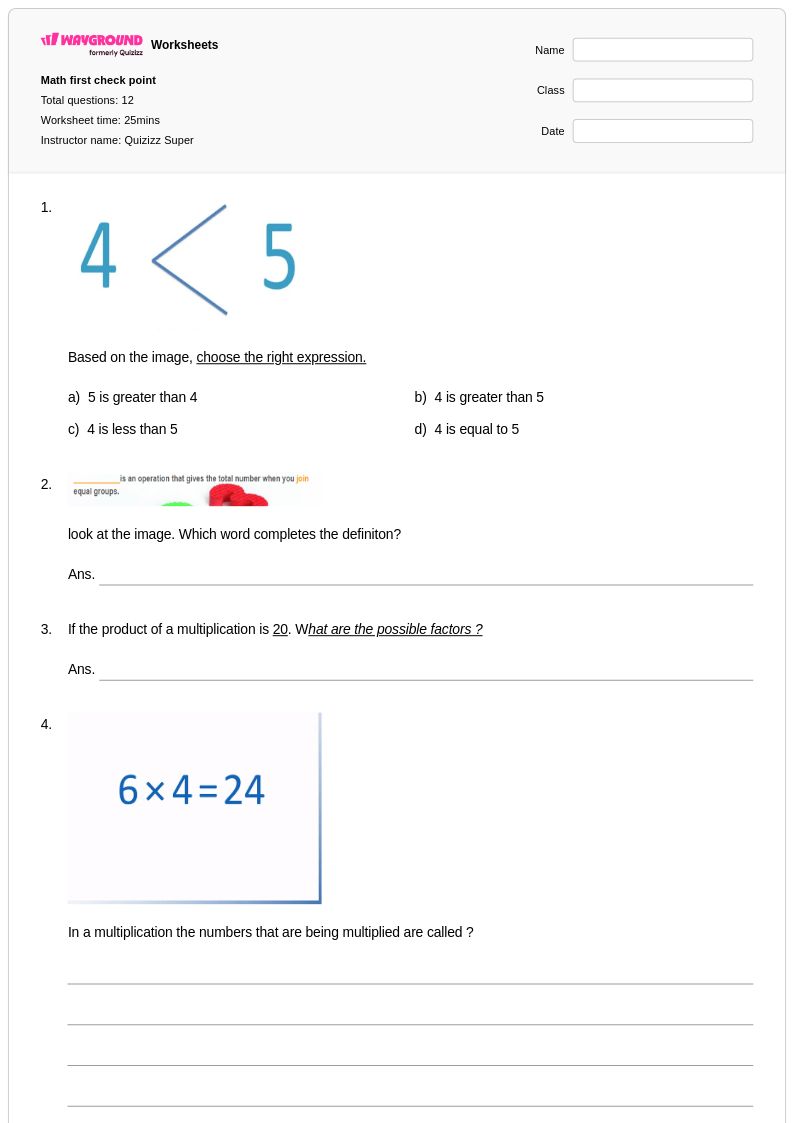
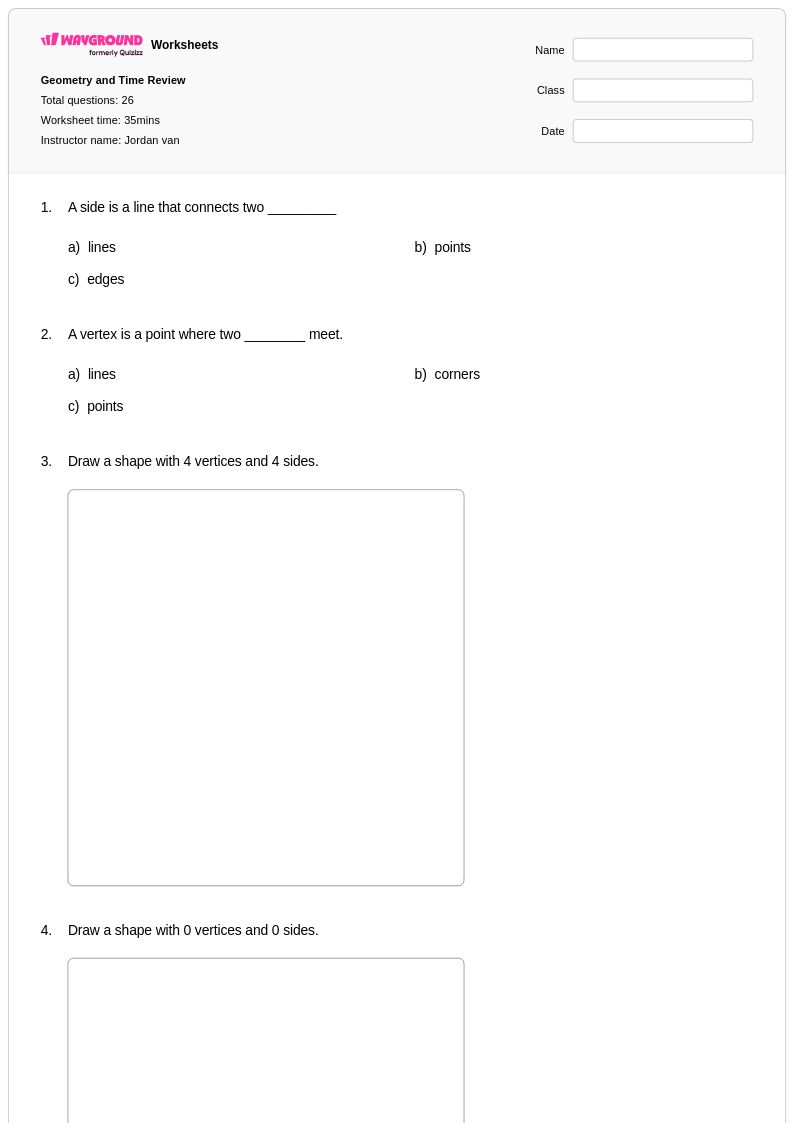
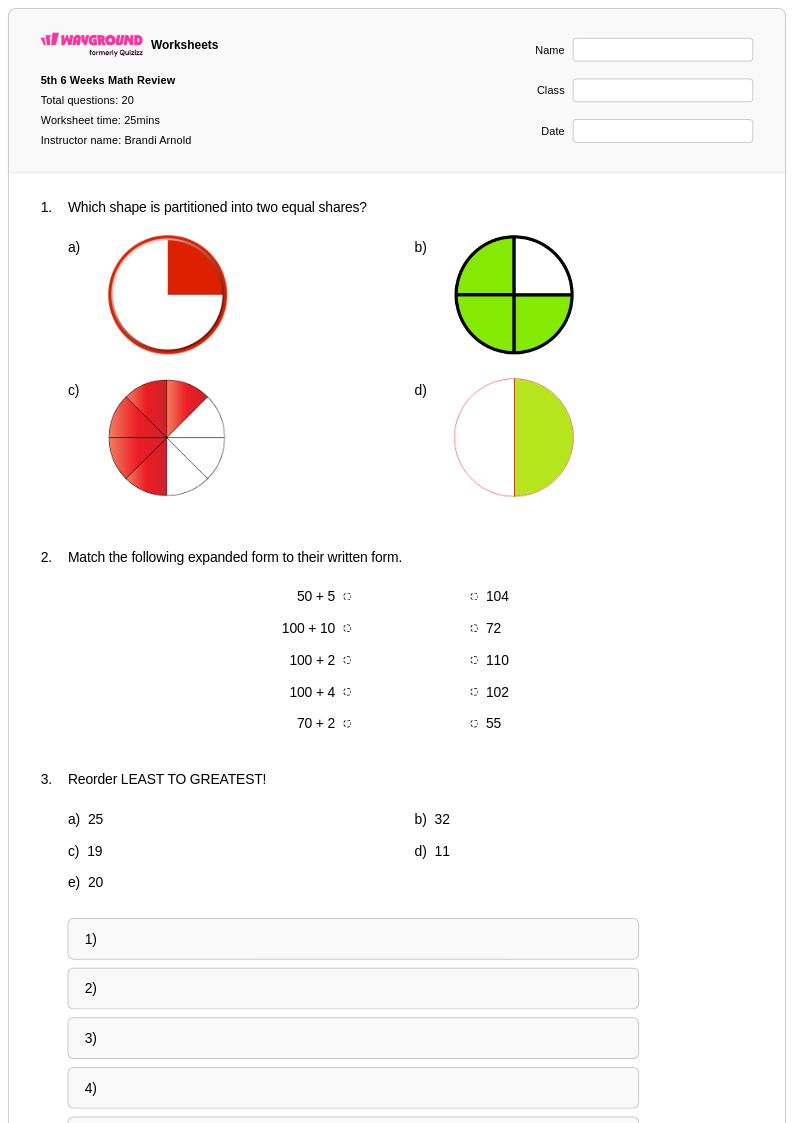
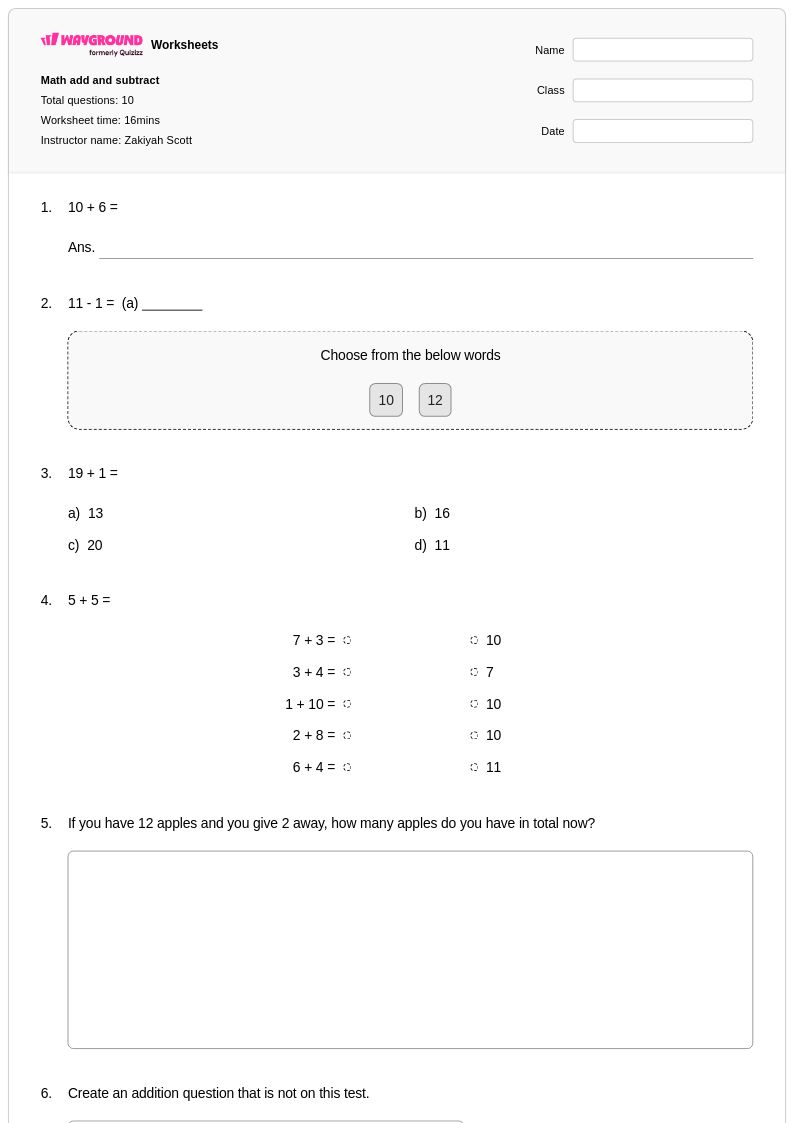
Touch point math worksheets for Year 1 provide young learners with a concrete, multisensory approach to developing fundamental number sense skills. These specialized practice problems teach students to assign specific touch points to each numeral, creating tactile anchors that support counting, addition, and subtraction operations. The worksheets available through Wayground (formerly Quizizz) focus on helping first-grade students master this proven method by providing systematic practice with touching and counting techniques that make abstract mathematical concepts more accessible. Each printable resource includes comprehensive answer keys and free pdf downloads, allowing students to build confidence through repetitive practice while developing the foundational skills necessary for mathematical fluency.
Wayground (formerly Quizizz) empowers teachers with an extensive collection of touch point math resources drawn from millions of teacher-created materials specifically designed for Year 1 instruction. The platform's robust search and filtering capabilities enable educators to quickly locate worksheets that align with their specific curriculum standards and differentiation needs, whether for remediation or enrichment activities. Teachers can customize these digital and printable materials to match individual student requirements, accessing resources in multiple formats including downloadable pdfs for offline use. This comprehensive worksheet collection supports effective lesson planning by providing educators with ready-to-use materials that systematically build touch point math skills, allowing for targeted skill practice that meets diverse learning styles and academic levels within the first-grade classroom.