
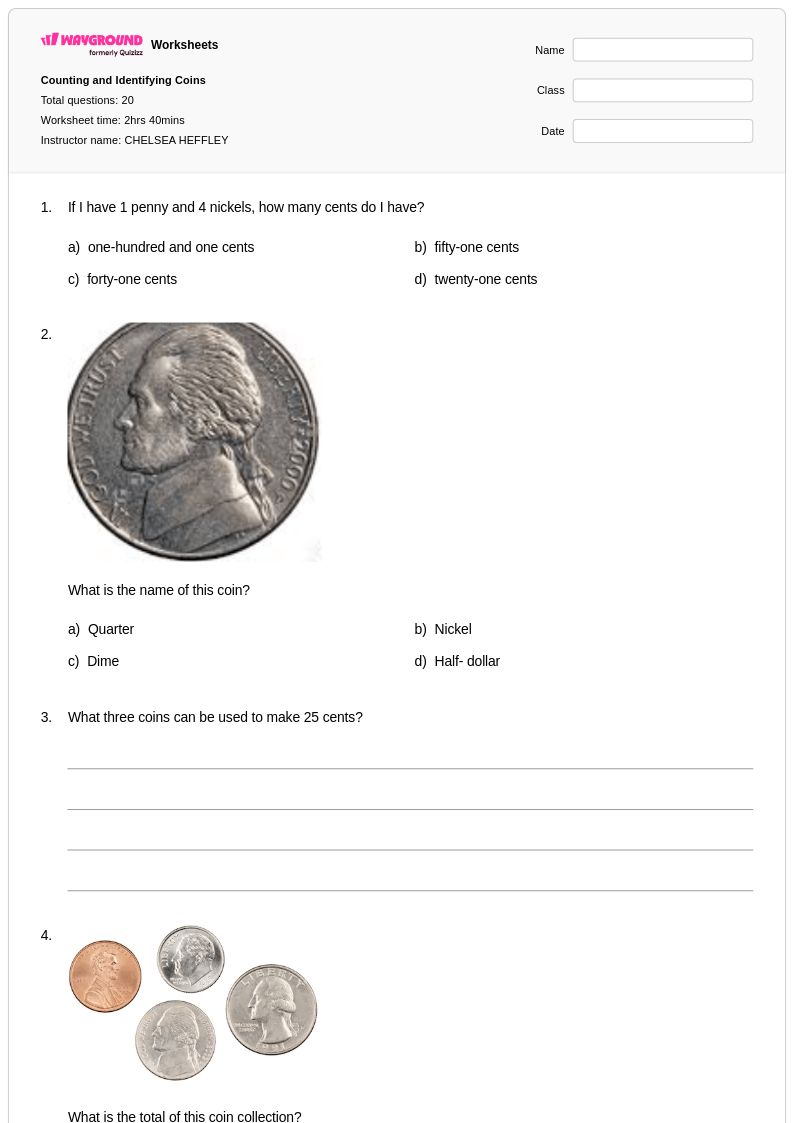
20 Q
1st - 3rd
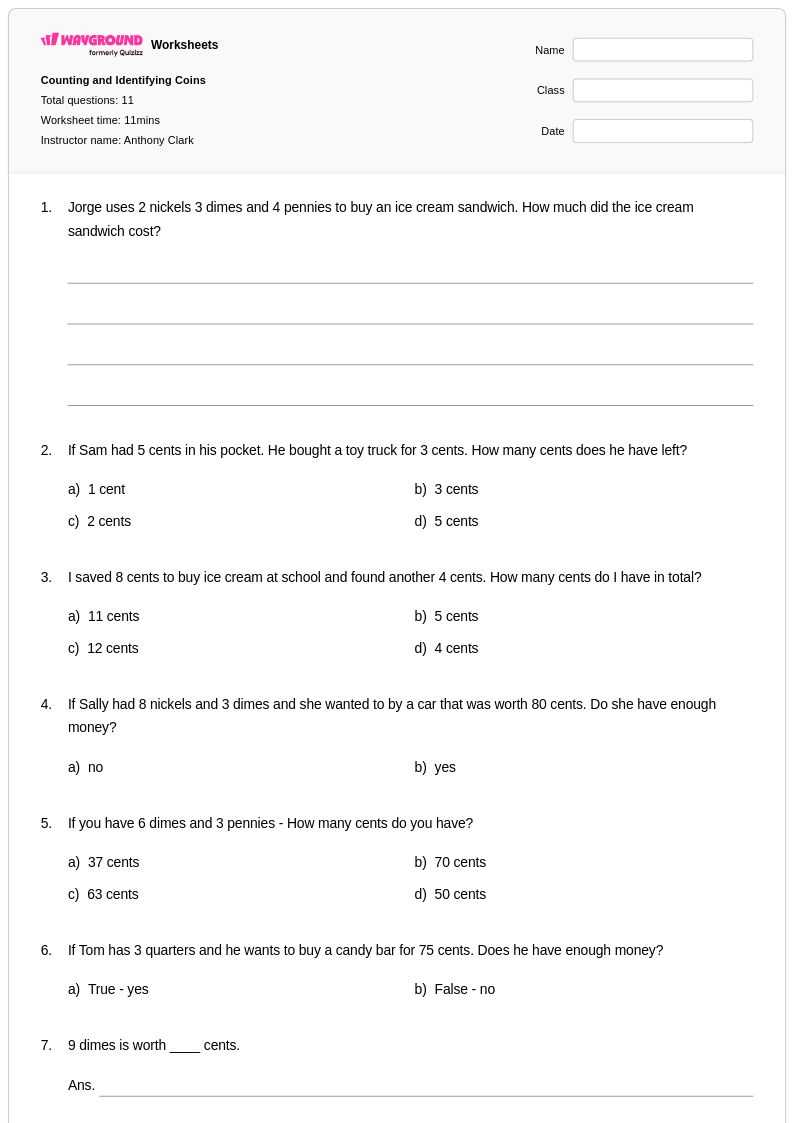
11 Q
2nd - Uni
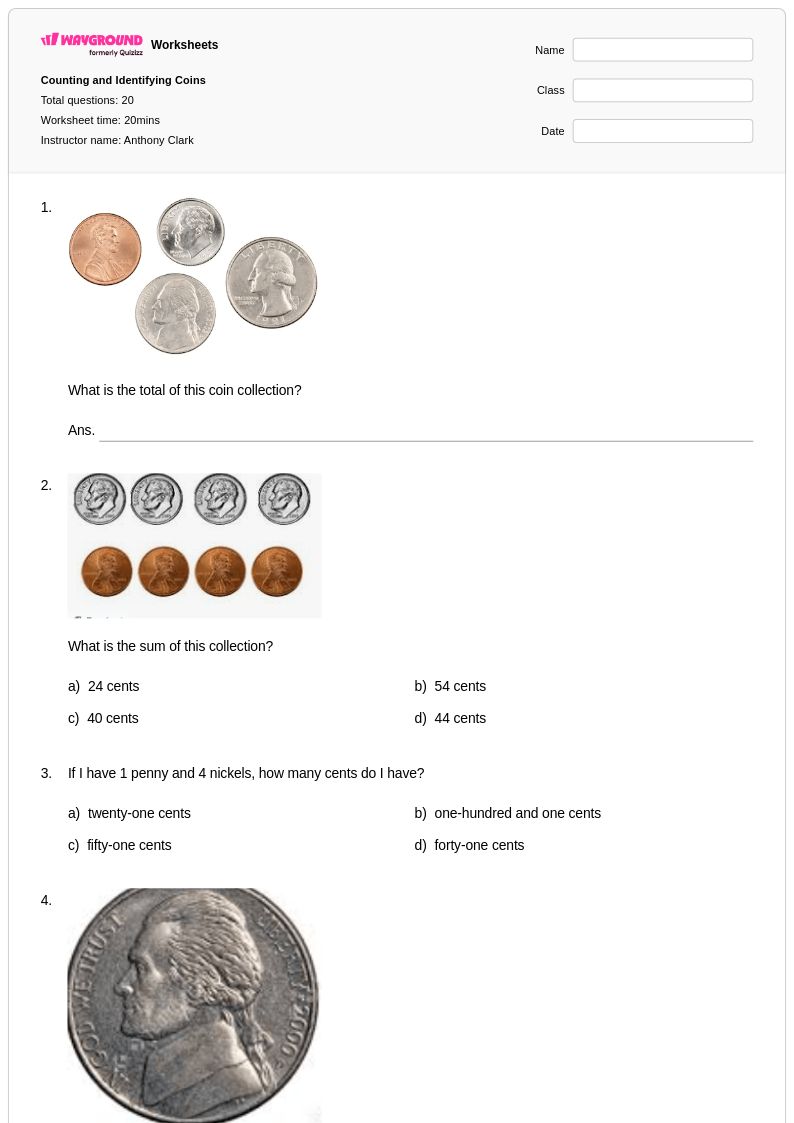
20 Q
2nd - Uni
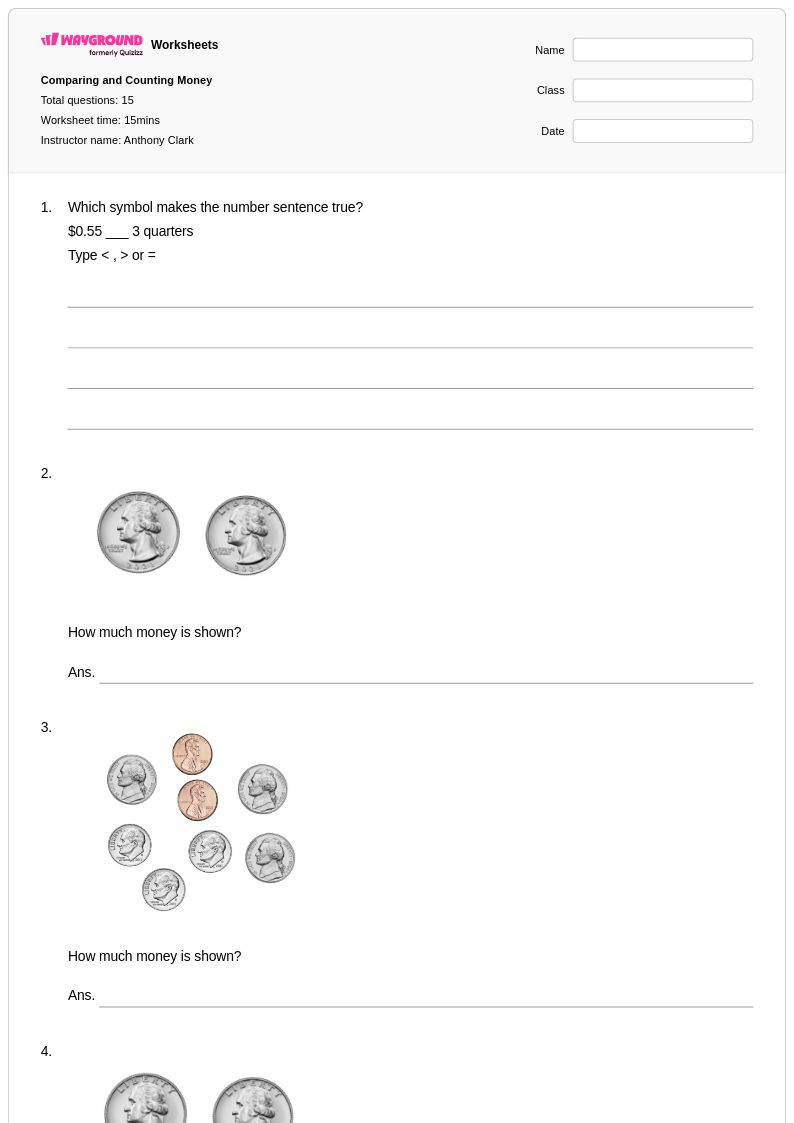
15 Q
3rd - Uni
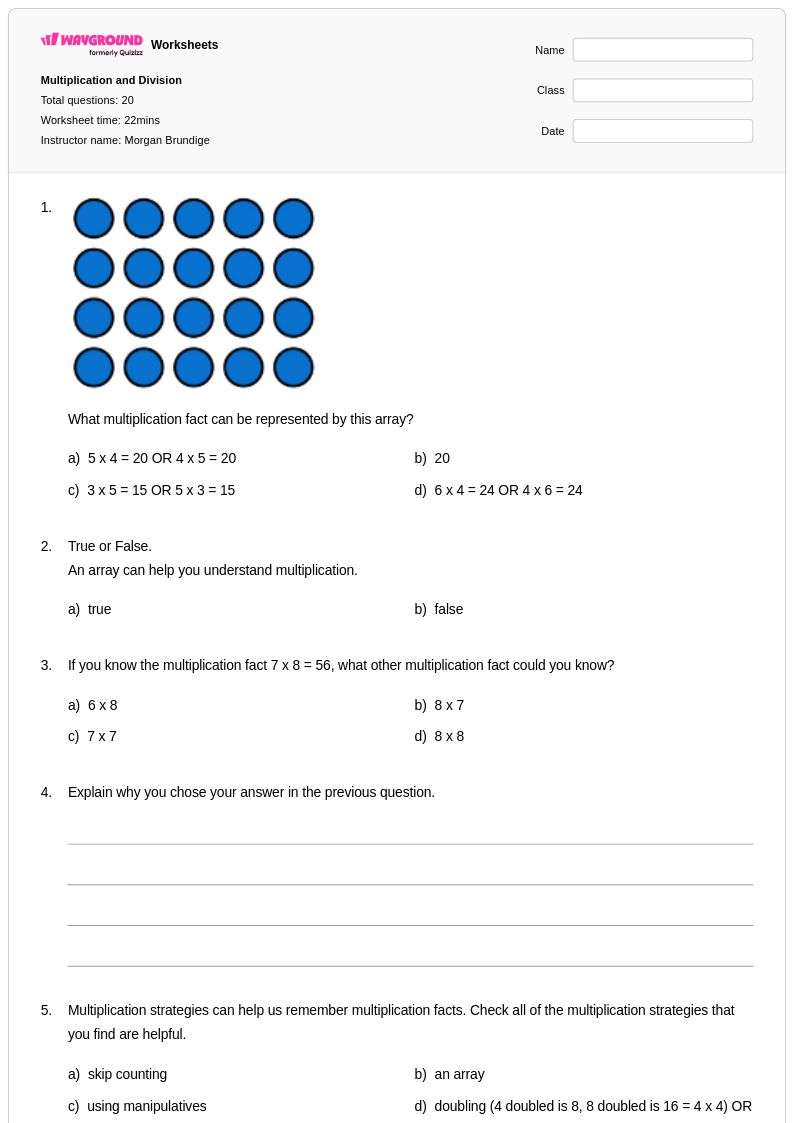
20 Q
3rd - 5th
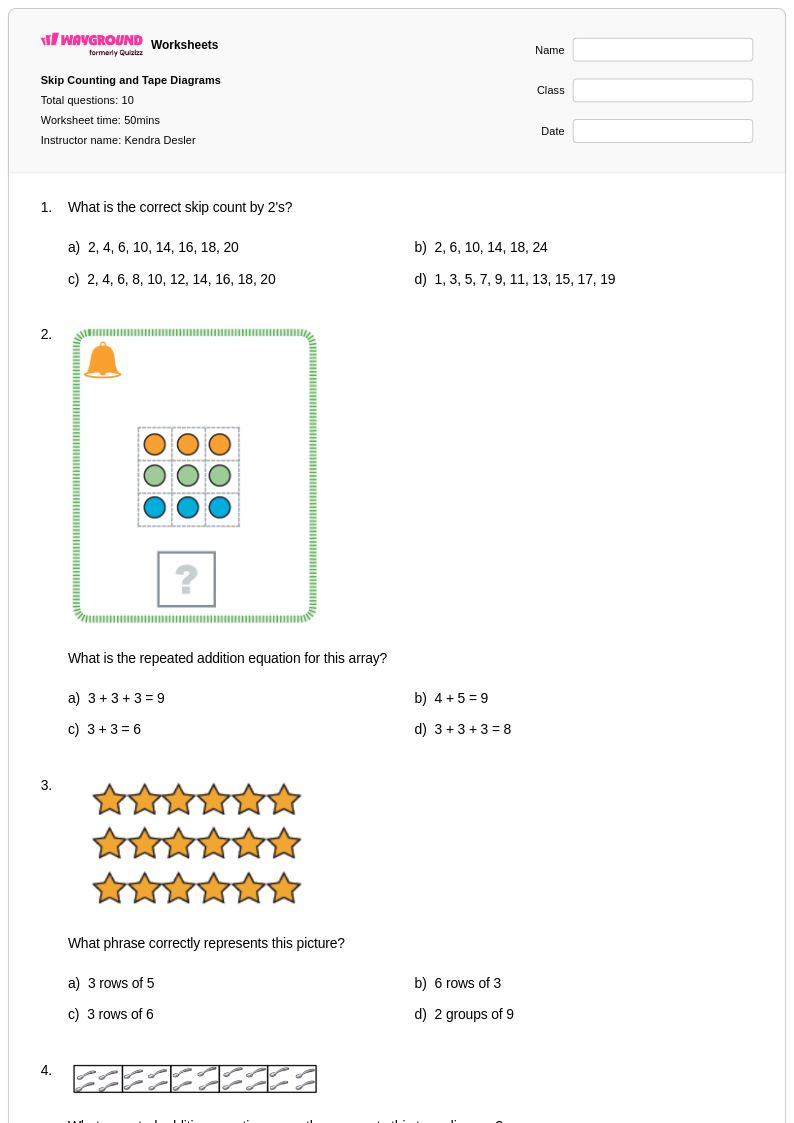
10 Q
2nd - 3rd
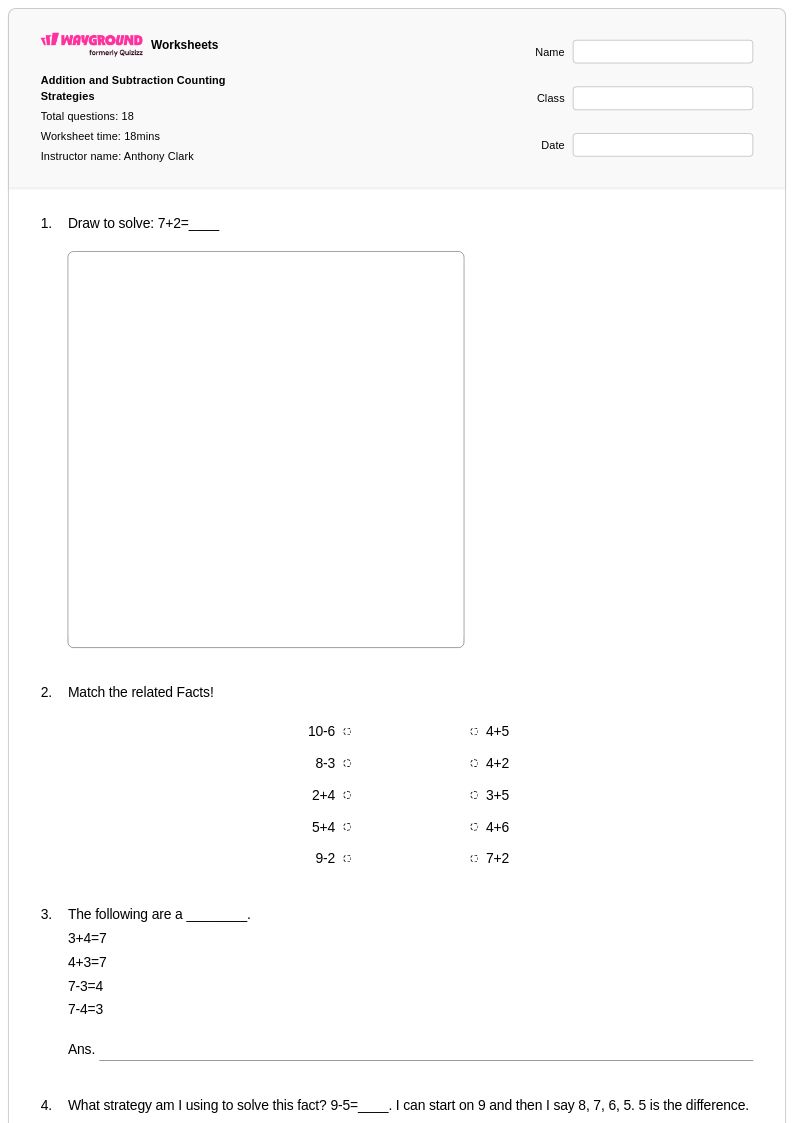
18 Q
1st - Uni
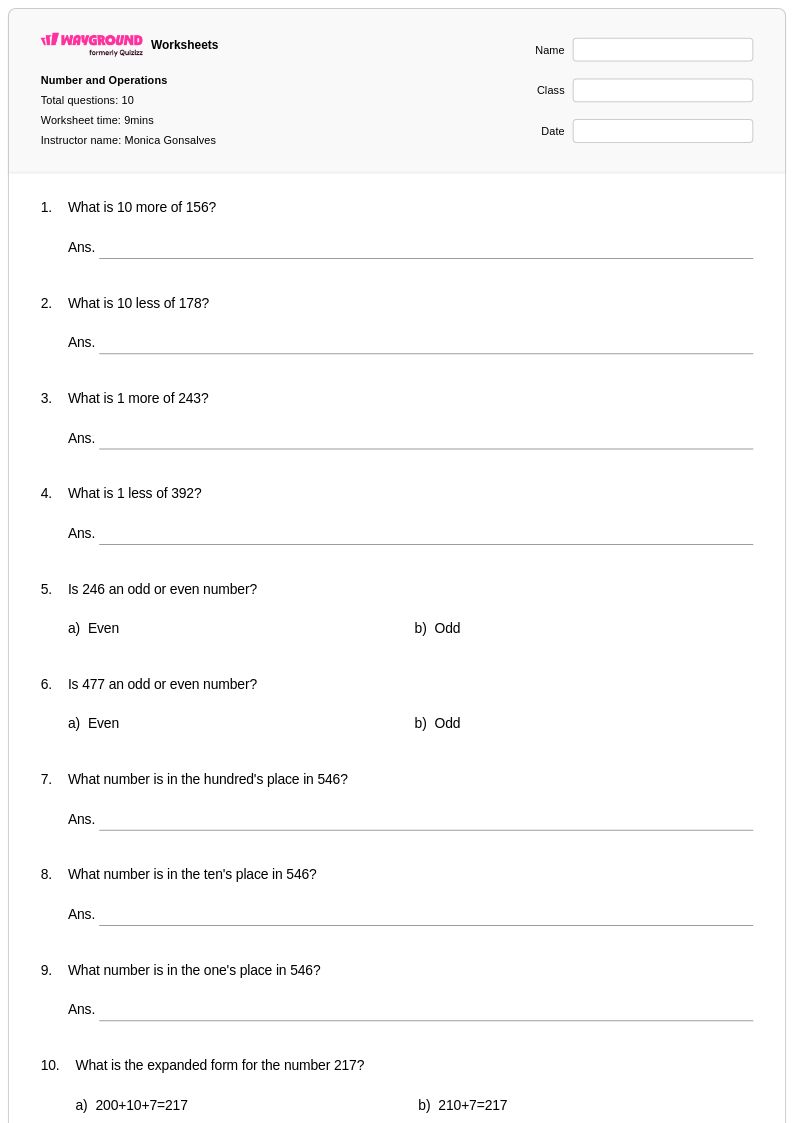
10 Q
3rd
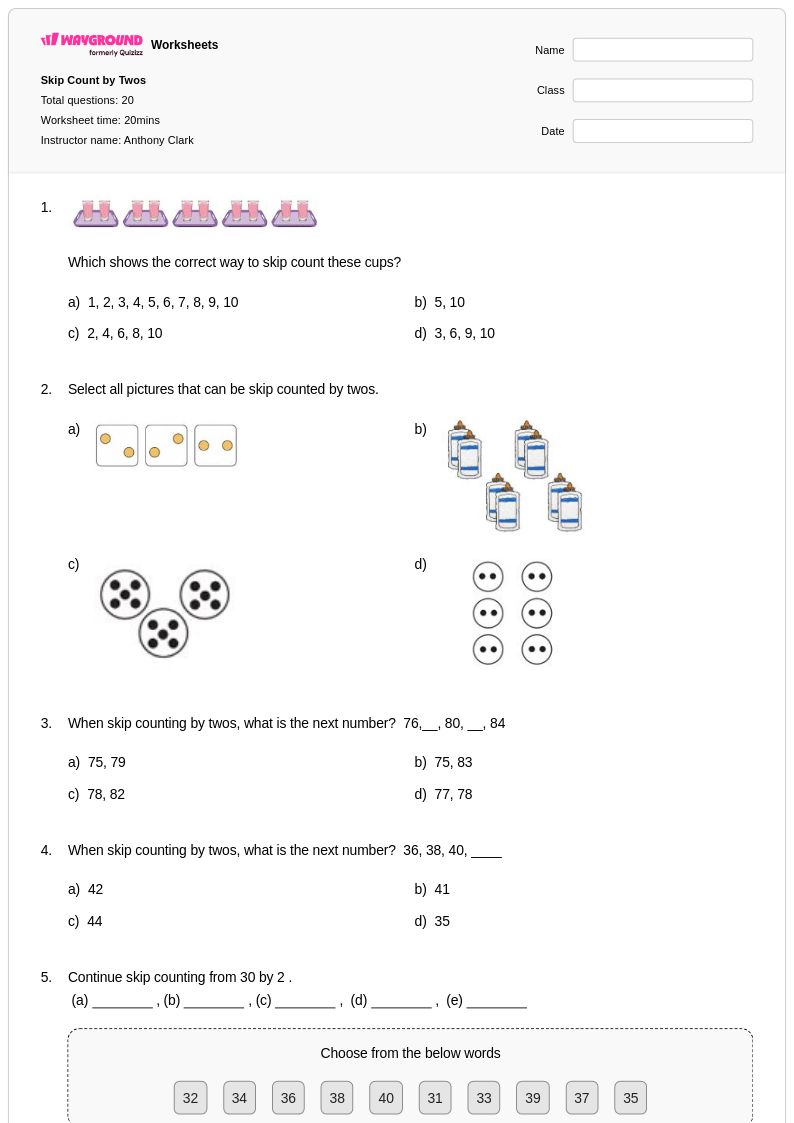
20 Q
2nd - Uni
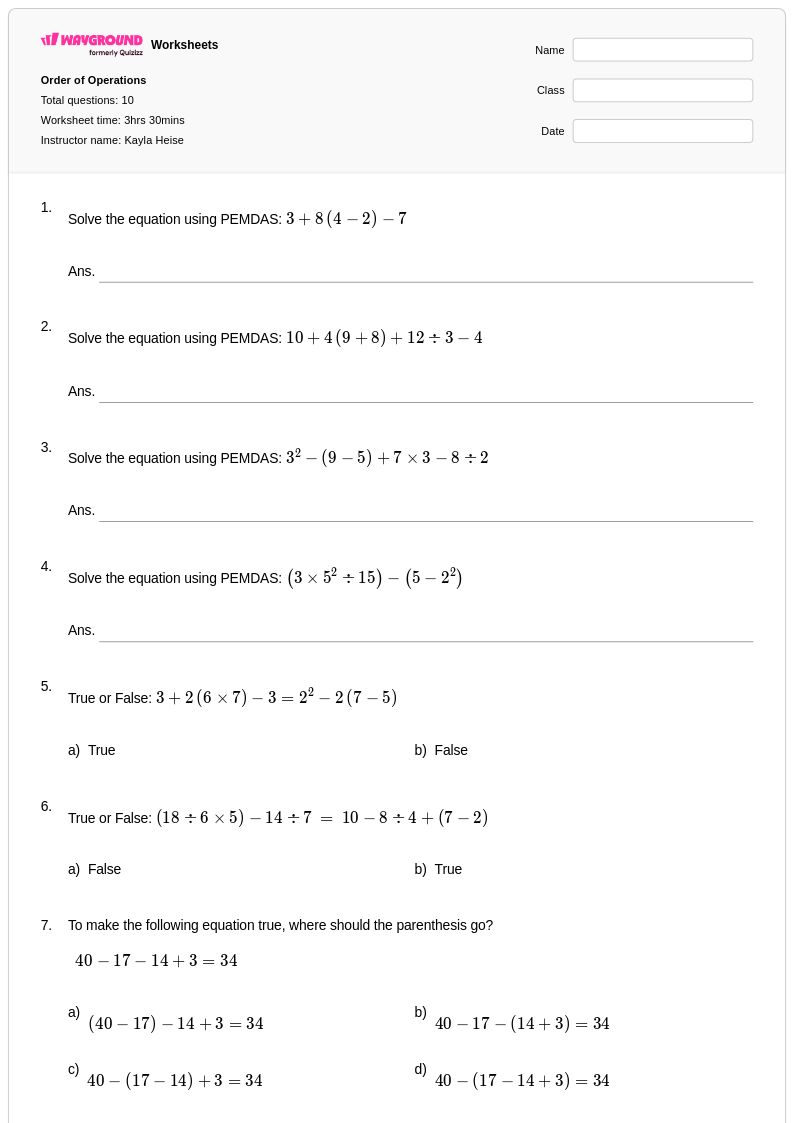
10 Q
3rd
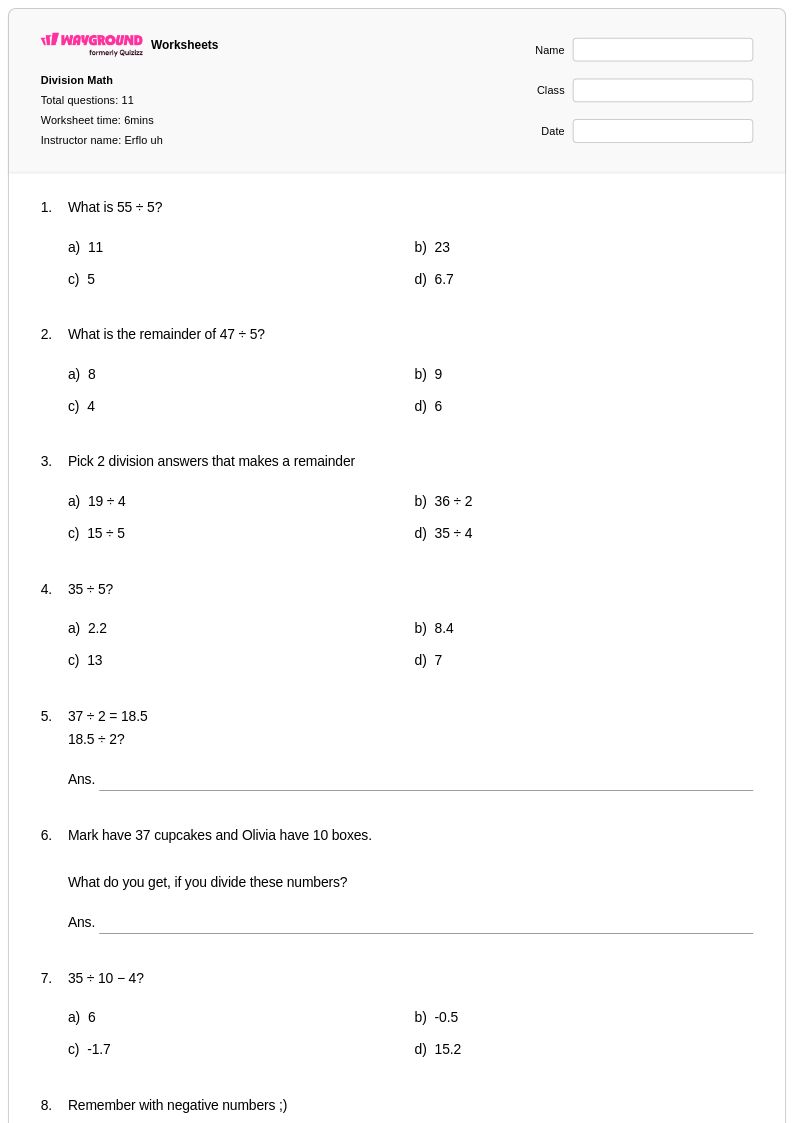
11 Q
3rd
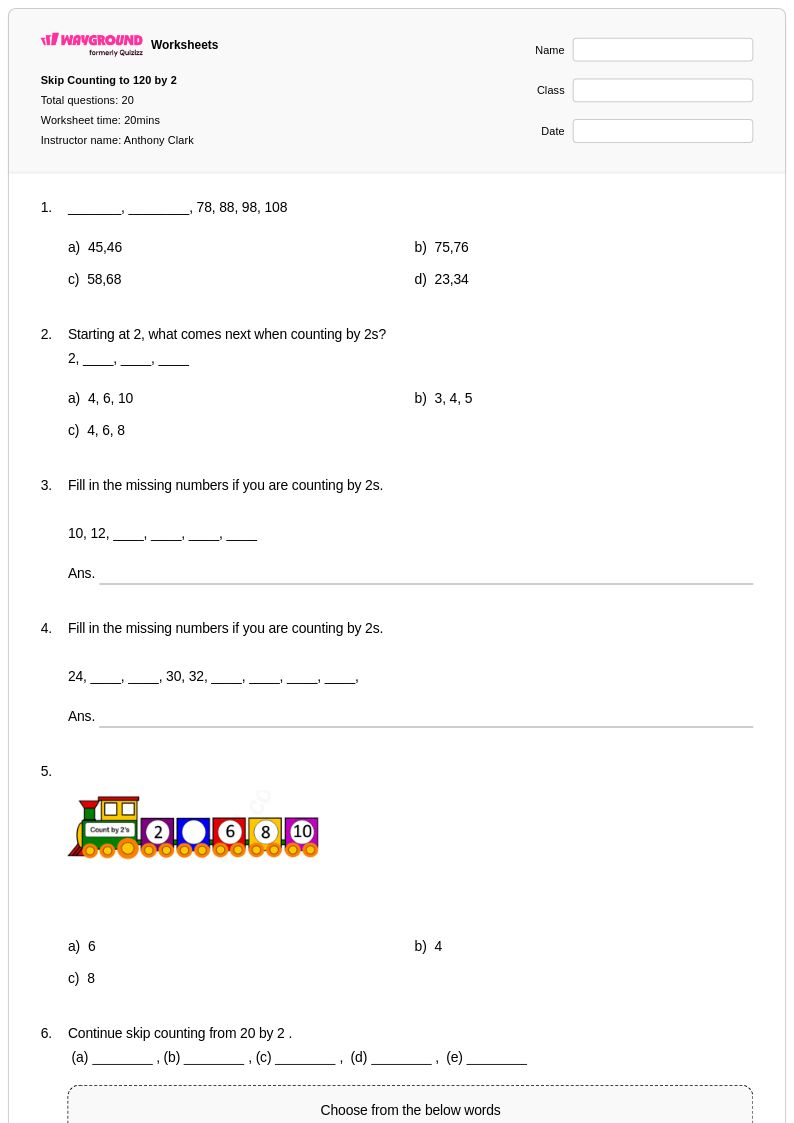
20 Q
2nd - Uni
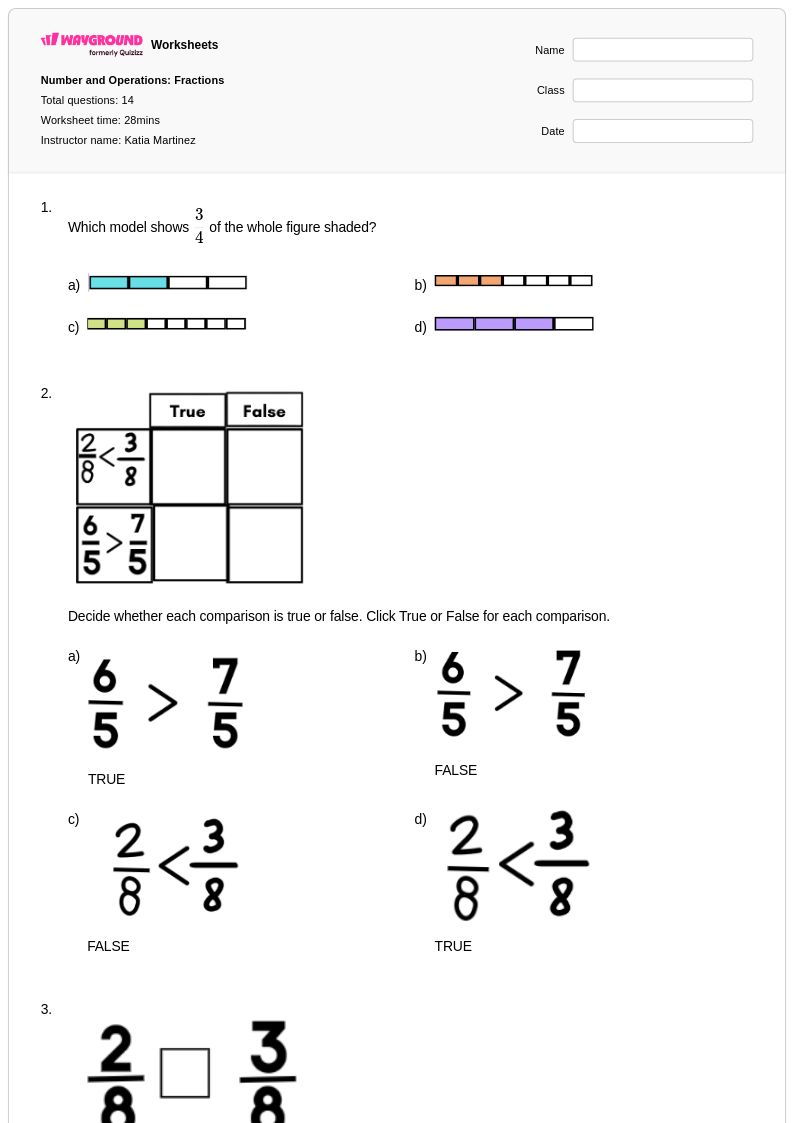
14 Q
3rd
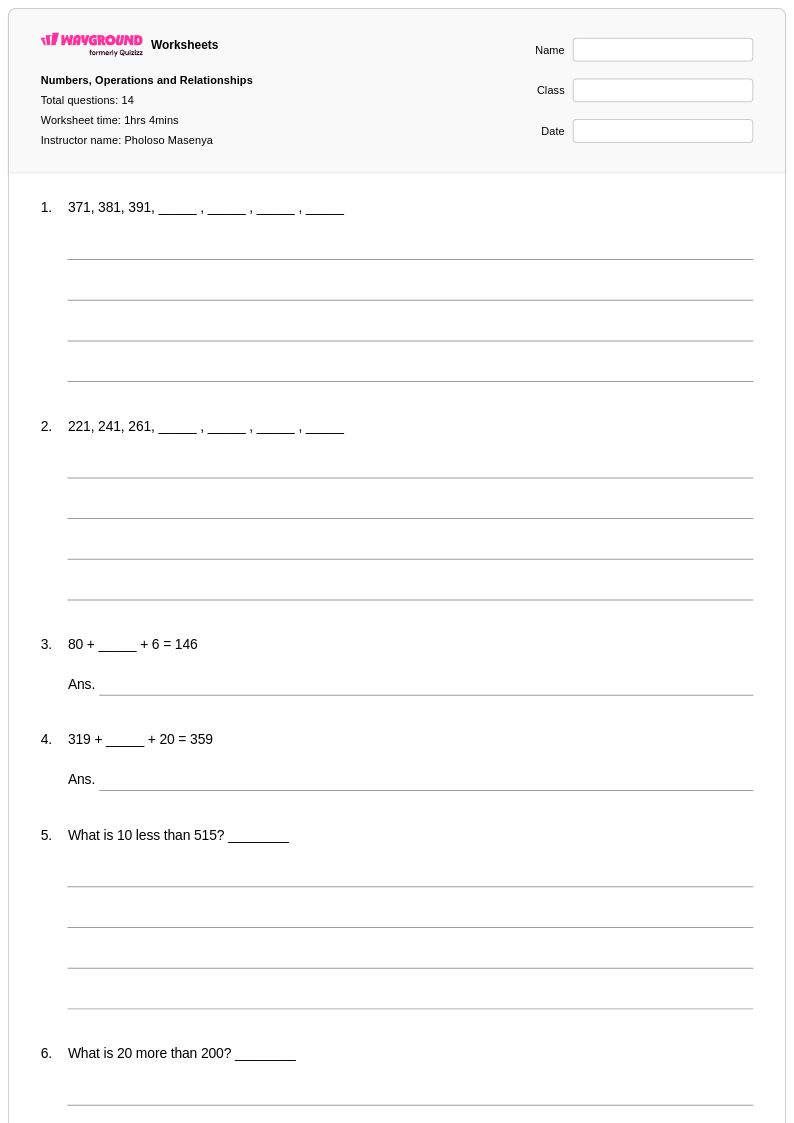
14 Q
3rd
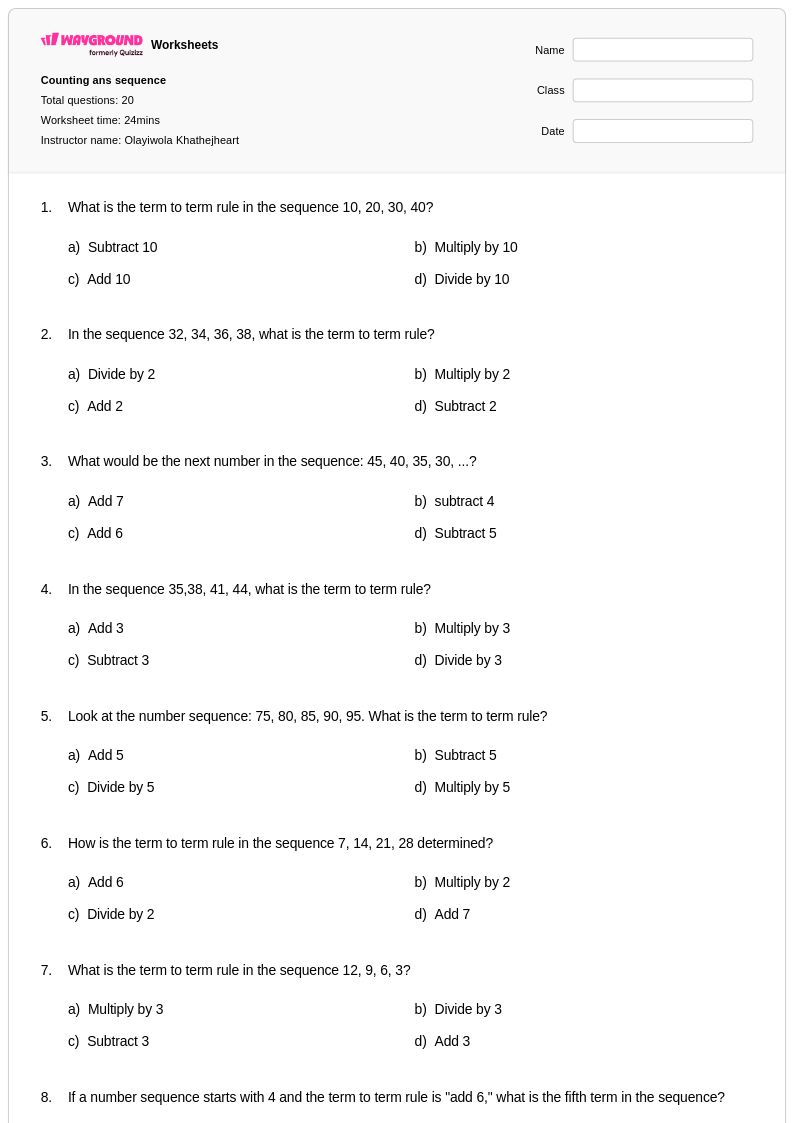
20 Q
3rd
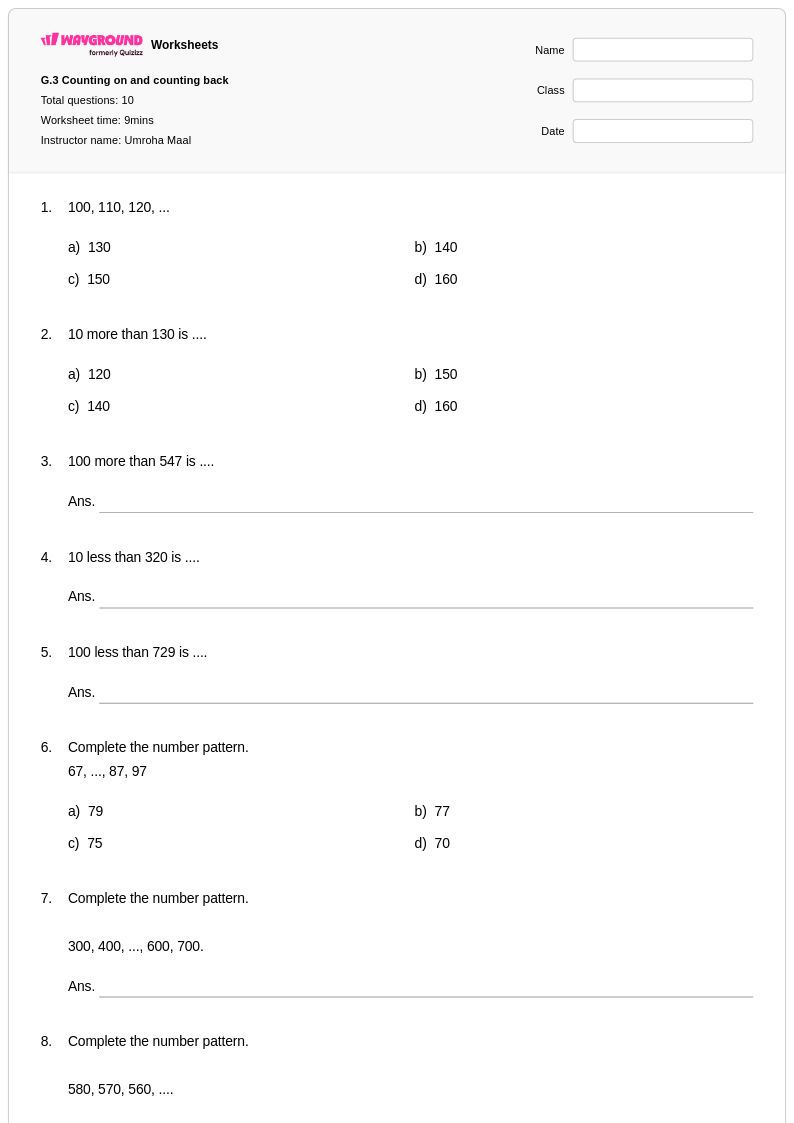
10 Q
3rd
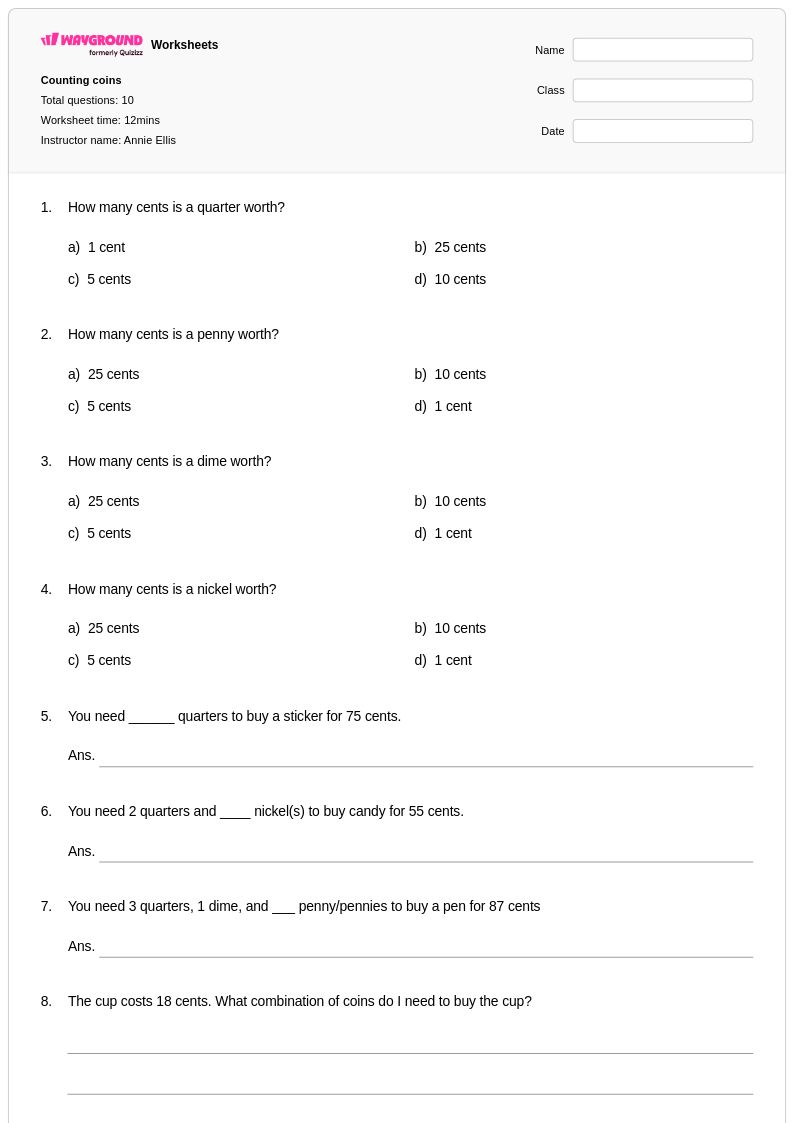
10 Q
KG - 3rd
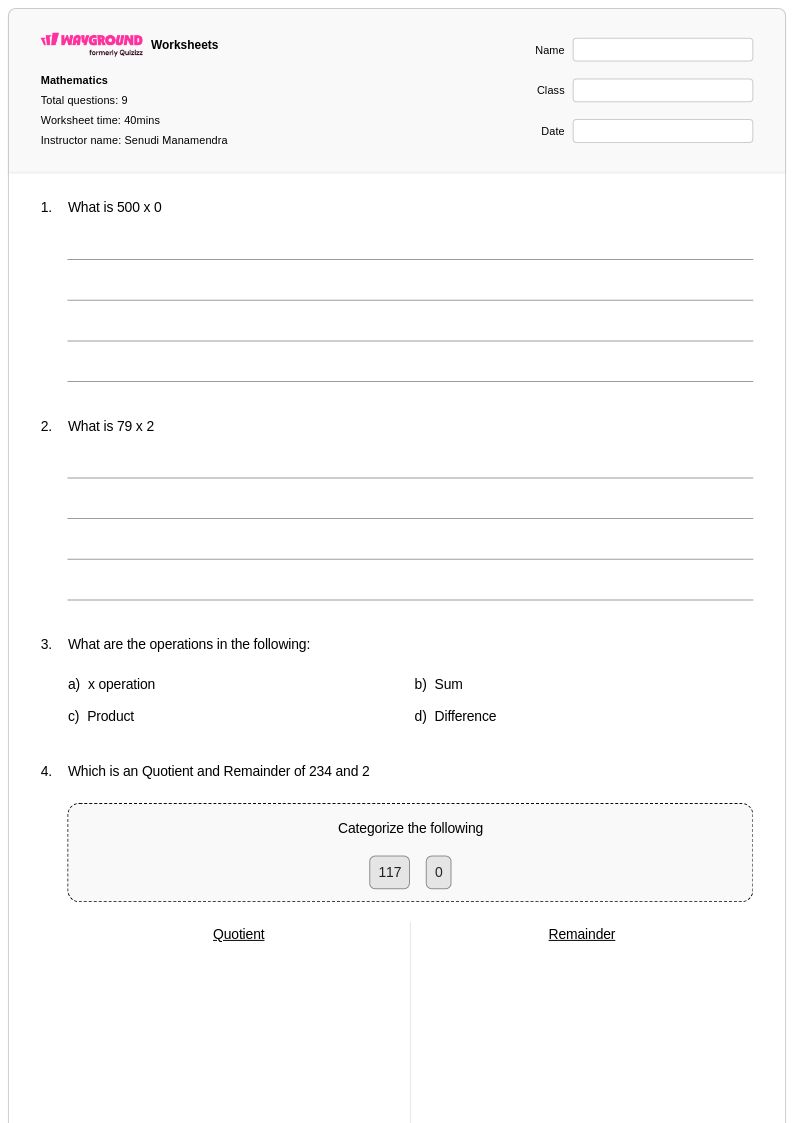
9 Q
3rd
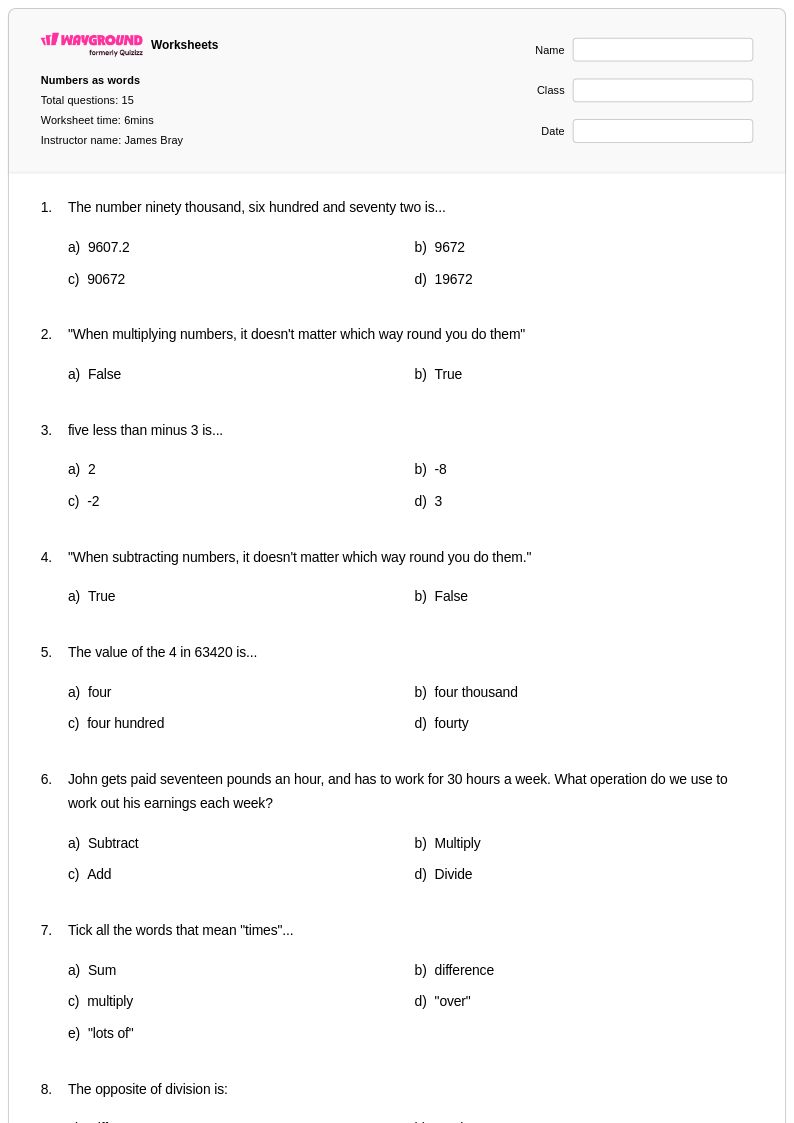
15 Q
3rd - 5th
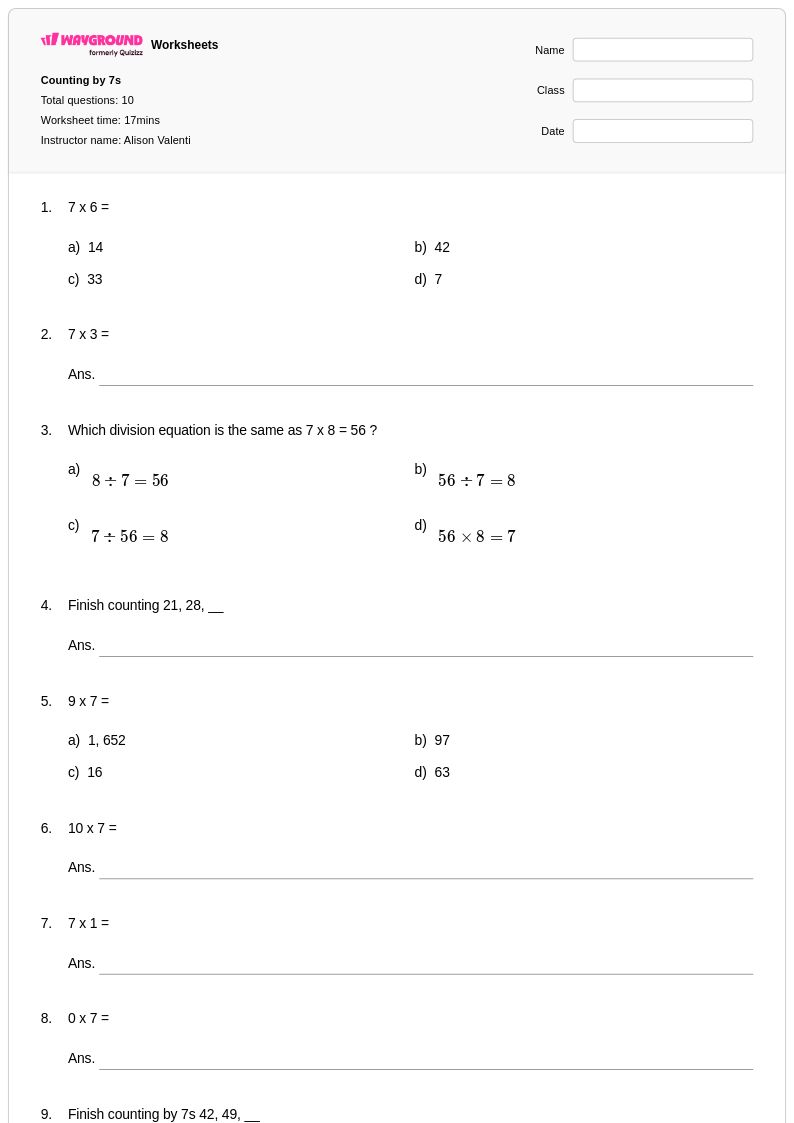
10 Q
3rd
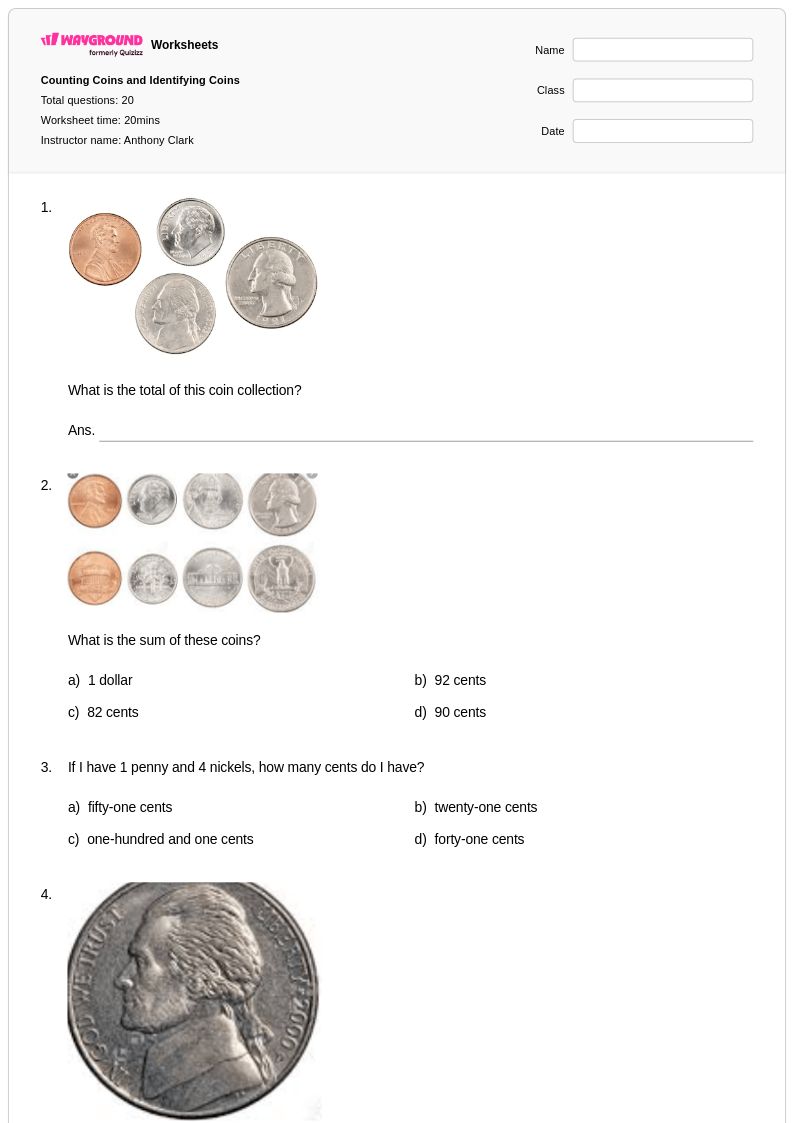
20 Q
2nd - Uni
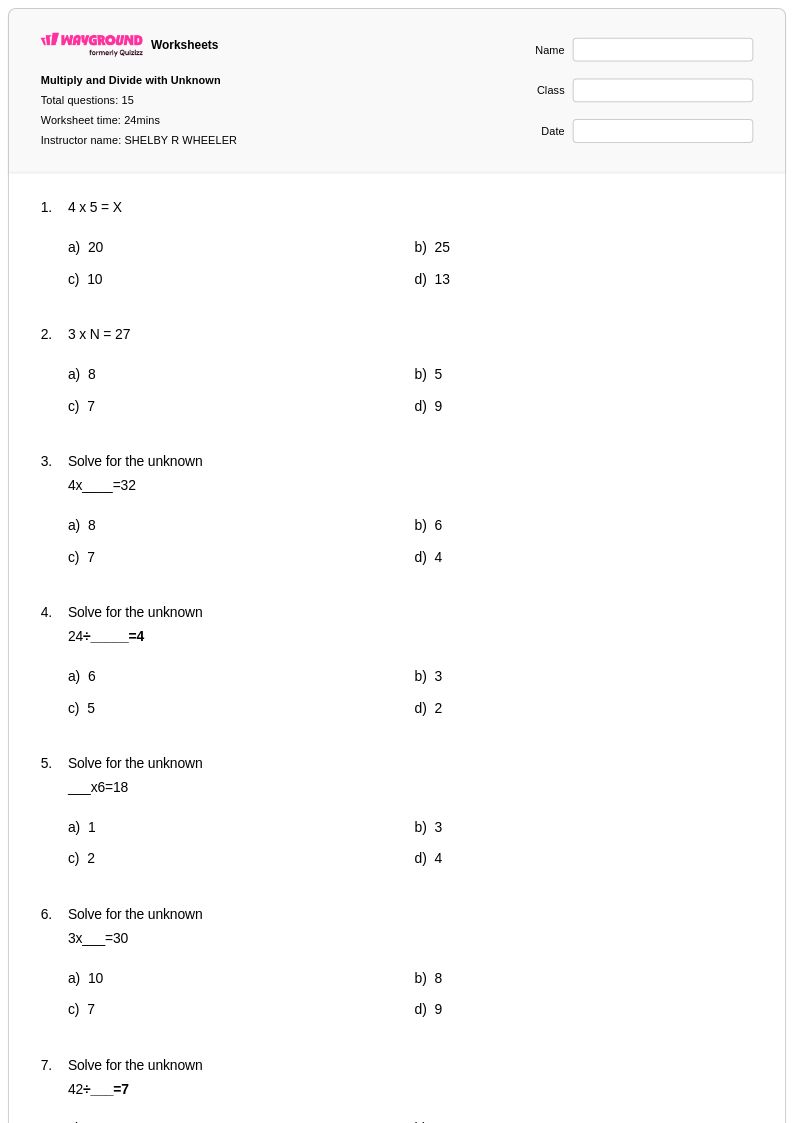
15 Q
3rd - Uni
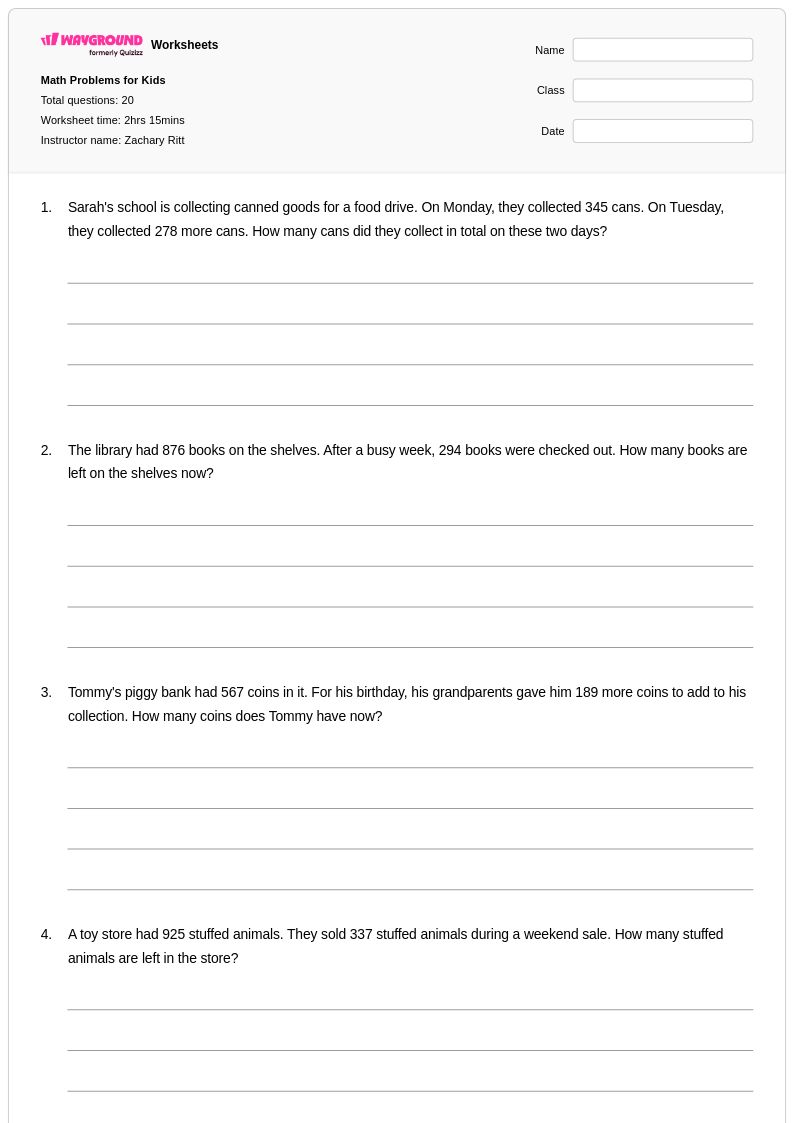
20 Q
3rd
Explore Counting and Operations with Manipulatives Worksheets by Grades
Explore Other Subject Worksheets for year 3
Explore printable Counting and Operations with Manipulatives worksheets for Year 3
Counting and Operations with Manipulatives worksheets for Year 3 through Wayground provide essential hands-on learning experiences that bridge concrete understanding with abstract mathematical concepts. These carefully designed practice problems guide students through systematic exploration of number relationships using visual aids like base-ten blocks, counting bears, and place value charts. Each worksheet strengthens foundational skills in addition, subtraction, skip counting, and place value recognition while encouraging students to manipulate objects mentally and physically. The comprehensive collection includes detailed answer keys and free printable resources that allow educators to assess student progress effectively, ensuring that third-graders develop robust number sense through tactile learning experiences that make mathematical concepts tangible and accessible.
Wayground supports mathematics educators with millions of teacher-created worksheet resources specifically focused on manipulative-based counting and operations instruction. The platform's advanced search and filtering capabilities enable teachers to locate grade-appropriate materials that align with curriculum standards and accommodate diverse learning needs through built-in differentiation tools. These customizable worksheets are available in both printable PDF formats and interactive digital versions, allowing seamless integration into various classroom environments and instructional approaches. Whether planning initial concept introduction, providing targeted remediation for struggling learners, or offering enrichment opportunities for advanced students, educators can efficiently access and modify high-quality manipulative-based activities that support systematic skill development and reinforce mathematical understanding through concrete representation and practice.
FAQs
How do I teach counting and operations with manipulatives in third grade?
What manipulative activities help third graders practice number operations?
What mistakes do third graders make when using base-ten blocks and place-value charts?
How can I use these Grade 3 counting and operations worksheets?
How do Grade 3 manipulative-based number operations align with Common Core?
What grade level are these counting and operations worksheets for?
How can I differentiate these Grade 3 manipulative-based worksheets?