Free Printable Emotion Identification Worksheets for Year 7
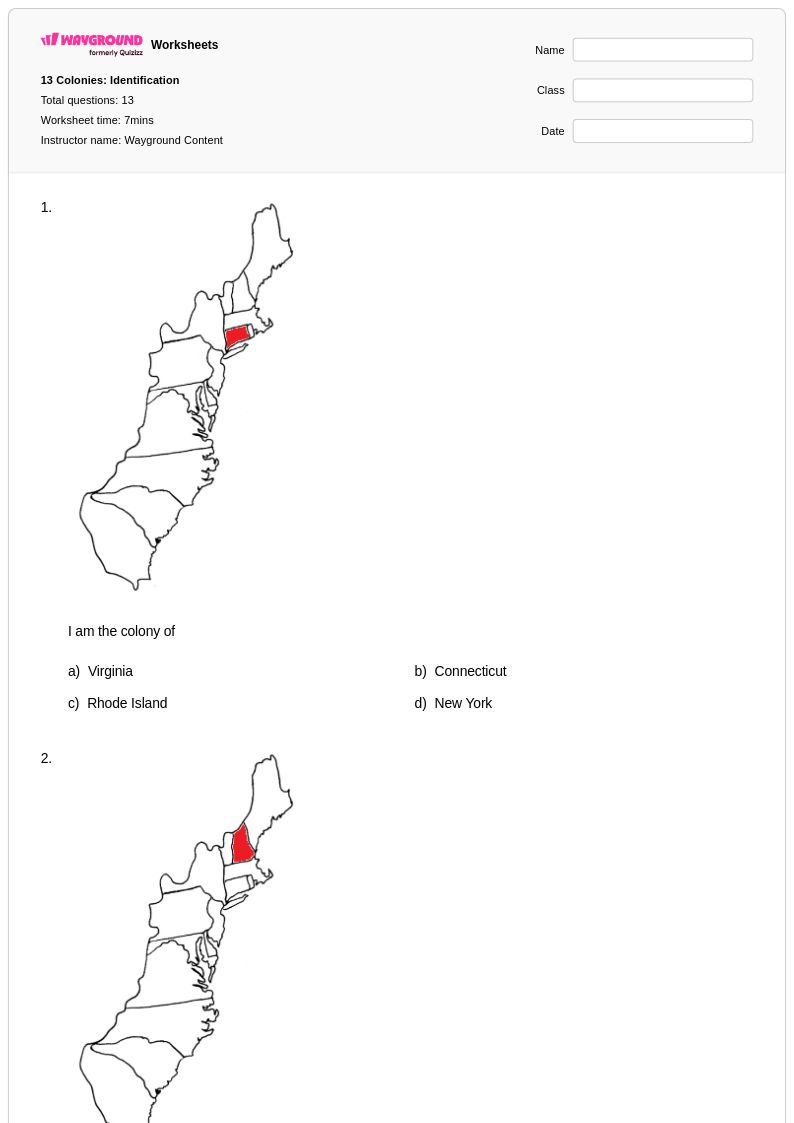
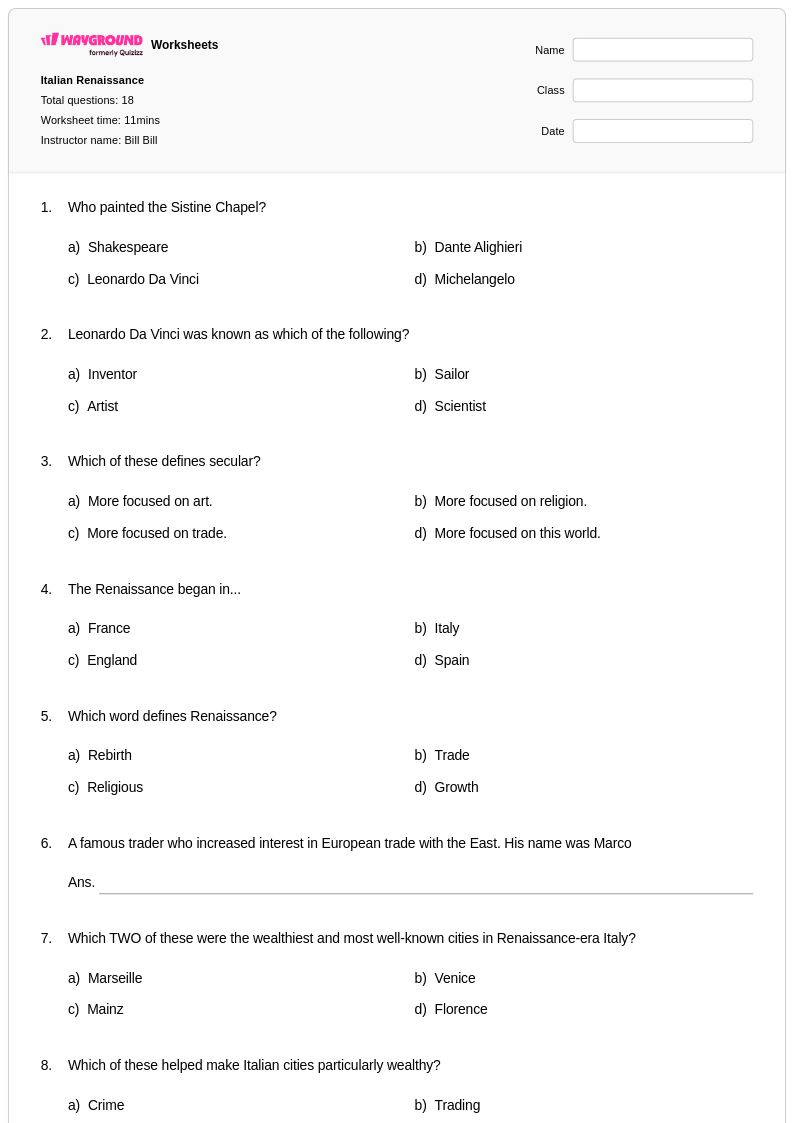
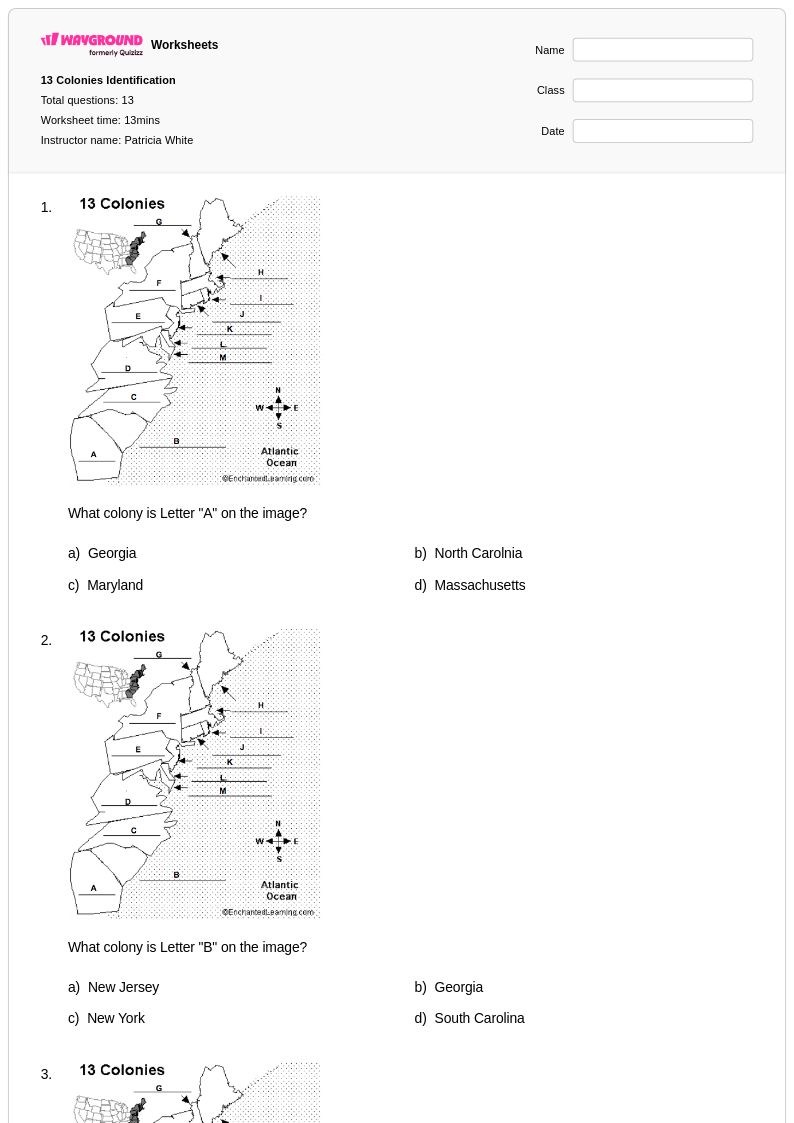
Year 7 emotion identification worksheets from Wayground help students develop essential social skills through engaging printables and practice problems that teach recognizing and understanding feelings, complete with answer keys and free PDF downloads.
Explore printable Emotion Identification worksheets for Year 7
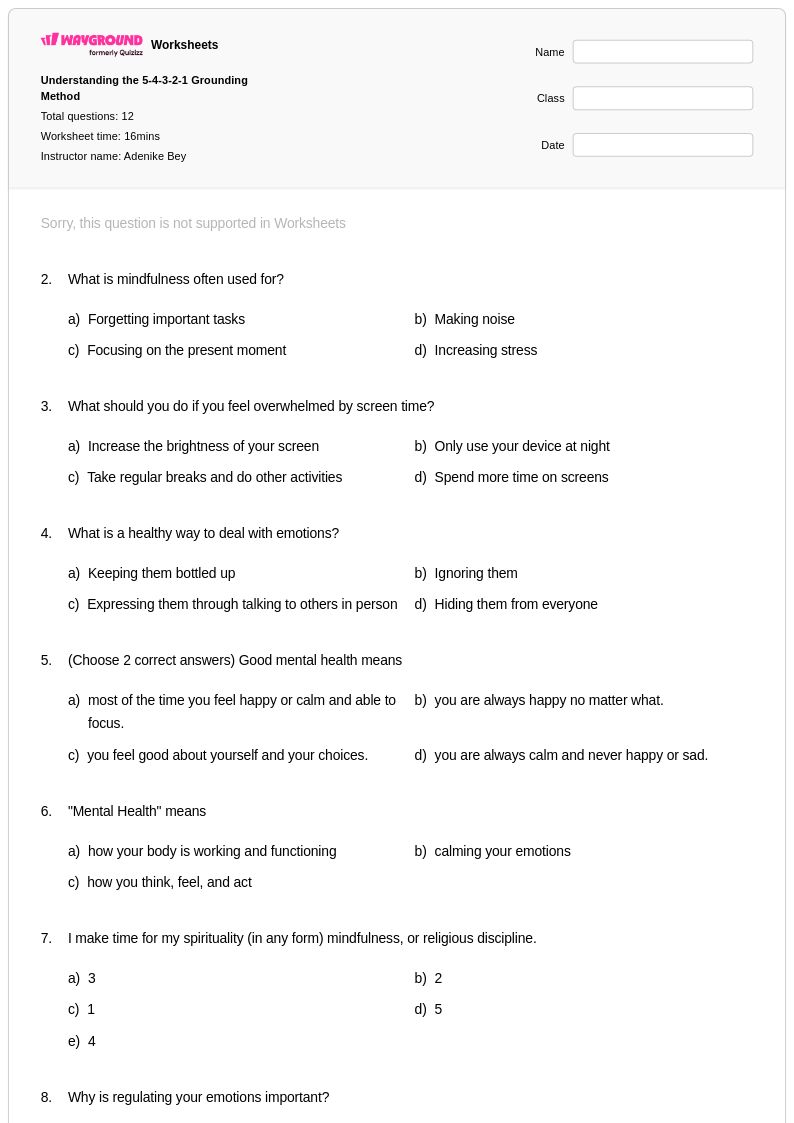
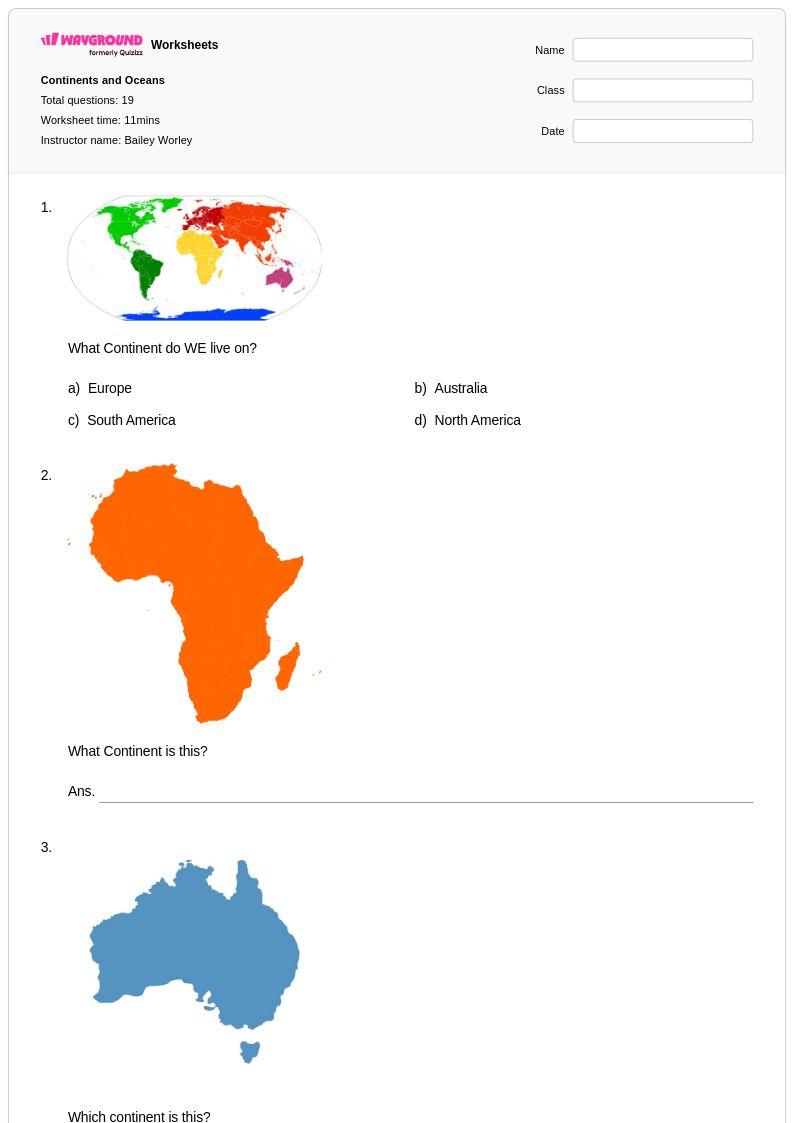
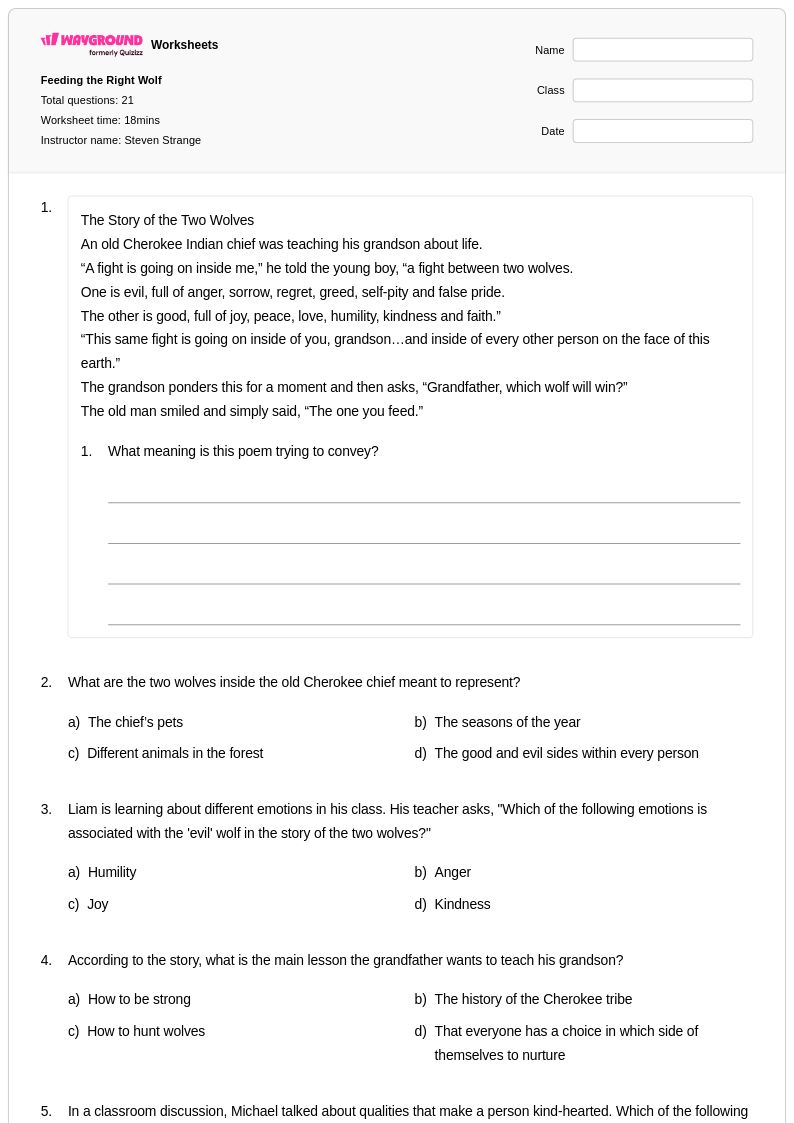
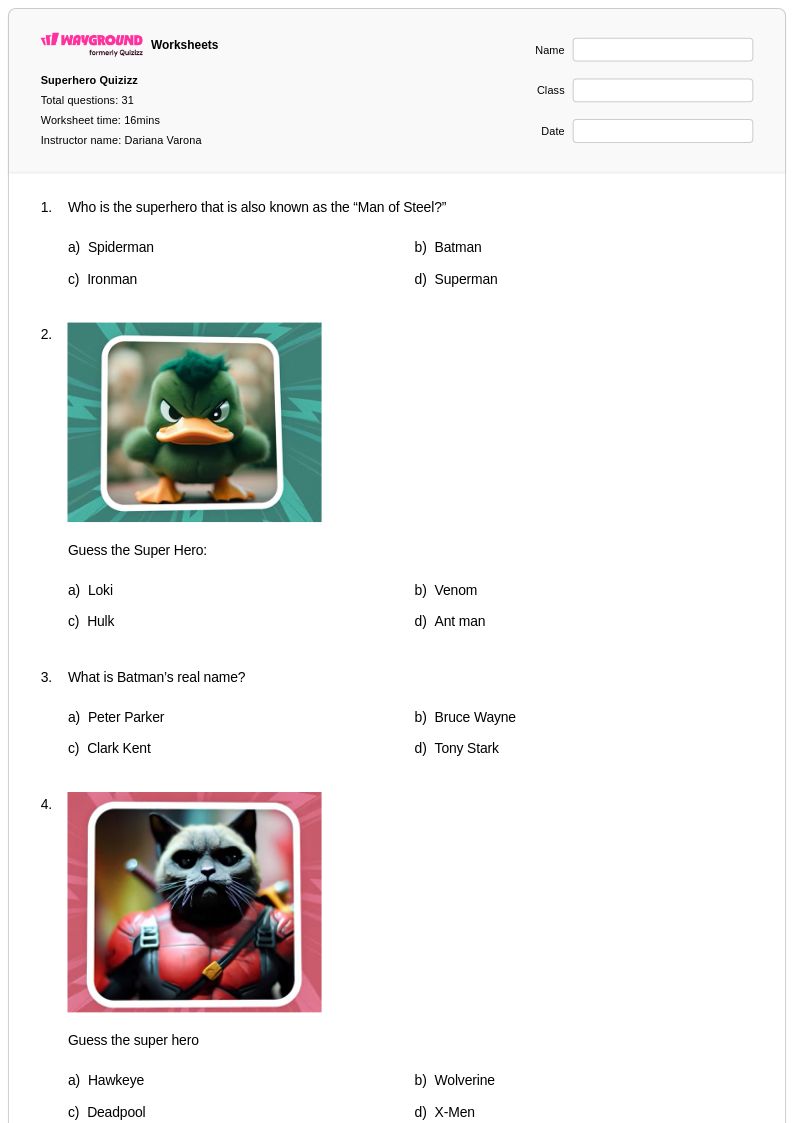
Emotion identification worksheets for Year 7 students available through Wayground (formerly Quizizz) provide comprehensive practice in recognizing, understanding, and analyzing emotional expressions and responses in various social contexts. These expertly designed resources strengthen students' ability to decode facial expressions, interpret body language, and identify emotional cues in written scenarios and real-world situations. The worksheets include diverse practice problems featuring scenarios from peer interactions, family dynamics, and classroom environments, helping seventh graders develop crucial social-emotional literacy skills. Each printable resource comes with a detailed answer key to support both independent learning and guided instruction, and the free pdf format ensures easy classroom distribution and homework assignments.
Wayground's extensive collection of teacher-created emotion identification resources supports educators with millions of professionally developed materials that can be easily searched and filtered by specific learning objectives and grade-level appropriateness. The platform's robust differentiation tools allow teachers to customize worksheets based on individual student needs, while standards alignment features ensure that social skills instruction meets curriculum requirements. These versatile resources are available in both printable pdf format for traditional classroom use and digital formats for interactive learning experiences, making them ideal for lesson planning, targeted remediation, and enrichment activities. Teachers can efficiently locate materials that address specific aspects of emotion identification, from basic facial expression recognition to complex emotional reasoning scenarios, streamlining the process of providing consistent skill practice across diverse learning environments.
FAQs
How do I teach emotion identification to students?
Teaching emotion identification works best when instruction moves from concrete to abstract: start with clear facial expression recognition using images, then introduce emotional vocabulary with precise labels like 'frustrated' or 'anxious' rather than just 'mad' or 'sad.' From there, use scenario-based activities where students analyze situational context to infer how a character might feel, which bridges recognition skills to real-world empathy. Structured practice with matching tasks and reflective prompts helps students internalize the connection between physical cues, context, and emotional states.
What exercises help students practice emotion identification?
Effective practice activities for emotion identification include facial expression matching exercises, scenario-based tasks where students read a situation and label the likely emotion, and reflective journaling prompts that ask students to connect feelings to personal experiences. Emotion vocabulary development activities, such as sorting emotions by intensity or categorizing them as comfortable or uncomfortable, deepen students' ability to distinguish between similar emotional states. Repeated exposure across multiple formats builds both recognition speed and the nuanced understanding needed for genuine social awareness.
What mistakes do students commonly make when identifying emotions?
One of the most common errors is over-relying on facial expressions alone while ignoring situational context, which leads to misidentification, especially with complex or mixed emotions. Students also frequently collapse distinct emotions into broad categories, labeling everything as 'happy,' 'sad,' or 'mad' instead of using more precise vocabulary. Another common misconception is assuming that emotions are universally expressed the same way, which can interfere with empathy when students encounter peers who express feelings differently than they expect.
How can I use emotion identification worksheets to support students with different learning needs?
Emotion identification worksheets on Wayground can be assigned digitally, allowing teachers to apply individual accommodations such as Read Aloud for students who benefit from audio support, reduced answer choices to lower cognitive load for learners who feel overwhelmed by complex emotion sets, and extended time for students who need additional processing time. These settings can be configured per student and saved for reuse across sessions, so differentiation does not require rebuilding each time. This flexibility makes it practical to support diverse learners, including those with language processing challenges or social-emotional learning needs, within the same assignment.
How do I use Wayground's emotion identification worksheets in my classroom?
Wayground's emotion identification worksheets are available as free printable PDFs for traditional classroom use and in digital formats for technology-integrated environments, including the option to host them as a quiz directly on the platform. Teachers can use printable versions for small group work, independent practice packets, or take-home assignments, while digital formats allow for real-time monitoring of student responses. Each worksheet includes a complete answer key, reducing preparation time and making them ready to use for direct instruction, targeted remediation, or ongoing skill practice.
How does emotion identification connect to academic success?
Emotion identification is a foundational social-emotional competency because students who can accurately recognize and label emotions in themselves and others are better equipped to manage conflict, collaborate with peers, and self-regulate during stressful academic tasks. Research in social-emotional learning consistently links emotional literacy to improved classroom behavior, stronger peer relationships, and greater engagement with learning. Building this skill explicitly through structured practice provides students with tools they use across every subject and social context, not just in SEL-specific lessons.